How to Buy a Used Hot Tub — Complete Checklist
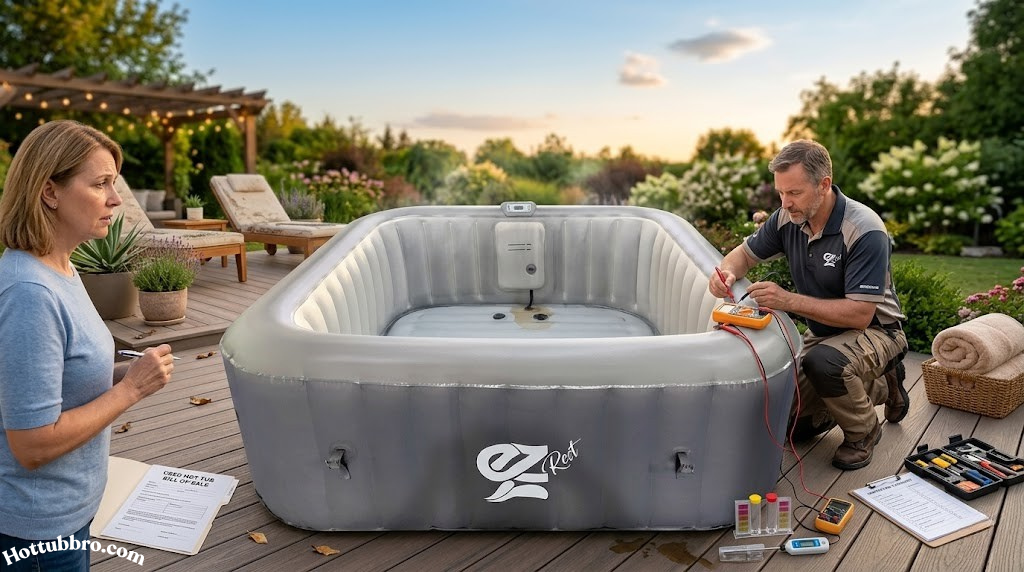
Buying a used hot tub is one of the smartest value moves in the world of backyard leisure — but only if you know exactly what to look for. The difference between a $1,500 bargain and a $1,500 mistake is often nothing more than a 45-minute inspection. This complete checklist walks you through every single step, from finding listings to firing up the jets in your own backyard for the first time.
Why Buying a Used Hot Tub Makes Sense (And When It Doesn’t)
New hot tubs from established brands routinely cost between $4,000 and $16,000 or more. That number alone pushes the purchase well beyond what many households are comfortable spending on something they’ve never owned before. A well-maintained used tub from a reputable brand, on the other hand, can often be purchased for 25–50% of the original retail price — sometimes less.
The depreciation curve on hot tubs is steep. A premium tub that sold for $9,000 three to five years ago might realistically be listed on Facebook Marketplace or Craigslist for $2,500 to $3,500. If that tub still runs well, the shell is solid, and the plumbing has no hidden leaks, you’ve just acquired a significant piece of backyard infrastructure for a fraction of the new cost. If you’re weighing your options and wondering whether going used makes sense versus a more affordable new model, our analysis of whether inflatable hot tubs are worth it can add useful perspective on what you’re gaining with a rigid-shell used tub.
✅ Buying Used: Pros
- Dramatically lower purchase price
- High-end brands become affordable
- Proven track record on that specific unit
- Room to negotiate price
- You can see the actual condition
- Faster availability — no wait time
❌ Buying Used: Cons
- No manufacturer warranty
- Hidden problems may not surface immediately
- Moving costs can be significant
- Parts may be harder to find on older models
- Requires more due diligence
- No financing options typically
That said, buying used is not right for everyone. If you’ve never owned a hot tub before and aren’t comfortable doing basic troubleshooting, or if the seller won’t allow a wet test, you should either walk away or budget carefully for professional inspection. The checklist that follows is designed to make sure you never pay for problems you didn’t know you were buying.

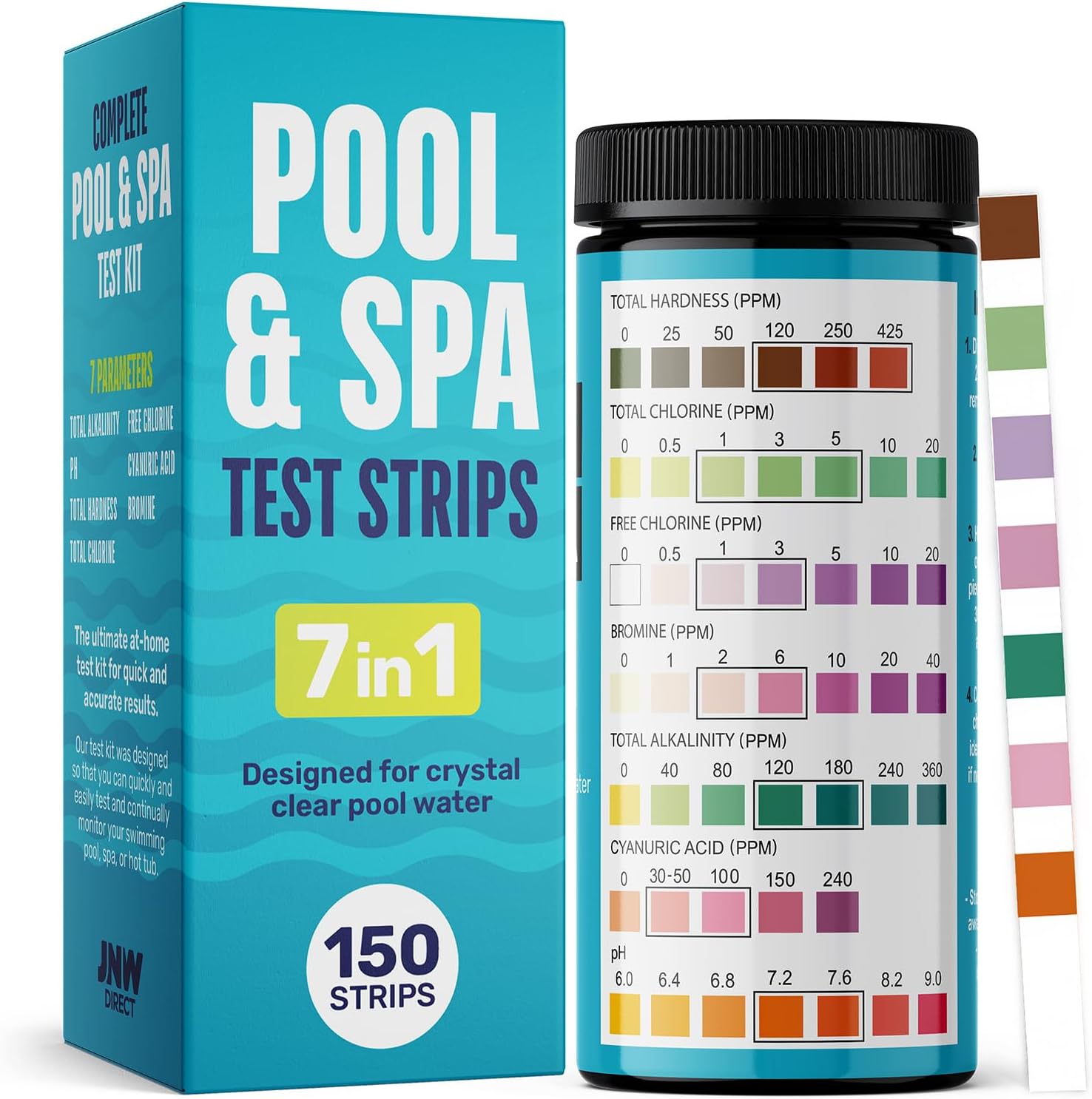
Hot Tub Water Test Kit — 7-Way Strips
Get your chemistry baseline right from day one. Accurate 7-way strips for pH, chlorine, alkalinity, hardness, and more.
Check Price on Amazon →Research the Market Before You Contact Any Seller
Most buyers make the mistake of jumping straight to listings and falling in love with the first tub they see. A smarter approach is to spend a week researching the market before making a single call. This gives you a realistic sense of pricing, shows you which brands and models appear frequently, and gives you the confidence to walk away from overpriced listings.
Where to Look for Used Hot Tubs
The primary hunting grounds for used hot tubs are Facebook Marketplace, Craigslist, OfferUp, and local classified ads. In some regions, dealer trade-in programs also surface quality used units that have been partially serviced — these often command a premium but come with more peace of mind. Estate sales and auction houses occasionally list hot tubs as well, though you rarely get a wet test opportunity through those channels.
When scanning listings, record the asking price, brand, approximate age if listed, number of jets, and the reason for selling. After reviewing 30–50 listings in your area, you’ll have a reliable sense of what’s overpriced, what’s underpriced, and what “normal” looks like for your market.
Which Brands Should You Target?
Not all hot tub brands are created equal on the used market. The brands that hold up best and have the easiest parts availability are:
| Brand | Reputation | Parts Availability | Value on Used Market |
|---|---|---|---|
| Hot Spring / Watkins | Excellent | Very Good | High |
| Sundance Spas | Excellent | Very Good | High |
| Jacuzzi | Excellent | Excellent | High |
| Caldera Spas | Very Good | Very Good | High |
| Master Spa | Good | Moderate | Medium |
| Bullfrog Spa | Good | Good | Medium |
| Arctic Spa | Good | Moderate | Medium |
| Off-brand / Unknown | Variable | Poor | Low |
You can also find helpful context in our deep-dive used hot tub buying guide that covers ownership considerations beyond the initial purchase.
Evaluate the Seller Before You Drive Anywhere
The seller tells you as much about the tub as the tub does. A seller who has maintained records, kept the water balanced, and serviced the equipment is vastly more likely to be selling a reliable unit than someone who used it twice and let it sit for two years with untreated water. A phone call or message exchange before your visit can reveal a great deal.
Questions to Ask Before the Visit
- What brand and model is it, and how old is it? Cross-check against your research.
- How long have you owned it? A long-term single owner is often better than something that’s changed hands twice in two years.
- Why are you selling? Moving and downgrading are perfectly valid reasons. “Never use it” is worth probing further.
- Has it had any repairs? Repairs aren’t necessarily bad — a recently replaced pump is actually a selling point if done professionally.
- Is it currently filled and running? If yes, great. If it was recently drained, ask when and why.
- Can I do a full wet test at the time of visit? If the answer is no without a clear reason, be very cautious.
- Do you have the original manual or any service paperwork?
- Is the electrical currently connected? A tub that’s been disconnected for a year has had no chance to run its circulation pump, which is hard on seals.

Essential Hot Tub Chemicals Starter Kit
Everything you need for a fresh water startup — shock, pH balancer, alkalinity increaser, and sanitizer in one bundle.
Check Price on Amazon →Inspect the Shell and Cabinet Thoroughly
The acrylic shell is the most structurally significant part of a hot tub. It’s also one of the most expensive to repair or replace. A crack in the shell doesn’t just mean a leak — it can compromise the structural integrity of the entire vessel. Similarly, the cabinet (the exterior skirting around the tub) protects the insulation and plumbing from weather and pests. Give both a methodical inspection before doing anything else.
Acrylic Shell Inspection
Run your hand along every interior surface of the shell, paying particular attention to corners, the areas around jet fittings, and the bottom. A hairline crack that’s been patched with silicone is not the same as a sound shell. Look for:
- Surface scratches — usually cosmetic and buffable, not a structural concern
- Fading or chalky gelcoat — normal aging, doesn’t affect function
- Cracks at jet fittings or seams — water can migrate behind the shell, causing further delamination
- Spider cracks radiating from a stress point — can indicate the shell has been stressed or dropped
- Soft spots or flex in the shell floor — the fiberglass backing may be delaminating
- Silicone patches or repair compounds — ask specifically what was repaired and why
Cabinet and Exterior Inspection
The cabinet material varies by brand and era — some are synthetic resin panels, others are cedar or redwood wood slats, and newer tubs often use composite materials. Wood cabinets are beautiful when maintained, but they rot when water gets behind them. Synthetic panels crack when exposed to UV without proper coating. Press firmly on each panel to check for softness, and look at the bottom edge where the cabinet meets the base for signs of water damage or pest intrusion.
- Panels feel solid when pressed firmly — no flex or soft spots
- Cabinet corners are tight with no gaps where pests could enter
- Wood panels with dark staining, swelling, or soft texture
- Evidence of rodent or insect activity inside the cabinet panels
- Water stains at the base of the cabinet suggesting recurring leaks
Test Every Single Jet and Pump System
Jets are both the main attraction of a hot tub and one of the most reliable indicators of overall system health. When the pump, plumbing, and jets are all working correctly, the result is obvious — powerful, consistent water flow from every nozzle. When something is wrong, the jets reveal it: weak flow, uneven pressure, jets that don’t rotate, or loud noises from the pump housing.
How to Test the Jets
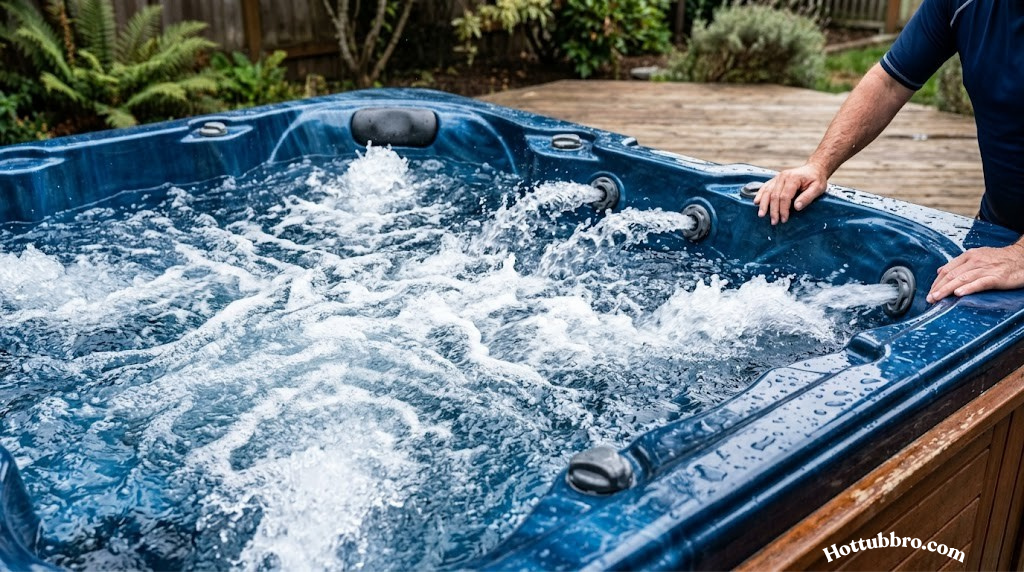
With the tub filled, heated, and running, turn on the jets in every zone the tub offers. Most hot tubs have multiple pump circuits — a main jet pump (or two) and a separate circulation pump. Walk around the tub and press on each jet face individually to feel the water pressure. A healthy jet delivers firm, consistent resistance when you press against the flow. A weak jet suggests either a partially closed diverter valve, a blockage, or reduced pump capacity.
After checking individual pressure, try to rotate each jet face. Most hot tub jets are designed to be adjustable, but seized jets — ones that won’t rotate — can indicate mineral buildup or a jet body that’s been damaged by improper chemical levels. Seized jets themselves are usually inexpensive to replace, but widespread jet seizure might point to a chronic water chemistry problem that could have damaged plumbing seals as well.
Listening to the Pump
Crouch close to the equipment bay with the jets running on high speed and listen carefully. A healthy pump is relatively quiet — a steady motor hum without rattling, grinding, or screeching. Bearing noise (a high-pitched squeal) means the pump is at end of life. A grinding sound often indicates debris has gotten into the impeller. Excessive vibration that you can feel through the cabinet is another red flag. If the pump hums but the jets don’t run, the impeller may be seized.
For more context on how pump and heating problems manifest in real-world usage, our guide to hot tub pump humming issues covers exactly this diagnostic scenario.

Digital Hot Tub Water Tester — 7-Parameter Sensor
Precise digital reading for pH, chlorine, alkalinity, hardness, and more. Know your water quality before and after you take ownership.
Check Price on Amazon →Evaluate the Heater and Control Panel
The heating element and the control system (the topside panel that controls all functions) represent the brain and cardiovascular system of a hot tub. A failed heater or a dead control system can cost hundreds to over a thousand dollars to replace, and in some older models, the control boards are no longer manufactured — making the tub effectively a very expensive garden pond.
Testing the Heater
Ask the seller what temperature the tub is currently set to and what it reads on the display. Compare those numbers. If the set point is 102°F and the display reads 98°F, the tub is actively heating — that’s a good sign. If the seller claims it’s been running for two hours and the water is only at 85°F on a warm day, the heater may be underperforming or the temperature sensor may be failing.
If the tub is at temperature when you arrive, turn it up a few degrees and watch the heater indicator on the control panel. Within a few minutes, you should see the heater light or icon activate. If nothing happens, the heater or its relay may be failed.
Inside the Equipment Bay: What to Look For on the Heater
The heater tube itself should be dry on all exterior surfaces. White crusty deposits (calcium buildup) on the tube are common with hard water and can be cleaned, but very heavy scaling can indicate the heater has been operating in severely unbalanced water for a long time. Check the sensors that probe into the heater manifold — loose or corroded sensor connections often cause misleading temperature readings or error codes. Understanding how water testers and sensors work gives you better context when evaluating these components.
Control Panel Testing
Press every single button on the topside panel during your visit. Every one. Jets button on speed 1, speed 2, blower if equipped, lights, auxiliary jets, every feature the panel offers. Dead or unresponsive buttons can point to a failing control board. Check the display for error codes — common ones include:
| Error Code | Meaning | Typical Repair Cost |
|---|---|---|
| SN / SNS / Sn | Sensor error — temp sensor failure | $30–$80 |
| FLO / FL | Flow error — circ pump or flow switch issue | $50–$350 |
| OH / OHH | Overheat condition — often sensor or thermostat | $50–$200 |
| — | Heater not reaching temperature | $150–$600 |
| ICE / ICE! | Freeze protection active — check in context | Often normal in cold climates |
| E1/E2/E3 | Brand-specific errors — look up model | Varies widely |
Check the Plumbing and Hunt for Leaks
Hidden leaks are the single most common nasty surprise in used hot tub purchases. They don’t always show up as water on the ground — a slow drip behind the foam insulation can persist for months, rotting the cabinet from the inside out and creating conditions for mold growth, all while the tub appears to be working fine from the outside. A systematic leak check is non-negotiable.
The 30-Minute Leak Test
Ask the seller to mark the water level with a piece of tape at the waterline when you arrive. Run every jet system on high for at least 30 minutes. When you’re done, check whether the water level has dropped below the tape mark. Normal evaporation and splash won’t account for more than a few millimeters over half an hour. Anything beyond that suggests a leak.
Meanwhile, open every access panel to the equipment bay and inspect each plumbing fitting, union connection, and the pump wet end with your flashlight. You’re looking for:
- All plumbing fittings are dry on the exterior
- Foam insulation is firm and dry, not discolored or soggy
- No standing water in the equipment bay
- Water weeping from union fittings (commonly where two PVC sections join)
- Wet foam insulation (especially near the bottom) indicating a long-running slow leak
- Calcium deposits on plastic fittings — can indicate a fitting that’s been slowly weeping for a long time
- Rust stains on any metal components inside the bay
- Water marks on the ground beneath the tub footprint
For a comprehensive guide to finding leaks after you’ve taken ownership, our step-by-step guide on locating leaks in a hot tub walks through the diagnostic process in detail.
Understand the Electrical Requirements
Electrical requirements are one of the most commonly underestimated costs in a used hot tub purchase. Buyers focus on the tub price and moving costs, then get surprised when an electrician quotes them $800–$2,000 for a dedicated circuit installation. Understanding the electrical requirements before you buy is essential to calculating the true total cost.
What to Check on the Tub’s Nameplate
Before purchasing, locate the tub’s specification nameplate — usually found inside the equipment bay or on the underside of one of the cabinet panels. This nameplate lists the voltage, amperage, and electrical phase requirements. Record these exactly and share them with a licensed electrician before committing to the purchase. Key numbers to find:
| Spec | Common Values | What It Means for Installation |
|---|---|---|
| Voltage | 120V or 240V | 120V plugs in; 240V needs dedicated wiring |
| Amperage | 50A, 60A, or 100A | Determines breaker and wire gauge needed |
| Phase | Single phase (most residential) | Confirm your service panel has capacity |
| GFCI Required | Always yes | GFCI breaker is code requirement everywhere |
| Disconnect Required | Within 5 ft, in line-of-sight | Emergency shutoff — often required by code |
For a deeper understanding of hot tub electrical consumption and costs, our analysis of how many amps a hot tub uses covers the calculation methodology across different tub sizes and configurations.
Inspecting the Existing Electrical Setup
If the seller already has the tub hardwired at their home, take a close look at the disconnect box and any exposed wiring. You’re not an electrician, but you can spot obvious problems — corroded wires, a disconnect box that’s been flooded or is missing its cover, wiring that’s been spliced with electrical tape in a weather-exposed location, or a breaker that’s been doubled-tapped (two wires sharing one breaker terminal). If anything looks improvised or unsafe, add an electrical inspection to your conditions of purchase.

Floating Hot Tub Thermometer — Waterproof Digital
Independently verify the temperature reading from the topside panel. Essential for confirming heater accuracy during your inspection visit.
Check Price on Amazon →Assess the Cover and All Accessories
A hot tub cover is not an optional accessory — it’s essential infrastructure. A quality cover retains heat (which directly affects your electricity bill), keeps debris out of the water, and serves as a safety barrier. A degraded cover that’s absorbed water and lost its insulating foam can add $30–$80 per month to your operating costs compared to a sound cover. Factor this directly into your purchase price negotiation.
How to Assess the Cover
Try to lift each half of the cover yourself, without help. A sound hot tub cover typically weighs 50–80 pounds for a full-size tub — manageable by one or two people. A waterlogged cover can weigh 150+ pounds and will feel dense and heavy like a soggy mattress. Waterlogged foam provides almost zero insulation value. Check our guide to the best hot tub covers by material and insulation rating to understand what a quality replacement would cost.
- Cover lifts without excessive effort — foam not waterlogged
- Vinyl surface has no deep cracks or tears
- Cover skirt seals to the tub lip on all four sides
- Locking straps present and functional
- Cover noticeably heavy — likely waterlogged foam
- Strong mildew or chemical smell from the underside
- Tears or cracks in vinyl exposing foam to moisture
- Cover sits unevenly on the tub — warped from UV exposure
Checking for Other Accessories
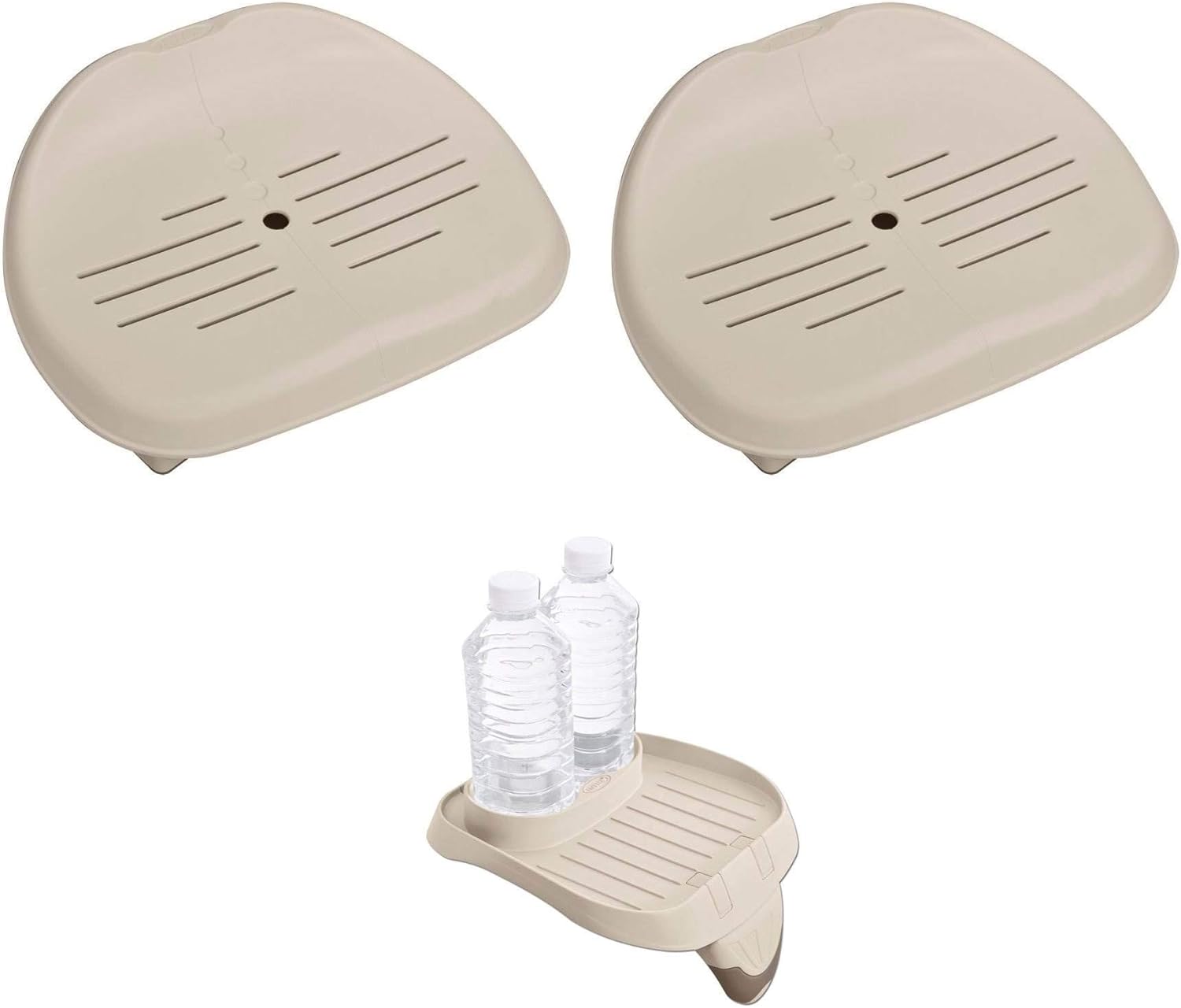
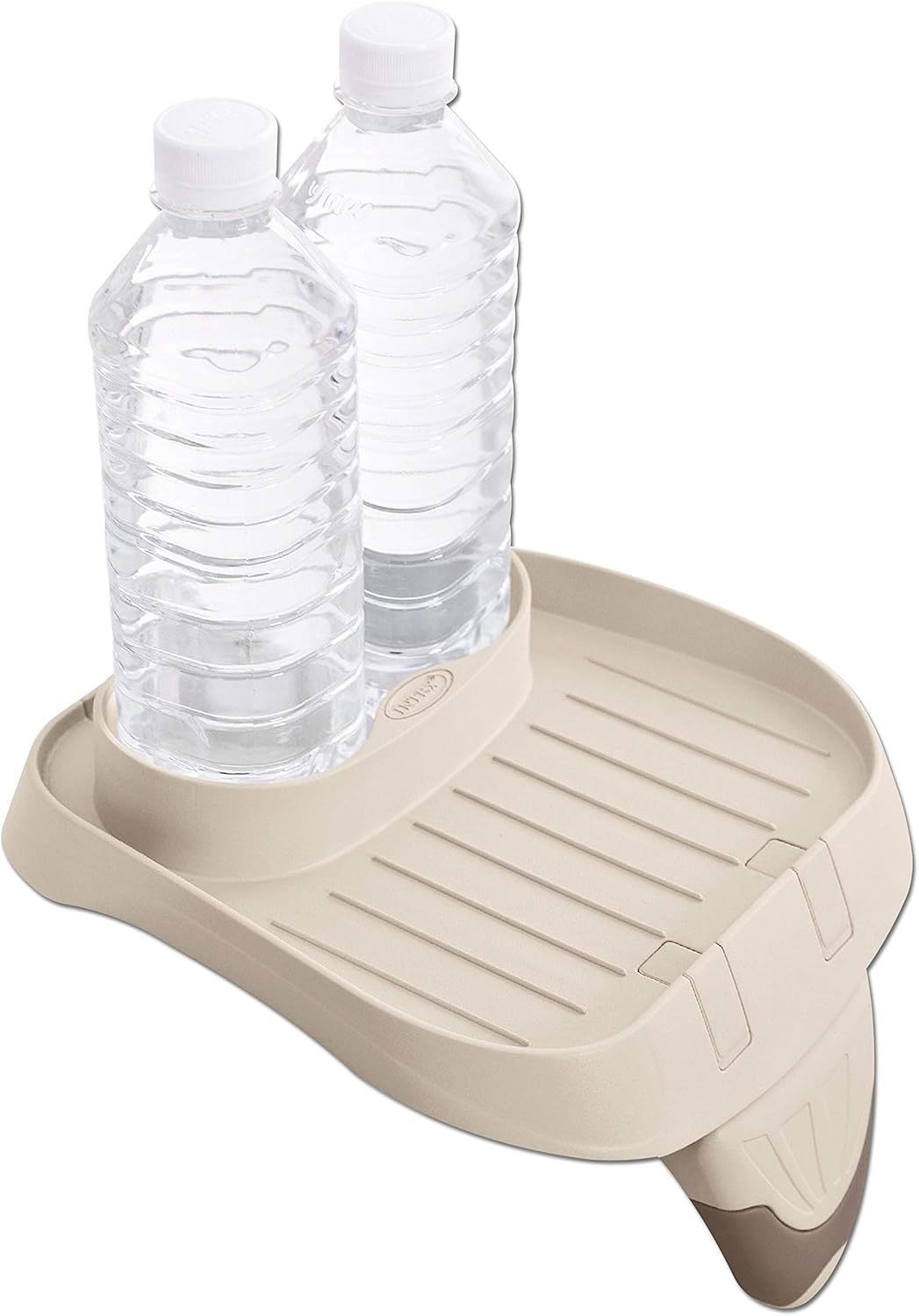
A complete hot tub purchase should include the cover, cover lifter if installed, filter cartridges (or at least the filter housing with knowledge of the filter model), and ideally the original owner’s manual. Some sellers include steps, chemical dispensers, or spa cushions. Ask specifically what’s included and factor in replacement costs for anything that’s missing or degraded. A proper base pad and steps and handrails add to the total setup cost if not included.
Filter Cartridges
Check if filters are present. Replacement cost: $15–$60 each. Know your filter model.
Entry Steps
Missing steps add $50–$250. Check stability and non-slip surface if present.
Cover Lifter
Replacement: $80–$250. Verify it operates smoothly and attaches securely.
Chemicals
Ask what sanitizer system it was using. Chlorine? Bromine? Saltwater? This affects your startup costs.
Negotiate the Price Like a Pro
By the time you’ve completed a thorough inspection, you will have a list of everything that needs attention. This isn’t a list of reasons to walk away — it’s your negotiating toolkit. Every deficiency you document is a legitimate basis for a price reduction, and sellers who’ve priced their tubs on Facebook Marketplace almost always have room to move.
The Negotiation Framework
Start by acknowledging what’s good about the tub. This builds rapport and signals that you’re a serious buyer, not a tire-kicker. Then methodically walk through the issues you found, with specific costs attached where possible. Phrases like “the cover has waterlogged foam — replacements for this size run about $300” are more powerful than “the cover is worn.”
Research comparable listings before your visit. If you’ve seen three similar tubs in your area priced between $1,800 and $2,200, and this seller is asking $2,800, you have market data to support a lower offer. Present this calmly. Most sellers would rather sell today at a reasonable price than relist and wait.
When to Walk Away
Know your limit before you arrive. Calculate the tub price plus moving costs plus any repairs you’ve identified plus electrical installation if needed. If that total exceeds 65–70% of what a comparable new tub would cost you, the financial logic of buying used starts to break down — especially without a warranty. If the seller won’t budge and the total cost doesn’t pencil out, it’s better to walk than to rationalize a bad deal.
Our article on the best time of year to buy a hot tub also covers seasonal pricing dynamics that can inform when you have the most leverage.

Hot Tub Replacement Cover — Custom Vinyl Spa Lid
If the used tub’s cover is waterlogged or torn, budget for this before buying. Standard sizes ship in 2–3 weeks.
Check Price on Amazon →Plan the Move Before You Pay a Cent
Moving a hot tub is a surprisingly complex logistical challenge that many buyers underestimate. A standard two-person hot tub weighs 500–900 pounds empty. Moving it requires proper equipment, careful route planning, and ideally at least 4–6 people or a professional moving service. Discovering after purchase that the tub can’t physically be moved to your desired location — because of a narrow gate, a flight of stairs, or an inaccessible backyard — is an expensive mistake.
Before You Finalize the Purchase
Measure the hot tub dimensions (length × width) and compare them against every restriction between its current location and its destination in your yard. The minimum gate width you should plan for is 36 inches, though 48+ inches makes moving significantly easier. If your only access is through the house, measure interior doorways. A standard hot tub is 7–8 feet square — it will not fit through a 36-inch doorway while upright, and tilting it vertically requires ceiling height.
- Gate or access path is at least 36″ wide (measure your specific tub’s size)
- Destination surface is level concrete, pavers, or a reinforced deck
- Deck or structure is rated for 80–100 lbs per square foot (filled tub weight)
- Moving equipment arranged: spa dolly, pipe rollers, or professional crew
- Access only through narrow gates (<36″) without confirmed plan
- Destination is a wooden deck without confirmed structural assessment
- Multiple steps or significant grade change in the moving path
For more on placement options and creative installation scenarios, our guide on hot tub in garage placement ideas covers unconventional site options and their considerations. For permanent outdoor placement, our complete hot tub setup and installation guide walks through the full process.
First Fill and Chemical Startup After Moving
Once your used hot tub is in position and connected to power, the startup process begins. This is not the same as starting a brand-new tub fresh from the factory — a used tub has a full history of water chemistry, and potentially biofilm built up in the plumbing lines that the previous owner never fully addressed. Getting the water right from day one requires a systematic flush-and-balance approach.
The Pipe Flush — Never Skip This
A used hot tub almost certainly has biofilm in its plumbing lines — a biological film of bacteria and organic matter that accumulates in areas where water isn’t frequently circulated. Normal shock doses won’t eliminate established biofilm; it requires a dedicated pipe flush treatment product. Add a biofilm purge product to the existing water, run all jets on high for at least an hour, then drain, wipe down the shell, and refill with fresh water. You may be surprised at what comes out — a gray or brown scum ring at the waterline during flushing is completely normal and confirms the flush is working. Learn more about what biofilm is and why it matters before your first fill.
Balancing the Water in Order
Water chemistry balance has a specific sequence: total alkalinity first, pH second, calcium hardness third, and sanitizer last. Skipping the sequence or adding chemicals out of order makes the job significantly harder and less effective. Our full hot tub water chemistry guide covers the complete balancing methodology, and our hot tub chemicals guide explains exactly what each product does and when to use it.
Ongoing Maintenance Budget
After startup, build a realistic maintenance routine. Filters need cleaning every 2–4 weeks and replacement every 12 months. The water should be shocked weekly and fully drained and refilled every 3–4 months. Budget $50–$100 per month for chemicals depending on usage frequency and local water conditions. Our complete guide to inflatable hot tub maintenance and water care — with the same chemical principles that apply to rigid-shell used tubs — covers the full routine in detail. For filter maintenance specifics, see our guide on how often to replace hot tub filters.

Hot Tub Pipe Purge — Biofilm Flush Treatment
Non-negotiable for any used hot tub purchase. Flush the old plumbing before your first proper fill. One bottle per treatment cycle.
Check Price on Amazon →Realistic Total Cost Breakdown for a Used Hot Tub
One of the most common mistakes used hot tub buyers make is evaluating only the purchase price. The true cost of acquisition includes the tub itself, moving, electrical installation, any necessary repairs, accessories, and the chemical startup. Here’s a realistic breakdown for three common scenarios:
| Cost Category | Budget Buy (older/basic model) |
Mid-Range (quality brand, 5–8yr) |
Premium Used (top brand, well-maintained) |
|---|---|---|---|
| Tub Purchase Price | $800–$1,500 | $1,500–$3,500 | $3,500–$7,000 |
| Professional Moving | $200–$400 | $250–$600 | $300–$800 |
| Electrical Installation | $400–$1,200 | $600–$1,500 | $600–$2,000 |
| Repairs (estimated) | $200–$800 | $100–$400 | $0–$200 |
| New Cover (if needed) | $250–$400 | $0–$350 | $0–$500 |
| Chemical Startup | $60–$120 | $60–$120 | $80–$150 |
| Base Pad / Steps | $100–$300 | $100–$300 | $100–$400 |
| Total Estimated Cost | $2,010–$4,720 | $2,610–$6,770 | $4,580–$11,050 |
These ranges illustrate why researching repair and installation costs before purchase is so important. A $1,200 tub with $1,600 in electrical and moving costs and an $800 pump replacement has already cost you $3,600 — not far off the price of a quality new plug-and-play unit. The math works out strongly in your favor on a well-maintained mid-range used tub where ancillary costs are predictable and minimal.
Comparable new tub retail: $8,000–$12,000 — savings of approximately $4,000–$7,000.
Frequently Asked Questions
You’re Now Ready to Buy a Used Hot Tub Confidently
The difference between a great used hot tub deal and a costly mistake is almost always preparation. With the 11-step checklist in this guide, you have everything you need to find a quality tub, inspect it methodically, negotiate the price intelligently, and get the water balanced and running correctly from day one.
Bookmark this page, bring it to every viewing, and use it as your literal inspection checklist. Your future self — soaking in 102°F water on a Tuesday evening — will thank you for the extra diligence.
Read the Full Used Hot Tub Buying Guide →
Complete Hot Tub Startup Kit — New Owner Bundle
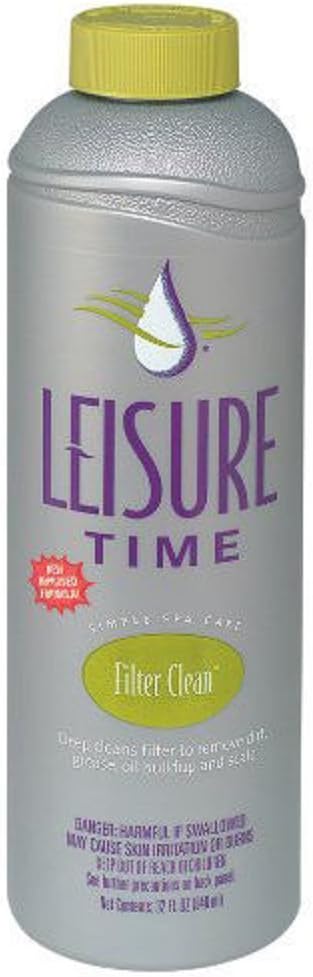
Everything you need for your first fill: shock, sanitizer, pH up/down, alkalinity increaser, test strips, clarifier, and filter cleaner.
Check Price on Amazon →