Bromine vs. Chlorine for Hot Tubs: The Definitive Guide to Sanitizers
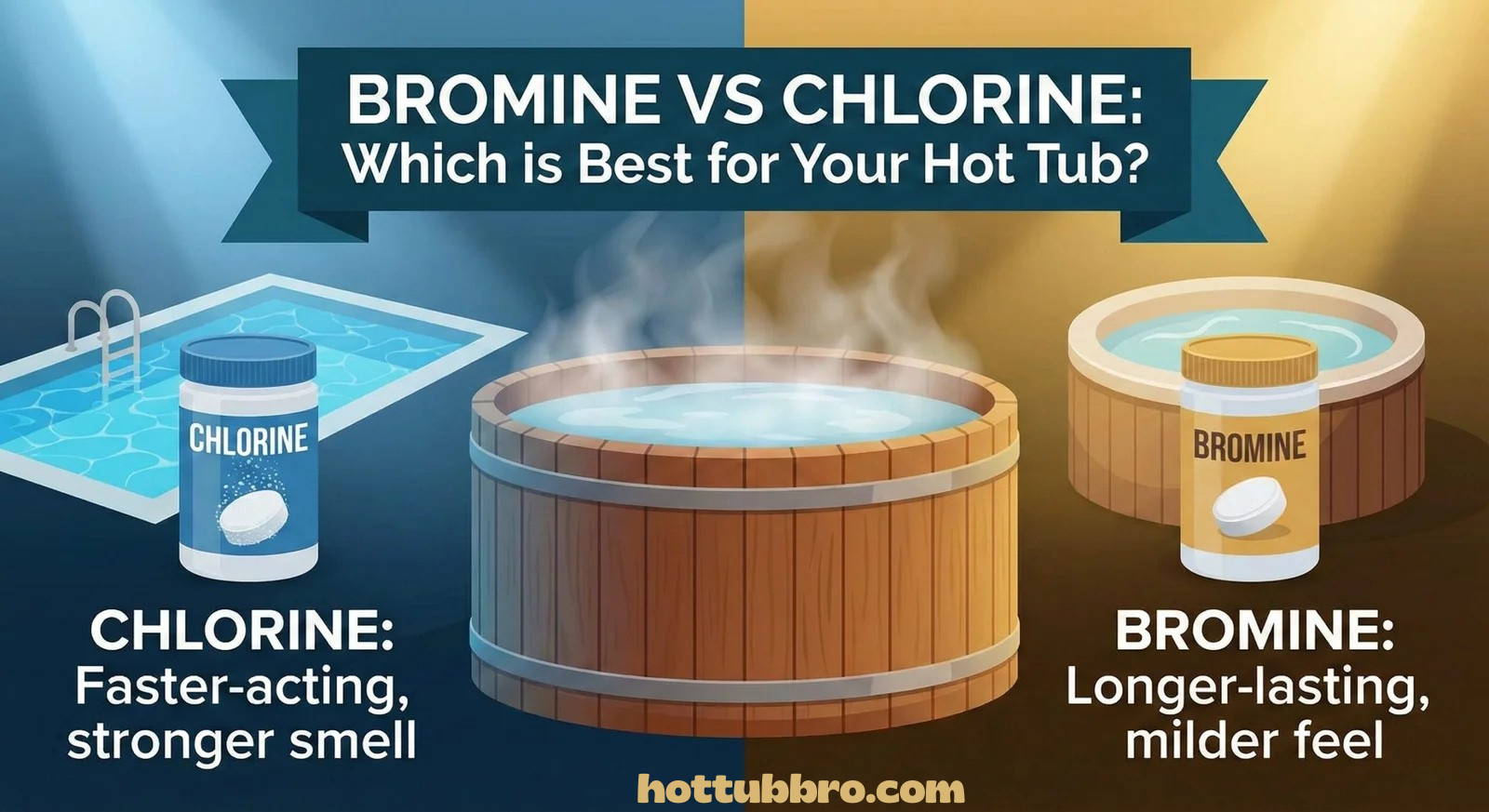
It is the classic debate of the spa world: Bromine vs. Chlorine. If you have just bought your first spa, you might assume they are interchangeable. While they both kill bacteria and keep your water safe, they work in fundamentally different ways.
Choosing the wrong one can lead to itchy skin, ruined swimsuits, or a spa that smells like a public pool. Choosing the right one means crystal clear water with minimal effort.
In this guide, we are diving deep into the chemistry of these two sanitizers to help you decide which one belongs in your backyard. Beyond the basic comparison, we’ll also cover the underlying chemistry, the different product formats available for each sanitizer, how water balance (pH, alkalinity, and calcium hardness) interacts with your chosen chemical, health considerations for people with allergies or respiratory sensitivities, alternative and supplemental sanitizing technologies like ozone and mineral cartridges, a full startup checklist for brand-new tubs, a recurring maintenance schedule you can follow year-round, the most common mistakes owners make with each system, and how residential rules differ from the standards used in commercial and public spas. By the end, you should be equipped not just to pick a sanitizer, but to run it correctly for years of trouble-free soaking.
The Science of Sanitization: How Halogens Kill Bacteria
Both chlorine and bromine belong to a family of elements called halogens, which sit in the same vertical column of the periodic table alongside fluorine and iodine. Halogens share a common trait: they are highly reactive and eager to steal electrons from other molecules. That electron-stealing behavior is precisely what makes them effective sanitizers. When a halogen molecule comes into contact with a bacterial cell wall, algae spore, or organic contaminant such as sweat, lotion, or skin cells, it attacks the cell’s proteins and enzymes, effectively breaking down the structures the microorganism needs to survive and reproduce.
This process is often described using two related but distinct terms: oxidation and disinfection. Oxidation refers to the burning up of organic waste and contaminants in the water — the stuff that makes water cloudy or smelly. Disinfection refers specifically to killing pathogens like bacteria and viruses. Chlorine and bromine both perform these two jobs simultaneously, but the byproducts they leave behind after the reaction differ significantly, and that difference explains almost every practical distinction between the two chemicals.
Free Available Sanitizer vs. Combined Sanitizer
When you test your spa water, you’re usually measuring “free” sanitizer — the portion of chlorine or bromine that hasn’t yet reacted with anything and is available to attack new contaminants. Once that free sanitizer reacts with ammonia or nitrogen compounds from bather waste, it becomes “combined” sanitizer. For chlorine, combined chlorine is functionally almost dead weight; it barely sanitizes and is the primary source of the harsh “chemical” smell people associate with over-used pools. For bromine, the combined form (bromamine) retains a meaningful amount of sanitizing power, which is one of the core reasons bromine tends to smell milder and stay effective longer between doses.
Why Temperature Changes the Equation
Hot tubs typically run between 100°F and 104°F, which is dramatically warmer than a backyard swimming pool. Heat accelerates almost every chemical reaction, including the breakdown of sanitizer. Chlorine, particularly unstabilized forms, dissipates quickly at spa temperatures, which is part of why bromine — which degrades more slowly under heat — became the preferred choice for indoor and high-temperature spa applications over the past several decades.
Chlorine: The Fast-Acting Oxidizer
Chlorine is the most common sanitizer in the world for a reason. It is aggressive, fast-acting, and cheap. When you add chlorine to water, it oxidizes contaminants (burns them up) and kills bacteria instantly.
However, once chlorine attacks a contaminant, it “dies” and turns into a waste product called a chloramine. Chloramines are what cause that strong “pool smell” and red eyes. To get rid of chloramines, you have to add more chlorine (shocking the tub).
Pros of Chlorine
- Fast Kill Rate: Clears up cloudy water quickly.
- Cost: Generally 20-30% cheaper than bromine.
- UV Protection: Stabilized chlorine (Dichlor) lasts longer in outdoor tubs exposed to sunlight.
Types of Chlorine Products Explained
Not all chlorine is created equal. Walk down the pool aisle and you’ll see several different products, each with a different chemical makeup, pH impact, and ideal use case. Understanding these differences helps you avoid buying the wrong product for a hot tub.
Dichlor (Sodium Dichloroisocyanurate)
Dichlor is granular, dissolves almost instantly, and is nearly pH-neutral, which makes it the go-to chlorine source for hot tubs. It is “stabilized,” meaning it contains cyanuric acid (CYA) bonded to the chlorine molecule. CYA acts like sunscreen for chlorine, slowing down how quickly UV rays burn it off. This matters far more for outdoor tubs than indoor ones. The tradeoff is that CYA accumulates in the water over time since it doesn’t break down or evaporate. Excess CYA can “lock up” chlorine, making it less effective even when your test strip shows adequate free chlorine — a phenomenon often called chlorine lock.
Trichlor (Trichloro-s-triazinetrione)
Trichlor is a slow-dissolving tablet form used mostly in floating pool feeders. It’s highly acidic and also stabilized with cyanuric acid, but because it dissolves slowly and drives pH down significantly, it is rarely recommended for hot tubs — it’s really designed for large swimming pool volumes where its slow, steady release matches a much bigger body of water.
Sodium Hypochlorite (Liquid Chlorine / Bleach)
This is the liquid form used in pools and, occasionally, in commercial spas. It contains no stabilizer, so it burns off almost immediately in a heated, uncovered spa. It also raises pH significantly. For a residential hot tub, liquid chlorine is rarely practical because of how fast it dissipates in warm water.
Calcium Hypochlorite (“Cal-Hypo”)
A powerful shock treatment used mainly in pools, cal-hypo adds calcium hardness to the water with every dose. In the smaller water volume of a spa, this can quickly push calcium hardness too high, contributing to scale buildup on jets, heaters, and shells. Most spa manufacturers advise against using cal-hypo in a hot tub for this reason.

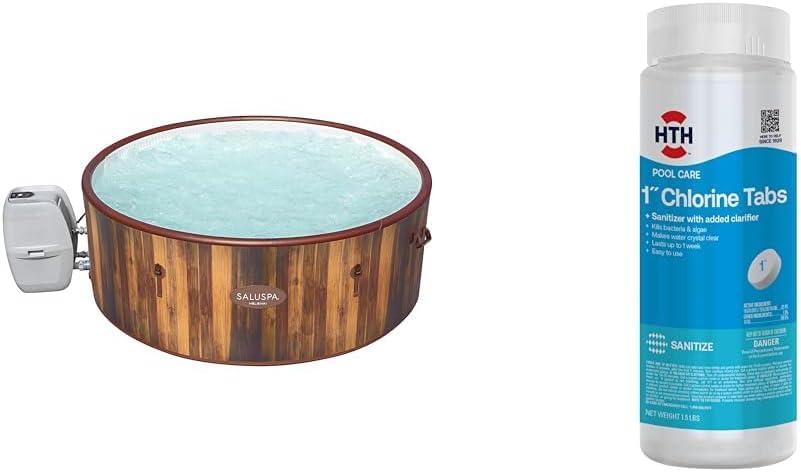
Fast-dissolving granules that act as both a sanitizer and a shock. Perfect for heavy-use tubs.
Check Price on AmazonBromine: The Stable Specialist
Bromine is chlorine’s heavier, slower cousin. Instead of just oxidizing, it ionizes contaminants. Here is the magic part: when bromine attacks bacteria, it produces bromamines. Unlike chloramines, bromamines are still active sanitizers and they don’t smell nearly as bad.
Because bromine is more stable at high temperatures, it is often considered the superior choice for hot tubs, whereas chlorine is king for swimming pools.
Pros of Bromine
- Heat Stability: Stays active longer in 100°F+ water.
- Reactivation: You can “reactivate” dormant bromine by shocking the tub, saving money long-term. Refer to our guide on how often to shock a hot tub for the right schedule.
- pH Forgiveness: Works effectively across a wider pH range (7.0–8.0) than chlorine.
Understanding the Two-Part Bromine System
One of the most misunderstood aspects of bromine chemistry is that “bromine” tablets are not actually pure elemental bromine — bromine gas is far too unstable and hazardous to bottle and sell for home use. Instead, most bromine products rely on a two-part chemical relationship.
Part One: Sodium Bromide (The “Bank”)
When you first set up a bromine system, many owners start by adding sodium bromide, sometimes called a bromine “bank” or “booster.” This compound itself is not a sanitizer — it just sits in the water as a reservoir of bromide ions, inactive and harmless until triggered.
Part Two: An Oxidizer (The “Activator”)
Bromine only becomes an active sanitizer once an oxidizer — typically a non-chlorine shock like potassium monopersulfate (MPS), or in slow-release tablet systems, a small percentage of built-in oxidizer — converts the inactive bromide ions into active hypobromous acid, the molecule that actually kills bacteria. This is why regularly shocking a bromine spa isn’t optional busywork; it’s the step that “recharges” your bromine bank and turns spent bromide back into working sanitizer.
Slow-Release Tablets vs. the Two-Part Method
Most residential spa owners skip the separate sodium bromide step entirely and instead use slow-dissolving bromine tablets in a floating dispenser or in-line feeder. These tablets already contain both the bromide source and enough built-in oxidizer to keep a small stream of active bromine trickling into the water continuously. It’s a simpler, lower-maintenance approach, which is a major reason bromine tablets are popular with owners who want a “set it and forget it” system, at the cost of slightly less precise control over sanitizer levels compared to the professional two-part method used in some spa boutiques and commercial facilities.

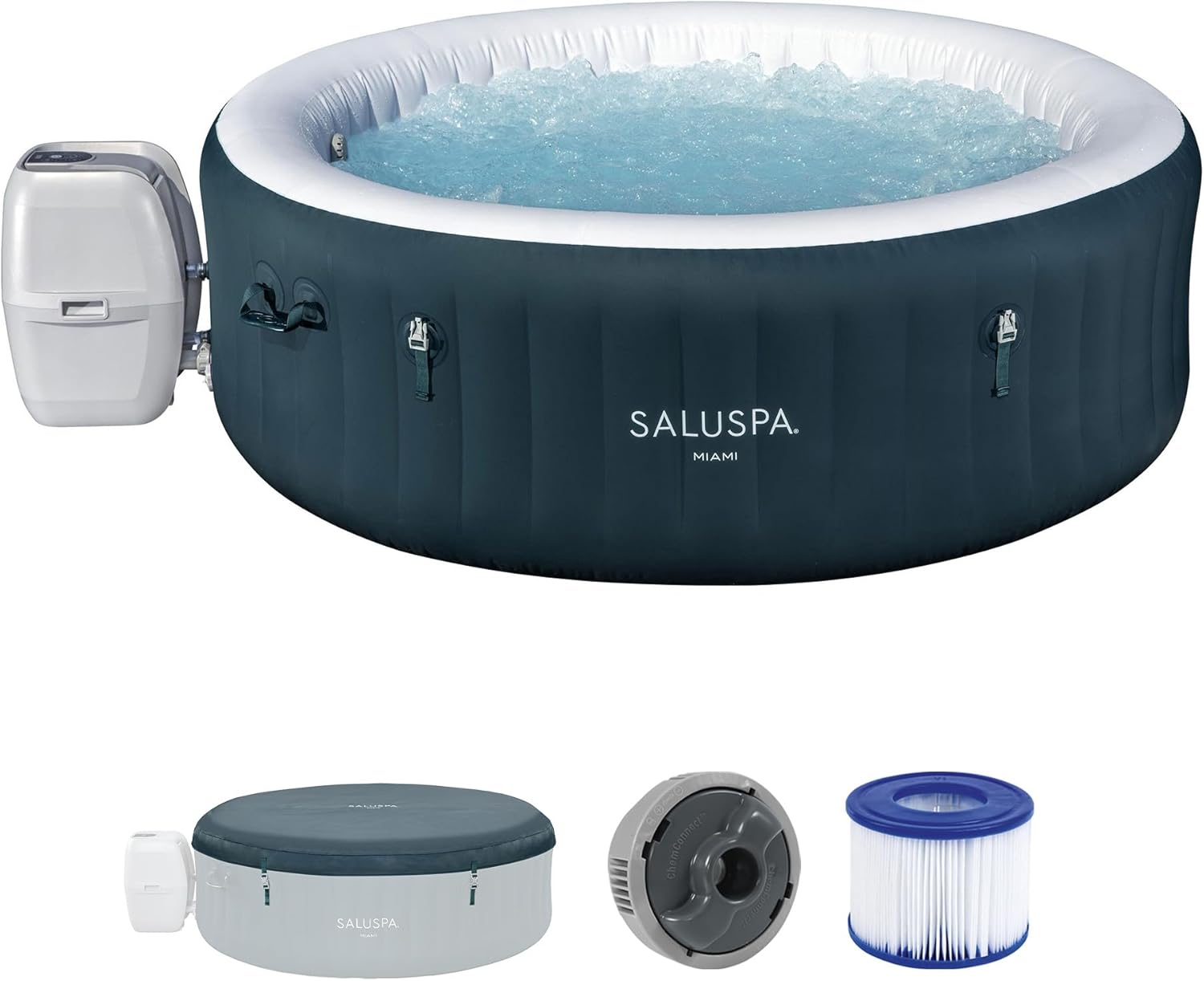
Slow-dissolving tablets that fit in your floater. Provides a steady, low-maintenance release of sanitizer.
Check Price on AmazonComparison Matrix
| Feature | Chlorine | Bromine |
|---|---|---|
| Application Type | Granules (Manual Dosing) | Tablets (Floater) |
| Cost | $ (Cheaper) | $$ (More Expensive) |
| Smell | Strong (Chemical) | Medicinal / Musty |
| Skin Feel | Can be harsh/drying | Softer, gentler |
| UV Resistance | High (Stabilized) | Low (Burns off in sun) |
| Best For | Outdoor / Heavy Load | Indoor / Sensitive Skin |
| Reacts With Heat | Dissipates faster | More stable |
| Ideal pH Range | 7.2–7.6 (narrower) | 7.0–8.0 (wider) |
| Byproduct | Chloramines (weak, smelly) | Bromamines (still active) |
| Typical PPM Target | 3–5 ppm free chlorine | 3–5 ppm bromine |
PPM Levels & Water Balance: The Complete Chart
Sanitizer alone doesn’t guarantee healthy water. Every hot tub — regardless of whether it runs on bromine or chlorine — needs balanced water chemistry across several other parameters. If these values drift, your sanitizer will work less efficiently, and you’ll see symptoms like cloudy water, scale, corrosion, or foam no matter how much chlorine or bromine you dump in.
| Parameter | Ideal Range | Why It Matters |
|---|---|---|
| Free Chlorine | 3–5 ppm | Active sanitizer level for chlorine systems |
| Bromine | 3–5 ppm | Active sanitizer level for bromine systems |
| pH | 7.2–7.8 | Affects sanitizer efficiency, skin/eye comfort, equipment corrosion |
| Total Alkalinity | 80–120 ppm | Buffers pH so it doesn’t swing wildly (“pH bounce”) |
| Calcium Hardness | 150–250 ppm | Too low corrodes metal parts; too high causes scale |
| Total Dissolved Solids (TDS) | Under 1500 ppm | High TDS reduces sanitizer performance and signals it’s time to drain |
| Cyanuric Acid (CYA) | Under 50 ppm (chlorine systems only) | Too much locks up chlorine’s effectiveness |
Why pH Matters More Than People Realize
pH determines what percentage of your sanitizer exists as the strong, active form (hypochlorous or hypobromous acid) versus the weaker, less effective ionized form. At a pH of 7.2, roughly two-thirds of chlorine is in its active form. Push pH up to 8.0, and that percentage drops dramatically, meaning the same PPM reading on your test strip could represent very different real-world sanitizing power. Bromine is chemically more forgiving here, which is part of why it performs more predictably across a broader pH range.
Total Alkalinity: The Buffer
Total alkalinity acts as a shock absorber for pH. When alkalinity is too low, pH will swing unpredictably every time you add chemicals or the water is disturbed — a frustrating cycle sometimes called “pH bounce.” When alkalinity is too high, pH becomes sluggish and hard to adjust, and cloudy water or scale can develop. Always balance alkalinity before fine-tuning pH.
Calcium Hardness and Your Equipment
Unlike a swimming pool, a hot tub recirculates a relatively small volume of water through a heater at high temperature repeatedly. Low calcium hardness makes that water “hungry,” meaning it will pull calcium out of grout, metal fittings, and heater elements, leading to corrosion. Excessively high calcium hardness does the opposite, depositing scale on the heater element (reducing efficiency and sometimes triggering error codes) and leaving a cloudy or gritty residue in the water.
Skin Sensitivity & Smell
If you or your family members have sensitive skin, Bromine is the winner. Chlorine is a harsh oxidizer that can strip natural oils from the skin, leading to “hot tub itch” or dry patches.
However, there is a trade-off. Bromine can be harder to wash off. Some users report a lingering chemical smell on their skin after a soak that requires a good shower to remove. Regular testing is vital to keep levels from getting too high—check our reviews of the best digital hot tub water testers to keep your levels precise.
Swimwear and Fabric Impact
Both sanitizers can fade swimwear over time, but chlorine tends to be harsher on spandex and lycra blends because it more aggressively breaks down the elastic fibers. Bromine is gentler on fabric, though neither chemical is fabric-friendly at high concentrations, so rinsing swimwear promptly after every soak extends its lifespan regardless of which sanitizer you use.
Hair and Color-Treated Hair
Frequent chlorine exposure is well known for giving lighter hair a greenish tinge, caused less by the chlorine itself and more by oxidized copper or metal particles in the water binding to hair protein. Bromine is less commonly associated with this discoloration, but swimmers with color-treated or chemically processed hair should rinse thoroughly and consider a leave-in protectant before soaking in either type of spa.
Health Considerations: Asthma, Allergies, and Chemical Sensitivities
Chemical sanitizers are, by design, reactive substances, and some people experience physical reactions to one or both. This section outlines general considerations to discuss with a healthcare provider if you or a family member has a known sensitivity — it is not medical advice.
Respiratory Sensitivity
Chloramine off-gassing is the more commonly reported respiratory irritant, especially in enclosed indoor spa rooms with poor ventilation. People with asthma or reactive airway conditions sometimes report more noticeable throat or lung irritation around heavily chlorinated water compared to bromine. Good ventilation, a properly fitted spa cover when not in use, and keeping combined sanitizer levels low through regular shocking can reduce airborne irritants regardless of which chemical you choose.
Skin Allergies and Sensitivities
True allergic reactions to chlorine or bromine are uncommon, but irritant contact dermatitis (dryness, redness, itching from the chemical stripping natural skin oils) is relatively common with both, and more frequently reported with chlorine due to its more aggressive oxidizing action. Showering immediately after soaking and applying moisturizer can help reduce this effect.
Pregnancy and Hot Tub Use
Sanitizer chemistry aside, most healthcare providers advise pregnant individuals to be cautious with hot tub use generally because of water temperature and the risk of overheating, rather than because of the sanitizer type specifically. Anyone who is pregnant or has a chronic respiratory or skin condition should speak with a doctor before regular hot tub use.
Cost & Efficiency
Upfront, chlorine is cheaper. A bucket of granules costs less than a bucket of bromine tabs. However, because bromine can be reactivated and stays stable in hot water longer, you might end up using less of it over time if you maintain your tub perfectly.
For most casual users, chlorine will be the more budget-friendly option. For daily users who want a “set it and forget it” floater system, the extra cost of bromine is worth the convenience.
Estimating Monthly and Annual Costs
Exact costs vary widely by region, brand, and how frequently the tub is used, but as a rough planning framework, a typical residential spa used a few times a week will burn through sanitizer, shock, pH adjusters, and test strips at a fairly predictable pace. Chlorine systems tend to have a lower per-month chemical spend thanks to cheaper granules and less frequent shocking needs in moderate-use tubs. Bromine systems often cost somewhat more per month due to the price premium on tablets, but many owners offset this by using less overall shock, since reactivating existing bromine is often cheaper than dosing enough chlorine to fully oxidize the water from scratch.
Factoring In Equipment Wear
Cost isn’t just about the chemicals themselves. Poorly balanced water — regardless of sanitizer type — accelerates wear on heaters, pumps, jets, and covers. Scale buildup from high calcium hardness can force a heater to work harder, raising electricity costs and shortening its lifespan. Factoring in occasional professional water testing or a quality digital tester can actually save money over the life of the spa by catching imbalances before they cause equipment damage.
Alternative & Supplemental Sanitizing Systems
While chlorine and bromine dominate the residential spa market, several other technologies exist, either as full replacements or as supplements that reduce how much chemical sanitizer you need to add.
Saltwater (Salt Chlorine Generator) Systems
Saltwater hot tubs aren’t actually chemical-free — they still use chlorine, but generate it on-site. A small electrolytic cell converts dissolved salt into chlorine through electrolysis, and the chlorine sanitizes the water before eventually reverting back to salt, creating a continuous cycle. Owners like these systems because they avoid manually handling granules, and the chlorine produced tends to feel gentler since it’s a very low, steady concentration rather than periodic large doses. The tradeoff is a higher upfront equipment cost and the electrolytic cell itself is a wear component that eventually needs replacing.
Ozone Generators
Ozone (O3) is an extremely powerful oxidizer that many modern spas inject into the plumbing as a supplemental sanitizer. Ozone breaks down organic contaminants very effectively and can reduce how much chlorine or bromine you need to maintain, but it dissipates almost instantly and leaves no residual protection in the water. That means ozone is virtually always used alongside, not instead of, a traditional chemical sanitizer.
UV-C Sanitizing Systems
Similar in concept to ozone, ultraviolet sanitizing systems use UV-C light within the plumbing to neutralize bacteria and break down chloramines/bromamines as water passes through the filtration loop. Like ozone, UV has no residual effect once water leaves the unit, so it functions as a supplement that can meaningfully reduce your chemical dosing, not a standalone replacement for bromine or chlorine.
Mineral Sanitizing Cartridges
Silver- and copper-ion mineral cartridges (marketed under names like Nature2 or FROG) release trace metal ions that have mild bactericidal and algaestatic properties. These systems reduce, but do not eliminate, the need for a chemical sanitizer — most manufacturers still recommend maintaining a low residual chlorine or bromine level (often around 0.5–1 ppm) alongside a mineral cartridge for full protection against a broader range of pathogens.
Common Water Problems and How Sanitizer Choice Affects Them
Even with the “right” sanitizer for your situation, water problems can still crop up if other factors — filtration, balance, or bather load — get out of sync. Here’s how to recognize and address the most frequent issues.
Cloudy Water
Cloudy water is most often caused by a combination of poor filtration, high bather load relative to sanitizer level, or imbalanced pH/alkalinity causing tiny particles to stay suspended rather than filtering out. Both chlorine and bromine tubs are equally susceptible; the fix is almost always a combination of shocking the water, cleaning or replacing the filter, and rebalancing pH and alkalinity, not simply adding more sanitizer.
Foaming
Foam is typically a sign of contaminants like lotions, oils, detergent residue from swimwear, or low calcium hardness (“soft” water) rather than a sanitizer problem. A specialized anti-foam product provides a quick fix, but the long-term solution is addressing what’s introducing the contaminants and keeping calcium hardness in range.
Biofilm and “Pink Slime”
Biofilm is a slippery layer of bacteria that colonizes pipes, jets, and other hidden surfaces the sanitizer struggles to reach consistently. Bromine is often considered somewhat more effective than chlorine at penetrating and disrupting biofilm because of its ionic mode of action, but neither sanitizer alone is a complete cure — periodic use of a dedicated pipe/plumbing flush product designed to clear internal jet lines is the standard remedy, alongside our guide on what causes biofilm in hot tubs.
Scale Formation
White, chalky deposits on the shell, heater, or jets usually indicate high calcium hardness combined with high pH. This is unrelated to whether you use bromine or chlorine and is instead a water-balance issue. A scale-preventing sequestering agent, along with keeping calcium hardness and pH within the recommended ranges above, is the standard prevention method.
Sanitizer Not “Holding” (Rapid Sanitizer Loss)
If you add sanitizer and your test kit shows it disappearing almost immediately, the most common culprits are heavy bather load, high organic contamination (time to shock), a dirty filter restricting circulation, or, for chlorine systems specifically, excessive cyanuric acid causing “chlorine lock.” Bromine systems experiencing rapid loss usually need their bromide bank replenished and an oxidizer shock to reactivate dormant bromide.
Startup Guide: Chemicals for a Brand New Hot Tub
Filling a hot tub for the first time — or refilling after a drain and clean — requires a specific chemical sequence to avoid problems in the first few days of use.
- Fill with a hose filter (optional but recommended): A simple inline pre-filter removes metals and sediment from tap water before it enters the tub, reducing discoloration and scale risk from day one.
- Test and balance alkalinity first: Adjust total alkalinity into the 80–120 ppm range before touching pH or sanitizer, since alkalinity stabilizes everything that follows.
- Adjust pH: Bring pH into the 7.2–7.8 range using a pH increaser or decreaser as needed.
- Check and adjust calcium hardness: Especially important if you have very soft tap water, to prevent corrosion of metal components.
- Add your chosen sanitizer: Dose chlorine granules to the target 3–5 ppm, or for bromine, add an initial larger “bank” dose (sodium bromide or bromine tablets per label instructions) to establish a baseline reserve in the water.
- Run the jets and let chemicals circulate: Run the pumps for 15–20 minutes to fully mix and dissolve all added chemicals before testing again.
- Wait before first use: Most manufacturers recommend waiting at least 20–30 minutes, and re-testing sanitizer and pH, before anyone enters the water.
For a deeper walkthrough specific to soft-sided tubs, see our dedicated inflatable hot tub maintenance guide, which covers startup nuances for that equipment type.
Maintenance Schedule & Checklist
Consistency, more than any single chemical choice, is what keeps hot tub water clear and safe. Use this general cadence as a starting point, adjusting frequency based on how often the tub is used.
Before Every Soak
- Test sanitizer and pH with a strip or digital tester.
- Rinse off before entering to reduce the amount of lotion, oil, and sweat introduced into the water.
Weekly
- Shock the water to break down combined chlorine/bromamines and oxidize accumulated organics.
- Rinse or clean the filter cartridge if visibly dirty.
- Check and top off sanitizer levels (tablets in a floater, or granules dosed directly).
Monthly
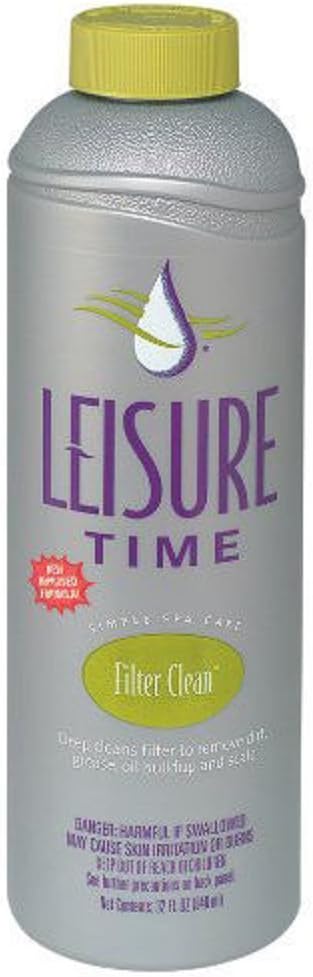
- Deep-clean the filter with a dedicated filter cleaner solution, not just a rinse.
- Test and rebalance total alkalinity and calcium hardness, since these drift more slowly than sanitizer and pH.
- Wipe down the waterline to prevent oil and scum buildup.
Every 3–4 Months
- Drain and refill the spa completely, since total dissolved solids build up over time and eventually can’t be corrected by adding more chemicals.
- Clean the shell, cover, and cabinet, and inspect gaskets, jets, and the cover for wear.
- Replace the filter cartridge entirely if it’s reached the end of its usable life (typically 12–24 months of regular cleaning cycles, sooner with heavy use).
Common Mistakes to Avoid With Both Sanitizers
Chlorine Mistakes
- Using Trichlor tablets in a floater: These are formulated for pools, not spas, and can crash pH and over-stabilize the water with cyanuric acid far faster than intended.
- Ignoring cyanuric acid buildup: Repeated use of Dichlor without occasional dilution (via partial or full drains) eventually causes chlorine lock, where your sanitizer reading looks fine but chlorine isn’t actually working effectively.
- Adding chlorine directly to a full tub of bathers: Always dose chemicals with nobody in the water, then wait for full circulation and a safe re-test before anyone enters.
Bromine Mistakes
- Forgetting to shock regularly: Because bromamines still sanitize somewhat, owners often skip shocking for too long, allowing spent bromide to accumulate without reactivation, which eventually causes a sudden, hard-to-explain sanitizer crash.
- Letting tablets rest against soft vinyl walls: In inflatable or soft-sided spas, a floating tablet dispenser can drift against the wall and cause localized bleaching or material damage.
- Assuming bromine needs no monitoring: The “set it and forget it” reputation of floater tablets leads some owners to stop testing altogether, which can allow levels to run too high (skin/eye irritation) or crash to zero (unsafe water) without warning.
Mistakes Common to Both Systems
- Mixing sanitizer types: As covered in the warning above, never introduce bromine into a chlorine system (or vice versa) without a full drain and clean in between.
- Neglecting the filter: A dirty filter reduces circulation, which prevents sanitizer from reaching every part of the tub evenly, regardless of which chemical is used.
- Over-relying on smell as a diagnostic tool: A strong chemical smell usually signals too much combined sanitizer (time to shock), not too much sanitizer overall — many owners mistakenly add less sanitizer when the smell is strong, which is often the opposite of what the water needs.
Commercial vs. Residential Use: How the Rules Differ
Public and commercial spas — think hotel pools, gyms, and community centers — operate under a different regulatory framework than a residential backyard tub. Local and state health codes typically mandate specific minimum and maximum sanitizer ranges, require certified pool operators to test and log water chemistry on a fixed schedule, and often set stricter combined chlorine limits than most residential owners would ever bother tracking.
Because commercial spas see far higher and more variable bather loads throughout the day, many facilities lean on a combination of higher sanitizer residuals, supplemental ozone or UV systems, and more frequent water turnover to keep up — approaches that would be overkill (and needlessly expensive) for a typical residential tub used by one household. If you’re evaluating a spa for a rental property, small business, or shared-use setting, check with your local health department, since requirements vary meaningfully by jurisdiction and residential guidance does not automatically apply.
Bather Load: How Usage Patterns Change Your Sanitizer Math
Every additional person soaking in your spa introduces sweat, body oils, cosmetics, sunscreen, and other organic material that your sanitizer has to break down. This is why the same spa can behave completely differently depending on whether it’s used by one person for twenty minutes a day or by a family of five for a two-hour weekend gathering.
Light Use (1–2 People, Occasional Soaks)
A lightly used spa generally needs less frequent shocking and can often run on the lower end of the recommended sanitizer range without issue. Owners in this category are the best candidates for a low-maintenance bromine floater system, since the slow, steady tablet dissolution rate is well matched to modest organic load.
Moderate Use (Daily Soaks, 1–3 People)
Daily use starts to introduce a steady drip of organic contaminants that requires more consistent attention to shocking, generally on a weekly basis, along with more frequent testing. Either chlorine or bromine can work well here, and the choice usually comes down to personal preference around smell and skin feel rather than any performance gap between the two.
Heavy Use (Parties, Multiple Bathers, Frequent Guests)
High bather loads — think birthday parties, gatherings, or a hot tub that regularly hosts four or more people at once — burn through free sanitizer quickly and can overwhelm a slow-release bromine floater’s replenishment rate. This is the scenario where chlorine granules often have a practical edge, since you can dose a larger, precise amount immediately before or after a gathering to catch up with the sudden spike in organic load, rather than waiting for a floater to passively release enough sanitizer over time. Regardless of sanitizer type, heavy-use spas should be shocked immediately after any gathering and tested again before the next use.
A Simple Rule of Thumb
As a general planning heuristic, expect to roughly double your normal shock frequency for any week that includes a multi-person gathering, and consider a partial pre-soak dose of extra sanitizer about thirty minutes before guests arrive so the water starts with strong reserves rather than trying to catch up afterward.
Testing Methods: Strips vs. Liquid vs. Digital
How you measure your sanitizer and water balance matters almost as much as which chemical you choose. Inaccurate testing leads to over- or under-dosing, which is one of the most common root causes behind “my chemicals don’t seem to work” complaints.
Test Strips
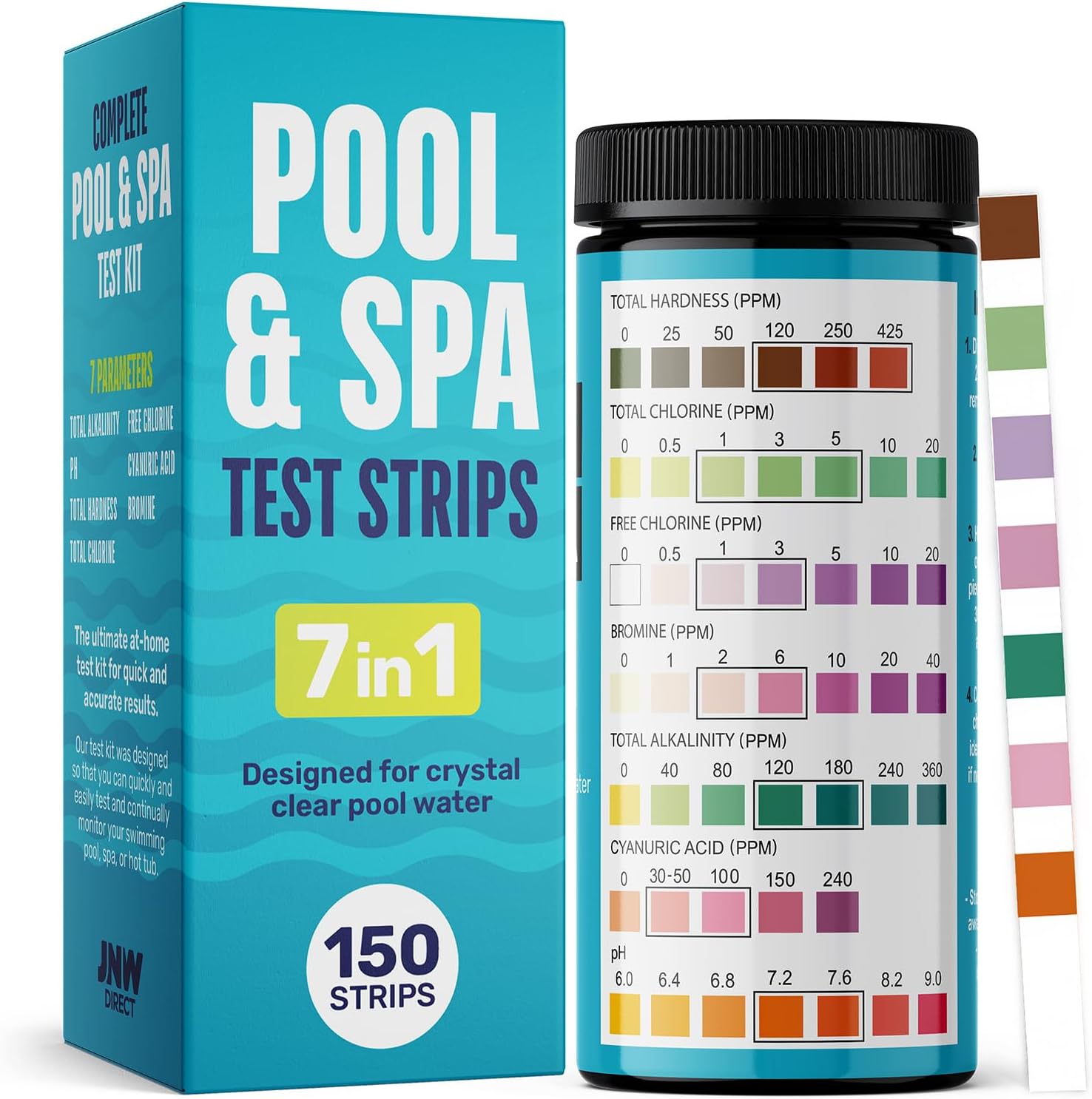
Dip-and-read test strips are the most common and affordable testing method. They’re fast and convenient, but they rely on color-matching against a printed chart, which introduces a fair amount of subjectivity, especially for people with certain forms of color blindness or in poor lighting. Strips also degrade with age and exposure to humidity, so an old, cracked-open bottle of strips left in a damp pool house can give misleading readings.
Liquid Reagent Test Kits
Liquid kits (sometimes called drop tests) use chemical reagents and a color-change titration process. They’re generally considered more accurate than strips, particularly for pH and total chlorine/bromine, but they take longer to perform, require careful drop-counting, and the reagents themselves have a shelf life and can degrade if stored in heat or sunlight.
Digital Testers
Digital and electronic testers use photometric or electrochemical sensors to give a numeric readout, removing the subjectivity of color-matching entirely. They tend to be the most consistent option over time, especially for anyone who struggles to judge subtle color differences, though they cost more upfront and periodically need calibration or replacement sensors. For anyone testing water multiple times a week, the consistency can be worth the investment — see our breakdown of the best digital hot tub water testers for specific model recommendations.
How Often Should You Test?
As a general guideline, sanitizer and pH should be checked before every use, or at minimum two to three times per week for a tub that isn’t used daily. Alkalinity, calcium hardness, and cyanuric acid (for chlorine systems) drift more slowly and can typically be checked weekly to monthly, unless you’ve just refilled the tub or made a significant chemical adjustment.
Seasonal Considerations: Winter vs. Summer Spa Care
Outdoor ambient conditions change how both chlorine and bromine behave in your spa throughout the year, and your maintenance routine should shift accordingly.
Summer and High UV Exposure
Direct sunlight breaks down unstabilized chlorine rapidly and even erodes stabilized (Dichlor) chlorine over time, though more slowly. Outdoor tubs left uncovered during sunny days will burn through sanitizer noticeably faster in summer than in winter. Keeping the cover on whenever the spa isn’t in use is the single most effective way to slow this degradation, regardless of which sanitizer you use. Bromine is less affected by UV than chlorine but still benefits from being covered, both for sanitizer retention and to keep debris and pollen out of the water.
Winter and Cold-Weather Use
In colder months, spas are typically used more often for warmth, which increases bather load and organic contamination even as evaporation and heat loss also increase. Colder ambient air combined with a hot water surface can increase evaporation, which concentrates dissolved minerals and sanitizer byproducts faster than you might expect, making regular testing and periodic top-offs with fresh water important even in winter. It’s also worth noting that low temperatures can slow down how quickly granular chlorine dissolves if added directly to very cold fill water, so pre-dissolving in a bucket of warm water can help during initial winter fills.
Spring and Fall Transitions
These shoulder seasons are a good natural checkpoint to schedule your quarterly drain and refill, inspect the cover for winter or summer sun damage, and re-evaluate whether your current sanitizer choice still fits your usage pattern for the coming season.
Hard-Shell vs. Inflatable Spas: Does Sanitizer Choice Change?
The underlying chemistry of chlorine and bromine doesn’t change based on what your spa shell is made of, but the practical handling recommendations do shift somewhat between rigid acrylic hard-shell spas and soft-sided inflatable models.
Hard-Shell (Acrylic) Spas
Traditional acrylic spas are generally more tolerant of either sanitizer type and of higher concentrations, since the shell material is more chemical- and abrasion-resistant. Built-in floating dispensers or dedicated feeder lines are common, making either granular chlorine or bromine tablets straightforward to use.
Inflatable and Soft-Sided Spas
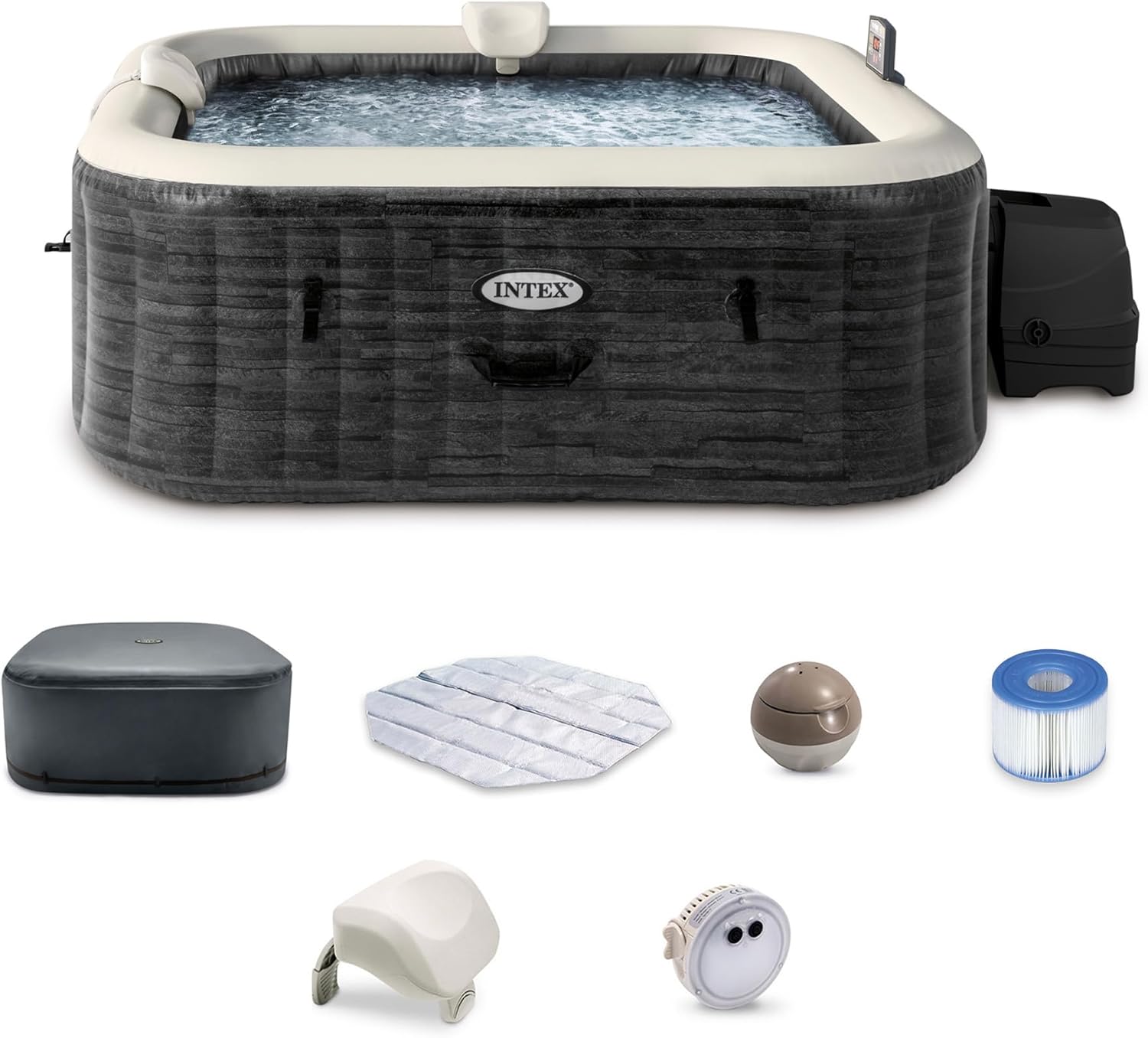
Vinyl or PVC-based inflatable spas are more sensitive to concentrated, prolonged contact with sanitizer, particularly from a tablet floater that can drift and rest against the wall, causing localized bleaching, softening, or even small holes over time. This is the main practical reason many inflatable spa manufacturers lean toward recommending chlorine granules, dosed directly into the water and dispersed by the jets, rather than a floating bromine dispenser. If you do prefer bromine in an inflatable spa, using an in-line feeder attached to the filtration system (rather than a loose floater) reduces the risk of the tablet sitting against the vinyl wall. For more format-specific guidance, see our full inflatable hot tub maintenance guide.
Algae in Hot Tubs: Can It Happen and How to Prevent It
Algae is far less common in hot tubs than in swimming pools, mainly because spa water is heavily filtered, frequently drained, and typically kept covered when not in use, all of which limit the sunlight and stagnant conditions algae needs to establish itself. That said, it isn’t impossible, especially in a spa that’s been neglected for an extended period, has a damaged or missing cover, or has consistently low sanitizer residual.
What Algae Looks Like in a Spa
Early-stage algae often shows up as a subtle discoloration in water clarity, a slippery feel on the shell or steps, or faint green, yellow, or black-ish tinting depending on the algae type, well before it becomes an obvious visible bloom.
Prevention
Maintaining a consistent sanitizer residual (rather than letting it repeatedly run to zero between doses), keeping the cover on whenever the tub isn’t in use, ensuring good water circulation, and following your regular shock schedule are the primary defenses against algae in either a chlorine or bromine system. Neither sanitizer is inherently more “algae-proof” than the other when maintained properly, though consistently low or absent sanitizer of any kind is the real risk factor.
If Algae Does Appear
A heavy shock treatment, combined with thorough filter cleaning or replacement and a full drain if the growth is significant, is generally the necessary remedy — algaecide products exist for spas but are typically viewed as a supplemental measure rather than a substitute for proper sanitizer maintenance and shocking.
Chemical Storage & Safety
Proper storage isn’t just about tidiness — it directly affects both the shelf life of your chemicals and your household’s safety.
General Storage Guidelines
- Keep containers sealed and dry: Both chlorine and bromine products absorb moisture from the air, which degrades their potency and can cause caking or clumping.
- Store in a cool, dry, shaded location: Heat and direct sunlight accelerate the natural breakdown of both chemicals even while sealed in their original containers.
- Never store chlorine and bromine products next to each other or with other pool chemicals like acid or shock: Accidental cross-contamination from a spill or leak can trigger a hazardous reaction. Store each chemical type separately, ideally in its own labeled bin.
- Keep out of reach of children and pets: Both are irritants and potentially hazardous if ingested or if they come into contact with eyes or skin in concentrated form.
- Always add chemicals to water, not water to chemicals, when preparing a diluted solution, and always use a clean, dry scoop dedicated to each chemical to avoid cross-contamination inside the container itself.
Shelf Life
Properly stored granular Dichlor and bromine tablets generally retain effective potency for one to two years, though always check manufacturer guidance, since formulations vary. If a product has clumped into a solid mass, developed an unusual odor, or changed color significantly, it’s reasonable to treat it as degraded and replace it rather than risk unpredictable dosing.
Environmental Impact & Disposal
Draining a spa isn’t as simple as pulling a plug and walking away — both chlorine and bromine byproducts, along with other dissolved chemicals, can affect plants, storm drains, and septic systems if disposed of carelessly.
Before Draining
Most guidance recommends letting sanitizer levels drop to near zero naturally (by simply not adding more for a few days before your planned drain) rather than draining water with a high active sanitizer residual. Many municipalities allow draining dechlorinated/de-brominated spa water onto a lawn or into a sanitary sewer connection, but storm drains, which often lead directly to natural waterways, are generally not appropriate for spa discharge. Check local regulations, since they vary by city and county.
Comparing Environmental Footprint
Neither chlorine nor bromine is considered meaningfully more “eco-friendly” than the other in typical residential use; both break down into relatively simple compounds given time and dilution. The bigger environmental variable is usually water conservation and drain frequency (draining unnecessarily often wastes water) rather than which of the two halogens you use, followed by the disposal method used, as described above.
Buying Guide: Choosing the Right Product Format
Once you’ve settled on chlorine or bromine, you’ll still find a range of product formats at the store. Here’s how to think through the options.
Granules vs. Tablets
Granules dissolve quickly and give you precise, immediate control over dosing, which suits owners who don’t mind testing and dosing a couple of times a week. Tablets dissolve slowly through a floater or feeder, offering a steadier, lower-maintenance release, which suits owners who want to check in less frequently but are willing to trade some precision for convenience.
Floaters vs. In-Line Feeders
A floating dispenser is the simplest and cheapest way to house slow-dissolving tablets, but as noted earlier, it can drift against soft vinyl walls in inflatable spas. An in-line feeder plumbed into the filtration system delivers a more even, controlled release and avoids the drifting issue entirely, at the cost of a somewhat more involved (though usually still simple) installation.
Combination Sanitizer-Shock Products
Some chlorine granule products are formulated to function as both a daily sanitizer and an occasional shock, simplifying the number of separate products you need to keep on hand. These are convenient for casual users but can make it harder to fine-tune sanitizer versus shock dosing independently compared to keeping dedicated products for each purpose.
Bundled Starter Kits
Many manufacturers sell starter kits bundling a sanitizer, a pH increaser/decreaser, an alkalinity adjuster, test strips, and sometimes a small filter cleaner. For a first-time spa owner, these bundles are a reasonable way to get all the essential basics at once, though heavier users typically outgrow the included quantities within the first couple of months and switch to buying larger quantities of just the items they use most.
A Brief History of Spa Sanitizers
Chlorine has been used to disinfect drinking water and public pools since the early 20th century, building on its adoption as a municipal water treatment following outbreaks of waterborne disease. Its low cost and effectiveness made it the default sanitizer as backyard swimming pools became widespread in the mid-1900s.
Bromine’s use in spas developed somewhat later, gaining popularity specifically as heated portable and built-in residential hot tubs became common from the 1970s onward. As spa manufacturers and chemical companies studied how sanitizers behaved at higher, sustained water temperatures, bromine’s relative heat stability and gentler byproduct profile made it an increasingly popular alternative to chlorine specifically for the spa market, even as chlorine remained dominant for larger, cooler swimming pools. That historical split — chlorine for pools, bromine as a common alternative for spas — is still reflected in how the two chemicals are marketed and packaged today.
Final Verdict: Which Should You Buy?
Choose Chlorine If:
- Your hot tub is outdoors and uncovered often (UV sunlight protection needed).
- You have heavy bather loads (lots of parties/kids) and need fast sanitization.
- You are on a strict budget.
Choose Bromine If:
- You have sensitive skin or hate the smell of chlorine.
- Your hot tub is indoors (bromine has less odor).
- You prefer using a floater (tablets) rather than adding granules daily.
- You want to avoid biofilm buildup (bromine penetrates biofilm better than chlorine).
No matter which you choose, consistent inflatable hot tub maintenance is the real secret to clear water. The sanitizer you pick sets the foundation, but weekly testing, regular shocking, filter care, and periodic full drains are what actually determine whether your spa stays inviting or turns into a chore.
Glossary of Hot Tub Chemistry Terms
- Alkalinity (Total Alkalinity): A measure of water’s ability to resist pH changes; acts as a buffer.
- Bromamine: The byproduct formed when bromine reacts with contaminants; unlike chloramine, it retains some sanitizing power.
- Calcium Hardness: The concentration of dissolved calcium in the water, affecting corrosion and scale risk.
- Chloramine: The byproduct formed when chlorine reacts with ammonia/nitrogen compounds; largely inactive and responsible for strong chemical odor.
- Combined Sanitizer: The portion of chlorine or bromine that has already reacted with contaminants, as opposed to “free” sanitizer still available to work.
- Cyanuric Acid (CYA): A stabilizing compound that slows UV degradation of chlorine; accumulates over time and can cause “chlorine lock” if too high.
- Dichlor: A granular, nearly pH-neutral, stabilized chlorine product commonly used in hot tubs.
- Free Available Sanitizer: The active, unreacted portion of chlorine or bromine in the water, ready to sanitize.
- Non-Chlorine Shock (MPS): Potassium monopersulfate, an oxidizer used to break down combined sanitizer without adding additional chlorine or bromine.
- Oxidation: The chemical process of breaking down organic waste and contaminants in water.
- pH: A measure of how acidic or basic the water is, directly affecting sanitizer efficiency and bather comfort.
- Total Dissolved Solids (TDS): The overall concentration of dissolved substances in the water, which rises over time and eventually necessitates a drain and refill.
- Trichlor: A slow-dissolving, acidic, stabilized chlorine tablet generally intended for swimming pools rather than spas.
Frequently Asked Questions
Technically yes, but it’s risky. You can switch from chlorine to bromine because bromine “dominates” chlorine. However, you absolutely CANNOT switch from Bromine to Chlorine without draining and flushing the lines. Once a tub is a bromine tub, it stays a bromine tub until drained.
No. Chlorine has a sharp, bleach-like odor (especially when dirty). Bromine has a softer, more medicinal or “musty” smell. Most people find bromine less offensive to the nose.
Both work well, but chlorine granules are often preferred for inflatables because tablet floaters (bromine) can sometimes rest against the soft vinyl walls and cause bleaching or damage.
Neither chemical is “safe” for pets to drink or swim in. However, bromine is slightly harder for animals to metabolize if ingested. Keep pets out of the hot tub regardless of the sanitizer used.
Chlorine lock happens when cyanuric acid (from repeated Dichlor use) builds up so much that it suppresses chlorine’s effectiveness even when test readings look normal. The most reliable fix is draining and refilling the spa to reset CYA levels, since CYA doesn’t dissipate or filter out on its own.
Yes. Shocking with a non-chlorine oxidizer reactivates spent bromide back into working bromine and burns off accumulated organic waste. Skipping this step is one of the most common reasons bromine levels seem to “crash” unexpectedly.
Yes, but a saltwater system is still a chlorine system — it just generates chlorine on-site from dissolved salt using an electrolytic cell, rather than requiring you to add granules by hand. It doesn’t eliminate chlorine chemistry, it automates it.
Most manufacturers and spa professionals recommend a full drain and refill every 3–4 months for average use, or sooner for heavier bather loads, since total dissolved solids accumulate in the water over time in ways that can’t be corrected simply by adding more sanitizer.
Cloudiness is often caused by imbalanced pH/alkalinity or a dirty filter restricting circulation, not by insufficient sanitizer. Check and correct alkalinity and pH first, clean or replace the filter, and shock the water before assuming you simply need more chlorine or bromine.
No. Ozone and UV systems oxidize contaminants very effectively while water passes through them, but neither leaves any residual protection in the tub afterward. Nearly all manufacturers recommend maintaining a low residual chlorine or bromine level alongside these supplemental systems.
Test strips are accurate enough for routine home use as long as they’re fresh and read in good lighting, but they rely on subjective color-matching. Digital testers remove that subjectivity and are worth considering if you test frequently or have had trouble reading strip colors consistently.
It’s uncommon but possible, usually only after extended neglect, a damaged cover, or a long stretch with little to no sanitizer residual. Keeping a consistent sanitizer level and the cover on when not in use is the main prevention for either chlorine or bromine systems.
Yes. Summer sun exposure burns off chlorine faster and increases evaporation, while winter often brings heavier usage and faster evaporation-driven concentration of dissolved solids. Keeping the cover on when not in use and testing consistently year-round addresses both seasonal patterns.
It’s best to store them separately, along with keeping other pool chemicals like shock or acid apart from both. Accidental contact between chlorine and bromine products, or between either halogen and certain other pool chemicals, can trigger a hazardous reaction.