How Often Should You Shock a Hot Tub? The Ultimate Maintenance Schedule
There is a distinct smell that new hot tub owners often mistake for “cleanliness.” It is that sharp, chemical odor that burns the nostrils. Contrary to popular belief, that isn’t the smell of chlorine working—it’s the smell of chlorine dying. It means your water is filled with chloramines (dead sanitizer combined with contaminants), and it is screaming for one thing: Shock.
You should shock your hot tub once a week for routine maintenance. However, you should also shock the water after heavy usage (like a party), if the water appears cloudy, or if you detect strong chemical odors. Regular shocking oxidizes contaminants and reactivates your sanitizer.
1. The Science: Why Do We Need to Shock?
To understand frequency, you must understand function. “Shocking” is the process of adding a high dose of oxidizer to the water. This process does two critical things:
- Oxidation: It breaks down organic compounds like dead skin, body oils, cosmetics, and sweat that filters can’t catch.
- Reactivation: It breaks apart “Combined Chlorine” (chloramines), freeing up your sanitizer to kill bacteria again.
Think of it this way: your regular sanitizer (chlorine or bromine) is like a security guard that gets tired after fighting off intruders. Shocking is like giving that guard an energy drink and a fresh weapon. Without it, the guard becomes sluggish, and the contaminants start to accumulate, leading to cloudy water, skin irritation, and that unpleasant chlorine smell.
The chemistry behind shocking is fascinating. When you add a high dose of oxidizer, it creates a rapid chemical reaction that breaks the molecular bonds of organic waste. This process is called “breakpoint chlorination.” In simple terms, you’re adding enough chlorine to the water to satisfy the “demand” created by contaminants, and then a little extra to create a residual that continues to protect the water.
The breakpoint occurs when the ratio of chlorine to ammonia (from sweat and urine) reaches about 7.6:1. At this point, the chlorine molecules attach to the ammonia molecules, and through a series of chemical reactions, the combined chlorine is destroyed, leaving only free chlorine behind. This is why you need a high dose of shock – you’re trying to reach that breakpoint.
Regular shocking also helps to prevent the buildup of biofilms. Biofilms are slimy layers of bacteria that can form on the walls of your hot tub plumbing. They are notoriously difficult to remove and can be a source of persistent contamination. By shocking regularly, you’re helping to break down these biofilms before they become a serious problem.
2. Chlorine Shock vs. Non-Chlorine Shock (MPS)
Not all shocks are created equal. The frequency of your shocking schedule depends heavily on which type of product you are using. Understanding the difference between the two main types of shock is crucial for maintaining a balanced and safe hot tub.
Option A: Chlorine Shock (Sodium Dichlor)
This is a sanitizer and a shock in one. It raises your chlorine levels significantly. Sodium Dichlor is a granular form of chlorine that is stabilized with cyanuric acid, which helps to protect the chlorine from being broken down by the sun’s UV rays. This makes it an excellent choice for outdoor hot tubs.
- When to use: Upon initial fill, or when water has algae/bacteria issues. It’s also ideal for a weekly deep clean to eliminate any buildup that might have occurred during the week.
- Downside: You must wait for chlorine levels to drop (usually 8-12 hours) before getting back in. High chlorine levels can be harsh on your skin, eyes, and swimsuits.
Dichlor is also known for its ability to clarify water. It works quickly to oxidize contaminants, leaving your water sparkling clear. However, because it’s a sanitizer, it will also raise your total chlorine level. It’s important to test your water after shocking with Dichlor to ensure the levels have dropped to a safe range (between 1-3 ppm) before you or your guests enter the tub.

SpaGuard Enhanced Shock (2lb)
This is a “Dichlor” based shock. It kills bacteria and clears cloudy water. Perfect for your weekly heavy maintenance dose. It also contains a built-in clarifier to help with water clarity.
Check Price on AmazonOption B: Non-Chlorine Shock (MPS)
Monopersulfate (MPS) is an oxidizer, not a sanitizer. It “gases off” contaminants without spiking your chlorine levels. MPS works by adding oxygen to the water, which breaks down organic waste through oxidation. It doesn’t contain any chlorine, so it won’t affect your chlorine or bromine levels.
- When to use: For daily or mid-week maintenance, or 20 minutes before/after soaking. It’s ideal for quickly oxidizing contaminants that are introduced during a soak.
- Benefit: You can enter the tub 15-20 minutes after adding it. There’s no need to wait for chlorine levels to drop.
MPS is also a great choice if you have sensitive skin. Since it doesn’t raise chlorine levels, you can use it more frequently without worrying about skin irritation. However, it’s important to note that MPS can cause a false high reading on some total chlorine test strips. You’ll need a test strip that specifically tests for MPS or free chlorine to get an accurate reading.
Many hot tub owners use a combination of both shocks. They use MPS after each soak to quickly oxidize contaminants, and then use a Dichlor shock once a week for a deep clean. This approach gives you the best of both worlds: convenience and powerful sanitation.
3. The 3 Scenarios That Change Your Schedule
The frequency of shocking isn’t set in stone. It depends on several factors, including how often you use the tub, how many people use it, and the environmental conditions. Here are the three main scenarios that will change your shock schedule.
Scenario 1: The “After Party” (Heavy Bather Load)
The “Once a Week” rule applies to average use (2 people, 2-3 times a week). If you host a party with 4+ people in an inflatable tub like the Coleman SaluSpa, the organic load is massive. Each person introduces sweat, skin cells, body oils, and potentially lotions or cosmetics into the water.
Rule: Shock immediately after the guests leave. Do not wait for your weekly schedule. In fact, you may need to shock twice: once immediately after the party, and again the next day to ensure all contaminants are fully oxidized.
Heavy usage can also deplete your sanitizer levels rapidly. After a party, it’s essential to test the water and adjust the sanitizer levels accordingly. Shocking will help to restore the balance, but you may also need to add additional sanitizer to maintain a residual level.
Scenario 2: Winter Maintenance
In winter, we tend to keep covers on longer to conserve heat. This traps gases (chloramines) inside. You might need to shock less frequently if usage is low, but you must open the cover to let the water “breathe” when you do.
Another winter challenge is that the cold temperatures can slow down chemical reactions. You may find that it takes longer for the shock to work, and you might need to leave the cover off for a bit longer to allow the gases to escape. Also, be careful not to add shock when the water temperature is too low, as it can take a long time to dissolve.
Scenario 3: High Usage (Multiple Soaks Per Day)
If you’re using your hot tub multiple times a day, you’re introducing a lot of contaminants. In this case, you should shock daily, preferably with a non-chlorine shock (MPS) to keep the water clear and sanitized. This is especially common for people who use their hot tub for therapeutic reasons.
Daily shocking with MPS helps to prevent the buildup of combined chlorine, which can cause skin irritation and strong odors. It also helps to keep the water sparkling clear, so you can enjoy a clean soak every time you get in.
4. How to Shock Your Tub: Step-by-Step
Improper shocking can damage your hot tub liner, especially in inflatable models. Follow this procedure to protect your investment and ensure the shock is effective.
- Remove the Cover: This is critical. As shock oxidizes waste, it releases gas. If the cover is on, that gas eats away at the underside of your cover and pillows. It can also cause discoloration and damage to the cover’s material.
- Balance pH First: Shock is ineffective if your pH is outside the 7.2–7.6 range. A high pH will reduce the effectiveness of the shock, and a low pH can make the shock more corrosive. Test and adjust your pH before adding shock.
- Turn on Jets: Keep the air blower OFF, but turn the circulation jets ON to mix the chemicals. This helps to distribute the shock evenly throughout the water. If you have an air blower, keep it off to prevent the water from getting too agitated, which can cause the shock to dissipate too quickly.
- Measure & Pour: Follow the bottle instructions (usually 1 tbsp per 100 gallons). Broadcast it across the surface; do not dump it in one spot. Broadcasting ensures even distribution and prevents the shock from settling at the bottom of the tub, which can damage the liner.
- Wait: Leave the cover off for at least 20 minutes, or until the chlorine level has dropped to a safe range (if using a chlorine shock). This allows the gases to escape and the shock to do its job.
- Test the Water: After the shock has had time to work, test the water to ensure the levels are balanced. Adjust the pH and sanitizer levels as needed before using the tub.
It’s also a good idea to shock your tub in the evening after you’re done using it for the day. This gives the shock plenty of time to work overnight, and by morning, the water will be clean and ready for use.

Scum Ray – Oil Absorbing Sponge
Want to shock less often? Prevent oil buildup in the first place. These float in your tub and absorb the lotions and oils that consume your sanitizer. They can extend the life of your water and reduce the need for frequent shocking.
Check Price on AmazonRead our comparison of scum absorbers here.
5. Community Insights & Common Mistakes
“If you are using the tub daily, you need to be using MPS (Non-chlorine shock) after every soak, and then hit it with Dichlor once a week to keep a sanitizer reserve. This has been my routine for years and I’ve never had cloudy water.”
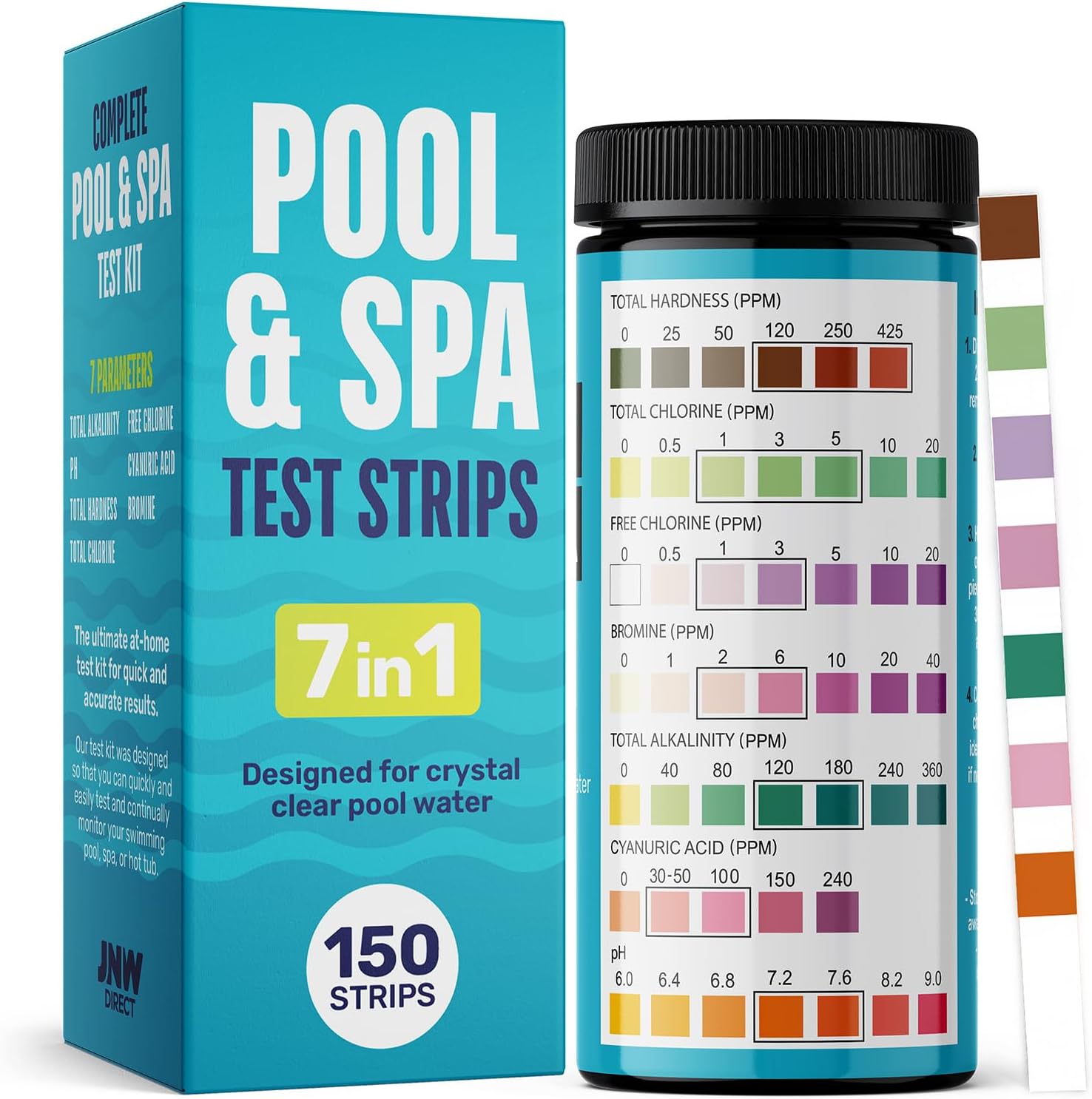
— Insight from r/hottub Community DiscussionA common mistake highlighted in the video below is ignoring the “Combined Chlorine” reading on your test strip. If Total Chlorine is high, but Free Chlorine is low, you must shock to break the bond. This is the most common cause of cloudy water and strong chlorine odors.
Another mistake is using too much shock. While it’s difficult to over-shock a tub, adding excessive amounts can lead to high chlorine levels that are harsh on your skin and equipment. Always follow the manufacturer’s instructions for dosage.
Not removing the cover before shocking is another frequent error. The gases released during shocking are corrosive and can damage the underside of your cover, the pillows, and even the frame. Always remember to remove the cover and leave it off for at least 20 minutes.
6. Troubleshooting: When Shocking Doesn’t Work
Sometimes, you shock the tub, and the water remains cloudy. This is usually due to High TDS (Total Dissolved Solids).
Every time you add chemicals, you add solids to the water. Over time, these solids accumulate, and the water becomes saturated. This means it can no longer dissolve chemicals effectively, and the shock won’t be able to do its job. The water may appear hazy or cloudy even after shocking.
If you have been shocking regularly and the water is still murky, it is time to drain and refill. The TDS level should be kept below 1500 ppm. You can test TDS with a special meter, but if your water is over 3-4 months old, it’s usually a good idea to change it.
7. Advanced Shocking Strategies
For those who want to take their hot tub maintenance to the next level, there are some advanced strategies that can help you optimize your shocking routine. These strategies are based on the principles of water chemistry and can help you achieve crystal-clear water with minimal effort.
7.1. The Two-Step Shock Method
This method involves using both a non-chlorine shock (MPS) and a chlorine shock (Dichlor) in a specific sequence. The idea is to use MPS to oxidize the majority of contaminants immediately after use, and then use Dichlor once a week to provide a deep clean and maintain a sanitizer reserve.
The two-step method is particularly effective for hot tubs that see heavy usage. It ensures that the water is always clean and sanitized, without exposing you to high chlorine levels. It also helps to extend the life of your water, as the MPS helps to reduce the load on the chlorine.
7.2. The Sequential Shock
This is a variation of the two-step method where you use a chlorine shock, wait for the chlorine levels to drop, and then add an MPS shock. The chlorine shock does the heavy lifting, and the MPS shock helps to polish the water and remove any residual combined chlorine.
The sequential shock is a good option if you have persistent water clarity issues. It ensures that the water is thoroughly oxidized and sanitized, leaving it crystal clear.
7.3. Shocking with Ozone or UV
Some hot tubs are equipped with ozone or UV systems that continuously oxidize contaminants. If you have one of these systems, you may need to shock less frequently. However, it’s still a good idea to shock periodically to remove residual combined chlorine and ensure the water is completely sanitized.
Ozone and UV systems can reduce your chemical usage by up to 50%, but they are not a substitute for regular sanitation. You still need to maintain a residual sanitizer level (chlorine or bromine) to protect the water when the system is not running.
8. The Impact of Water Temperature on Shocking
Water temperature plays a significant role in how effective your shock is. Hot tub water is typically between 100-104°F (38-40°C). At these temperatures, chemical reactions occur faster, which means the shock will work more quickly. However, it also means that the shock can dissipate more rapidly.
In hot water, the shock will be effective for a shorter period. This is why it’s often recommended to shock your tub after you’re done using it for the day. The shock can work its magic overnight, and by morning, the water will be ready for use.
If you need to shock your tub during the day, make sure you keep the cover off to allow the gases to escape. The heat from the water will also help to accelerate the chemical reactions, so the shock will be effective in a shorter amount of time.
9. Understanding the Cost of Shocking
Shocking your hot tub is a recurring cost that many owners overlook. The cost depends on the type of shock you use, the size of your tub, and how often you shock. Here’s a breakdown of the typical costs:
- Chlorine Shock (Dichlor): A 2-pound container typically costs between $15-$25 and can last for several months, depending on usage. Each shock treatment costs about $1-$2.
- Non-Chlorine Shock (MPS): A 5-pound container typically costs between $20-$35. Each shock treatment costs about $1-$2.
- Combination: If you use a combination of both, you can expect to spend about $5-$10 per month on shock chemicals.
While the cost is relatively low, it’s important to factor it into your overall hot tub budget. Regular shocking is an investment in the longevity of your tub and the health of your water. It’s much cheaper to shock regularly than it is to deal with a water chemistry issue that requires draining and refilling the tub.
10. Shocking vs. Superchlorination
These two terms are often used interchangeably, but they are actually different. Superchlorination is the process of adding a very high dose of chlorine to the water to achieve a specific goal, such as killing off a severe bacterial contamination or getting rid of persistent algae.
Shocking, on the other hand, is a more routine process. It uses a smaller dose of oxidizer to maintain water quality and prevent issues. Think of it this way: shocking is like regular cleaning, while superchlorination is like a deep clean.
You should only superchlorinate your hot tub if you have a serious problem. Superchlorination can be harsh on your equipment and your skin, and it requires a long waiting period before you can use the tub again. It’s always best to stick to a regular shocking schedule to prevent the need for superchlorination.
11. Shocking and Your Filter
Your filter is your first line of defense against contaminants. It removes large particles, while the shock removes the dissolved contaminants. These two systems work together to keep your water clean.
When you shock your tub, the shock helps to break down the organic waste that can clog your filter. This makes your filter more effective and extends its lifespan. However, it’s also important to clean your filter regularly. A dirty filter can reduce the effectiveness of the shock and lead to cloudy water.
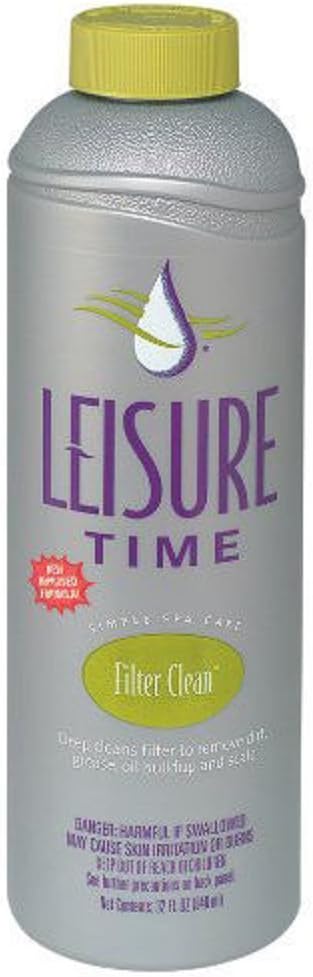
We recommend cleaning your filter once a month with a filter cleaner. You should also replace your filter every 12-18 months, or more often if you use your tub heavily.
12. Shocking and Your Hot Tub Cover
As mentioned earlier, it’s crucial to remove your cover before shocking. The gases released during shocking are corrosive and can damage the underside of your cover. This damage can lead to a shorter lifespan for your cover and can also cause the cover to become waterlogged, which reduces its insulating properties.
In addition to removing the cover, you should also keep it off for at least 20 minutes after shocking. This allows the gases to escape and prevents them from being trapped under the cover. You should also consider using a cover lifter to make it easier to remove the cover and to protect it from damage.
13. The Role of Cyanuric Acid (Stabilizer)
Cyanuric acid is a stabilizer that is often added to chlorine to protect it from the sun’s UV rays. It’s commonly found in trichlor and dichlor products. While it helps to extend the life of your chlorine, it can also build up over time.
When the cyanuric acid level gets too high (above 100 ppm), it can reduce the effectiveness of the chlorine. This is known as “chlorine lock.” If you have chlorine lock, the chlorine won’t be able to kill bacteria, even if you shock the tub.
The only way to reduce cyanuric acid levels is to drain and refill the tub. To prevent chlorine lock, use a stabilizer-free chlorine shock (like liquid chlorine or calcium hypochlorite) periodically. You can also use a non-chlorine shock (MPS) to reduce your reliance on stabilized chlorine.
14. Shocking and Your pH Level
The pH level of your water has a significant impact on the effectiveness of your shock. A pH level between 7.2 and 7.6 is ideal. If the pH is too high (above 7.8), the shock will be less effective. If the pH is too low (below 7.2), the shock can be more corrosive.
Before you shock your tub, always test and adjust the pH. This ensures that the shock will work effectively and won’t cause any damage to your equipment. You can use a pH increaser (sodium carbonate) or a pH decreaser (sodium bisulfate) to adjust the pH level.
15. Shocking and Your Alkalinity Level
Alkalinity is a measure of the water’s ability to resist changes in pH. It acts as a buffer, preventing the pH from fluctuating too much. The ideal alkalinity range is between 80 and 120 ppm.
If the alkalinity is too low, the pH can fluctuate rapidly, making it difficult to maintain a balanced water chemistry. This can also make the shock less effective. If the alkalinity is too high, it can cause the pH to drift upward, leading to scaling.
Before you shock your tub, test the alkalinity and adjust it if necessary. You can use an alkalinity increaser (sodium bicarbonate) to raise the alkalinity, or an alkalinity decreaser (sodium bisulfate) to lower it.
16. Shocking and Your Sanitizer Choice
Your choice of sanitizer (chlorine or bromine) will also affect how you shock your tub. Chlorine is more sensitive to pH and stabilizer levels, while bromine is more stable at higher pH levels.
If you use bromine, you can use a bromine shock (which is essentially the same as a chlorine shock) or an MPS shock. Bromine systems often require a shock to reactivate the bromine bank (sodium bromide) in the water.
For chlorine systems, you can use a chlorine shock (Dichlor) or an MPS shock. If you use a chlorine shock, be aware that it will raise the chlorine level, so you’ll need to wait before using the tub. If you use an MPS shock, you can use the tub shortly after.
17. The Impact of Heavy Metals on Shocking
Heavy metals, such as copper and iron, can be present in your water source. These metals can cause staining and can also interfere with the effectiveness of your shock. They can also cause the water to turn a green or brownish color when you shock.
To prevent this, you can use a metal sequestrant. This is a chemical that binds to the heavy metals and keeps them in solution, preventing them from causing problems. You should add a metal sequestrant to the water when you first fill the tub, and periodically as needed.
18. Shocking and Your Water Source
The quality of your water source can also affect your shocking routine. If you have hard water (high in calcium and magnesium), you may need to use a scale inhibitor to prevent scaling. Scaling can reduce the effectiveness of your sanitizer and can also damage your equipment.
If you have soft water (low in minerals), you may need to add calcium to the water to prevent it from becoming corrosive. Corrosive water can damage your heater and other metal components.
It’s a good idea to test your water source before you fill your tub. This will help you determine what chemicals you need to add to balance the water.
19. Shocking and Your Hot Tub’s Age
As your hot tub ages, the seals and gaskets can become worn. This can allow contaminants to seep into the water, making it harder to keep the water clean. You may need to shock more frequently as your tub gets older.
Regular maintenance, including shocking, can help to extend the life of your hot tub. By keeping the water balanced and free of contaminants, you’re preventing corrosion and scaling that can damage the components.
20. Shocking and Your Hot Tub’s Size
The size of your hot tub will affect how much shock you need to add. A larger tub will require a larger dose of shock. Always follow the manufacturer’s instructions for dosage, and never guess.
You can also use a shock calculator to determine the correct dosage based on the size of your tub and the type of shock you’re using. This is a great way to ensure you’re adding the right amount of shock.
21. Shocking and Your Local Climate
Your local climate can also affect your shocking routine. In hot, humid climates, bacteria and algae can grow more rapidly. You may need to shock more frequently to prevent these issues.
In cold climates, you may need to shock less frequently, but you need to be careful about using the tub in freezing temperatures. Always consult the manufacturer’s instructions for using your hot tub in cold weather.
22. The Psychology of Shocking: Why Consistency Matters
Maintaining a consistent shocking schedule is not just about water chemistry; it’s also about building a habit. When you shock your tub regularly, you’re less likely to forget, and you’re more likely to enjoy a clean and healthy soak every time.
Consistency is key to preventing issues. If you only shock your tub when you notice a problem, you’re already behind. By shocking regularly, you’re staying ahead of the curve and preventing problems before they start.
23. Shocking as a Diagnostic Tool
Shocking can also be used as a diagnostic tool. If you shock your tub and the water remains cloudy, it’s a sign that something is wrong. It could be that your TDS is too high, your filter is dirty, or you have a buildup of biofilms.
By paying attention to how your water responds to shocking, you can identify and address potential problems early. This proactive approach can save you time, money, and frustration in the long run.
24. Shocking and Your Health
Regular shocking is essential for your health. It ensures that the water is free of bacteria and other pathogens that can cause skin irritation, ear infections, and respiratory problems. It also prevents the buildup of harmful chemicals like chloramines.
If you have sensitive skin, regular shocking with MPS can help to prevent skin irritation. MPS is gentler on the skin than chlorine, and it doesn’t produce the strong odors that can be bothersome for some people.
25. Shocking and Your Mental Well-Being
There’s something truly therapeutic about soaking in a hot tub. The warm water, the massaging jets, and the peaceful environment can do wonders for your mental health. But it’s hard to relax when you’re worried about the water quality.
By establishing a regular shocking routine, you can have peace of mind knowing that your water is clean and safe. You can fully enjoy the experience without any worries.
26. Shocking and Your Hot Tub’s Resale Value
If you ever decide to sell your hot tub, having a well-maintained tub will increase its resale value. A tub that has been regularly shocked and maintained will look and function better, making it more attractive to potential buyers.
Keeping records of your maintenance, including your shocking schedule, can also be a selling point. It shows that you’ve taken good care of the tub.
27. The Future of Shocking
The future of hot tub maintenance is likely to involve more automation and smarter technology. We’re already seeing systems that automatically test the water and dispense chemicals as needed. These systems can significantly reduce the need for manual shocking.
However, even with automation, you’ll still need to understand the basics of water chemistry. The principles of shocking will remain the same, even if the process becomes more automated.
28. Shocking and the Environment
The chemicals you use in your hot tub can have an impact on the environment. When you drain your tub, the water contains chemicals that can be harmful to plants and animals.
To minimize your environmental impact, avoid draining your tub too frequently. Shock your tub regularly to extend the life of the water. You can also use a non-chlorine shock (MPS), which is more environmentally friendly than chlorine.
29. Shocking and Your Water Heater
The water heater is one of the most expensive components of your hot tub. Maintaining a balanced water chemistry, including regular shocking, can help to protect the heater from corrosion and scaling.
Corrosion and scaling can reduce the efficiency of the heater and can eventually lead to failure. By keeping the water balanced, you’re extending the life of your heater and saving money on repairs.
30. Shocking and Your Jets
The jets are another important component of your hot tub. They can become clogged with organic waste and biofilm, which can reduce their performance. Regular shocking helps to break down these deposits, keeping your jets clear and powerful.
If you notice that your jets are not as powerful as they used to be, it could be a sign that you need to shock the tub more frequently. It could also be a sign that you need to clean the jets.
31. Shocking and Your Plumbing
The plumbing of your hot tub can also be affected by poor water chemistry. Biofilms can form inside the plumbing, which can harbor bacteria and other pathogens. Regular shocking helps to prevent the formation of biofilms and keeps your plumbing clean.
If you have a persistent problem with cloudy water or odors, it could be a sign that you have biofilms in your plumbing. In this case, you may need to use a plumbing cleaner to remove the biofilms.
32. Shocking and Your Pump
The pump is the heart of your hot tub. It circulates the water and keeps it moving. A pump that is overworked can fail prematurely. Maintaining a balanced water chemistry, including regular shocking, can help to reduce the load on the pump.
When the water is clean, the pump doesn’t have to work as hard to circulate it. This extends the life of the pump and saves you money on energy costs.
33. Shocking and Your Ozone System
As mentioned earlier, ozone systems can help to oxidize contaminants. If you have an ozone system, you may need to shock less frequently. However, ozone is not a sanitizer; it’s an oxidizer. You still need to maintain a residual sanitizer level.
Ozone systems are most effective when used in conjunction with a regular shocking schedule. The ozone helps to reduce the load on the shock, and the shock helps to maintain a residual sanitizer level.
34. Shocking and Your UV System
UV systems use ultraviolet light to kill bacteria and other pathogens. They are effective at sanitizing the water, but they do not provide a residual effect. This means that once the water leaves the UV chamber, it can become recontaminated.
To ensure the water remains sanitized, you need to maintain a residual sanitizer level. Regular shocking helps to do this. UV systems are most effective when used in conjunction with a regular shocking schedule.
35. Shocking and Your Salt System
Salt systems use electrolysis to produce chlorine from salt in the water. They are convenient and can reduce the need for manual shocking. However, they can also be affected by high TDS levels.
If you have a salt system, you still need to shock the tub periodically. The chlorine that is produced by the salt system is constantly being used up by contaminants. Shocking helps to oxidize these contaminants, reducing the load on the salt system.
36. Shocking and Your Mineral System
Mineral systems use silver and copper ions to sanitize the water. These ions are effective at killing bacteria, but they can take time to work. Shocking helps to quickly oxidize contaminants, providing immediate protection.
Mineral systems are most effective when used in conjunction with a regular shocking schedule. The shock provides quick disinfection, while the minerals provide long-term protection.
37. Shocking and Your Inflatable Hot Tub
Inflatable hot tubs have a few unique considerations when it comes to shocking. The vinyl material is more sensitive to chemicals, so it’s important to be careful with the dosage. Always broadcast the shock across the surface and avoid dumping it in one spot.
Inflatable hot tubs also have a smaller water volume, so they require a smaller dose of shock. Always follow the manufacturer’s instructions for dosage.
38. Shocking and Your Hot Tub Cover’s Lifespan
As mentioned earlier, removing the cover before shocking is crucial. But did you know that you also need to keep the cover off for a while after shocking? The gases released during shocking can be trapped under the cover, causing damage.
To extend the lifespan of your cover, always remove it before shocking and leave it off for at least 20 minutes. You should also consider using a cover lifter to make it easier to remove the cover.
39. Shocking and Your Chemical Storage
How you store your chemicals can also affect their effectiveness. Store your shock in a cool, dry place, away from direct sunlight. Keep the container tightly closed to prevent moisture from getting in.
Never mix different types of shock. This can cause a dangerous chemical reaction. Always use a separate scoop for each type of chemical.
40. Shocking and Your Safety
Always wear protective gear when handling chemicals. This includes gloves and safety glasses. Avoid inhaling the fumes, and wash your hands thoroughly after handling chemicals.
Never add water to chemicals; always add chemicals to water. This helps to prevent splashing and chemical burns.
41. Shocking and Your Children
Keep all chemicals out of the reach of children. Educate your children about the dangers of chemicals and never let them handle chemicals.
When you’re shocking the tub, keep an eye on your children and make sure they don’t enter the water until it’s safe.
42. Shocking and Your Pets
Pets can also be affected by the chemicals in your hot tub. Keep them away from the tub when you’re adding chemicals. Make sure the water is safe before letting them near it.
If you have a dog that loves to swim, be extra careful about the water chemistry. Dogs can introduce a lot of contaminants, so you may need to shock more frequently.
43. Shocking and Your Hot Tub’s Circulation
Proper circulation is essential for effective shocking. Make sure your circulation pump is running when you add the shock. This helps to distribute the shock evenly throughout the water.
If your hot tub has a circulation schedule, make sure it’s running at the time of shocking. You can also run the pump manually to ensure the shock is distributed.
44. Shocking and Your Filter’s Performance
A clean filter is essential for good water quality. When the filter is dirty, it can’t effectively remove contaminants, which can put more strain on the shock.
Clean your filter regularly to ensure it’s working effectively. This will reduce the need for frequent shocking and will extend the life of your water.
45. Shocking and Your Water’s Clarity
The ultimate goal of shocking is to keep your water clear. Clear water is a sign that the water is balanced and free of contaminants. It’s also more inviting and enjoyable to soak in.
If you’re struggling with cloudy water, even after shocking, you need to investigate the underlying cause. It could be that your TDS is too high, your filter is dirty, or you have biofilms.
46. Shocking and Your Sanitizer’s Effectiveness
Shocking is essential for maintaining the effectiveness of your sanitizer. When you shock the tub, you’re breaking down the combined chlorine, which frees up the sanitizer to do its job.
If you don’t shock regularly, the combined chlorine will build up, and your sanitizer will become less effective. This can lead to cloudy water and health problems.
47. Shocking and Your Water’s Smell
The smell of your water can tell you a lot about its condition. A strong chlorine smell is a sign of combined chlorine, which means you need to shock the tub.
A musty or earthy smell can be a sign of bacteria or algae. In this case, you may need to shock with a chlorine shock to kill the bacteria or algae.
48. Shocking and Your Water’s Feel
The feel of the water can also tell you a lot. Soft, silky water is a sign that the water is balanced and healthy. Dry, itchy skin can be a sign of high chlorine levels or imbalanced water chemistry.
If you notice that the water feels different, test it and adjust the chemicals accordingly. Shocking can help to restore the balance.
49. Shocking and Your Skin
Your skin is the largest organ in your body, and it’s highly sensitive to the chemicals in your hot tub. Regular shocking helps to prevent the buildup of harmful chemicals that can cause skin irritation.
If you have sensitive skin, consider using a non-chlorine shock (MPS). It’s gentler on the skin and doesn’t produce the strong odors that can be bothersome for some people.
50. Shocking and Your Hair
The chemicals in your hot tub can also affect your hair. Chlorine can strip the natural oils from your hair, leaving it dry and brittle. Regular shocking can help to reduce the chlorine levels in the water, which is better for your hair.
If you have colored hair, be especially careful about chlorine. It can cause the color to fade. Consider wearing a swim cap or rinsing your hair with clean water before and after soaking.
51. Shocking and Your Swimsuit
The chemicals in your hot tub can also damage your swimsuit. Chlorine can cause the fabric to fade and weaken. Regular shocking can help to reduce the chlorine levels, which is better for your swimsuit.
Always rinse your swimsuit with clean water after soaking. This will help to remove the chemicals and extend the life of your swimsuit.
52. Shocking and Your Hot Tub’s Components
The components of your hot tub, such as the heater, pump, and jets, are all affected by water chemistry. Regular shocking helps to prevent corrosion and scaling, which can damage these components.
By maintaining a balanced water chemistry, you’re extending the life of your hot tub and saving money on repairs.
53. Shocking and Your Hot Tub’s Plumbing
The plumbing of your hot tub is another critical component. Biofilms can form inside the plumbing, which can cause persistent problems with cloudy water and odors. Regular shocking helps to prevent the formation of biofilms.
If you have a persistent problem, you may need to use a plumbing cleaner to remove the biofilms. These cleaners are designed to break down the slimy layers that can form in your plumbing.
54. Shocking and Your Hot Tub’s Heater
The heater is one of the most expensive components of your hot tub. Corrosion and scaling can reduce the efficiency of the heater and can eventually lead to failure. Regular shocking helps to prevent these issues.
If your heater fails, it can be expensive to replace. By maintaining a balanced water chemistry, you’re protecting your investment.
55. Shocking and Your Hot Tub’s Pump
The pump is another expensive component. A pump that is overworked can fail prematurely. Maintaining a balanced water chemistry, including regular shocking, can help to reduce the load on the pump.
When the water is clean, the pump doesn’t have to work as hard to circulate it. This extends the life of the pump and saves you money on energy costs.
56. Shocking and Your Hot Tub’s Jets
The jets are an important part of the hot tub experience. They can become clogged with organic waste and biofilm, which can reduce their performance. Regular shocking helps to break down these deposits.
If you notice that your jets are not as powerful as they used to be, it could be a sign that you need to shock the tub more frequently.
57. Shocking and Your Hot Tub’s Control Panel
The control panel is the brain of your hot tub. It’s important to keep it dry and free of chemicals. When you’re adding chemicals, be careful not to splash them on the control panel.
If the control panel gets damaged, it can be expensive to replace. Always handle it with care.
58. Shocking and Your Hot Tub’s Filtration System
The filtration system is essential for removing contaminants from the water. It works in conjunction with the shock to keep the water clean. A dirty filter can reduce the effectiveness of the shock.
Always clean your filter regularly. This will help to ensure that your filtration system is working effectively.
59. Shocking and Your Hot Tub’s Ozone System
If you have an ozone system, it’s important to understand how it interacts with the shock. Ozone is a powerful oxidizer, but it doesn’t provide a residual sanitizer effect. You still need to shock the tub to maintain a residual.
The ozone system can actually help to reduce the amount of shock you need. By oxidizing contaminants, it reduces the load on the shock.
60. Shocking and Your Hot Tub’s UV System
UV systems are effective at sanitizing the water, but they don’t provide a residual effect. You still need to maintain a residual sanitizer level. Regular shocking helps to do this.
UV systems are most effective when used in conjunction with a regular shocking schedule. The UV system kills pathogens, and the shock maintains a residual sanitizer level.
61. Shocking and Your Hot Tub’s Salt System
Salt systems produce chlorine from salt in the water. They are convenient and can reduce the need for manual shocking. However, they can also be affected by high TDS levels.
If you have a salt system, you still need to shock the tub periodically. Shocking helps to oxidize contaminants, reducing the load on the salt system.
62. Shocking and Your Hot Tub’s Mineral System
Mineral systems use silver and copper ions to sanitize the water. These ions are effective at killing bacteria, but they can take time to work. Shocking helps to quickly oxidize contaminants.
Mineral systems are most effective when used in conjunction with a regular shocking schedule.
63. Shocking and Your Hot Tub’s Cover
The cover is essential for conserving heat and keeping the water clean. But it also needs to be protected from the chemicals in the water. Always remove the cover before shocking.
You should also clean your cover regularly with a cover cleaner. This will help to prevent the buildup of dirt and debris.
64. Shocking and Your Hot Tub’s Pillows
The pillows are a comfortable addition to your hot tub. But they can also be damaged by the chemicals in the water. Always remove the cover before shocking to prevent the gases from damaging the pillows.
If the pillows become stained or damaged, they may need to be replaced.
65. Shocking and Your Hot Tub’s Light
The light is another component that can be affected by water chemistry. Corrosion and scaling can damage the light. Regular shocking helps to prevent these issues.
If the light stops working, it may need to be replaced.
66. Shocking and Your Hot Tub’s Stereo System
If your hot tub has a stereo system, it’s important to keep it dry. The speakers are usually waterproof, but the control panel is not. Always be careful when adding chemicals to the water.
If the stereo system gets damaged, it can be expensive to replace.
67. Shocking and Your Hot Tub’s Warranty
Many hot tub warranties require that you maintain a balanced water chemistry. If you don’t shock your tub regularly, you could void your warranty. Always read the warranty terms carefully.
Keeping records of your maintenance, including your shocking schedule, can be helpful if you ever need to make a warranty claim.
68. Shocking and Your Hot Tub’s Value
A well-maintained hot tub is more valuable than one that has been neglected. Regular shocking helps to keep your tub in good condition, which can increase its resale value.
If you ever decide to sell your hot tub, having a clean and well-maintained tub will be a major selling point.
69. Shocking and Your Hot Tub’s Lifespan
The lifespan of your hot tub depends on how well you take care of it. Regular maintenance, including shocking, can extend the life of your tub by many years.
By investing a little time and effort in maintenance, you’re protecting your investment and ensuring that you can enjoy your hot tub for years to come.
70. Shocking and Your Hot Tub’s Energy Efficiency
A well-maintained hot tub is more energy-efficient. When the water is clean and balanced, the heater doesn’t have to work as hard, and the pump doesn’t have to circulate the water as much. This saves you money on energy costs.
Regular shocking helps to keep the water clean and balanced, which improves energy efficiency.
71. Shocking and Your Hot Tub’s Environmental Impact
By extending the life of your hot tub and reducing the need for frequent draining, you’re reducing your environmental impact. Regular shocking is a sustainable practice.
You can also use more environmentally friendly chemicals, such as MPS.
72. Shocking and Your Hot Tub’s User Experience
A clean and well-maintained hot tub is a joy to use. The water is clear, the jets are powerful, and the experience is relaxing. Regular shocking contributes to a positive user experience.
By investing in maintenance, you’re investing in your enjoyment.
73. Shocking and Your Hot Tub’s Safety
A well-maintained hot tub is a safe hot tub. Regular shocking helps to kill bacteria and other pathogens, making the water safe for you and your family.
It’s also important to use the correct chemicals and to follow the safety guidelines.
74. Shocking and Your Hot Tub’s Health Benefits
Hot tubs offer many health benefits, including stress relief, muscle relaxation, and improved circulation. But you can’t enjoy these benefits if the water is dirty. Regular shocking ensures that your hot tub is always ready to provide these benefits.
Make sure you’re maintaining a clean and healthy environment.
75. Shocking and Your Hot Tub’s Social Benefits
Hot tubs are a great place to socialize with friends and family. But nobody wants to get into a dirty hot tub. Regular shocking ensures that your hot tub is always ready for a soak with your loved ones.
A clean hot tub is a welcoming hot tub.
76. Shocking and Your Hot Tub’s Aesthetic Appeal
A clean and well-maintained hot tub is more attractive. The water is clear, the cover is clean, and the components are in good condition. Regular shocking contributes to the aesthetic appeal of your hot tub.
If you’re thinking about selling your home, a well-maintained hot tub can be a major selling point.
77. Shocking and Your Hot Tub’s Peace of Mind
When you know that your hot tub is clean and safe, you can relax and enjoy it without any worries. Regular shocking provides peace of mind.
It’s a small investment that yields big returns.
78. Shocking and Your Hot Tub’s Maintenance Routine
Shocking should be an integral part of your hot tub maintenance routine. By making it a habit, you’ll be less likely to forget, and you’ll be more likely to enjoy a clean and healthy soak every time.
Consistency is key to preventing issues.
79. Shocking and Your Hot Tub’s Water Balance
Shocking is essential for maintaining a balanced water chemistry. It helps to keep the pH, alkalinity, and sanitizer levels in check. By shocking regularly, you’re preventing imbalances that can lead to problems.
A balanced water chemistry is the foundation of a clean and healthy hot tub.
80. Shocking and Your Hot Tub’s Sanitizer Demand
The demand for sanitizer in your hot tub is constantly changing. The more you use the tub, the higher the demand. Shocking helps to break down the combined chlorine, which reduces the demand on your sanitizer.
By shocking regularly, you’re ensuring that your sanitizer can do its job effectively.
81. Shocking and Your Hot Tub’s pH Level
The pH level of your water has a significant impact on the effectiveness of your shock. A pH level between 7.2 and 7.6 is ideal. Always test and adjust the pH before shocking.
If the pH is too high or too low, the shock will be less effective.
82. Shocking and Your Hot Tub’s Alkalinity Level
Alkalinity acts as a buffer, preventing the pH from fluctuating too much. The ideal alkalinity range is between 80 and 120 ppm. Before you shock the tub, test the alkalinity and adjust it if necessary.
If the alkalinity is too low, the pH can fluctuate, making it difficult to maintain a balanced water chemistry.
83. Shocking and Your Hot Tub’s Calcium Hardness
Calcium hardness is a measure of the calcium in the water. The ideal range is between 150 and 250 ppm. If the calcium is too low, the water can become corrosive. If it’s too high, it can cause scaling.
Regular shocking can help to prevent scaling and corrosion.
84. Shocking and Your Hot Tub’s TDS Level
TDS (Total Dissolved Solids) is a measure of the total amount of dissolved solids in the water. When the TDS gets too high, the water can become saturated, and the shock won’t be effective.
If the TDS is high, you need to drain and refill the tub.
85. Shocking and Your Hot Tub’s Water Age
The age of the water can also affect how often you need to shock. As the water gets older, it becomes more saturated with dissolved solids. You may need to shock more frequently as the water gets older.
It’s a good idea to drain and refill your tub every 3-4 months.
86. Shocking and Your Hot Tub’s Usage
The frequency of shocking depends on how often you use the tub. If you use it every day, you may need to shock daily. If you use it once a week, you can shock weekly.
Adjust your schedule based on your usage.
87. Shocking and Your Hot Tub’s Bather Load
The bather load is the number of people using the tub. If you have a lot of people using the tub, you need to shock more frequently. Each person introduces contaminants into the water.
After a party, always shock the tub immediately.
88. Shocking and Your Hot Tub’s Location
The location of your hot tub can also affect your shocking schedule. If your tub is outdoors, it’s exposed to the sun, which can break down the chlorine. You may need to shock more frequently.
If your tub is indoors, it’s protected from the sun, so you may need to shock less frequently.
89. Shocking and Your Hot Tub’s Climate
The climate can also affect your shocking schedule. In hot, humid climates, bacteria can grow more rapidly. You may need to shock more frequently.
In cold climates, you may need to shock less frequently, but you need to be careful about freezing.
90. Shocking and Your Hot Tub’s Season
The season can also affect your shocking schedule. In the summer, you may use the tub more frequently, so you may need to shock more often. In the winter, you may use the tub less frequently, so you may need to shock less often.
Adjust your schedule based on the season.
91. Shocking and Your Hot Tub’s Type
The type of hot tub you have can also affect your shocking schedule. Inflatable hot tubs have a smaller water volume, so they require a smaller dose of shock. They also have a more sensitive liner.
Always follow the manufacturer’s instructions for your specific tub.
92. Shocking and Your Hot Tub’s Brand
Some hot tub brands may have specific recommendations for shocking. Always consult the user manual for your specific tub.
Following the manufacturer’s recommendations is the best way to ensure your tub stays in good condition.
93. Shocking and Your Hot Tub’s Model
The model of your hot tub may also have specific requirements. Some models may have a smaller plumbing system, which can be more prone to clogging. Always consult the user manual.
Understanding your tub’s specific needs is key to proper maintenance.
94. Shocking and Your Hot Tub’s Age
As your hot tub ages, the components can become worn. This can make the tub more susceptible to problems. You may need to shock more frequently to prevent issues.
Regular maintenance can help to extend the life of your tub.
95. Shocking and Your Hot Tub’s Condition
The condition of your hot tub can also affect your shocking schedule. If you’ve recently cleaned the tub, you may need to shock it to restore the balance. If the tub is in good condition, you can stick to a regular schedule.
Always test the water after cleaning to ensure it’s balanced.
96. Shocking and Your Hot Tub’s Chemical Levels
Before you shock the tub, test the chemical levels. This will help you determine how much shock you need to add. If the levels are off, you need to adjust them before shocking.
Always test before shocking.
97. Shocking and Your Hot Tub’s Water Clarity
The clarity of the water is a good indicator of its condition. If the water is cloudy, it’s a sign that you need to shock it. If the water is clear, you can stick to your regular schedule.
Clear water is a sign of a healthy hot tub.
98. Shocking and Your Hot Tub’s Odor
The odor of the water is another indicator. A strong chlorine smell is a sign of combined chlorine, which means you need to shock the tub. A musty smell is a sign of bacteria or algae.
If you notice an odor, test the water and adjust accordingly.
99. Shocking and Your Hot Tub’s Feel
The feel of the water can also tell you a lot. Soft, silky water is a sign of a balanced chemistry. Dry, itchy skin is a sign of high chlorine or imbalanced chemistry.
If the water feels different, test it and adjust the chemicals.
100. Shocking and Your Hot Tub’s Enjoyment
Ultimately, the goal of shocking is to ensure that you can enjoy your hot tub to the fullest. By maintaining a clean and healthy environment, you’re ensuring that every soak is a relaxing and enjoyable experience.
So go ahead, shock your tub, and enjoy the benefits of a clean and healthy hot tub!
Final Recommendation
For the average family using an inflatable hot tub, stick to this routine: Add a small dose of Non-Chlorine Shock (MPS) after every soak, and a hard Chlorine Shock once a week on Sunday nights. This keeps the water crystal clear and ready for the weekend.
Remember, the key to a clean and healthy hot tub is consistency. By making shocking a regular part of your routine, you’re ensuring that your hot tub is always ready for a relaxing soak. Happy soaking!