Coleman SaluSpa Review (2026): Still the King of Inflatable Hot Tubs?
Picture this: a cool evening, a star-filled sky, and you, sinking into a warm, bubbling oasis right in your own backyard. This slice of affordable luxury is the promise of the Coleman SaluSpa, arguably the most popular and recognizable inflatable hot tub on the market. But in 2026, with more competition than ever, does it still hold the crown? We wanted to find out.
This isn’t just a summary of specs. We bought one. We unboxed it, inflated it, lived with it, and tested its limits. This is our definitive, hands-on review, designed to give you the real story behind the green machine that has introduced millions to the joys of at-home spa life.
Quick Verdict: Should You Buy the Coleman SaluSpa?
Yes, absolutely. For first-time hot tub owners, those on a budget, or anyone seeking a high-value, low-commitment spa experience, the Coleman SaluSpa (specifically the Tahiti AirJet model) is still our top recommendation. Its blend of rock-solid durability, user-friendly operation, and an unbeatable price point makes it the gold standard in the inflatable hot tub world. While it lacks the high-pressure jets of a permanent spa, its performance far exceeds its price tag.
What We Love
- Built Like a Tank: The TriTech material is incredibly puncture-resistant and rigid.
- Exceptional Value: Offers 90% of the hot tub experience for 10% of the price.
- Stupidly Simple Setup: From box to inflating in under 15 minutes, no tools needed.
- Reliable Performance: The pump and heater are workhorses that keep the water clean and warm.
- Massive Community: Easy to find replacement parts, accessories, and support online.
What Could Be Better
- Slow to Heat: Plan ahead; it heats at about 2-3°F per hour.
- “Cozy” for 4 Adults: It’s officially a 4-person tub, but it’s most comfortable for 2-3.
- AirJets, Not HydroJets: The bubbles are relaxing, but don’t expect a deep-tissue massage.
Unboxing and First Impressions: What’s in the Big Green Box?
The Coleman SaluSpa arrives in a surprisingly compact (but heavy) box. Our first impression upon opening it was one of quality. The rolled-up liner felt thick and substantial, not like a flimsy pool toy. The pump unit was solid and well-constructed. There’s a tangible sense that this product is built to last more than just one summer.
Inside the box, you’ll find everything you need to get started:
- The inflatable spa liner
- The all-in-one pump/heater/filter unit
- An inflatable, insulated cover with safety lock clips
- Two filter cartridges (Type VI)
- A ChemConnect dispenser (to hold chlorine/bromine tablets)
- A high-pressure hand pump for final touches (though you won’t need it for main inflation)
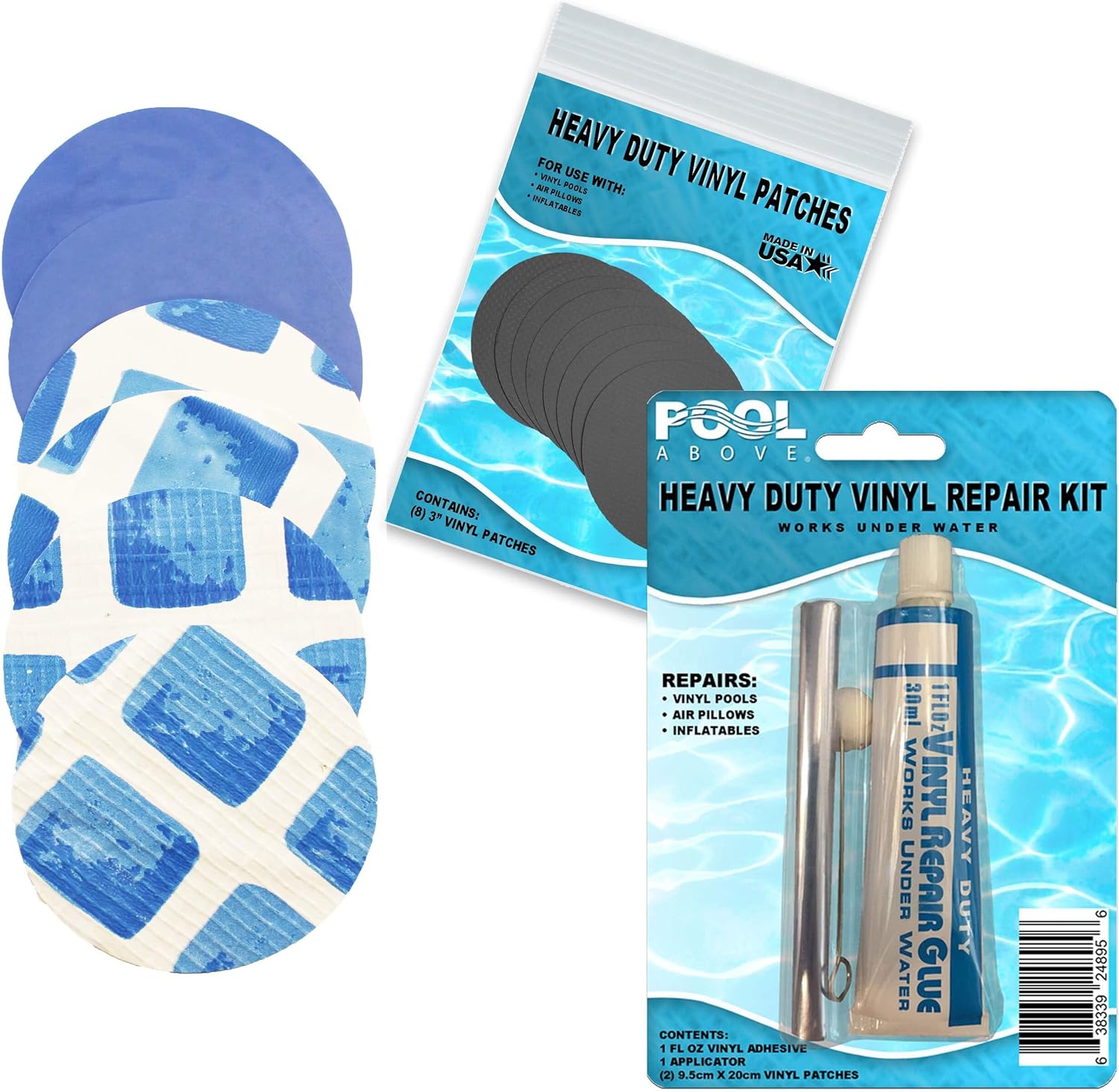
- A repair patch kit
We were pleased to see the inclusion of the cover and a chemical dispenser. These are essential items that some budget brands make you buy separately. The only things you absolutely need to purchase are the chemicals themselves (we recommend a chlorine or bromine starter kit).
The Setup Process: From Box to Bubbles
Coleman claims a “tool-free, simple setup,” and we can confirm this is 100% accurate. The process is brilliantly designed and is a huge part of the SaluSpa’s appeal. If you want a general overview, our guide on inflatable hot tub setup covers the basics, but here’s how our specific experience went:
- Site Selection: We chose a level patch of our patio, clearing away any sharp objects. We laid down a ground tarp (not included, but highly recommended) for extra protection.
- Unroll and Connect: We unrolled the liner and attached the pump unit to the three connection points. This is foolproof, with clear labels and hand-tightened connectors.
- The Magic of Self-Inflation: This is the best part. You attach the inflation hose from the pump to the liner, press the “Massage System” button on the control panel, and the pump itself acts as an air blower. The tub inflates to a firm pressure in about 10-12 minutes. It’s genuinely impressive to watch it take shape.
- Fill ‘er Up: Once inflated, we removed the hose and started filling the tub with a garden hose. For the 177-gallon Tahiti model, this took about 45 minutes.
- Heat and Treat: After filling, we put the insulated cover on, set the heater to 104°F, and added our starting chemicals. The journey to a hot, bubbly spa had begun!
The entire physical setup, from opening the box to starting the heater, took us less than 30 minutes. The longest part of the process is simply waiting for the water to heat up, which can take 24-48 hours depending on your starting water temperature and the ambient air temperature.
In-Depth Analysis: Performance and Features
Durability and Construction: The TriTech™ Advantage
This is the single most important factor that sets the Coleman SaluSpa apart from cheap knock-offs. The walls are constructed from a material called TriTech (also marketed as DuraPlus by Bestway, the parent company). It’s a 3-ply reinforced material consisting of a polyester mesh core encased in two layers of laminated PVC.
What does this mean in the real world? It means the tub is incredibly rigid and durable. When inflated, you can sit on the edge without it collapsing. We poked, prodded, and even had a medium-sized dog jump up on the side (not recommended, but it happened!) without any signs of stress. This robust construction is the primary reason for its longevity and a key point we highlight in our broader analysis of the best inflatable hot tubs of 2026.
The Soaking Experience: 140 AirJets of Bliss
Let’s be clear: these are AirJets, not the powerful HydroJets you find in acrylic spas. They won’t give you a deep-tissue massage. Instead, the pump blows heated air through 140 small holes around the bottom perimeter of the tub, creating a wonderfully effervescent, champagne-like experience. It’s more of a gentle, full-body caress than a targeted massage, but it is deeply relaxing.
The system is surprisingly powerful, filling the entire tub with a vigorous froth. It’s perfect for unwinding after a long day. As for capacity, it’s listed as a 4-person tub. While four adults *can* fit, it’s a tight squeeze. For maximum comfort, we found it’s ideal for two adults to stretch out or for a family of two adults and two small children. This makes it a top contender in our list of the best 4-person inflatable hot tubs.
Heating and The All-in-One Pump
The pump is the heart of the SaluSpa. It’s a marvel of integration, housing the heater, the water filter, and the air blower for the jets. The digital control panel on top is intuitive, with soft-touch buttons for temperature control (up to 104°F), jet activation, and a power-saving timer.
The heater warms the water at a rate of 2-3°F per hour. This is standard for 110v plug-and-play tubs. It means you need to plan your soaks in advance. The power-saving timer is a fantastic feature, allowing you to set the heater to turn on hours or even days in advance, so it’s ready when you are. The insulated cover is absolutely essential for trapping this heat and minimizing electricity costs. Without it, you’re just heating the great outdoors.
How Loud Is It, Really? A Note on Noise Levels
One question that rarely gets a straight answer in other write-ups is simply: how much noise does the SaluSpa’s pump make once it’s running in the corner of your patio? In our testing, the unit sits at roughly the volume of a small window air conditioner or a box fan on its lowest setting while the jets are engaged, and it drops to a soft, low hum once the jets are switched off and only the heater and filter are cycling. It’s not silent, and if your patio sits close to a bedroom window, you may notice it at night. Placing the pump unit on a small rubber anti-vibration mat can noticeably cut down on the buzz that travels through a wood deck, and keeping the unit a few feet from any hard wall will reduce echo. For anyone particularly noise-sensitive, this is worth factoring in before you commit to a spot near a shared fence line with neighbors.
Choosing the Right Coleman SaluSpa: Comparing the Full Model Lineup
A gap we noticed in a lot of other write-ups is that they review the Tahiti and stop there, without explaining that the SaluSpa name actually covers a whole family of tubs at different price points and sizes. Bestway, the manufacturer behind the Coleman-branded line, sells several variants that share the same TriTech construction and control panel philosophy but differ in seating capacity, jet count, and included extras. Here’s how the lineup typically breaks down so you can match the right one to your space and budget.
| Model | Typical Capacity | Jet Count | Best For |
|---|---|---|---|
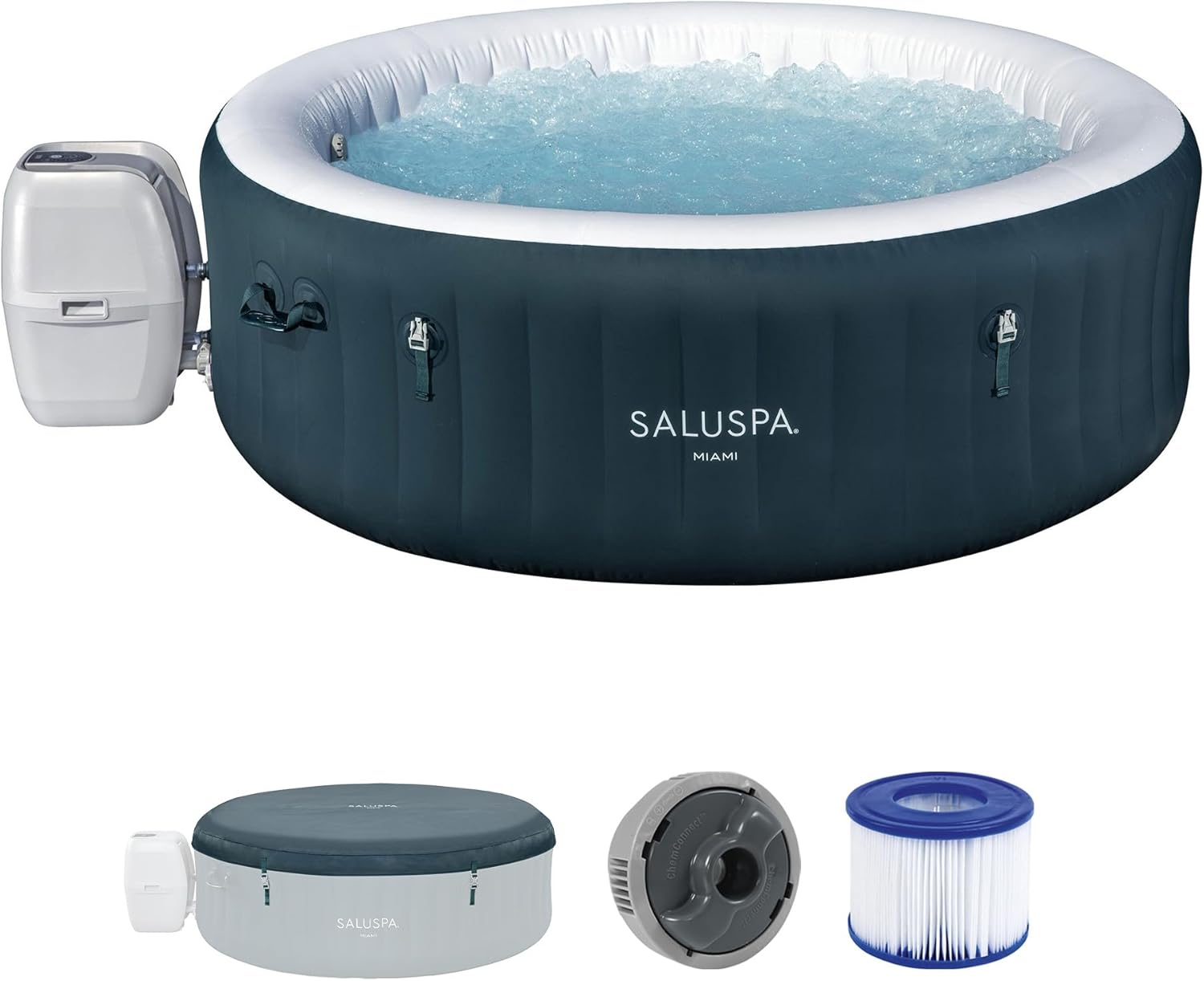
| SaluSpa Miami | 2 adults | Fewer jets, compact ring | Small patios, balconies, couples |
| SaluSpa Tahiti / Tahiti AirJet | 2-4 adults | 140 AirJets | Small families, best all-round value |
| SaluSpa Hawaii | 4-6 adults | 180 AirJets | Larger households, entertaining a few friends |
| SaluSpa Bahamas | 4-6 adults | 140+ AirJets, wider bench seating | Group soaking with more elbow room |
| SaluSpa St Lucia | 4-6 adults | Enhanced jet layout | Mid-size families wanting extra comfort features |
| SaluSpa Vegas / Palm Springs | 4-6 adults | 140-180 AirJets, added LED lighting on some versions | Buyers who want a more premium look and lighting |
| SaluSpa St Moritz | 4-6 adults | Freeze Shield-capable in some releases | Cooler climates needing extra weather resistance |
Sizing up correctly matters more than most buyers expect. Going too small means you’ll outgrow the tub the first time you host a get-together, while going too large means a bigger footprint on your patio, more water and chemicals to manage, and a longer heat-up time since there’s simply more volume to warm. If you mostly plan to soak alone or as a couple, the Miami or Tahiti will feel spacious. If movie nights with the whole family or the occasional gathering with friends is the goal, stepping up to the Hawaii, Bahamas, or St Lucia avoids the “cozy for four” squeeze we noted with the standard Tahiti.
Long-Term Ownership: Maintenance and Running Costs
Owning a SaluSpa is a surprisingly low-maintenance affair, but it’s not zero-maintenance. Consistent care is the key to longevity.
Water Chemistry
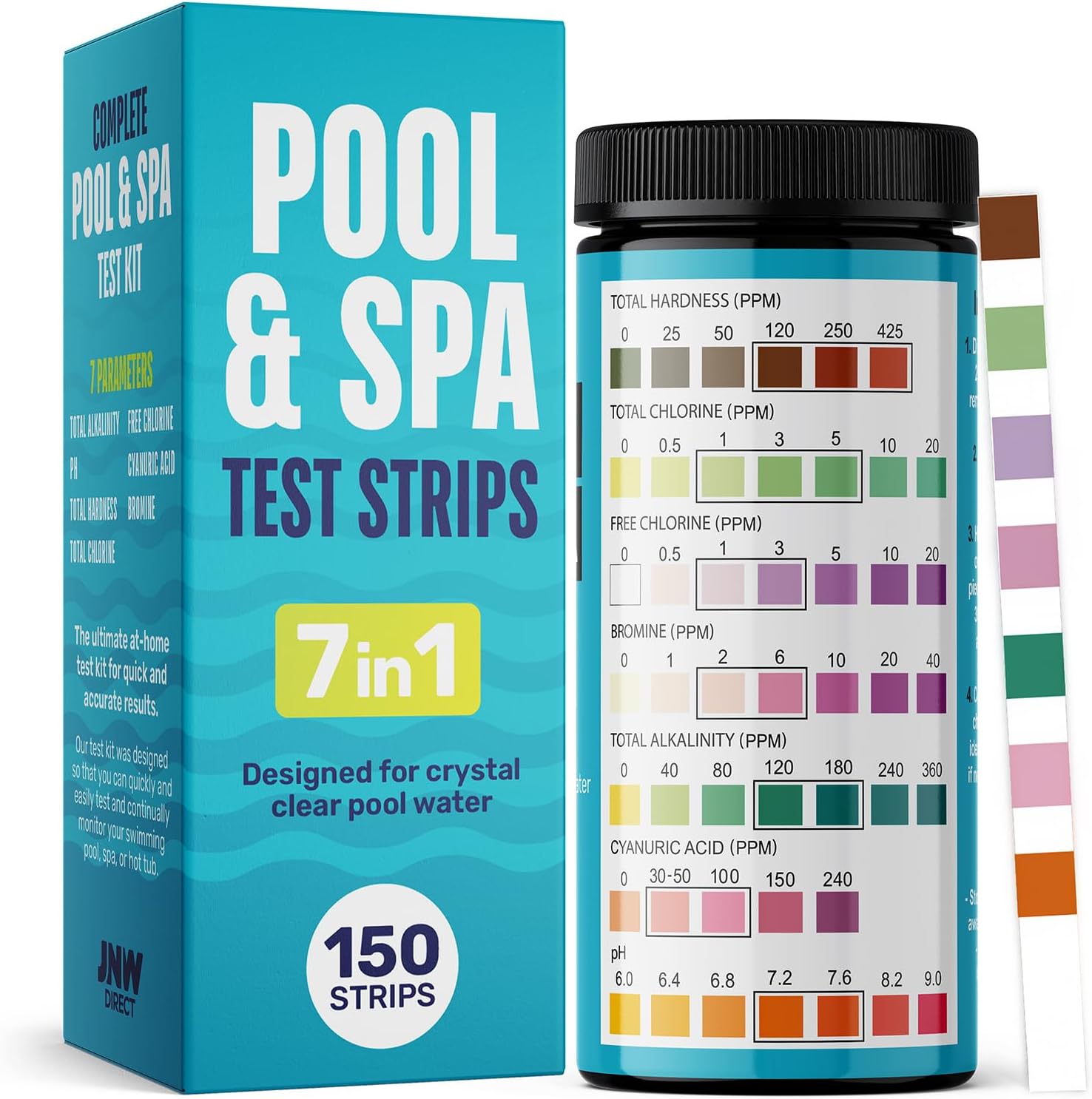
This is the most crucial part. You’ll need to test the water every 2-3 days with test strips and adjust the sanitizer (chlorine/bromine) and pH levels as needed. The included ChemConnect dispenser makes this easy; you just fill it with 1-inch tablets, and it floats around, slowly dissolving them. For a complete guide, our tutorial on inflatable hot tub maintenance covers this in detail.
Filter Cleaning
The pump circulates water through a small paper filter cartridge. This needs to be removed and rinsed with a hose every 2-3 days of use. It’s a 2-minute job. The filter itself should be replaced every 2-3 weeks. Our guide on how to clean an inflatable hot tub shows exactly how to do this.
Running Costs
The biggest question we get is, “How much will this add to my electric bill?” Based on our testing and average U.S. electricity rates, expect the Coleman SaluSpa to cost between $30 and $60 per month to run if you keep it consistently hot. This cost is highly dependent on your climate. In a mild climate like California, it might be on the lower end. In a cooler state like Ohio, it will be higher.
Energy Efficiency: Getting the Most Heat for the Least Money
Because the SaluSpa uses a standard 110-120V heating element rather than the higher-voltage heaters found in hard-shell spas, efficiency comes down almost entirely to how well you retain the heat you’ve already paid to generate. The single biggest lever is the insulated cover: leaving it off, even for an hour, lets a surprising amount of warmth escape into the air, especially on breezy evenings. Running the jets less often also helps, since the AirJet system pulls in cooler ambient air and blows it through the water, which very slightly lowers the overall temperature each time it’s used for an extended session. Setting the built-in timer to bring the water up to temperature a few hours before you actually plan to soak, rather than leaving the heater running around the clock at maximum, is another simple way to trim the bill. Some owners also add a solid foam “bubble” style solar cover underneath the standard inflatable lid on cold nights for an extra layer of insulation, and a handful lay foam board insulation panels or a thick moving blanket underneath the tub’s base to cut down on heat loss into a cold concrete slab.
Electrical Requirements and Safety Setup
Because the pump combines a heater, filter, and air blower into one unit, it draws a meaningful amount of current, and getting the electrical setup right matters both for safety and for the spa’s long-term reliability. The SaluSpa is designed to plug directly into a standard 110-120V household outlet; it does not require special 220V wiring like a permanent, hardwired spa. That said, Coleman and Bestway strongly recommend plugging the unit into a dedicated circuit with a Ground Fault Circuit Interrupter (GFCI), and many local electrical codes actually require a GFCI-protected outlet for any outdoor water feature. If your patio or deck doesn’t already have a GFCI outlet nearby, it’s worth having an electrician install one rather than relying on a GFCI extension cord, since a properly installed outlet tends to be more weather-resistant over the long run.
A few practical electrical tips we picked up during testing and while researching common owner complaints:
- Avoid daisy-chaining extension cords. If you must use an extension cord, use a single heavy-gauge (12 AWG or lower number), outdoor-rated cord no longer than absolutely necessary. Long or thin cords cause voltage drop, which can make the heater work harder and trip breakers.
- Don’t share the circuit. Running the SaluSpa on the same circuit as other high-draw appliances (patio lights, a refrigerator in the garage, power tools) is a common cause of nuisance breaker trips.
- Keep the plug and outlet covered. Even GFCI outlets benefit from a weatherproof “bubble cover” that keeps rain and sprinkler overspray away from the connection point.
- Check the cord for pinching. Because the tub’s base can shift slightly as it’s filled, make sure the power cord isn’t trapped under the weight of the liner where it could be damaged over time.
If your GFCI outlet trips the moment you plug in the pump, it usually points to either a genuine ground fault (often from a damp connection) or, less commonly, a slightly oversensitive GFCI reacting to the pump’s start-up surge; in either case, drying all connections thoroughly and trying a different GFCI outlet is the first troubleshooting step before assuming the pump itself is faulty.
Safety note: Never use a non-GFCI extension cord or an indoor-rated cord with the SaluSpa. Water and electricity are a dangerous combination, and the small cost of a proper outdoor-rated GFCI setup is trivial compared to the risk of an ungrounded connection near a filled tub.
Troubleshooting Common Coleman SaluSpa Problems
Even a well-built product runs into hiccups over a multi-year lifespan, and knowing what the common error codes and symptoms mean can save you a frustrating call to customer support. Here are the issues we most frequently encountered ourselves or heard about from other long-term owners.
Error Code E01 (or “Low Flow” indicator)
This almost always means the pump isn’t detecting adequate water flow through the filter compartment. The most common cause is a clogged or missing filter cartridge, or a water level that has dropped below the intake. Check that the filter is properly seated, clean, and that the water level sits at or above the fill line marked inside the liner.
Error Code E02 or E03 (Temperature Sensor or High-Limit Fault)
These codes typically point to the heater’s internal thermostat detecting an unsafe temperature reading, either because the unit briefly ran dry, overheated, or a sensor has failed. Unplugging the unit for several minutes to let it fully reset, then confirming water flow is unobstructed, resolves this in most cases; a persistent fault after a reset usually means the sensor itself needs replacement.
Pump Won’t Turn On At All
Start with the basics: confirm the GFCI outlet hasn’t tripped, check that the cord isn’t damaged, and make sure the control panel isn’t showing a locked-out symbol (some models have a child-lock feature that can be accidentally activated). If power is confirmed reaching the unit and it still won’t respond, an internal fuse may have blown.
Weak or No Jets
Since the AirJet system relies on air being pushed through small holes in the liner floor, weak bubbles are often simply a matter of a slightly under-inflated tub wall reducing air pressure, or debris partially blocking the jet holes. Re-inflating the tub to a firmer pressure and gently brushing the interior jet holes with a soft cloth usually restores full bubble strength.
Cloudy or Green Water
Cloudy water usually signals a sanitizer or pH imbalance, or an overdue filter change. Green water is almost always algae, which thrives when chlorine or bromine levels have been allowed to drop for an extended period, often after a stretch of hot, sunny weather with the cover left off. A shock treatment followed by several days of consistent, correctly-dosed sanitizer typically clears it up; letting it go too long can require a full drain and refill.
The Cover Won’t Stay Inflated
Like the main tub wall, the cover has its own air chamber and can slowly lose pressure over time, especially in cold weather when the air inside contracts. Topping it off with the included hand pump every few weeks in cooler months is normal maintenance, not a sign of a leak, though it’s worth doing a soap-and-water leak check if it’s deflating unusually fast.
Small Leaks and Punctures
The included repair patch kit handles the vast majority of small punctures. The trick is finding the leak: a diluted soap-and-water solution sprayed or wiped over suspect areas will bubble at the puncture site. Clean and dry the area thoroughly before applying the patch, and avoid refilling the tub for several hours to let the adhesive fully cure.
Off-Season Storage and Winterization
How you store the SaluSpa during the months you’re not using it has a bigger impact on its lifespan than almost any other maintenance step. Skipping proper winterization is one of the most common reasons owners report needing to replace a tub after only a single season.
- Drain completely. Use the built-in drain valve or a submersible pump to remove all water. Standing water left in the liner or in the pump’s internal lines can freeze and crack components, or grow mold if left in a warm, damp climate.
- Dry thoroughly. Wipe down the interior and exterior of the liner and let it air dry completely, ideally in the sun, before folding. Packing away a damp liner is one of the leading causes of mildew and unpleasant odors the following season.
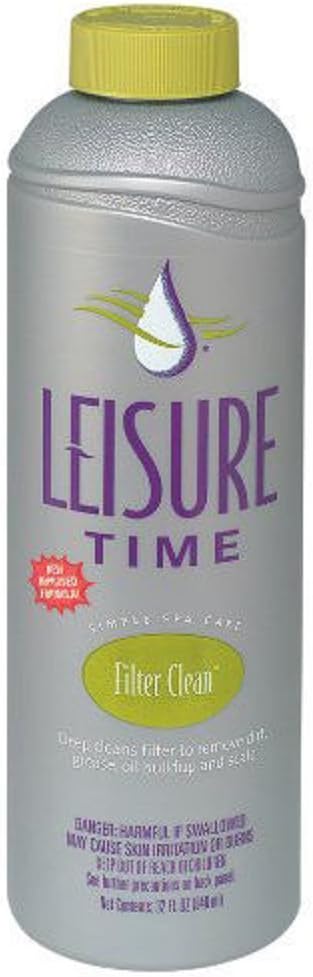
- Clean before folding. A mild non-abrasive cleaner formulated for vinyl or inflatable pool material removes body oils, sunscreen residue, and mineral deposits that can degrade the liner over time if left in place during storage.
- Deflate slowly and evenly. Release air gradually rather than all at once to avoid stressing the seams, and fold along the tub’s natural crease lines where possible.
- Store the pump separately and indoors. The pump/heater unit should never be stored outdoors through a winter; bring it inside to a dry, temperature-stable space like a basement, garage, or closet.
- Use a storage bag and elevate it off concrete. Many owners keep the folded liner in a large storage tote or the original box, off the bare floor, to avoid moisture wicking up from a concrete slab.
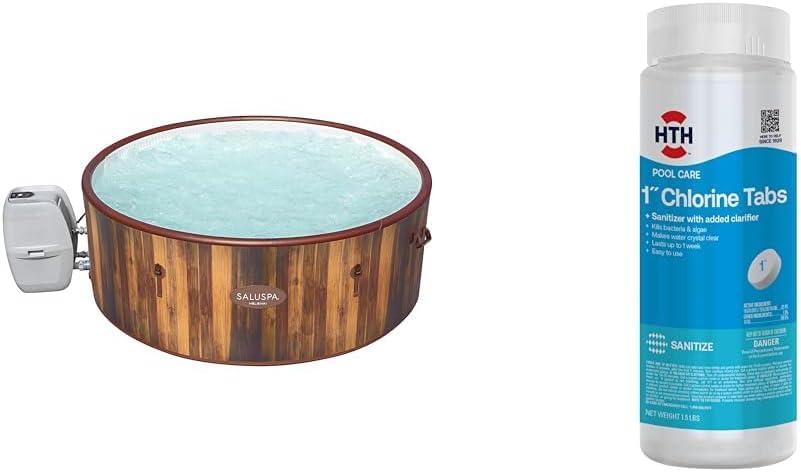
For owners in genuinely cold climates who don’t want to fully winterize and restart each year, it’s worth looking at models like the Bestway SaluSpa St Moritz or Helsinki that include Freeze Shield-style technology, which automatically cycles the pump briefly when internal temperatures approach freezing to prevent ice damage. Standard Tahiti, Hawaii, and Bahamas models do not include this protection and should always be fully drained before the first hard freeze.
Coleman SaluSpa vs. The Competition
The SaluSpa doesn’t exist in a vacuum. Its biggest rival is the Intex PureSpa line.
Coleman SaluSpa vs. Intex PureSpa
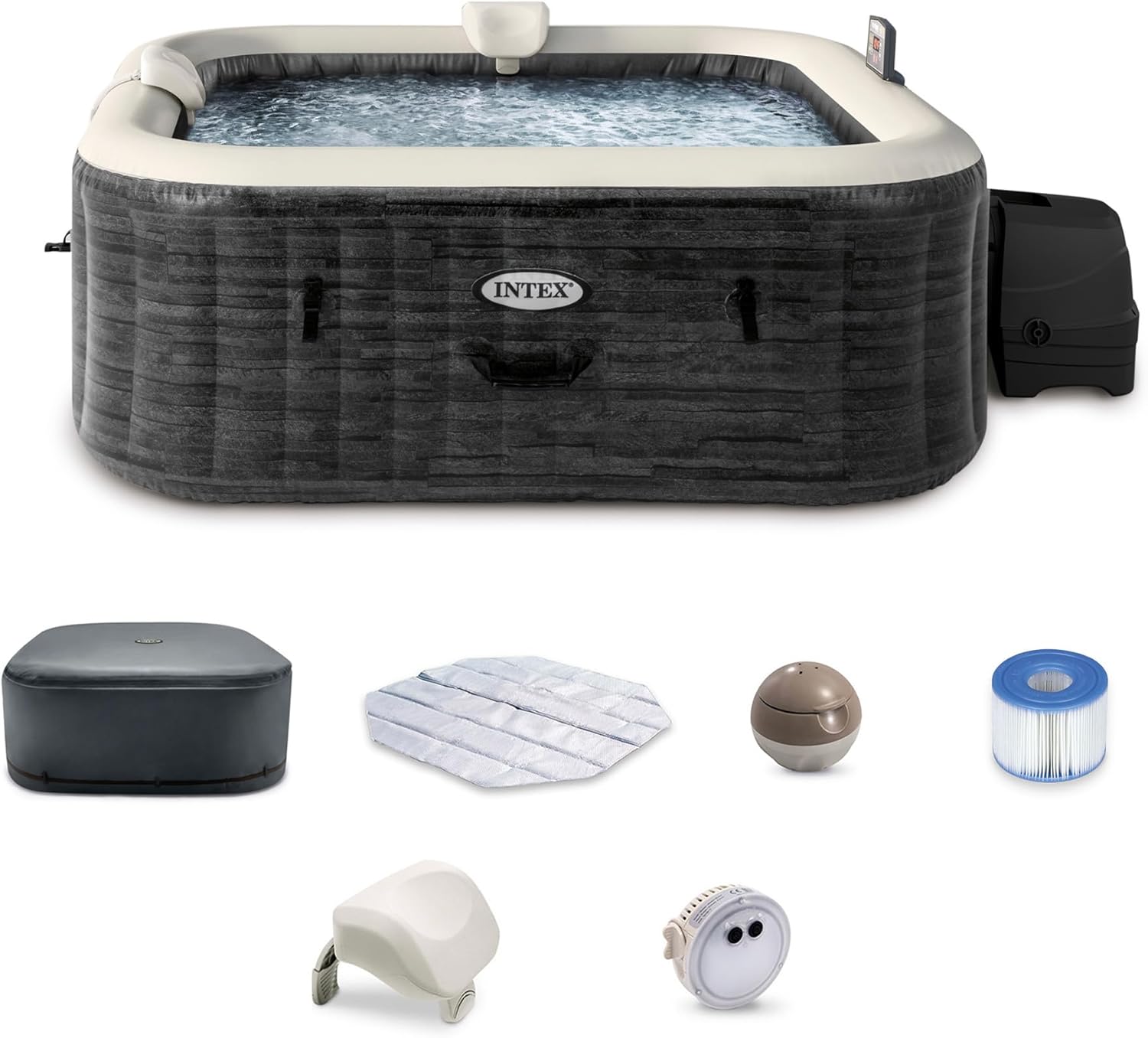
This is the classic Ford vs. Chevy of the inflatable spa world. While both are excellent, there are key differences that might sway your decision. We have a full-length Intex PureSpa vs. Coleman SaluSpa comparison, but here’s the summary:
- Durability: It’s a toss-up. Coleman’s TriTech is fantastic. Intex’s Fiber-Tech construction, with its thousands of internal fibers, creates a slightly more rigid wall you can sit on with even more confidence. Both are top-tier.
- Features: Intex often has a slight edge here. Many PureSpa models come with built-in hard water treatment systems, which is a big plus for longevity in areas with hard water. If you run into issues, our Intex PureSpa troubleshooting guide can help.
- The Pump: We find the Coleman pump to be slightly quieter during operation.
- Price: Coleman typically wins on price, offering a slightly better value proposition for the core features.
Ultimately, you can’t go wrong with either, but the Coleman SaluSpa remains our top pick for its sheer, uncompromising value.
Coleman SaluSpa vs. The Bestway SaluSpa Miami
This is an internal comparison, as Bestway manufactures both. The Miami is essentially the SaluSpa’s smaller, even more affordable sibling. Our Bestway SaluSpa Miami review covers it in full, but the main difference is size. The Miami is perfect for very tight spaces and is strictly a 2-person tub for comfortable soaking. The Coleman SaluSpa (Tahiti model) offers a bit more room to breathe and is worth the small price increase if you have the space.
Inflatable vs. Hard-Shell Hot Tubs: A Real Cost and Lifestyle Comparison
A question we get constantly is whether it’s worth skipping the inflatable route entirely and saving up for a traditional acrylic or rotomolded hard-shell spa instead. The honest answer depends heavily on your budget, your living situation, and how long you plan to stay in your current home.
On upfront cost alone, there’s no contest: a quality inflatable spa like the SaluSpa typically runs a small fraction of the price of even an entry-level hard-shell hot tub, before you factor in the additional expenses a hard-shell unit usually requires, such as a reinforced concrete pad, a dedicated 220-240V electrical circuit installed by a licensed electrician, and in some municipalities, a building permit. Delivery and crane or rigging fees for a hard-shell spa can themselves cost more than an entire inflatable setup.
Where hard-shell spas pull ahead is in jet power, seating ergonomics, and long-term durability measured in decades rather than years. A permanent spa’s high-pressure hydrotherapy jets genuinely target sore muscles in a way that an AirJet system simply cannot replicate, and a well-maintained hard-shell spa can last 15-20 years or more. They also tend to hold heat more efficiently thanks to thicker, foam-insulated shells.
For renters, anyone who moves frequently, first-time spa owners testing whether they’ll actually use one regularly, or buyers who simply don’t have a few thousand dollars and a suitable concrete pad available, the inflatable route remains the far more sensible entry point. Many owners treat the SaluSpa as a multi-year “trial” before eventually upgrading to a permanent installation once they’ve confirmed how often they’ll realistically use it.
Essential and Optional Accessories for Your SaluSpa
While the SaluSpa ships with everything needed for basic operation, a handful of aftermarket and official accessories meaningfully improve the day-to-day experience:
- Ground cloth or foam tile mat: Placed underneath the tub, this protects the base from sharp debris, rough concrete texture, and helps with minor thermal insulation from a cold slab.
- Cover lock straps: Beyond the clips that ship with the unit, added lockable straps provide extra peace of mind for households with curious children or pets, and can deter unauthorized use.
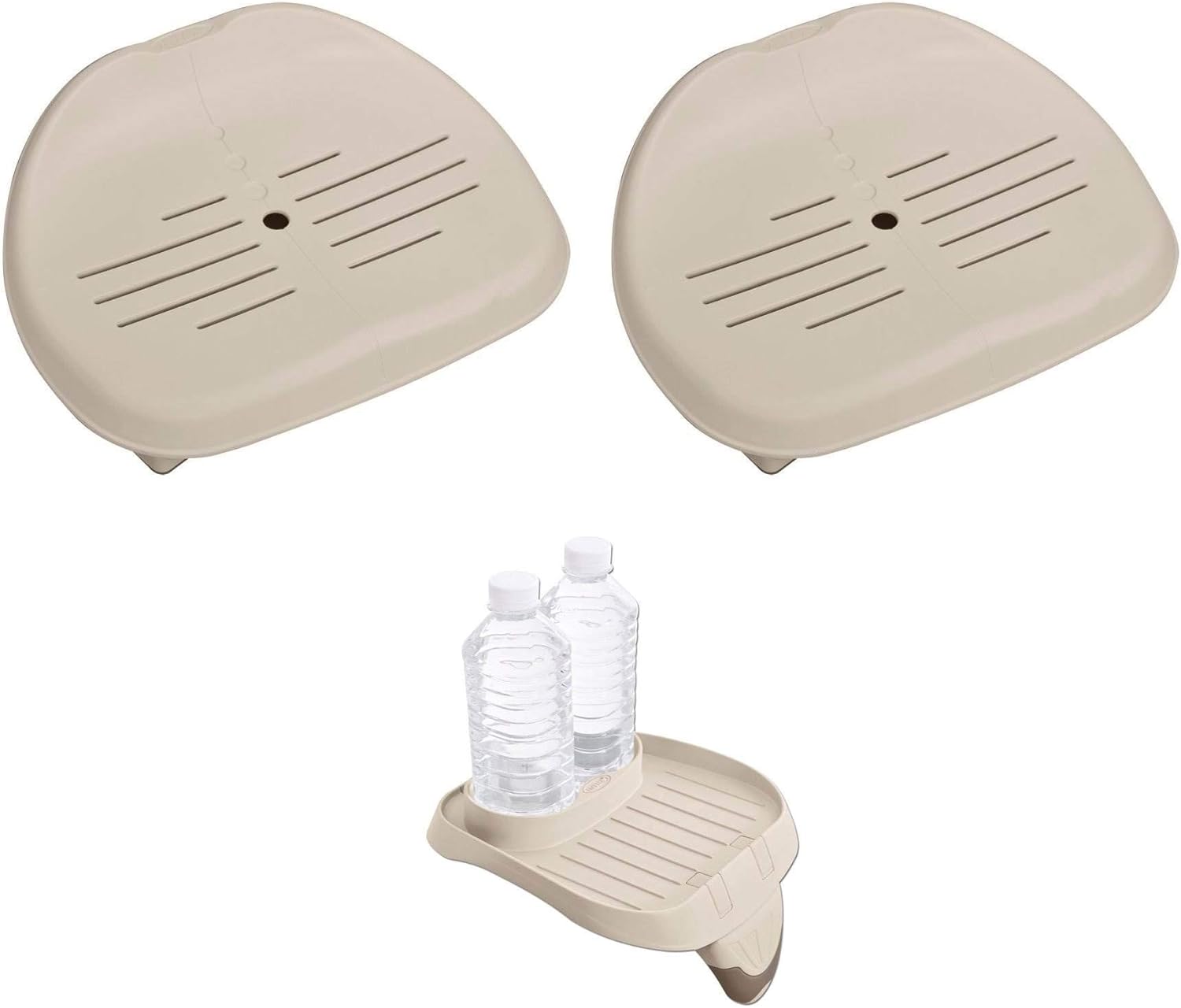
- Inflatable or folding steps: Because the tub’s rim sits fairly high off the ground once inflated and filled, a small step makes entry and exit noticeably easier, particularly for older adults or anyone with mobility considerations.
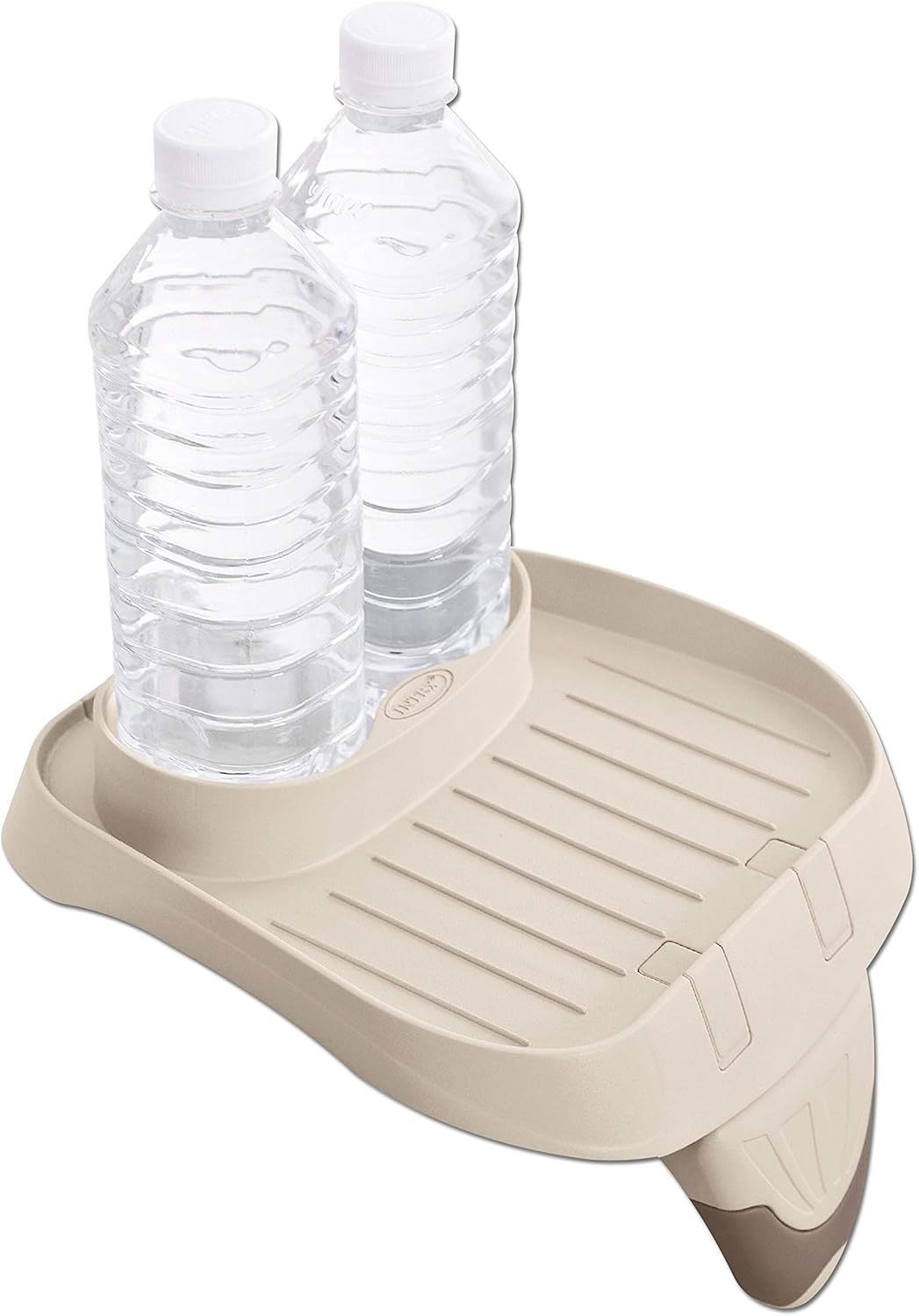
- Cup and drink holder tray: A simple floating or clip-on tray keeps beverages within reach without risking a spill into the water.
- Floating LED light strip: A battery-powered or solar floating light adds ambiance for evening soaks, since the base SaluSpa models don’t include built-in lighting.
- Spa vacuum: A small handheld or battery-powered vacuum makes quick work of debris that settles on the floor of the tub between full water changes.
- Chemical test strips and a digital thermometer: While the pump has its own temperature readout, a separate floating thermometer offers a useful cross-check, and stocking up on test strips avoids maintenance gaps.
- Thermal or “bubble” solar cover: Placed under the main insulated lid, this thin foam layer adds another buffer against heat loss on especially cold nights.
Safety Considerations for Families with Kids and Pets
An inflatable hot tub is still a body of hot water large enough to pose real risks if left unsupervised, and it’s worth planning around a few safety basics before your first backyard gathering.
- Never leave children unsupervised near the tub, whether it’s filled, empty, covered, or uncovered. The cover’s lock clips are a deterrent, not a childproof barrier, and should not be relied upon as one.
- Follow age and temperature guidance. Most manufacturers and pediatric health sources recommend that young children only use significantly lower water temperatures than the 104°F maximum adults often prefer, and for much shorter durations, due to children’s faster heat absorption and lower tolerance for heat stress.
- Keep pets’ claws away from the liner. Cats and dogs climbing onto the inflated wall risk puncturing the TriTech material, and pet fur and dander can also clog the filter faster than expected.
- Store chemicals well out of reach. Chlorine or bromine tablets, pH adjusters, and shock treatments should be kept in a locked cabinet, never left poolside where a curious child or pet could access them.
- Consider a pool alarm or motion sensor for households near open water features generally, as an added layer of protection during the months the tub is set up.
- Mind slip hazards around the tub’s perimeter, since splashed water on a hard patio or deck surface can become slippery; a textured mat around the entry point helps reduce fall risk.
What Owners Commonly Report After Extended Use
Beyond our own multi-week test period, we looked at patterns that come up repeatedly across long-term owner discussions and support communities. A few themes show up again and again on both sides of the ledger.
Common Praise
Owners frequently mention how quickly the tub becomes part of a regular routine once it’s set up, often describing it as easier to maintain than they initially expected. The simplicity of the setup and the surprising sturdiness of the walls are the two points that come up most consistently as pleasant surprises, especially among first-time buyers who were nervous about durability before their purchase.
Common Complaints
The most frequent frustrations relate to the heating speed during the initial fill-up, especially for buyers in cooler climates who underestimate how long a full 24-48 hour warm-up takes. A second recurring theme is disappointment from buyers expecting a hard-shell-style hydrotherapy massage rather than the gentler AirJet bubble effect, which reinforces how important it is to understand this distinction before purchasing.
Taken together, these patterns line up closely with our own hands-on findings: the SaluSpa consistently over-delivers on value and ease of use, while expectations around jet intensity and heating speed are the areas most likely to catch new buyers off guard.
Using the Coleman SaluSpa in Winter
This is a critical point of clarification. The standard Coleman SaluSpa models (like the Tahiti) are **not recommended for use in temperatures below 40°F (4°C)**. The pump does not have a freeze-protection circuit, and running it in freezing weather can cause catastrophic damage. If you want to enjoy your hot tub in the snow, you need a model specifically designed for it, like the Bestway SaluSpa Helsinki, which features Freeze Shield™ technology. We cover this topic extensively in our guide to the best inflatable hot tub for winter.
Buying Guide: Is the Coleman SaluSpa Right for You?
After everything above, it’s worth stepping back and being direct about who this product suits and who might be better served by looking elsewhere.
The Coleman SaluSpa Is a Great Fit If You…
- Want to try out hot tub ownership without a major financial commitment or permanent installation.
- Are renting your home, or expect to move within the next few years.
- Mainly plan to soak solo, as a couple, or occasionally with one or two others.
- Live in a climate with a genuine three-season (or longer) window of use above 40°F.
- Are comfortable with a light, consistent maintenance routine of testing water and cleaning filters every few days.
You Might Want to Look Elsewhere If You…
- Specifically want strong hydrotherapy jets for muscle recovery or therapeutic massage rather than gentle bubbles.
- Plan to host large groups of five or more regularly.
- Live somewhere with harsh winters and want year-round use without a full winterize-and-restart cycle each season.
- Want a permanent backyard fixture that will last well over a decade with minimal replacement parts.
For the vast majority of first-time buyers reading a review like this one, though, the SaluSpa remains the sensible, low-risk entry point into the hobby, with a clear upgrade path to a hard-shell spa later if it turns out you want more.
Final Verdict and Detailed Rating Breakdown
After weeks of rigorous use, the Coleman SaluSpa has reaffirmed its status as the champion of its class. It’s a product that democratizes the luxury of a hot tub, making it accessible to almost anyone. It’s reliable, durable, and delivers an experience that genuinely helps you relax and de-stress.
If you are looking for an entry point into the world of hot tubs, you simply cannot find a better, more reliable, or more beloved product than the Coleman SaluSpa. It has earned its legendary reputation for a reason.
Coleman SaluSpa Tahiti

- Capacity: 2-4 Adults
- Jets: 140 AirJets
- Max Temp: 104°F
- Gallons: 177 gal
- Material: TriTech™ PVC
- Inflated Size: 71″ x 26″
Frequently Asked Questions About the Coleman SaluSpa
How long does the Coleman SaluSpa take to heat up?
It heats at a rate of 2-3° Fahrenheit per hour. If you fill it with cool tap water (around 60°F), it can take 24-48 hours to reach the maximum temperature of 104°F for the first time. Using the included insulated cover is critical to speed up this process and retain heat.
Can I set up the Coleman SaluSpa on my wooden deck or concrete patio?
Yes, both are excellent locations. A concrete patio is ideal as it’s perfectly level and can easily support the weight. For a wooden deck, you MUST confirm its weight capacity. A filled SaluSpa Tahiti weighs approximately 1,500 pounds (177 gallons of water at 8.34 lbs/gallon + the weight of the tub and occupants). Always consult a professional if you’re unsure about your deck’s load-bearing capacity.
How long does a Coleman SaluSpa last?
With proper care and maintenance, a Coleman SaluSpa can realistically last for 3 to 5 years. The key factors to its longevity are maintaining proper water chemistry to avoid damaging the liner and pump, protecting the pump unit from harsh weather, and storing it properly during long periods of non-use (especially in winter).
What are the most common replacement parts I might need?
The most common items you will replace are the Type VI filter cartridges, which should be changed every 2-3 weeks. Over the long term, you may eventually need to replace pump seals or the heater element, but these are generally durable. The massive popularity of the SaluSpa means that replacement parts are widely available online.
Does the Coleman SaluSpa need a dedicated electrical circuit?
It plugs into a standard 110-120V household outlet, so no special wiring is required. That said, a dedicated, GFCI-protected outlet is strongly recommended to avoid nuisance breaker trips and to meet common electrical safety codes for outdoor water features. Avoid running it on a shared circuit with other high-draw appliances.
Is the Coleman SaluSpa loud when it’s running?
It’s noticeably quieter than most people expect, roughly comparable to a small window air conditioner or a box fan on a low setting when the jets are active, and much quieter once only the heater and filter are cycling. Placing the pump on an anti-vibration mat can further reduce any hum transmitted through a wood deck.
Can I use the Coleman SaluSpa in the rain?
Light rain generally won’t damage the unit since it’s designed for outdoor use, but it’s wise to keep the electrical connection covered and dry at all times. Heavy storms, lightning, or high winds are a different matter, and the tub should be covered and the pump powered down during severe weather for safety.
How do I fix green or algae-colored water?
Green water almost always means sanitizer levels dropped too low for too long, often after sunny days with the cover left off. Shock the water with an appropriate chlorine or non-chlorine shock treatment, run the filter continuously for 24 hours, and retest before returning to a normal maintenance schedule. Severe, long-standing algae blooms may require a full drain and refill.
What’s the difference between the Tahiti, Hawaii, and Bahamas models?
The core difference is size and jet count. The Tahiti comfortably seats 2-4 adults with 140 AirJets, while the Hawaii and Bahamas step up to 4-6 person capacity with additional jets and, in some versions, wider bench seating. Choosing between them mostly comes down to how many people you expect to use the tub at once.
Can I move a Coleman SaluSpa once it’s filled?
You should never attempt to move or drag a filled tub; a full SaluSpa Tahiti weighs roughly 1,500 pounds, and shifting that weight risks damaging the liner, the pump connections, and potentially injuring anyone nearby. Always drain the tub substantially, ideally completely, before relocating it, even a short distance.
Do I need to cover the tub between uses, or only during storms?
The insulated cover should be kept on any time the tub isn’t actively in use, both to retain heat and reduce running costs, and to keep debris, insects, and sunlight-driven algae growth out of the water. Leaving it uncovered for extended stretches is one of the most common reasons owners report cloudy or green water.