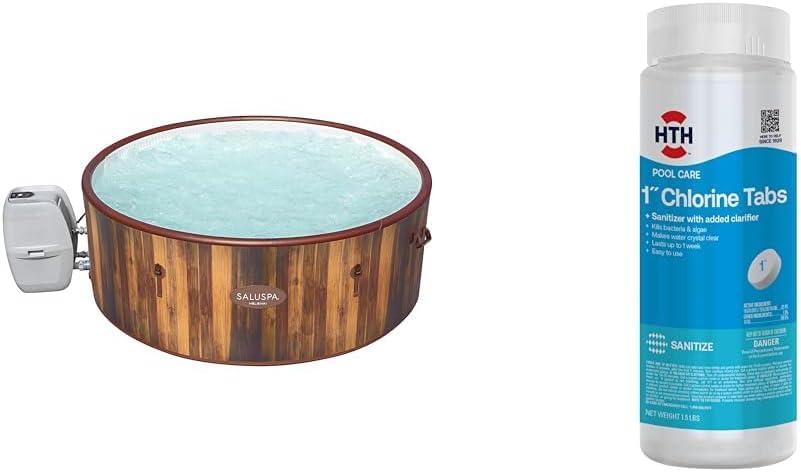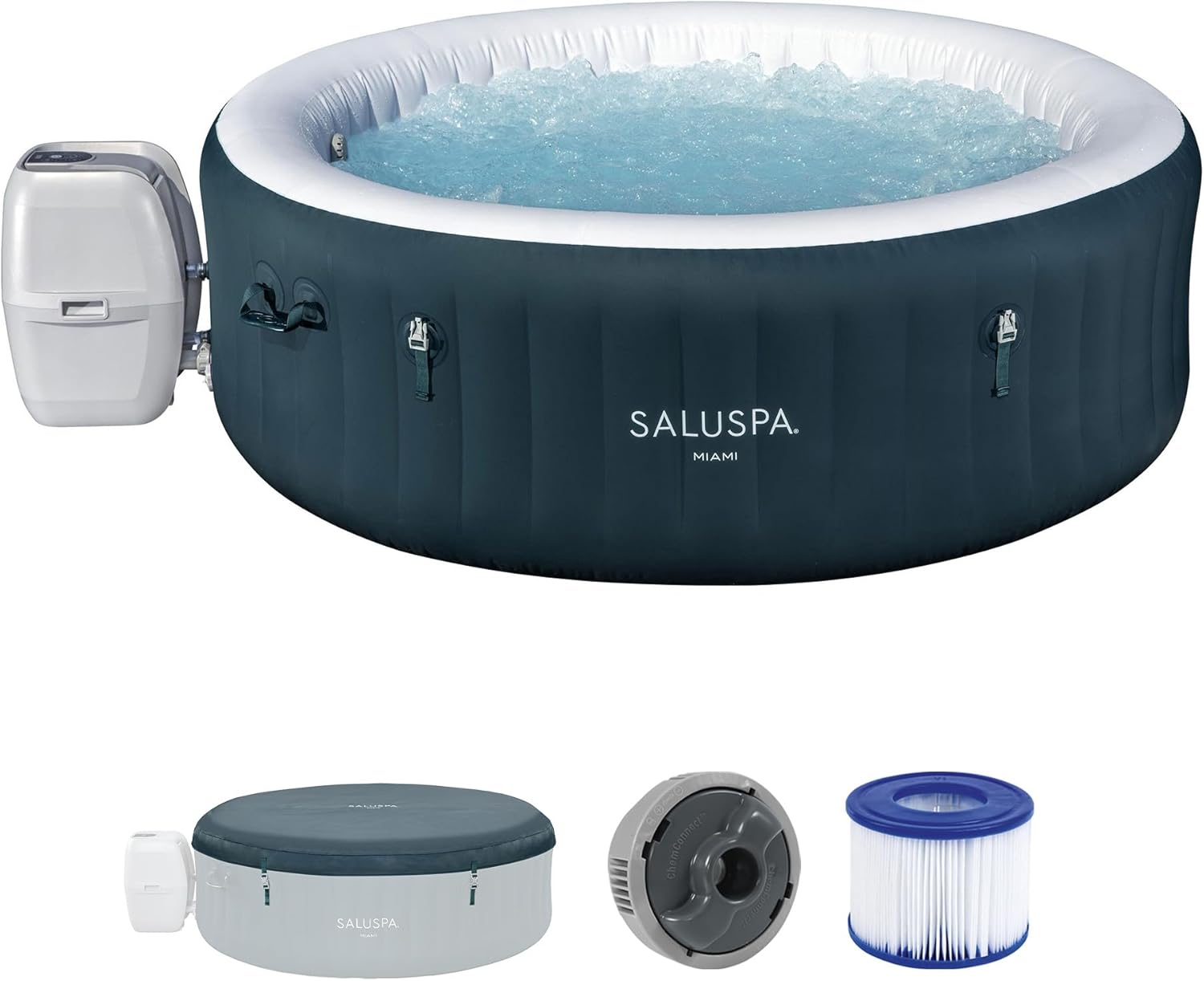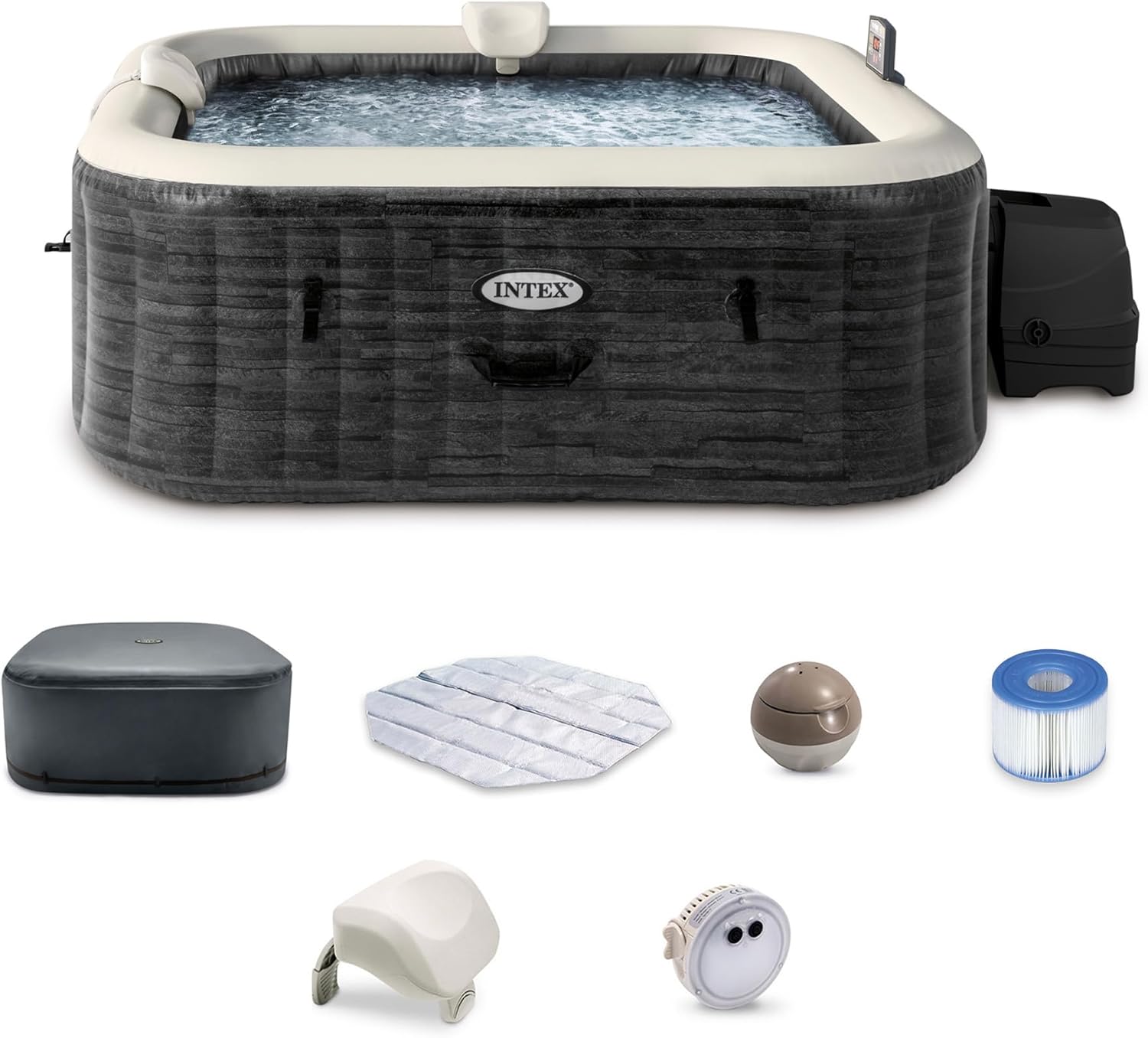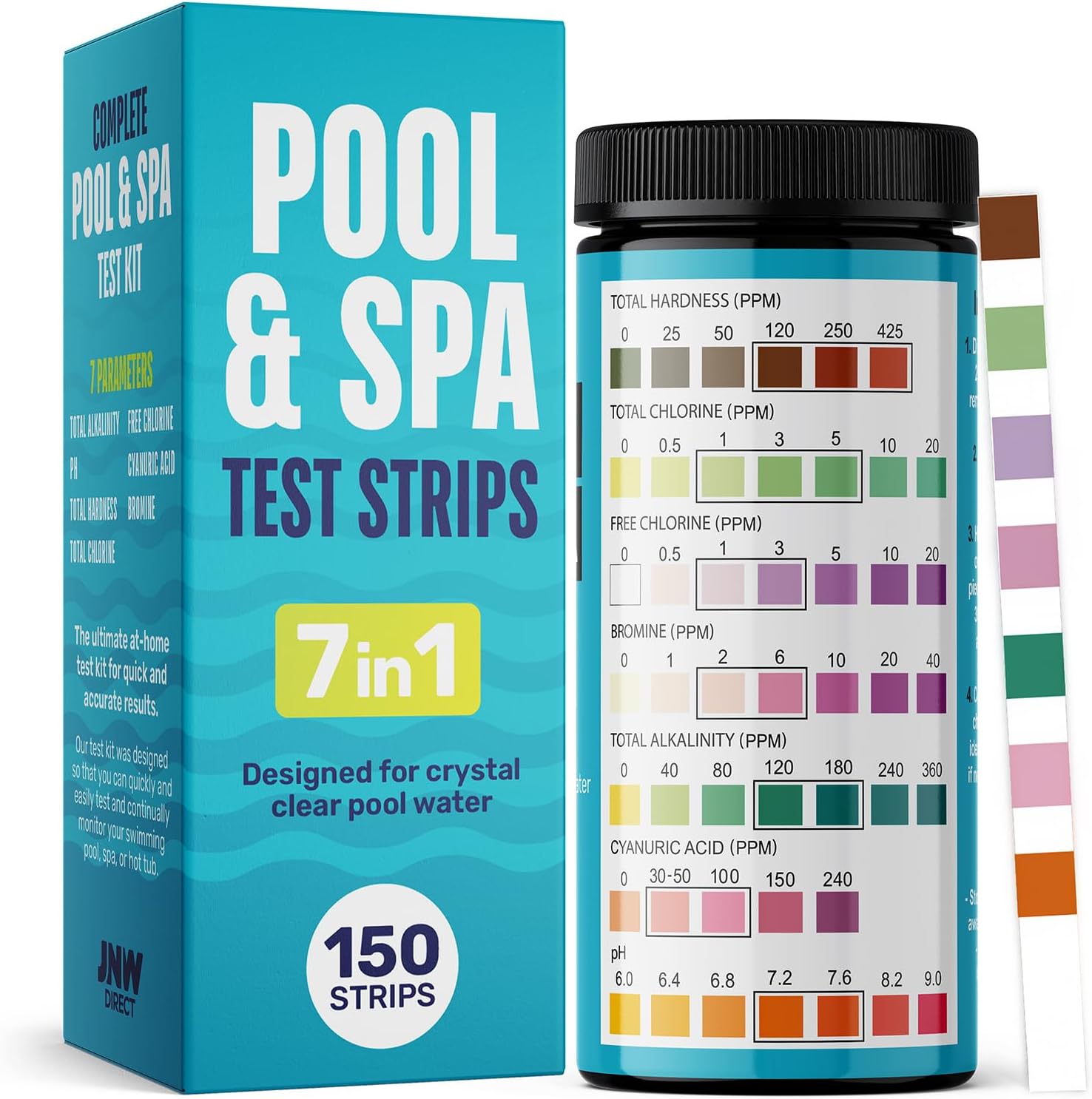
Why Does Hot Tub Water Get Cloudy? Causes, Fixes & Preventive Tips for Crystal-Clear Water
Few things ruin the excitement of soaking in your hot tub faster than looking down and seeing cloudy, milky, or dull water. Cloudy hot tub water is extremely common, but the good news is this: it is almost always fixable with the right approach. This comprehensive guide explains why hot tub water becomes cloudy, how to fix it fast, and the best ways to prevent it from happening again.
Table of Contents
- What Is Cloudy Hot Tub Water?
- Top Causes of Cloudy Hot Tub Water
- Cloudy vs. Milky vs. Foamy Water: What’s the Difference?
- Why Is My Brand-New Hot Tub Water Cloudy?
- White Flakes & Biofilm in Your Filter
- Green or Tinted Cloudy Water: Algae Growth
- Cloudy Water After Shocking the Hot Tub
- Calcium Hardness & Scale Buildup
- Salt Water Hot Tub Systems and Cloudiness
- Weather & Environmental Causes
- Why Inflatable Hot Tubs Get Cloudy Faster
- Intex, Coleman & Bestway Troubleshooting
- Choosing the Right Clarifier
- Chlorine vs. Bromine for Cloudy Water
- Cloudy Water by Season
- How to Fix Cloudy Hot Tub Water (Fast Solutions)
- Is It Safe to Use a Cloudy Hot Tub?
- Common Mistakes That Cause Cloudy Water
- Test Strips vs. Digital Testers
- Alkalinity vs. pH: Why Order Matters
- The Cost of Ignoring Cloudy Water
- Glossary of Water Chemistry Terms
- Deep Cleaning Steps for Severe Cloudiness
- How to Prevent Cloudy Water
- Best Products for Clear Hot Tub Water
- DIY Maintenance vs. Professional Service
- Step-by-Step Drain & Refill Guide
- Complete Troubleshooting Checklist
- Frequently Asked Questions
- Related Guides
What Is Cloudy Hot Tub Water?
Cloudy hot tub water is water that looks:
- Milky or hazy
- Foamy or bubbly
- Dull or grayish
- Dirty or unclear even after filtering
Cloudiness is caused by tiny particles suspended in the water — too small to see individually, but large enough to make the water look dirty. These particles can come from sweat, lotion, low sanitizer, algae growth, bad filtration, or poor water chemistry.
Top Causes of Cloudy Hot Tub Water
Cloudy water can come from a combination of factors. Let’s break them down one by one:
1. Low Sanitizer Levels (Chlorine or Bromine)
Sanitizer kills bacteria, destroys organic waste, and keeps water clean. When sanitizer levels drop too low, water becomes cloudy very quickly.
2. High pH or Alkalinity Levels
If your water is “out of balance,” minerals and unwanted particles float freely instead of dissolving. High pH causes:
- Scaling
- Foam
- Calcium cloudiness
- Reduced sanitizer effectiveness
3. Dirty or Clogged Hot Tub Filters
Filters trap dirt, oils, lotions, debris, and organic waste. When the filter is overloaded:
- Water cannot circulate properly
- Particles stay in the water
- Cloudiness increases daily
4. Body Oils, Sweat, Lotions & Cosmetics
Every time someone enters the hot tub, they bring:
- Sunblock
- Lotion
- Perfume
- Hair products
- Deodorant
- Body oils
These organic materials mix with hot water and quickly create foam and cloudiness.
5. High Levels of Total Dissolved Solids (TDS)
Over time, hot tub water accumulates tiny particles that never fully dissolve. When TDS rises too high, the water becomes dull and cloudy. The only real fix is draining and refilling.
6. Poor Circulation or Filtration Cycles
If your pump isn’t running enough hours per day, cloudy water builds up because the tub isn’t filtering properly.
7. Bacterial Growth
Hot water + low sanitizer = bacterial bloom. This is the fastest way to get thick, milky water.
8. Sanitizer Mismatched to Water Temperature
Chlorine and bromine behave differently as water temperature climbs. Chlorine burns off faster in hot water and under sunlight, which means a dose that would hold steady in a swimming pool can disappear from a 100°F+ hot tub within hours. Bromine is more heat-stable and tends to hold its sanitizing power longer at spa temperatures, which is part of why many spa-specific sanitizer kits lean on bromine rather than chlorine. Owners who use pool-grade chemicals interchangeably with spa-grade products sometimes end up chasing cloudiness that traces back to this simple mismatch rather than any dosing error.
9. Overcrowding and Bather Load
Every hot tub has a practical bather load limit based on its water volume, and every additional person in the water adds oils, sweat, hair products, and skin cells that the sanitizer has to neutralize. A tub rated for four people that regularly hosts six or seven guests during parties will burn through sanitizer far faster than the label instructions assume, and the water can turn cloudy within a single evening even if the chemistry was perfect before everyone got in. If cloudiness reliably shows up after gatherings, adding a booster shock immediately afterward — rather than waiting for the next scheduled maintenance day — helps the filtration system keep pace with the extra load.
10. Old, Expired, or Improperly Stored Chemicals
Sanitizers, shocks, and clarifiers all lose potency over time, especially once a container has been opened and exposed to air and humidity. A granular chlorine or bromine product that’s a year or two old — or that’s been stored in a hot garage or shed — can test as though it’s dosing correctly on the scale of tablespoons added, while actually delivering only a fraction of its original sanitizing power. If you’ve recently switched to a new bottle from an old one and cloudiness suddenly worsens despite “normal” dosing, expired chemicals are worth ruling out. Storing chemicals in a cool, dry, dark location and replacing anything past its listed shelf life is a simple way to avoid this hidden cause.
Cloudy vs. Milky vs. Foamy Water: What’s the Difference?
Hot tub owners often lump every water clarity problem into one bucket, but “cloudy,” “milky,” and “foamy” water are actually three separate conditions with overlapping but distinct causes. Learning to tell them apart makes it much easier to pick the correct fix on the first try instead of throwing every chemical in your cabinet at the problem.
Cloudy Water
True cloudy water has a haze that makes the bottom of the tub harder to see, but the particles suspended in it are extremely fine. You typically cannot feel or touch anything unusual in the water itself. Cloudy water is most often linked to a low sanitizer reading, a dirty filter, or organic debris that hasn’t yet been broken down. It tends to build gradually over several days rather than appearing overnight.
Milky Water
Milky water goes a step further than ordinary cloudiness. The water takes on a distinct white or gray tint that genuinely resembles diluted milk, and visibility drops sharply. Milky water is frequently linked to an excessively high sanitizer level, a heavy buildup of dissolved minerals, or dead algae and biofilm breaking apart in the water column. It can also appear right after a large shock treatment as oxidized contaminants temporarily cloud the water before the filter catches them.
Foamy Water
Foamy water is the easiest to diagnose because the symptom sits right on the surface: a layer of bubbles or film that doesn’t pop the way normal jet-generated bubbles do. Foam is almost always caused by non-organic residue such as detergent from swimsuits, cosmetics, or low-quality chemicals with filler ingredients. Foam can occur in water that is otherwise perfectly clear, which is why it’s treated as its own category rather than a symptom of general cloudiness.
Because these three conditions share some root causes — poor water balance, contamination from bathers, and inadequate filtration — many of the fixes overlap. But knowing which one you’re dealing with helps you prioritize the right first step, whether that’s shocking, filter cleaning, or simply skimming the surface with a net.
How These Types Overlap in Real Life
In practice, hot tub water rarely fits neatly into a single category. It’s common to see foam sitting on top of water that’s also somewhat cloudy underneath, especially after a busy weekend of guests. When more than one symptom shows up at once, it’s usually a sign that multiple small issues have stacked together — a slightly overdue filter clean combined with a couple of skipped showers, for example — rather than one single dramatic failure. Working through the checklist in order (filter, then balance, then shock) tends to resolve combined symptoms just as effectively as it resolves any one of them in isolation.
Why Is My Brand-New Hot Tub Water Cloudy?
It can be discouraging to fill a brand-new hot tub for the first time only to find the water looking hazy within a day or two. Fortunately, first-fill cloudiness is one of the most predictable and easiest issues to resolve.
Fill Water Quality
Tap water and well water both carry dissolved minerals, silt, and trace metals that were never a problem until they were exposed to heat and agitation. Hard water in particular can look slightly cloudy the moment it’s heated, even before anyone has stepped in.
Air in the Plumbing Lines
New installations often trap air bubbles inside the pipes and pump. These bubbles can make the water appear cloudy or milky for the first several hours of operation. Running the jets for an extended cycle usually purges this air and the water clears on its own.
Chemicals Haven’t Stabilized Yet
A freshly filled tub has zero sanitizer, no established pH baseline, and no conditioner in the water. Until the first full round of balancing chemicals is added and given time to circulate, the water can look slightly dull or hazy.
What to Do
- Run the pump continuously for the first 24 hours after filling
- Test and balance alkalinity first, then pH, then sanitizer
- Add a start-up dose of clarifier if the haze persists after balancing
- Avoid using the tub until the first full chemical cycle is complete
White Flakes & Biofilm in Your Filter
If you’ve pulled your filter and noticed small white flakes clinging to the pleats, or a slimy film on the surface of the water, you’re dealing with one of two things: calcium scale flaking off, or biofilm — a slippery layer of bacteria and organic residue that builds up inside plumbing, jets, and filter housings over time.
A Simple At-Home Test
You can get a rough idea of which one you’re facing without lab equipment. Collect a small sample of the flakes in a clear glass along with a bit of hot tub water, then add a small amount of household bleach or liquid chlorine and stir gently. Let it sit for roughly 30 to 40 minutes. If the flakes dissolve or noticeably break down, you’re most likely looking at biofilm. If they remain largely unchanged, calcium or mineral scale is the more likely culprit.
Fixing a Biofilm Problem
- Remove the filter and soak it in a dedicated filter-cleaning solution overnight
- Run a pipe or line flush product through the plumbing before draining
- Drain the tub completely and wipe down the shell, especially around jets and corners
- Refill, then shock heavily before the first use to knock down any residual bacteria
Fixing a Calcium Scale Problem
If the flakes are mineral-based, focus on bringing calcium hardness back into range with a calcium reducer or scale-prevention product, and double-check that pH hasn’t crept above the recommended range, since high pH accelerates scale formation.
Green or Tinted Cloudy Water: Algae Growth
While algae is far less common in hot tubs than in outdoor pools, it can still take hold, especially in tubs that sit uncovered, get direct sunlight, or go several days without adequate sanitizer. Algae growth typically shows up as a green, yellow-green, or brownish tint layered on top of ordinary cloudiness, sometimes with a slightly slippery feel on the shell or steps.
Why Algae Appears in a Hot Tub
- Sanitizer levels dropped to zero for an extended period, often while on vacation
- Sunlight exposure without a cover, which accelerates chlorine breakdown
- Debris, leaves, or dirt introduced from an outdoor location
- Warm, stagnant water with the pump running too infrequently
How to Clear Algae
A heavy shock dose is the standard first response, followed by running the filtration system continuously until the color clears. Brushing down the shell and steps helps dislodge algae clinging to surfaces so the filter can capture it. In more stubborn cases, a full drain, shell scrub with a non-abrasive cleaner, and fresh fill is the fastest path back to clear water, since algae that has established itself in crevices and behind jets can be difficult to fully eliminate through chemical treatment alone.
Cloudy Water After Shocking the Hot Tub
It’s a common surprise: you shock the hot tub expecting sparkling water, and instead the water turns cloudy or milky for a few hours. This is usually a normal and temporary part of the oxidation process rather than a sign that something has gone wrong.
Why Temporary Cloudiness Happens
Shock treatments work by oxidizing organic waste, dead bacteria, oils, and other contaminants that were previously dissolved or suspended in a way that made them invisible. As the shock breaks these particles apart, they can clump together into visible, larger particles right before the filter traps them, which briefly makes the water look worse before it looks better.
When to Worry
Post-shock cloudiness usually clears within 12 to 24 hours of continuous filtration. If the water is still visibly hazy after that window, it’s worth retesting pH and alkalinity, since a shock treatment can temporarily push those levels out of range and stall the clearing process. Persistent cloudiness beyond a day or two points toward an underlying filter, circulation, or TDS problem rather than the shock itself.
Speeding Up the Clearing Process
- Leave the cover off (or cracked) for the first hour so off-gassing can occur
- Run the pump on high or continuous circulation for several hours
- Avoid adding a clarifier at the same time as shock, since the two can work against each other
- Rinse the filter afterward, since it will likely catch a heavier-than-normal load
Calcium Hardness & Scale Buildup
Calcium hardness is one of the most overlooked water balance numbers, yet it plays a direct role in cloudiness. When calcium levels run too high, especially alongside elevated pH, dissolved minerals precipitate out of the water and create a fine, cloudy suspension — sometimes with visible white flaking on the filter or shell.
Ideal Range
Most manufacturers recommend keeping calcium hardness somewhere in the range of 150 to 250 parts per million, though it’s always worth checking your specific tub’s documentation, since acrylic and other shell materials can have slightly different tolerances.
Signs of a Calcium Problem
- A gritty or scratchy feeling on the shell, especially at the waterline
- White, crusty deposits around jets and fittings
- Persistent cloudiness that doesn’t respond to shock or clarifier
- A cloudy tint that appears worse right after heating
How to Correct It
A calcium reducer or scale-control product can bring hardness back down, while a stain-and-scale prevention product used weekly helps keep minerals suspended long enough for the filter to remove them instead of settling out as visible scale. In areas with naturally hard tap water, refilling with a pre-filter or partially softened water source can meaningfully cut down on how often this problem recurs.
Salt Water Hot Tub Systems and Cloudiness
Salt water hot tubs use a chlorine generator to convert dissolved salt into low, steady levels of chlorine, which many owners prefer for softer-feeling water and fewer manual chemical additions. However, salt systems are not immune to cloudiness, and in some cases they introduce their own unique causes.
Common Salt System Causes
- The salt cell is dirty or scaled over, reducing chlorine output
- Salt levels are outside the range recommended for your specific generator
- Owners assume the system needs no monitoring and skip regular testing
- Stabilizer (cyanuric acid) levels drift too high, weakening the chlorine that is produced
Keeping Salt Water Clear
Even with a salt system doing most of the sanitizing work, it still pays to test water weekly, inspect and clean the salt cell on the schedule the manufacturer recommends, and shock periodically with a non-chlorine oxidizer to break down organic waste that the generator alone won’t fully handle. Treating a salt system as “set and forget” is one of the most common reasons owners end up with surprise cloudy water.
Weather & Environmental Causes
Outdoor hot tubs are exposed to more than just bathers. Weather and the surrounding environment can quietly contribute to cloudiness in ways that are easy to overlook.
Rain and Runoff
Heavy rain can dilute sanitizer levels and introduce airborne dust, pollen, or debris if the cover isn’t sealing properly. Even a well-fitted cover can allow some moisture and debris intrusion during a prolonged storm.
Wind-Blown Debris
Leaves, pollen, grass clippings, and dust that settle on an open tub or slip past a cover add organic material that consumes sanitizer and contributes to cloudiness over time, especially during high-pollen seasons.
Power Outages
An extended power outage stops filtration and can allow bacteria and organic waste to accumulate unchecked. If the outage lasted more than a few hours, it’s worth testing sanitizer levels immediately once power is restored and shocking the water as a precaution, since stagnant, unfiltered water is exactly the environment bacteria thrive in.
Why Inflatable Hot Tubs Get Cloudy Faster Than Hard-Shell Spas
If you own an inflatable hot tub like an Intex PureSpa, Coleman SaluSpa, or Bestway SaluSpa, you may have noticed that cloudiness seems to show up faster and more often than it did in a hard-shell spa you owned previously, or faster than a friend’s built-in hot tub. This isn’t your imagination — inflatable spas have a handful of structural differences that make them more prone to clarity problems if maintenance slips even slightly.
Smaller Water Volume, Faster Chemical Swings
Most inflatable hot tubs hold somewhere between 200 and 300 gallons, compared to 300 to 500+ gallons in a typical hard-shell spa. A smaller volume of water means the same amount of body oil, lotion, or dead skin has a proportionally bigger impact on water clarity, and a missed sanitizer dose depletes much faster relative to the total water in the tub. Two people soaking for twenty minutes in an inflatable tub introduces the same contaminant load as four or five people would in a larger built-in spa.
Weaker, Single-Speed Pumps
Inflatable spas typically run smaller, single-speed pumps rather than the multi-speed, higher-flow pumps found in permanent installations. This means water moves through the filtration cycle more slowly, giving suspended particles more time to accumulate before they’re captured. Running the pump for longer stretches — even beyond what the included timer defaults to — often makes a noticeable difference in how quickly cloudy water clears.
Cartridge Filters Clog Faster
Most inflatable models rely on small, replaceable cartridge filters rather than the larger pleated filters used in hard-shell spas. These cartridges have less surface area, so they reach capacity and stop filtering effectively much sooner. A cartridge that looks only lightly used can already be restricting flow enough to contribute to cloudiness — inflatable tub owners typically need to rinse cartridges every few days and fully replace them more often than hard-shell spa owners replace their filters.
Vinyl Liners and Sun Exposure
Inflatable spas are frequently set up in more casual outdoor spots — patios, decks, or yards — without the shade structure that built-in hot tubs often have. Direct sun exposure accelerates chlorine breakdown, which is one reason inflatable tub owners often find themselves needing to test and re-dose more frequently during summer months than the manufacturer’s default schedule suggests.
What This Means for Your Maintenance Routine
- Test water at least every other day rather than weekly, especially in warmer months
- Rinse the cartridge filter every 2–3 days and keep a spare on hand for full swaps
- Run the pump longer than the default cycle, especially after each use
- Keep the cover on whenever the tub isn’t in use to slow sanitizer loss from sunlight and reduce debris intrusion
Cloudy Water Troubleshooting for Intex, Coleman & Bestway Tubs
The three most common inflatable hot tub brands — Intex PureSpa, Coleman SaluSpa, and Bestway SaluSpa — share a similar overall design, but each has small quirks worth knowing when cloudiness strikes.
Intex PureSpa Models
Intex units typically use a two-cartridge filtration system, and one commonly overlooked cause of cloudiness is running the tub with only one cartridge installed after a mid-cycle rinse, which cuts filtration capacity roughly in half. Always confirm both cartridges are seated correctly before running the pump. Intex’s bubble jets can also stir up settled particles that would otherwise stay on the bottom, so if cloudiness only appears once the bubbles are switched on, filtration — not chemistry — is usually the first place to look.
Coleman SaluSpa Models
Coleman’s SaluSpa line shares much of its hardware with Bestway, and cloudiness in these models often traces back to the same cartridge filter limitations discussed earlier. One Coleman-specific habit worth adopting is rinsing the cartridge under a hose every single time the pump is paused for more than a few hours, since these models tend to trap more fine debris in the folds of the cartridge than owners expect.
Bestway SaluSpa Models
Bestway tubs, including the popular Miami and Hawaii lines, use a similar filtration setup and respond well to the same core fix: longer pump run times than the factory default, more frequent cartridge rinsing, and testing every other day rather than weekly. Because these tubs are often chosen for casual, portable setups — patios, decks, even indoors — checking that the tub is level and that the liner isn’t trapping air pockets near the filter intake can also resolve stubborn, filter-resistant cloudiness that chemistry alone won’t fix.
Choosing the Right Clarifier: Types Explained
Not all water clarifiers work the same way, and picking the right type for your situation makes a noticeable difference in how quickly cloudy water actually clears.
Coagulant-Based Clarifiers
These products work by binding together the tiniest suspended particles into larger clumps that a standard filter can trap. They’re a strong choice for general haze caused by fine organic debris and are typically the fastest-acting option for everyday cloudiness.
Enzyme-Based Clarifiers
Enzyme products target oils, lotions, and other organic residues directly, breaking them down at the molecular level rather than just clumping them for filtration. These tend to work more slowly than coagulant clarifiers but are especially effective against recurring foam and film caused by cosmetics and body care products.
Natural Mineral-Based Clarifiers
Some clarifiers use natural mineral compounds to attract and settle particles rather than synthetic coagulants. These are typically gentler and produce less potential for over-clumping, though they may take a little longer to show visible results. They can be a good fit for owners who prefer to minimize the amount of synthetic chemical added to their water.
Chlorine vs. Bromine: Which Sanitizer Causes Less Cloudiness?
Choosing between chlorine and bromine is one of the first decisions every hot tub owner faces, and the choice does have a real effect on how often cloudiness shows up.
Chlorine
Chlorine is fast-acting and effective at oxidizing contaminants quickly, which makes it a strong choice for tubs that see heavy or irregular use, such as rental properties or tubs used frequently for entertaining. Its main drawback in a spa setting is that it degrades faster in high heat and under sunlight, so levels need to be checked more frequently to avoid the dips that lead to cloudy water.
Bromine
Bromine is more stable at higher temperatures and maintains its sanitizing strength over a wider pH range, which is part of why it’s a popular default for spas and hot tubs specifically. It also tends to produce a milder odor than chlorine. The tradeoff is that bromine acts a little more slowly, so it benefits from being paired with a regular shock routine to keep oxidation capacity high between doses.
Which One Should You Choose?
Neither sanitizer is inherently better at preventing cloudiness — both work well when dosed and monitored correctly. Bromine tends to be more forgiving for owners who can’t test water every single day, since its levels drift more slowly, while chlorine rewards owners who test frequently with faster contaminant control. Whichever you choose, consistency in testing matters more than the specific chemical, since cloudiness is almost always a symptom of a sanitizer level that drifted out of range unnoticed.
Cloudy Water by Season: Summer vs. Winter Challenges
The causes behind cloudy water shift noticeably with the seasons, and adjusting your routine accordingly can save a lot of frustration.
Summer Cloudiness
Warmer ambient temperatures and stronger sunlight both accelerate sanitizer breakdown, while higher bather traffic during summer months — pool parties, guests, kids home from school — adds more contaminant load than usual. Pollen and windblown debris are also more common in spring and summer, adding organic material that consumes sanitizer faster than expected.
Winter Cloudiness
Cold-weather cloudiness often comes from a different direction: owners run the pump less frequently to conserve energy, or the cover is left on for longer stretches with less circulation in between. Snow and ice melting into the water around the cover’s edge can also dilute sanitizer levels. In freezing climates, condensation and reduced off-gassing under a sealed cover can trap contaminants that would normally evaporate off in warmer weather.
Adjusting Your Routine by Season
- Summer: test every 1–2 days, rinse filters more often, keep the cover on between uses to block sun
- Winter: don’t skip pump cycles even in the cold, and check sanitizer levels after any snow or ice near the cover
- Both seasons: shock weekly regardless of visible clarity, since cloudiness often lags a day or two behind the actual chemical drop
How to Fix Cloudy Hot Tub Water (Fastest Methods)
If your hot tub is cloudy, do this in order:
1. Shock the Hot Tub
Add a chlorine shock or non-chlorine shock to destroy organic waste and bacteria. This is the fastest method to restore clarity.
2. Clean or Replace Filters
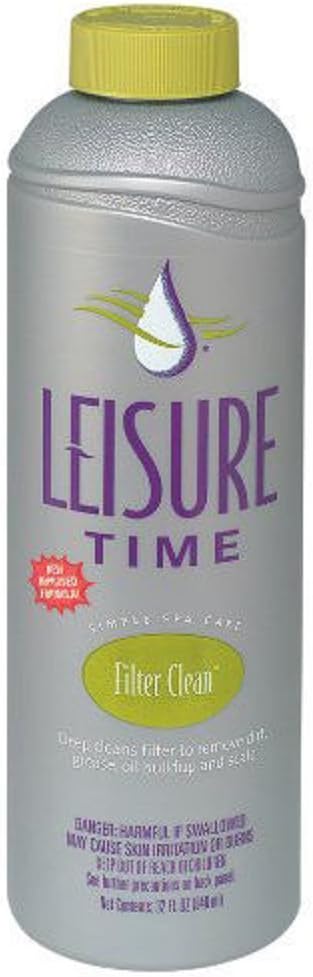
A dirty filter cannot clear the water. Clean it with a filter cleaner or replace it every 6–12 months.
3. Adjust pH and Alkalinity
Use a digital water tester to ensure:
- pH = 7.2–7.8
- Alkalinity = 80–120 ppm
4. Run the Pump for 6–8 Hours
Circulation pushes cloudy particles into the filter faster.
5. Use a Water Clarifier
Clarifiers combine micro-particles into larger particles that your filter can trap.
6. Use a Scum Absorber
These floating foam removers absorb oils, lotions, and body waste.
Is It Safe to Use a Cloudy Hot Tub?
As a general rule, cloudy water is a warning sign, not just a cosmetic issue, and it’s best to avoid soaking until the water clears and chemical levels are confirmed to be in range. Cloudiness often coincides with low sanitizer, and low sanitizer is exactly the condition that allows bacteria such as Pseudomonas aeruginosa to multiply.
The Health Risk: Hot Tub Folliculitis
Hot tub folliculitis, sometimes called Pseudomonas folliculitis or “hot tub rash,” is a skin infection linked to soaking in under-sanitized, warm water. It typically shows up as itchy, red, pimple-like bumps in areas covered by swimwear, usually within one to two days of exposure. It generally clears on its own within one to two weeks, though a healthcare provider should be consulted if the rash spreads, fever develops, or symptoms don’t improve.
Who Is Most at Risk
- Children, who often spend longer stretches of time in the water
- Anyone with recently shaved or waxed skin, since it removes a layer of natural skin barrier
- People with compromised immune systems or chronic conditions such as diabetes
- Anyone soaking for extended sessions in water with fluctuating sanitizer levels
Simple Precautions
Skip the soak any time the water looks cloudy, smells strongly of chemicals, or shows visible film or debris. Shower before and after using the tub, remove wet swimwear promptly rather than leaving it against the skin, and test sanitizer and pH levels before every use if the tub sees frequent traffic. These habits cost almost no time but meaningfully lower the odds of a skin reaction.
Common Mistakes That Cause Cloudy Water
Most cloudy water complaints trace back to a small handful of avoidable habits. Reviewing this list is often faster than troubleshooting from scratch, since fixing the underlying habit prevents the problem from recurring.
- Testing only when the water already looks cloudy. By the time cloudiness is visible, sanitizer has often already been too low for a day or more. Testing on a fixed schedule catches drops before they become visible problems.
- Adding chemicals in the wrong order. Alkalinity, then pH, then sanitizer is the correct sequence. Adding sanitizer first, before the water is balanced, wastes chemical and can leave the water looking hazy even after dosing.
- Skipping showers before soaking. This single habit is responsible for a large share of foamy and cloudy water complaints, since lotions, sunscreen, and deodorant are major contributors to both problems.
- Letting the filter go too long between cleanings. A filter that looks fine from a distance can already be significantly clogged. Rinsing on a fixed schedule, rather than waiting until water looks dirty, keeps filtration effective.
- Overdosing clarifier instead of addressing the root cause. Clarifiers are a supplement to good water balance, not a replacement for it. Relying on them alone usually means cloudiness returns within a day or two.
- Ignoring the cover. An ill-fitting or damaged cover lets in debris, sunlight, and rain, all of which contribute to faster sanitizer loss and more frequent cloudiness.
- Waiting too long between full drains. Even with perfect chemical maintenance, dissolved solids accumulate over months and eventually cause cloudiness that no amount of shocking will resolve.
Test Strips vs. Digital Testers: Which Should You Use?
Accurate testing is the foundation of clear water, since almost every cloudiness cause traces back to an out-of-range chemical reading. Owners generally choose between traditional dip test strips and digital or photometric testers.
Test Strips
Test strips are inexpensive, fast, and require no equipment beyond the strip itself. Their main drawback is that color-based reading introduces some subjectivity, particularly for anyone with color vision differences or in low light, and strips can degrade if stored improperly or left exposed to humidity.
Digital Testers
Digital and photometric testers remove the guesswork by measuring chemical concentrations electronically and displaying an exact number. They tend to cost more upfront and require occasional calibration or reagent replacement, but the added precision is especially useful for owners who have struggled with recurring cloudiness and need to pinpoint exactly which reading is off.
Which One Is Right for You
For routine day-to-day checks, a quality test strip is usually sufficient. If cloudiness keeps returning despite regular maintenance, upgrading to a digital tester for a more precise diagnosis is often the fastest way to identify the real culprit rather than guessing and over-correcting with chemicals.
How Often Should You Actually Test?
A good baseline is testing before every use if the tub sees daily traffic, or at minimum two to three times per week for lighter, occasional use. Inflatable and smaller-volume tubs benefit from testing slightly more often than large built-in spas, since their chemical levels swing faster in either direction. It’s also worth testing anytime something changes — after a gathering with more bathers than usual, after a heavy rain, after several hours of direct sun with the cover off, or the morning after running the pump less than usual.
Keeping a simple log of test results, even a basic notebook or phone note with the date and readings, makes it much easier to spot a slow drift before it turns into a full-blown cloudy water problem. Patterns become obvious quickly: if alkalinity keeps creeping up every week regardless of dosing, for example, that’s worth investigating on its own rather than continuing to over-correct after the fact.
Understanding Total Alkalinity vs. pH: Why the Order Matters
One of the most common reasons a fix “doesn’t work” is adding chemicals in the wrong sequence. Total alkalinity, pH, and sanitizer all interact with each other, and adjusting them out of order can undo the correction you just made.
Why Alkalinity Comes First
Total alkalinity acts as a buffer that keeps pH stable. If alkalinity is off, pH will bounce around unpredictably no matter how carefully you dose a pH increaser or decreaser, since the water has no stable baseline to hold that adjustment. Balancing alkalinity first gives every subsequent adjustment a stable foundation to work from.
Why pH Comes Second
Once alkalinity is in range, pH becomes far easier to dial in and far more likely to stay put. pH also directly affects how well your sanitizer works — chlorine and bromine both lose effectiveness at pH levels above the recommended range, which means an unbalanced pH can make a normal sanitizer dose behave like a much smaller one.
Why Sanitizer Comes Last
Adding sanitizer before alkalinity and pH are corrected means you’re dosing into water that won’t hold the sanitizer efficiently. You may find yourself adding chlorine or bromine repeatedly with little visible improvement, simply because the underlying water chemistry keeps burning through it. Testing and adjusting in the correct order — alkalinity, then pH, then sanitizer — typically resolves cloudiness with far less chemical usage than reacting to each reading independently.
The Cost of Ignoring Cloudy Water
Beyond the obvious inconvenience, letting cloudy water go untreated for an extended period can lead to real equipment and cost consequences that make the problem more expensive to fix the longer it’s ignored.
- Pump and heater strain. Particles and scale that build up in cloudy water can circulate through the pump and heater assembly, contributing to premature wear on components that are often the most expensive parts to replace.
- Shortened filter lifespan. A filter constantly working against heavy particle loads clogs faster and needs replacing more often, adding up in ongoing cost over a season.
- Increased chemical usage. Chasing cloudiness with repeated shock and clarifier doses, rather than addressing the root cause, burns through chemicals faster than routine maintenance would.
- Shell staining and scale damage. Prolonged mineral imbalance can etch or stain acrylic and vinyl surfaces in ways that are difficult or impossible to fully reverse.
- Lost soak time. Every day the water is unsafe to use is a day the investment in the hot tub isn’t being enjoyed, which is easy to overlook but is arguably the most direct cost of all.
Addressing cloudiness promptly, ideally within a day or two of first noticing it, almost always costs less in time and chemicals than letting it linger for a week and then dealing with a more entrenched problem.
Glossary of Hot Tub Water Chemistry Terms
A quick reference for the terms that come up most often when diagnosing cloudy water:
- Total Alkalinity (TA): A measure of the water’s ability to resist pH swings, expressed in parts per million (ppm).
- pH: A measure of how acidic or basic the water is, on a scale where 7.0 is neutral.
- Sanitizer: Chlorine or bromine, added to kill bacteria and break down organic waste.
- Shock: A larger, occasional dose of oxidizer used to break down built-up contaminants beyond what routine sanitizer levels handle.
- Calcium Hardness: The concentration of dissolved calcium in the water, which affects scaling and cloudiness.
- Total Dissolved Solids (TDS): The overall concentration of everything dissolved in the water, including minerals, chemical byproducts, and organic residue.
- Clarifier: A product that clumps microscopic particles together so the filter can capture them.
- Biofilm: A slimy layer of bacteria and organic residue that can build up inside plumbing, jets, and filters.
- Cyanuric Acid (Stabilizer): A chemical that protects chlorine from breaking down in sunlight, but can weaken its effectiveness at high concentrations.
Deep Cleaning Steps for Severe Cloudiness
When shocking, filter cleaning, and clarifiers don’t resolve the problem, it’s time for a deeper reset. Severe cloudiness that persists after the standard fast fixes usually means contaminants have built up somewhere the normal routine doesn’t reach — inside the plumbing lines, behind jets, or deep within the filter media itself.
Full System Flush
A dedicated pipe-flush product circulated through the system before draining helps dislodge biofilm and residue hiding inside plumbing that a simple drain and refill would otherwise leave behind.
Shell and Jet Scrub
With the tub drained, wipe down the entire shell with a non-abrasive, spa-safe cleaner, paying close attention to jets, corners, and the waterline, where residue tends to concentrate.
Filter Deep Soak
Rinsing alone often isn’t enough for a heavily loaded filter. An overnight soak in a dedicated filter cleaning solution breaks down oils and mineral deposits trapped deep in the pleats that a garden hose simply can’t reach.
Fresh Fill and Rebalance
Once the system is flushed and the shell is clean, refill with fresh water and rebalance alkalinity, pH, and sanitizer from scratch, in that order, before using the tub again.
Helpful External Resources
🎥 YouTube: How to Fix Cloudy Hot Tub Water
🧼 AquaWarehouse: How to Fix Cloudy Hot Tub Water
Best Products to Clear Cloudy Hot Tub Water

SpaGuard Water Clarifier
Quickly clears cloudy water by binding small particles into larger ones your filter can catch.
View on Amazon
ScumRay Hot Tub Scum Absorber
Absorbs oils, lotions, deodorant, and organic waste that cause cloudiness and foam.
View on AmazonHow to Prevent Cloudy Hot Tub Water
- Shower before using the hot tub
- Use scum absorbers weekly
- Run the pump daily
- Clean filters weekly
- Shock the water weekly
- Drain and refill every 3–4 months
DIY Maintenance vs. Professional Water Service
Most cloudy water problems, especially in inflatable and mid-size hot tubs, are entirely manageable without outside help. That said, there are situations where bringing in a professional water testing or spa service makes sense.
When DIY Is Usually Enough
- Routine cloudiness that responds to shocking, filter cleaning, and rebalancing within a day or two
- New-fill cloudiness that clears after the first full chemical cycle
- Foam caused by cosmetics or detergent, resolved with skimming and a scum absorber
- Seasonal adjustments to testing frequency and pump run time
When It’s Worth Calling in Help
- Cloudiness that persists for more than a week despite following every standard fix
- Recurring biofilm or a confirmed bacterial issue such as a folliculitis outbreak among household members
- Suspected problems inside the plumbing or heater assembly that go beyond a simple pipe flush
- Owners who are new to hot tub ownership and want a baseline water test to understand their specific fill water’s mineral profile
Many local pool and spa stores offer free or low-cost water testing using lab-grade equipment that goes beyond what a home test strip or digital tester can measure, including detailed mineral content and total dissolved solids. For a recurring, hard-to-solve cloudiness problem, a single professional test is often the fastest way to identify the exact cause and avoid weeks of guesswork.
Step-by-Step Drain & Refill Guide
Even a perfectly maintained hot tub needs a full drain and refill every three to four months, since dissolved solids build up gradually in ways that no amount of shocking or filtering can reverse. Here’s how to do it correctly.
Step 1: Turn Off Power
Always disconnect power at the breaker before draining to avoid running the pump or heater dry, which can cause serious equipment damage.
Step 2: Drain Completely
Use the built-in drain valve or a submersible pump to empty the tub fully. Direct the water toward an appropriate drainage area away from gardens or lawns, since spa water contains chemicals that can affect plants.
Step 3: Clean the Shell and Jets
With the tub empty, wipe down every surface with a non-abrasive, spa-safe cleaner. Pay special attention to the waterline, corners, and jet faces, where residue and biofilm concentrate most heavily.
Step 4: Rinse or Replace the Filter
A drain is the ideal time to give the filter a deep soak in cleaning solution, or to replace it entirely if it’s nearing the end of its typical lifespan.
Step 5: Refill and Rebalance
Fill with fresh water, then balance in the correct order: alkalinity first, then pH, then sanitizer. Run the pump continuously for several hours before the first use to help everything circulate and stabilize.
Complete Troubleshooting Checklist
Use this quick-reference table to match your symptom to the most likely cause and fastest fix.
| Symptom | Likely Cause | First Fix to Try |
|---|---|---|
| Fine haze, hard to see bottom | Low sanitizer or dirty filter | Shock and clean the filter |
| Milky white tint | High sanitizer, minerals, or dead algae | Test levels, run pump, use clarifier |
| Foam on surface | Detergent, cosmetics, or cheap chemicals | Skim foam, use a scum absorber |
| White flakes in filter | Biofilm or calcium scale | Bleach test, then deep clean or scale reducer |
| Green or yellow tint | Algae growth | Heavy shock, brush shell, filter continuously |
| Cloudy right after shocking | Normal oxidation process | Run pump 12–24 hours, recheck pH |
| Cloudy new hot tub water | Fill water quality or trapped air | Run pump 24 hours, balance chemicals |
Frequently Asked Questions
How long does it take for cloudy hot tub water to clear?
Most cloudy water clears within 24 to 48 hours once sanitizer, pH, and alkalinity are balanced and the filter is clean. Severe cases may take a few days of continuous filtration.
Can I still use my hot tub if the water is cloudy?
It’s best to avoid soaking until the water clears, since cloudiness often coincides with low sanitizer, which raises the risk of skin irritation or infection.
Why does my hot tub get cloudy every time I use it?
Frequent cloudiness after use usually points to insufficient sanitizer for the bather load, or bathers entering without showering first, which introduces oils and lotions.
Will a clarifier fix cloudy water permanently?
Clarifiers help clump particles for the filter to catch, but they don’t fix the underlying cause. If cloudiness returns quickly, the real issue is likely chemical balance or filtration.
How often should I shock my hot tub?
Weekly shocking is standard for most home hot tubs, with an extra dose after heavy use, such as a party or several consecutive days of soaking.
Is cloudy water the same as milky water?
Not quite. Cloudy water is a fine haze, while milky water has a stronger, more opaque white tint and usually signals a more advanced version of the same underlying problem.
What white flakes are in my hot tub filter?
They’re typically either calcium scale or biofilm. A simple bleach test at home can help you tell which one you’re dealing with.
Why is my hot tub cloudy after I shocked it?
This is usually temporary. Shock oxidizes contaminants into larger particles right before the filter removes them, so brief cloudiness afterward is normal.
Can rain make my hot tub cloudy?
Yes. Heavy rain can dilute sanitizer and introduce debris if the cover isn’t sealing tightly, both of which contribute to cloudiness.
Does a salt water hot tub still get cloudy?
Yes. Salt systems still require regular testing and salt cell maintenance; neglecting either can lead to the same cloudiness issues as traditional chemical systems.
How do I know if my hot tub has algae?
Look for a green, yellow, or brownish tint layered over cloudiness, sometimes with a slightly slippery feel on the shell or steps.
When should I drain and refill instead of treating the water?
If cloudiness persists after shocking, filter cleaning, and balancing, or if it’s been three to four months since the last refill, draining and starting fresh is usually faster than continuing to chase the problem chemically.
Why does my inflatable hot tub get cloudy faster than a regular hot tub?
Inflatable spas hold less water, run weaker single-speed pumps, and use smaller cartridge filters, so the same contaminant load has a bigger impact and clears more slowly than in a larger, hard-shell spa.
Is chlorine or bromine better for preventing cloudy water?
Both work well when monitored consistently. Bromine holds up better in heat and drifts more slowly, while chlorine acts faster but needs more frequent testing, especially in sunny or high-use conditions.
Does hot tub water get cloudy more often in summer?
Yes. Higher temperatures, stronger sunlight, and heavier bather traffic all speed up sanitizer loss in warmer months, so testing and dosing more frequently helps keep pace.
How many people can use a hot tub before the water gets cloudy?
There’s no universal number, since it depends on tub volume and sanitizer level, but exceeding a tub’s rated capacity or hosting frequent large groups without extra shock treatment is a common trigger for sudden cloudiness.
Can low-quality hot tub chemicals cause cloudy or foamy water?
Yes. Budget chemicals sometimes include filler ingredients that contribute to foam and cloudiness. Sticking with reputable spa-specific products tends to produce more predictable, clearer results.
Related HotTubBro Guides
Final Thoughts
Cloudy hot tub water is annoying, but it’s also a helpful warning sign.
It tells you that something in the water chemistry, filtration, or sanitation system needs attention.
The good news is that once you understand the causes — and how to fix them —
keeping your water sparkling clean becomes incredibly easy.
With the right products, proper maintenance routine, and clean water balance,
you can enjoy clear, healthy, and refreshing hot tub water every single day.