Are Hot Tubs Good for Arthritis? The Definitive Science of Hydrotherapy
For millions of people living with arthritis, the morning routine doesn’t start with coffee—it starts with the slow, often painful process of “unfreezing” stiff joints. Whether it is the wear-and-tear degeneration of Osteoarthritis (OA) or the systemic inflammation of Rheumatoid Arthritis (RA), the search for relief is constant. In recent years, the accessibility of home hydrotherapy has revolutionized pain management. No longer the exclusive domain of physical therapy clinics, warm water immersion is now available in the backyard thanks to the rise of high-quality portable spas.
But is this merely a placebo, or is there hard science backing the soak? The answer, supported by rheumatologists and physical therapists worldwide, is a resounding yes. Hot tubs are not just luxury items; they are potent therapeutic tools that utilize three fundamental principles of physics—Thermotherapy, Hydrostatic Pressure, and Buoyancy—to mechanically and chemically alter how your body perceives and processes pain.
This comprehensive guide will dissect the biological mechanisms of hot tub therapy, provide actionable protocols for safe usage, and review the essential equipment that transforms a simple inflatable hot tub into a medical-grade relief station.
Table of Contents
- 1. The Science: How Water Fights Pain
- 1a. What Does the Research Actually Say?
- 1b. The Endorphin Connection: Natural Pain Relief
- 1c. Breaking the Pain-Spasm Cycle
- 1d. The Goldilocks Zone: Temperature Science by Condition
- 2. The Buoyancy Factor: Defying Gravity
- 2a. Contrast Therapy: Pairing Hot and Cold
- 2b. Synovial Fluid Activation: Lubricating from Within
- 3. Osteoarthritis vs. Rheumatoid Arthritis
- 3a. Gout, Fibromyalgia, Psoriatic Arthritis & Lupus
- 3b. Medication Interactions: Timing Your Soak Around Your Prescriptions
- 4. Why Inflatable Spas Are Ideal for Therapy
- 4a. Hot Tub vs. Swim Spa vs. Infrared Sauna vs. Walk-In Tub
- 5. Essential Accessibility & Safety Gear
- 5a. Choosing Seats and Jets for Specific Joints
- 6. Hydro-Yoga: Exercises for Stiffness
- 6a. Building an Exercise Progression: From Passive to Active
- 6b. Morning or Evening: Timing Your Soak
- 6c. The Mental Health Connection: Anxiety, Depression, and Chronic Pain
- 6d. Sleep Architecture: How Evening Soaks Improve Deep Sleep
- 7. Simplifying Maintenance for Pain-Free Ownership
- 7a. Chemical Sensitivity and Arthritis: Gentler Sanitation Options
- 7b. Seasonal Adjustments: Winter vs. Summer Protocols
- 8. Cost, Insurance, HSA/FSA & Tax Questions
- 9. Critical Safety Warnings & Contraindications
- 9a. The Post-Soak Protocol: Locking In Relief
- 9b. Long-Term Outcomes: What Consistent Use Delivers
- 9c. Arthritis Foundation Official Recommendations
- 10. Frequently Asked Questions
1. The Science: How Water Fights Pain
To understand why a hot tub works, we must look beyond “relaxation” and look at Thermotherapy. When you submerge your body in water heated to 100°F–104°F (38°C–40°C), a specific physiological cascade begins.
Vasodilation and Tissue Repair
The heat causes vasodilation—the widening of blood vessels. This increases circulation to the extremities and deep muscle tissues. For arthritis sufferers, this is critical because inflamed joints often suffer from restricted blood flow, which allows metabolic waste (like lactic acid) to accumulate. Fresh, oxygenated blood flushes these toxins out, reducing the chemical causes of pain. Furthermore, collagen tissue (ligaments and tendons) becomes significantly more extensible when warm, allowing for a greater range of motion with less risk of injury.
Hydrostatic Pressure: The Invisible Compression Sleeve
Water exerts pressure on the body from all sides. This is known as hydrostatic pressure. For those suffering from swelling (edema) in the ankles, knees, or wrists, this pressure acts like a gentle, full-body compression sock. It forces fluid away from the extremities and back into the lymphatic system to be processed, visibly reducing swelling after just 20 minutes of immersion.
💡 Deep Dive: Curious about the mechanics of how these machines generate this heat and pressure? Read our technical breakdown:
How Does an Inflatable Hot Tub Work? (A Technical Guide)1a. What Does the Research Actually Say?
It is easy for a wellness industry to over-promise. So it’s worth separating anecdote from evidence. The good news for arthritis sufferers is that hydrotherapy is one of the more studied non-drug interventions in rheumatology, even if the total body of research is smaller than for medication trials.
One frequently cited trial followed 46 participants with knee osteoarthritis who received a 20-minute local heat application every other day for four weeks, layered on top of their usual medication routine. Compared to a control group that continued medication alone, the heat-treated group showed a statistically meaningful drop in pain and disability scores, along with measurable gains in quality of life and physical function. That study is frequently referenced because it isolates heat as a variable rather than lumping it in with massage or exercise, giving researchers a cleaner signal that warmth itself is doing real work.
A separate 2018 investigation looked at people with rheumatoid arthritis who added structured spa therapy to their standard medical care, comparing outcomes against a group that received standard care alone. The spa-therapy group reported reductions in joint inflammation along with less swelling and tenderness in affected joints. Researchers have also noted that participants using warm water immersion often experience better sleep quality, which matters enormously for arthritis management since poor sleep is closely linked to next-day pain flares.
It’s also worth noting what the research does not show. No study claims that hydrotherapy reverses joint damage, regrows cartilage, or replaces disease-modifying medications for rheumatoid arthritis. The consistent finding across the literature is symptomatic: less pain, less stiffness, better short-term mobility, and improved mood and sleep. For a chronic condition with no cure, that combination of benefits is still clinically meaningful, which is why organizations like the Arthritis Foundation continue to list warm-water therapy among their recommended self-management tools.
1b. The Endorphin Connection: Natural Pain Relief
Beyond the mechanical and circulatory effects, warm water immersion triggers a biochemical reward system that many arthritis sufferers overlook. When your body encounters sustained pleasant warmth—particularly in the 100°F–104°F range—the hypothalamus responds by prompting the pituitary gland to release beta-endorphins, the body’s natural opioid-like compounds.
These endorphins bind to the same mu-opioid receptors that prescription pain medications target, but without the risk of respiratory depression or dependency. The effect is measurable: studies using thermal imaging and blood serum analysis have documented elevated endorphin levels persisting for 60–90 minutes after a 20-minute warm water immersion session.
This endorphin release serves a dual purpose for arthritis patients. First, it provides direct analgesia—reducing the perception of pain at a neurological level. Second, it counteracts the stress hormone cortisol, which tends to be chronically elevated in people living with persistent pain. Elevated cortisol is itself pro-inflammatory, so lowering it through regular endorphin-triggering soaks creates a positive feedback loop: less pain leads to lower stress, which leads to less inflammation, which leads to less pain.
1c. Breaking the Pain-Spasm Cycle
One of the most destructive patterns in chronic arthritis is the pain-spasm cycle, and understanding it explains why heat therapy often succeeds where stretching alone fails.
The cycle works like this: An arthritic joint hurts, so the surrounding muscles reflexively tighten to “guard” the area. That sustained muscle tension reduces blood flow to the muscle tissue itself, causing ischemic pain—a deep, aching soreness in the muscles around the joint. That muscle pain then feeds back into the brain’s pain centers, which further tighten the muscles, which further reduces blood flow, and the spiral continues. Over weeks and months, this can cause the muscles to physically shorten, permanently reducing range of motion even when the joint itself hasn’t deteriorated further.
Heat interrupts this cycle at two points simultaneously. The vasodilation from warm water restores oxygenated blood flow to the oxygen-starved muscle tissue, directly addressing the ischemic pain. At the same time, the sensory input of warmth competes with the pain signal at the spinal cord level via the Gate Control mechanism described earlier. When the muscle finally relaxes—often for the first time in hours or days—the patient experiences a dramatic drop in pain that feels almost immediate.
This is why physical therapists so often apply moist heat packs before manual therapy or exercise: a relaxed muscle is a muscle that can actually be stretched and strengthened effectively. The hot tub simply delivers that pre-treatment warmth to the entire body at once, making it an ideal precursor to any home exercise program.
1d. The Goldilocks Zone: Temperature Science by Condition
Not all therapeutic temperatures are created equal, and the difference between 98°F and 104°F can be the difference between relief and aggravation depending on your specific diagnosis. The table below summarizes what the research and clinical practice tell us about optimal temperature ranges for different arthritis types.
Osteoarthritis (OA): 100°F–104°F
OA joints respond well to higher temperatures because the primary goal is loosening tight periarticular muscles and increasing blood flow to areas with poor baseline circulation. The collagen in tendons and ligaments reaches its maximum extensibility at approximately 104°F, which is why this is the upper safe limit recommended by most hot tub manufacturers. OA patients who tolerate this range often report the greatest improvement in morning stiffness duration.
Rheumatoid Arthritis (RA): 98°F–100°F
RA involves active systemic inflammation, and joints in an active flare state can become more inflamed when overheated. A neutral-warm temperature—roughly body temperature or just above—provides the buoyancy and hydrostatic pressure benefits without the risk of adding thermal stress to already-inflamed synovial tissue. If your joints feel hot and visibly red before entering the tub, err toward the lower end of this range.
Fibromyalgia: 96°F–100°F
Fibromyalgia patients often have disordered temperature regulation, and some find water above 100°F triggers dizziness, nausea, or rebound pain. Starting at 96°F–98°F and gradually increasing only if tolerated is the safest approach. The goal here is muscle relaxation and sleep improvement, not maximum heat.
Gout (Inter-Flare Period Only): 98°F–102°F
During an active gout attack, skip the hot tub entirely and apply cold. Once the acute inflammation has subsided—usually 3–5 days after the flare peaks—warm water can help restore range of motion in the stiffened joint. Keep it moderate rather than hot to avoid re-triggering the inflammatory cascade.
🌡️ Universal Rule: If you feel worse within an hour of exiting the tub—particularly if joints feel hotter or more swollen than before—your water was too warm or your soak was too long. Dial back both variables by 10% and reassess.
2. The Buoyancy Factor: Defying Gravity
Perhaps the most profound benefit for Osteoarthritis sufferers is Buoyancy. On land, gravity is the enemy. Every step sends shockwaves through worn-down knee cartilage; every moment standing compresses the lumbar spine. Water changes the laws of physics.
When submerged up to your neck, your body supports only about 10% of its actual weight. A 200-pound individual feels like they weigh only 20 pounds. This “unloading” of the joints provides an immediate mechanical break for cartilage that has been grinding together all day. This decompression allows the synovial fluid (the joint’s natural oil) to circulate back into the joint space, lubricating the area for when you eventually exit the tub.

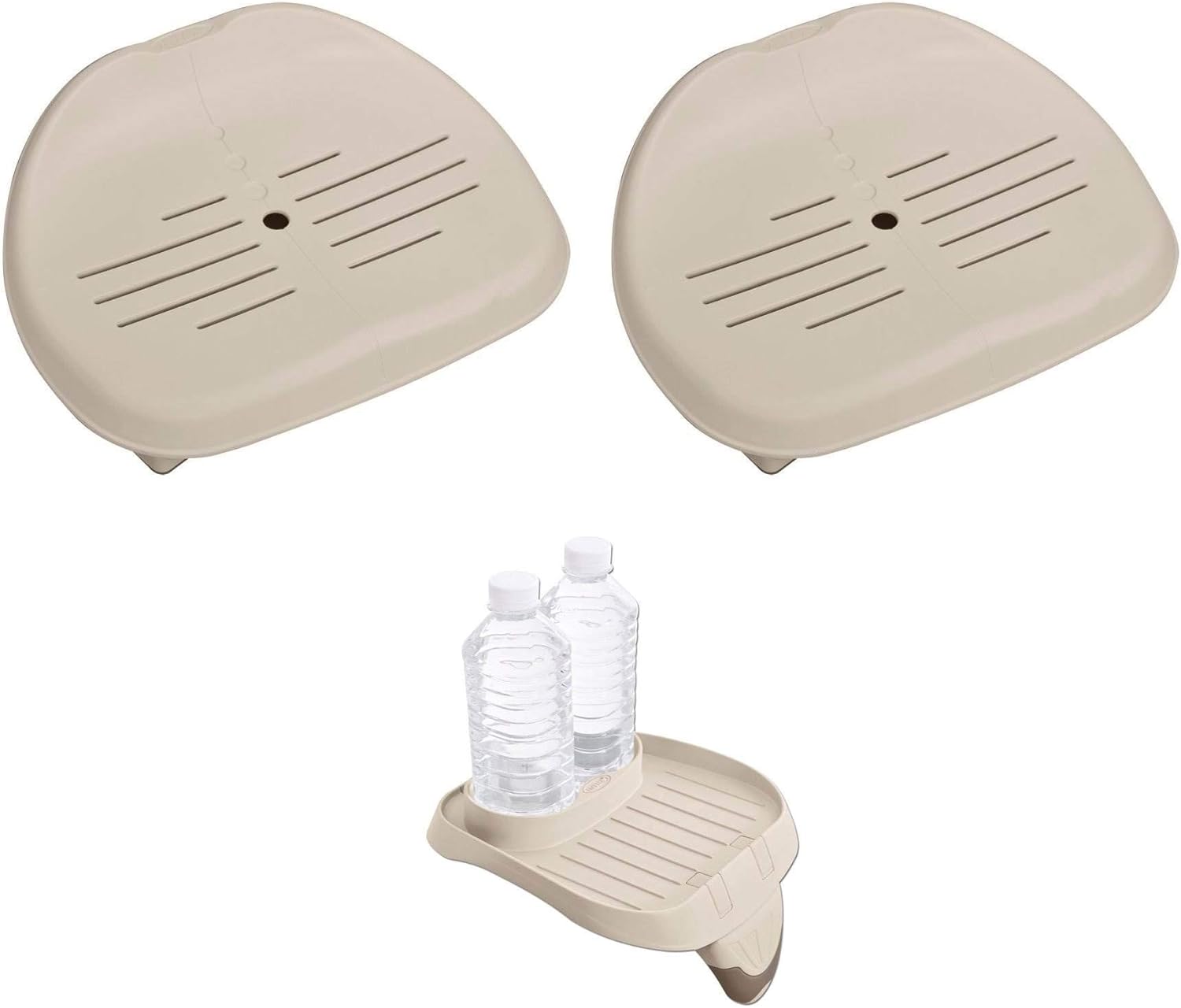
Weighted Hot Tub Booster Seat
To fully benefit from buoyancy, you must be submerged to the proper depth (usually neck deep). For shorter individuals, sitting on the floor of an inflatable spa might be too low, or the built-in seats might be too high. A weighted booster seat ensures you can position your body perfectly to take weight off your spine without floating away.
Check Price on Amazon2a. Contrast Therapy: Pairing Hot and Cold for Deeper Relief
Athletes have used contrast therapy — alternating hot and cold immersion — for decades to speed recovery, and a growing number of arthritis patients are borrowing the same protocol for joint pain. The logic is straightforward: heat dilates blood vessels and relaxes tissue, while cold constricts them and blunts acute inflammation. Cycling between the two creates a “pumping” effect in the circulatory system that some physical therapists believe clears inflammatory byproducts more effectively than heat alone.
A typical home contrast protocol looks like this: soak in the hot tub for 8-10 minutes, then step out and apply a cold pack, cold shower, or brief cold plunge for 60-90 seconds, then return to the hot tub. Repeat this cycle two to three times, always finishing on warm water so you leave feeling loose rather than chilled. This approach tends to suit Osteoarthritis patients dealing with an acutely swollen knee or ankle better than it suits Rheumatoid Arthritis patients mid-flare, since RA joints are often more sensitive to rapid temperature swings.
2b. Synovial Fluid Activation: Lubricating from Within
Synovial fluid is the viscous, egg-white-consistency liquid that fills healthy joint cavities, and it serves two critical functions: it lubricates the cartilage surfaces so they glide smoothly against each other, and it transports nutrients to the avascular cartilage tissue that has no direct blood supply of its own. In osteoarthritic joints, this fluid becomes thinner and less effective, contributing to the grinding sensation patients describe.
Warm water immersion helps synovial fluid in two ways. First, the heat itself reduces the fluid’s viscosity temporarily, making it flow more easily into the microscopic crevices of roughened cartilage. Second, the unloading effect of buoyancy creates a slight separation of the joint surfaces—a gap that on land is compressed shut by body weight. When that gap opens, even by a fraction of a millimeter, the synovial fluid can rush into spaces it hasn’t reached all day, carrying with it the nutrients and lubricating molecules that cartilage depends on for maintenance.
This is why many OA patients report that their joints feel “oiled” for several hours after a soak. The effect is temporary—synovial fluid gets squeezed back out once weight-bearing resumes—but those hours of better lubrication often translate into more comfortable walking, stair-climbing, and daily tasks. Over time, maintaining this regular “lubrication window” may help preserve the remaining cartilage by reducing the friction that accelerates its breakdown.
3. Osteoarthritis vs. Rheumatoid Arthritis: Tailoring the Soak
Not all arthritis is the same, and the way you use your hot tub should differ based on your diagnosis.
For Osteoarthritis (Wear and Tear)
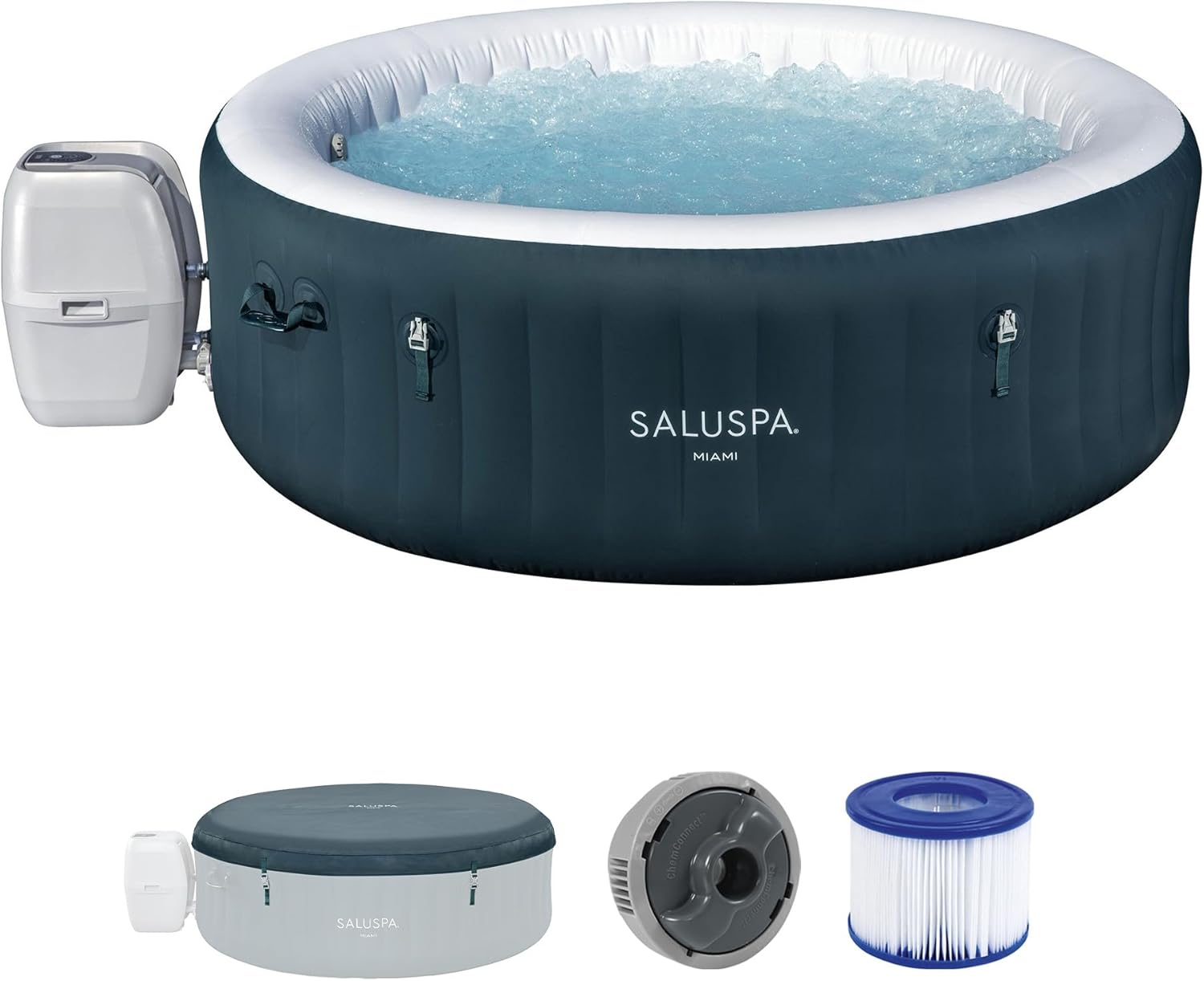
OA patients generally tolerate and benefit from higher heat and jet pressure. The goal here is to loosen tight muscles that are guarding the painful joints. The AirJet systems found in models like the Coleman SaluSpa are excellent for this, as they provide a general, vibration-based massage rather than a sharp, piercing jet that might hurt a tender bone spur.
For Rheumatoid Arthritis (Autoimmune)
RA involves systemic inflammation. During an acute “flare-up,” high heat can sometimes exacerbate inflammation. RA patients should aim for a “warm” soak (98°F – 100°F) rather than “hot” (104°F). The duration should be shorter (10-15 minutes). The goal is gentle circulation, not intense heat shock. Always consult your rheumatologist during a flare-up.
3a. Gout, Fibromyalgia, Psoriatic Arthritis & Lupus: Beyond OA and RA
Osteoarthritis and Rheumatoid Arthritis get most of the attention, but they’re far from the only conditions that bring people to hydrotherapy. If you fall into one of the categories below, the general principles still apply — heat, buoyancy, and gentle movement — but with a few important tweaks.
Gout
Gout is caused by uric acid crystals accumulating in a joint, most classically the big toe, producing sudden, severe inflammation. During an active gout attack, heat is generally the wrong choice — it can intensify the inflammatory response in that specific joint. Most podiatrists recommend cold therapy for the acute attack and reserve warm soaking for the days after the flare has settled, when the goal shifts to restoring range of motion in the stiff, recovering joint.
Fibromyalgia
Fibromyalgia is not technically arthritis, but it frequently overlaps with arthritic conditions and shares the symptom of widespread pain and stiffness. Warm water immersion is one of the more consistently reported sources of relief for fibromyalgia patients, likely because it addresses both the muscular tension and the sleep disruption that so often accompany the condition. Shorter, more frequent soaks (15 minutes, most evenings) tend to outperform occasional long sessions for this population.
Psoriatic Arthritis (PsA)
PsA sits at the intersection of joint disease and skin disease, and that creates a genuine trade-off. Warm water can improve circulation and ease the joint symptoms of PsA, but for some patients it also dries out skin already compromised by psoriasis plaques, potentially triggering irritation or flare-ups. If you have PsA, keep soaks shorter, moisturize thoroughly afterward, and pay close attention to how your skin responds over the following 24 hours before committing to a regular routine.
Lupus
Lupus is a systemic autoimmune disease that can affect joints alongside skin, kidneys, and other organs. Heat sensitivity varies enormously between lupus patients, and some experience symptom flares with excess heat exposure. Anyone with lupus should treat hot tub use as a “test carefully, start conservatively” proposition and loop in their rheumatologist before adopting it as a routine therapy, rather than assuming the general arthritis guidance applies unmodified.
🩺 The Common Thread: Across every condition above, the same rule holds — start with short, moderate-temperature sessions, track how your body responds over the following day, and adjust from there rather than assuming more heat automatically means more relief.
3b. Medication Interactions: Timing Your Soak Around Your Prescriptions
Arthritis medications and hot tub use intersect in ways that rarely appear on prescription labels, yet they matter enormously for both safety and effectiveness. Understanding how your specific medications interact with heat, hydration, and circulation helps you time your soaks for maximum benefit and minimum risk.
NSAIDs (Ibuprofen, Naproxen, Celecoxib, Diclofenac)
Non-steroidal anti-inflammatory drugs are the most commonly used arthritis medications, and they have a direct interaction with hot tub use: they can reduce your kidney’s ability to regulate fluid balance during heat stress. NSAIDs decrease blood flow to the kidneys, and hot water further redistributes blood flow to the skin. The combination increases the risk of dehydration and, in susceptible individuals, can temporarily reduce kidney function. The practical implication is straightforward: drink more water than you think you need when combining NSAIDs with hot tub use, and avoid taking your dose immediately before entering the tub—give it at least 30 minutes to absorb first.
Disease-Modifying Antirheumatic Drugs (DMARDs: Methotrexate, Sulfasalazine, Hydroxychloroquine)
DMARDs themselves don’t have a direct thermal interaction, but methotrexate in particular can cause fatigue and mild dehydration as side effects, especially in the 24–48 hours after the weekly dose. If you take methotrexate on Friday, Saturday evening’s soak might leave you feeling lightheaded more quickly than usual. Plan shorter sessions on those days and pay extra attention to hydration.
Biologics (Adalimumab, Etanercept, Infliximab, etc.)
Biologics suppress specific components of the immune system, and this is where the infection risk from poorly maintained hot tub water becomes most serious. A healthy immune system can often fight off the Pseudomonas and Legionella bacteria that thrive in under-sanitized warm water; an immune system modulated by biologics may not. If you take a biologic, your water chemistry must be impeccable. Test it before every soak, not just weekly. The consequences of a hot tub infection while on biologics can include severe skin infections, pneumonia, and in rare cases, sepsis.
Muscle Relaxants (Cyclobenzaprine, Methocarbamol, Tizanidine)
Muscle relaxants and hot water both cause vasodilation and can lower blood pressure. Taken together, they can produce orthostatic hypotension—a sudden drop in blood pressure upon standing that leads to dizziness or fainting. If you take muscle relaxants, exit the hot tub very slowly, sit on the edge for a full minute before standing, and consider timing your soak before your evening dose rather than after it.
Opioid Pain Medications (Tramadol, Oxycodone, Hydrocodone)
Opioids can impair your ability to sense overheating and can cause drowsiness that, combined with hot water immersion, increases the risk of falling asleep in the tub—a drowning hazard. If you take opioid medications, never soak alone, keep sessions brief, and set a timer on your phone that will alert you when it’s time to get out.
Blood Pressure Medications (Beta-Blockers, ACE Inhibitors, Diuretics)
Beta-blockers blunt the heart’s ability to increase its rate in response to heat stress, which means your body’s natural cooling mechanism is partially disabled. ACE inhibitors and diuretics both increase the risk of dehydration and electrolyte imbalances. If you take any blood pressure medication, start with cooler water (98°F–100°F) and shorter sessions (10–12 minutes) until you know how your body responds.
4. Why Inflatable Spas Are Ideal for Therapy
While traditional hard-shell hot tubs are fantastic, inflatable hot tubs offer unique advantages for arthritis sufferers that are often overlooked:
- Soft-Touch Walls: Hard acrylic shells are unforgiving. If you slip or bump a sensitive elbow against fiberglass, it hurts. Inflatable tubs, built with I-Beam or Drop-Stitch construction, are soft and forgiving. You can lean your head or back against the wall comfortably without a pillow.
- Accessibility Height: Many inflatable spas sit lower to the ground (approx. 28 inches high) compared to 36-inch hard tubs. This lower profile often makes it easier to swing a leg over for entry, provided you have a stable step.
- Cost-Effective Trial: Before investing $10,000 in a permanent spa, a $500 inflatable allows you to test if hydrotherapy works for your specific pain management needs.
🧐 Comparison Guide: Trying to decide between brands? We compare the therapeutic features of the two market leaders:
Intex PureSpa vs. Coleman SaluSpa: Which offers better massage?4a. Hot Tub vs. Swim Spa vs. Infrared Sauna vs. Walk-In Tub
Hot tubs aren’t the only home therapy option on the market, and readers often ask how they stack up against the alternatives. Here’s a straightforward comparison based on what matters most to arthritis sufferers: joint unloading, heat delivery, cost, and accessibility.
Hot Tub
Best all-around option for arthritis specifically. Combines buoyancy, hydrostatic pressure, and targeted massage jets in one unit. Entry-level inflatable models start under $500, making this the lowest-cost way to test whether hydrotherapy helps your particular joints before committing to anything more expensive.
Swim Spa
A hybrid between a lap pool and a hot tub, typically run at a cooler temperature than a dedicated spa. Swim spas are excellent for low-impact aquatic exercise and resistance walking, which benefits OA patients who need to strengthen the muscles supporting a joint. The trade-off is a much larger footprint and a significantly higher price tag, usually starting in the five-figure range.
Infrared Sauna
Infrared saunas deliver dry radiant heat rather than warm water. They produce similar vasodilation and muscle-relaxation benefits, but they skip buoyancy entirely, so they do nothing to unload weight-bearing joints. Some arthritis patients prefer saunas because there’s no water chemistry to maintain and no risk of waterborne infection, but for anyone whose primary complaint is joint-loading pain (hips, knees, lower back), a hot tub’s buoyancy is usually more valuable than a sauna’s dry heat alone.
Walk-In Tub
Walk-in tubs are built for bathroom safety and accessibility first, therapy second. They feature a door that opens to let you step in at floor level rather than climbing over a wall, which is a genuine advantage for anyone with severe mobility limitations or a high fall risk. However, most walk-in tubs must fully drain before you can exit (since the door can’t be opened with water inside), meaning you sit through the entire fill-and-drain cycle, and few offer the jet variety or capacity of even an entry-level inflatable spa. Walk-in tubs make more sense as an indoor bathroom safety solution; hot tubs make more sense as a dedicated hydrotherapy tool.
📊 Quick Take: If your main goal is arthritis pain relief on a reasonable budget, a hot tub wins on value. If severe mobility limitations make climbing into any raised tub dangerous, a walk-in tub addresses safety first. If you want dry heat with zero water maintenance, an infrared sauna is worth considering as a supplement — not a replacement.
5. Essential Accessibility & Safety Gear
The biggest barrier to hot tub therapy for arthritis patients is the fear of falling during entry and exit. Wet vinyl is slippery, and balance issues are common. To make your spa safe, you must upgrade the setup with accessibility accessories.

Handi-Step with Non-Slip Treads
Never try to step over the wall of a hot tub without a designated step. For arthritis sufferers, lifting a leg high puts immense strain on the hip flexors and lower back. A sturdy, non-slip step cuts that distance in half. Look for steps with a wide surface area and textured rubber treads.
View Safe Steps on Amazon
Spa Side Safety Handrail
An under-mount handrail slides under the base of the spa, using the water’s weight to anchor it. This provides a rock-solid, high handle to grab while entering and exiting. This removes the need to balance on one foot on a wet surface, drastically reducing fall risk.
View Safety Rails on Amazon5a. Choosing Seats and Jets for Specific Joints
Not every joint benefits from the same jet configuration, and one of the most overlooked parts of hydrotherapy shopping is matching seat design and jet placement to the joints that actually hurt.
Hands and Wrists
Look for a spa with a dedicated hand/wrist massage station, sometimes marketed as a “manicure jet” or hydro-massage bowl built into the cabinet edge. Since finger and wrist arthritis makes gripping painful, avoid tubs whose only controls are small physical dials — a simple digital touchpad is far easier to operate with stiff or swollen fingers.
Knees
Knee relief comes primarily from buoyancy and a lounger-style seat that lets the leg float mostly extended, rather than folded at a sharp angle. Direct, focused jets aimed at the kneecap itself are less useful than broader jets aimed at the surrounding quadriceps and hamstring muscles, which are usually the actual source of the guarding tension around an arthritic knee.
Hips and Lower Back
Look for lumbar-specific jet arrays and a seat with a contoured backrest. Deeper spas that allow near-full submersion give hip joints the greatest buoyant unloading, since the hip sits lower in the body than the shoulders and needs adequate water depth to be effectively “weightless.”
Shoulders and Neck
A neck and shoulder jet cluster positioned at the corner of the spa, paired with a slightly raised bench seat, lets you position the affected area directly in the water stream without straining to reach it. This is one area where higher jet pressure is often welcome, since shoulder muscles tend to tolerate — and benefit from — a firmer massage than smaller joints do.
🎯 Shopping Tip: If possible, sit in a floor-model spa before buying (even a demo unit without water running) to check that the seat depth and jet spacing actually line up with your body. Torso length and sitting height vary enough between people that a jet perfectly placed for one person can miss the mark entirely for another.
6. Hydro-Yoga: Gentle Exercises for Stiffness
Don’t just sit there—move! The warm water creates the perfect environment for gentle stretching. The heat relaxes the tissue, and the buoyancy prevents strain. Try these three simple movements:
- The Hand Press: Open your hands and press palms together underwater. Push hard for 5 seconds, then relax. This strengthens wrists and fingers without impact.
- The Ankle Pump: Sit with legs extended. Flex your toes toward your nose, then point them away like a ballerina. Repeat 20 times. This pumps fluid out of swollen ankles.
- Torso Twist: Sit cross-legged (if possible) or on your booster seat. Keep hips stationary and gently twist your torso left, then right. The water offers mild resistance to build core stability.
Winter is often the hardest time for arthritis. Having a spa ready for these exercises during the cold months is a game-changer. See our guide on the Best Inflatable Hot Tubs for Winter to ensure your setup can handle freezing temperatures.
6a. Building an Exercise Progression: From Passive to Active
The three exercises above are an excellent starting point, but the real power of hydrotherapy emerges when you build a progression that gradually increases the challenge as your joints adapt. The goal is to move from passive heat application (just sitting in warm water) to active strengthening without ever crossing into pain. Below is a four-week progression designed for someone with moderate arthritis who has been cleared for gentle exercise by their physician.
Week 1: Passive Mobilization
Focus entirely on letting the heat and buoyancy do the work. Sit in the spa for 15–20 minutes at your target temperature. Perform only the gentlest range-of-motion movements: slowly bending and straightening each joint through its comfortable range one at a time. Ankle pumps, wrist circles, and gentle neck tilts. No resistance, no holding positions, no repetitions to fatigue. The goal is simply to teach your nervous system that movement in warm water is safe.
Week 2: Gentle Resistance Introduction
Begin using the water’s natural resistance. Perform the same range-of-motion movements but now push against the water with slightly more intention. Move your arm through the water as if stirring thick honey—slow and deliberate. Add the Hand Press exercise described above. Hold each press for 5 seconds, rest for 10, repeat 5 times per hand. Add seated knee extensions: from a seated position, slowly straighten one leg until it’s extended in front of you, hold for 3 seconds, lower slowly. The water provides resistance on both the lifting and lowering phases.
Week 3: Sustained Holds and Increased Repetitions
Increase the hold times to 8–10 seconds and the repetitions to 8–10 per exercise. Add the Torso Twist from the list above, focusing on controlled movement rather than twisting as far as possible. If balance allows, add a supported standing exercise: stand in the center of the spa holding the side wall or handrail for support, and perform slow mini-squats—bending the knees only 15–20 degrees, never deep enough to cause joint pain. The buoyancy reduces your effective body weight to roughly 10% of normal, making this a safe introduction to weight-bearing movement.
Week 4: Functional Movement Patterns
Begin stringing movements together into patterns that mimic daily activities. Practice a sit-to-stand sequence using the booster seat: sit fully, then stand up slowly, using the water’s resistance to strengthen the muscles used for rising from a chair. Practice reaching overhead and out to the sides. If your spa is large enough, practice walking slowly across the diameter of the tub, focusing on a smooth heel-to-toe gait pattern that may be too painful to practice on land.
6b. Morning or Evening: Timing Your Soak Around Your Stiffness Pattern
Arthritis pain isn’t static throughout the day, and the best time to use your hot tub depends on when your particular symptoms peak.
Morning Stiffness
Many people with Rheumatoid Arthritis and some with Osteoarthritis wake up with pronounced joint stiffness that eases as the day goes on. If this describes you, a short 10-15 minute morning soak before breakfast can act as a “kickstart,” warming tissue and improving range of motion before you attempt the tasks that typically feel hardest first thing — getting dressed, descending stairs, or gripping a coffee mug.
Evening Wind-Down
If your pain instead builds throughout the day and peaks by evening — common after a day spent standing, walking, or performing repetitive tasks — an evening soak roughly an hour before bed can relax the muscles that have spent all day guarding the joint, and the resulting drop in core body temperature after you towel off often promotes deeper sleep. Since arthritis pain and poor sleep tend to feed each other, this timing does double duty.
Consistency Beats Duration
Across the research and clinical guidance on hydrotherapy, one theme repeats: shorter, more frequent sessions outperform occasional marathon soaks. A daily 20-minute soak generally produces better sustained relief than a single 60-minute soak three times a week, both because it keeps circulation consistently elevated and because it avoids the dehydration and overheating risk that comes with prolonged single sessions.
6c. The Mental Health Connection: Anxiety, Depression, and Chronic Pain
Living with chronic arthritis pain is not merely a physical experience—it reshapes mental health in measurable ways. Studies consistently show that people with moderate to severe arthritis have elevated rates of anxiety and depression compared to the general population, and the relationship is bidirectional: pain worsens mood, and low mood amplifies pain perception. This is where hydrotherapy delivers benefits that extend well beyond the joints.
Warm water immersion has been shown to lower circulating cortisol levels—the body’s primary stress hormone—within 15 minutes of submersion. Simultaneously, it triggers the release of serotonin and dopamine, neurotransmitters associated with mood regulation and pleasure. For someone whose daily life is dominated by pain signals, a 20-minute soak can provide a rare window of relief that isn’t just physical but emotional.
There is also a social dimension worth noting. Arthritis is an isolating condition; pain makes it harder to leave the house, participate in social activities, or even maintain conversations when you’re constantly distracted by discomfort. A home hot tub creates a low-barrier reason to invite a friend or family member over—the setup is already at your house, the seating is comfortable, and the warm water tends to put everyone at ease. That social connection is itself a protective factor against the depression that so often accompanies chronic illness.
6d. Sleep Architecture: How Evening Soaks Improve Deep Sleep
The connection between arthritis pain and poor sleep is one of the most frustrating feedback loops in medicine. Pain makes it hard to fall asleep and causes frequent nighttime awakenings; fragmented sleep, in turn, lowers pain thresholds and increases inflammatory markers, making the next day’s pain worse. Breaking this cycle requires intervening on both the pain side and the sleep side simultaneously—and an evening hot tub soak does exactly that.
The sleep benefit works through a specific thermoregulatory mechanism. To fall asleep, your core body temperature must drop by approximately 1°F–2°F. A warm soak before bed artificially raises your core temperature, and when you exit the water, your body responds with a rapid cooling response as blood rushes to the skin surface to dissipate the heat. That post-soak temperature drop mimics the natural pre-sleep cooling signal, making it easier to fall asleep faster and spend more time in deep, slow-wave sleep—the stage most critical for tissue repair and immune function.
Research on sleep hygiene suggests that the optimal timing for this effect is 60–90 minutes before your intended bedtime, with the soak itself lasting 15–20 minutes at 100°F–102°F. If you soak too close to bedtime, your core temperature may still be elevated when you lie down, which can actually delay sleep onset. The 60–90 minute buffer gives your body time to complete the cooling response and arrive at the ideal sleep-promoting temperature.
😴 Sleep + Arthritis Deep Dive: The Arthritis Foundation has published multiple articles on the pain-sleep connection, emphasizing that improving sleep quality is one of the highest-impact interventions for reducing next-day arthritis pain. An evening hot tub routine is one of the few interventions that addresses both the pain and the sleep disruption simultaneously.
7. Simplifying Maintenance for Pain-Free Ownership
There is an irony in buying a hot tub for pain relief, only to cause yourself more pain by scrubbing it or struggling with chemical buckets. Maintenance must be ergonomic.
Eliminate the Scrubbing
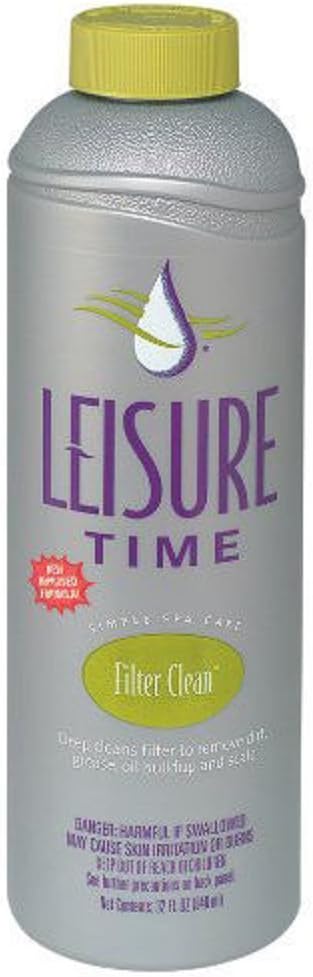
Bending over a low tub to scrub the waterline is a recipe for back spasms. Automate the cleaning. Use a Scum Absorber (a sponge that floats and eats oils) to prevent the ring from forming in the first place.
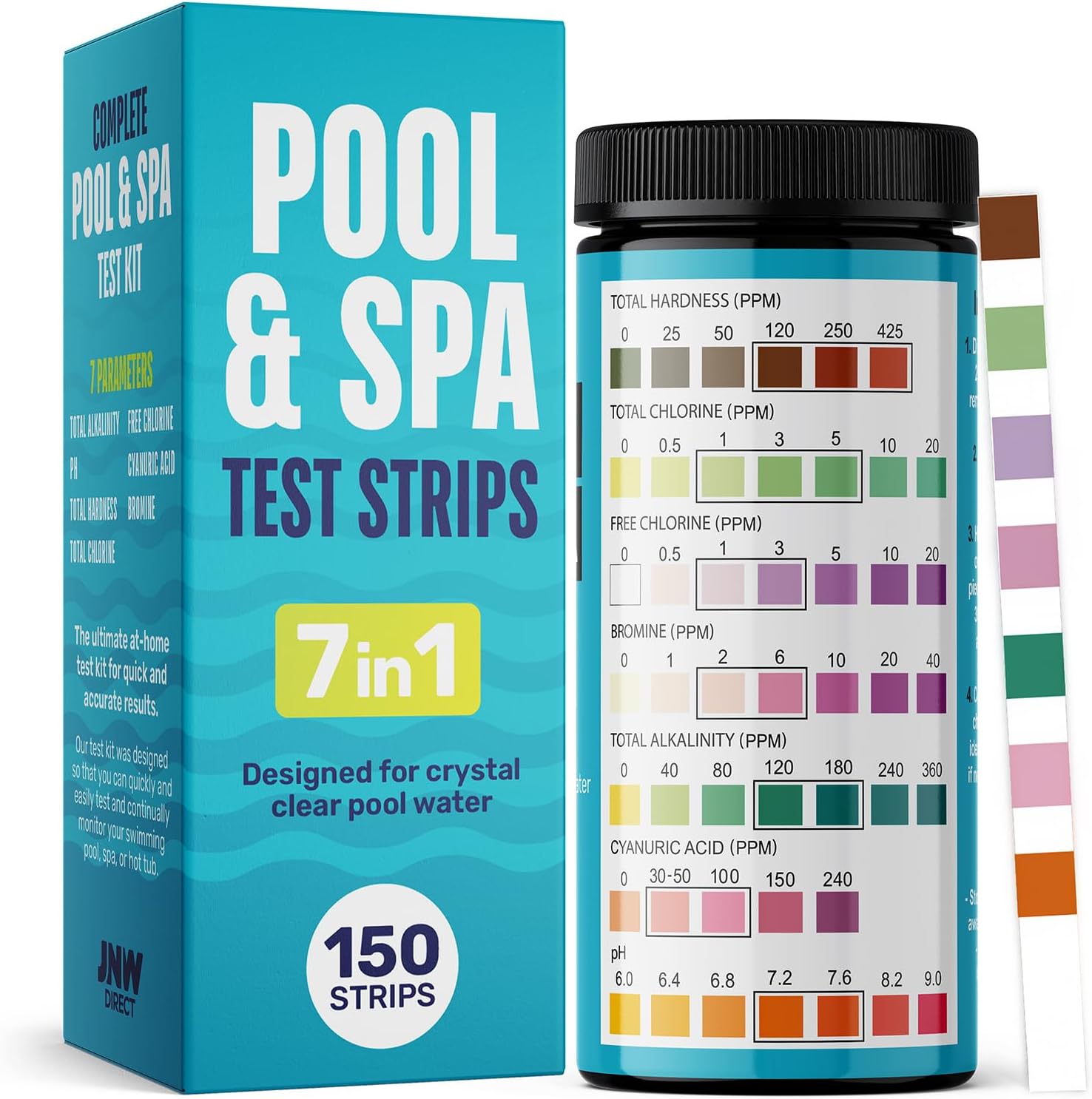
Stop Squinting at Test Strips
Color-matching chemical strips can be frustrating and require steady hands and good lighting. Switch to a digital reader. You simply dip the device, and it gives you a number. No bending, no guessing.
The Heavy Lifting: Setup
Setting up the tub involves moving heavy boxes. Do not attempt this alone if you have active arthritis. Furthermore, ensure you place the tub on a cushioned pad. This not only protects the tub but provides a softer landing for your feet when you step out.
7a. Chemical Sensitivity and Arthritis: Gentler Sanitation Options
Standard hot tub sanitation relies on chlorine or bromine to keep water free of bacteria, but some arthritis patients find that these chemicals—particularly at the higher concentrations needed in warm water—trigger skin irritation, respiratory sensitivity, or joint pain flares that defeat the purpose of the soak. If you’ve noticed that your skin feels itchy or your joints feel worse after using a chlorinated spa, you’re not imagining the connection, and you have options.
Bromine as a Chlorine Alternative
Bromine is chemically related to chlorine but produces fewer of the chloramine byproducts responsible for the “chlorine smell” and associated irritation. Many people who react to chlorine tolerate bromine well. Bromine also remains more stable at hot tub temperatures than chlorine, meaning fewer chemical adjustments are needed—an ergonomic advantage for arthritic hands.
Mineral Sanitizers and Silver Ion Systems
Mineral cartridges using silver, copper, or zinc ions can reduce the amount of chlorine or bromine needed by 50% or more. These systems work continuously and typically only need replacement every 3–4 months, reducing the frequency with which you need to handle chemicals. The lower halogen levels are gentler on sensitive skin while still maintaining safe water.
Ozone and UV-C Supplemental Systems
Ozone generators and ultraviolet-C light systems are installed in-line with the spa’s plumbing and actively destroy bacteria and viruses as water circulates through them. They don’t leave a residual sanitizer in the water, so a small amount of chlorine or bromine is still required, but the amount can be significantly lower—often just a fraction of what a non-supplemented spa would need. These systems add cost upfront but reduce ongoing chemical handling, which is a meaningful quality-of-life improvement for someone with hand arthritis.
Saltwater Systems
Saltwater hot tubs use a salt cell to convert dissolved sodium chloride into chlorine through electrolysis. The chlorine generated is identical to what you’d add manually, but it’s produced at a low, steady rate rather than spiking after a manual dose. Many users report that saltwater feels softer and less irritating than traditionally chlorinated water, though the initial hardware investment is higher.
7b. Seasonal Adjustments: Winter vs. Summer Protocols
Your hot tub therapy doesn’t need to be identical year-round. Arthritis symptoms themselves often change with the seasons—many patients report worse stiffness in cold, damp weather and somewhat better mobility in warm, dry months—and your hydrotherapy approach should shift accordingly.
Winter Protocol
Cold weather is hard on arthritis joints for a reason: synovial fluid thickens as temperature drops, much like honey in the refrigerator. This means joints are stiffer before you even get into the tub. A winter soak serves double duty: it warms the joint directly and warms your entire body core so that when you step out into cold air, the cooling process is slower and less jarring. Key adjustments for winter include keeping a heavy robe or towel warmer within arm’s reach so you can cover up the moment you exit, running the spa at the higher end of your comfortable temperature range, and being religious about covering the spa when not in use to prevent heat loss that forces the heater to work harder.
Summer Protocol
Summer presents the opposite challenge: ambient heat is already high, and the temperature differential between the spa and the air is minimal. Some arthritis patients find that the combination of summer humidity and hot water triggers fatigue or lightheadedness more quickly. For summer use, consider lowering your target temperature by 2°F–4°F, soaking during the cooler parts of the day (early morning or after sunset), and shortening sessions slightly. The buoyancy and hydrostatic pressure benefits are independent of water temperature, so even a 96°F–98°F soak still unloads your joints effectively. Some users also switch to contrast therapy in summer, incorporating a cool rinse after the warm soak to prevent overheating.
☀️❄️ Seasonal Maintenance Note: Water chemistry demands also shift seasonally. Hotter summer water grows bacteria faster, requiring more frequent testing. Winter brings its own challenges with freezing risk if the spa loses power. See our full winter guide linked above for cold-weather operation specifics.
8. Cost, Insurance, HSA/FSA & Tax Questions
A common question from arthritis sufferers considering a spa purchase is whether the cost can be offset through insurance or tax-advantaged accounts. The honest answer requires managing expectations.
Health Insurance
Standard health insurance plans typically do not cover hot tubs, because they are classified as a general wellness or comfort item rather than durable medical equipment. This holds true even when a patient has a documented arthritis diagnosis, since insurers generally require a treatment to have no reasonable non-medical use, and hot tubs clearly fail that test.
HSA and FSA Funds
Health Savings Accounts and Flexible Spending Accounts operate under different, more flexible rules than insurance. With a Letter of Medical Necessity from a physician stating that hydrotherapy is required to treat a diagnosed condition, some account holders have successfully used HSA or FSA funds toward a spa purchase. This is handled case-by-case by the account administrator, so anyone considering this route should get pre-approval in writing rather than assuming reimbursement after the fact.
Tax Deductions
Similarly, the IRS allows medical expense deductions for equipment prescribed by a doctor to treat a specific condition, provided the expense exceeds a percentage of adjusted gross income and the taxpayer itemizes deductions. A written prescription or Letter of Medical Necessity is generally required as documentation. This is a tax question best confirmed with an accountant or tax professional familiar with medical expense deductions, since the rules and thresholds can change from year to year.
9. Critical Safety Warnings & Contraindications
While beneficial, hot tubs are not for everyone. Please observe the following precautions:
- Dehydration: Heat causes sweating, even in water. Dehydration can worsen joint pain. Drink water before and during your soak.
- Infection Risk: Some arthritis medications (biologics) suppress the immune system. This makes you more susceptible to Pseudomonas (hot tub rash), as well as more serious pathogens like Legionella and Cryptosporidium. You must keep your water chemistry perfect. See our guide on How to Clean an Inflatable Hot Tub to sterilize your spa effectively.
- Slip Hazards: Always use a non-slip mat outside the tub.
- Diabetes and Neuropathy: Reduced sensation in the feet and legs can prevent you from noticing water that’s too hot before a burn occurs. Anyone with diabetic neuropathy should test water temperature with a hand or a thermometer before entering, never rely on foot sensation alone, and consider capping temperature below 100°F as an added margin of safety.
- Blood Pressure and Heart Conditions: Hot water causes blood vessels to dilate, which can lower blood pressure and increase heart rate. Anyone with cardiovascular disease, uncontrolled hypertension, or a history of fainting should get clearance from a physician before starting regular hot tub use, and should exit slowly to avoid dizziness upon standing.
- Pregnancy: Prolonged immersion in water above 102°F during early pregnancy has been linked to increased risk in some studies, and standard medical guidance is to consult an OB-GYN before using a hot tub while pregnant, keep sessions brief, and avoid water above 100°F.
- Young Children: Most manufacturers and pediatric guidance recommend against hot tub use for children under five, since their smaller body mass overheats far faster than an adult’s.
- Alcohol: Combining alcohol with hot water immersion increases dehydration and the risk of dizziness or fainting, and it can dull your ability to notice overheating. Save the soak for before or after, not during, drinking.
- Cold Air After Exiting: Stepping from 100°F+ water directly into cold outdoor air can cause a rapid muscle-tightening response, particularly in the back and knees. Keep a robe or towel within arm’s reach so you can cover up the moment you exit, especially in winter.
9a. The Post-Soak Protocol: Locking In Relief
What you do in the 30 minutes after you step out of the hot tub determines how long your pain relief lasts. The warm, pliable state of your muscles and joints after a soak is temporary—typically lasting 45–90 minutes before tissue begins cooling and stiffening again—and a deliberate post-soak routine can extend that window significantly.
Step 1: Gentle Drying, No Aggressive Rubbing
Pat yourself dry with a soft towel rather than rubbing vigorously. Aggressive towel-drying can irritate skin that’s already sensitized from the heat, and the friction can trigger muscle guarding in shoulders and back that were just relaxed. Use a thick, absorbent robe or wrap to continue the drying process passively while you move to the next step.
Step 2: Hydrate Immediately
You’ve been sweating for 15–20 minutes, even if you didn’t feel it. Drink 8–12 ounces of water within five minutes of exiting the tub. Dehydrated muscle tissue is more prone to cramping and stiffness, undoing some of the relief you just gained. Room-temperature water is better than ice-cold water immediately post-soak, as very cold fluids can cause the throat and esophageal muscles to tighten reflexively.
Step 3: Apply Topical Treatments If You Use Them
If you use topical diclofenac gel (Voltaren), capsaicin cream, or any other topical arthritis treatment, the post-soak window is the ideal time to apply it. The vasodilation from the heat increases skin permeability and blood flow, potentially improving absorption of the active ingredient. Wait until your skin is fully dry before applying to avoid diluting the medication.
Step 4: Move Through Your New Range of Motion
Your joints are now capable of moving further and more comfortably than they were before the soak. Take advantage of this by spending 5 minutes performing the exact same range-of-motion exercises you did in the water, but now on land. The muscle memory of the pain-free movement pattern, combined with the residual warmth in the tissue, helps reinforce the neurological pathways that tell your brain “this joint can move safely.” Over weeks and months, this re-patterning can lead to lasting improvements in functional range of motion even when you haven’t just soaked.
Step 5: Keep Warm
The rapid cooling of joint tissue after exiting warm water is a major cause of rebound stiffness. Stay in a warm environment for at least 30 minutes after your soak. If it’s cold outside, move indoors immediately. If you’re going to bed after an evening soak, the bed itself should be warm—consider an electric blanket or a hot water bottle at the foot of the bed, especially in winter, to prevent your feet and ankles from cooling down too quickly during the transition from tub to sheets.
🔄 Make It a Ritual: The most consistent pain relief comes to those who treat the entire soak routine—preparation, immersion, post-soak protocol—as a non-negotiable daily ritual rather than an occasional treat. The cumulative benefit of daily hydrotherapy compounds over weeks, while sporadic use delivers only temporary relief.
9b. Long-Term Outcomes: What Consistent Use Delivers
It’s reasonable to ask what six months or a year of regular hot tub use can actually achieve for arthritis. The answer, based on the available research and extensive clinical observation, is nuanced: hydrotherapy does not cure arthritis or reverse joint damage, but it meaningfully improves the metrics that determine quality of life.
Measurable Improvements
Studies tracking arthritis patients through consistent aquatic therapy programs have documented several outcomes that hold up at 6-month and 12-month follow-ups. Morning stiffness duration—the time it takes for joints to “loosen up” after waking—consistently decreases by 20–40% in regular users. Pain scores on standardized scales (like the WOMAC index for osteoarthritis) show statistically significant drops compared to baseline. Functional measures like the time required to walk 50 feet or climb a flight of stairs improve modestly but consistently. Perhaps most importantly, medication use sometimes decreases, with some patients reporting they need fewer breakthrough pain doses on days when they soak.
What Does Not Change
It is equally important to be clear about what hydrotherapy does not do. X-rays do not improve—cartilage loss does not reverse, bone spurs do not shrink, and joint space narrowing does not widen. Hydrotherapy is a symptomatic treatment, not a disease-modifying one. For Rheumatoid Arthritis patients, hot tubs are an adjunct to disease-modifying antirheumatic drugs (DMARDs), never a replacement. Stopping prescribed medications in favor of hydrotherapy alone can lead to irreversible joint damage.
The Sustainability Factor
One underappreciated long-term benefit is sustainability. Many arthritis treatments—high-impact exercise programs, frequent physical therapy appointments, complex medication regimens—have high dropout rates because they’re difficult to maintain. A hot tub at home requires no commute, no appointment scheduling, and no willpower beyond stepping into the backyard. The barrier to daily use is extremely low, and in chronic disease management, the intervention you actually do every day usually outperforms the theoretically superior intervention you do twice a month.
9c. Arthritis Foundation Official Recommendations
The Arthritis Foundation—the largest nonprofit organization dedicated to arthritis advocacy, research, and patient education in the United States—has consistently included warm water therapy in its recommended self-management toolkit. Their position is grounded in the evidence we’ve reviewed throughout this guide and aligns with the broader rheumatology community’s acceptance of hydrotherapy as a safe, effective adjunctive treatment.
Specifically, the Arthritis Foundation recommends warm water exercise and immersion for several purposes: reducing pain and stiffness before exercise, improving flexibility and range of motion, strengthening muscles that support arthritic joints without joint impact, and improving cardiovascular fitness in a low-impact environment. Their patient education materials emphasize that water temperature should be between 83°F and 90°F for active aquatic exercise (cooler to prevent overheating during exertion) and can be warmer—up to approximately 100°F—for passive soaking aimed at pain relief and relaxation.
The Foundation also emphasizes safety considerations that align with those in this guide: testing water temperature before full immersion, staying hydrated, limiting soak duration, and being especially cautious for those with heart conditions, diabetes, or compromised immune systems. They note that while a community pool or therapy pool is an excellent option, a home spa offers the advantage of convenience and privacy—factors that significantly improve long-term adherence.
📚 Further Reading: The Arthritis Foundation website (arthritis.org) maintains a searchable database of articles on water therapy, aquatic exercise, and hot/cold treatments. Their “Arthritis Today” magazine frequently features hydrotherapy tips and patient testimonials. These resources are free and updated regularly as new research emerges.
10. Frequently Asked Questions
Can I use a hot tub if I have both arthritis and high blood pressure?
Many people with well-controlled hypertension can safely use a hot tub with some modifications: keep the temperature at or below 100°F, limit sessions to 10–15 minutes, exit very slowly, and avoid alcohol before or during the soak. However, the combination of hot water and blood pressure medications (particularly beta-blockers and diuretics) requires a conversation with your prescribing physician before you begin. Never start a hot tub routine without checking with your doctor first if you have cardiovascular disease of any kind.
How soon after a joint replacement can I use a hot tub?
This is one of the most common questions from osteoarthritis patients who have progressed to surgery. The answer depends entirely on wound healing. You must wait until your surgical incision is fully closed and healed—typically 4–6 weeks minimum, and sometimes longer if healing is slow. Submerging an incompletely healed surgical wound in warm water carries a serious infection risk, including deep joint infection that can require removal of the prosthetic joint. Your orthopedic surgeon will give you the green light when it’s safe; do not use the hot tub until that clearance is given.
Is it safe to use Epsom salts or essential oils in an inflatable hot tub?
Epsom salts (magnesium sulfate) are generally safe for inflatable hot tubs in small amounts, but they can accelerate corrosion of metal components and may cloud the water. More importantly, they do not absorb through the skin in any clinically meaningful amount—the “magnesium absorption” claim is not supported by evidence. Essential oils are more problematic: they can degrade inflatable spa vinyl over time, clog filters, and some (like eucalyptus or peppermint) can cause skin irritation at hot tub temperatures. If you want aromatherapy, use spa-specific fragrance products designed to be compatible with hot tub plumbing and materials, not pure essential oils.
Can I use the hot tub during an arthritis flare?
For osteoarthritis flares (increased pain and stiffness without visible redness or heat in the joint), warm water is generally helpful. For rheumatoid arthritis or gout flares, where the joint is visibly inflamed, hot, and red, heat can worsen the inflammation. During an active RA flare, stick to neutral-warm water (95°F–98°F) for no more than 10–12 minutes, or consider skipping the soak and using cold therapy until the visible inflammation subsides. When in doubt, ask your rheumatologist.
How do I know if the water temperature is safe without a thermometer?
You should never rely on guesswork. A floating spa thermometer costs under $15 and should be considered essential equipment for therapeutic use, not an optional accessory. The difference between 100°F and 104°F is the difference between safe and potentially dangerous for someone with cardiovascular issues or neuropathy. Buy a thermometer, use it before every soak, and don’t trust the spa’s built-in temperature display without occasionally verifying it with a separate thermometer, as sensors can drift out of calibration over time.
Will Medicare or Medicaid cover a hot tub for arthritis?
Medicare and Medicaid generally do not cover hot tubs or spas, classifying them as comfort items rather than durable medical equipment. There are extremely rare exceptions involving documented medical necessity and extensive appeals, but as a practical matter, you should assume Medicare and Medicaid will not cover any portion of a hot tub purchase. HSA and FSA accounts (discussed earlier in this guide) are the more realistic avenue for tax-advantaged purchasing.
How long does the pain relief from a single soak last?
This varies significantly between individuals and depends on the severity of the arthritis, the temperature and duration of the soak, and what you do immediately after. Most users report noticeable relief lasting 2–4 hours, with some residual benefit (less stiffness, easier movement) persisting for 6–8 hours. The goal of daily soaking is not to achieve permanent 24-hour relief from a single session, but rather to create overlapping windows of relief that, cumulatively, lower the baseline level of daily pain.
Can I soak if I’ve recently had a cortisone injection?
You should wait at least 24–48 hours after a joint injection before submerging the injection site in water. The injection creates a small puncture wound, and warm water exposure before that wound seals increases infection risk. Some physicians recommend waiting up to 72 hours. Confirm the specific timeline with the doctor who administered the injection.
Conclusion: A Prescription for Relief
Are hot tubs good for arthritis? Absolutely. They provide a unique combination of heat, suspension, and massage that no pill can replicate. They break the pain-spasm cycle, reduce swelling, and offer a mental respite from chronic pain. By choosing an accessible inflatable model like a 4-person spa (perfect for intimate therapy sessions) and equipping it with safety rails and steps, you can build a sanctuary of relief right in your own home.
Ready to start your therapy journey?
Check out our top recommendation for a manageable, therapeutic size spa:
The Best 4-Person Inflatable Hot Tubs (Ideal for Therapy)