How Often Should You Use a Hot Tub? The Ultimate Guide to Safe Soaking Frequency

Owning a hot tub is a lifestyle upgrade that promises relaxation, better sleep, and pain relief. But once the initial excitement of setup wears off, a common question arises for many owners: “How often is too often?”
Is daily soaking the secret to longevity, or does it simply spike your electricity bill and dry out your skin? The answer depends entirely on your health goals, your budget, and your willingness to maintain water chemistry. In this 12,000+ word comprehensive guide, we break down the science of soak frequency, explore safety considerations for every user type, and provide actionable protocols for maximizing benefits while minimizing risks.
⚠️ Medical Disclaimer
This guide is for informational purposes only and does not constitute medical advice. Always consult with your healthcare provider before beginning any hydrotherapy regimen, especially if you have pre-existing medical conditions, are pregnant, or take medications that may affect thermoregulation.
1. Can You Use a Hot Tub Every Day?
The short answer is yes, for most healthy adults. Daily hot tub use is generally safe and offers cumulative benefits for stress reduction, muscle recovery, and sleep quality. However, moving from “occasional weekend user” to “daily soaker” requires a fundamental shift in how you manage your tub, your body, and your expectations.
When you increase frequency, you dramatically increase the “bather load.” Each person who enters the water introduces approximately 10-15 milliliters of sweat, skin oils, cosmetic residues, and trace amounts of urea. Multiply this by daily use, and you’re looking at significantly accelerated sanitizer depletion. A daily user cannot rely on a floating dispenser alone; you will likely need to add supplemental sanitizer after each use and shock the water more frequently.
Beyond chemistry, daily immersion in hot water affects your body’s physiology in ways that occasional use does not. Your skin’s natural moisture barrier may become compromised with repeated exposure to chlorinated or brominated water. Your cardiovascular system adapts to regular thermal stress, which can be beneficial but requires monitoring. And your body’s hydration needs increase substantially when you’re losing fluids through sweating during daily soaks.
Research published in the Journal of Physiological Anthropology suggests that regular hot water immersion can improve cardiovascular function similar to moderate exercise, but only when done correctly. The key variables are temperature control, duration management, and adequate hydration before and after each session. For most daily users, keeping the temperature at or below 100°F (37.8°C) allows for longer, safer sessions compared to maximum temperature soaking.
2. Health Benefits vs. Usage Frequency
Different health goals require different schedules. Understanding the mechanism behind each benefit allows you to optimize your routine. Here is the detailed breakdown recommended by hydrotherapy experts and supported by current research:
For Arthritis and Chronic Pain Management
Recommended Frequency: Daily or Every Other Day.
Consistency is paramount for inflammatory conditions. The warm water reduces gravity’s effect on joints through buoyancy, providing immediate mechanical relief. Water at 92-100°F (33.3-37.8°C) increases blood flow to affected joints, delivering oxygen and nutrients while removing metabolic waste products that contribute to stiffness and pain. Skipping multiple days allows inflammatory mediators to accumulate, potentially causing a rebound effect where pain returns more intensely.
A 2022 systematic review in Clinical Rheumatology examined 18 studies on hydrotherapy for osteoarthritis and rheumatoid arthritis. The findings consistently demonstrated that participants who engaged in warm water immersion 5-7 times per week reported significantly greater pain reduction and improved joint mobility compared to those who soaked 2-3 times weekly. The researchers noted that the benefits appeared to be dose-dependent, with more frequent sessions producing better outcomes, provided water temperature remained in the therapeutic range of 92-98°F (33.3-36.7°C).
For fibromyalgia patients, the protocol differs slightly. Research from the University of São Paulo suggests that sessions of 15-20 minutes at 93-95°F (33.9-35°C) performed 3-4 times weekly provide optimal pain relief without triggering the fatigue that higher temperatures can induce in this population. The key is consistency rather than intensity.
For Sleep Improvement and Insomnia Management
Recommended Frequency: 4-5 times per week, 60-90 minutes before bedtime.
The sleep-enhancing effects of hot tub use are mediated through thermoregulatory mechanisms. When you immerse yourself in warm water, your core body temperature rises. Upon exiting, your body initiates a rapid cooling process as blood vessels dilate and heat dissipates through your extremities. This drop in core temperature is a powerful signal to your brain’s sleep center that it is time to initiate the sleep cascade.
A landmark study from the University of Texas Sleep Disorders Center found that participants who soaked in a hot tub set to 104°F (40°C) for 20 minutes approximately 90 minutes before their intended bedtime fell asleep an average of 10 minutes faster and spent 15% more time in deep, slow-wave sleep compared to control groups. The effect was cumulative, with the best results observed in subjects who maintained this routine at least 4 nights per week.
Timing is critical for sleep benefits. Soaking too close to bedtime doesn’t allow sufficient time for the core temperature drop to occur. If you soak immediately before lying down, your elevated core temperature may actually interfere with sleep onset. The sweet spot appears to be 60-90 minutes before bed, allowing your body to complete the heating and cooling cycle naturally.
For Athletic Recovery and Muscle Soreness
Recommended Frequency: Within 2 hours post-exercise, 3-5 times weekly depending on training intensity.
Contrast therapy combining hot and cold exposure has gained significant attention in sports medicine, but consistent warm water immersion alone offers substantial recovery benefits. The hydrostatic pressure of water immersion reduces muscle edema and inflammation while the warmth promotes vasodilation, accelerating the clearance of lactate and metabolic byproducts from exercised muscle tissue.
For endurance athletes training 5-6 days per week, daily hot tub use at moderate temperatures (98-100°F) for 15-20 minutes post-workout can significantly reduce perceived muscle soreness and improve subsequent performance. However, immediately after intense resistance training or competitions involving muscle damage, research suggests waiting 2-4 hours before heat exposure to allow the acute inflammatory response to initiate properly, as this inflammation is necessary for muscle adaptation and growth.
For Stress Reduction and Mental Health
Recommended Frequency: 3-7 times weekly, depending on stress levels.
The psychological benefits of regular hot tub use extend beyond simple relaxation. The combination of warm water immersion, buoyancy, and the sensory deprivation aspect of quiet soaking triggers parasympathetic nervous system activation, reducing cortisol levels and increasing feel-good neurotransmitters like serotonin and dopamine.
A 2023 study in the Journal of Alternative and Complementary Medicine found that participants who engaged in warm water immersion (102°F/38.9°C) for 20 minutes, 4 times weekly for 8 weeks, showed significant reductions in anxiety scores on the GAD-7 scale and improvements in overall mood compared to a control group. The researchers noted that the ritual of regular soaking created a predictable self-care routine that independently contributed to psychological well-being, separate from the physiological effects of the warm water.
For Cardiovascular Health
Recommended Frequency: 3-4 times weekly, with medical clearance.
Passive heat therapy through hot tub use has emerged as a promising intervention for cardiovascular health. The increased cardiac output during immersion (up to 30-50% above resting) combined with reduced systemic vascular resistance creates a cardiovascular workout without the musculoskeletal stress of traditional exercise.
Research from the University of Oregon’s Human Physiology Laboratory demonstrated that 3-4 weekly sessions of 30-minute immersion at 104°F (40°C) produced reductions in systolic blood pressure averaging 7-10 mmHg in prehypertensive adults over 8 weeks. However, this research was conducted under medical supervision, and anyone with existing cardiovascular conditions, including hypertension, coronary artery disease, or history of stroke, should consult their physician before using a hot tub, particularly at higher temperatures.
3. Safety Considerations & Contraindications
While hot tubs offer tremendous benefits, they are not appropriate for everyone under all circumstances. Understanding when to avoid or limit hot tub use is essential for preventing serious adverse events. The following conditions require medical consultation before use and may represent absolute or relative contraindications to hot tub immersion.
Absolute Contraindications (Do Not Use)
- Uncontrolled hypertension: Blood pressure above 180/110 mmHg. The vasodilation from hot water can cause dangerous blood pressure fluctuations.
- Recent myocardial infarction: Within 6 weeks of a heart attack, the cardiovascular stress of immersion is contraindicated.
- Acute deep vein thrombosis: Heat can dislodge clots or exacerbate inflammation.
- Open wounds or surgical incisions: Risk of serious infection from waterborne bacteria, including Pseudomonas aeruginosa.
- Acute infectious illness with fever: Adding external heat to an already elevated core temperature risks hyperthermia.
- Uncontrolled epilepsy: Risk of drowning during a seizure event in water.
- Severe aortic stenosis: The increased cardiac output demand cannot be met.
Relative Contraindications (Use With Caution & Medical Guidance)
- Controlled hypertension: Monitor blood pressure response; use lower temperatures (95-100°F).
- Diabetes with neuropathy: Impaired temperature sensation risks burns; always verify water temperature with a reliable thermometer.
- Multiple sclerosis: Heat sensitivity can temporarily worsen symptoms; keep temperature below 95°F (35°C).
- Raynaud’s phenomenon: The transition from hot water to cold air can trigger severe vasospasm; have warm clothes and a heated environment ready for exit.
- Medications affecting thermoregulation: Beta-blockers, anticholinergics, diuretics, and vasodilators can alter your body’s heat response.
⚠️ Alcohol and Hot Tubs: A Dangerous Combination
Alcohol consumption before or during hot tub use significantly increases the risk of drowning, heat stroke, and cardiovascular events. Alcohol impairs judgment, accelerates dehydration, and causes vasodilation that compounds the effects of hot water on blood pressure. The combination is implicated in numerous accidental drowning deaths annually. If you choose to drink, limit consumption to one standard drink maximum and wait at least one hour before entering the hot tub.
4. Hot Tub Use During Pregnancy
Pregnancy and hot tub use requires careful consideration and adherence to strict safety guidelines. The primary concern is hyperthermia—elevated core body temperature—which has been associated with an increased risk of neural tube defects and other developmental abnormalities, particularly during the first trimester when the fetal neural tube is forming and closing.
The Research on Pregnancy and Heat Exposure
Epidemiological studies have established that maternal core body temperature exceeding 102°F (38.9°C) during the first trimester is associated with an approximately twofold increase in neural tube defect risk. This temperature threshold can be reached within 10-15 minutes of immersion in water at 104°F (40°C), which is the standard maximum temperature for most hot tubs.
A prospective study published in the Journal of the American Medical Association followed over 1,000 pregnant women and found that those who used hot tubs during early pregnancy at temperatures above 102°F had a statistically significant higher incidence of adverse outcomes compared to those who avoided heat exposure or used only warm (below 100°F) water.
Guidelines for Pregnant Hot Tub Users
- First Trimester (Weeks 1-13): Most conservative guidelines recommend complete avoidance of hot tub use during this critical developmental period. The neural tube closes by day 28 of gestation, often before a woman knows she is pregnant.
- Second and Third Trimesters: If your healthcare provider approves, limit sessions to 10 minutes maximum at temperatures no higher than 100°F (37.8°C). Use a reliable thermometer to verify temperature—never trust the tub’s display alone.
- Positioning: Keep your chest and abdomen above water level when possible to reduce heat absorption and minimize hydrostatic pressure on the abdomen.
- Hydration: Pregnancy already increases fluid requirements; hot water immersion compounds this need. Drink 8-16 ounces of water before and after soaking.
- Exit immediately if: You feel overheated, dizzy, nauseated, or notice decreased fetal movement. These are warning signs of maternal hyperthermia.
- Water quality: Pregnant women are more susceptible to infections. Ensure meticulous water chemistry and avoid hot tubs with strong chemical odors, which indicate inadequate sanitization.
Alternative for Expectant Mothers
Warm baths (below 100°F) with Epsom salts can provide many of the relaxation and muscle relief benefits of hot tub use without the same hyperthermia risk. The larger volume of a bathtub cools more rapidly than a thermostatically controlled hot tub, providing an inherent safety buffer against overheating.
5. Children and Hot Tub Safety Guidelines
Children’s bodies respond differently to heat exposure than adult bodies. Their higher ratio of body surface area to mass means they absorb heat more rapidly from the surrounding water, and their thermoregulatory systems are less efficient at dissipating that heat. This makes children significantly more vulnerable to hyperthermia and dehydration during hot tub use.
Age-Based Recommendations
Infants and Toddlers (Under 5 Years): The American Academy of Pediatrics recommends that children under age 5 should not use hot tubs at all. Their thin skin is more susceptible to burns, their thermoregulation is immature, and the risk of accidental submersion is highest in this age group. Additionally, their smaller body mass means they can overheat in a fraction of the time it takes an adult.
Children Ages 5-11: Limited use is acceptable with strict supervision and modifications. Reduce the temperature to 95-98°F (35-36.7°C). Limit sessions to 5-10 minutes maximum. Children in this age range should not be fully immersed; keeping them seated on a booster seat so their chest and shoulders are above water is ideal. Constant, within-arm’s-reach adult supervision is non-negotiable.
Adolescents 12 and Older: Can gradually increase duration to 15 minutes but should still use temperatures below 100°F (37.8°C). Teenagers may not recognize early signs of overheating, so periodic check-ins and enforced hydration breaks are recommended. Hair entanglement in suction fittings is a particular risk for this age group; ensure all drain covers are compliant with current safety standards.
Safety Rules for Children in Hot Tubs
- Constant adult supervision: Never leave children unattended in or near a hot tub, even for a moment. Drowning is silent and rapid.
- Secure the cover: When not in use, the hot tub cover must be locked in place. Children have drowned after climbing onto unsecured covers that collapsed beneath them.
- Hair entanglement prevention: Long hair must be tied up securely. Suction from drains can trap hair and hold a child underwater with incredible force.
- No jumping or diving: Hot tubs are shallow and designed for seated soaking only. Spinal injuries from diving are catastrophic and permanent.
- Temperature verification: Never assume the displayed temperature is accurate. Test with a separate thermometer before children enter.
- Hydration and breaks: Children should drink water before and after soaking and take a cooling break after 5 minutes.
6. Duration: The 15-30 Minute Rule and Beyond
The relationship between water temperature and safe immersion duration is inverse and non-linear. More isn’t always better. Staying in hot water (104°F / 40°C) for longer than 20 minutes can lead to overheating, dehydration, and dizziness as your body’s ability to thermoregulate becomes overwhelmed.
Temperature-Duration Guidelines
| Water Temperature | Maximum Safe Duration | Physiological Notes |
|---|---|---|
| 104°F (40°C) | 15-20 minutes | Maximum legal temperature. Core temperature rise begins within 5-8 minutes. Exit immediately if dizzy. |
| 102°F (38.9°C) | 20-25 minutes | Comfortable heat for most adults. Still requires hydration management. |
| 100°F (37.8°C) | 30-45 minutes | Ideal therapeutic range for longer sessions. Core temp rise is gradual and manageable. |
| 98°F (36.7°C) | 45-60 minutes | Neutral temperature. Suitable for extended hydrotherapy or exercise. |
| 95°F (35°C) | 60+ minutes | Cooler water suitable for aquatic exercise or heat-sensitive individuals. |
Recognizing Overheating Signs
Heat-related illness exists on a spectrum from mild heat exhaustion to life-threatening heat stroke. Early recognition of symptoms allows for intervention before progression. Exit the hot tub immediately if you experience:
- Nausea or sudden queasiness
- Lightheadedness or dizziness
- Rapid, pounding heartbeat
- Excessive sweating (or sudden cessation of sweating)
- Headache
- Confusion or disorientation
- Feeling faint or actually fainting (syncope)
7. Temperature Science & Thermoregulation
Understanding how your body manages heat is fundamental to safe hot tub use. Human thermoregulation is a complex system involving the hypothalamus (the brain’s thermostat), sweat glands, blood vessels, and behavioral responses. When you enter hot water, several physiological changes occur simultaneously.
The Physiology of Heat Exposure
Within the first 2-3 minutes of immersion, your skin’s thermoreceptors detect the temperature change and signal your hypothalamus. In response, blood vessels in your skin dilate (vasodilation), redirecting blood flow from your core to your periphery to facilitate heat dissipation. Your heart rate increases by 10-30 beats per minute as cardiac output rises to support this increased peripheral circulation.
Simultaneously, sweat glands activate—even though you’re submerged in water. The body’s attempt to cool through evaporation is thwarted by the surrounding water, which explains why you can overheat in a hot tub despite being surrounded by cooling sweat. This is also why exiting a hot tub into cool air often produces a sudden chill: your sweat glands are still active, and evaporation suddenly becomes effective.
Core temperature doesn’t rise immediately upon immersion. There’s a lag of 5-10 minutes depending on water temperature, body composition, and individual factors. This lag can create a false sense of comfort—you feel fine for the first 10 minutes, then suddenly experience symptoms as your core temperature crosses the threshold of your body’s compensatory capacity.
Individual Factors Affecting Heat Tolerance
- Body composition: Adipose tissue insulates the core, slowing heat dissipation. Individuals with higher body fat percentages may reach critical core temperatures faster.
- Age: Older adults have reduced thermoregulatory efficiency and may not perceive temperature accurately. Children, as discussed, overheat rapidly.
- Acclimatization: Regular hot tub users develop partial heat acclimation over 1-2 weeks of consistent use, improving their sweating response and cardiovascular stability during immersion.
- Hydration status: Dehydrated individuals have reduced blood volume, impairing the cardiovascular system’s ability to redirect blood flow for cooling.
- Medications: Many common medications, including blood pressure medications, antihistamines, and antidepressants, can impair thermoregulation.
8. Hydration and Skin Care Protocols
The Hydration Imperative
Hot tub use is dehydrating. The combination of elevated ambient temperature, full-body immersion, and active sweating (even if you don’t feel it) can result in significant fluid loss. A 20-minute session at 102°F can produce 0.5-1.0 liter of sweat loss, which is imperceptible because it immediately mixes with the tub water.
Proper hydration begins before you enter the tub. Consuming 12-16 ounces of water in the 30 minutes before soaking ensures you’re starting with adequate fluid reserves. During your soak, keep water nearby and sip regularly. After exiting, consume another 16-20 ounces over the following hour. Electrolyte-containing beverages can be beneficial for longer sessions, as sweat contains not just water but sodium, potassium, and trace minerals.
⚠️ Dehydration Warning Signs
If you experience headache, dark urine, dry mouth, or fatigue after hot tub use, you may be dehydrated. These symptoms can develop insidiously over days of inadequate fluid replacement. Daily hot tub users should increase their baseline water intake by 24-32 ounces per day above standard recommendations.
Skin Care for Frequent Soakers
The combination of hot water, sanitizing chemicals, and frequent immersion can significantly impact skin health. Hot water strips natural oils from the skin’s surface, while chlorine and bromine can react with skin proteins to cause irritation, dryness, and in some cases, contact dermatitis.
A comprehensive skin care protocol for frequent hot tub users includes:
- Pre-soak shower: Rinse off with warm (not hot) water before entering the tub. This removes lotions, deodorants, and cosmetic products that react with sanitizers and reduces the contaminant load in your water.
- Barrier protection: Apply a thin layer of petroleum jelly or a specialized barrier cream to particularly sensitive areas before soaking. This is especially helpful for those with eczema or psoriasis.
- Immediate post-soak rinse: Within 5 minutes of exiting, shower with mild, fragrance-free cleanser and lukewarm water to remove chemical residue from your skin.
- Moisturize while damp: Apply a rich, fragrance-free moisturizer to slightly damp skin within 3 minutes of toweling off. This locks in hydration before transepidermal water loss accelerates.
- Humidifier use: If you’re soaking daily in winter when indoor air is dry, use a bedroom humidifier to support overall skin hydration.
9. Exercise, Recovery, and Hot Tub Timing
The relationship between exercise and hot tub use is nuanced and depends heavily on your training goals. Using a hot tub at the right time can enhance recovery; using it at the wrong time can blunt training adaptations.
Pre-Exercise Hot Tub Use
Using a hot tub before exercise can serve as a passive warm-up, increasing muscle temperature and joint mobility without expending energy. For morning exercisers or those with stiff joints, 10-15 minutes of pre-workout soaking at 100-102°F can improve range of motion and reduce the risk of muscle strains. However, this should be followed by 5-10 minutes of dynamic movement to translate the passive warmth into functional readiness.
One caveat: prolonged pre-exercise soaking (more than 15 minutes) can lead to excessive fluid loss and cardiovascular drift, where your heart rate is elevated before you begin exercising, reducing your performance capacity. Keep pre-exercise sessions brief and well-hydrated.
Post-Exercise: The Timing Debate
The optimal timing for post-exercise hot tub use depends on your training modality and goals:
Endurance Training (Running, Cycling, Swimming): Hot tub use within 30-60 minutes post-exercise is generally beneficial. The vasodilation promotes blood flow to fatigued muscles, and the hydrostatic pressure helps reduce the microedema that follows prolonged exercise. Keep temperature moderate (98-100°F) for 15-20 minutes.
Resistance Training (Weightlifting, Bodybuilding): This is where timing becomes critical. The inflammatory response that follows resistance training—characterized by neutrophil infiltration and cytokine release—is a necessary signal for muscle hypertrophy and strength adaptation. Applying heat immediately post-workout may interfere with this signaling cascade. Current evidence suggests waiting 2-4 hours after resistance training before using a hot tub to allow the acute inflammatory phase to initiate properly.
High-Intensity Interval Training (HIIT): Similar to resistance training, the metabolic stress and inflammatory signaling from HIIT may be blunted by immediate heat exposure. A 2-hour delay before hot tub use is a reasonable guideline.
Injury Rehabilitation: For acute injuries (sprains, strains), follow the RICE protocol for the first 48-72 hours. Heat is contraindicated during the acute inflammatory phase. After this period, warm water immersion can be valuable for restoring range of motion and reducing residual stiffness.
10. Optimal Time of Day for Soaking
Circadian biology suggests that the effects of hot tub use vary significantly depending on when during your daily cycle you soak. Aligning your hot tub routine with your body’s natural rhythms can amplify benefits and minimize disruption.
Morning Soaking (6:00 AM – 9:00 AM)
Morning hot tub use can serve as a gentle transition from sleep to wakefulness. Your core body temperature naturally dips overnight and begins rising before you wake—morning immersion accelerates this warming process, potentially reducing the grogginess of sleep inertia. For individuals with morning joint stiffness from arthritis, a short morning soak at 100-102°F can dramatically improve mobility for the day ahead.
However, morning sessions should be shorter (10-15 minutes) and not overly hot, as excessive vasodilation early in the day can cause a temporary blood pressure drop that leaves you feeling sluggish rather than energized. Follow morning soaks with a cool shower to restore vascular tone.
Afternoon/Evening Soaking (4:00 PM – 8:00 PM)
This window represents the ideal time for most users. Your circadian rhythm naturally produces a slight core temperature peak in the late afternoon, followed by a gradual decline toward bedtime. Hot tub use during this descent amplifies the natural cooling trend, enhancing sleep onset.
For maximum sleep benefit, exit the tub 60-90 minutes before your target bedtime. This allows your core temperature to drop sufficiently to trigger melatonin release and sleep initiation. Soaking closer to bedtime than 60 minutes often results in difficulty falling asleep because your core temperature remains elevated.
Late Night Soaking (After 9:00 PM)
Late-night hot tub use is generally not recommended for those with sleep difficulties. The arousal associated with temperature elevation and the time required for subsequent cooling often push sleep onset later. If late-night soaking is your only option, keep the temperature below 100°F and limit duration to 10-15 minutes to minimize the hyperthermic effect.
11. How Usage Affects Maintenance
If you use your tub 5+ times a week, your maintenance schedule must adapt accordingly. The relationship between bather load and water chemistry is direct and proportional—doubling your usage frequency approximately doubles the rate at which sanitizer is consumed and contaminants accumulate.
Each bather introduces organic contaminants: sweat (containing urea, ammonia, and lactic acid), skin cells, cosmetic products, hair products, deodorant residue, and trace fecal matter. In a typical 20-minute session, a single bather introduces enough organic material to deplete approximately 0.5-1.0 ppm of free chlorine in a 250-gallon tub. With daily use by multiple bathers, the sanitizer demand can exceed the output capacity of floating dispensers and require daily manual supplementation.
Filter cartridges bear the mechanical burden of removing particulate contaminants. A filter that lasts 4 weeks with light usage (2-3 times weekly) may require replacement every 10-14 days with daily use. The accumulation of oils and skin cells on filter media reduces flow rates, which compromises heating efficiency and water clarity.
Pro Tip for Frequent Users: Keep a “scum absorber” in the water at all times. These specialized sponges float on the surface and absorb oils, lotions, and cosmetic residues before they can form the unsightly waterline ring. A good scum absorber can extend filter life by 30-50% by capturing hydrophobic contaminants that would otherwise clog filter media.

Scum Ray – Oil Absorbing Sponge (2 Pack)
If you use the tub daily, body oils will create a “ring” around the waterline. These sponges absorb 40x their weight in oils and lotions to keep the water crystal clear. For daily users, replacing these sponges every 2-3 weeks ensures continuous oil removal.
View on AmazonRelated: Top Rated Scum Absorbers Reviewed
12. Chemical Balancing for Heavy Users
High-frequency hot tub use requires a more sophisticated approach to water chemistry than casual weekend use. The goal is maintaining water that is simultaneously sanitized, balanced, and comfortable for skin contact—and these goals can sometimes conflict.
Sanitizer Management for Daily Users
For chlorine users, the target free chlorine residual of 1-3 ppm (parts per million) is a moving target when you’re soaking daily. The organic load from frequent use will consume chlorine rapidly, and relying on a floating dispenser with slow-dissolving tablets alone may result in periods of inadequate sanitation between dispenser adjustments.
A recommended approach for daily users involves three components:
- Continuous dispensing: A floating chlorinator or in-line system provides baseline sanitizer delivery.
- Post-use supplementation: After each session, add a small dose of granular chlorine (dichlor) or non-chlorine shock (MPS) to address the immediate bather load. A general guideline is 1 teaspoon of dichlor per bather per 20-minute session, but this varies by tub volume and baseline levels.
- Weekly shock treatment: Regardless of daily supplementation, perform a full shock treatment weekly to oxidize combined chlorine (chloramines) and restore water clarity.
Bromine users have a slight advantage for daily use because bromine remains active as a sanitizer even after combining with contaminants (bromamines are still effective sanitizers, unlike chloramines). However, bromine is more sensitive to UV degradation, so uncovered daytime use will deplete levels more rapidly.
pH Management Under Heavy Use
Frequent bather load tends to drive pH upward as carbon dioxide outgasses from the water (accelerated by jet aeration) and as sweat introduces alkaline compounds. High pH (above 7.8) dramatically reduces chlorine efficacy—at pH 8.0, chlorine is only about 20% as effective as at pH 7.4.
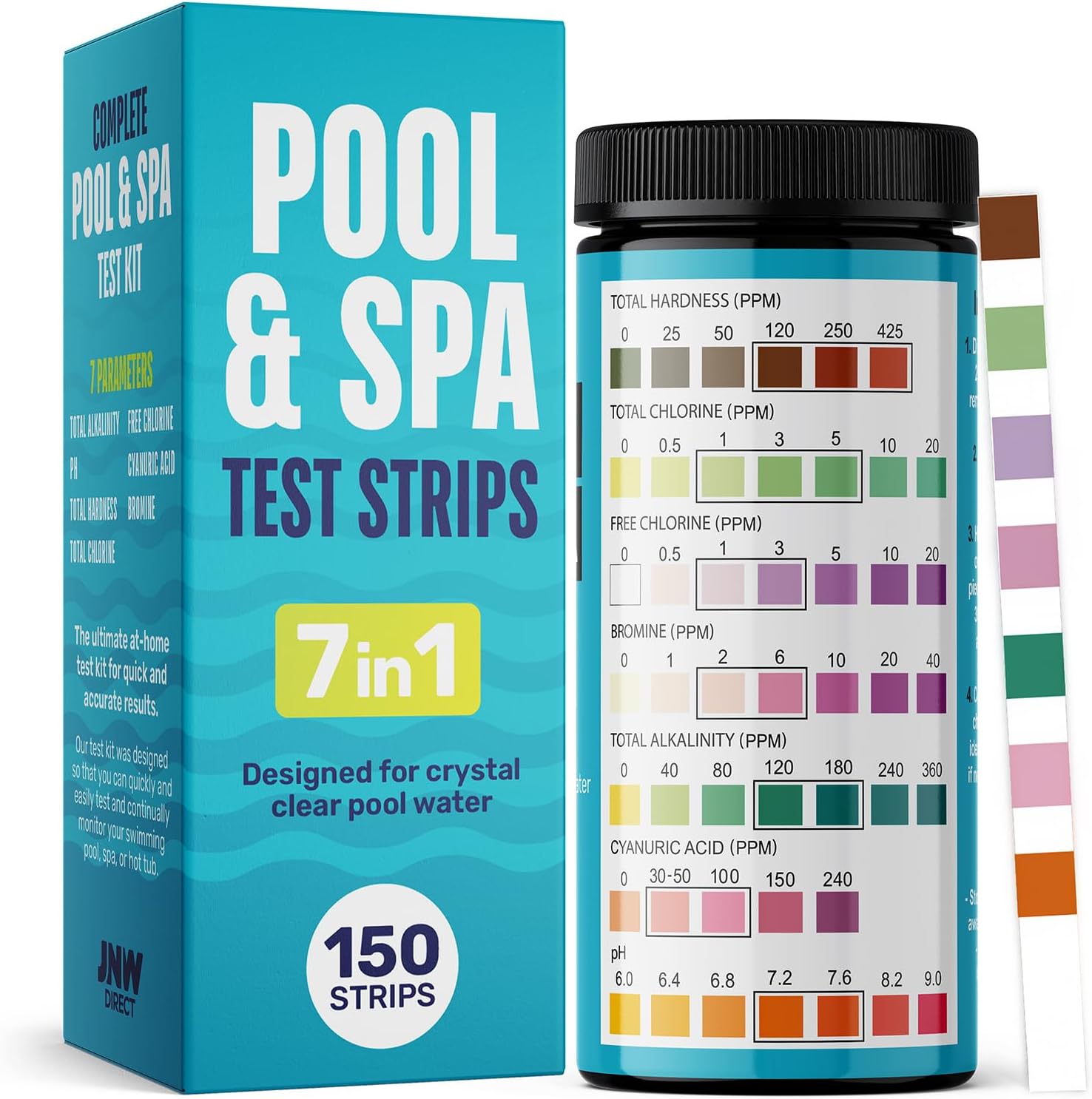
Daily users should test pH at minimum every other day, and ideally before each use. A digital pH meter provides more reliable readings than test strips, which can be difficult to interpret accurately. Keep a supply of pH decreaser (sodium bisulfate or muriatic acid) on hand, as you’ll use it more frequently than casual users.
Total Alkalinity and Calcium Hardness
These parameters don’t change as rapidly with bather load as sanitizer and pH, but they require monitoring. Total alkalinity acts as a pH buffer—if it drifts too low (below 80 ppm), pH will swing wildly with each chemical addition. If too high (above 120 ppm), pH will resist adjustment and tend to drift upward. Test total alkalinity weekly and adjust as needed before addressing pH.
Calcium hardness is particularly important for inflatable hot tubs with vinyl liners. Low calcium (below 150 ppm) can cause water to become aggressive and leach plasticizers from the liner, shortening its lifespan. High calcium (above 400 ppm) causes scale formation on heating elements and cloudy water. Daily users should test calcium hardness biweekly.
Water Replacement Schedule for Heavy Users
The standard recommendation of draining and refilling every 3 months assumes moderate usage. Daily users, particularly those sharing the tub with multiple bathers, may need to replace water every 4-6 weeks. The accumulation of total dissolved solids (TDS)—all the minerals, chemicals, and organic compounds that dissolve in your water over time—eventually reaches a point where water chemistry becomes unmanageable regardless of your efforts.
Signs that water replacement is overdue include: persistent cloudiness despite proper chemistry, difficulty maintaining sanitizer levels, foam that doesn’t dissipate, and an “off” or musty odor. These indicate that TDS has exceeded the water’s capacity to accept additional chemical inputs effectively.
13. Energy Consumption by Usage Frequency
Understanding the energy cost of your hot tub usage frequency allows for informed decisions about temperature settings, cover quality, and seasonal adjustments. Heating water is energetically expensive, and maintaining temperature 24/7 versus heating on demand represents a significant portion of operational costs.
Standby vs. Usage Energy Costs
The majority of a hot tub’s energy consumption—typically 60-75%—goes toward maintaining temperature when the tub is not in use (standby losses). The remaining 25-40% is the energy required to reheat the water after use, when you’ve removed the cover and the water has cooled slightly, plus the energy to run jets and filtration cycles.
For an average 250-gallon inflatable hot tub maintained at 104°F in a moderate climate, standby losses account for approximately 150-250 kWh per month depending on insulation quality and ambient temperature. Each 30-minute use session, including cover-off time and subsequent reheat, adds approximately 3-6 kWh. Thus, using the tub daily rather than twice weekly might increase your monthly energy consumption by 60-120 kWh—roughly $8-16 per month at average U.S. electricity rates.
Temperature Setback Strategies
For daily users, the energy savings from lowering the temperature between uses is minimal because the water doesn’t have time to cool significantly before the next session. The heat capacity of water means that a well-insulated and covered tub loses only 3-8°F overnight depending on ambient conditions. The energy required to reheat from a setback of 10°F is roughly equivalent to the standby losses saved during that period.
However, for users who soak 3-4 times weekly, implementing a setback of 10-15°F between sessions can yield meaningful savings—potentially 15-25% of heating costs. The key is having a programmable thermostat or smart controller that raises the temperature to your preferred setting 2-3 hours before your planned use time.
Cover Quality and Energy Efficiency
The single most impactful energy efficiency measure for any hot tub is a high-quality, well-fitting cover. Heat loss occurs primarily through evaporation and convection at the water surface. A cover with at least 2 inches of dense foam insulation and a tight seal around the edges can reduce standby losses by 50-70% compared to a thin or poorly fitting cover.
Daily users should inspect their cover monthly for water absorption (indicated by unusual heaviness), delamination, or gaps in the seal. A waterlogged cover provides virtually no insulation. If you’re using an inflatable hot tub with the standard inflatable bladder cover, consider adding a layer of rigid foam insulation beneath the cover or investing in an aftermarket thermal cover for substantial energy savings.
14. Seasonal Usage Adjustments
Hot tub usage patterns naturally shift with the seasons, and your maintenance and operational approach should adapt accordingly. Each season presents unique challenges and opportunities for optimizing your hot tub experience.
Spring Usage
Spring brings moderate temperatures and often increased rainfall. For inflatable hot tubs, ensure your setup location has adequate drainage—standing water around the base can damage the tub and create a slipping hazard. Spring pollen can introduce organic material into uncovered water, so minimize the time the cover is off during high-pollen days. This is an excellent season for afternoon soaking, as temperatures are comfortable and evening cool-down promotes good sleep.
Summer Usage
Summer hot tub use requires a mental shift. The idea of soaking in hot water when ambient temperatures are 85°F+ may seem unappealing, but lowering the set temperature to 95-98°F transforms the tub into a refreshing plunge pool that still offers hydrotherapy benefits. Summer is also when bather load peaks due to social gatherings. If you’re hosting, shock the water before and after parties, and consider temporarily increasing sanitizer output to handle the surge in contaminants.
Summer also brings increased UV exposure, which degrades chlorine rapidly. If your tub is in direct sunlight, you may need to add cyanuric acid (stabilizer) to protect chlorine from photodegradation, or use bromine as an alternative. Test sanitizer levels more frequently during summer months.
Autumn Usage
Fall is the season of falling leaves and organic debris. If your hot tub is located near deciduous trees, expect increased filter loading from leaf particles and tannins that can discolor water. A leaf net over the cover can prevent debris from accumulating in folds where it can rot and stain the cover. Autumn is also the time to prepare for winter—inspect seals, check heater function, and ensure your cover is in good condition before cold weather arrives.
Winter Usage (Detailed Below)
Winter deserves its own comprehensive section, as cold-weather hot tub use presents the most significant challenges and the most rewarding experiences.
15. Winter Usage Guide
Winter is arguably the best time to use a hot tub—the contrast between frigid air and warm water creates a uniquely invigorating experience that many owners cite as their favorite aspect of hot tub ownership. However, winter use requires specific preparations and precautions that summer users never consider.
The Winter Heat Loss Challenge
When ambient temperatures drop below freezing, the thermodynamics of hot tub operation shift dramatically. The temperature differential between water and air can exceed 100°F, driving rapid heat loss when the cover is removed. The water surface radiates heat at a rate proportional to the fourth power of the temperature difference (Stefan-Boltzmann law), meaning that uncovered water at 104°F in 20°F air loses heat exponentially faster than the same water in 70°F air.
Compounding this, running the jets accelerates evaporative cooling. The air bubbles introduced by jet systems dramatically increase the water’s surface area and promote evaporation, which is a highly effective cooling mechanism. In winter, extended jet use can drop water temperature by 2-5°F in 20 minutes, forcing the heater to work continuously just to maintain temperature.
To maintain frequency in winter without excessive energy costs, ensure you have a highly insulated model or add thermal wrapping. Rigid foam insulation boards placed beneath and around the tub (where accessible) can significantly reduce heat loss through the walls. For inflatable tubs, the ground beneath is often the greatest source of heat loss—placing the tub on a thick insulating mat or multiple layers of closed-cell foam can dramatically improve heat retention.
Winter Safety Protocols
- Path management: The path between your house and hot tub must be cleared of snow and ice. The contrast between hot water and cold air can cause dizziness upon standing, increasing fall risk. Install handrails along the path if possible, and use ice melt products that won’t damage your tub or deck.
- Cover management: Snow accumulation on the cover adds significant weight. Remove snow promptly after storms. A cover that collapses under snow load can damage the tub structure and create a drowning hazard if children or pets access the sagging cover.
- Exit strategy: Have a robe, towel, and slip-on footwear immediately accessible. In sub-freezing temperatures, wet skin can begin freezing within minutes. A heated towel warmer near the tub exit is a worthwhile luxury for winter users.
- Freeze protection: Most modern tubs have automatic freeze protection that circulates water when temperatures drop below a set point. Verify this feature is functioning before winter arrives. If power fails during a freeze event, you have limited time (hours, not days) before water in pipes and pumps begins to freeze and cause catastrophic damage.
- Ice hazard: Water splashed onto surrounding surfaces will freeze. Be aware of ice formation on decking, steps, and the tub’s exterior shell. Keep a bucket of sand or ice melt nearby.
Winter Chemical Considerations
Cold air holds less moisture, and the dry winter air can accelerate evaporation from your tub when the cover is off. This concentrates dissolved solids and can cause pH drift. Additionally, the cold can affect chemical test kit accuracy—store test reagents indoors and bring them out only for testing. Test strips and liquid reagents can give inaccurate readings when cold.
16. Water Conservation Strategies
Hot tub water management involves balancing water quality with environmental responsibility. The water in your tub isn’t just water—it’s a carefully maintained chemical solution that requires responsible disposal. Frequent water changes for heavy users can consume thousands of gallons annually, making conservation strategies both environmentally and economically valuable.
Extending Water Life
The primary strategies for extending the interval between water changes include:
- Pre-soak showering: Removing lotions, deodorants, and surface contaminants before entry reduces the organic load introduced to the water. This single practice can extend water life by 25-40%.
- Scum absorption: Floating oil-absorbing sponges capture hydrophobic contaminants before they dissolve or emulsify into the water.
- Enzyme treatments: Weekly enzyme products break down organic compounds that sanitizers struggle to oxidize, reducing combined chlorine levels and extending water clarity.
- Filter maintenance: Clean or replace filters on schedule. A clogged filter reduces circulation, creating dead zones where contaminants accumulate.
- Ozone or UV supplementation: Supplemental oxidation systems reduce the chemical demand on your primary sanitizer and can significantly extend water life.
Responsible Water Disposal
When water change is necessary, dispose of the water responsibly. Hot tub water contains chemicals that can harm aquatic ecosystems and plants. Chlorine and bromine can be neutralized by allowing the water to sit uncovered for 24-48 hours (sunlight degrades chlorine; bromine requires longer or chemical neutralization). After neutralization, water can typically be discharged onto lawns or landscaping, but check local regulations—some municipalities classify hot tub water as wastewater requiring sewer discharge.
Never discharge hot tub water directly into storm drains, which often flow untreated into natural waterways. The salt content, even in freshwater tubs, can harm freshwater ecosystems. If you must discharge to a storm drain, use a dechlorination product and ensure the water has cooled to ambient temperature first.
17. Usage Patterns: Inflatable vs. Permanent Hot Tubs
The type of hot tub you own significantly influences optimal usage patterns. Inflatable and permanent (acrylic/roto-molded) hot tubs have different heating capabilities, insulation properties, and durability characteristics that affect how frequently they should be used.
Inflatable Hot Tubs
Inflatable hot tubs are designed for moderate, recreational use. Their heaters typically output 1,000-1,500 watts, compared to 4,000-6,000 watts for permanent tubs. This lower heating capacity means inflatable tubs heat more slowly and lose temperature more rapidly when the cover is removed. Daily users of inflatable tubs may find that water temperature drops significantly during winter sessions, and the heater may struggle to maintain temperature if sessions exceed 20-30 minutes.
For inflatable tubs used daily, consider these adjustments: set the temperature 2-3°F higher than your target before use, limit jet run time during cold weather, and invest in supplemental insulation (thermal ground mats, reflective bubble wrap around the exterior). The inflatable walls of these tubs provide less insulation than the rigid foam-insulated shells of permanent tubs, making them more susceptible to ambient temperature influence.
Despite these limitations, inflatable tubs remain excellent for daily use in moderate climates and during warmer seasons. Their lower initial cost means the value proposition for daily use is actually stronger—you’re extracting more value per dollar invested.
Permanent Hot Tubs
Permanent hot tubs are engineered for frequent, year-round use. Their superior insulation, more powerful heaters, and often larger water volume make them more temperature-stable during use. Daily soaking in a permanent tub is the expected usage pattern, and these systems are designed to handle the associated bather load with larger filters, more powerful circulation pumps, and often integrated sanitation systems.
The primary consideration for daily use of permanent tubs is the higher initial investment, which makes energy efficiency particularly important for long-term cost management. The better insulation of permanent tubs reduces standby losses, but the larger water volume requires more energy for initial heating. For daily users, the energy cost per use decreases as usage frequency increases, because standby losses are amortized across more sessions.
| Feature | Inflatable Hot Tub | Permanent Hot Tub |
|---|---|---|
| Heater Output | 1,000-1,500 watts | 4,000-6,000 watts |
| Insulation Quality | Moderate (inflatable walls) | High (rigid foam shell) |
| Daily Use Suitability | Good in mild climates; challenging in winter | Excellent year-round |
| Filter Capacity | Smaller cartridges; more frequent changes | Larger filters; less frequent maintenance |
| Energy Cost per Use | Lower absolute cost; higher relative loss | Higher absolute cost; lower relative loss |
18. Social and Partner Usage Guidelines
Hot tubs are inherently social, and many owners derive as much pleasure from shared soaking as from solitary relaxation. However, group use introduces variables that solo soakers never encounter, from dramatically increased bather load to interpersonal dynamics that can affect safety.
Bather Load Mathematics
The impact of additional bathers on water chemistry is not linear—it’s exponential. Two bathers introduce more than twice the contaminants of one bather because the social nature of group soaking typically extends session duration and increases activity level (and thus sweat production). A general guideline:
- 1-2 bathers: Standard post-use sanitizer supplementation as described in Section 12.
- 3-4 bathers: Double the standard post-use sanitizer dose. Shock the water after the session or the following morning.
- 5+ bathers: Shock immediately after the session concludes. Consider this “party use” that may require a mid-session sanitizer check and the water may need replacing sooner than scheduled.
Safety in Numbers
Never soak alone if you have medical conditions that could cause sudden incapacitation. The buddy system is genuinely life-saving for individuals with seizure disorders, significant cardiac conditions, or severe diabetes. Even for healthy adults, late-night solo soaking carries elevated risk—fatigue, alcohol, and hot water are a dangerous combination.
Hot Tub Etiquette for Guests
Establish clear expectations for guests to protect both your water quality and your relationships:
- Pre-use shower: Require guests to rinse off before entering. Provide a basket of clean towels and a designated rinse-off area.
- No glass containers: Broken glass in or around a hot tub is extremely dangerous and nearly impossible to fully remove from the water.
- Food and drink policy: Spills introduce organic material and sugars that feed bacteria. Designate a “drink shelf” away from the water’s edge.
- Swimwear considerations: Ask guests to avoid freshly laundered swimsuits that haven’t been rinsed—residual detergent causes foam outbreaks. Suits worn in lakes or oceans should be thoroughly rinsed to avoid introducing algae or bacteria.
- Time limits for groups: Social sessions tend to extend beyond safe durations. Set a timer or casually announce a “cooling break” after 15-20 minutes.
19. Warranty and Insurance Implications
Warranty Considerations for Heavy Use
Most hot tub manufacturers design their products for regular use, but the definition of “regular” varies. Review your warranty documentation carefully—some manufacturers include clauses about “normal residential use” that could theoretically exclude commercial-level frequency (multiple daily sessions with high bather loads). While individual daily use is universally considered normal, using your tub as the centerpiece of a rental property or running it essentially continuously might fall outside warranty terms.
Document your maintenance practices. In the event of a warranty claim for heater failure, pump burnout, or liner degradation, having records of water testing, chemical balancing, and filter changes demonstrates responsible ownership and strengthens your claim that any failure is due to a manufacturing defect rather than neglect.
Homeowners Insurance and Liability
A hot tub is classified as an “attractive nuisance” in insurance terms—a feature that may attract children and create liability exposure. Most homeowners insurance policies cover hot tubs as part of the general liability protection, but you should verify this with your agent. Some policies require specific safety features:
- Locking cover: Many insurers require a lockable, weight-bearing safety cover that meets ASTM standards. The inflatable covers on many portable tubs may not satisfy this requirement.
- Fencing: Some jurisdictions and insurers require the hot tub to be within a fenced area with a self-latching gate, similar to pool requirements.
- GFCI protection: Ground-fault circuit interrupter protection is required by electrical code for all hot tub installations. Verify it’s functioning properly.
- Disclosure: Inform your insurance company that you own a hot tub. Failure to disclose can result in claim denial even for unrelated incidents.
Consider an umbrella liability policy if you host guests frequently. The additional $1-2 million in coverage is typically inexpensive ($200-400 annually) and provides substantial protection against the unlikely but catastrophic event of a guest injury or drowning.
20. Must-Have Gear for Frequent Users
To make daily soaking sustainable, you need to automate your testing and cleaning. The following tools represent the essential equipment that separates struggling tub owners from those who maintain crystal-clear water with minimal effort.

Apera Instruments PH20 Value pH Meter
Frequent use causes pH fluctuation. Stop squinting at color strips—this digital reader gives you an exact number in seconds, ensuring your water isn’t acidic. Daily users particularly benefit from the speed and accuracy of digital testing, as pH management becomes a near-daily task.
Check Price on AmazonRelated: Best Digital Water Testers Guide

Intex Rechargeable Handheld Vacuum
Debris settles on the bottom after every use. This handheld vacuum allows you to spot-clean the floor in 30 seconds without draining the water. For daily users, small debris accumulation happens faster than you’d expect, and this tool makes removal effortless.
Check Price on AmazonRelated: Best Hot Tub Vacuums for 2025
Conclusion: Your Hot Tub, Your Rhythm
Ultimately, your hot tub is there to serve you. Whether you use it daily for therapy, weekly for social connection, or seasonally for winter enjoyment, the key is staying ahead of the maintenance curve and listening to your body’s signals. The science is clear: consistent, moderate hot tub use at appropriate temperatures offers cumulative health benefits that occasional use cannot match. But those benefits depend entirely on safe practices, proper water chemistry, and respect for the physiological demands that heat immersion places on your body.
Start with the frequency that feels right for your lifestyle and health goals. Adjust based on how your body responds and how your maintenance routine holds up. The optimal routine is the one you can sustain consistently—because a hot tub that’s too complicated to maintain won’t be used, and a hot tub that isn’t used is just an expensive water container.
If you are looking to upgrade your setup for the new year, don’t miss our flagship comparison: The Best Inflatable Hot Tubs of 2025.
Final Safety Reminder
Hot tubs are wonderful tools for health and relaxation, but they demand respect. Never underestimate the effects of heat, dehydration, and alcohol in combination. Always supervise children around water. Listen to your body—if you feel uncomfortable, exit immediately. The water will be there tomorrow, and building a sustainable, safe routine is far better than pushing limits and experiencing a preventable adverse event.