Are 110v Hot Tubs Any Good? The Brutally Honest Truth
The allure of a hot tub is universal—steam rising into the night air, warm water soothing tired muscles, and the promise of relaxation right in your backyard. But for many homeowners, the dream hits a wall when they see the electrical requirements of a traditional spa. Enter the 110v hot tub, often called a “Plug and Play” spa.
But skepticism remains. Can a hot tub that plugs into the same outlet as your toaster actually get hot enough? Is the jet pressure weak? Are you just buying a glorified kiddie pool with a heater?
The short answer is: Yes, 110v hot tubs are surprisingly good, provided you understand their limitations. They have democratized hydrotherapy, making it accessible to renters and budget-conscious buyers. However, they are not a direct replacement for a high-powered 220v system.
In this comprehensive guide, we will break down exactly how these tubs work, the pros and cons, and help you decide if a 110v model is the right choice for your lifestyle.
What Exactly Is a 110v “Plug and Play” Hot Tub?
A 110v hot tub is designed to operate on a standard household electrical circuit (in North America). Unlike traditional 220v spas that require a dedicated 50-60 amp breaker and professional hardwiring by an electrician, a 110v tub comes with a GFCI cord that you simply plug into a regular grounded outlet.
This category includes almost all blow-up hot tubs (inflatables) and many entry-level acrylic or roto-molded hard-shell spas. The convenience is unmatched, but the power draw is limited.
Because the tub is limited to roughly 15 amps, it has to manage its resources carefully. You might be wondering how many amps a hot tub uses—in a 110v scenario, the heater and the high-speed pump generally cannot run at the same time. This is the fundamental trade-off.

Simplicity in Design
No drilling, no wiring, no electricians. Just plug it in.
Check Top Rated 110v Tubs on AmazonThe Major Advantages: Why Choose 110v?
There is a reason these tubs are flying off the shelves. For the average user, the benefits often outweigh the raw power difference.
1. Zero Installation Hassle
Installing a 220v hot tub involves hiring an electrician to run heavy-gauge wire from your main breaker panel to a sub-panel near the tub. This can cost anywhere from $800 to $2,500 depending on the distance. With a 110v tub, your installation cost is $0. You just need to know how to set up an inflatable hot tub or position your hard-shell tub near an outlet.
2. Ultimate Portability
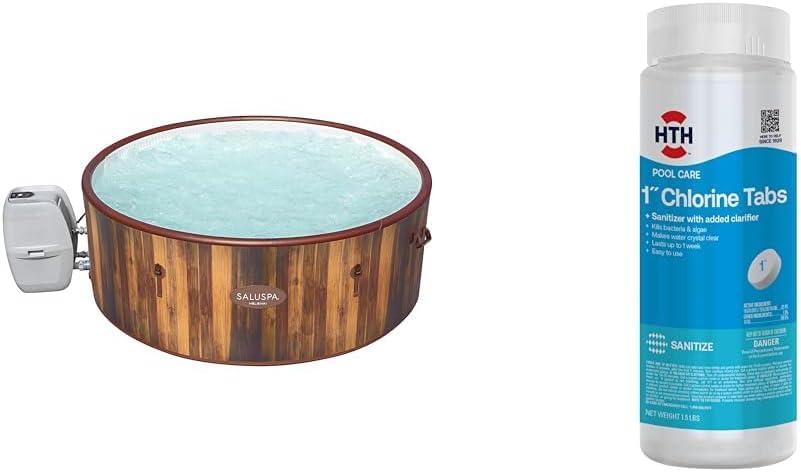
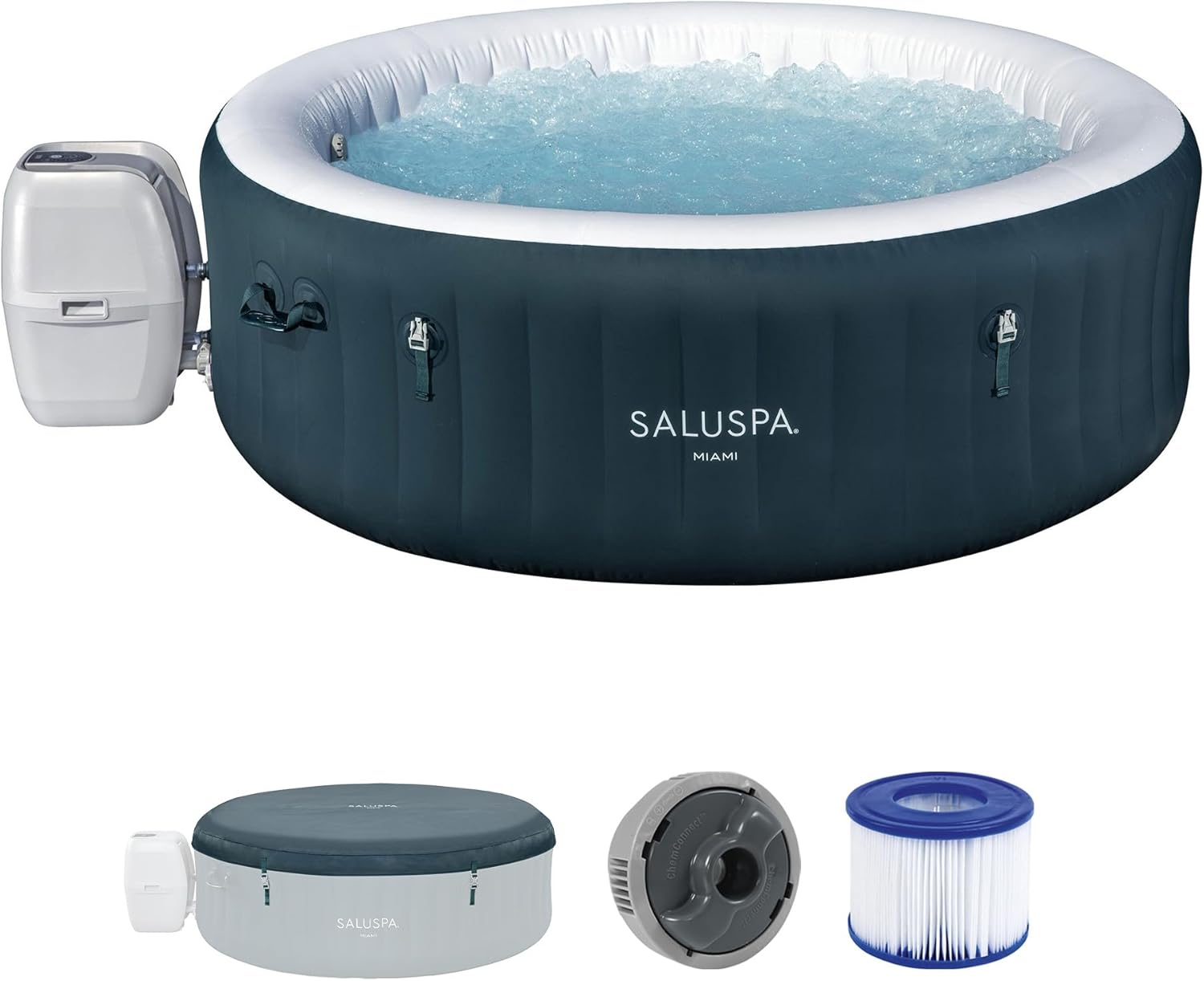
Since they aren’t hardwired, you can unplug them and take them with you. This makes 110v tubs the only option for renters. If you buy a model like the Bestway SaluSpa Miami, you can pack it into a box and move it to a new apartment or store it in the garage during winter.
3. Lower Upfront Cost
The manufacturing complexity is lower for 110v systems. You can find high-quality inflatable options for under $500, and solid hard-shell “plug and play” tubs for under $3,000. Read more about value in our article: Are inflatable hot tubs worth it?
The Limitations: The “Cold Hard” Truth
While we love them, we have to be honest. If you expect a 110v tub to perform exactly like the commercial Jacuzzi at your local gym, you will be disappointed.
1. The Heater/Pump Compromise
On a 110v circuit, there isn’t enough electricity to power a 1000W heater and a high-powered jet pump simultaneously.
The result: When you turn the bubbles on, the heater usually turns off.
This means the water will slowly cool down while you soak. In summer, this doesn’t matter. But if you are wondering can you use an inflatable hot tub in the winter, this is the biggest hurdle. The water might drop from 104°F to 100°F over a 20-30 minute session in freezing air.
2. Slower Heating Times
A 220v tub with a 4kW heater can raise water temperature by 6-8 degrees per hour. A 110v tub with a 1kW heater typically manages 1-3 degrees per hour. If you fill your tub with cold hose water, you are looking at a 24-hour wait before it’s ready. This requires planning.
3. Jet Power
Most 110v tubs, especially inflatables, rely on “AirJets” (blowers) rather than “HydroJets” (water pumps). While relaxing, they don’t offer the deep-tissue massage of a high-voltage system. However, for general aches, learning how hot tubs help with arthritis shows that heat is the primary healer, not just jet pressure.
Head-to-Head: 110v vs. 220v Hot Tubs
| Feature | 110v (Plug & Play) | 220v (Hardwired) |
|---|---|---|
| Installation Cost | $0 (DIY) | $800 – $2,500 (Electrician) |
| Heater Power | 1.0 kW – 1.5 kW | 4.0 kW – 5.5 kW |
| Heat Up Speed | 1-3°F per hour | 6-8°F per hour |
| Simultaneous Heat & Jets | Rarely (Usually one or other) | Yes (Always) |
| Portability | High (Moveable) | Low (Permanent) |
| Jet Strength | Gentle / Bubbles | Strong / Massage |
Performance Analysis: Do They Get Hot Enough?
Yes. Both 110v and 220v tubs are generally capped at 104°F (40°C) for safety. A 110v tub will get just as hot as a 220v tub; it just takes longer to get there.
To maximize performance, insulation is key. Since the heater is smaller, you need to trap that heat effectively. We highly recommend upgrading your setup with the best hot tub covers available. A thicker cover means the heater works less, saving you money.
What About Energy Costs?
A common myth is that 110v tubs are energy hogs because they run longer to heat up. While true that the heater runs longer, the wattage is lower. The real cost driver is insulation. An inflatable 110v tub will cost more to run than a well-insulated 220v tub simply because it loses heat faster through the thin walls. Check our detailed breakdown: Do inflatable hot tubs use a lot of electricity?

Pro Tip: Insulate!
Using a thermal blanket or upgraded cover is the #1 way to make a 110v tub efficient.
Shop Thermal AccessoriesMaintenance: Is It Easier?
The maintenance routine for a 110v tub is virtually identical to a larger spa. Water chemistry doesn’t care about voltage. You still need to manage pH, alkalinity, and sanitizer levels.
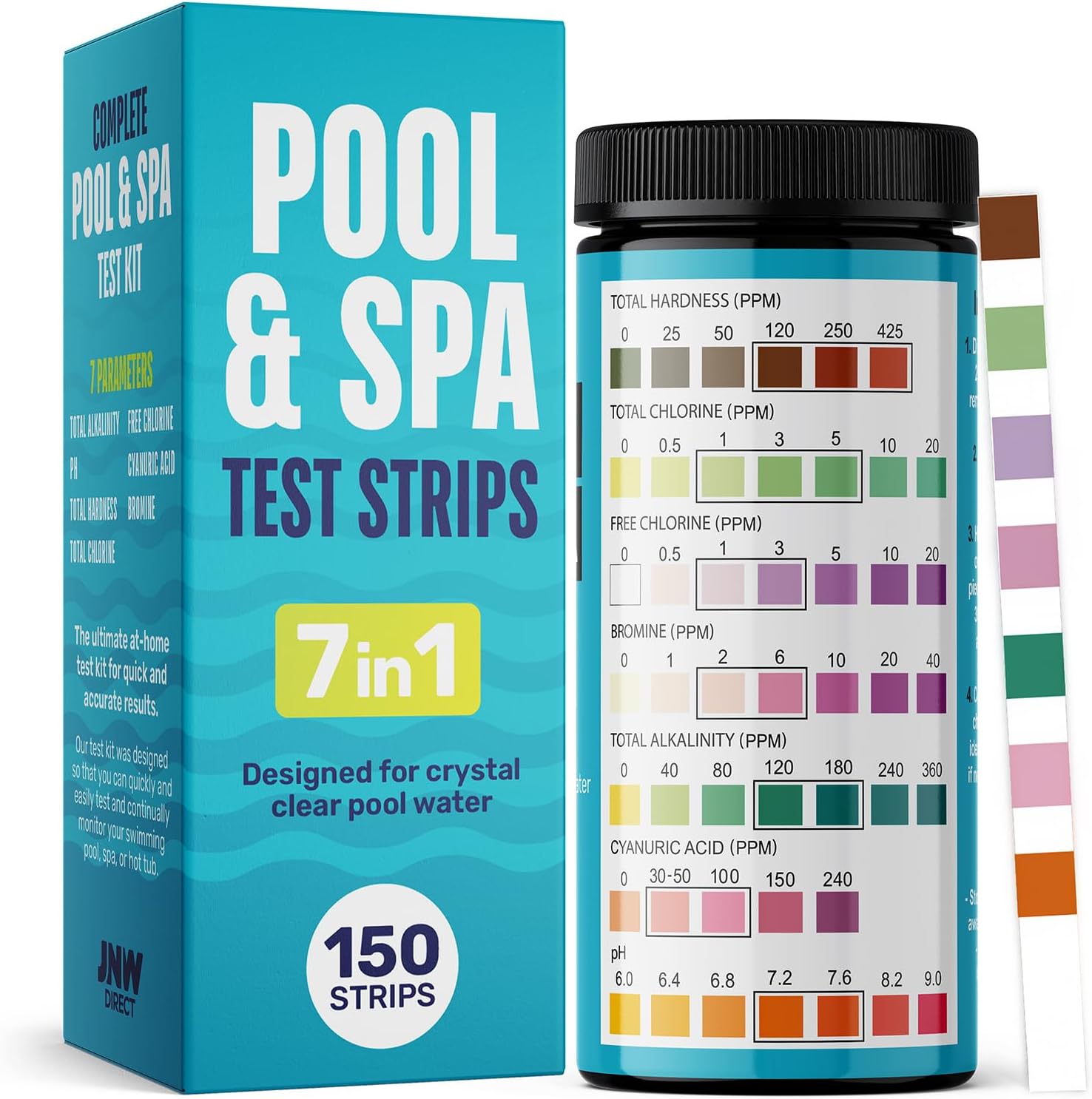
- Testing: You need a reliable kit. See our review of the best hot tub water testers.
- Filtration: The smaller pumps on 110v tubs mean you shouldn’t neglect the filters. Dirty filters strain the pump. Learn how often to replace hot tub filters to avoid error codes.
- Cleaning: Because the filtration turnover is slower, you might need to vacuum debris manually more often. Check out the best hot tub vacuums for this task.
If the water gets funky, don’t panic. Read our guide on why hot tub water gets cloudy to troubleshoot.
Top Rated 110v Hot Tubs for 2025
If you’ve decided that a Plug and Play spa is right for you, here are the heavy hitters in the market.
1. The Inflatable Champion: Coleman SaluSpa
The Coleman series is the gold standard for durability and price. They hold heat well for an inflatable and are incredibly easy to set up. Read our full Coleman SaluSpa review.
2. The Tech-Forward Pick: Intex PureSpa
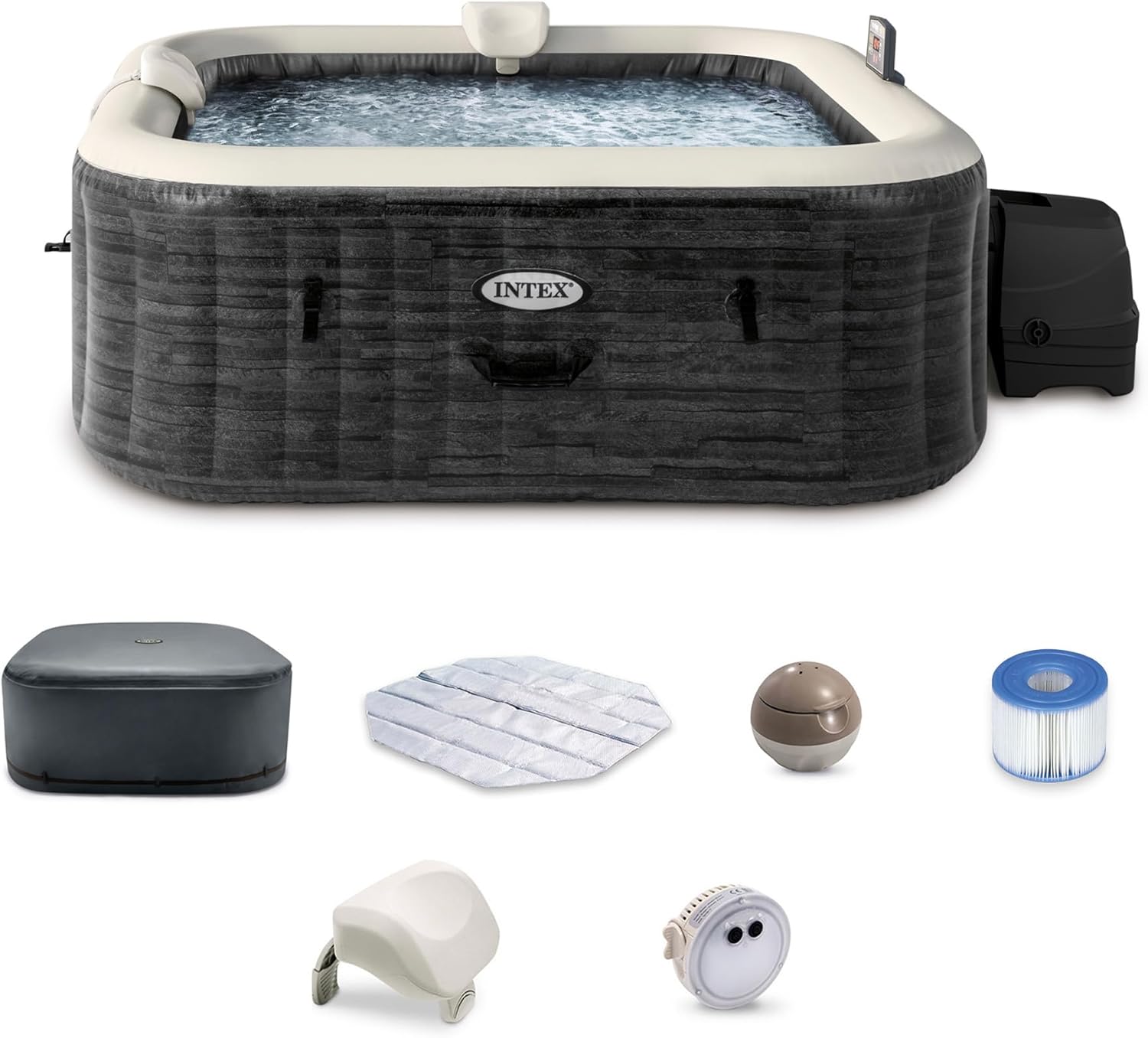
Intex uses “Fiber-Tech” construction which makes the walls very rigid. They also often include hard water treatment systems built-in. See how it stacks up in our Intex vs Coleman comparison.
3. The Winter Warrior
If you plan to use a 110v tub in the snow, you need a model with Freeze Shield technology to prevent the pump from icing over. Check our list of the best inflatable hot tubs for winter.

Our Top Pick: Coleman SaluSpa
Reliable, affordable, and easy to maintain. The best entry into 110v hot tubbing.
See Price on AmazonSummary: Pros and Cons
✅ The Pros
- No electrician required (Plug & Play).
- Significant cost savings upfront.
- Portable (perfect for renters).
- Sufficient heat (104°F) for soaking.
- Easy DIY maintenance.
❌ The Cons
- Slow heating recovery time.
- Heater usually turns off when jets run.
- Less powerful “massage” action.
- Struggles in sub-zero temperatures.
Frequently Asked Questions
No. Most manufacturers strictly forbid this. Extension cords can cause voltage drops that damage the pump motor or lead to overheating and fire hazards. Plug directly into the wall outlet.
Filling takes 1-2 hours depending on water pressure. Heating is the long part. At 2°F per hour, raising water from 60°F to 104°F can take 20-24 hours. See how it works here.
For heat therapy (soaking), yes, they are excellent. For hydrotherapy (massage), they are weaker than 220v tubs. However, many find the bubbles sufficient for stress relief. Read are hot tubs healthy for you.
Some hard-shell “convertible” hot tubs allow this with a simple wiring change and a dip switch adjustment on the board. However, inflatable hot tubs (like Coleman or Intex) cannot be converted.
Absolutely. The voltage doesn’t change the biology. You must use sanitizer (chlorine/bromine) and shock. Without it, you risk biofilm buildup.
Final Verdict: Are They Worth It?
So, are 110v hot tubs any good?
If you are looking for a convenient, affordable way to relax at the end of the day, absolutely. They provide the core experience of hot tubbing—hot water and relaxation—without the headache of construction crews and electrical permits. They are perfect for first-time owners, families, and anyone renting their home.
However, if you live in an extremely cold climate and demand high-pressure massage jets while maintaining temperature for hour-long soaks, you might find a 110v system lacking. In that case, saving up for a 220v installation is the better long-term play.
For the vast majority of people, however, a 110v Plug and Play spa is the “good enough” solution that turns a boring backyard into a private oasis.