Are Hot Tubs Heated by Gas or Electric? The Definitive Guide
When you envision owning a hot tub, you likely picture the relaxation, the hydrotherapy, and the social gatherings. What you might not picture immediately is the utility bill or the mechanics behind the heat. A common question for prospective buyers is: Are hot tubs heated by gas or electric?
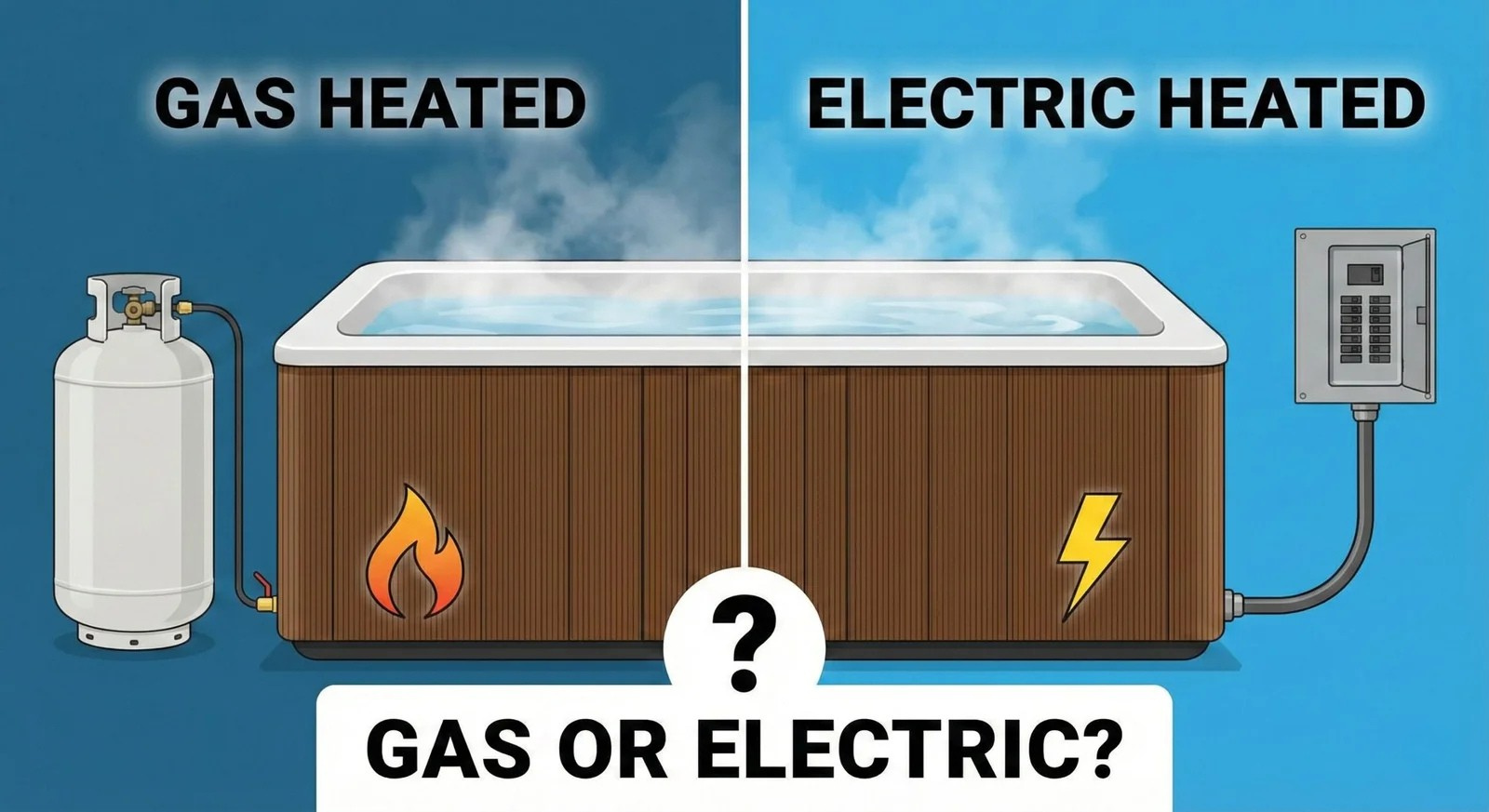
The short answer is both exist, but they serve very different purposes.
In the modern market, the vast majority of portable spas (including hard-shell and inflatable models) are electric. They are designed for “plug-and-play” convenience or straightforward hardwiring. Gas heaters (using natural gas or propane) are typically reserved for in-ground spas attached to swimming pools or custom permanent installations.
Choosing between the two involves balancing installation costs, heating speed, and monthly efficiency. In this guide, we will break down the mechanics of both systems, compare their running costs, and helping you decide which heating method fits your lifestyle.
Electric Hot Tubs: The Modern Standard
If you walk into a showroom or buy a spa online, you are almost certainly looking at an electric hot tub. These units use a resistance heater—similar to the element in your kettle or electric oven—to warm the water as it circulates through the pump system.
How Electric Heating Works
Water is drawn from the tub, pushed through a filter, passed over a metal heating element (usually 1kW to 5.5kW), and returned to the tub. This process is slow and steady. Because electricity powers the pumps, lights, and control panel, it makes sense for the heater to be electric as well.
There are two main categories of electric supply for these tubs:
- 110v (Plug-and-Play): These plug into a standard wall outlet. They are convenient but limited in power. We discuss this in depth in our article are 110v hot tubs any good?.
- 220v (Hardwired): These require an electrician to install a dedicated circuit. They heat faster and can run high-powered jets and the heater simultaneously.
The “Inflatable” Factor
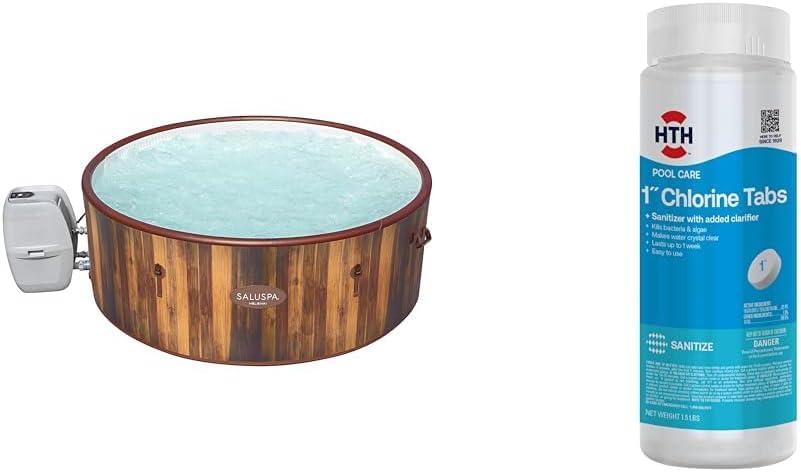
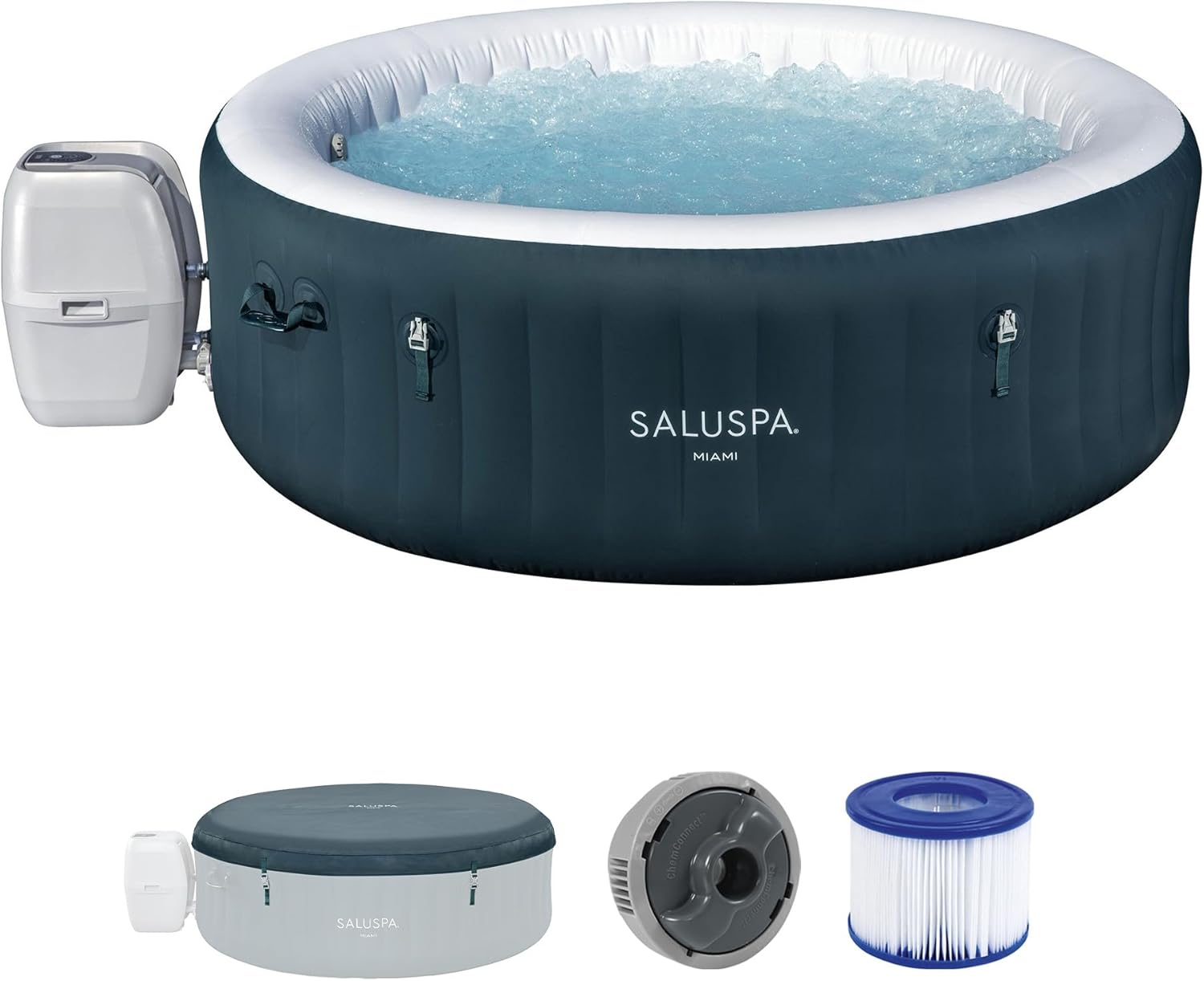
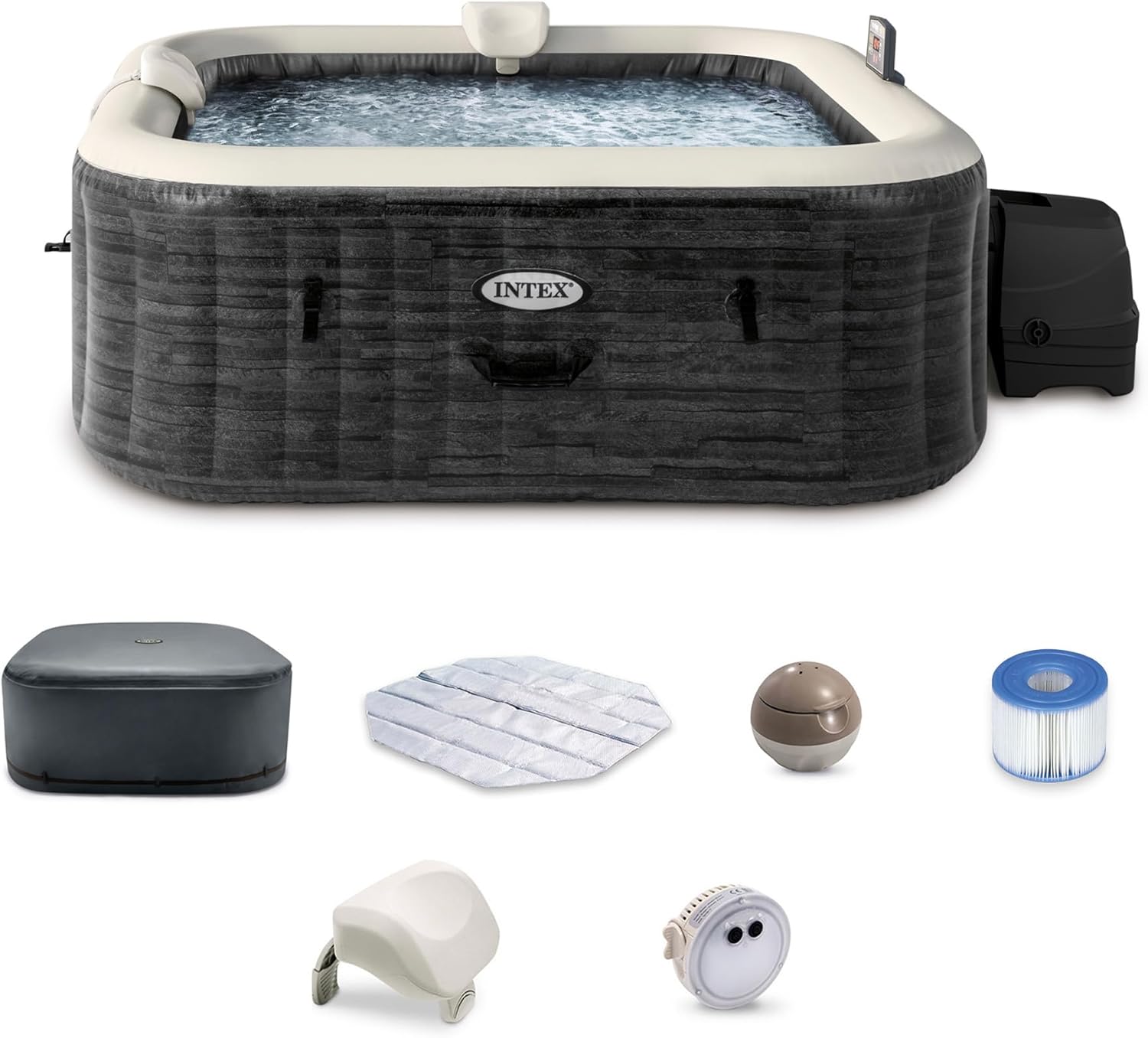
If you are looking at inflatable models, you do not have a choice. All inflatable hot tubs are electric. Whether you choose a Coleman or an Intex, they utilize a compact external pump unit that plugs into a standard outlet. For a deeper look at how these specific units function, read how does an inflatable hot tub work.

Top Rated Electric Inflatable: Intex PureSpa
Reliable electric heating with Fiber-Tech construction for durability.
Check Price on AmazonGas Hot Tubs: The Speed Demons
Gas hot tubs burn either natural gas (piped from your home) or liquid propane (from a tank) to heat a combustion chamber. Copper coils carrying the spa water wrap around this chamber, transferring heat rapidly.
When is Gas Used?
You will rarely find a portable gas hot tub. Gas heaters are bulky, require exhaust venting, and need gas lines. Therefore, they are almost exclusively found in:
- In-ground concrete spas (often connected to a pool system).
- Custom-built wooden hot tubs.
- Remote locations where electricity is scarce but propane tanks are available.
The Speed Advantage
The primary selling point of gas is speed. An electric heater might raise the temperature by 1–3°F per hour. A gas heater can raise it by 1-2°F per minute. This makes gas ideal for people who don’t want to keep their tub hot 24/7 but want to heat it up spontaneously for a Friday night soak.
Head-to-Head: Gas vs. Electric
Let’s compare the two methods across the most critical categories.
| Feature | Electric Heat | Gas Heat (Natural/Propane) |
|---|---|---|
| Upfront Cost | Low (Included in spa price) | High (Heater + Gas Lines + Venting) |
| Installation | Easy (Plug in or Wire) | Complex (Plumber required) |
| Heating Speed | Slow (1-5°F per hour) | Fast (15-30°F per hour) |
| Maintenance | Low (Heating element replacement) | Moderate (Burner cleaning/Ignition) |
| Efficiency | 100% efficient (energy to heat) | 80-95% efficient (some heat lost) |
| Best For | Maintaining constant temp | Occasional, rapid use |
Running Costs: Which is Cheaper?
This is where it gets tricky. The answer depends entirely on your local utility rates.
Electric Costs
Electric heaters are 100% efficient, meaning every kilowatt of electricity purchased turns into heat. However, electricity is generally more expensive per unit of energy than natural gas. If you keep your electric tub running 24/7 (which is recommended for efficiency), monthly costs can range from $20 to $100 depending on insulation and climate.
For a detailed breakdown of electric consumption, specifically for portable models, check our guide: Do inflatable hot tubs use a lot of electricity?
Gas Costs
Natural gas is often cheaper than electricity for the same amount of thermal energy. However, gas heaters are not 100% efficient; some heat escapes through the exhaust flue. Despite this, heating a large volume of water from cold to hot is usually cheaper with gas.
The Verdict on Cost:
- If you keep the tub hot all the time: Electric is usually more cost-effective because maintaining temperature requires low, steady energy input.
- If you use the tub once a week and heat it from cold: Gas is cheaper and significantly faster.
Pros and Cons Comparison
⚡ Electric: The Pros
- Standard for 99% of portable spas.
- No complex plumbing or gas lines needed.
- Silent operation.
- Maintains steady temperature efficiently.
- Cheaper upfront purchase price.
⚡ Electric: The Cons
- Very slow to heat up (can take 24 hours to fill and heat).
- Monthly bills can spike in winter.
- Depending on amps, heater may turn off when jets are on (see how many amps a hot tub uses).
🔥 Gas: The Pros
- Incredibly fast heating speed.
- Often lower operational cost per BTU.
- Heats effectively regardless of outside temperature.
- Great for large in-ground pools/spas.
🔥 Gas: The Cons
- Expensive and complex installation.
- Requires ventilation (cannot be indoors easily).
- More mechanical parts to fail (igniters, valves).
- Not portable.

Save Money Regardless of Fuel Type
Whether gas or electric, heat loss is the enemy. Use a thermal blanket to cut costs.
Check Price on AmazonThe Winter Factor: Why It Matters
If you live in a cold climate, the heating method becomes critical. In freezing temperatures, electric heaters (especially 110v plug-and-play models) can struggle to maintain temperature while the tub is in use. The cold air cools the water faster than the small electric element can heat it.
If you plan to do serious winter soaking, you need to ensure your electric tub is well-insulated. If you are using an inflatable, you must check out our list of the best inflatable hot tubs for winter which feature Freeze Shield technology.
Gas heaters have no such issue. Their immense power output can keep a tub boiling hot even in the middle of a blizzard. However, for most users, simply upgrading their electric tub’s insulation with high-quality covers and thermal hot tub pads is sufficient.
A Note on Inflatable Hot Tubs
Since many of our readers are interested in portable options like the Coleman SaluSpa or the Intex PureSpa, it is important to reiterate: You cannot convert these to gas.
The control units on inflatable tubs are integrated systems containing the pump, blower, and electric heater in one housing. They are designed for simplicity. Attempting to rig a propane heater to these vinyl tubs is dangerous and will melt the liner.
If you want the portability of an inflatable but are worried about the electric bill, your best strategy is maintenance efficiency:
- Clean your filters regularly (see guide).
- Keep the chemical balance in check to prevent scale buildup on the heater.
- Use scum absorbers to keep the lines clean.
The Third Option Nobody Mentions: Heat Pump Hot Tubs
Most buyers assume the choice begins and ends at gas versus electric resistance heating, but a growing category of spas uses a fundamentally different mechanism: the heat pump. Rather than generating heat directly from an element or a flame, a heat pump extracts ambient heat from the surrounding air and transfers it into the spa water, similar to how a refrigerator moves heat in reverse.
The appeal is efficiency. A resistance element converts electricity to heat at roughly a 1:1 ratio, meaning one kilowatt of electricity produces one kilowatt of heat. A heat pump, by contrast, can move three to five kilowatts of heat for every kilowatt of electricity consumed, since it’s relocating existing thermal energy rather than creating it from scratch. This efficiency multiplier (commonly expressed as a Coefficient of Performance, or COP) is why heat pump water heating has become standard in the swimming pool industry and is now migrating into premium hot tub models.
The tradeoff is speed and climate dependency. Heat pumps struggle in cold ambient air, since there’s simply less heat available in the surrounding atmosphere to extract; performance drops noticeably once outdoor temperatures fall below roughly 45–50°F, and many units stop functioning effectively below freezing. This makes heat pumps an excellent match for temperate or warm climates where the tub runs most of the year, but a poor standalone choice for anyone in a harsh winter region who wants year-round use, unless paired with a backup resistance element for cold snaps.
Heat pump units are also physically larger than a standard electric element, since they include a compressor, a fan, and refrigerant coils, and they introduce a low mechanical hum from the fan that’s distinct from the near-silent operation of a resistance heater. For buyers prioritizing long-term running costs over upfront simplicity, especially in mild climates, a heat-pump-equipped spa can meaningfully undercut both traditional electric and gas heating costs over several years of ownership, even though the initial unit price is typically higher.
Wood-Fired Hot Tubs: The Off-Grid Alternative
For a genuinely off-grid option, wood-fired hot tubs occupy a small but dedicated niche, particularly among cabin owners, homesteaders, and anyone drawn to a more rustic, low-tech soaking experience.
These tubs typically use one of two configurations: an internal firebox submerged directly in the water (common in traditional Scandinavian and Eastern European designs) or an external wood-burning stove connected via inlet and outlet pipes, with natural convection or a small pump circulating water through the firebox. Either way, the fire heats the water directly, with no electricity required for the heating function itself, though a small pump is sometimes added for circulation.
Heating time is the major drawback: a cold wood-fired tub typically takes 2 to 4 hours to reach soaking temperature, requiring active fire-tending throughout, unlike the passive, walk-away nature of electric or gas heating. Wood-fired tubs also require a steady supply of dry firewood, regular ash cleanout, and more hands-on attention overall, appealing to owners who see the ritual of building and tending a fire as part of the relaxation experience rather than a chore to avoid.
Running costs are essentially the price of firewood, which in many rural areas is negligible if the owner has access to their own woodlot, making this the cheapest possible heating method in terms of pure energy cost, if not in terms of time investment. Safety-wise, submerged-firebox designs require a protective barrier or grate to prevent bathers from contacting the hot metal directly, and all wood-fired designs need adequate clearance from structures and dry vegetation given the open-flame element.
Solar-Assisted Heating: A Supplemental Strategy
Solar heating is rarely a standalone solution for hot tubs, since panel-generated heat alone typically can’t reach or maintain the 100–104°F range reliably, especially overnight or during cloudy stretches. It’s better understood as a supplemental strategy that reduces the workload on a primary electric or gas heater rather than replacing it outright.
The most common residential approach uses a solar water heating panel (either a dedicated glycol-loop system or a simpler black-tubing solar mat) plumbed inline before the water reaches the tub’s primary heater. On sunny days, this pre-warms incoming water, meaningfully reducing the electric heater’s workload and, by extension, its energy consumption over a billing cycle.
A simpler, no-plumbing approach some owners use is a solar cover: a bubble-wrap-style insulating cover that both traps existing heat and passively absorbs a small amount of solar energy through its dark surface during daylight hours. This won’t heat a cold tub from scratch, but it measurably reduces the reheating burden after a soak and cuts standby heat loss overnight.
For buyers in consistently sunny climates who want to reduce their electric or gas heating costs without committing to a full heat pump system, a solar pre-heating loop paired with a quality solar cover offers a meaningful, low-maintenance efficiency gain, though it requires more physical installation complexity than either gas or standard electric alone.
Understanding BTUs and Sizing Your Heater Correctly
Whether you’re comparing gas or electric systems, heater capacity is measured differently across the two, and understanding the underlying math helps you avoid buying an undersized unit that never quite keeps up with demand.
Gas heaters are rated in BTUs (British Thermal Units) per hour, with residential spa heaters commonly ranging from 100,000 to 400,000 BTU/hr depending on the size of the spa and how quickly the owner wants to reach temperature. As a rough rule of thumb, raising 1,000 gallons of water by 1°F requires approximately 8,300 BTUs, so a 400-gallon spa needing a 30°F temperature rise from a cold fill requires roughly 100,000 BTUs delivered over your target heating window.
Electric heaters, by contrast, are rated in kilowatts (kW), with residential units typically ranging from 1kW (small plug-and-play models) to 5.5kW or 6kW (hardwired 220v systems). A useful conversion: 1kW is roughly equivalent to 3,412 BTUs/hr, meaning even a “large” 6kW electric heater only delivers about 20,472 BTUs/hr, a fraction of what a mid-range gas heater produces, which is precisely why electric heating is so much slower in practice.
Undersizing a heater relative to your tub’s water volume and your climate’s ambient heat loss is one of the most common regret-inducing mistakes new spa owners make, particularly with electric systems in colder regions, where an undersized heater simply can’t keep pace with heat loss during active use, leading to a tub that never quite reaches or holds its target temperature.
Installation Cost Breakdown: Electrician vs. Gas Line Work
The upfront installation cost gap between electric and gas is one of the most decisive factors for most buyers, and it’s worth itemizing rather than treating as a vague “gas is more expensive” generalization.
Electric (220v hardwired) installation typically requires an electrician to run a dedicated circuit from your home’s electrical panel to the spa location, sized appropriately for the heater’s amperage draw (commonly a 50-amp GFCI-protected breaker for mid-size residential spas). Depending on the distance from the panel and whether trenching is required for underground conduit, this typically runs $500 to $1,500 in most regions, all-in.
Gas installation costs considerably more, since it requires both a licensed plumber to run gas line (natural gas or propane) to the equipment pad, and often an electrician as well, since gas heaters still need electricity to run their ignition system, blower, and control board. Combined natural gas line installation, venting, and the heater unit itself commonly runs $2,500 to $6,000, with propane installations sometimes higher due to the added cost of a storage tank if one isn’t already present on the property.
Permitting requirements also differ meaningfully: gas line work almost universally requires a permit and inspection in residential jurisdictions due to combustion and carbon monoxide safety concerns, while a straightforward electrical circuit for a spa may have a lighter permitting process depending on local code, though it’s still worth confirming with your municipality rather than assuming.
Propane Tank Sizing and Refill Logistics
For owners without a natural gas line but who still want gas heating speed, propane is the standard fallback, and tank sizing deserves more attention than it typically gets at the point of purchase.
A standard 100-gallon (roughly 420 lb capacity) residential propane tank is the most common choice for a spa-only application, generally lasting several weeks to a couple of months depending on how frequently the spa is heated from cold versus simply maintained at temperature. Owners who also use propane for a furnace, water heater, or range should size their tank (or arrange delivery scheduling) around the combined household load rather than the spa alone.
Refill logistics matter more than many first-time propane buyers expect: most residential propane providers require a minimum delivery threshold and schedule deliveries based on estimated usage rather than a simple on-demand call, meaning a spa owner who suddenly increases usage (say, heating the tub daily through a cold snap) can occasionally run short between scheduled deliveries. Installing a tank gauge with a remote monitor removes the guesswork and prevents the inconvenience of running out mid-season.
Above-ground tanks are the most common residential installation, but underground tanks are available for owners who prioritize aesthetics, at a meaningfully higher installation cost due to the excavation and corrosion-protection coating required for buried steel.
Carbon Monoxide and Ventilation Safety for Gas Heaters
Combustion-based heating introduces a safety consideration that simply doesn’t exist with electric systems: carbon monoxide (CO) production. Gas spa heaters must be installed with proper venting to route combustion byproducts safely away from occupied spaces, and manufacturers specify strict clearance requirements from windows, doors, and air intakes.
Unlike a furnace vented through a roof, spa heaters are typically installed outdoors in open air, which significantly reduces (but doesn’t eliminate) CO accumulation risk compared to an indoor combustion appliance. Even so, installing the heater too close to a home’s HVAC intake, a crawl space vent, or an enclosed patio structure can allow exhaust gases to accumulate in ways the equipment wasn’t designed to handle.
Local building codes generally mandate a minimum clearance distance (often several feet) from any structure opening, and a licensed installer will be familiar with these requirements as part of a standard permitted installation. Homeowners considering a DIY gas heater installation, which some jurisdictions technically allow for the plumbing portion, should treat the combustion safety requirements as non-negotiable rather than a box-ticking formality, given the genuine health risk of improper venting.
Annual inspection of the burner assembly, venting, and gas line connections by a qualified technician is standard practice for gas spa owners, analogous to an annual furnace inspection, and catches wear-related issues (like a cracked heat exchanger or a loosening gas fitting) before they become safety incidents rather than after.
Noise Comparison: Gas Burners vs. Electric Elements
Sound profile is a frequently overlooked factor in the gas-versus-electric decision, particularly for anyone installing a spa near a bedroom window or in a noise-sensitive neighborhood setting.
Electric resistance heaters are essentially silent; the only sound comes from the circulation pump itself, typically in the 45–65 decibel range depending on pump size and age. Gas heaters add the sound of the burner ignition (a brief, audible click-and-whoosh at startup) and a low combustion hum while actively firing, along with the blower motor that draws combustion air, pushing overall noise output somewhat higher than electric-only systems during an active heating cycle.
In practice, this difference is rarely dramatic enough to be a dealbreaker on its own, but it’s worth factoring in if the spa will be installed close to shared property lines or in a dense residential setting where a neighbor might notice a gas burner cycling on and off through the evening.
Environmental Impact and Carbon Footprint
The environmental comparison between gas and electric heating is more nuanced than a simple “electric is cleaner” assumption, since it depends heavily on how your local electricity grid generates power.
In regions where the electrical grid draws heavily from renewable or nuclear sources, an electric spa heater’s operational carbon footprint can be genuinely lower than a natural gas heater’s direct combustion emissions. In regions still heavily reliant on coal or gas-fired power plants for electricity generation, the comparison narrows considerably, and the efficiency losses in long-distance electricity transmission can sometimes make direct on-site gas combustion comparably efficient in overall carbon terms.
Heat pump systems, discussed earlier, offer a genuine environmental advantage regardless of grid composition, since their multiplier effect on heat output per unit of electricity consumed reduces total energy draw substantially compared to either straight resistance heating or gas combustion, making them the most consistently lower-footprint option across most climates and grid configurations, with the important caveat of reduced performance in cold weather already noted.
Heater Lifespan and Replacement Costs
Longevity differs meaningfully between heating methods, and it’s worth factoring long-term replacement costs into your initial decision rather than only comparing upfront price and monthly running costs.
Electric resistance elements are simple, largely mechanical-failure-free components, typically lasting 5 to 10 years before scale buildup or element burnout necessitates replacement. Replacement parts are widely available and relatively inexpensive, often $150–$400 including labor for a straightforward swap.
Gas heater assemblies, with their additional moving parts (igniters, gas valves, blower motors, heat exchangers), typically have a comparable or slightly shorter lifespan of 5 to 8 years before a major component requires replacement, and full heater replacement (rather than a single part swap) can run $1,500 to $3,500 given the complexity of the assembly and the licensed labor required to reinstall it to code.
Heat pump compressors generally last 8 to 12 years under normal use, comparable to a residential air conditioner compressor, with replacement costs falling between electric and gas at roughly $800–$2,000 depending on unit size and refrigerant type.
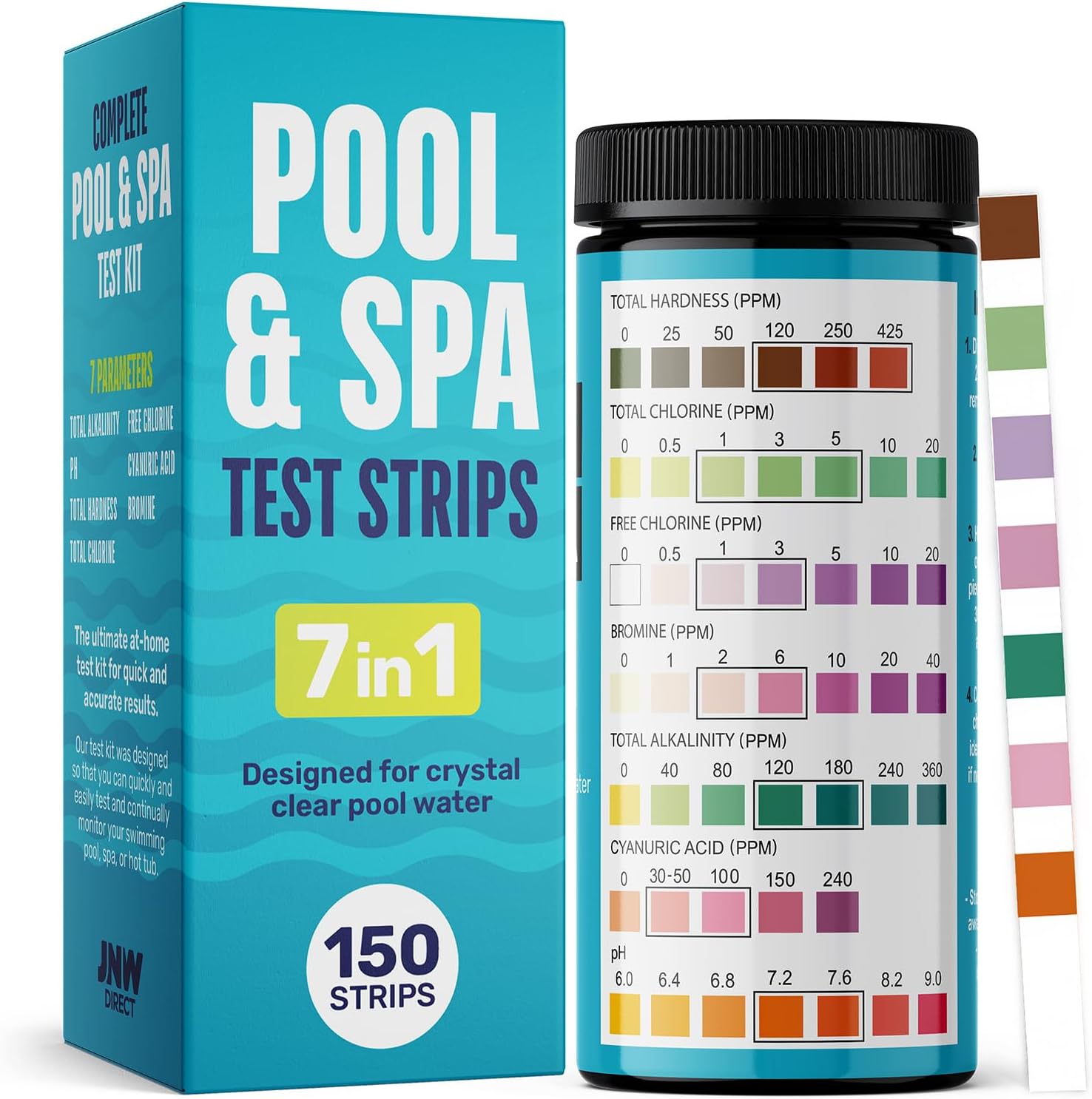
Scale buildup from hard water is the single biggest lifespan killer across all heating methods, making regular water testing and periodic descaling (or a whole-house water softener for owners in hard-water regions) one of the most cost-effective investments an owner can make regardless of which heating method they choose.
Troubleshooting Common Issues by Heater Type
Each heating method has its own characteristic failure patterns, and recognizing them early can prevent a minor issue from becoming an expensive repair.
Electric heater issues: A heater that runs but never reaches temperature often points to scale buildup insulating the element from the water, reducing heat transfer efficiency. A heater that trips the breaker repeatedly typically indicates a failing element with an internal short, requiring replacement rather than a simple reset. Flow-related error codes are almost always a filter or air-lock issue rather than a heater problem at all, worth checking first before assuming the element itself has failed.
Gas heater issues: A burner that won’t ignite is most commonly a spent or misaligned igniter, an inexpensive part to replace but one that requires a technician familiar with the specific ignition sequence. A yellow or flickering flame (rather than a clean blue flame) signals an improper air-to-fuel mixture and should be addressed immediately, since it’s often an early indicator of incomplete combustion and elevated carbon monoxide production. Soot buildup around the heat exchanger is a maintenance red flag indicating the annual inspection and cleaning schedule has lapsed.
Heat pump issues: A unit that runs constantly without adequately heating often indicates the ambient air temperature has dropped below the system’s effective operating range rather than a genuine malfunction. Ice buildup on the outdoor coil in cooler weather is normal to a point, but excessive icing that doesn’t clear during the unit’s defrost cycle suggests a refrigerant or airflow issue worth a technician’s attention.
Regional Availability: Does Your Area Even Have Natural Gas?
Before falling in love with the idea of a fast-heating gas spa, it’s worth confirming the practical reality of gas availability at your specific property, since this single factor eliminates the option entirely for a meaningful share of prospective buyers.
Many suburban and most rural properties in the United States don’t have a natural gas main running to the home at all, relying instead on electric utilities alone or a propane tank for any gas-appliance needs. Even in areas with natural gas infrastructure, the distance from the street main to a backyard spa location can add substantial trenching cost if the existing gas service isn’t already routed near the intended installation site.
A quick call to your local gas utility (or a check of your existing gas bill, if you already have gas service for a furnace or water heater) is the fastest way to confirm feasibility before spending time comparing specific gas heater models that may not be installable on your property without significant additional infrastructure work.
Retrofitting: Can You Switch Heating Methods Later?
A common question from owners reconsidering their original choice is whether they can retrofit an existing spa from one heating method to another down the line, and the honest answer depends heavily on the spa’s original design.
Converting an electric spa to gas after the fact is technically possible for larger in-ground installations with accessible plumbing, but it requires re-routing the spa’s circulation lines through an external gas heater unit, adding the associated gas line, venting, and equipment pad work described earlier, essentially performing a full gas installation on top of an existing electric system. For portable or hardshell spas with sealed, integrated equipment compartments, this conversion is rarely practical or cost-effective compared to simply purchasing a gas-ready unit from the start.
Converting from gas to electric is comparatively simpler in most cases, since it typically just requires removing the gas heater and equipment, capping the gas line safely, and installing an electric heating element inline with the existing plumbing, work that’s more within the scope of a standard spa technician rather than requiring a full re-plumb.
Adding a supplemental heat pump to an existing electric spa is the most common and cost-effective “upgrade” path for owners who want improved efficiency without a full heating-system overhaul, since many heat pump units are designed to work inline with an existing electric heater as a backup rather than requiring a complete replacement.
Real-World Cost Example: A Side-by-Side Scenario
To make the cost comparison concrete rather than abstract, consider a hypothetical 400-gallon spa used three times per week, maintained at 102°F, in a moderate climate with average regional utility rates.
| Scenario | Estimated Monthly Cost |
|---|---|
| Electric, maintained 24/7 at temperature | $35 – $75 |
| Electric, heated from cold each use | $60 – $110 |
| Natural gas, heated from cold each use | $25 – $50 |
| Propane, heated from cold each use | $45 – $85 |
| Heat pump, maintained 24/7 (mild climate) | $15 – $35 |
These figures shift considerably based on local utility rates, insulation quality, and climate, but the general pattern holds across most regions: natural gas wins decisively for occasional, heat-from-cold use, heat pumps win for owners who maintain constant temperature in a mild climate, and standard electric resistance heating sits in the middle, offering reasonable costs for constant-temperature use without the installation complexity of the alternatives.
Maintenance Schedules by Heater Type
Ongoing maintenance requirements differ enough between heating methods that it’s worth planning your calendar around whichever system you choose.
Electric systems require the least dedicated heater maintenance: periodic descaling if you’re in a hard-water area, and element inspection roughly every 2–3 years as part of a broader spa service visit, alongside the standard filter and water chemistry routine common to every spa regardless of heating method.
Gas systems warrant an annual professional inspection covering the burner, heat exchanger, venting, and gas line connections, similar in scope to an annual furnace tune-up, plus periodic visual checks for soot buildup or unusual flame color between professional visits.
Heat pump systems need periodic outdoor coil cleaning to remove leaf litter, dust, and debris that reduces heat-exchange efficiency, along with an occasional refrigerant level check by a licensed technician, comparable to maintaining a residential air conditioning unit.
Insurance and Code Compliance Considerations
Adding any combustion appliance to a property, including a gas spa heater, is worth disclosing to your homeowners insurance provider, since some policies specifically ask about gas appliances and combustion equipment as part of underwriting, and undisclosed equipment can complicate a claim down the line if something goes wrong.
Building codes governing gas line installation, venting clearances, and required shutoff valves vary by municipality, and a permitted, inspected installation isn’t just a legal formality, it’s also typically required for insurance claims to be honored cleanly if an incident does occur. Electric installations carry their own code requirements (GFCI protection, appropriate wire gauge and conduit, bonding of metal components near the water), but these are generally more standardized and familiar to local electrical inspectors than the less common gas-spa-specific requirements.
Whichever heating method you choose, keeping documentation of permitted, professionally completed installation work is worth retaining for both insurance purposes and eventual home resale, since prospective buyers and their inspectors will often specifically ask about permits for any gas or major electrical work on the property.
Hybrid and Multi-Source Systems
Larger commercial installations, and increasingly some high-end residential ones, sometimes combine multiple heating sources rather than committing to a single method exclusively. A common hybrid configuration pairs a gas heater as the primary rapid-heating source with a heat pump running continuously to maintain temperature efficiently between heavy-use periods, capturing the speed advantage of gas alongside the standby efficiency of a heat pump.
Another hybrid approach uses solar pre-heating (discussed earlier) feeding into either an electric or gas primary heater, reducing the workload on whichever main system is installed regardless of which one you’ve chosen. Commercial spa facilities, hotel pools, and resort installations frequently justify this added complexity through sheer scale of use, where even a small percentage efficiency gain translates into meaningful savings across a heating system running many hours a day, year-round.
For a typical residential backyard spa, a hybrid system is usually overkill relative to the added installation complexity and cost, but it’s worth knowing the option exists if you’re planning a larger custom in-ground installation where the incremental cost of adding a second heat source is proportionally smaller relative to the overall project budget.
A Simple Decision Framework
With so many variables in play, it helps to work through a short sequence of questions rather than trying to weigh every factor simultaneously.
First, ask what you’re buying. If it’s a portable or inflatable spa, the decision is already made for you: electric is the only option, and everything in this guide about gas, propane, wood, and heat pumps applies only if you’re planning a custom in-ground or built-in installation.
Second, ask how you’ll actually use it. Daily or near-daily use favors a system optimized for maintaining constant temperature efficiently (standard electric or, in mild climates, a heat pump). Occasional, spontaneous use favors a system optimized for fast heat-up from cold (gas, whether natural or propane).
Third, ask what infrastructure you already have. An existing natural gas line to the property removes most of the installation cost penalty associated with gas heating. No gas service at all, combined with a rural or off-grid property, may make wood-fired heating a genuinely practical rather than novelty option.
Fourth, ask about your climate. Cold winters reduce heat pump viability and increase the appeal of gas’s raw power output; mild climates make heat pumps the most cost-efficient long-term choice for constant-temperature use.
Running through these four questions in order narrows the realistic field considerably faster than attempting to compare every heating method against every other one in the abstract.
How Hot Tub Heating Has Evolved
Understanding a bit of the historical context behind today’s heating options explains why the market looks the way it does. Early wooden hot tubs, popularized in the Pacific Northwest in the 1960s and 70s, were almost universally wood-fired out of simple necessity, since compact, affordable electric resistance heaters and reliable residential gas infrastructure weren’t yet common or cost-effective for this application.
As acrylic and fiberglass shell spas became mainstream through the 1980s and 90s, electric resistance heating emerged as the standard due to its simplicity and compatibility with the integrated pump-and-plumbing systems these manufacturers were building at scale. Gas heating remained a parallel option primarily for larger custom and commercial installations where the added complexity was easier to justify against the benefit of rapid heating for high-turnover use.
The more recent rise of heat pump technology in the spa industry mirrors its earlier adoption in the swimming pool industry, where rising electricity costs and growing environmental awareness drove demand for a more efficient alternative to straight resistance heating throughout the 2000s and 2010s. Today’s buyer effectively has access to the full historical range of heating technologies simultaneously, from century-old wood-fired simplicity to cutting-edge heat pump efficiency, a genuinely wider set of choices than existed at any single point in the past.
Climate Zone Recommendations
Because climate is such a decisive factor, it’s worth summarizing general recommendations by region type, understanding that individual utility rates and usage patterns still matter within any given zone.
Hot, mild-winter climates (Southern and coastal regions): Heat pumps perform at their best here, running efficiently nearly year-round with minimal cold-weather performance drop-off, making them the strongest long-term value pick for owners who maintain constant temperature.
Temperate, four-season climates: A standard electric system with good insulation handles most of the year well, with owners in areas with existing natural gas service often adding a gas heater as a faster option for occasional cold-weather heat-up rather than relying on it as the sole source.
Cold, harsh-winter climates: Gas heating’s raw power output becomes genuinely valuable here, particularly for anyone who doesn’t want to run their tub at temperature 24/7 through a long winter. Electric remains entirely workable with strong insulation and a properly sized heater, but heat pumps are a poor standalone fit given their reduced cold-weather performance.
Rural, off-grid, or remote properties: Propane or wood-fired heating often make the most practical sense, particularly where electrical service is limited in capacity or natural gas infrastructure simply doesn’t reach the property at all.
Common Myths About Gas and Electric Heating
A few persistent misconceptions are worth directly addressing, since they frequently steer buyers toward decisions that don’t actually match their circumstances.
Myth: Gas is always cheaper than electric. This depends entirely on usage pattern and local utility rates. For owners who maintain constant temperature rather than heating from cold each time, electric (or especially a heat pump) is frequently the more economical choice despite gas’s lower cost per unit of raw energy.
Myth: Electric hot tubs can’t get properly hot. Electric heaters absolutely reach and maintain the same 100–104°F range as gas systems; the difference is purely in how quickly they get there from a cold start, not the maximum achievable temperature.
Myth: Heat pumps don’t work at all in winter. Modern heat pumps continue functioning in cool weather, just with reduced efficiency and output; it’s a gradual performance curve rather than an on/off cliff, though performance does become impractical below freezing for most residential units.
Myth: You can easily add a gas heater to any spa later. As covered in the retrofitting section, this is rarely straightforward for portable or hardshell spas with sealed equipment compartments, and is really only practical for larger custom in-ground installations designed with future flexibility in mind.
DIY vs. Professional Installation: Where the Line Is
Understanding what you can reasonably handle yourself versus what genuinely requires a licensed professional helps set realistic expectations for both cost and timeline.
Fully DIY-friendly: Setting up a portable or inflatable electric spa that simply plugs into an existing standard outlet requires no professional involvement whatsoever beyond the setup steps covered in our general inflatable spa guides.
Requires a licensed electrician: Any 220v hardwired installation, since this involves connecting to your home’s electrical panel and running a dedicated circuit, work that’s both technically demanding and, in nearly every jurisdiction, legally required to be performed and inspected by a licensed professional for insurance and safety compliance.
Requires a licensed plumber and often an electrician: Any gas installation, given the combustion safety, code compliance, and permitting requirements already discussed. This is not a reasonable DIY project in the vast majority of jurisdictions, both due to legal licensing requirements and the genuine carbon monoxide and fire safety risks involved in improper installation.
Reasonable for a handy homeowner: Routine maintenance tasks across all heating types, including filter changes, water testing and chemical balancing, cover care, and basic visual inspection for wear, none of which require professional certification to perform safely and correctly.
Glossary: Terms Worth Knowing
A quick reference for the terminology that appears repeatedly across spa heating spec sheets and installer quotes.
BTU (British Thermal Unit): A unit of heat energy; gas heater capacity is measured in BTUs per hour, representing how much heat the unit can generate over that time.
kW (Kilowatt): A unit of electrical power; electric heater capacity is measured in kW, representing the rate of electrical energy the element consumes and converts to heat.
COP (Coefficient of Performance): A ratio describing heat pump efficiency, representing how many units of heat are produced per unit of electricity consumed; a COP of 4 means four units of heat output for every one unit of electrical input.
GFCI (Ground Fault Circuit Interrupter): A safety device that instantly cuts electrical power if it detects current leaking to ground, mandatory for any electrical equipment installed near water.
Heat exchanger: The component in a gas heater where combustion heat is transferred into the circulating spa water without the flame directly contacting the water itself.
Equipment pad: The dedicated concrete or paved area where a spa’s pump, heater, and filtration equipment are physically installed, typically required for in-ground and larger built-in spa installations.
Standby heat loss: The gradual loss of water temperature that occurs between active uses, driven by ambient air temperature, wind, insulation quality, and cover effectiveness, and a major factor in real-world running costs regardless of which heating method is chosen.
How Heater Type Affects Water Chemistry Management
An underappreciated interaction exists between heating method and water chemistry maintenance, worth understanding regardless of which system you ultimately choose.
Gas heaters, with their rapid heat-up cycles, can create localized temperature spikes near the heat exchanger that accelerate scale formation if water hardness isn’t properly managed, since minerals precipitate out of solution more readily at higher, unevenly distributed temperatures. This makes regular water testing and appropriate scale-inhibitor use particularly important for gas-heated spas in hard-water regions, since scale buildup on a heat exchanger reduces efficiency and can eventually cause localized overheating and premature failure.
Electric resistance elements face a similar but more gradual scale-accumulation pattern, since the element itself sits directly in the water flow and is a natural site for mineral deposits to form over time. Periodic descaling (using a manufacturer-approved descaling solution circulated through the system) is standard maintenance for electric systems in hard-water areas, typically recommended every 3 to 6 months depending on local water hardness.
Heat pump systems interact least directly with water chemistry, since the heat exchange happens through a sealed refrigerant loop rather than a submerged element, though the water-side heat exchanger surface still benefits from the same general scale-prevention practices as other systems.
Regardless of heating method, maintaining proper pH and total alkalinity isn’t just about sanitizer effectiveness and bather comfort, it’s directly protective of whichever heater you’ve installed, making consistent water testing one of the few maintenance habits that benefits every heating system equally.
Impact on Home Resale Value
For owners considering a permanent, in-ground installation, it’s worth thinking about how the heating method might factor into eventual home resale, even if that’s years away.
A well-documented, professionally installed and permitted spa (regardless of heating method) is generally viewed as a value-neutral to modestly positive feature by most home appraisers and buyers, provided it’s in good working condition. Undocumented or unpermitted gas work, however, can become a genuine liability during a sale, since buyers’ inspectors routinely flag unpermitted gas installations, sometimes requiring costly retroactive permitting or even removal before a sale can close cleanly.
Electric installations carry somewhat less resale friction in this regard, since the permitting and inspection requirements, while still important, are generally more standardized and less likely to raise red flags during a typical home inspection compared to gas-specific concerns around combustion safety and line integrity.
Buyers touring a home with an existing gas-heated spa often specifically ask about the age and last inspection date of the gas equipment, similar to how they’d ask about a furnace, so retaining maintenance records and permit documentation is a genuinely useful practice for anyone who might sell the property with the spa still installed.
Choosing an Installer: A Quick Checklist
Whichever heating method you choose for a custom or in-ground installation, the quality of the installer matters as much as the equipment itself. A few questions worth asking before hiring:
- Are you licensed for this specific work? Confirm separate licensing for electrical and gas/plumbing work where applicable, since these are typically distinct trades requiring different credentials.
- Will you pull the required permits? A reputable installer handles permitting as a standard part of the job rather than treating it as optional or leaving it to the homeowner.
- What’s your experience with spa-specific installations? General electrical or plumbing experience doesn’t always translate directly to the specific requirements of spa equipment, particularly around GFCI protection and combustion venting clearances unique to this application.
- What warranty do you offer on the installation itself? Equipment warranties from the manufacturer are separate from installation warranties covering the labor and workmanship, and a quality installer should stand behind their own work independently.
- Can you provide references from similar recent installations? A contractor with genuine spa installation experience should have no trouble connecting you with recent customers willing to discuss their experience.
Getting at least two or three quotes before committing is standard practice for any installation involving licensed trades work, both to confirm fair pricing and to get a sense of how thoroughly different contractors are willing to explain the process and answer questions before you’ve signed anything.
Three Owner Scenarios: Which Heating Method Fit Best
Abstract comparisons only go so far, so it’s worth walking through a few representative scenarios that illustrate how the decision plays out in practice for different households.
Scenario 1: The Daily Soaker in a Mild Climate
A couple in a coastal, mild-winter region uses their in-ground spa nearly every evening after work, keeping it at a constant 101°F year-round. For this usage pattern, a heat pump system made the most financial sense despite its higher upfront cost, since the mild climate kept the unit operating near its peak efficiency range through nearly the entire year, and the constant-temperature use pattern played directly to the heat pump’s core strength of low-cost standby maintenance rather than repeated cold-start heating. Over a five-year ownership window, the reduced electricity draw more than offset the higher initial equipment cost compared to a standard electric resistance system.
Scenario 2: The Weekend Entertainer in a Four-Season Climate
A family that primarily uses their spa for weekend gatherings, letting it sit unheated during the work week to save on standby energy costs, found gas heating to be the better fit. Their existing natural gas service to the home made installation costs reasonable, and the ability to go from a cold tub on Friday afternoon to a fully heated spa by Friday evening, without needing to run the heater continuously through the week, aligned perfectly with gas’s core strength: fast, on-demand heating rather than efficient continuous maintenance.
Scenario 3: The Rural Cabin Owner Off the Grid
A cabin owner in a remote area without natural gas service and with limited electrical capacity chose a wood-fired tub, embracing the multi-hour heating ritual as part of the overall cabin experience rather than viewing it as an inconvenience. With ample access to their own firewood and no meaningful ongoing fuel cost, this option aligned with both their off-grid lifestyle and their budget far better than the alternative of running a propane tank delivery service to a hard-to-access rural property, or upgrading electrical service capacity solely to support a resistance-heated spa.
These three scenarios share a common thread: none of them chose their heating method based on which option was objectively “best” in the abstract, but rather which one matched their specific usage pattern, existing infrastructure, climate, and lifestyle priorities. That same matching process is the most reliable way to approach your own decision, using the comparisons throughout this guide as a framework rather than searching for a single universally correct answer.
Warranty Considerations Across Heating Types
Manufacturer warranty terms differ meaningfully across heating methods, and reading the fine print before purchase can prevent an unpleasant surprise if something fails a year or two into ownership.
Electric heater warranties are typically the most straightforward, often covering the heating element itself for one to three years, with the broader spa shell and plumbing sometimes carrying a longer structural warranty separate from the electrical components. Because electric systems have fewer moving parts, warranty claims tend to be simpler to process and less frequently disputed than claims involving combustion equipment.
Gas heater warranties often carry more exclusions, particularly around damage attributed to improper installation, inadequate venting, or scale-related heat exchanger failure, since manufacturers are understandably cautious about covering failures that stem from installation quality rather than a genuine manufacturing defect. This makes choosing a qualified, licensed installer not just a safety consideration but a warranty-protection one as well, since manufacturers may request installation documentation before honoring a claim.
Heat pump warranties frequently mirror residential HVAC warranty structures, with the compressor often carrying a longer warranty period (sometimes five to ten years) than the surrounding cabinet and electrical components, reflecting the compressor’s central role and higher replacement cost relative to other parts of the unit.
Across all three categories, registering your equipment promptly after installation and retaining detailed records of professional service visits is the most reliable way to ensure a warranty claim, if you ever need one, goes smoothly rather than becoming a drawn-out dispute over documentation.
Protect Your Investment
A quality thermal cover reduces heat loss and heater strain no matter which system you choose.
Check Price on AmazonFrequently Asked Questions
Generally, no. Portable hot tubs are engineered with internal plumbing and control systems specific to electric heating. You would need to bypass the internal system and plumb in an external gas heater, which voids warranties and requires professional modification.
Natural gas is usually cheaper and more convenient since it is piped directly to your house (no tanks to refill). Propane burns hotter but requires tank refills and is generally more expensive than natural gas.
Yes. Even though the heat comes from gas, you still need electricity to run the pumps, the control panel, the lights, and the ignition system for the gas burner.
Electric tubs are slow. A 110v tub heats at roughly 1-2°F per hour. A 220v tub heats at 3-6°F per hour. Gas heaters can exceed 20°F per hour.
Yes, modern electric tubs are equipped with GFCI (Ground Fault Circuit Interrupter) plugs that cut power instantly if a fault is detected. Read more on hot tub safety here.
For owners in mild-to-moderate climates who plan to maintain their spa at temperature year-round, a heat pump often pays back its higher upfront cost within a few years through significantly reduced electricity consumption. In cold climates with frequent sub-freezing temperatures, a standard electric or gas system is typically a more reliable primary choice.
The heating function itself requires no electricity, since the fire heats the water directly. However, many wood-fired designs still use a small electric pump for water circulation, and any added filtration system would also require a power source.
Most gas spa heaters last 5 to 8 years before a major component (igniter, heat exchanger, or gas valve) requires replacement, similar to the lifespan of a residential furnace, assuming annual professional maintenance is kept up.
Final Verdict: Which Should You Choose?
So, are hot tubs heated by gas or electric? The market has spoken, and for 95% of residential users, the answer is electric.
Choose Electric If:
- You want a portable or inflatable spa.
- You plan to use the hot tub regularly (3-4 times a week).
- You want a quiet, low-maintenance system.
- You want an easy, plug-and-play installation.
Choose Gas If:
- You are building a custom in-ground spa.
- You only plan to use the tub occasionally and want to heat it up fast.
- You have extremely cheap natural gas rates in your area.
- You live in a region with frequent power outages but want to keep the water warm (though pumps still need power).
For most of our readers looking for the best backyard experience with minimal construction headaches, a high-quality electric model is the way to go. Just make sure to insulate it well!
Ready to Relax?
Don’t overcomplicate it. Check out the best electric plug-and-play spas of the year.
See Our Top Picks for 2025