SereneLife Portable Hot Tub: Is It Worth Your Backyard?
A thorough, no-fluff evaluation of the SereneLife Outdoor Inflatable Hot Tub — covering build quality, heating time, jet performance, long-term durability, running costs, and how it stacks up against the competition.
Quick Overview & Verdict
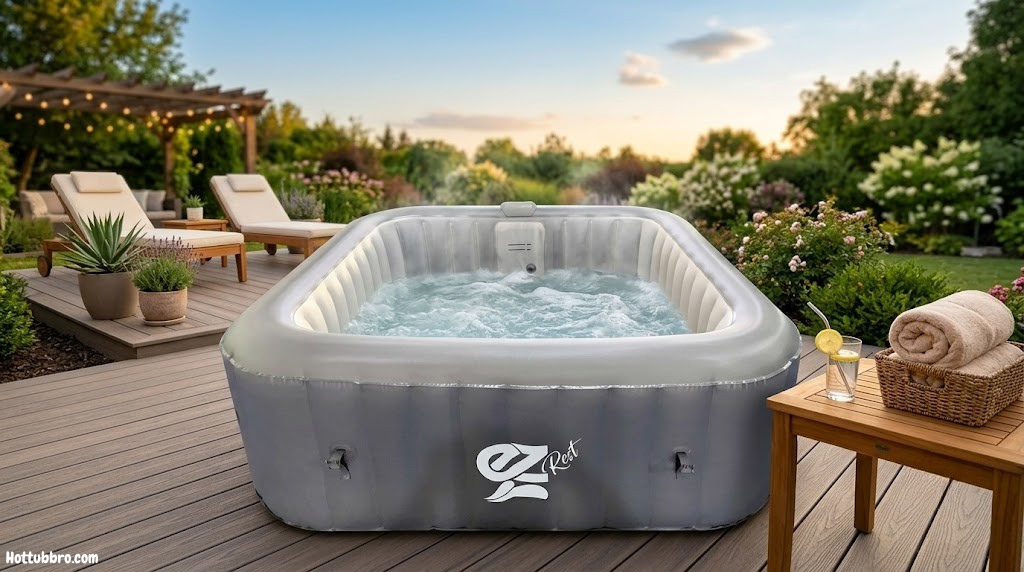
Finding a genuinely useful hot tub under $500 is harder than it looks. The market is cluttered with under-built inflatables that look appealing in listing photos but disappoint in person. The SereneLife Outdoor Portable Inflatable Hot Tub is one of the more interesting entries at this price point — and after a thorough evaluation, the picture is more nuanced than either its glowing fans or skeptical critics suggest.
What SereneLife gets right is the combination of a competitive jet count (120 air jets), a satisfyingly compact footprint that actually fits on most patios, and a genuine plug-and-play setup that requires no wiring or professional installation. The control unit is clean and intuitive, the insulating cover is better than average, and when conditions are favorable, the tub holds temperature respectably well.
Where it falls short is where most entry-level inflatable spas do: the wall rigidity doesn’t quite match the best-in-class offerings, heating from cold takes patience, and if you’re expecting the deep, targeted hydrotherapy of a hardshell spa, you’ll want to recalibrate your expectations. This is a bubble-jet relaxation experience, not a clinical massage device — and that’s fine, as long as you go in knowing it.
If you’re shopping the inflatable hot tub category broadly, SereneLife occupies a legitimate middle ground — more refined than rock-bottom budget models, priced competitively against name-brand equivalents. Our overall rating: 4.1 out of 5.
✓ Pros
- Genuine 120 air jets for wide bubble coverage
- True plug-and-play on 110V — no electrician needed
- Compact 71″ diameter fits tight patios
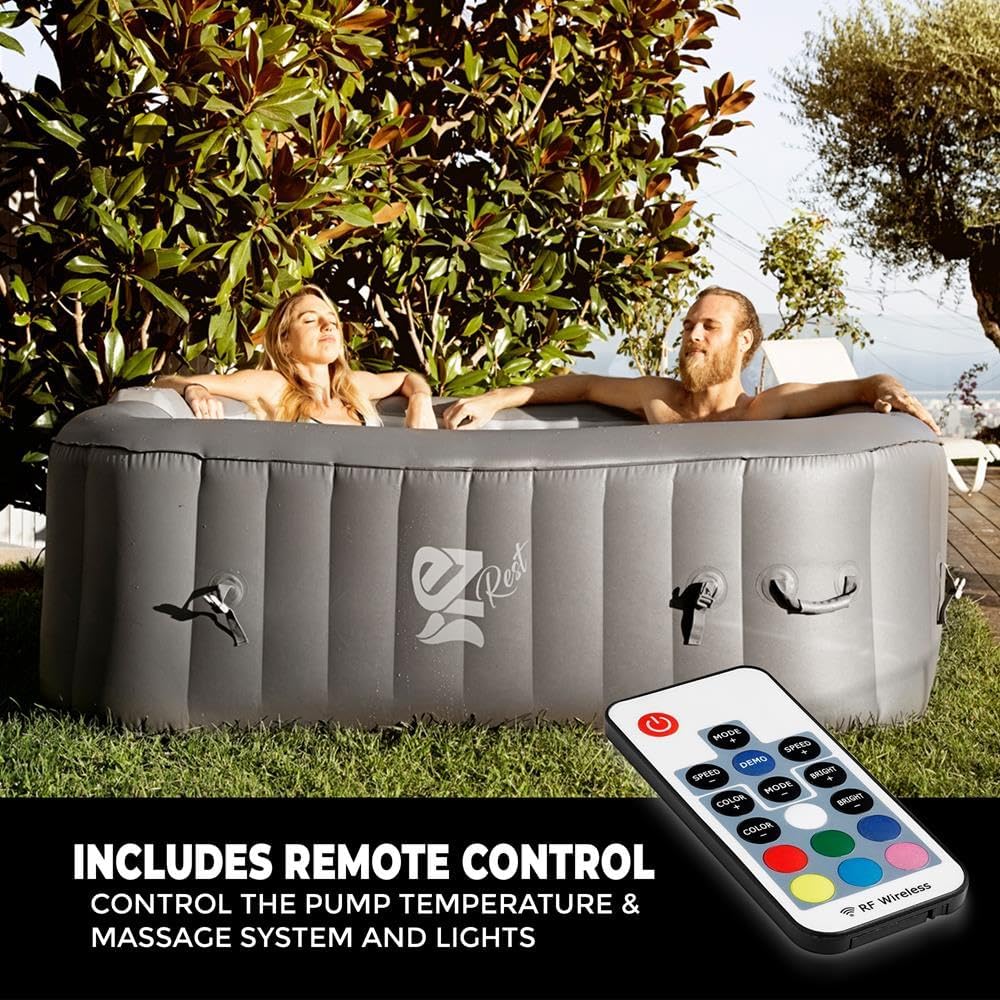
- Intuitive digital control panel
- Insulating cover included with lock straps
- Competitive price for the feature set
- Carry bag makes storage and transport easy
- Two filter cartridges included in the box
✕ Cons
- Slow heating from a cold fill (12–24 hrs)
- Wall rigidity lower than premium competitors
- Air jets only — no water jets for deep massage
- Not ideal for sustained cold-weather use
- Aftermarket customer support can be slow
- Pump unit not the quietest on the market

SereneLife Outdoor Portable Hot Tub
4-person inflatable spa with 120 air jets, digital controls, and cover — available now on Amazon with Prime shipping.
Check Price on Amazon →Full Specifications at a Glance
Before diving into subjective impressions, it’s worth grounding this review in the hard numbers. The SereneLife Portable Hot Tub’s spec sheet holds up well against competitors in its class — particularly the jet count and electrical requirements.
| Specification | SereneLife Value | Notes |
|---|---|---|
| Overall Dimensions | 71″ diameter × 28″ height | Fits most standard patios |
| Water Capacity | ~171 gallons | Mid-range for a 4-person tub |
| Max Temperature | 104°F / 40°C | Industry standard safety ceiling |
| Heating Rate | ~2–3°F per hour | Varies heavily with ambient temp |
| Jet Count | 120 air jets | All-around ring placement |
| Jet Type | Air-bubble jets | Not high-pressure water jets |
| Filter Type | Type VI cartridge | 2 included, replace every 2–4 weeks |
| Electrical | 110–120V / 15A GFCI | Standard household plug |
| Heater Wattage | ~1,500W | Typical for this class |
| Pump Speed | Single speed | No variable-speed option |
| Cover Type | Insulating lid w/ lock straps | Included in the box |
| Wall Construction | 3-ply reinforced PVC | Solid but not the thickest available |
| Empty Weight | ~49 lbs | Manageable for 2 people |
| Inflated Dimensions | 71 × 71 × 28 inches | Round configuration |
Curious about how plug-and-play voltage affects performance? Our breakdown of plug-and-play vs. 240V hot tubs explains the real trade-offs between convenience and heating power.
Build Quality & Materials
The first thing you’ll notice when you pull the SereneLife out of its carry bag is how substantial the rolled PVC feels compared to some cheaper inflatables. This is a 3-ply reinforced construction — meaning there are three distinct layers of PVC material laminated together to form the sidewalls. The outer layer provides abrasion resistance, the middle layer provides structural integrity, and the inner liner is smooth and easy to wipe clean.
That said, “3-ply” is a term that gets used liberally in this category, and not all plies are created equal. Running a hand along the inflated SereneLife sidewall and comparing it side-by-side with a Coleman SaluSpa or Intex PureSpa, you’ll find the SereneLife is ever so slightly less rigid when fully inflated. It’s not a dramatic difference, and in normal use you won’t notice it — but it does mean the walls have marginally more give when you push against them from inside. Over time, this slight flexibility can affect how confidently the tub holds its shape under load.
The Seat Floor and Base
The floor insert is a padded inflatable base that provides a cushioned seating surface. It’s comfortable enough for a 30–45 minute soak, and the cushioning is genuine — not just the thin foam suggestion you sometimes find in this category. The base connects securely to the tub wall and doesn’t slip around during use, which is a small but important quality-of-life detail.
The external ground contact surface has a non-slip texture that does a reasonable job on flat concrete or decking. On gravel or uneven surfaces, we’d still recommend pairing it with one of the purpose-made inflatable spa ground pads — both for added insulation and to protect the base material from abrasion.
The Control Unit Housing
The combined heater-pump-control unit attaches to the side of the tub via snap-in fittings. The housing is hard plastic with an IP rating sufficient for outdoor use. The display panel is a simple LED interface with dedicated buttons for temperature setting, jet toggle, and heating on/off. It reads clearly in daylight and the buttons have satisfying tactile feedback. The waterproof seal around the housing-to-tub connection point is solid — we didn’t detect any weeping around the collar during extended use.


Longevity Expectations
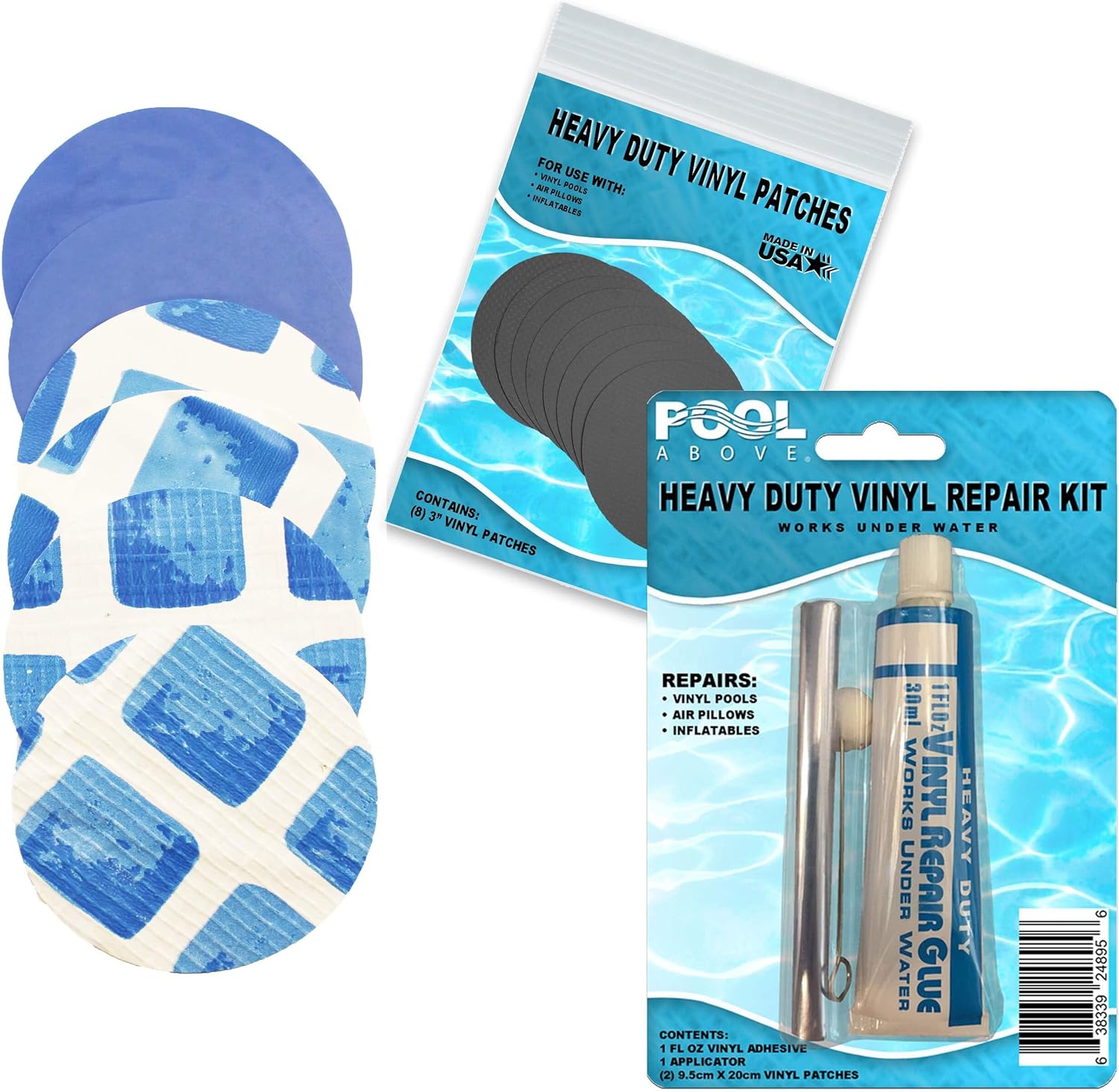
Realistic longevity for an inflatable hot tub in this class — with normal use and reasonable care — is 2–4 seasons. The SereneLife sits in the middle of that range. Users who keep the cover on religiously, maintain proper water chemistry (which protects the PVC from chemical degradation), and store it properly in off-season see the higher end of that lifespan. Users who leave it exposed to UV and run their chemistry hot see the lower end. A repair patch kit is included in the box, which is a sensible acknowledgment that small punctures are an occupational hazard of inflatable ownership.
Proper water chemistry is one of the biggest factors in PVC lifespan. Learn exactly how to balance your water in our complete hot tub water chemistry guide.
Ready to Buy? Check the Latest Price
Prices and availability change frequently. Hit the button below to see the current Amazon listing, verified reviews, and any active discounts.
See Price on Amazon →Setup & Inflation Experience
One of the SereneLife’s most compelling attributes is how genuinely easy it is to get from box to soaking. The setup process is a legitimate 20–30 minutes for a first-timer and closer to 10–15 minutes once you’ve done it once. Compare that to the half-day assembly of even a modest hard-shell spa, and you quickly understand why the inflatable category has expanded so dramatically.
Step-by-Step Setup Overview
The general sequence is: unpack and position the tub base, connect the inflation hose to the pump unit, inflate the walls (the pump handles this — no separate inflator needed), snap in the pump-heater unit, fill with water, connect the filter cartridge, power on, and set your target temperature. The instruction manual is clear enough, and the color-coded hose connections make accidental miswiring unlikely.
For a complete walkthrough with tips that apply to most inflatable spa models, our step-by-step inflatable hot tub setup guide covers every detail from ground prep to first fill.
Inflation Quality
The built-in air pump inflates the walls in roughly 5–8 minutes to a firm, stable shape. The target pressure is clearly marked on the side of the tub, and the pump runs noticeably quieter during the inflation phase than during jet operation. Once inflated, the walls maintain pressure well — we didn’t observe any meaningful pressure drop during a 3-week continuous-use evaluation period, which is a good sign for the valve quality.
Water Filling
At 171 gallons, filling the tub via a standard garden hose takes roughly 20–35 minutes depending on your water pressure. A useful trick: fill with the warmest available tap water to reduce the initial heating load. Even hot tap water (typically 110–120°F) will cool to a safe starting point quickly, but it dramatically shortens the time to reach your target temperature.
Relocation and Storage
The carry bag that comes in the box is one of the better accessories in this package. It’s large enough to actually fit a properly deflated and folded tub without heroic effort, and the handles are reinforced. Deflation and fold-down for storage takes about 15–20 minutes, and the complete kit — tub, pump, cover, accessories — fits into the bag for transport or off-season storage.
Heating Speed & Temperature Performance
Heating is the most common frustration point for inflatable hot tub owners, and the SereneLife is no exception to the category-wide limitation here. The 1,500W heater operates at the limit of what a 110V/15A circuit can deliver, which translates to a heating rate of roughly 2–3°F per hour under typical conditions.
In practical terms: if you fill with cold tap water (55–60°F) and want to reach 100°F, expect to wait 16–22 hours. Fill with warm tap water (85–90°F), and you can be soaking in 5–7 hours. This is worth planning around — most experienced inflatable spa owners run the heater on a timer overnight and wake up to a ready tub, rather than expecting on-demand availability.
Temperature Consistency
Once the target temperature is reached, the SereneLife maintains it reasonably well in moderate ambient conditions. The temperature control system toggles the heater on and off to hold within approximately ±2°F of the set point. In ambient temperatures above 60°F, this works smoothly. In cooler conditions, the heater cycles more frequently and works harder to maintain temperature — which affects both electricity use and long-term heater component wear.
Cold-Weather Operation
The SereneLife can be used in cooler weather, but the 110V heating limitation becomes more pronounced as ambient temperatures drop. Below 45°F, maintaining 100°F+ water temperature becomes genuinely expensive and the heater runs nearly continuously. Below freezing, operation is not recommended — the risk of freezing in the pump lines and filter housing is real, and damage from that isn’t covered under warranty.
If you’re in a climate with cold winters and want to use the tub year-round, adding a thermal ground pad and ensuring the insulating cover is always on when the tub isn’t in use are the two most impactful changes. Some users also wrap the exterior sides with an insulating spa cover blanket for extreme cold.
Always keep the insulating cover on when the tub isn’t in use. It’s the single most impactful action for reducing heating time and electricity bills. Our guide to the best hot tub covers has options that fit the SereneLife’s footprint if you want to upgrade.
Jets & Massage Quality
The SereneLife’s 120-jet count is the spec that catches most people’s attention during the buying process — and it’s a legitimately good number for an entry-level inflatable spa. The jets are positioned in a ring around the interior circumference, delivering a broad curtain of air bubbles that covers the lower back, hips, and legs when seated.
Air Jets vs. Water Jets
It’s critical to understand the distinction between air-bubble jets (what the SereneLife has) and high-pressure water jets (what you find in hardshell and semi-rigid spas). Air jets push pressurized air through the water, creating effervescence and a gentle, all-over tingling sensation. Water jets pump water at high pressure through directional nozzles, producing focused streams that can target specific muscle groups.
If you have specific therapeutic goals — say, targeting a chronically sore lower back or IT band — a water jet system is significantly more effective. Air jets provide a more diffuse, relaxing sensation that’s excellent for general stress relief and mild muscle relaxation but doesn’t substitute for targeted hydrotherapy. Understanding this distinction beforehand prevents the most common source of buyer disappointment in this category.
For broader context on what you can realistically get from inflatable spa massage systems, see our breakdown of whether inflatable hot tubs are worth it — it covers the jet experience question in depth.
Jet Intensity and Controls
The jet intensity on the SereneLife is a single on/off toggle — there’s no variable-speed adjustment. When the jets are running, the air output is robust enough to create a visibly turbulent water surface and audible effervescence. The single speed isn’t as flexible as variable-intensity systems, but for most users in this category it’s sufficient. The absence of a gradual ramp-up means the initial air blast is immediately at full intensity when you hit the button.
One thing to note: running the jets simultaneously with the heater puts more demand on the electrical system. The SereneLife’s design (like most 110V inflatable spas) shares the single pump unit between heating and jet functions. Running both together is possible but results in slightly reduced jet intensity compared to jets-only operation.
SereneLife Portable Hot Tub — 120 Jets
View full specs, verify current stock, and read hundreds of verified buyer reviews directly on Amazon.
View on Amazon →Comfort & User Experience
Comfort in an inflatable hot tub is a multi-variable equation: the seating surface, the depth of water, the ambient bubble effect, the amount of space per person, the ease of getting in and out, and the overall sensory experience of the environment. The SereneLife performs well in most of these dimensions and has one genuine limitation in another.
Seated Comfort
The padded floor insert does its job. After 30 minutes of sitting on it, you won’t have the numb or bruised feeling that some cheaper inflatable bases produce. The tub wall, when properly inflated, provides a firm enough back surface to lean against — important for relaxed soaking. The 28-inch wall height is standard for this category; average-height adults will find water level at approximately chest height when seated, which is the sweet spot for full-body bubble coverage.
Capacity and Crowding
The 71-inch diameter is listed as a 4-person capacity, and while four adults can technically fit, the experience is significantly better with two or three people. Four adults who don’t know each other well would be uncomfortable. Four close friends might enjoy it for a short social soak. For couples or two-person use, the space is genuinely generous. If you primarily envision solo soaking or couple use, the SereneLife’s footprint is essentially ideal.
Entry and Exit
Getting in and out of any 28-inch-tall inflatable tub requires a degree of physical agility — you’re essentially stepping over a wall and lowering yourself down. For most healthy adults this is fine, but it’s worth considering for older users or those with mobility limitations. A purpose-made hot tub step with handrail makes this dramatically easier and safer for any user.
Ambient Noise Level
Noise is the SereneLife’s most noticeable comfort compromise. The pump unit is clearly audible during operation — a steady mechanical hum that reads as louder than conversational background noise when the jets are running at full. For solo meditation or quiet relaxation, this is mildly disruptive. For social soaking with music playing, it’s entirely ignorable. It’s louder than some competitors and roughly on par with others in the same class.
Interested in the broader wellness benefits of regular soaking? Our article on whether hot tubs are actually healthy covers the physiology in detail, from cardiovascular effects to sleep improvement.
Energy Use & Running Costs
Running cost is one of the most consistently underestimated factors when people shop inflatable hot tubs. The purchase price is visible; the monthly electricity bill accumulation is not. Understanding what you’re signing up for is essential to avoiding buyer’s remorse three months in.
The SereneLife’s 1,500W heater, running at full capacity, draws 1.5 kWh per hour. At the U.S. average electricity rate, that works out to roughly $0.19–$0.23 per hour of heating. The key variable is how many hours per day the heater needs to run to maintain temperature, which depends heavily on your climate, the ambient temperature, and whether you keep the cover on.
| Usage Scenario | Estimated Monthly Cost | Key Factors |
|---|---|---|
| Temperate climate, cover always on, 3×/week use | $30–$45 | Heater runs ~6–8 hrs/day to maintain temp |
| Temperate climate, cover sometimes off, daily use | $55–$75 | Increased heat loss, longer heater cycles |
| Cool climate (40–55°F nights), regular use | $75–$110 | Heater near-continuous at night |
| Heated on-demand only (cold between uses) | $40–$60 | Expensive to reheat each time |
The most cost-effective operating strategy is to keep the tub at temperature continuously rather than heating from cold before each use. Reheating 171 gallons from 60°F to 104°F uses more energy than maintaining 104°F against ambient heat loss over several days. For a deeper dive into this arithmetic, our article on inflatable hot tub electricity usage breaks down the numbers for different scenarios.
The cover on/off habit is the biggest single lever on your electricity bill. A quality insulating cover at 100°F ambient will cut heat loss by 60–70% compared to an uncovered surface. See our top hot tub cover picks for replacement and upgrade options.
Maintenance & Water Care
One of the most under-discussed aspects of hot tub ownership — inflatable or otherwise — is the ongoing maintenance commitment. The SereneLife requires the same water chemistry diligence as any spa, and skipping this doesn’t just affect water clarity; it actively shortens the lifespan of the PVC material, the filter, and the pump components.
Water Chemistry Basics
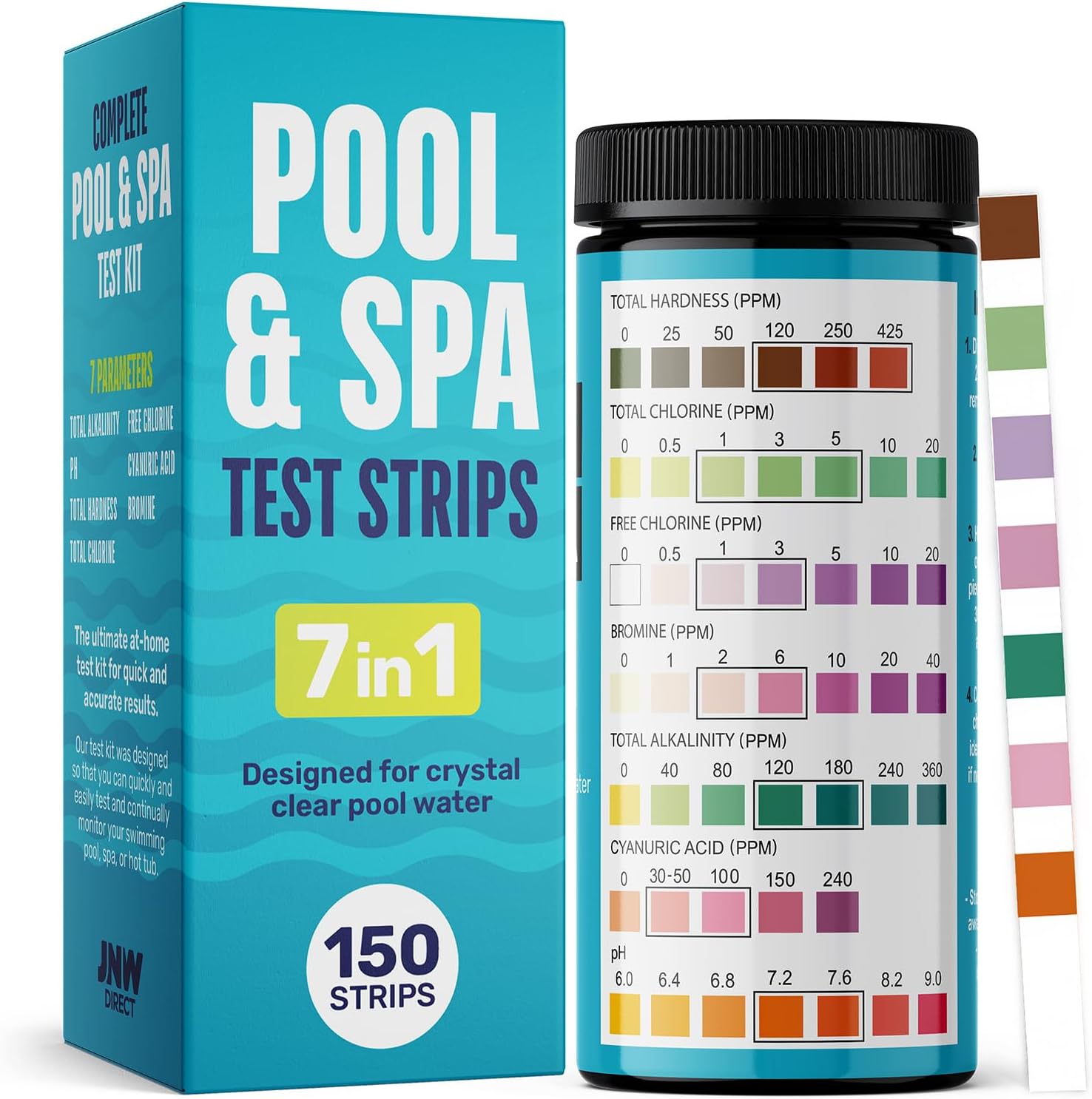
Your core chemical parameters to track are: sanitizer level (chlorine or bromine), pH, and total alkalinity. The SereneLife’s 171-gallon water volume is small enough that chemistry fluctuations happen quickly — a single heavy-use session from multiple bathers can measurably shift pH and deplete sanitizer. Testing two to three times per week is a reasonable baseline for regular use.
For sanitizer choice, both chlorine and bromine work effectively in inflatable spas at this volume. Bromine tends to be more stable at higher temperatures (relevant since you’re running at 100°F+) and has a gentler skin feel, but costs somewhat more. Our breakdown of bromine vs. chlorine for hot tubs covers the full trade-off analysis.
Filter Maintenance
The Type VI filter cartridge should be rinsed with a garden hose every 1–2 weeks and replaced outright every 2–4 weeks depending on bather load and water quality. Two cartridges come in the box, so you’re covered for the initial month of operation. Budget for ongoing filter replacement — aftermarket Type VI cartridges are widely available on Amazon and cost $10–$20 for multi-packs. Running a clogged filter is one of the most common causes of cloudy water and premature pump strain. See our in-depth article on how often to replace hot tub filters for timing guidance.
Drain and Refill Schedule
With regular use, a full drain-and-refill every 6–8 weeks is recommended. In high-use scenarios (multiple bathers, multiple sessions per week), that cycle shortens to 4–6 weeks. Draining the SereneLife is simple: connect the included drain hose to the outlet valve, run the hose to a suitable drainage point, and gravity does the rest. A full drain takes approximately 30–40 minutes. Our step-by-step cleaning guide covers the full process including interior wipe-down and filter cleaning between refills.
Common Issues to Watch For
The most common maintenance issues in this category are cloudy water (typically a chemistry or filtration issue), foam formation (caused by soaps, lotions, or cosmetics), and biofilm buildup if the tub sits unused for extended periods. A quick pre-soak rinse from bathers (no soap residue on skin) goes a long way toward preventing foam. For the chemistry side, our complete hot tub chemicals guide is the most thorough resource available on this topic.
Want to simplify your water testing routine? Our comparison of the best hot tub water testers covers everything from basic test strips to digital meters — so you always know exactly where your chemistry stands.
SereneLife Hot Tub — Everything Included
Comes with cover, 2 filter cartridges, carry bag, repair kit, and inflation hose. Click below to verify availability.
Check Price on Amazon →SereneLife vs. The Competition
Positioning the SereneLife accurately requires comparing it against the three most frequently purchased alternatives in the same price bracket: the Coleman SaluSpa, the Intex PureSpa, and the Goplus 4-Person inflatable. Here’s how they stack up across key metrics.
| Feature | SereneLife | Coleman SaluSpa | Intex PureSpa | Goplus 4-Person |
|---|---|---|---|---|
| Jet Count | 120 air jets | 114 air jets | 120 air jets Tied | 120 air jets |
| Jet Type | Air bubble | Air bubble | Air bubble | Air bubble |
| Capacity | 4 persons | 4–6 persons | 4–6 persons | 4 persons |
| Max Temp | 104°F | 104°F | 104°F | 104°F |
| Build Rigidity | 3-ply PVC (Good) | TriTech (Very Good) Best | Fiber-Tech (Very Good) | 3-ply PVC (Good) |
| Heating Speed | ~2–3°F/hr | ~2–3°F/hr | ~2–3°F/hr | ~2–3°F/hr |
| Power Supply | 110V plug-and-play | 110V plug-and-play | 110V plug-and-play | 110V plug-and-play |
| Cover Included | Yes ✓ | Yes | Yes | Yes |
| After-Sales Support | Average | Good | Very Good Best | Average |
| Overall Value | ⭐⭐⭐⭐ | ⭐⭐⭐⭐ | ⭐⭐⭐⭐ | ⭐⭐⭐½ |
The honest conclusion from this comparison: the SereneLife, Coleman SaluSpa, and Intex PureSpa are roughly equivalent in the features that matter most — jet count, heating capability, temperature ceiling, and value. The Coleman has the edge in build rigidity thanks to its TriTech material. The Intex wins on after-sales support and parts availability. The SereneLife’s competitive advantage is primarily timing — it’s often available when the other two are out of stock, and occasionally priced slightly lower during promotional periods.
If you’re building a more comprehensive picture of the category, our Intex PureSpa vs. Coleman SaluSpa head-to-head comparison goes deep on the two market leaders, and our top blow-up hot tub rankings places SereneLife in the broader competitive context.
Who the SereneLife Hot Tub Is Best For
The SereneLife Outdoor Portable Hot Tub is not the right choice for every buyer. Being specific about who will find maximum satisfaction — and who should look elsewhere — is more useful than a generic recommendation.
It’s an Excellent Fit If You Are…
- A first-time hot tub buyer who wants to explore the experience without a major financial commitment. The SereneLife’s price point minimizes downside risk while delivering a genuine soaking experience.
- A couple or solo user who primarily envisions 1–3 person use. The 71-inch round format is genuinely spacious for two, and delightful for solo sessions.
- Someone with a small patio or balcony who needs a spa that fits a constrained footprint. At 71 inches, it fits where 84-inch or 90-inch models can’t.
- A renter or frequent mover for whom a permanent hardshell spa is out of the question. The carry bag and 30-minute setup make the SereneLife the most portable full-featured option in its class.
- Anyone seeking relaxation and stress relief rather than clinical hydrotherapy. The bubble jet system is genuinely effective at unwinding tight muscles and producing the parasympathetic relaxation response that makes hot tub soaking so addictive.
- Budget-conscious buyers who want a complete kit (cover, filters, carry bag) without paying premium-brand prices.
You Might Want to Look Elsewhere If You…
- Require targeted high-pressure water jets for therapeutic use (look at hardshell or semi-rigid spa options)
- Live in a climate with sustained sub-freezing winters and want to use the tub year-round without significant efficiency loss
- Regularly host 4–5 adults and want generous per-person space
- Prioritize the absolute longest possible lifespan (the Coleman SaluSpa’s TriTech material typically outlasts standard 3-ply PVC constructions)
For a comprehensive overview of the broader category before making your final call, our best inflatable hot tubs comparison covers 10+ models across multiple price points and use cases.
Not sure whether to buy now or wait for a sale? Our guide on the best time of year to buy a hot tub has the seasonal pricing patterns worth knowing before you hit the buy button.
SereneLife Outdoor Portable Hot Tub
All the relaxation without the hardshell hassle. Check current pricing, color options, and availability below.
See Pricing on Amazon →Detailed Performance Scorecard
Our final ratings across every evaluated dimension:
Frequently Asked Questions
Here are the questions we see most often from people researching the SereneLife Portable Hot Tub:
The SereneLife is designed for up to 4 adults. In practice, 2–3 people is the most comfortable configuration given the 71-inch diameter. Four adults who know each other well can fit, but the experience is noticeably more comfortable with fewer people — the per-person bubble coverage is also better.
Expect 12–24 hours from a cold fill to reach 104°F, depending on starting water temperature and ambient air conditions. Pre-filling with warm tap water or using a quality insulating cover dramatically reduces this. Experienced owners typically run the heater overnight and soak in the morning.
The SereneLife uses an air-bubble jet system — not high-pressure water jets. Air jets push pressurized air through the water to create effervescence and a broad, tingling bubble sensation. This is excellent for general relaxation but doesn’t deliver the targeted hydrotherapy of a directional water jet. Both types are valid; the choice depends on what you want from the experience.
No. The SereneLife runs on a standard 110V/120V household outlet with a GFCI plug — no dedicated circuit, no electrician needed. Just plug into a standard outdoor-rated outlet and you’re set. This is one of the key advantages of the plug-and-play format versus 240V models, which require professional wiring.
Yes, with caveats. The heater works in cool weather (40–55°F ambient), but runs more frequently and costs more in electricity. Below freezing, operation isn’t recommended — freezing can damage the pump, lines, and filter housing. Many users store the tub in winter and bring it out for three seasons. If winter use is a priority, our inflatable hot tub in winter guide has practical strategies for extending the season.
Test sanitizer levels (chlorine or bromine), pH, and total alkalinity 2–3 times per week. The SereneLife’s 171-gallon volume means chemistry can shift quickly. Keep pH between 7.2–7.8, total alkalinity between 80–120 ppm, and chlorine at 3–5 ppm (or bromine at 4–6 ppm). Drain and refill every 6–8 weeks. Our full water chemistry guide has the complete parameter-by-parameter breakdown.
Rinse the filter with a garden hose every 1–2 weeks and replace it outright every 2–4 weeks depending on bather load. Two cartridges are included in the box. Type VI replacement cartridges are widely available on Amazon in multi-packs for $10–$20. A clean filter is essential for both water clarity and pump longevity. See our detailed guide on hot tub filter replacement timing.
In a temperate climate with the cover on when not in use and 3–4 sessions per week, expect $30–$55 per month in electricity. Colder climates or uncovered operation push that to $75–$110. Keeping the cover on is the single biggest cost lever. For the full cost analysis, see our guide on inflatable hot tub electricity usage.
The package includes: the inflatable hot tub, a control unit with built-in pump and heater, an insulating cover with safety lock straps, two filter cartridges, an inflation hose, a repair patch kit, and a carry bag. It’s a complete kit — you need to supply water, an outdoor outlet, and your preferred water chemistry products to be fully operational.
All three are strong competitors at similar price points with comparable performance. The Coleman SaluSpa edges ahead on wall rigidity (TriTech material). The Intex PureSpa wins on after-sales support and parts availability. SereneLife is a solid alternative when the others are out of stock or priced higher, and its jet coverage and ease of use are genuinely competitive. Our Intex vs. Coleman head-to-head has the detailed comparison.
Hot tub use at 100–104°F is not recommended for pregnant women, people with cardiovascular conditions, or those on certain medications without prior medical consultation. For healthy adults, regular sessions offer a range of benefits from stress relief to improved sleep quality. See our guides on hot tub health benefits and risks and who shouldn’t use a hot tub for detailed safety information.
A flat, clean, hard surface is best — concrete, decking, or paving. Avoid sharp stones or debris that could puncture the base. If placing on grass or uneven ground, use a purpose-made inflatable spa ground pad, which adds insulation, protection, and stability simultaneously. Never place on a surface that can’t support the full water weight (~1,400 lbs when filled).
Final Verdict: Is the SereneLife Hot Tub Worth It?
The SereneLife Outdoor Portable Inflatable Hot Tub earns its place in the category. It’s not the most durable option, not the fastest heater, and not the quietest pump — but it gets the fundamentals right and does so at a price that makes genuine hot tub ownership accessible without the commitment of a permanent hardshell install.
The 120-jet bubble system delivers real relaxation. The digital controls are clean and intuitive. The included cover is better-than-average for this price bracket. Setup is legitimately easy. And for couples or solo users who want an on-demand soak at home, it performs exactly as advertised.
Where the SereneLife competes most strongly is in availability and value. When it’s priced comparably to the Coleman SaluSpa or Intex PureSpa, it’s a legitimate alternative rather than a compromise choice. For buyers who understand what inflatable hot tubs deliver and set expectations accordingly, the SereneLife will meet or exceed them.
Our recommendation: if the price is right and the Coleman or Intex is unavailable or significantly more expensive, buy the SereneLife with confidence. If you want the absolute best long-term build quality in this format, the Coleman SaluSpa’s TriTech construction gets a slight edge. Either way, you’re stepping into one of the most satisfying low-commitment luxury purchases in the home wellness category.
For ongoing care and to get the most out of whichever tub you choose, bookmark our inflatable hot tub maintenance guide — it’s the most thorough resource available on keeping your water clean, your equipment healthy, and your experience consistently excellent.
→ Check the SereneLife on Amazon
SereneLife Outdoor Portable Inflatable Hot Tub
120 jets · 4-person · Plug & play · Complete kit included. Verified Amazon listing — always check for latest pricing and stock status.
Buy on Amazon →