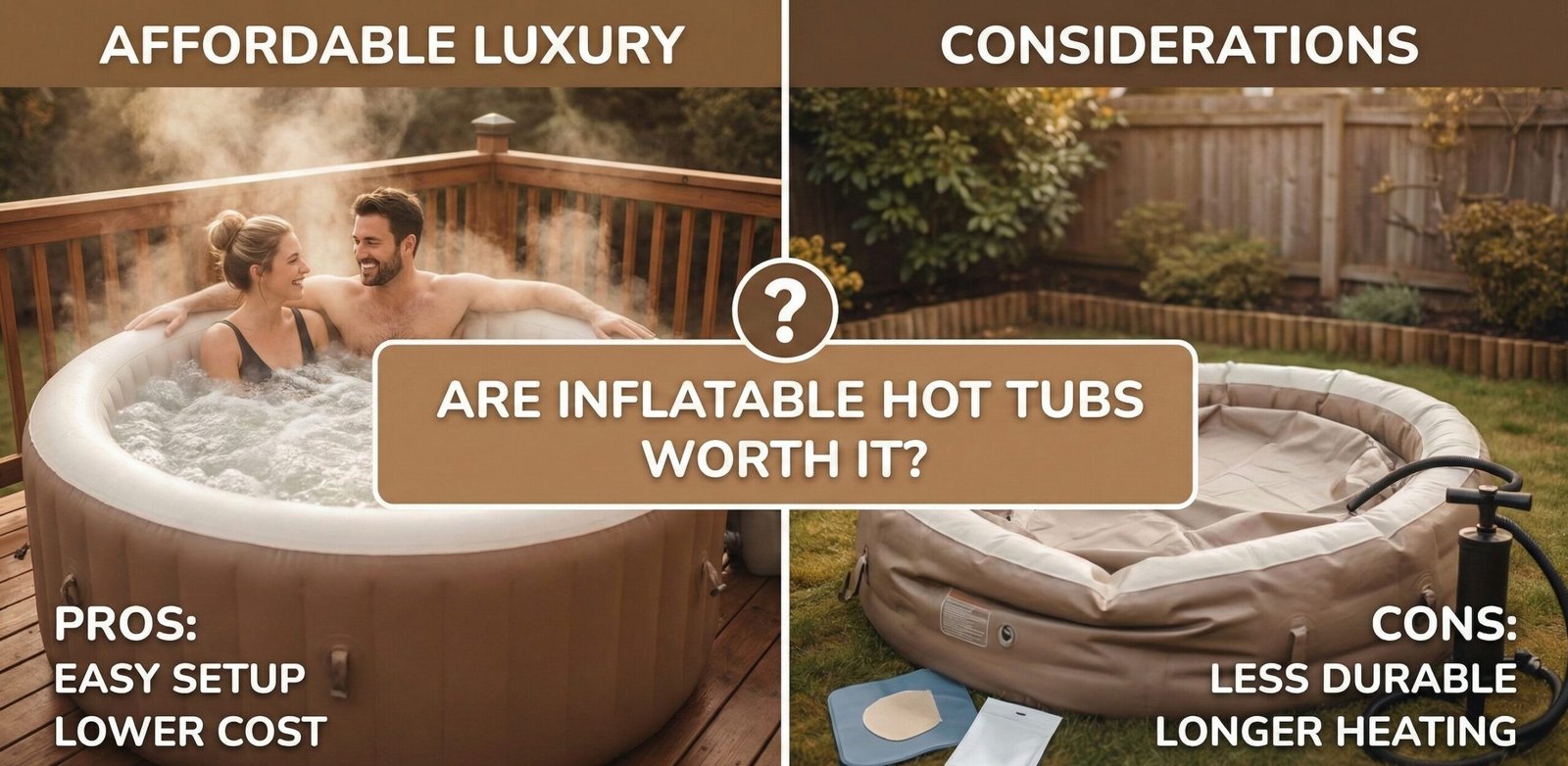
Are Inflatable Hot Tubs Worth It? The Brutally Honest Truth
The dream of owning a hot tub is a common one. Picturing yourself sinking into steaming, bubbling water after a long day is enticing, but the reality of a $5,000 to $10,000 price tag for a traditional hard-shell spa often shatters that dream quickly. Enter the inflatable hot tub—the budget-friendly alternative that promises the spa experience for a fraction of the cost.
But the lingering question remains: Are inflatable hot tubs actually worth it? Do they hold heat? Do they puncture easily? Are they just glorified kiddie pools with a heater?
As experts who have deep-dived into everything from inflatable hot tub maintenance to detailed performance reviews, we are here to break down the financials, the durability, and the actual user experience. In this guide, we will strip away the marketing fluff and look at the pros, cons, and hidden costs to help you decide if a portable spa belongs in your backyard.
1. The Price Tag: Entry-Level Luxury
The most obvious selling point is the upfront cost. While traditional acrylic tubs require a massive investment, site preparation, and often professional electrical wiring, inflatable models are “plug and play.”
You can typically find high-quality models from brands like Coleman, Intex, and SaluSpa ranging between $400 and $800. When you compare this to the $5,000+ entry point for permanent tubs, the value proposition is immediate. However, timing matters. If you are looking to save even more, check out our guide on the best time of year to buy a hot tub to catch clearance sales.
Key Takeaway: If you are unsure if you will use a hot tub enough to justify a permanent installation, an inflatable tub is an excellent “trial run” investment.
2. Portability and Setup Ease
One massive advantage inflatable spas have over their hard-shell cousins is portability. If you rent your home, plan to move soon, or simply want your backyard space back during the summer, these tubs are ideal.
Most models can be set up in under 30 minutes (excluding water filling time). You don’t need a crane to lift it into your backyard. If you are curious about the mechanics, we have a full breakdown of inflatable hot tub setup, but essentially, the tub’s own pump inflates the structure.
This flexibility also allows you to move the tub based on the season. You might want it on the patio in the spring but moved to a sheltered garage corner for winter soaking—something impossible with a permanent fixture.
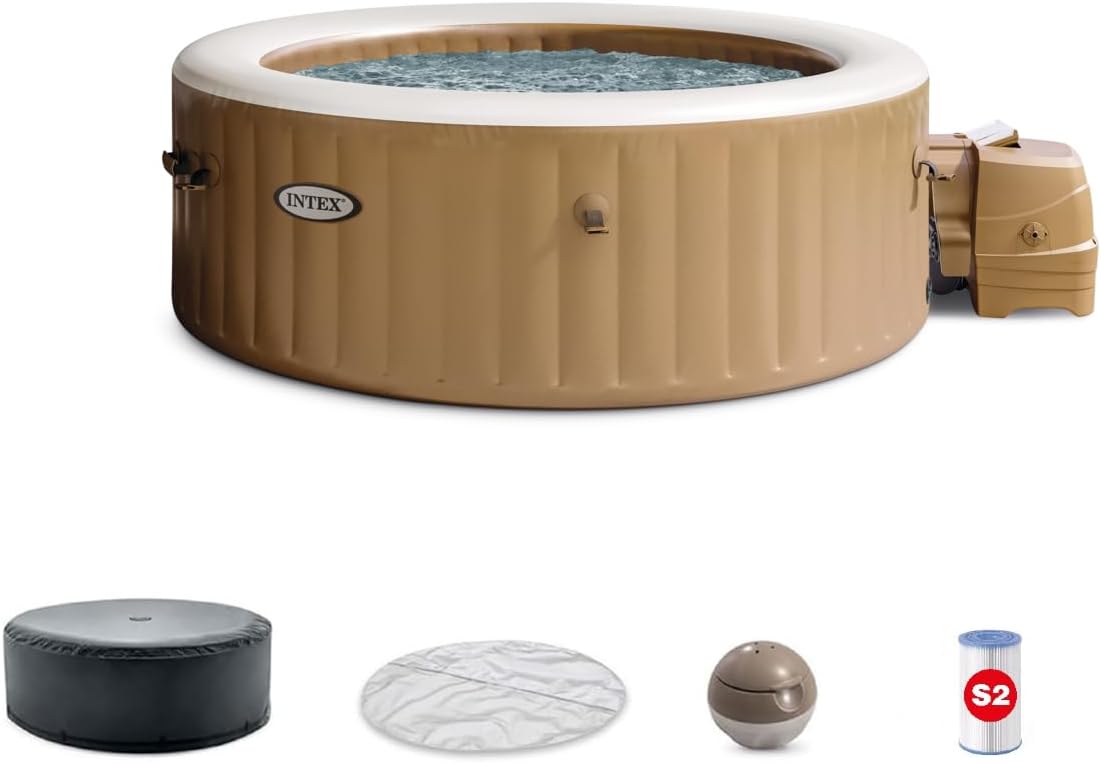
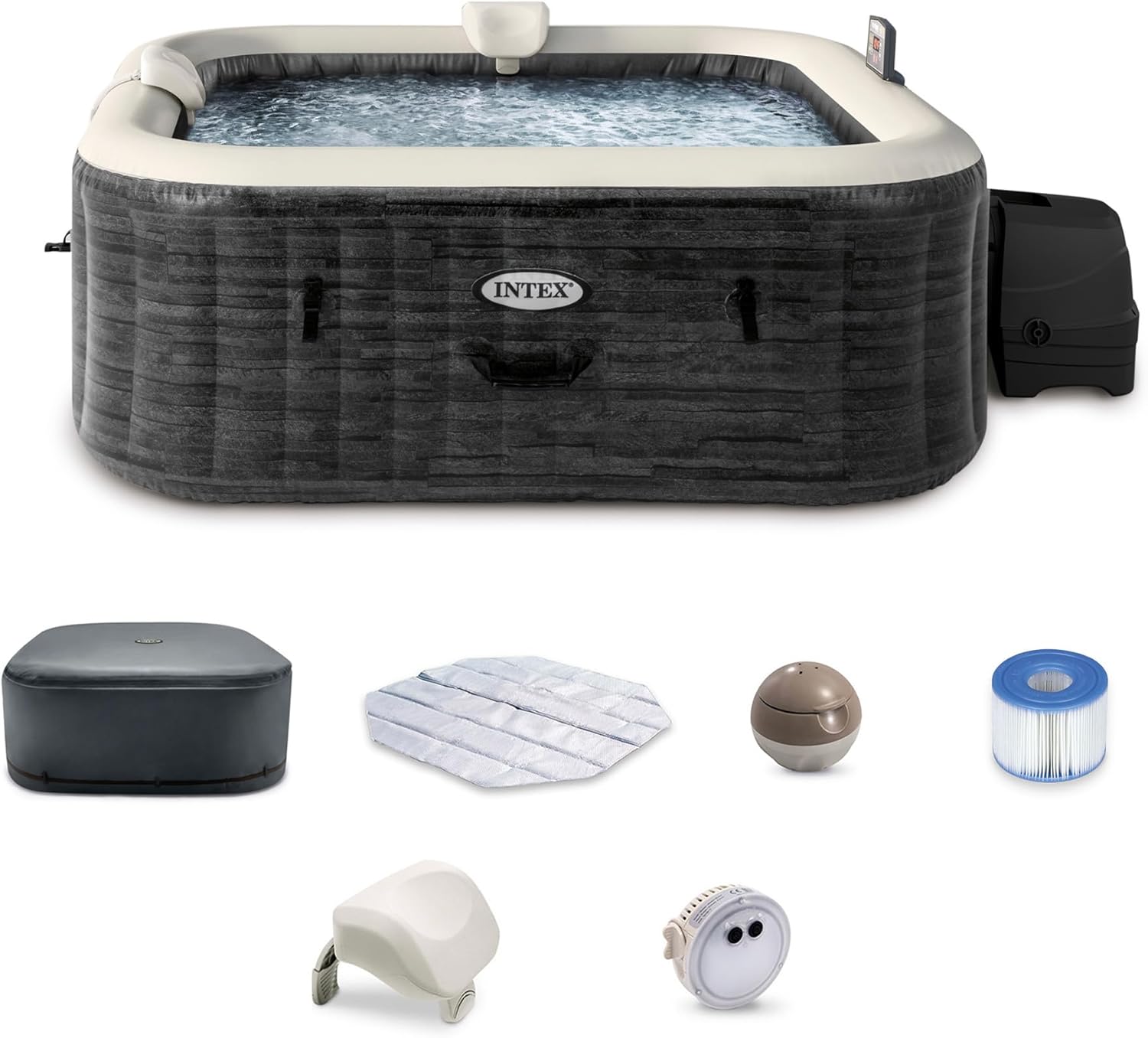
Recommended Starter Tub: Intex PureSpa Plus
Great durability and easy setup for first-time buyers.
Check Price on Amazon3. The Massage Experience: Bubbles vs. Jets
Here is where expectation management is crucial. Are inflatable hot tubs worth it if you need deep-tissue massage? Maybe not.
Most inflatable hot tubs use AirJets (bubbles) rather than high-pressure HydroJets (water streams). The air jets create a relaxing, effervescent sensation that bubbles up from the bottom of the liner. It is soothing and great for general relaxation or post-exercise recovery. In fact, many users find hot tubs good after a workout regardless of the jet type simply due to the heat.
However, if you suffer from severe chronic pain or arthritis, the gentle bubbles might not provide the targeted relief of a molded seat with directed water jets. That said, for general aches, learning how hot tubs help arthritis shows that the immersion in warm water is often the primary benefit, which inflatables deliver perfectly.
The Noise Factor
It is worth noting that because the blower that creates bubbles is housed in the external pump unit, it can be somewhat noisy—similar to a loud vacuum cleaner. You generally cannot run the bubbles and the heater simultaneously on cheaper models, meaning the water cools down faster when the bubbles are on.
4. Understanding Inflatable Hot Tub Technology
Before diving deeper into whether these portable spas are worth your investment, it’s essential to understand the engineering behind them. Modern inflatable hot tubs are far more sophisticated than most people realize, incorporating advanced materials science and fluid dynamics to create a genuine spa experience.
4.1 The Construction Materials Revolution
The days of flimsy vinyl pool toys are long gone. Today’s inflatable hot tubs utilize advanced composite materials that rival the durability of some rigid structures. The most common material systems include:
TriTech™ Technology (Bestway/Coleman): This proprietary three-layer system consists of an outer PVC layer for UV resistance and aesthetic appeal, a middle polyester mesh core for structural integrity and puncture resistance, and an inner PVC layer for water containment and smoothness. The polyester mesh is the secret weapon—it distributes stress across thousands of micro-fibers, preventing catastrophic failure even if a small puncture occurs.
Fiber-Tech™ Construction (Intex): Intex employs a similar philosophy but uses high-strength polyester fibers laminated between two layers of heavy-gauge PVC. The fibers run in multiple directions, creating a grid-like reinforcement that provides exceptional beam strength—meaning you can sit directly on the inflated walls without structural compromise.
Drop-Stitch Technology: Some premium inflatable models are beginning to incorporate drop-stitch construction, the same technology used in high-end inflatable stand-up paddleboards. This involves thousands of polyester threads connecting the inner and outer walls, allowing for much higher inflation pressures (up to 10-15 PSI compared to the typical 1-2 PSI of standard inflatables). While currently rare in the hot tub market, this represents the future of portable spa rigidity.
4.2 The Heating Systems Explained
Understanding how inflatable hot tub heaters work is crucial to managing expectations about heating times and energy consumption. Most portable spas use a 1,200 to 1,500-watt resistive heating element integrated into the external pump/filtration unit. This is fundamentally different from the 4,000-6,000 watt heaters found in hard-shell spas.
The physics is straightforward: 1,500 watts can raise approximately 1.5-2 degrees Fahrenheit per hour in a typical 250-gallon inflatable tub. This means heating from cold tap water (55°F) to a therapeutic 104°F can take 24-30 hours. This is a critical consideration that many first-time buyers overlook.
Some advanced models now incorporate dual heating systems that combine the standard resistive element with a heat pump or solar thermal integration. While these add cost, they can reduce heating times by 30-40% and significantly lower operating expenses in the long run.
4.3 The Circulation and Filtration Architecture
Water quality management in inflatable hot tubs relies on a continuous circulation system. The external pump unit draws water from the tub through intake ports, passes it through a cartridge filter (typically rated at 20-30 microns), and returns it to the tub. Most systems cycle the entire water volume every 2-4 hours.
The filtration system serves multiple purposes beyond just removing debris. It also distributes chemicals evenly throughout the water column, prevents stagnation zones where bacteria could flourish, and helps maintain consistent temperature by preventing thermal stratification (where hot water rises and cold water sinks).
Advanced models feature ozone generators or UV-C sanitization systems integrated into the filtration loop. These technologies provide supplemental sanitation that reduces the need for high chlorine or bromine levels, resulting in softer-feeling water and reduced chemical odors. While these features increase the initial purchase price by $50-150, they often pay for themselves in reduced chemical costs within 12-18 months.
5. The Energy Efficiency Equation: Understanding Real Costs
Perhaps the most significant factor in determining whether an inflatable hot tub is “worth it” involves understanding the ongoing energy costs. While the upfront price is attractive, the operational expenses can surprise unprepared owners.
5.1 The Physics of Heat Loss
Heat loss in any hot tub occurs through four primary mechanisms: evaporation, conduction, convection, and radiation. Inflatable hot tubs are particularly vulnerable to all four due to their construction.
Evaporative Heat Loss: When you remove the cover, water molecules at the surface gain enough energy to escape into the atmosphere. This phase change from liquid to gas requires enormous energy—approximately 2,260 kilojoules per kilogram of water evaporated. Every gram of water that evaporates takes significant heat with it, which is why uncovered inflatable tubs can lose 3-5°F per hour in cool weather.
Conductive Heat Loss: Heat transfers directly from the warm water through the tub walls and floor to the cooler ground or air. The PVC walls of inflatable tubs typically have an R-value (insulation rating) of only 1-2, compared to R-15 to R-25 for the foam-insulated shells of premium hard-sided spas. This means inflatable tubs lose heat through their walls 10-15 times faster than traditional spas.
Convective Heat Loss: Air movement across the tub surface dramatically accelerates heat loss. Even a gentle 5 mph breeze can double the rate of heat loss compared to still air conditions. This is particularly relevant for inflatable tubs, which are often placed in exposed locations without the wind protection that permanent installations typically incorporate.
Radiative Heat Loss: All objects emit infrared radiation proportional to their temperature. At 104°F, your hot tub is constantly radiating heat to the cooler sky and surroundings. On clear nights, this radiative cooling effect is particularly pronounced, which is why tubs lose more heat overnight than during cloudy periods.
5.2 Calculating Your Monthly Energy Costs
To determine what you’ll actually pay, you need to understand your specific situation. The formula for estimating monthly electrical costs is:
Monthly Cost = (Heater Wattage × Hours of Operation × Days per Month × Electricity Rate) / 1000
However, the heater doesn’t run continuously. The duty cycle (percentage of time the heater operates) depends on ambient temperature, cover quality, wind exposure, and usage patterns. In summer conditions (70-80°F ambient), the duty cycle might be only 15-25%. In winter (30-40°F), it can jump to 50-70% or higher.
Let’s work through a realistic example:
- Heater wattage: 1,500W (1.5 kW)
- Average duty cycle: 40% (spring/fall conditions)
- Hours per day: 24
- Days per month: 30
- Electricity rate: $0.14 per kWh (US average)
Calculation: 1.5 kW × 24 hours × 30 days × 0.40 duty cycle × $0.14/kWh = $60.48 per month
This aligns with real-world reports from owners who typically see $40-80 monthly increases in moderate climates. In cold climates, winter bills can exceed $100 per month. Over a 5-year lifespan, this means you’ll spend $2,400-$4,800 on electricity alone—often exceeding the initial purchase price.
5.3 Energy Optimization Strategies
Fortunately, there are numerous ways to significantly reduce energy consumption without sacrificing enjoyment:
Upgrade Your Cover: The stock covers provided with inflatable hot tubs are adequate but far from optimal. Aftermarket covers with 2-3 inches of high-density foam can triple or quadruple the insulation value. A quality cover can reduce heat loss by 60-70%, paying for itself within months through reduced electrical bills.
Add a Thermal Blanket: A floating thermal blanket sits directly on the water surface beneath the main cover. These thin foam or bubble-wrap style blankets reduce evaporation (the largest source of heat loss) by 90% or more. At $20-40, they offer the best return on investment of any energy-saving accessory.
Create a Wind Barrier: Simple windbreaks can dramatically reduce convective heat loss. A lattice fence, privacy screen, or even strategic landscaping can reduce wind exposure and cut energy consumption by 15-25% in breezy locations.
Install Ground Insulation: Place your inflatable tub on insulating ground mats or foam boards. The ground can act as a massive heat sink, especially if you’re on concrete or cold soil. A 1-inch layer of closed-cell foam insulation beneath the tub can reduce conductive heat loss through the floor by 50% or more.
Use a Timer: If you have predictable usage patterns, consider using a programmable timer to lower the temperature during times you never use the tub (like weekday afternoons) and automatically raise it before your typical soaking times. Many digital controllers support this functionality.
Strategic Temperature Management: Every degree you reduce the set temperature saves approximately 5-10% on heating costs. Many owners find 102°F just as enjoyable as 104°F, and the energy savings add up significantly over time.
6. The Science of Hydrotherapy: Health Benefits Validated
Beyond relaxation, regular hot tub use provides measurable health benefits that can make the investment worthwhile from a wellness perspective alone. Understanding these benefits helps contextualize the value proposition.
6.1 Cardiovascular Benefits
Immersion in warm water triggers a cascade of cardiovascular responses. The heat causes peripheral vasodilation—your blood vessels expand, reducing systemic vascular resistance. Your heart responds by increasing cardiac output by 30-50% while actually lowering blood pressure due to the reduced resistance.
A 2016 study published in the Journal of Physiology found that regular hot water immersion (40°C for 30 minutes, 4-5 times per week) produced cardiovascular adaptations similar to moderate exercise. Participants showed improved endothelial function, reduced arterial stiffness, and lower resting blood pressure after 8 weeks of consistent hot tub use.
For individuals who cannot engage in traditional exercise due to injury, disability, or chronic conditions, the cardiovascular conditioning from regular hot tub sessions can help maintain heart health and circulation. This “passive heating” approach to cardiovascular fitness is an emerging area of medical research with promising implications.
6.2 Musculoskeletal Pain Relief
The buoyancy provided by water immersion reduces effective body weight by approximately 90% when submerged to neck level. This decompression of joints and the spine provides immediate relief for individuals with osteoarthritis, rheumatoid arthritis, fibromyalgia, and chronic back pain.
The combination of heat and buoyancy also increases blood flow to muscles and connective tissues, promoting the delivery of oxygen and nutrients while accelerating the removal of metabolic waste products like lactic acid. This explains why athletes have used hot water immersion for recovery for centuries.
Research published in the Journal of Strength and Conditioning Research demonstrated that post-exercise hot water immersion significantly reduced delayed-onset muscle soreness (DOMS) and accelerated recovery of muscle strength compared to passive recovery. For fitness enthusiasts, an inflatable hot tub can serve as a legitimate recovery tool that may reduce injury risk and improve training consistency.
6.3 Mental Health and Sleep Quality
The psychological benefits of regular hot tub use extend far beyond simple relaxation. The combination of warm water immersion, buoyancy, and the rhythmic sound of bubbles creates a sensory environment that triggers the parasympathetic nervous system—your body’s “rest and digest” mode.
Cortisol levels (the primary stress hormone) have been shown to decrease significantly after 20-30 minutes of warm water immersion. Simultaneously, the body releases endorphins and other mood-elevating neurotransmitters. For individuals dealing with chronic stress, anxiety, or mild depression, this accessible form of stress reduction can be genuinely therapeutic.
Perhaps most compelling is the impact on sleep quality. The body’s natural sleep-wake cycle (circadian rhythm) is partly regulated by core body temperature. A slight drop in core temperature signals the body that it’s time to sleep. Hot tub use creates an artificial temperature spike; when you exit the tub, your body cools rapidly, triggering a powerful sleep signal.
Clinical studies have demonstrated that warm water immersion 1-2 hours before bedtime significantly reduces sleep onset latency (time to fall asleep) and increases slow-wave (deep) sleep duration. For the millions of Americans struggling with insomnia or poor sleep quality, the consistent use of a hot tub as part of a sleep hygiene routine can be life-changing.
6.4 Metabolic Health Implications
Emerging research suggests that regular heat exposure may have metabolic benefits that extend to glucose regulation and insulin sensitivity. A 2018 study in the Journal of Applied Physiology found that repeated hot water immersion improved insulin sensitivity in overweight men, potentially offering a complementary approach to metabolic health management.
The mechanisms are still being studied but appear to involve heat shock proteins—molecular chaperones that protect cells from stress and improve cellular function. These proteins are upregulated during heat exposure and may play a role in improving metabolic health markers.
While no one should consider a hot tub a replacement for exercise and proper nutrition, the potential metabolic benefits add another dimension to the value calculation, particularly for individuals managing type 2 diabetes or metabolic syndrome.
7. Durability: Will It Pop? (Expanded Analysis)
The biggest fear for potential buyers is puncturing. “Will my cat pop my hot tub?” or “Will a branch tear it?”
Modern inflatable spas are not made of the same thin plastic as pool floats. They utilize reinforced materials like TriTech (Bestway/Coleman) or Fiber-Tech (Intex). These are multi-layered, laminated PVC materials reinforced with polyester mesh. They are surprisingly rigid; you can sit on the walls of a fully inflated tub without it collapsing.
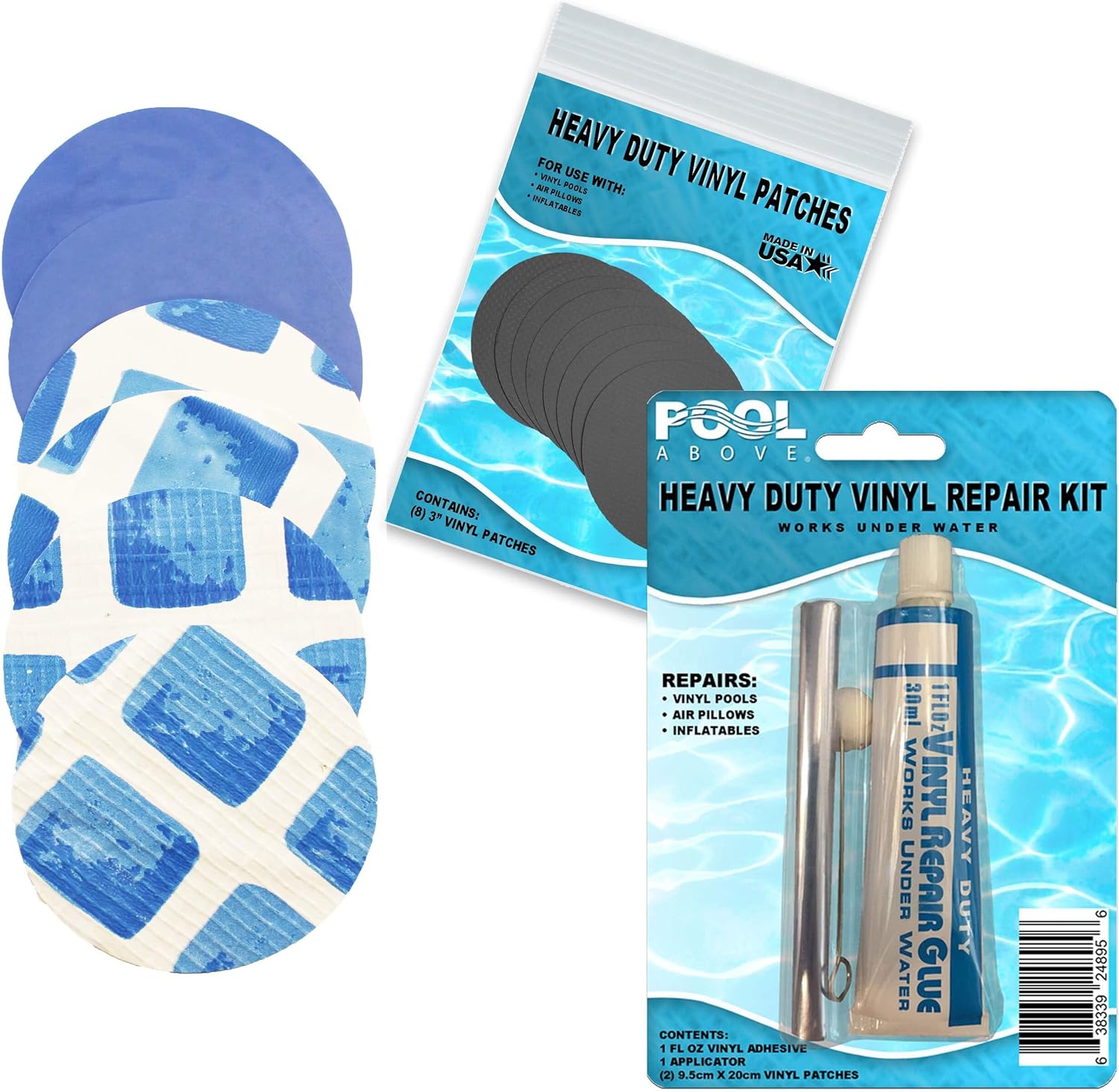
That said, leaks can happen. The good news is that they are usually easy to fix with a patch kit. If you encounter issues, guides like Intex PureSpa troubleshooting can save the day. With proper care, an inflatable tub typically lasts 3 to 5 years.
7.1 Common Failure Points and Prevention
Understanding where and why inflatable hot tubs typically fail can help you maximize longevity. Based on warranty claim data and user reports, the most common failure points are:
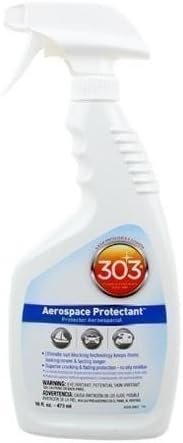
Seam Delamination (35% of failures): The welded seams where panels join are the most stressed areas. Over time, repeated inflation/deflation cycles, UV exposure, and chemical degradation can cause the seams to separate. Prevention includes avoiding unnecessary deflation, using a UV protectant spray on the exterior, and maintaining proper chemical balance to prevent material degradation.
Pump/Heater Unit Failure (30% of failures): The external pump unit contains the motor, heater element, control board, and sensors. These components are vulnerable to water damage, power surges, and general wear. Common symptoms include error codes, failure to heat, or pump motor burnout. Many issues stem from running the unit with clogged filters, which causes the pump to work harder and overheat.
Valve and Seal Degradation (20% of failures): The inflation valves, drain valves, and O-ring seals are subject to constant pressure and chemical exposure. Over time, rubber seals can dry out, crack, or lose elasticity, leading to slow leaks that are difficult to locate. Annual inspection and replacement of O-rings can prevent most valve-related failures.
Liner Punctures (15% of failures): While the reinforced materials resist punctures well, sharp objects can still penetrate. Pet claws, dropped tools, jewelry, and even aggressive cleaning brushes can cause leaks. Most punctures are repairable with included patch kits, but the key is catching them early before they enlarge under pressure.
7.2 Extending Your Tub’s Lifespan
With proper care, many owners report their inflatable tubs lasting 5-7 years rather than the average 3-5. Key longevity strategies include:
- Chemical Balance Maintenance: Improper pH or sanitizer levels don’t just affect water quality—they attack the tub materials themselves. Low pH (acidic water) can leach plasticizers from PVC, making it brittle. High chlorine levels accelerate material degradation. Maintaining balanced water protects both bathers and the tub structure.
- UV Protection: Ultraviolet radiation from sunlight breaks down the chemical bonds in PVC over time. If your tub sits in direct sun, apply a UV protectant designed for vinyl or PVC materials every 2-3 months. Better yet, position the tub in a shaded location or use a gazebo or umbrella for protection.
- Proper Winterization: If you live in a climate with freezing temperatures and don’t plan to use the tub during winter, proper storage is critical. Residual water left in the plumbing or pump can freeze and expand, cracking components. Follow manufacturer guidelines for draining, drying, and storing the tub and pump unit.
- Avoid Over-Inflation: While the tub should be firm, over-inflation places unnecessary stress on seams and valves. Most manufacturers specify optimal inflation pressure. When in doubt, inflate until the walls are firm but still have slight give when pressed—like a well-inflated exercise ball.
- Regular Filter Maintenance: Clogged filters restrict water flow, causing the pump to work harder and potentially overheat. Clean or replace filters according to the schedule in your manual. A restricted pump not only increases energy consumption but significantly shortens pump life.
Winter Considerations
Standard inflatable tubs struggle in freezing temperatures. The pumps have safety shut-offs at around 40°F (4°C). However, newer models are featuring “Freeze Shield” technology to allow year-round use. If you plan to soak in December, ensure you choose the best inflatable hot tub for winter specifically designed for cold climates.
8. Water Chemistry Mastery: Beyond Basic Maintenance
Proper water chemistry management is the single most important factor in the inflatable hot tub ownership experience. Poor water chemistry leads to equipment damage, health risks, and a thoroughly unenjoyable soaking experience. Yet many new owners find the chemistry intimidating.
8.1 The Chemistry Fundamentals
Hot tub water chemistry revolves around four interconnected parameters that must be maintained in balance:
Sanitizer Level (Chlorine or Bromine): This is your primary defense against bacteria, viruses, and algae. For chlorine systems, maintain 2-4 ppm (parts per million) of free chlorine. For bromine systems, maintain 3-5 ppm. The sanitizer level fluctuates constantly as it reacts with contaminants, so test before every use and adjust as needed.
pH Level (7.2-7.8): pH measures the acidity or alkalinity of your water. The ideal range is 7.2-7.8, with 7.4-7.6 being optimal. Low pH (below 7.2) causes eye irritation, skin dryness, and equipment corrosion. High pH (above 7.8) reduces sanitizer effectiveness, causes scale formation, and leads to cloudy water. pH naturally tends to rise in hot tubs due to aeration from jets, so you’ll typically be adding pH decreaser rather than increaser.
Total Alkalinity (80-120 ppm): Alkalinity acts as a pH buffer, preventing rapid pH swings. Low alkalinity allows pH to bounce around unpredictably. High alkalinity locks pH in place, making it difficult to adjust. Always adjust alkalinity before pH—proper alkalinity makes pH management much easier.
Calcium Hardness (150-250 ppm): Calcium prevents the water from becoming “aggressive” (too soft) or scale-forming (too hard). Soft water leaches minerals from equipment and can cause foaming. Hard water deposits calcium scale on heater elements (reducing efficiency and causing failure) and leaves unsightly waterline rings.
8.2 The Science of Shock Treatment
Shocking (also called oxidation) is the process of breaking down organic contaminants that accumulate in the water—sweat, body oils, cosmetics, and the byproducts of sanitizer reactions (combined chlorine or chloramines). These contaminants cause the distinctive “chlorine smell” that many associate with pools, eye irritation, and reduced sanitizer effectiveness.
There are two primary types of shock:
Chlorine Shock (Calcium Hypochlorite or Dichlor): Raises sanitizer levels very high temporarily to burn off contaminants. Effective but requires waiting until chlorine levels drop back to safe ranges (below 5 ppm) before using the tub. Ideal for weekly maintenance or after heavy use.
Non-Chlorine Shock (Potassium Monopersulfate or MPS): Oxidizes contaminants without raising chlorine levels, allowing immediate tub use. MPS is gentler on equipment and skin but doesn’t sanitize—it only oxidizes. Many owners alternate between chlorine and non-chlorine shock for optimal water quality.
The frequency of shocking depends on bather load. A good rule of thumb: shock after every 3-4 person-hours of use (e.g., two people for two hours = 4 person-hours), or weekly, whichever comes first. If water ever appears cloudy or has an odor, shock immediately regardless of schedule.
8.3 Troubleshooting Common Water Problems
Cloudy Water: The most common water quality complaint has multiple potential causes. Start with the filter—a dirty filter cannot remove particles effectively. Then test sanitizer and pH levels. If both are in range, the cloudiness is likely from microscopic particles too small for the filter to capture. Use a clarifier product that causes particles to clump together for filter removal, or a flocculant that drops particles to the floor for vacuuming.
Foaming: Foam results from surfactants (soaps, detergents, body products) introduced by bathers. Prevention is key—shower before entering the tub and avoid swimsuits washed in detergent (rinse suits in plain water after washing, or dedicate specific suits to hot tub use). For existing foam, anti-foam products provide immediate but temporary relief. The permanent solution is draining and refilling.
Algae Growth: Green, yellow, or black algae indicates a sanitizer failure. Algae can only grow when sanitizer levels have been insufficient for an extended period. Treatment requires aggressive shocking, algaecide addition, thorough brushing of all surfaces, and 24-hour continuous filtration. Prevention is far easier than treatment—never let sanitizer levels drop below minimum.
Scale Formation: White, chalky deposits on surfaces and equipment indicate calcium precipitation, usually from high pH combined with high calcium hardness. Scale on heater elements acts as insulation, reducing heating efficiency and potentially causing element burnout. Use a scale prevention product and maintain proper pH and calcium levels.
9. The Complete Cost Picture: Beyond the Sticker Price
The sticker price is low, but the running costs can add up. Because inflatable tubs lack the thick foam insulation of hard-shell spas, they lose heat faster.
Electricity: Depending on your local rates and the ambient temperature, an inflatable hot tub can add anywhere from $30 to $100 per month to your electric bill. This is a common concern, and we discuss the specifics in our article: Do inflatable hot tubs use a lot of electricity? using the standard 110V outlet.
Chemicals & Filters: You cannot just fill it and forget it. You must maintain water chemistry to prevent bacteria and biofilm buildup. This involves:
- Sanitizer: Chlorine or Bromine.
- Shock: Shocking the tub weekly to reactivate sanitizers.
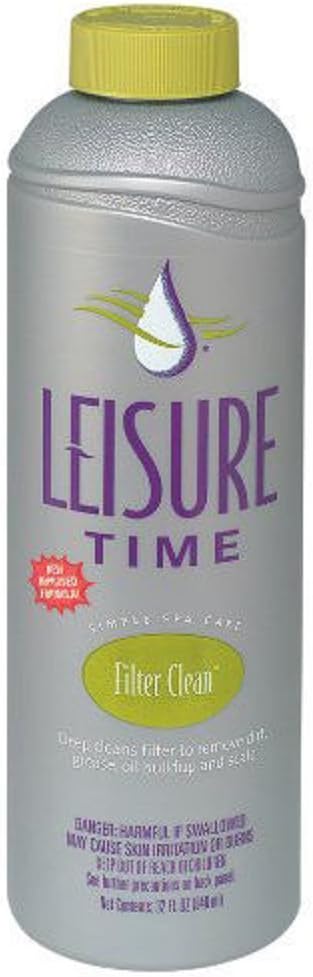
- Filters: You need to know how often to replace hot tub filters (usually every 2-4 weeks).
To keep costs down and efficiency up, we highly recommend investing in one of the best hot tub covers or adding thermal blankets to trap heat.

Essential Maintenance Kit
Keep your water crystal clear with this starter chemical set.
Check Price on Amazon9.1 Five-Year Total Cost of Ownership Analysis
To truly answer “are inflatable hot tubs worth it,” we need to calculate the complete five-year ownership cost and compare it to alternatives:
| Cost Category | Inflatable Hot Tub | Entry-Level Hard Shell | Premium Hard Shell |
|---|---|---|---|
| Initial Purchase | $500 – $800 | $3,500 – $5,000 | $8,000 – $12,000 |
| Installation & Site Prep | $50 – $200 | $500 – $2,000 | $1,000 – $5,000 |
| 5-Year Electricity | $2,400 – $4,800 | $1,500 – $3,000 | $1,200 – $2,400 |
| 5-Year Chemicals | $600 – $1,200 | $750 – $1,500 | $750 – $1,500 |
| 5-Year Filters | $300 – $600 | $400 – $800 | $400 – $800 |
| 5-Year Repairs/Maintenance | $100 – $500 | $500 – $2,000 | $500 – $2,000 |
| 5-Year Total | $3,950 – $8,100 | $7,150 – $14,300 | $11,850 – $23,700 |
This analysis reveals that while inflatable tubs have higher energy costs, their dramatically lower purchase price keeps total ownership costs significantly below hard-shell alternatives. Even at the high end of the estimate, five years of inflatable ownership costs less than the purchase price alone of many traditional spas.
9.2 Hidden Savings Opportunities
Beyond the direct cost comparison, inflatable owners can realize additional savings:
No Permitting Costs: Many municipalities require building permits for permanent hot tub installations ($100-$500). Inflatable tubs, being portable and temporary, typically avoid these requirements.
No Electrical Upgrades: Hard-shell spas usually require a dedicated 220V circuit installation by a licensed electrician ($500-$2,000). Inflatables plug into standard 110V outlets.
No Concrete Pad: Permanent tubs require a reinforced concrete pad capable of supporting 3,000-5,000 pounds ($1,000-$3,000). Inflatables can be placed on level ground, decking, or pavers with minimal preparation.
Property Tax Implications: Permanent hot tub installations are considered property improvements in many jurisdictions and can increase property tax assessments. Portable inflatables don’t trigger reassessment.
Resale Value Preservation: If you move, you can take your inflatable tub with you or sell it for 30-50% of its original value. Hard-shell tubs rarely add equivalent value to home sale prices and often become concessions in negotiations.
10. Site Selection and Installation: Getting It Right the First Time
Proper site selection and preparation can make the difference between a satisfying ownership experience and constant frustration. While inflatable tubs are more forgiving than permanent installations, there are still critical considerations.
10.1 Structural Support Requirements
A filled inflatable hot tub is extremely heavy. A 4-person tub holding 200 gallons of water weighs approximately 1,700 pounds just for the water. Add the tub structure (50-80 pounds) and four average adults (680 pounds), and you’re approaching 2,500 pounds concentrated in a relatively small area—roughly 50-60 square feet.
This means you need a surface capable of supporting roughly 40-50 pounds per square foot, which exceeds the design load of many residential decks. Standard residential decks are typically designed for 40 pounds per square foot live load, but this doesn’t account for the concentrated nature of hot tub loads.
Before placing an inflatable tub on any elevated surface:
- Consult a structural engineer or licensed contractor to evaluate your deck’s capacity
- Ensure the deck is properly attached to the house with appropriate ledger connections
- Verify that footings extend below the frost line and are sized for the additional load
- Check for any signs of existing structural issues like rot, insect damage, or sagging
- Consider adding supplemental support posts and beams directly beneath the tub location
For ground-level installations, a level surface is essential. Even a slight slope can cause uneven water distribution, stressing seams and creating an uncomfortable soaking experience. Concrete pads, pavers, or compacted gravel all work well. Avoid placing directly on grass or soil, which will become muddy and potentially harbor pests.
10.2 Electrical Considerations
Most inflatable hot tubs operate on standard 110-120V household current and draw 12-15 amps when the heater is running. While this seems straightforward, several electrical considerations are often overlooked:
Dedicated Circuit Requirement: The tub should be on a dedicated circuit to prevent tripping breakers. If you plug into an outlet shared with other appliances (especially high-draw items like refrigerators, microwaves, or space heaters), you’ll likely experience nuisance tripping when the tub heater cycles on.
GFCI Protection: Ground Fault Circuit Interrupter protection is absolutely essential for safety. Most inflatable tubs come with a GFCI plug built into the power cord. Never use an adapter to bypass this protection, and test the GFCI monthly by pressing the test button to ensure it trips properly.
Extension Cord Dangers: Manufacturers universally warn against using extension cords, and for good reason. The high current draw over long cord runs causes voltage drop, which reduces heater efficiency, increases amperage draw (potentially overheating the cord), and can damage the pump motor. If you absolutely must use an extension cord, use only a heavy-gauge (12 AWG minimum) outdoor-rated cord no longer than 25 feet, and monitor it regularly for heat buildup.
Outdoor Outlet Installation: If you don’t have an appropriate outlet near your intended tub location, have a licensed electrician install a weather-resistant GFCI outlet. This is a relatively inexpensive project ($150-$400) that ensures safe operation.
11. Year-Round Enjoyment: Seasonal Strategies
One of the questions that determines whether an inflatable hot tub is “worth it” involves how many months per year you can actually use it. With proper strategies, you can extend the usable season significantly—in some climates, to year-round.
11.1 Spring and Fall: The Sweet Spot
Spring and fall offer the most pleasant hot tub conditions. Ambient temperatures between 50-70°F are cool enough to make the warm water inviting but not so cold that heat loss becomes problematic. These seasons typically see the lowest energy costs and the most comfortable entry and exit experiences.
Spring brings unique challenges with pollen and organic debris. Use a fine mesh skimmer net daily and consider adding a secondary filter or clarifier to handle the increased organic load. Fall means leaves—a cover is essential, and a leaf blower can quickly clear the area around the tub before each use.
11.2 Summer Usage: Cool Soaking
Many owners assume hot tubs are only for cold weather, but summer soaking can be delightful with a few adjustments. Lower the temperature setpoint to 95-98°F for a refreshing experience that’s still warmer than most swimming pools. Evening soaks after the sun sets are particularly pleasant when the air is cooling but the water remains comfortably warm.
Summer also brings increased bather load from social gatherings. Monitor water chemistry more closely during party season, and consider shocking more frequently. Sunscreen, insect repellent, and sweat all contribute to faster water quality degradation.
11.3 Winter Operation: The Ultimate Test
Winter operation is where inflatable hot tubs face their greatest challenge—and provide their greatest reward. There’s something magical about soaking in 104°F water while snow falls around you, but it requires preparation and commitment.
Freeze Protection Systems: Modern inflatable tubs with Freeze Shield or similar technologies include temperature sensors that automatically activate the heater and circulation pump when water temperature approaches freezing. This prevents ice formation in the plumbing and pump, but it comes at a significant energy cost—the system may run continuously during cold snaps.
Insulation Upgrades: For winter operation, upgrade every aspect of insulation. Add a high-R-value thermal blanket, install a premium insulated cover, place foam insulation boards beneath the tub, and consider building a windbreak enclosure. Some dedicated winter users construct simple insulated “skirt” panels around the tub exterior using rigid foam insulation covered with weatherproof fabric.
Access Path Maintenance: Ensure you have a clear, non-slip path from your house to the tub. Snow and ice between a warm house and a hot tub create slip hazards. Keep a dedicated pair of slip-on sandals by the door and a rubber mat at the tub entry point. Some users install outdoor heating mats or keep salt/sand handy for the access path.
Emergency Preparedness: Have a plan for power outages during freezing weather. Without electricity, an unprotected inflatable tub can freeze solid within 24-36 hours in sub-freezing temperatures, causing catastrophic damage. Options include a backup generator, draining the tub before the storm (if you have advance warning), or using a battery-powered bubbler to keep water moving (moving water resists freezing).
Comparison: Inflatable vs. Hard-Shell Hot Tubs
To help you visualize the value, here is a direct comparison between the two types.
| Feature | Inflatable Hot Tub | Traditional Hard-Shell Tub |
|---|---|---|
| Upfront Cost | $400 – $1,000 | $4,000 – $15,000+ |
| Installation | DIY (Plug & Play 110V) | Professional (220V hardwire often needed) |
| Portability | High (Move anywhere) | None (Permanent fixture) |
| Jets | 100-140 Air Bubbles (Soft) | Targeted Hydro-Jets (Massage) |
| Lifespan | 3 – 5 Years | 15 – 20 Years |
| Seating | Padded floor (no seats) | Molded ergonomic seats |
12. Essential and Luxury Accessories: Elevating Your Soak
The base inflatable hot tub experience is enjoyable, but strategic accessories can dramatically improve comfort, convenience, and enjoyment. Some are practically essential; others are luxurious upgrades.
12.1 Essential Accessories
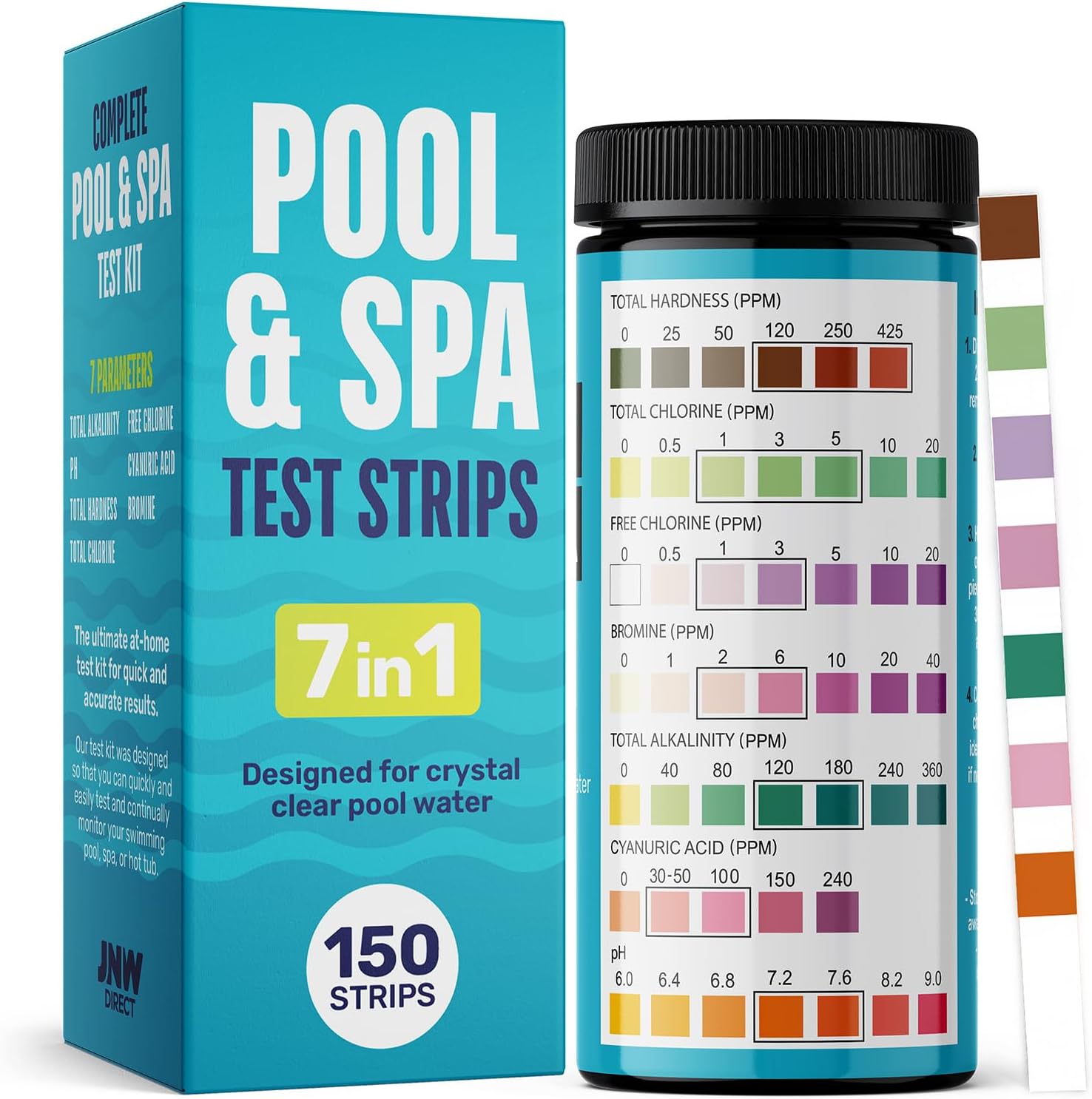
Quality Test Kit or Digital Tester: The test strips included with most tubs provide approximate readings, but a quality test kit or digital tester delivers accuracy that prevents chemistry problems before they start. Liquid reagent kits provide the most accurate results, while digital testers offer convenience. Either is a significant upgrade from basic strips.
Thermal Floating Blanket: As discussed in the energy section, a floating thermal blanket that sits directly on the water surface reduces evaporation—the primary source of heat loss—by up to 90%. At $20-40, this is the single most cost-effective accessory you can buy. Cut it slightly smaller than your tub’s water surface area for a proper fit.
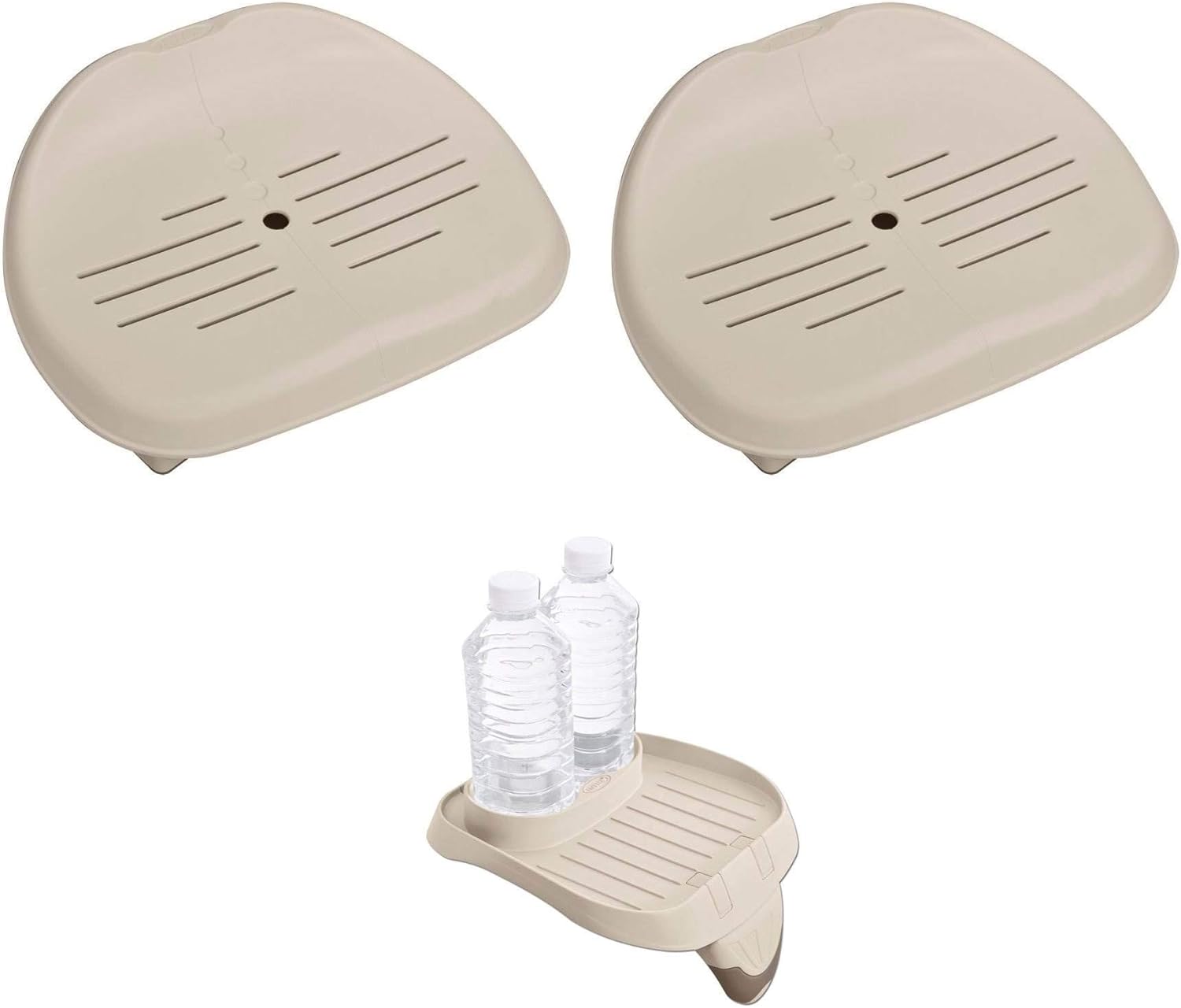
Booster Seats and Cushions: Since inflatable tubs lack molded seating, booster seats dramatically improve comfort, especially for shorter individuals who may find themselves chin-deep without support. Look for waterproof, weighted seats designed specifically for spa use—they stay in place and resist chemical degradation.
Heavy-Duty Cover: While premium covers add cost, they pay for themselves through energy savings. Look for covers with at least 2 inches of high-density foam, reinforced stitching, and secure tie-down straps. A quality cover should last 2-3 years with proper care.
12.2 Comfort and Convenience Upgrades
Headrests: Inflatable spa headrests that attach to the tub wall with suction cups provide neck support for extended soaking sessions. Look for models with quick-dry mesh covers that resist mildew.
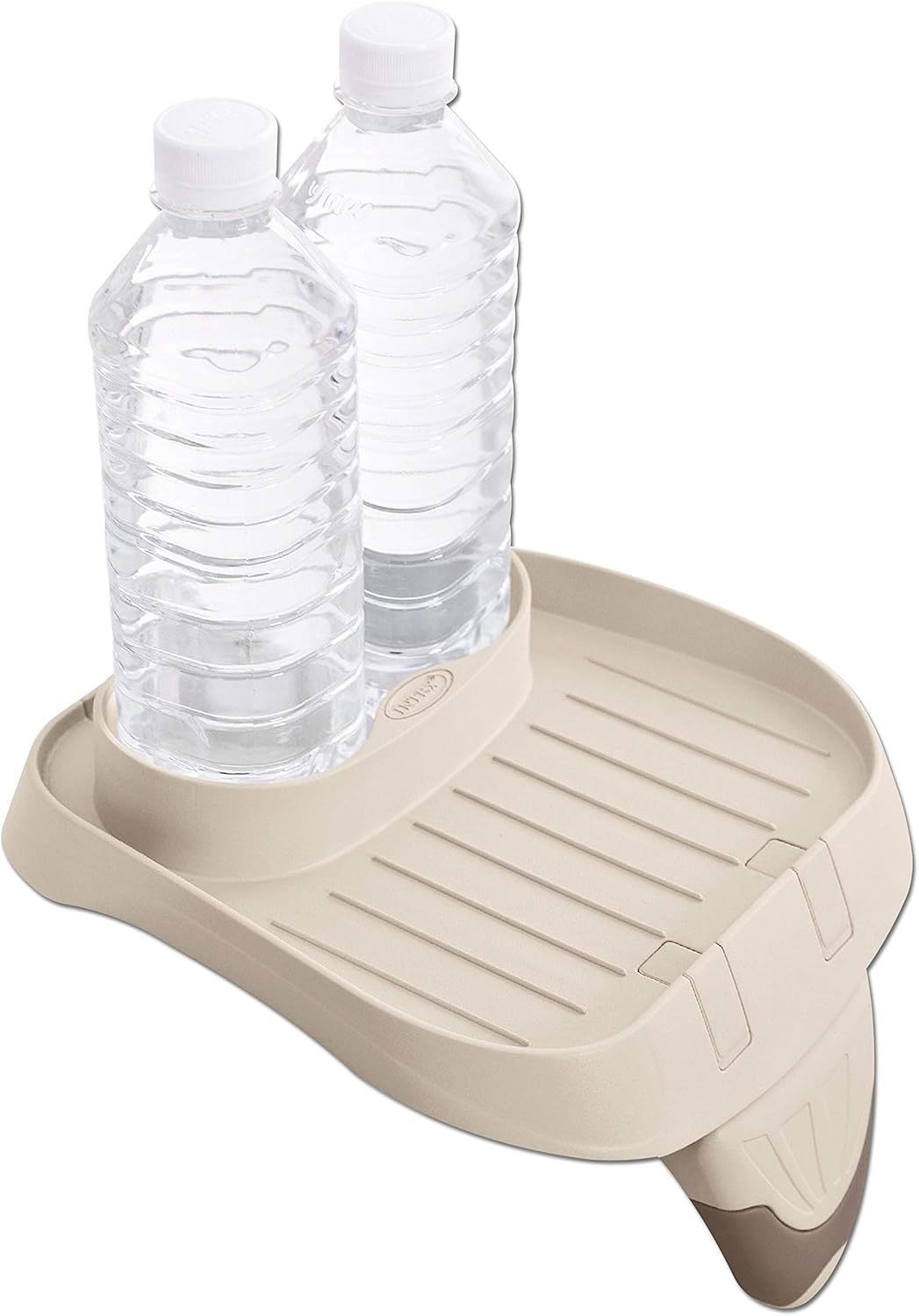
Drink Holders and Trays: Floating or clip-on drink holders keep beverages accessible without requiring you to hold them. Some floating trays include compartments for snacks, phones (in waterproof cases), or speakers.
LED Lighting: While many tubs include basic LED lights, aftermarket submersible LED lights can create dramatic ambiance. Color-changing, remote-controlled lights transform evening soaks into sensory experiences. Ensure any lights are rated for hot water immersion.
Towel Warmers: Stepping out of a hot tub into cold air is jarring. A portable towel warmer or heated robe rack near the tub entry provides a luxurious transition. Even a simple insulated cooler filled with hot towels (preheated in a dryer or microwave) works effectively.
Steps or Platform: Unlike hard-shell tubs with built-in steps, inflatable tubs require climbing over a 28-inch wall. Portable spa steps with non-slip surfaces improve safety and accessibility, particularly for older users or anyone with mobility concerns.
12.3 Entertainment and Technology
Waterproof Bluetooth Speakers: Music enhances the relaxation experience. Floating Bluetooth speakers designed for pool/spa use provide quality sound without risk of water damage. Some include LED light shows synchronized to music.
Outdoor Projector Setup: For the ultimate backyard spa experience, some enthusiasts set up portable projectors and screens for “hot tub movie nights.” Ensure all electronics are properly protected from water exposure and that extension cords are safely routed.
Smart Home Integration: WiFi-enabled smart plugs compatible with high-amperage loads allow remote monitoring and control of your hot tub. Set schedules, monitor energy usage, and receive alerts if the tub loses power—all from your smartphone.
13. Detailed Model Comparisons: Finding Your Perfect Match
The inflatable hot tub market offers numerous options across price points and feature sets. Understanding the key differences helps ensure you choose the right model for your needs.
13.1 Coleman SaluSpa Series Analysis
The Coleman SaluSpa line (manufactured by Bestway) dominates the market for good reason. These tubs offer consistent quality, extensive dealer support, and proven durability. Key differentiators within the lineup include:
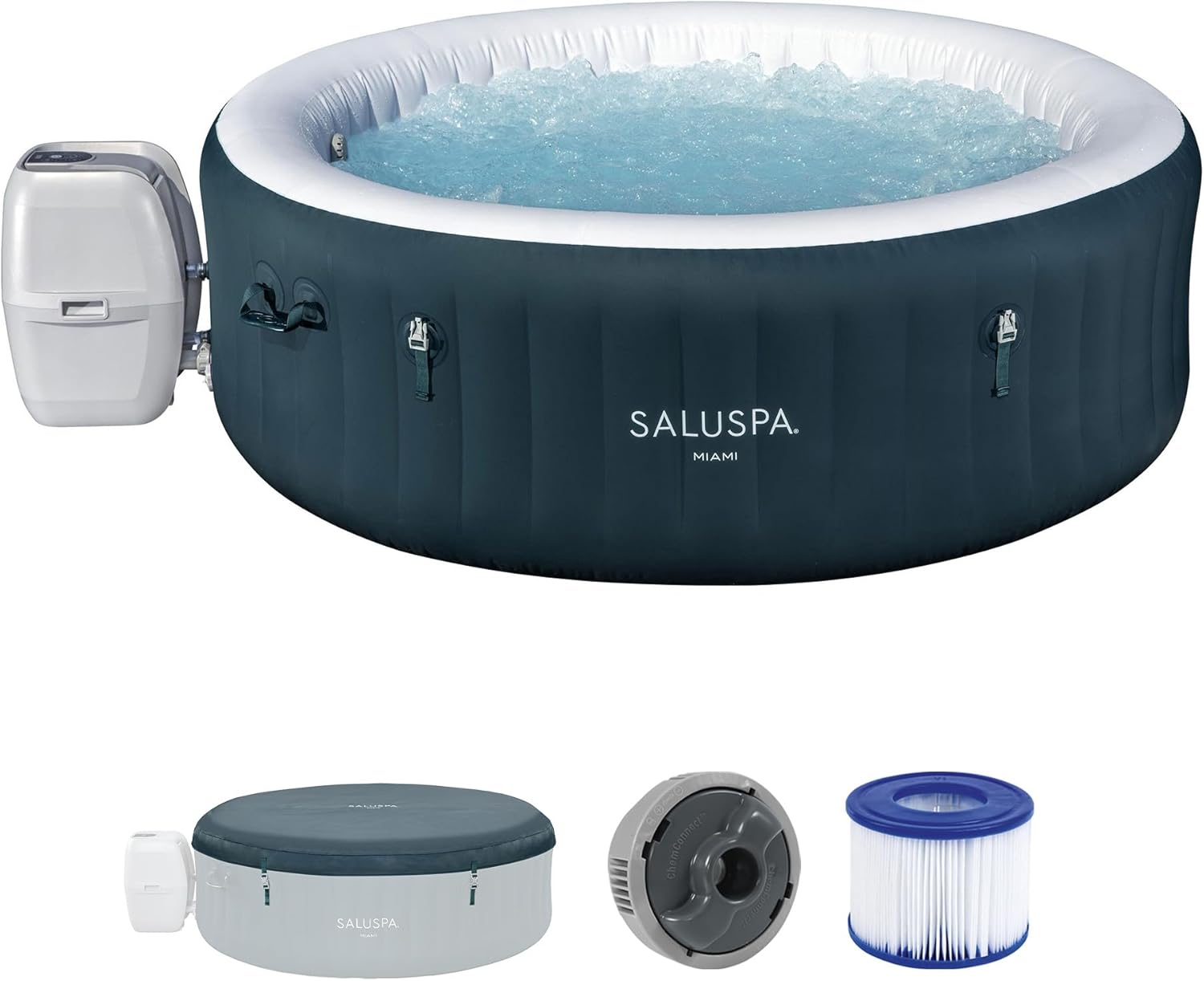
SaluSpa Miami (2-4 person): The entry-level champion. At 71 inches in diameter, it fits small patios while still accommodating 2-3 adults comfortably. The 120 AirJets provide adequate bubble coverage, and the reinforced TriTech material has proven durable across thousands of user reviews. Best suited for couples or small households on a tight budget.
SaluSpa Hawaii (4-6 person): The midsize option balances capacity with footprint. At 77 inches in diameter, it adds meaningful interior space without overwhelming most backyard spaces. The 140 AirJets represent the practical maximum for effective bubble coverage in a round design.
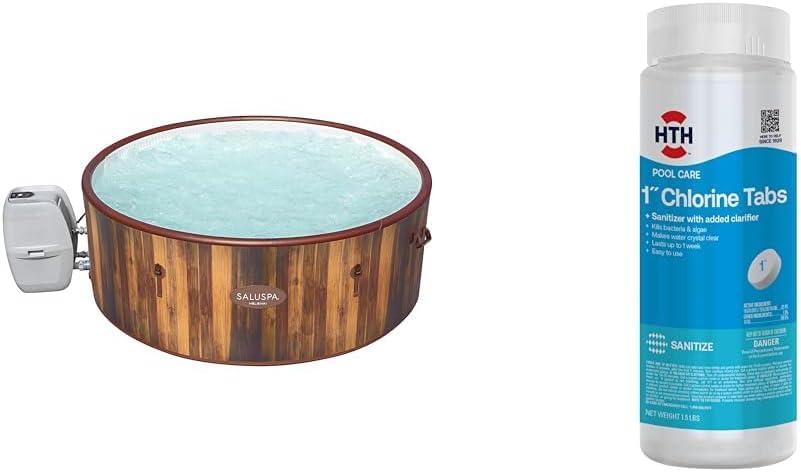
SaluSpa Helsinki (5-7 person): The premium Coleman option features upgraded construction with the “AirJet” system plus a rigid exterior band for added structural integrity. The pump unit includes improved filtration and an integrated chemical dispenser. Higher price point but better insulation and a more premium feel.
13.2 Intex PureSpa Series Strengths
Intex competes directly with Coleman but offers some distinct advantages:
Fiber-Tech Construction Advantage: Intex’s Fiber-Tech technology uses high-strength polyester fibers laminated between PVC layers. Independent testing suggests slightly better puncture resistance than standard TriTech materials, though both substantially exceed the durability of budget alternatives.
Integrated Hard Water Treatment: Select Intex models include built-in water softening technology that helps prevent scale buildup—particularly valuable for owners in hard water regions. This feature can significantly extend heater element life.
Octagonal Design: Some Intex models use an octagonal rather than circular design, which some users find provides better space utilization and more defined seating positions.
13.3 Premium Alternatives Worth Considering
MSPA (Mspa) Models: This European brand has gained traction in North America with features like integrated ozone sanitation, advanced digital controls with smart home compatibility, and premium energy-efficient covers. The higher price point ($700-1,200) reflects these upgrades.
Canadian Spa Company: While primarily known for traditional spas, this company offers a hybrid inflatable line with significant insulation upgrades. Their models include full foam insulation panels that wrap around the exterior, dramatically reducing heat loss while maintaining portability.
Who Are Inflatable Hot Tubs Right For?
1. Renters and Frequent Movers
If you cannot modify your property or plan to move in a year, this is your only real option. It packs up into a box.
2. Budget-Conscious Buyers
If you want the luxury of hot water without draining your savings, models like the Bestway SaluSpa Miami offer incredible value for money.
3. Small Space Owners
Inflatables come in various sizes. A compact 2-4 person tub fits on small patios where a giant acrylic tub wouldn’t.
4. First-Timers
Not sure if you are a “hot tub person”? Don’t spend $8k to find out. Buy an inflatable. If you love it and it dies in 4 years, upgrade to a real one. If you barely use it, you haven’t lost a fortune.
However, keep safety in mind. If you are pregnant, read our guide on can pregnant women use hot tubs before purchasing.
How to Make Your Inflatable Tub “Worth It”
To truly get your money’s worth, you need to enhance the basic setup. The “stock” experience is good, but accessories make it great.
- Comfort: Since inflatables lack molded seats, invest in the best hot tub booster seat to elevate your seating position.
- Cleanliness: Use scum absorbers to keep oils and lotions off the waterline, and get a reliable hot tub vacuum to remove grit from the floor.
- Testing: Don’t guess with chemicals. Use digital hot tub water testers for accuracy.
- Protection: Place the tub on hot tub pads for extra insulation and bottom protection.
14. Beyond Economics: The Lifestyle Value Proposition
The financial analysis answers whether inflatable hot tubs make economic sense, but the question “are they worth it” encompasses more than dollars and cents. The lifestyle benefits often outweigh the monetary considerations for satisfied owners.
14.1 Relationship and Social Connection
Hot tubs create a unique social environment. The combination of warm water, reduced gravity, and the absence of digital screens (phones and hot tubs don’t mix well) fosters genuine conversation and connection. Couples report that regular hot tub time together strengthens their relationships by providing dedicated, distraction-free quality time.
For families, hot tubs offer rare opportunities for multi-generational bonding. Grandparents, parents, and children can share an activity that’s comfortable for all ages. The warm water equalizes—everyone is warm, relaxed, and present. In an era of fragmented family time dominated by individual screens, shared hot tub time creates lasting memories.
Social gatherings centered around the hot tub tend to be more intimate and memorable than standard parties. There’s something about the setting that encourages authentic conversation and laughter. Many owners report that their social lives improved significantly after adding a hot tub to their home.
14.2 Stress Reduction and Mental Wellness
The mental health benefits of regular hot tub use extend beyond the immediate relaxation of a soak. The ritual of maintaining and using the tub provides structure and self-care that many find grounding. In a world of constant connectivity and stress, having a dedicated space and time for relaxation becomes a form of mindfulness practice.
Many owners describe their evening hot tub routine as a “transition ritual” that separates the stresses of the workday from the relaxation of evening. This psychological boundary-setting has real mental health benefits, helping prevent work stress from contaminating personal time.
For individuals dealing with anxiety, the predictable sensation of warm water and bubbles provides a form of sensory grounding. The physical sensation anchors attention in the present moment, interrupting rumination and worry cycles. While not a substitute for professional mental health care, regular hot tub use can be a valuable component of a comprehensive wellness strategy.
14.3 Physical Recovery and Fitness Support
For physically active individuals, a hot tub serves as a recovery tool that supports training goals. The improved circulation, muscle relaxation, and reduced inflammation from warm water immersion accelerate recovery between workouts. Many athletes find that consistent hot tub use allows them to train harder and more frequently without overtraining symptoms.
The buoyancy of water also enables low-impact movement and stretching that’s difficult on land. Gentle stretching in warm water can improve flexibility more effectively than the same stretches performed on land, as muscles are more pliable when warm and the reduced joint loading allows greater range of motion.
14.4 Creating a Backyard Sanctuary
An inflatable hot tub can serve as the centerpiece of a backyard transformation. Even modest landscaping and lighting improvements around the tub create a resort-like atmosphere at home. The psychological benefit of having a “getaway” steps from your back door shouldn’t be underestimated.
Many owners describe their backyard hot tub as transforming their relationship with their outdoor space. Areas that were previously unused become destinations. The investment in the tub often catalyzes broader outdoor living improvements—string lights, planters, privacy screens, comfortable seating—that enhance overall property enjoyment.
15. Environmental Impact and Sustainability
Environmentally conscious consumers rightly question whether inflatable hot tubs align with their values. While any heated water feature has an environmental footprint, the picture is more nuanced than it first appears.
15.1 Energy Source Considerations
The environmental impact of electricity consumption depends entirely on your local grid mix. Owners in regions with high renewable penetration (hydroelectric, wind, solar) have a dramatically lower carbon footprint than those in coal-dependent areas. Some environmentally-conscious owners pair their hot tub with home solar installations, effectively operating carbon-neutral.
Compared to the embodied energy in manufacturing a traditional hot tub (fiberglass, acrylic, extensive foam insulation, heavy shipping), inflatable tubs have a significantly lower manufacturing footprint. However, their shorter lifespan means this manufacturing energy is amortized over fewer years of service.
15.2 Water Conservation Strategies
Water changes every 3-4 months mean an inflatable tub uses 600-1,000 gallons annually. Several strategies minimize this water footprint:
- Extended Drain Intervals: With excellent water chemistry management and moderate use, some owners extend drain intervals to 4-6 months without water quality issues.
- Gray Water Repurposing: Drained hot tub water (once sanitizer has dissipated) can be used for lawn and ornamental plant irrigation. Avoid using on edible gardens, and ensure no residual chemicals remain by letting water sit uncovered for 48 hours before application.
- Cover Usage: Proper cover use reduces evaporation, which both conserves water and reduces the frequency of top-offs needed to maintain proper water level.
15.3 Material Lifecycle
PVC, the primary material in inflatable hot tubs, has legitimate environmental concerns regarding both production and disposal. However, the hot tub industry has made strides in using phthalate-free PVC formulations and improving recyclability. At end of life, some components can be recycled through specialized PVC recycling programs, though availability varies by region.
The best environmental strategy is maximizing the tub’s lifespan through proper maintenance, delaying the need for replacement and keeping materials in service longer.
Quick Recommendations: Validated by Experts
Based on our extensive reviews, here are three models that definitely make the investment “worth it.”
1. The All-Rounder: Coleman SaluSpa
Known for reliability and ease of use. It’s the Ford F-150 of inflatable tubs. Read our full Coleman SaluSpa review.
2. The Premium Choice: Intex PureSpa
Features hard water treatment systems and slightly better heat retention. See how it stacks up in our Intex PureSpa vs Coleman SaluSpa comparison.
3. The Space Saver: Bestway SaluSpa Miami
Perfect for couples or small patios. Check the best 4-person inflatable hot tub list for more compact options.

Coleman SaluSpa Inflatable Hot Tub
The best-selling, most reliable option for most families.
Check Price on Amazon16. Troubleshooting Guide: Solving Common Issues
Even well-maintained inflatable hot tubs occasionally develop issues. Having a systematic troubleshooting approach saves time, money, and frustration.
16.1 Error Codes and What They Mean
Most digital control panels display error codes when problems are detected. While specific codes vary by manufacturer, common categories include:
Flow Errors (E02, FL, FLO): These indicate insufficient water flow through the system, usually caused by clogged filters, air locks in the plumbing, or low water level. Start by cleaning or replacing the filter. Check that water level is above the minimum fill line. If the problem persists, the pump may need to be “burped” by briefly disconnecting and reconnecting hoses to release trapped air.
Temperature Sensor Errors (E01, E03, TS): These indicate a problem with the temperature sensing system. Often caused by a disconnected sensor wire, corrosion at connection points, or sensor failure. In cold weather, ensure the sensor isn’t iced over. These errors typically require professional diagnosis if basic connection checks don’t resolve them.
Heater Errors (E04, E05, HT): These indicate the heater isn’t functioning properly. Causes include a tripped thermal cutoff switch (usually from low water flow causing overheating), a failed heating element, or a control board issue. Reset procedures vary by model—consult your manual.
16.2 Pump Unit Issues
Pump Runs But No Water Movement: This usually indicates an air lock. Try tipping the pump unit to release trapped air, or briefly disconnect and reconnect hoses. In rare cases, the impeller may be damaged or the pump motor capacitor may have failed.
Pump Makes Noise But Doesn’t Start: A humming noise without pump rotation typically indicates a failed start capacitor or seized pump bearings. Capacitor replacement is relatively simple and inexpensive; bearing failure usually requires pump replacement.
GFCI Repeatedly Trips: This indicates electrical leakage—a serious safety concern. Test with nothing else on the circuit. If tripping continues, the heating element may have developed a crack allowing water contact with electrical components. Discontinue use and consult a professional or consider warranty replacement.
16.3 Leak Location and Repair
Finding leaks in an inflatable tub can be challenging. Systematic approach:
- First, verify the leak isn’t from connections. Tighten all hose connections and check valve seals before assuming a liner leak.
- Mark the water level and measure drop over 24 hours with the pump off. This distinguishes evaporation from actual leakage.
- For liner leaks, the soapy water method works: mix dish soap with water and apply to suspect areas with a spray bottle or sponge. Leaks produce bubbles as air escapes.
- Most punctures are repairable with the included patch kit. Clean the area thoroughly with alcohol, apply vinyl adhesive, place the patch, and allow full curing (usually 24 hours) before reinflating.
- Seam leaks are more problematic. Some can be repaired with specialized vinyl cement; others may require professional repair or warranty replacement.
17. Making Your Decision: A Structured Framework
Rather than offering a simple yes/no answer, here’s a decision framework that accounts for your specific circumstances:
17.1 An Inflatable Hot Tub Is Likely Worth It If:
- You’re curious about hot tub ownership but hesitant about the commitment
- You rent or anticipate moving within 5 years
- Your budget for initial purchase is under $1,000
- You have a suitable 110V outlet accessible
- You’re willing to perform regular maintenance
- Your primary goal is relaxation rather than hydrotherapy
- You have space constraints that make permanent installation impractical
- You value the flexibility of seasonal setup and storage
17.2 A Hard-Shell Tub May Be Better If:
- You need targeted, high-pressure hydrotherapy jets for medical conditions
- You plan to use the tub daily year-round for many years
- Your budget accommodates $5,000+ for initial investment
- You want a permanent home improvement that may add property value
- Energy efficiency is a top priority
- You live in an extremely cold climate and want to use the tub throughout winter
- You’re willing to commit to professional installation and 220V electrical work
17.3 The Hybrid Approach
Many successful hot tub owners follow a progression: start with an inflatable, confirm they use it enough to justify the investment, then upgrade to a hard-shell model when the inflatable reaches end of life. This minimizes risk while providing immediate enjoyment. The inflatable serves as a low-cost proof of concept—if you use it regularly, you’ll feel confident upgrading. If you find you use it only occasionally, you’ve saved thousands compared to diving straight into a permanent installation.
Summary: Pros and Cons
✅ The Pros
- Extremely affordable entry price.
- Portable and easy to store.
- Soft, cushioned floor is comfortable.
- Simple 110V plug-and-play setup.
- Great for trial runs.
❌ The Cons
- Water cools down when bubbles run.
- Higher electricity bills due to poor insulation.
- Shorter lifespan (3-5 years).
- Loud pump unit.
- No molded seats or hydro-jets.
Frequently Asked Questions
Inflatable hot tubs typically heat at a rate of 2-3°F per hour. If you fill it with cold hose water, expect it to take 12 to 24 hours to reach 104°F. For more details, see how does an inflatable hot tub work.
Yes, but with strict supervision. Lower the temperature to 98°F for children and limit soak time. Always lock the cover when not in use. Read more on are inflatable hot tubs safe.
Cloudy water is usually a sign of low sanitizer levels, incorrect pH, or a dirty filter. Learn why this happens in our guide: Why does hot tub water get cloudy?.
Only if you live in a mild climate or have a model with “Freeze Shield” technology. Standard vinyl becomes brittle and cracks in freezing temps. See our best inflatable hot tub 2025 list for winter-ready models.
Filled with water and people, these tubs weigh over 2,000 lbs. Ensure your deck is reinforced. We discuss amps and load in how many amps does a hot tub use.
Absolutely. They improve circulation, reduce stress, and help with muscle recovery. Check out are hot tubs healthy for you for a full breakdown of benefits.
Plan on draining and refilling every 3-4 months under normal use. Heavy use may require more frequent changes. A useful formula: drain when the number of days since your last change equals (gallons in tub / number of daily bathers) / 3. For example, a 250-gallon tub used by 2 people daily would need draining approximately every 42 days under this conservative formula. Most owners find 3 months is practical with good chemical management.
Never add Epsom salts, bubble bath, bath oils, or any products not specifically formulated for hot tub use. These products can damage the pump seals, clog filters, create massive foam problems, and interfere with water chemistry. Even “spa-safe” fragrances should be used sparingly. The chemicals, heat, and circulation system create a very different environment than a bathtub.
Softubs and similar products occupy a middle ground between inflatables and hard-shell spas. They use dense foam walls (rather than air-filled chambers) covered in vinyl, offering better insulation than inflatables but less than acrylic spas. Prices typically range $3,000-$6,000. They’re more durable than inflatables but less portable, heavier, and more expensive. For budget-conscious buyers, inflatables usually offer better value.
Yes. The circulation pump should run continuously to filter water, distribute chemicals, and maintain temperature. The heater cycles on and off automatically based on the thermostat setting, but the filtration pump runs 24/7. This continuous operation is factored into the electrical cost estimates and is essential for water quality maintenance.
Final Verdict: Are They Worth It?
So, are inflatable hot tubs worth it?
Yes—if you approach the purchase with the right expectations. They provide 90% of the relaxation of a traditional spa for 10% of the cost. They are the perfect solution for people who want to unwind after work without taking out a second mortgage or committing to a permanent backyard fixture.
However, if you are expecting powerful hydro-massage jets to cure deep back issues, or if you live in a region with sub-zero winters and want to soak daily without a high electric bill, you might be better off saving for a hard-shell tub.
For the vast majority of casual users, families, and renters, the inflatable hot tub is an incredible value that transforms your backyard into a private oasis.
The bottom line: inflatable hot tubs represent one of the best value propositions in the entire outdoor recreation market. For less than the cost of a modest weekend getaway, you can own a therapeutic spa that provides years of relaxation, social connection, and wellness benefits. The key is entering ownership with realistic expectations about heating times, ongoing costs, and the gentle bubble-based massage experience.
When you factor in the health benefits—improved sleep, reduced stress, cardiovascular conditioning, and muscle recovery—the value proposition becomes even more compelling. Many owners report that their inflatable hot tub is among the best purchases they’ve ever made, delivering consistent quality-of-life improvements that far exceed the modest investment.
Ready to experience the benefits for yourself? Start with a quality mid-range model, invest in a good cover and thermal blanket to manage energy costs, commit to a simple but consistent maintenance routine, and discover why millions of owners consider their inflatable hot tub an indispensable part of their home and wellness routine.
Ready to take the plunge?
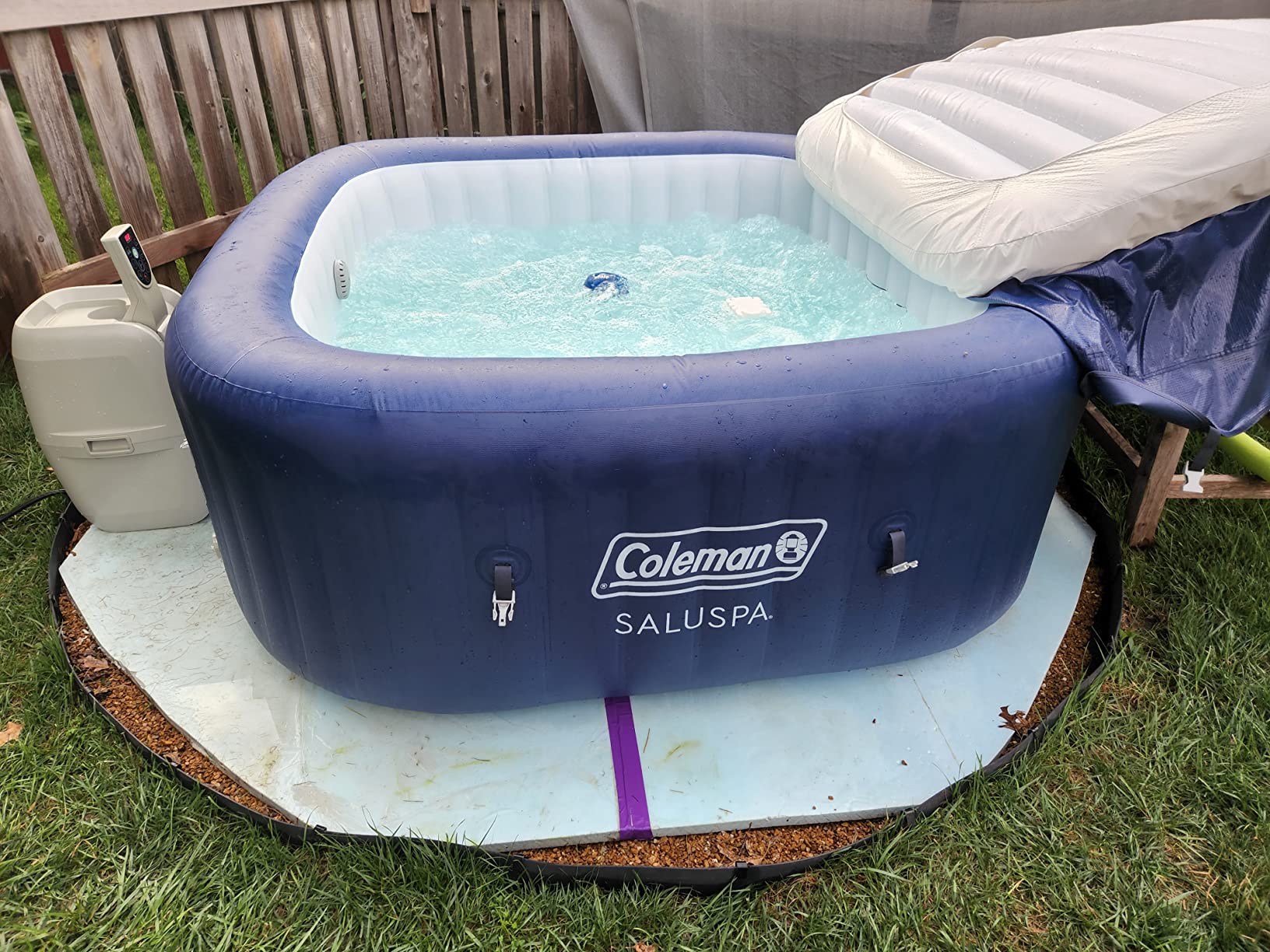
Our Top Recommendation for 2025
Get the best balance of price, durability, and features.
See Today’s Best Deal on Amazon