Lowering Blood Pressure in Spa: Can Hydrotherapy Help Manage Hypertension?
Hypertension, often referred to as the “silent killer,” affects nearly half of the adult population worldwide. While medication and diet are the cornerstones of management, many are turning to lifestyle interventions to supplement their health journey. One of the most pleasant methods currently under scientific scrutiny is lowering blood pressure in spa environments. The concept of using warm water immersion—hydrotherapy—to soothe the heart is not new, but modern research is finally catching up to ancient wisdom.
Whether you own a high-end built-in unit or you’ve been researching the best inflatable hot tub 2025 has to offer, the physiological effects remain consistent. When you submerge your body in 100°F to 104°F water, your system undergoes a remarkable transformation. But how exactly does it work, and is it safe for everyone? In this comprehensive guide, we explore the deep connection between spa usage and cardiovascular health.

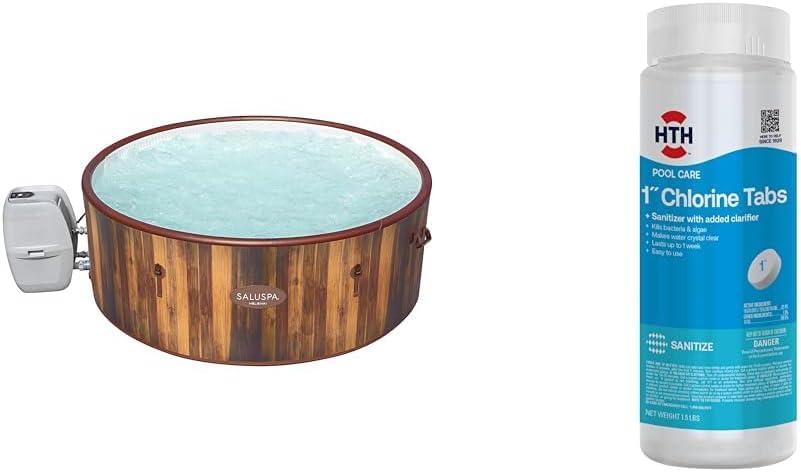
The Lay-Z-Spa Helsinki is an excellent choice for consistent heat therapy at home.
Check Price on AmazonThe Science of Vasodilation: How Spas Lower Pressure
The primary mechanism behind lowering blood pressure in a spa is a process called vasodilation. When your body is exposed to heat, your core temperature begins to rise. To regulate this, the brain signals your blood vessels to expand (dilate). This expansion allows more blood to flow toward the surface of the skin to release heat.
Think of your circulatory system as a plumbing network. If you widen the pipes, the pressure exerted against the walls of those pipes naturally decreases. Scientific studies have shown that immersion in warm water can lead to a significant drop in systolic and diastolic blood pressure. For many, this makes hot tubs healthy for you in ways that extend far beyond simple relaxation.
The Role of Nitric Oxide
Heat therapy stimulates the production of nitric oxide, a molecule that helps the inner muscles of your blood vessels relax. This doesn’t just lower pressure temporarily; regular “passive heat therapy” can improve the overall elasticity of your arteries. This is particularly beneficial for those who may have limited mobility and cannot perform traditional aerobic exercise, providing a “cardiovascular workout” while sitting still.
Step-by-Step Guide: Using a Spa Safely for Hypertension
If you intend to use a spa specifically for its cardiovascular benefits, you must follow a structured approach. Jumping into a tub that is too hot for too long can actually cause a dangerous spike in heart rate or a sudden drop in pressure that leads to fainting.
- Hydrate First: Drink a full glass of water before entering. Heat causes sweating, which reduces blood volume and can cause lightheadedness.
- Temperature Control: Keep the water between 98°F and 102°F. Avoid the maximum 104°F setting if you are a beginner. Most 110v hot tubs allow for precise digital control.
- Duration: Limit your initial sessions to 10-15 minutes. As your body acclimates, you can increase this to 20 or 30 minutes.
- The Exit Strategy: Never stand up quickly. Because your vessels are dilated, standing up fast can cause “orthostatic hypotension”—a sudden drop in blood pressure that causes dizziness. Sit on the edge for a minute first.
- Post-Soak: Cool down gradually. Do not jump into a freezing shower immediately, as this causes “vasoconstriction,” which can spike blood pressure rapidly.

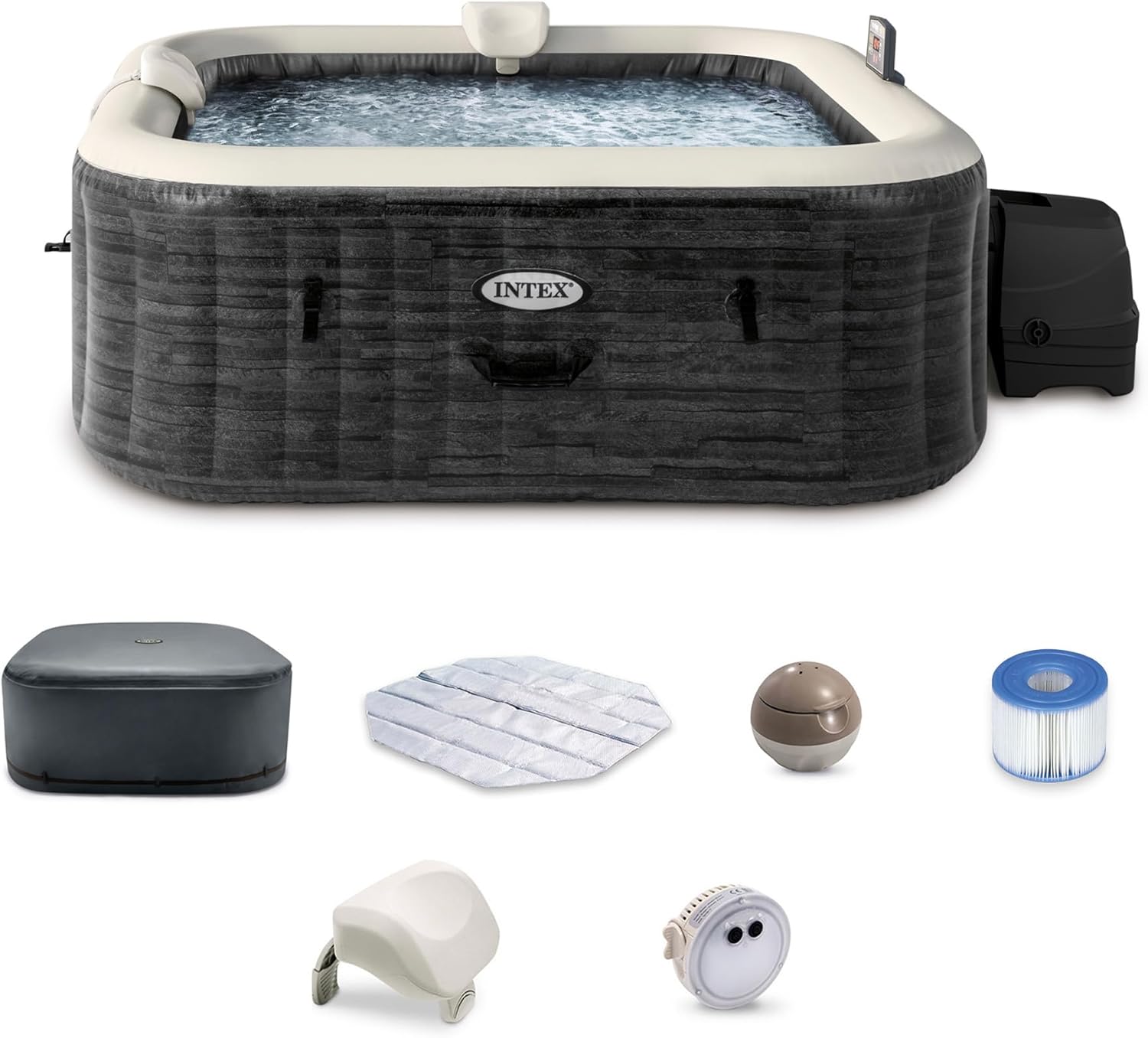
The Intex Greywood Deluxe features a sophisticated wireless control system for easy temperature management.
Check Price on AmazonComparing Passive Heat to Active Exercise
While a spa should never replace the gym, researchers have found that the metabolic effects of a 30-minute soak are surprisingly similar to a brisk walk. This makes it an ideal supplementary therapy. Below is a comparison of how different therapies impact the body.
| Effect | Hot Tub Soak | Brisk Walking |
|---|---|---|
| Heart Rate | Moderate Increase | Moderate to High Increase |
| Blood Vessel Dilation | Significant (Thermal) | Moderate (Mechanical) |
| Caloric Burn | Lower (~60-80 kcal) | Higher (~150-200 kcal) |
| Cortisol Reduction | High | Moderate |
| Joint Impact | Zero (Buoyancy) | Low to Moderate |
For those who struggle with movement, perhaps because hot tubs are good for arthritis in their specific case, the spa provides a way to stress the cardiovascular system in a controlled, low-impact environment.
Pros and Cons of Spa Therapy for Blood Pressure
The Advantages
- Stress Management: Lowers cortisol, which is a major driver of hypertension.
- Improved Circulation: Helps blood reach extremities more efficiently.
- Better Sleep: Improved sleep quality is directly linked to lower daytime blood pressure.
- Accessibility: Inflatables make this therapy affordable for most households.
The Risks
- Dehydration: Can lead to electrolyte imbalances.
- Dizziness: Risk of fainting upon exiting the water.
- Medication Interaction: Some BP meds (like beta-blockers) can interfere with heat regulation.
- Maintenance: Neglected water can harbor biofilm and bacteria.
Is an Inflatable Hot Tub Safe for This?
A common question is whether the benefits of lowering blood pressure in a spa apply to “blow-up” models. The answer is a resounding yes. If you’ve been asking are inflatable hot tubs safe, the primary concern is usually electrical safety and water hygiene, not the efficacy of the heat.
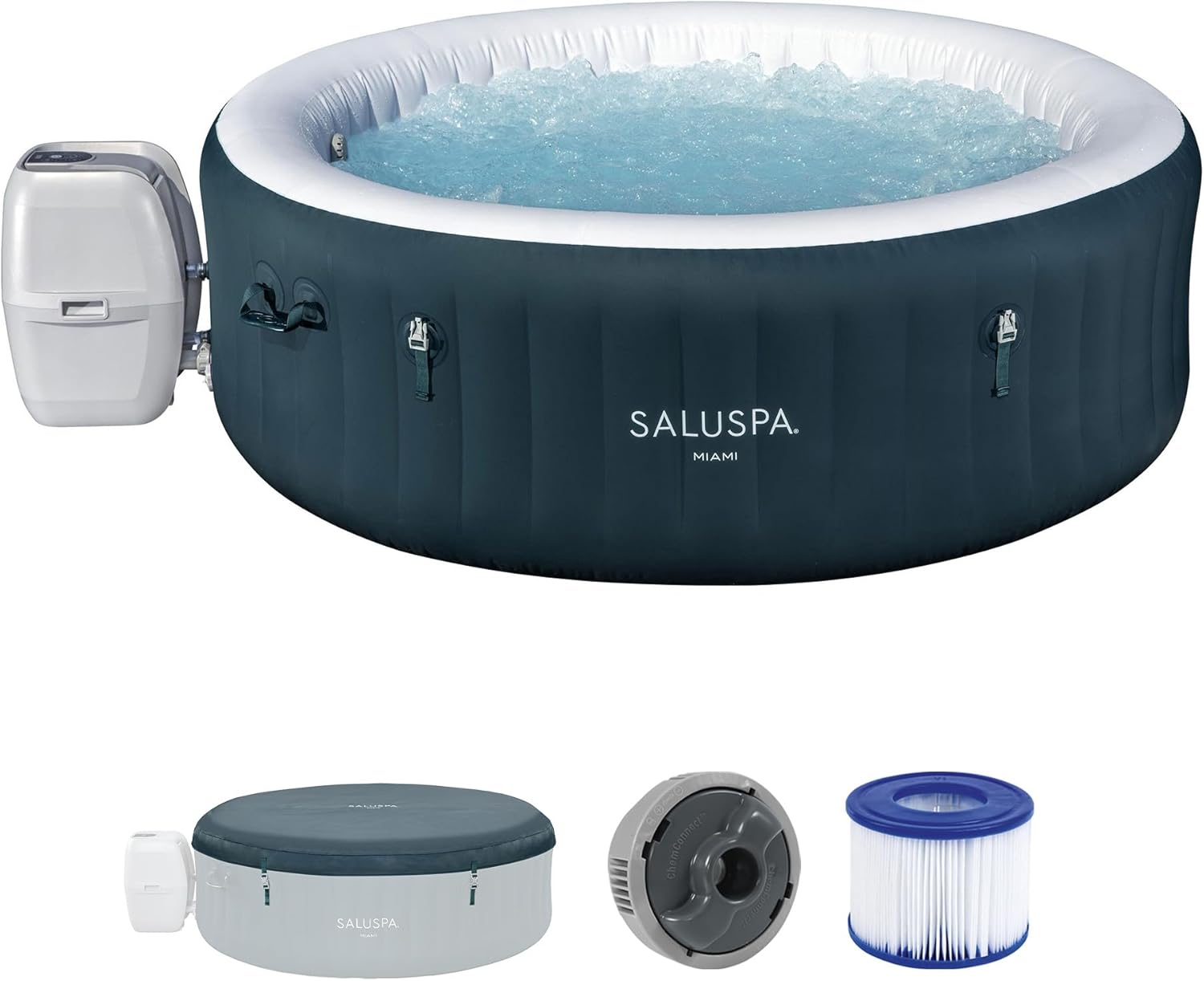
Models like the Coleman SaluSpa or the Wave Spas Atlantic provide consistent, therapeutic heat that is indistinguishable from expensive acrylic tubs. The key is ensuring your inflatable hot tub setup includes a level surface and a dedicated circuit to maintain the water temperature consistently throughout your session.

The Intex Simple Spa offers a durable, budget-friendly way to start your hydrotherapy journey.
Check Price on AmazonMaximizing Benefits: Water Maintenance and Atmosphere
To ensure your spa is a place of healing and not a source of stress, you must maintain it correctly. Stepping into cloudy hot tub water can cause skin irritation and respiratory issues, which will certainly raise your stress levels rather than lowering them.
Essential Maintenance Tips
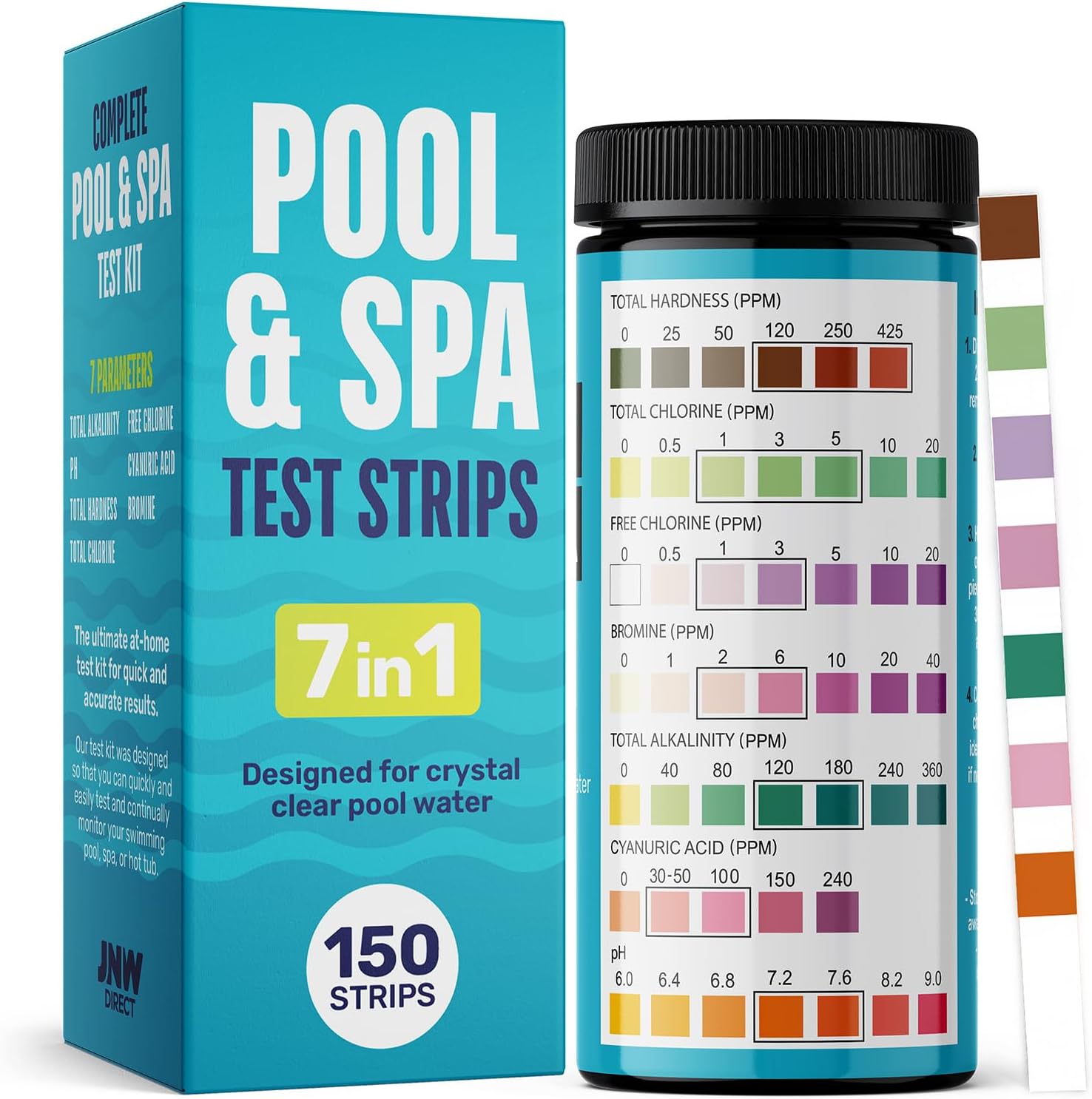
- Daily Testing: Use a high-quality hot tub water tester to ensure pH and Chlorine levels are balanced.
- Shocking: Learn how often should you shock a hot tub to keep the water sterile.
- Filter Care: Clogged filters make the pump work harder and use more electricity. Know how often to replace hot tub filters (usually every 2-4 weeks).
- Cleanliness: Use the best hot tub vacuums to remove grit from the floor, making the soak more comfortable.
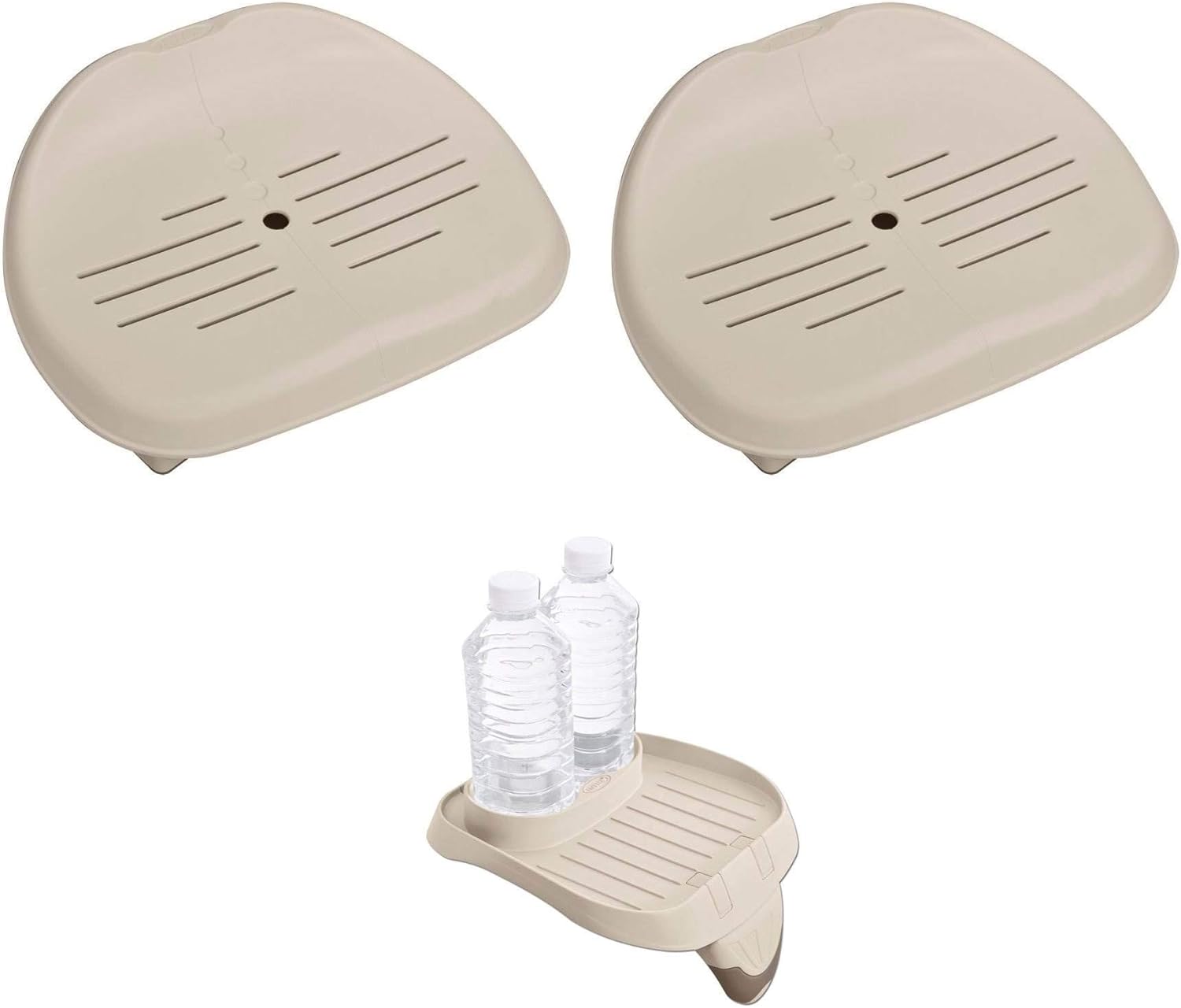
Beyond the water, consider the atmosphere. Using a hot tub booster seat can help shorter users maintain a comfortable posture, while scum absorbers keep body oils from creating a film on the surface. A clean, well-lit spa is a much more effective tool for lowering blood pressure than a neglected one.
Frequently Asked Questions (FAQ)
It works through vasodilation. The heat causes blood vessels to widen, which reduces the resistance of blood flow and lowers the pressure against artery walls.
You must consult your doctor. Some medications, like diuretics or beta-blockers, can affect how your body handles heat and may lead to fainting or overheating.
Both have benefits. Morning soaks can loosen joints, while evening soaks improve sleep quality, which is vital for long-term blood pressure management. See our guide on how often to use a hot tub.
For cardiovascular health, 15 to 20 minutes is the “sweet spot.” Avoid staying in for more than 30 minutes to prevent excessive dehydration.
For hypertension management, 100°F (38°C) is generally considered the safest and most effective temperature. Always monitor how you feel.
The massage from jets can help reduce stress and cortisol, which indirectly helps lower blood pressure. However, the heat is the primary factor for vasodilation.
This is a high-risk area. Read our detailed guide on can pregnant women use hot tubs and always talk to your OBGYN first.
Yes, watch for dizziness, nausea, or a racing heart. These are signs to exit the tub immediately. For more, see negative effects of hot tubs.
Conclusion: A Heart-Healthy Lifestyle Addition
Managing hypertension requires a multi-faceted approach. While medication and diet remain the primary tools, lowering blood pressure in spa environments offers a scientifically-backed, relaxing, and enjoyable way to support your cardiovascular system. By encouraging vasodilation, reducing stress hormones, and providing a low-impact metabolic boost, hydrotherapy can be a game-changer for your health.
Remember, the key to success is consistency and safety. Use a high-quality tub, maintain the water perfectly, and always listen to your body. Whether you are using a hot tub in the winter to stay warm or a nightly soak to de-stress, your heart will likely thank you.
Ready to Start Your Wellness Journey?
Investing in an inflatable hot tub is an investment in your long-term health. Check out our top picks for 2025 and find the perfect model for your home today.
View Best Inflatable Hot Tubs 2025