Lowering Blood Pressure in Spa: Can Hydrotherapy Help Manage Hypertension?
Hypertension, often referred to as the “silent killer,” affects nearly half of the adult population worldwide. While medication and diet are the cornerstones of management, many are turning to lifestyle interventions to supplement their health journey. One of the most pleasant methods currently under scientific scrutiny is lowering blood pressure in spa environments. The concept of using warm water immersion—hydrotherapy—to soothe the heart is not new, but modern research is finally catching up to ancient wisdom.
Whether you own a high-end built-in unit or you’ve been researching the best inflatable hot tub 2025 has to offer, the physiological effects remain consistent. When you submerge your body in 100°F to 104°F water, your system undergoes a remarkable transformation. But how exactly does it work, and is it safe for everyone? In this comprehensive guide, we explore the deep connection between spa usage and cardiovascular health.
- The Science of Vasodilation
- Step-by-Step Safe Use Guide
- Passive Heat vs. Active Exercise
- Pros and Cons of Spa Therapy
- Is an Inflatable Spa Safe?
- Water Maintenance and Atmosphere
- Understanding Hypertension
- Spa vs. Sauna vs. Steam Room
- Epsom Salts and Magnesium
- Who Should Avoid Hot Tubs
- Monitoring Blood Pressure Around a Soak
- Contrast Hydrotherapy
- Special Populations
- What the Research Actually Shows
- Choosing a Health-Focused Spa
- Building a Heart-Healthy Routine
- FAQ

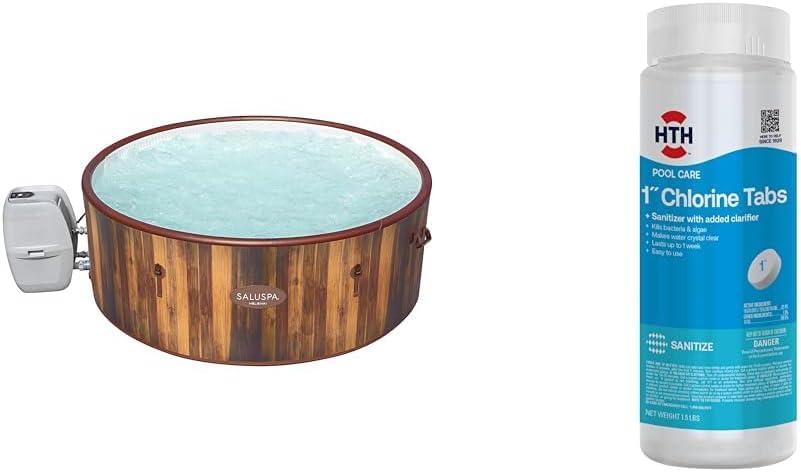
The Lay-Z-Spa Helsinki is an excellent choice for consistent heat therapy at home.
Check Price on AmazonThe Science of Vasodilation: How Spas Lower Pressure
The primary mechanism behind lowering blood pressure in a spa is a process called vasodilation. When your body is exposed to heat, your core temperature begins to rise. To regulate this, the brain signals your blood vessels to expand (dilate). This expansion allows more blood to flow toward the surface of the skin to release heat.
Think of your circulatory system as a plumbing network. If you widen the pipes, the pressure exerted against the walls of those pipes naturally decreases. Scientific studies have shown that immersion in warm water can lead to a significant drop in systolic and diastolic blood pressure. For many, this makes hot tubs healthy for you in ways that extend far beyond simple relaxation.
The Role of Nitric Oxide
Heat therapy stimulates the production of nitric oxide, a molecule that helps the inner muscles of your blood vessels relax. This doesn’t just lower pressure temporarily; regular “passive heat therapy” can improve the overall elasticity of your arteries. This is particularly beneficial for those who may have limited mobility and cannot perform traditional aerobic exercise, providing a “cardiovascular workout” while sitting still.
Step-by-Step Guide: Using a Spa Safely for Hypertension
If you intend to use a spa specifically for its cardiovascular benefits, you must follow a structured approach. Jumping into a tub that is too hot for too long can actually cause a dangerous spike in heart rate or a sudden drop in pressure that leads to fainting.
- Hydrate First: Drink a full glass of water before entering. Heat causes sweating, which reduces blood volume and can cause lightheadedness.
- Temperature Control: Keep the water between 98°F and 102°F. Avoid the maximum 104°F setting if you are a beginner. Most 110v hot tubs allow for precise digital control.
- Duration: Limit your initial sessions to 10-15 minutes. As your body acclimates, you can increase this to 20 or 30 minutes.
- The Exit Strategy: Never stand up quickly. Because your vessels are dilated, standing up fast can cause “orthostatic hypotension”—a sudden drop in blood pressure that causes dizziness. Sit on the edge for a minute first.
- Post-Soak: Cool down gradually. Do not jump into a freezing shower immediately, as this causes “vasoconstriction,” which can spike blood pressure rapidly.

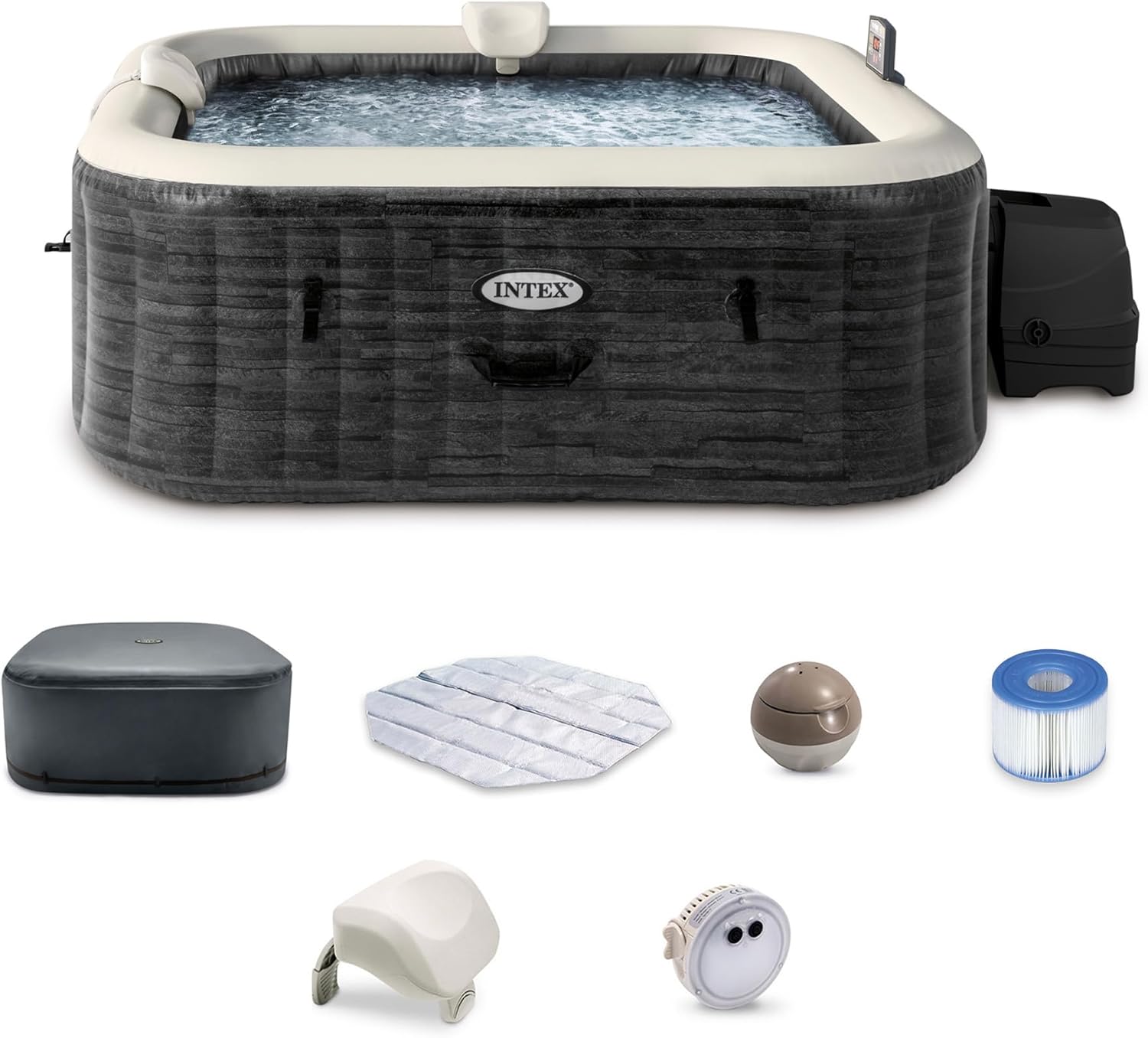
The Intex Greywood Deluxe features a sophisticated wireless control system for easy temperature management.
Check Price on AmazonComparing Passive Heat to Active Exercise
While a spa should never replace the gym, researchers have found that the metabolic effects of a 30-minute soak are surprisingly similar to a brisk walk. This makes it an ideal supplementary therapy. Below is a comparison of how different therapies impact the body.
| Effect | Hot Tub Soak | Brisk Walking |
|---|---|---|
| Heart Rate | Moderate Increase | Moderate to High Increase |
| Blood Vessel Dilation | Significant (Thermal) | Moderate (Mechanical) |
| Caloric Burn | Lower (~60-80 kcal) | Higher (~150-200 kcal) |
| Cortisol Reduction | High | Moderate |
| Joint Impact | Zero (Buoyancy) | Low to Moderate |
For those who struggle with movement, perhaps because hot tubs are good for arthritis in their specific case, the spa provides a way to stress the cardiovascular system in a controlled, low-impact environment.
Pros and Cons of Spa Therapy for Blood Pressure
The Advantages
- Stress Management: Lowers cortisol, which is a major driver of hypertension.
- Improved Circulation: Helps blood reach extremities more efficiently.
- Better Sleep: Improved sleep quality is directly linked to lower daytime blood pressure.
- Accessibility: Inflatables make this therapy affordable for most households.
The Risks
- Dehydration: Can lead to electrolyte imbalances.
- Dizziness: Risk of fainting upon exiting the water.
- Medication Interaction: Some BP meds (like beta-blockers) can interfere with heat regulation.
- Maintenance: Neglected water can harbor biofilm and bacteria.
Is an Inflatable Hot Tub Safe for This?
A common question is whether the benefits of lowering blood pressure in a spa apply to “blow-up” models. The answer is a resounding yes. If you’ve been asking are inflatable hot tubs safe, the primary concern is usually electrical safety and water hygiene, not the efficacy of the heat.
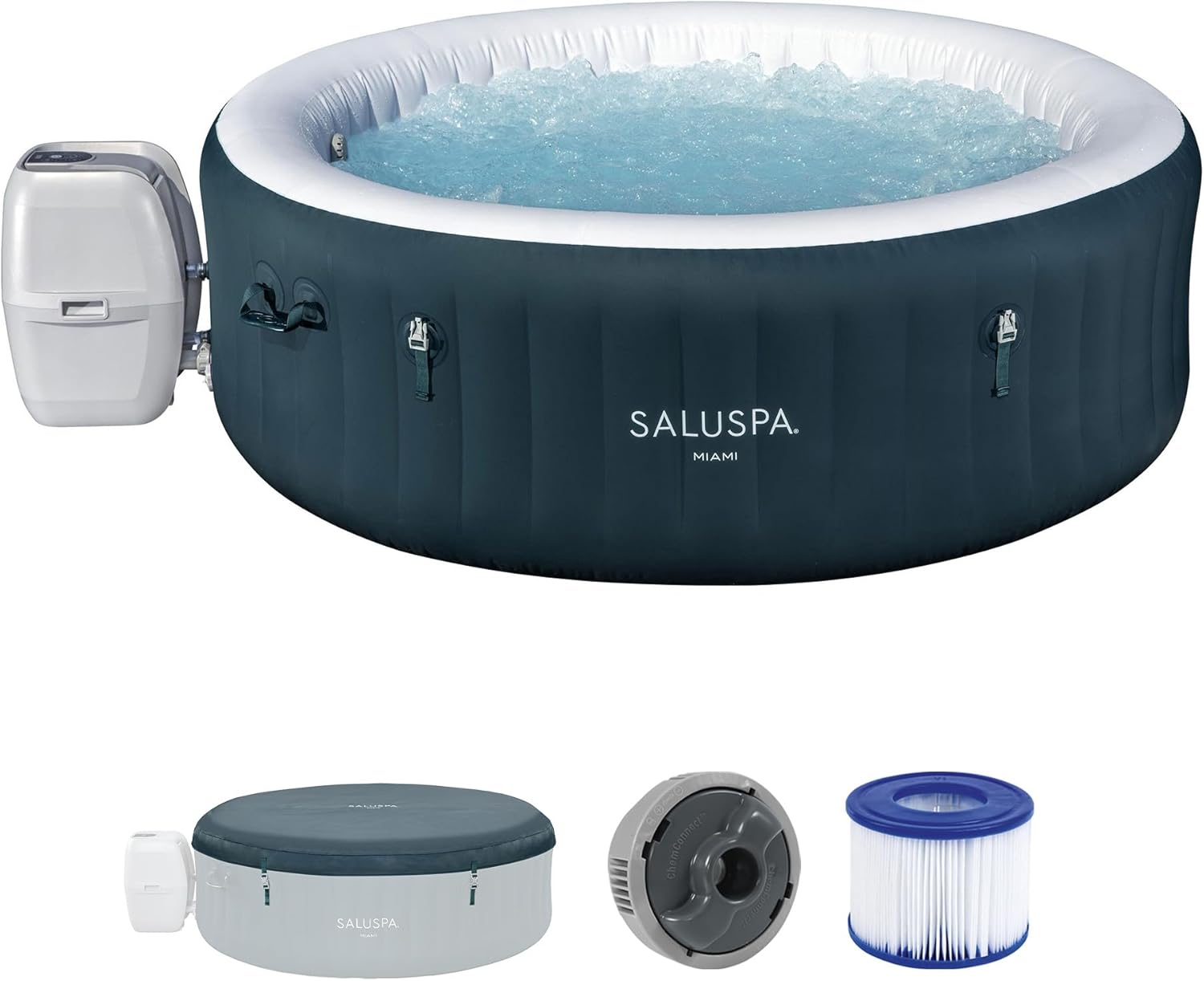
Models like the Coleman SaluSpa or the Wave Spas Atlantic provide consistent, therapeutic heat that is indistinguishable from expensive acrylic tubs. The key is ensuring your inflatable hot tub setup includes a level surface and a dedicated circuit to maintain the water temperature consistently throughout your session.

The Intex Simple Spa offers a durable, budget-friendly way to start your hydrotherapy journey.
Check Price on AmazonMaximizing Benefits: Water Maintenance and Atmosphere
To ensure your spa is a place of healing and not a source of stress, you must maintain it correctly. Stepping into cloudy hot tub water can cause skin irritation and respiratory issues, which will certainly raise your stress levels rather than lowering them.
Essential Maintenance Tips
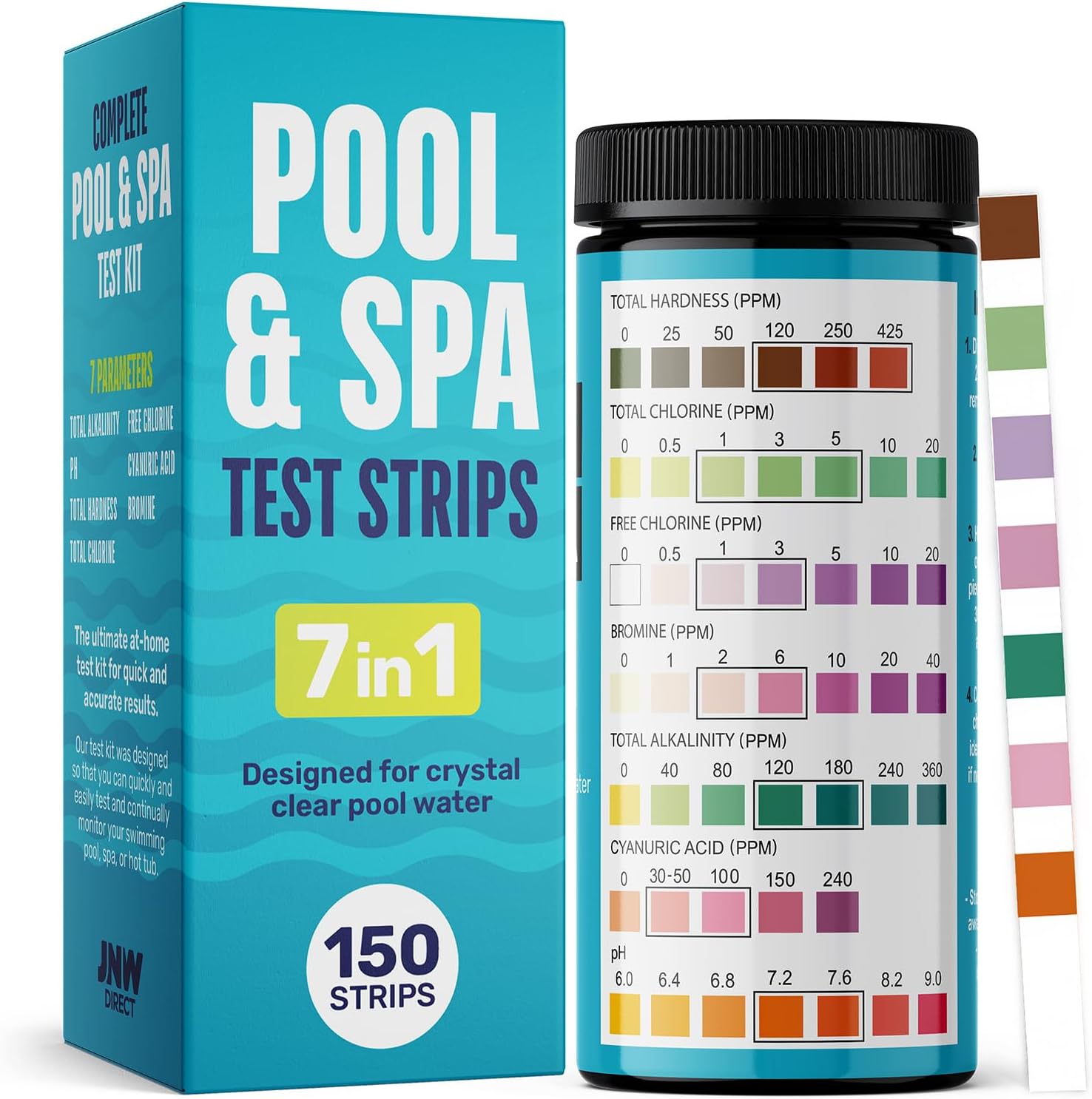
- Daily Testing: Use a high-quality hot tub water tester to ensure pH and Chlorine levels are balanced.
- Shocking: Learn how often should you shock a hot tub to keep the water sterile.
- Filter Care: Clogged filters make the pump work harder and use more electricity. Know how often to replace hot tub filters (usually every 2-4 weeks).
- Cleanliness: Use the best hot tub vacuums to remove grit from the floor, making the soak more comfortable.
Beyond the water, consider the atmosphere. Using a hot tub booster seat can help shorter users maintain a comfortable posture, while scum absorbers keep body oils from creating a film on the surface. A clean, well-lit spa is a much more effective tool for lowering blood pressure than a neglected one.
Understanding Hypertension: Types, Causes, and Where Heat Therapy Fits In
Before exploring how a spa session interacts with blood pressure, it helps to understand what “high blood pressure” actually means and why it isn’t a single, uniform condition. Blood pressure is recorded as two numbers — systolic (the pressure when your heart beats) over diastolic (the pressure when your heart rests between beats). A reading is generally considered elevated once it consistently sits above 130/80 mmHg, though the exact thresholds used by clinicians have shifted over the years as guidelines have been revised.
Most people living with hypertension have what’s called primary (essential) hypertension. This form develops gradually over years and is driven by a combination of genetics, aging arteries, excess body weight, high sodium intake, low physical activity, and chronic stress. There is no single identifiable cause; instead, it’s the cumulative effect of lifestyle and biology working against the cardiovascular system. This is the form of hypertension most likely to respond, at least in part, to lifestyle interventions like heat therapy, dietary sodium reduction, and exercise.
A smaller subset of cases fall under secondary hypertension, meaning the elevated pressure is a downstream symptom of another condition — kidney disease, hormonal disorders such as hyperaldosteronism, sleep apnea, or even certain medications like decongestants and NSAIDs. Secondary hypertension typically needs to be addressed by treating the underlying cause, and heat therapy is far less likely to move the needle in these cases. This distinction matters because a spa session is not going to meaningfully improve blood pressure driven by an undiagnosed kidney or hormonal issue, which is one more reason a proper medical workup should always come before relying on lifestyle tools alone.
White Coat Hypertension and Blood Pressure Variability
Another wrinkle worth understanding is that blood pressure is not a fixed number — it fluctuates throughout the day based on stress, posture, caffeine, temperature, and time since your last meal. Some people experience “white coat hypertension,” where readings spike in a clinical setting due to anxiety but are normal at home. Others experience the reverse, called “masked hypertension,” where office readings look fine but home readings are elevated. This variability is part of why a single high reading taken right after a stressful hot tub entry, or right after standing up too quickly, shouldn’t be treated as a permanent diagnosis. It also explains why spa-related blood pressure benefits are usually described in terms of averages measured over weeks, not a single dramatic before-and-after reading.
Why Heat Therapy Is Being Studied at All
Passive heat therapy has drawn research interest precisely because so many of the pathways that drive chronically elevated blood pressure — vascular stiffness, sympathetic nervous system overactivity, poor endothelial function, and chronic low-grade inflammation — appear to respond, at least modestly, to repeated heat exposure. This is the same underlying rationale behind interest in sauna bathing, which has a longer research history in countries like Finland. Hot tubs and spas are, in effect, a more accessible version of the same passive heat exposure, delivered through water instead of dry or steam air.
Spa vs. Sauna vs. Steam Room: Which Is Best for Blood Pressure?
Heat therapy comes in several forms, and people managing hypertension often want to know which delivery method is most effective. Each modality dilates blood vessels, but the mechanism, intensity, and practical considerations differ enough that the choice matters.
Hot Tubs and Spas
Water immersion combines heat with hydrostatic pressure — the gentle, even pressure that water exerts on the body. This pressure helps push fluid from the extremities back toward the core, which is thought to support venous return and may explain why some people report reduced swelling in the legs and ankles after a soak. The buoyancy of water also removes the load on joints, making a spa the most physically comfortable option for people with mobility limitations, arthritis, or excess body weight who might otherwise struggle to tolerate a sauna’s bench seating.
Traditional (Dry) Saunas
Dry saunas use hot air, typically in the 150°F to 195°F range, with much lower humidity than a hot tub. Because the air is dry, sweat evaporates efficiently, which allows the body to tolerate higher ambient temperatures than would ever be safe in water. Some of the most-cited long-term population studies on heat therapy and cardiovascular outcomes come from sauna research, largely because sauna use is a deeply embedded cultural habit in certain countries, making long-term tracking easier for researchers.
Steam Rooms
Steam rooms sit somewhere in between — high humidity, moderate heat (typically 110°F to 120°F), and no water immersion. Because the humidity prevents sweat evaporation, the perceived heat load can feel more intense than a dry sauna at a similar temperature. For people with respiratory sensitivities, the moist heat can be either soothing or aggravating depending on the individual.
Which Should You Choose?
For blood pressure purposes specifically, the practical answer is that consistency matters more than the specific modality. Someone who reliably uses a hot tub three times a week is likely to see more benefit than someone who sporadically visits a sauna once a month. Hot tubs have a practical edge for home use because they don’t require the higher-temperature tolerance of a sauna, they’re gentler on joints, and they double as a recreational and social space, which makes long-term adherence easier for most households.
| Modality | Typical Temp | Humidity | Joint Impact |
|---|---|---|---|
| Hot Tub / Spa | 98–104°F | 100% (immersion) | Zero (buoyant) |
| Dry Sauna | 150–195°F | Low | Low (seated) |
| Steam Room | 110–120°F | High | Low (seated) |
The Role of Epsom Salts and Magnesium in Blood Pressure Management
Many spa owners add Epsom salt (magnesium sulfate) to their soaks, often with the belief that magnesium is absorbed directly through the skin and helps relax blood vessels. It’s worth separating the plausible from the unproven here. Magnesium is genuinely important for cardiovascular health — it plays a role in regulating vascular tone, and diets low in magnesium have been associated with higher blood pressure in population studies. However, the evidence that meaningful amounts of magnesium are absorbed through intact skin during a bath is thin, and most of what’s known about magnesium and blood pressure comes from dietary intake and oral supplementation studies rather than topical soaking.
That doesn’t mean an Epsom salt soak is pointless. The warm water itself still triggers vasodilation, and many people find the ritual relaxing, which supports the stress-reduction side of blood pressure management even if the magnesium itself isn’t doing much transdermally. If you’re specifically trying to address a magnesium shortfall, dietary sources — leafy greens, nuts, seeds, and legumes — or a conversation with your doctor about supplementation will be more reliable than relying on bath salts. It’s also worth noting that traditional acrylic and inflatable hot tubs are not designed for Epsom salts; the added minerals can interfere with filtration systems, damage pump components, and throw off chlorine or bromine sanitizer readings, so if you want a mineral soak, a standalone bathtub is usually the safer place for it.
Other Additives to Approach with Caution
Essential oils, bath bombs, and bubble bath products are similarly problematic in circulating spa systems — they can clog jets, degrade rubber seals, and create a film that’s difficult to filter out. If aromatherapy is part of your relaxation routine, a diffuser placed near the tub, rather than oils poured directly into the water, protects both your equipment and your skin.
Who Should Avoid Hot Tub Therapy: Contraindications and Warning Signs
Because heat therapy places real, measurable demands on the cardiovascular system, it isn’t universally appropriate, even for people whose main goal is managing blood pressure. Recognizing when a spa is not the right tool is just as important as knowing how to use one correctly.
Conditions That Warrant Extra Caution or Medical Clearance
- Uncontrolled or severe hypertension: If resting blood pressure is very high and not yet stabilized by medication, adding heat stress before that stabilization is not advisable.
- Recent cardiac events: Anyone who has had a heart attack, unstable angina, or recent cardiac surgery should get explicit clearance from a cardiologist before resuming hot tub use.
- Aortic stenosis and certain valve conditions: These conditions limit the heart’s ability to adjust output in response to the vasodilation caused by heat, which can be dangerous.
- Orthostatic hypotension history: People who already experience dizziness on standing are at higher risk of fainting when exiting a hot tub.
- Pregnancy: Elevated core body temperature carries specific risks in pregnancy; this deserves its own dedicated conversation with an OB-GYN, which we cover in more detail in our guide on pregnancy and hot tubs.
- Peripheral neuropathy: Reduced sensation, common in some diabetics, increases the risk of unnoticed burns from water that’s hotter than it feels.
- Active skin infections or open wounds: Beyond the infection risk to others, broken skin increases susceptibility to irritation from spa water chemicals.
Warning Signs to Exit Immediately
Regardless of your baseline health, certain symptoms during a soak should never be ignored: chest pain or tightness, a racing or irregular heartbeat, sudden severe headache, confusion, nausea, or a feeling of impending faint. These are signals to exit calmly, sit or lie down, rehydrate, and seek medical attention if symptoms don’t resolve quickly. This is also covered in more depth in our article on the negative effects of hot tubs.
Medication Considerations
Several classes of blood pressure medication change how the body handles heat stress. Diuretics increase fluid loss, compounding the dehydration risk of a soak. Beta-blockers blunt the heart rate’s natural rise in response to heat, which can mask the body’s usual warning signs of overheating. Vasodilating medications, when combined with the vasodilation already caused by heat, can occasionally produce an additive drop in blood pressure. None of this means these medications are incompatible with spa use — but it does mean the combination should be discussed with a prescribing physician rather than assumed to be safe by default.
Monitoring Your Blood Pressure Before and After Soaking: A Practical Guide
If your goal in using a spa is genuinely tied to blood pressure management rather than just relaxation, tracking your numbers over time turns anecdote into useful data. A single reading tells you very little; a pattern over weeks tells you a great deal.
Getting an Accurate Baseline
Home blood pressure monitors are widely available and, when used correctly, are reasonably accurate. For a reliable baseline, take a reading while seated, back supported, feet flat on the floor, arm at heart level, after five minutes of quiet rest — not immediately after climbing stairs, drinking coffee, or having an argument. Two readings a minute apart, averaged, gives a more stable number than a single reading.
What to Track Around a Soak
If you want to understand your personal response to hydrotherapy, consider logging: your blood pressure immediately before entering the water, once about ten minutes after exiting (once you’ve cooled down and rested), and again the following morning. Note the water temperature, session length, and how you felt afterward. Over several weeks, this simple log can reveal whether your sessions are genuinely trending your resting numbers downward, whether you’re overdoing session length, or whether a particular temperature setting suits you better than another.
Don’t Chase the Immediate Drop
It’s worth flagging a common misunderstanding: the drop in blood pressure recorded right after leaving hot water is largely a temporary, heat-driven effect and not the same thing as a lasting improvement in your baseline cardiovascular health. The meaningful benefit researchers are interested in is whether your resting, day-to-day blood pressure — measured well outside the immediate post-soak window — trends downward over weeks and months of consistent use. Treat the immediate post-soak reading as a curiosity, not a scorecard.
Contrast Hydrotherapy: Combining Heat and Cold for Vascular Health
An increasingly discussed practice among wellness enthusiasts is contrast therapy — alternating between hot water immersion and cold exposure, whether that’s a cold plunge, a cold shower, or simply cool outdoor air. The theory is that repeatedly cycling blood vessels between dilation (heat) and constriction (cold) trains vascular responsiveness, similar to how repeated exercise trains muscles.
How a Basic Contrast Routine Works
A typical approach involves soaking in the hot tub for 10 to 15 minutes, followed by a brief cold exposure of 30 to 90 seconds, then returning to warmth to finish the session comfortably. The sequence is usually repeated once or twice. The cold segment should never be so extreme or prolonged that it causes shivering to the point of distress, and it’s not something to attempt on a first hot tub session — your body needs to already be comfortable with the heat portion alone before adding a cold contrast.
Who Should Be Cautious With Contrast Therapy
The rapid vasoconstriction triggered by cold exposure causes a temporary spike in blood pressure, which is the opposite of the vasodilation goal discussed throughout this guide. For someone with well-controlled, mild hypertension, this brief spike is generally tolerated the same way a spike from a flight of stairs would be. But for anyone with uncontrolled hypertension, a history of stroke, or significant heart disease, that same rapid constriction can be genuinely risky, and contrast therapy should only be attempted with a doctor’s specific guidance. This is a case where “more intense” is not “more effective” — the hot-only, gradual approach described earlier in this guide remains the safer default for most people focused specifically on blood pressure.
Hot Tubs and Specific Populations: Diabetics, Seniors, and Post-Cardiac Patients
Blood pressure rarely exists in isolation — it’s frequently intertwined with other conditions that change how safely and effectively a person can use heat therapy. A few populations deserve specific mention.
People With Diabetes
Diabetes often coexists with hypertension, and it introduces two additional considerations: peripheral neuropathy, which can blunt the ability to feel water that’s too hot, and impaired temperature regulation in some longstanding cases. For this group, using a thermometer to verify water temperature rather than relying on touch alone is a sensible precaution, along with keeping sessions shorter and checking blood sugar before and after soaking, since heat can affect insulin absorption and blood glucose levels.
Older Adults
Seniors are more prone to orthostatic hypotension, slower thermoregulation, and a higher likelihood of taking multiple interacting medications. None of these preclude spa use, but they do argue for shorter sessions, lower temperatures within the recommended range, having another person nearby during soaks, and being especially deliberate about the slow-exit protocol described earlier in this guide. A sturdy handrail or step, along with a booster seat for comfortable positioning, can make sessions considerably safer for this group.
Post-Cardiac Event or Surgery Patients
Anyone recovering from a heart attack, stent placement, bypass surgery, or valve repair should treat hot tub use as a “ask before resuming” activity rather than something to restart on their own timeline. Cardiac rehabilitation programs typically include specific guidance on when passive heat exposure can safely be reintroduced, and that guidance should take precedence over any general advice in this article.
What the Research Actually Shows: Reading Hydrotherapy Studies With a Critical Eye
It’s worth being candid about the state of the evidence. Research on passive heat therapy and cardiovascular health has grown substantially over the past two decades, with much of the strongest long-term population data coming from sauna-focused studies conducted in Northern Europe. These studies have found associations between frequent sauna use and lower rates of cardiovascular events over time. Hot tub-specific research is smaller in volume but points in a similar direction: single sessions reliably produce short-term reductions in blood pressure, and some smaller trials have found modest reductions in resting blood pressure after weeks of regular use.
Important Caveats
A few caveats are worth keeping in mind. First, many of the population studies are observational, meaning they show a correlation between heat therapy habits and cardiovascular outcomes rather than definitively proving cause and effect — people who can afford and choose to use saunas or spas regularly may also differ from non-users in other health-relevant ways. Second, sample sizes in hot tub-specific trials tend to be small, which limits how confidently the findings generalize to everyone. Third, “lower blood pressure” in a research paper often means a modest few-point reduction, not a replacement for medication in anyone with clinically significant hypertension.
The Honest Takeaway
The fair summary is this: heat therapy, including regular spa use, appears to be a legitimate, evidence-supported complementary habit for cardiovascular health, most useful when layered on top of — not substituted for — standard care such as medication, sodium reduction, weight management, and physical activity. Anyone treating a hot tub as a replacement for prescribed hypertension treatment is misreading what the current science supports.
Choosing a Spa for Health-Focused Use: Features That Matter
If your primary motivation for buying a hot tub is cardiovascular wellness rather than pure recreation, certain features are worth prioritizing over flashier extras like built-in speakers or elaborate lighting.
- Precise digital temperature control: A unit that lets you set and hold a specific temperature (rather than a vague low/medium/high dial) makes it much easier to stay within the safer 98–102°F range discussed earlier.
- Reliable, quiet heating element: Consistent heat retention matters more for therapeutic use than for a purely social hot tub, since temperature swings mid-session can undermine the steady vasodilation effect you’re aiming for.
- Easy, low, or step-assisted entry: Given how important a slow, controlled exit is for avoiding orthostatic dizziness, a tub with a low entry point, built-in steps, or an optional booster seat is genuinely useful, not just a comfort feature.
- Straightforward water testing and filtration: Because cloudy or poorly balanced water can trigger skin and respiratory irritation that adds stress rather than relieving it, a tub that’s easy to test and filter — supported by a good water tester — pays off over the long run.
- Adequate seating depth for full immersion: Deeper water covering more of the body maximizes the surface area available for heat exchange and hydrostatic pressure benefits, compared to shallow tubs where only the legs are submerged.
For most households pursuing this specific health goal, a well-reviewed inflatable model is entirely sufficient — the therapeutic mechanism is about water temperature and immersion, not about acrylic shells or premium jets. Our best inflatable hot tub 2025 roundup breaks down models with strong temperature stability and easy entry if you’re comparing specific options.
The Lay-Z-Spa Helsinki’s precise digital controls make it easy to stay within a safe, consistent therapeutic range.
Check Price on AmazonBuilding a Heart-Healthy Soak Routine: Timing, Frequency, and Lifestyle Integration
Consistency is what separates a genuinely useful heart-health habit from an occasional indulgence. Building a sustainable routine matters more than any single “perfect” session.
How Often Is Enough?
Much of the available research on passive heat therapy uses a frequency of three to four sessions per week to see measurable changes in resting blood pressure over a period of weeks to months. Daily use isn’t harmful for most healthy users provided sessions stay within the recommended time and temperature ranges, but three to four times weekly appears to be a reasonable, sustainable target for most people rather than an all-or-nothing daily commitment. For more general guidance on frequency, see our dedicated piece on how often to use a hot tub.
Timing Around Meals, Alcohol, and Medication
Soaking on a completely empty stomach can contribute to lightheadedness, while soaking immediately after a large meal diverts blood flow to digestion at the same time heat is asking it to divert to the skin — a light snack beforehand is a reasonable middle ground. Alcohol should be avoided before and during a soak; it independently causes vasodilation and impairs the body’s ability to recognize overheating, and the combination with hot water measurably raises the risk of dizziness and fainting. If you take blood pressure medication, keep your usual dosing schedule consistent and speak with your physician about whether soak timing relative to your dose needs any adjustment.
Pairing the Soak With Other Habits
A hot tub session pairs naturally with other blood-pressure-friendly habits: gentle stretching before entering, slow breathing exercises while soaking, and a wind-down period afterward that supports sleep quality. Many users find an evening soak, finished at least an hour before bed, helps with both stress reduction and sleep onset — and since sleep quality is itself linked to daytime blood pressure, this timing can compound the benefit. For those balancing this with cold-weather use, our guide on using a hot tub in the winter covers additional seasonal considerations.
Tracking Progress Realistically
Set expectations around weeks and months, not days. A realistic goal is checking in on your resting blood pressure trend every two to four weeks, alongside your other lifestyle changes, rather than expecting a single soak to produce a lasting result. Combined with the monitoring approach described earlier in this guide, this turns your spa routine from a guess into a genuinely trackable part of your broader hypertension management plan.
Diet, Sodium, and Hydrotherapy: How the Two Work Together
Heat therapy doesn’t operate in a vacuum, and it’s worth understanding how a spa habit interacts with the single most well-established lifestyle lever for blood pressure: dietary sodium. Sodium encourages the body to retain fluid, which increases blood volume and, in turn, the pressure exerted on artery walls. Most national dietary guidelines recommend keeping sodium intake well below what the average processed-food-heavy diet typically provides, and this single change tends to produce a larger, more reliable effect on blood pressure than any heat therapy protocol on its own.
Where the two intersect is sweating. A soak causes measurable fluid and electrolyte loss through perspiration, and replacing that fluid with plain water while continuing to eat a high-sodium diet does little to address the underlying volume problem. Some spa enthusiasts mistakenly believe that “sweating out” sodium during a soak is itself therapeutic; in reality, the amount of sodium lost through sweat during a single session is modest compared to typical daily intake, and this should never be treated as a substitute for reducing sodium at the source — in the kitchen and at the table.
Potassium’s Supporting Role
Potassium-rich foods — bananas, potatoes, leafy greens, beans, and yogurt — help the kidneys excrete excess sodium and support healthy vascular tone. A diet that pairs lower sodium with higher potassium, alongside a consistent hydrotherapy habit, addresses blood pressure from two different physiological angles rather than relying on heat alone. Anyone on medications that affect potassium levels, such as certain diuretics or ACE inhibitors, should check with their doctor before deliberately increasing potassium intake, since the interaction can push levels too high in some cases.
The DASH Approach as a Complementary Framework
The DASH (Dietary Approaches to Stop Hypertension) eating pattern is one of the most extensively studied dietary frameworks for blood pressure and emphasizes vegetables, fruit, whole grains, lean protein, and low-fat dairy while limiting sodium, red meat, and added sugar. Layering a consistent spa routine on top of a DASH-style diet gives you two independently evidence-supported habits working in the same direction, rather than expecting either one alone to carry the full load.
Arterial Stiffness and Pulse Wave Velocity: The Deeper Mechanism
Beyond the immediate, short-term drop in blood pressure that happens during a soak, researchers studying heat therapy are often more interested in a slower-moving variable called arterial stiffness. As arteries age or are damaged by years of elevated pressure, they gradually lose the elastic, springy quality that allows them to expand and contract smoothly with each heartbeat. Stiffer arteries force the heart to work harder and are associated with higher rates of cardiovascular events, independent of the blood pressure number itself.
One way researchers measure this stiffness is through a metric called pulse wave velocity — essentially, how fast the pressure wave from each heartbeat travels along the artery. A faster wave generally indicates a stiffer, less elastic artery. Some smaller studies on repeated passive heat exposure, including both sauna and hot water immersion protocols, have reported modest improvements in markers related to arterial elasticity over weeks of consistent use, an effect that’s thought to be linked to the repeated nitric-oxide-driven vasodilation discussed earlier in this guide.
Why This Matters More Than a Single Reading
This is part of why the framing throughout this guide emphasizes weeks and months rather than single sessions. A one-time soak might drop your blood pressure reading by a noticeable margin for an hour, but the more meaningful, durable goal is whether repeated sessions over time are contributing to healthier, more responsive blood vessels in general — a slower, cumulative process that isn’t visible on any single day’s reading.
Endothelial Function
Closely related is the health of the endothelium, the thin layer of cells lining the inside of every blood vessel. A healthy endothelium produces nitric oxide efficiently and responds well to physiological stress; a damaged or dysfunctional endothelium — common in longstanding hypertension, diabetes, and smoking — responds poorly. Passive heat exposure is one of several interventions, alongside aerobic exercise and certain dietary patterns, that researchers have investigated for its potential to support endothelial function over time, though this remains an active and evolving area of study rather than settled science.
Stress, the Nervous System, and Why Relaxation Isn’t “Just” Relaxation
It’s tempting to file the relaxation benefits of a hot tub under “nice, but not medically meaningful.” That undersells how directly the nervous system is tied to blood pressure. Your autonomic nervous system has two main branches: the sympathetic branch, associated with the “fight or flight” stress response, and the parasympathetic branch, associated with rest and recovery. Chronic activation of the sympathetic branch — the kind driven by ongoing work stress, poor sleep, or unresolved anxiety — keeps blood vessels more constricted and the heart working harder, contributing directly to elevated blood pressure over time.
Warm water immersion has a measurable calming effect on this system. Heart rate variability, a common proxy researchers use for parasympathetic activity, tends to shift in a favorable direction during and after warm water immersion in several small studies. Cortisol, the primary stress hormone, has also been shown to drop following heat exposure in some research, which aligns with the commonly reported subjective sense of calm after a soak.
Breathing Techniques to Pair With a Soak
Because the relaxation response is partly under voluntary control, pairing a soak with slow, deliberate breathing can amplify the benefit. A simple approach many people use is inhaling for a count of four, holding briefly, and exhaling for a count of six to eight — a longer exhale than inhale tends to favor the parasympathetic, calming branch of the nervous system. This costs nothing, requires no equipment, and turns passive soaking time into an active stress-reduction practice.
Sleep as the Hidden Variable
Poor sleep is both a cause and a consequence of elevated blood pressure, and it’s one of the more underappreciated levers in hypertension management. An evening soak, finished with enough time to cool down before bed, is frequently reported to ease the transition into sleep, partly through the drop in core body temperature that follows heat exposure — a physiological cue that naturally accompanies the body’s normal wind-down toward sleep. Better sleep, sustained over weeks, is itself associated with improved daytime blood pressure control, making this one of the more indirect but genuinely important pathways connecting a spa habit to cardiovascular health.
Troubleshooting: Common Problems That Undermine the Blood Pressure Benefit
Even well-intentioned spa routines can fail to deliver noticeable benefits if a few common mistakes go unaddressed. Here are the issues that come up most often.
“My Sessions Feel Stressful, Not Relaxing”
If the water is too hot, sessions are too long, or you’re anxious about the safety concerns covered in this guide, the stress-reduction half of the equation is undermined. Dialing the temperature down toward 98–100°F and shortening sessions to 10–15 minutes is often enough to restore the calming effect that makes the habit sustainable.
“I Feel Worse the Next Morning”
This is frequently a dehydration issue. Sweating during a soak, especially at the higher end of the recommended temperature range, can leave you meaningfully fluid-depleted if you don’t rehydrate deliberately afterward. Drinking a full glass of water immediately after exiting, and another before bed, resolves this for most people.
“My Readings Aren’t Changing After Weeks”
Blood pressure is influenced by many variables simultaneously — sodium intake, stress, sleep, physical activity, weight, and medication adherence among them. If none of the surrounding lifestyle factors are moving in a favorable direction, a spa habit alone is unlikely to produce a dramatic, visible shift in your numbers. Treat the soak as one component of a broader plan rather than an isolated fix, and revisit the diet and stress sections of this guide alongside your routine.
“The Water Quality Is Making Sessions Unpleasant”
Skin irritation, a chemical smell, or cloudy water are signs of a maintenance gap rather than a fundamental problem with hydrotherapy itself. Revisiting the water testing and filter care guidance covered earlier in this article, and replacing filters on the recommended schedule, usually resolves this quickly.
“I Get Dizzy Every Time I Stand Up”
This is one of the most common and most fixable issues. Practice the slow-exit protocol described earlier: sit on the edge of the tub for a full minute before standing, and stand slowly with something to hold onto nearby. If dizziness persists despite this, it’s worth mentioning to your doctor, since it may reflect an underlying blood pressure regulation issue worth evaluating directly.
A Sample Weekly Plan for Integrating Spa Use Into Hypertension Management
To make this guide practical rather than purely theoretical, here’s an illustrative weekly structure that combines the elements discussed throughout this article. This is intended as a starting template to discuss with your doctor and adapt to your own health status, not a rigid prescription.
| Day | Spa Session | Complementary Habit |
|---|---|---|
| Monday | 15 min, 100°F, evening | Log blood pressure before and after |
| Tuesday | Rest day | Brisk 20-minute walk |
| Wednesday | 15 min, 100°F, evening | Breathing exercise during soak |
| Thursday | Rest day | Review sodium intake for the week |
| Friday | 20 min, 100°F, evening | Early bedtime, no alcohol beforehand |
| Saturday | Rest day | Grocery shop with DASH-style list |
| Sunday | 15–20 min, 100°F | Weekly blood pressure average review |
Notice that spa sessions are spaced rather than daily, giving the body recovery time between heat exposures, and that each session is paired with a small complementary action — logging data, practicing breathing, or reinforcing a dietary habit — so the routine reinforces itself rather than existing in isolation.
Glossary: Key Terms Used in This Guide
- Vasodilation: The widening of blood vessels, which reduces resistance to blood flow and lowers pressure.
- Vasoconstriction: The narrowing of blood vessels, which increases resistance and can raise pressure, often triggered by cold exposure.
- Systolic pressure: The higher number in a blood pressure reading, measuring pressure during a heartbeat.
- Diastolic pressure: The lower number, measuring pressure between heartbeats while the heart rests.
- Orthostatic hypotension: A drop in blood pressure upon standing, causing dizziness or fainting.
- Primary (essential) hypertension: High blood pressure without a single identifiable underlying cause, usually developing gradually from a mix of genetics and lifestyle.
- Secondary hypertension: High blood pressure caused by an identifiable underlying condition, such as kidney disease or a hormonal disorder.
- Endothelium: The thin layer of cells lining blood vessels, responsible for producing nitric oxide and regulating vascular tone.
- Pulse wave velocity: A measurement of how fast a blood pressure wave travels through the arteries, used as an indicator of arterial stiffness.
- Contrast therapy: Alternating between hot and cold exposure to stimulate vascular responsiveness.
- Heart rate variability: The variation in time between heartbeats, often used as an indirect marker of nervous system balance and recovery.
Weight Management, Exercise, and Where a Spa Fits Into the Bigger Picture
Excess body weight is one of the most consistently documented contributors to hypertension, largely because additional tissue mass requires the heart to pump against a larger vascular network, and because excess weight is frequently accompanied by insulin resistance, which independently affects vascular tone. It’s important to be direct about this: a hot tub session, however therapeutic, burns a modest number of calories compared to structured exercise, and it should never be marketed or understood as a weight-loss tool in its own right.
Where a spa genuinely earns a place in a weight-management-focused routine is as a recovery and adherence tool rather than a calorie-burning one. People managing chronic pain, joint issues, or significant excess weight often find that a warm soak the evening after a workout reduces next-day soreness and stiffness enough to make them more likely to show up for the next session. In this sense, the spa’s contribution to weight-related blood pressure improvement is indirect — it supports the consistency of an exercise habit rather than substituting for one.
Sequencing Exercise and Soaking
For those combining both, doing light-to-moderate exercise first and following it with a soak — rather than the reverse — tends to work better physiologically. Entering a hot tub while already fatigued and dehydrated from an intense workout compounds the fluid loss and blood pressure changes involved in each activity individually. A short cooldown, rehydration, and then a soak once heart rate has returned closer to baseline is a more conservative and comfortable sequence for most people, particularly anyone managing hypertension.
Realistic Expectations
The most durable, evidence-backed path to lower blood pressure through weight management remains a sustained combination of modest caloric adjustment and regular physical activity, tracked over months rather than weeks. A spa habit can make that broader effort more sustainable and enjoyable, which — in the long run — may matter more for adherence than any direct physiological effect of the heat itself.
Seasonal Considerations: Adjusting Your Routine Through the Year
How a spa habit interacts with blood pressure can shift somewhat with the seasons, largely because ambient temperature itself affects baseline blood pressure. Cold weather tends to modestly raise resting blood pressure in many people as blood vessels constrict to conserve heat, which is one reason winter is associated with a small uptick in cardiovascular events at a population level. A consistent hot tub routine during colder months can be a genuinely useful counterbalance, and our dedicated guide on using a hot tub in the winter covers the practical side of keeping an inflatable unit running efficiently in cold conditions.
Summer and Heat Layering
In hot climates or during summer months, it’s worth being more conservative with water temperature and session length, since your body is already working to dissipate heat from the ambient environment before you add a hot tub on top of it. Shorter sessions, extra attention to hydration, and soaking in the cooler part of the day — morning or after sunset — are sensible adjustments rather than defaulting to the same routine you’d use in January.
Transitional Seasons and Consistency
Spring and fall are generally the easiest seasons for maintaining a stable routine, with fewer ambient temperature extremes to account for. If your goal is the kind of weeks-to-months consistency discussed throughout this guide, using these transitional periods to firmly establish the habit — before winter’s added heating costs or summer’s heat load introduce friction — can make it easier to sustain the routine year-round.
The Long-Term Outlook: What a Sustained Spa Habit Can Realistically Offer
It’s worth closing with a grounded view of what a long-term hydrotherapy habit can and cannot be expected to deliver. Over months and years of consistent use, alongside the dietary, exercise, and stress-management practices discussed throughout this guide, many people report a modest but real improvement in day-to-day wellbeing, sleep quality, and subjective stress levels — all of which are intertwined with blood pressure control even when the direct effect on the numbers themselves is harder to isolate.
What a spa habit will not do is replace the need for regular medical checkups, prescribed medication, or professional monitoring of a diagnosed hypertensive condition. The most successful long-term approach treats hydrotherapy as one tool among several — sitting alongside medication adherence, dietary sodium awareness, regular movement, quality sleep, and routine checkups with a physician — rather than as a standalone solution. Framed this way, the evidence supports a genuinely useful, low-risk-when-done-correctly addition to a broader cardiovascular health plan, which is precisely the spirit in which this guide has approached the topic throughout.
A Final Word on Individual Variation
Not everyone will respond to heat therapy the same way. Some people notice a clear, subjectively felt improvement in stress and sleep within weeks; others notice little beyond the immediate relaxation of the session itself. Genetics, baseline cardiovascular health, medication regimen, and the consistency of the surrounding lifestyle habits all shape how much benefit any one person is likely to see. Tracking your own numbers over time, as described earlier in this guide, remains the most honest way to find out where you personally land on that spectrum.
Frequently Asked Questions (FAQ)
It works through vasodilation. The heat causes blood vessels to widen, which reduces the resistance of blood flow and lowers the pressure against artery walls.
You must consult your doctor. Some medications, like diuretics or beta-blockers, can affect how your body handles heat and may lead to fainting or overheating.
Both have benefits. Morning soaks can loosen joints, while evening soaks improve sleep quality, which is vital for long-term blood pressure management. See our guide on how often to use a hot tub.
For cardiovascular health, 15 to 20 minutes is the “sweet spot.” Avoid staying in for more than 30 minutes to prevent excessive dehydration.
For hypertension management, 100°F (38°C) is generally considered the safest and most effective temperature. Always monitor how you feel.
The massage from jets can help reduce stress and cortisol, which indirectly helps lower blood pressure. However, the heat is the primary factor for vasodilation.
This is a high-risk area. Read our detailed guide on can pregnant women use hot tubs and always talk to your OBGYN first.
Yes, watch for dizziness, nausea, or a racing heart. These are signs to exit the tub immediately. For more, see negative effects of hot tubs.
Both trigger vasodilation through heat, and most of the benefit comes from consistent use rather than the specific modality. Hot tubs are generally gentler on joints and easier to use consistently at home.
Epsom salts can damage filtration systems in circulating spas and their blood pressure benefit through skin absorption is unproven. A standalone bathtub is a better place for a mineral soak.
Contrast therapy causes a brief spike in blood pressure from cold-induced vasoconstriction. It can be fine for people with mild, well-controlled hypertension, but those with uncontrolled hypertension or heart disease should check with a doctor first.
Research on passive heat therapy typically uses three to four sessions per week to see measurable changes in resting blood pressure over several weeks.
Conclusion: A Heart-Healthy Lifestyle Addition
Managing hypertension requires a multi-faceted approach. While medication and diet remain the primary tools, lowering blood pressure in spa environments offers a scientifically-backed, relaxing, and enjoyable way to support your cardiovascular system. By encouraging vasodilation, reducing stress hormones, and providing a low-impact metabolic boost, hydrotherapy can be a game-changer for your health.
Remember, the key to success is consistency and safety. Use a high-quality tub, maintain the water perfectly, and always listen to your body. Whether you are using a hot tub in the winter to stay warm or a nightly soak to de-stress, your heart will likely thank you.
Ready to Start Your Wellness Journey?
Investing in an inflatable hot tub is an investment in your long-term health. Check out our top picks for 2025 and find the perfect model for your home today.
View Best Inflatable Hot Tubs 2025