Can You Use an Inflatable Hot Tub in the Winter? The Definitive Guide (2025)
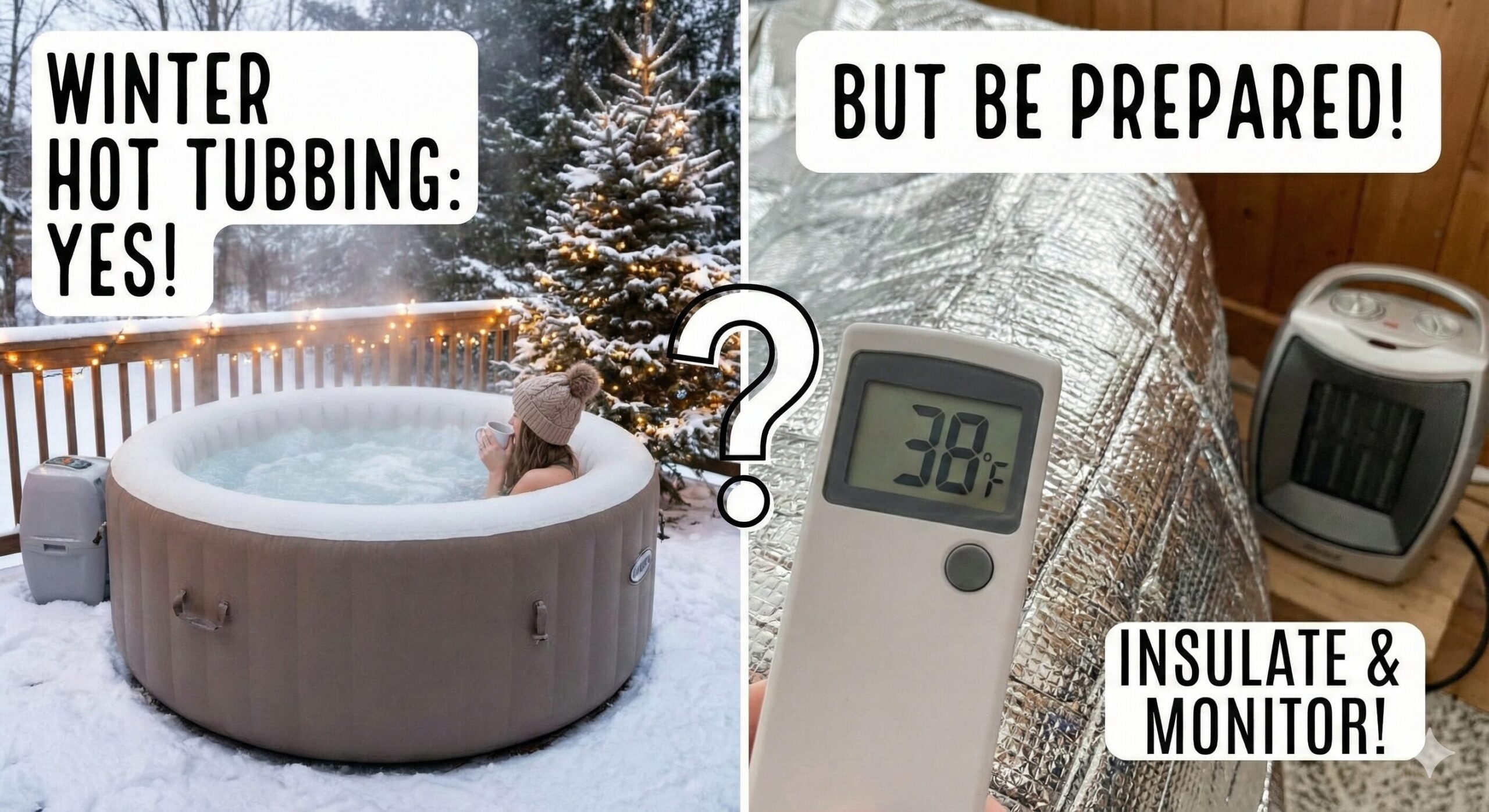
Picture this: steam rising into the crisp winter air, snowflakes gently melting as they hit the bubbling surface of the water, and you, perfectly warm, soaking in your backyard oasis. It is the ultimate winter fantasy. But for owners of portable spas, this fantasy often comes with a nagging question: Can you actually use an inflatable hot tub in the winter?
The short answer is yes, but with significant caveats. unlike traditional acrylic spas with thick foam insulation, inflatable tubs are essentially large pockets of air and water exposed to the elements. Without the right equipment, preparation, and maintenance, attempting to use a standard inflatable tub in freezing temperatures can lead to cracked vinyl, frozen pumps, and a voided warranty.
In this comprehensive guide, we will break down exactly how to successfully run an inflatable spa during the colder months, the risks involved, and the specific technology—like Freeze Shield—that makes it all possible. If you are still shopping for a model that can handle the cold, start by checking out our curated list of the best inflatable hot tubs for winter.
The Challenge: Vinyl vs. Freezing Temperatures
To understand why winter use is tricky, you need to understand the anatomy of these tubs. Most are made of reinforced PVC or vinyl. When temperatures drop below 40°F (4°C), this material can become brittle. If you try to unfold and set up a cold tub in winter, you risk cracking the liner before you even add water.
The 40°F Safety Cut-Off
For years, older models of popular brands like Intex and Coleman had a built-in safety feature that was actually a nuisance for winter lovers: the pump would automatically shut off if the ambient air temperature dropped below 40°F. This was to prevent the internal water in the pump mechanism from freezing and expanding, which would crack the plastic housing.
However, technology has evolved. Newer models now feature systems designed specifically to combat this.
How to Successfully Use Your Inflatable Hot Tub in Winter
If you are determined to keep the bubbles going through December and January, you cannot simply set it and forget it. You need a proactive strategy. Here is the expert protocol for winter survival.
1. Location, Location, Location
Wind chill is the enemy. A steady winter breeze will strip heat away from your tub faster than the heater can replace it. Place your tub in a sheltered area—perhaps a corner of your patio protected by walls, or inside a gazebo. Just remember, if you are setting it up on a deck, you need to know how many amps the hot tub uses and ensure your outdoor wiring can handle the constant heater load.
2. Insulate from the Ground Up
The ground is a massive heat sink. If you place your tub directly on concrete or frozen earth, the cold will seep straight through the bottom. We highly recommend using thermal foam mats. Not only do they protect the liner from rough debris, but they also provide a thermal break.
Check out our recommendations for the best hot tub pads to ensure you have the right foundation before filling the tub.
3. Upgrade Your Cover
Heat rises. The standard cover that came with your inflatable tub is likely just a thin layer of vinyl with an inflatable bladder. In sub-zero temperatures, this might not be enough. Consider adding a floating thermal blanket underneath the main cover to reduce evaporation and heat loss. For superior options, read our guide on the best hot tub covers.
4. Leave the Heater ON
In the summer, you might turn the heater off to save money. In the winter, this is dangerous. You must keep the pump and heater running constantly to maintain water circulation. Moving water freezes much slower than stagnant water. Most modern pumps with freeze protection require the unit to be plugged in and active 24/7.

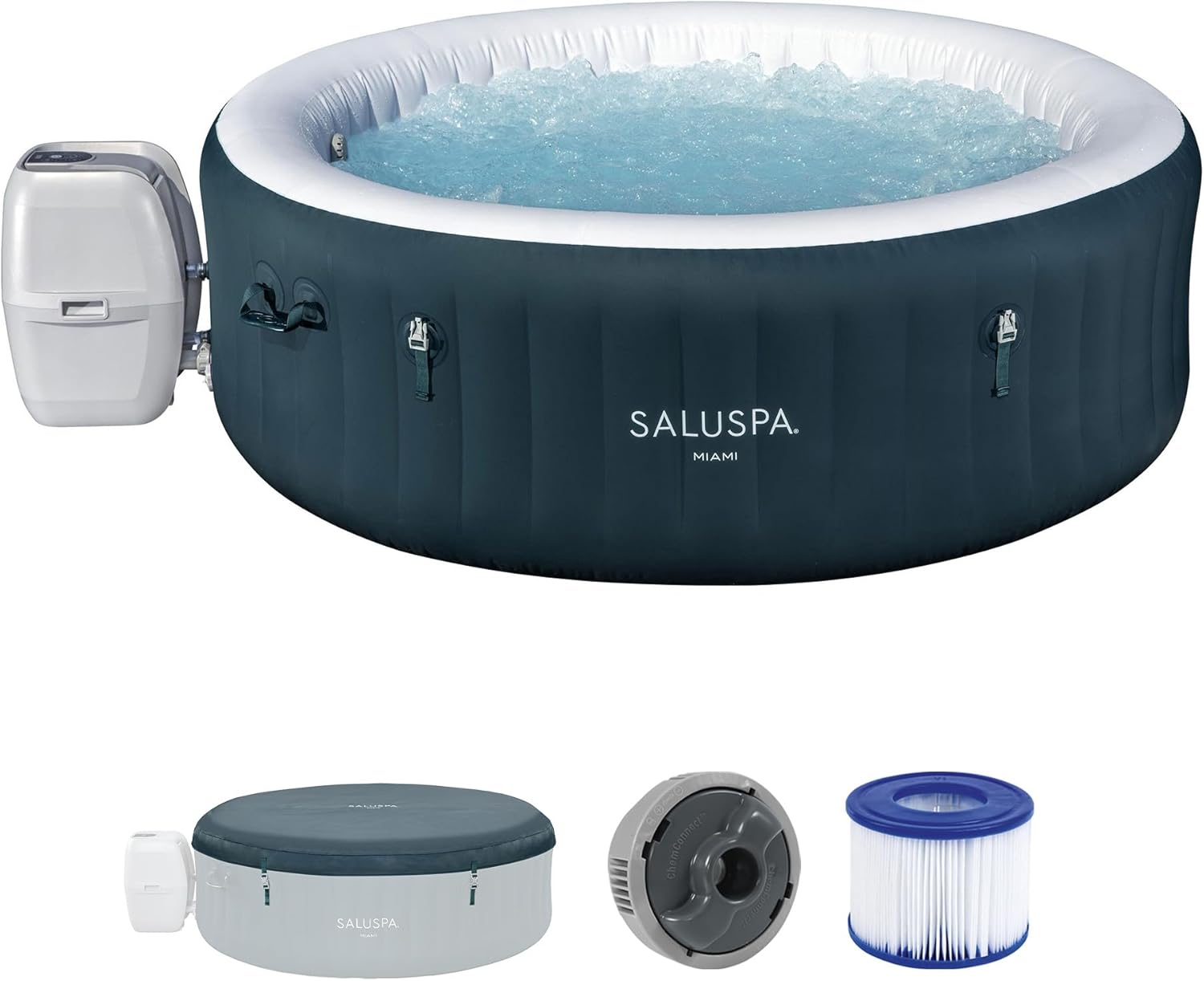
Winter Ready: Coleman SaluSpa Tahiti
Features Freeze Shield technology to prevent water from freezing in the internal components during colder months.
Check Price on AmazonThe Real Cost of Winter Tubbing
We need to be honest about the financials. Inflatable hot tubs are not known for their insulation properties. While a hard-shell tub has thick foam walls, an inflatable tub has air-filled walls. Air is a decent insulator, but it isn’t perfect.
When the air outside is 20°F and you want the water at 104°F, the heater will be working overtime. It is not uncommon for electricity bills to increase by $50 to $150 per month during the winter, depending on your local energy rates and how well you insulate the tub.
For a detailed breakdown of what to expect on your bill, read our analysis: Do inflatable hot tubs use a lot of electricity?.
Winter Maintenance: What Changes?
Chemistry behaves differently in cold weather, although since your water will be heated, the biological demand remains high. Bacteria love warm water regardless of the snow outside. You must stick to a strict schedule.
- Sanitizer: Continue using chlorine or bromine. If you are unsure which to use, consult our guide on blow-up hot tubs which covers basic chemical setups.
- Shocking: You still need to oxidize the water. Read how often should you shock a hot tub to keep the water crystal clear.
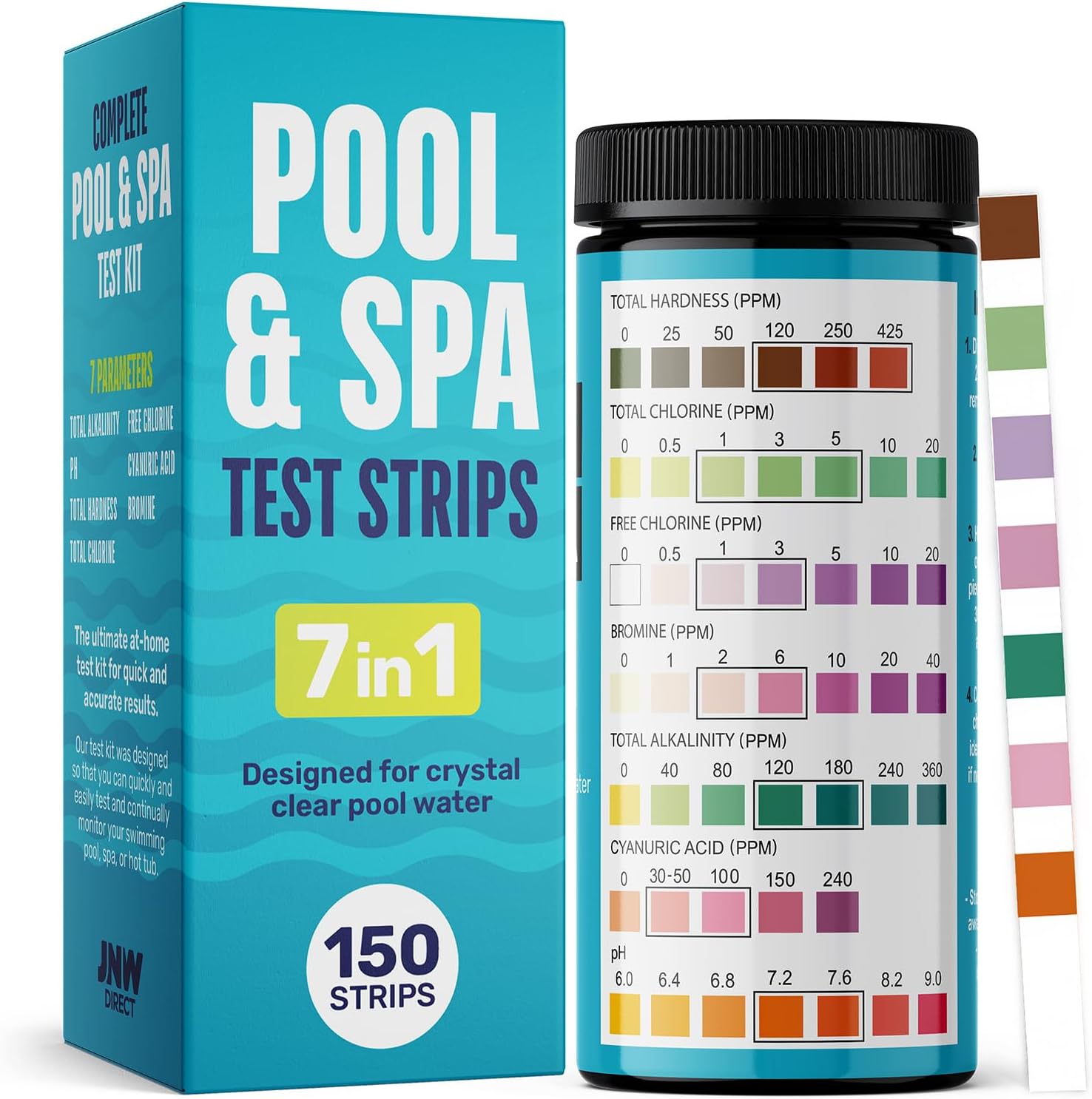
- Testing: Do not rely on guesswork. Cold air can make color-matching strips tricky to read if you are shivering. We suggest using digital readers for accuracy. See our top picks for best digital hot tub water testers.
Also, keep an eye on your filter. If it gets clogged, the water flow is restricted, which can cause the heater to shut down—a disaster in freezing weather. Know how often to replace hot tub filters and keep spares inside the house.
Comparison: Summer vs. Winter Usage
| Feature | Summer Usage | Winter Usage |
|---|---|---|
| Pump Operation | Can be turned off/timer used | Must run 24/7 (or utilize Freeze Shield) |
| Heating Time | 1-2°F per hour (fast) | Slow recovery (may drop during use) |
| Electricity Cost | Low to Moderate | High (Heater works constantly) |
| Risk Factor | Low (Algae growth) | High (Freezing/Cracking components) |
| Setup/Takedown | Easy and flexible | Do not fold vinyl in freezing temps! |
When Should You Pack It Up?
Sometimes, the weather is just too harsh. If your area frequently drops below -10°F (-23°C), even the best inflatable hot tub heater will struggle to keep up. The water temperature might drop while you are in it, leading to a lukewarm soak.
If you decide to store it, you must do so before the deep freeze sets in. Draining an inflatable tub in freezing weather is miserable and risky. Water trapped in the air jets can freeze and expand, ruining the liner.
Make sure you follow a strict maintenance routine to drain, dry, and fold the tub while the ambient temperature is still above 40°F. Ensure it is completely bone dry to prevent mold growth during storage. For cleaning tips before storage, refer to how to clean an inflatable hot tub.

Fast Draining: Submersible Pump
Don’t wait hours for gravity draining in the cold. Pump the water out in minutes.
Check Price on AmazonHealth and Safety in Winter
Soaking in winter is beneficial for circulation and mental health, especially given the lack of sunlight. Many users ask, are hot tubs healthy for you in the cold? Generally, yes. The contrast between cold air and hot water is invigorating.
However, safety is paramount. The pathway to your hot tub can become an ice rink due to splashing water. Keep the area salted or use heated mats. Furthermore, if you have specific health conditions, such as arthritis, the warm water is excellent therapy. Read more about hot tubs and arthritis here.
Note for pregnant women: Regulating body temperature is crucial. The risk of overheating is still present even if it is snowing. Please consult our guide: Can pregnant women use hot tubs?
Frequently Asked Questions
If your tub does not have Freeze Shield technology, you should pack it away when nights consistently drop below 40°F (4°C). If you have a winter-ready model, it can usually handle temperatures down to 14°F (-10°C), but efficiency drops significantly.
No! Never put automotive antifreeze in a hot tub. It is toxic and will ruin the pump seals and the liner. If you need to winterize the plumbing (for storage, not usage), use non-toxic RV antifreeze, but this is for the pipes only, not for soaking water.
Yes, air contracts in the cold. You may notice your tub looks saggy. This isn’t necessarily a leak; it’s physics. You may need to add a little air, but be careful not to over-inflate, as the air will expand again if the sun comes out and warms the black vinyl. See Intex PureSpa troubleshooting for air loss tips.
Yes. The air blower pulls in ambient outside air. If it is 20°F outside, you are injecting freezing air into your 104°F water. The temperature will drop rapidly. In winter, it is best to use the bubbles for short bursts or just enjoy the soaking heat without the jets.
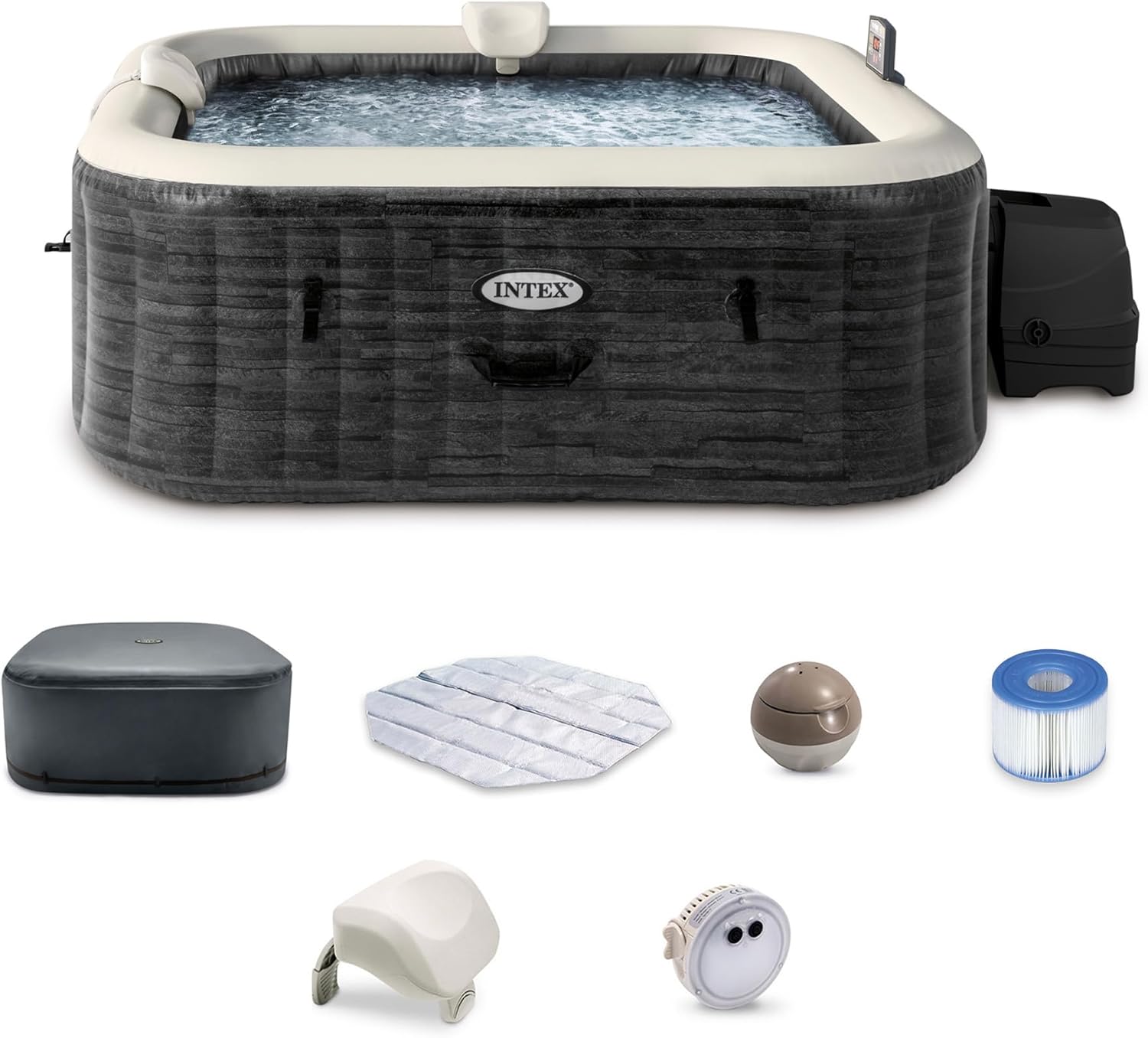
We recommend models with specific freeze-protection technology. The Coleman SaluSpa series and Intex PureSpa Greywood Deluxe are top contenders. See the full breakdown in our Best Inflatable Hot Tubs of 2025 article.
Final Verdict
Using an inflatable hot tub in the winter is possible, but it requires a shift in mindset. You are no longer just a “user”—you are a manager of heat. By investing in the right accessories like thermal pads and better covers, and by choosing a tub equipped with freeze protection, you can enjoy the magical experience of a snowy soak.
However, if you live in the Arctic Circle or an area with brutal, sustained sub-zero temperatures, an inflatable might not be up to the task. For moderate winters, though? It is absolutely worth the effort.
Ready to upgrade your backyard for the winter season?

Don’t Let Heat Escape!
The #1 upgrade for winter use is a thermal floating blanket. Save electricity and keep water hotter for longer.
Get Your Thermal Blanket on Amazon