How Good Are Inflatable Hot Tubs Really? The Honest Truth
If you’ve ever scrolled through social media in the summer, you’ve likely seen them: affordable, portable spas that promise the luxury of a Jacuzzi for the price of a weekend getaway. But for the discerning homeowner, skepticism is natural. Are these just glorified kiddie pools with a heater, or are they legitimate hydrotherapy devices?
The short answer? They are surprisingly good—if you manage your expectations.
Gone are the days of flimsy vinyl pools that puncture if you look at them wrong. Modern inflatable spas use reinforced beam construction and high-tech laminates that are rigid enough for an adult to sit on the rim without collapsing. However, they are not without their limitations regarding heating speed and jet power.
In this deep dive, we are stripping away the marketing fluff to answer the burning question: How good are inflatable hot tubs? We will analyze their durability, heating performance, electricity costs, and overall therapeutic value to help you decide if one belongs in your backyard.
1. Durability: Will It Pop?
The biggest myth surrounding inflatable tubs is that they are fragile. People imagine a balloon that pops at the slightest touch of a cat claw or a stray branch. This is largely outdated thinking.
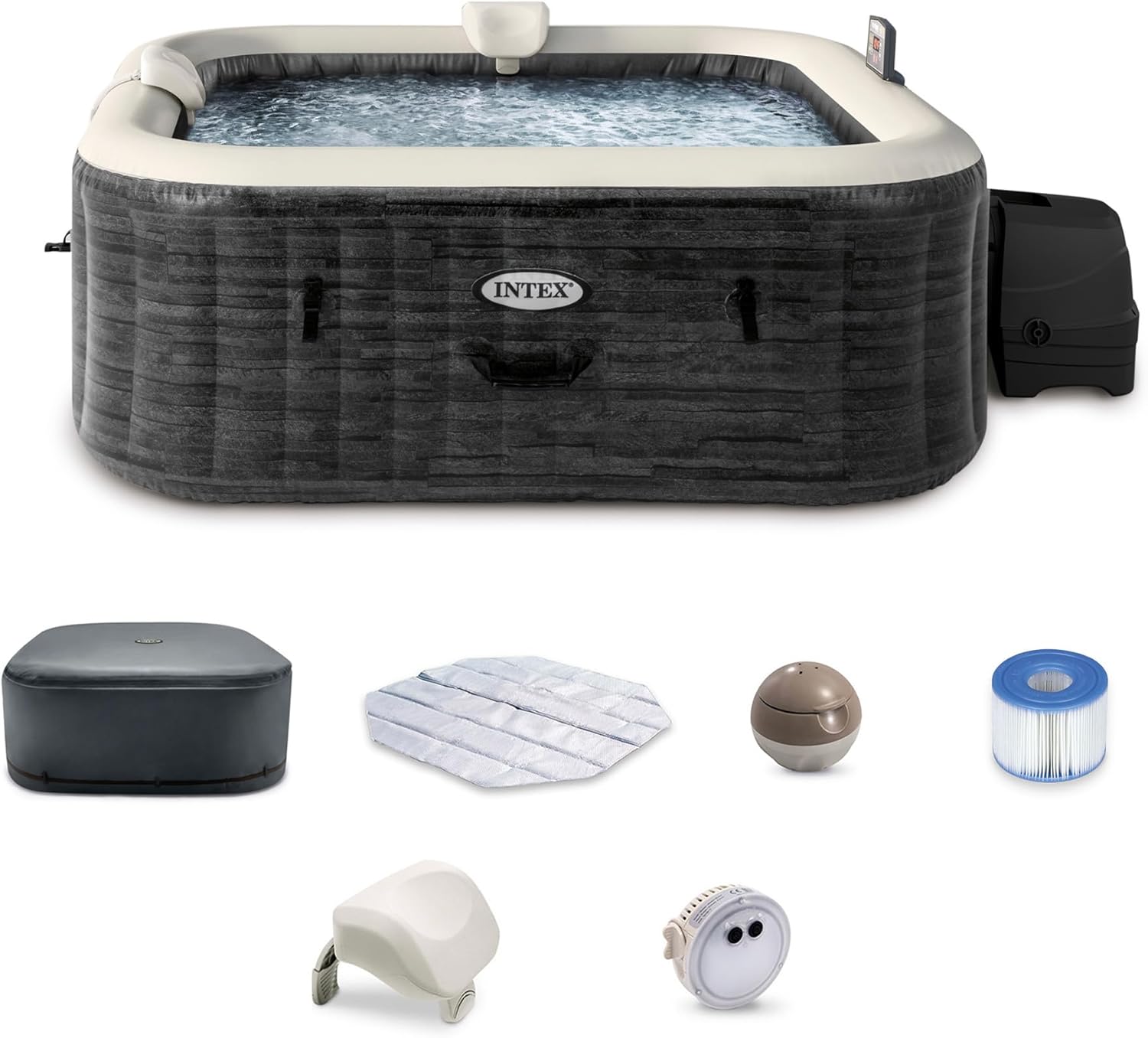
Top-tier manufacturers like Intex and Bestway (Coleman) utilize proprietary technologies such as Fiber-Tech and TriTech. These involve thousands of high-strength polyester fibers woven into the PVC walls. When inflated, the structure becomes incredibly rigid.
We’ve covered this extensively in our guide on are inflatable hot tubs safe, but the reality is that these tubs are designed to withstand significant weight and pressure. You can lean back against the walls comfortably, and they won’t warp.
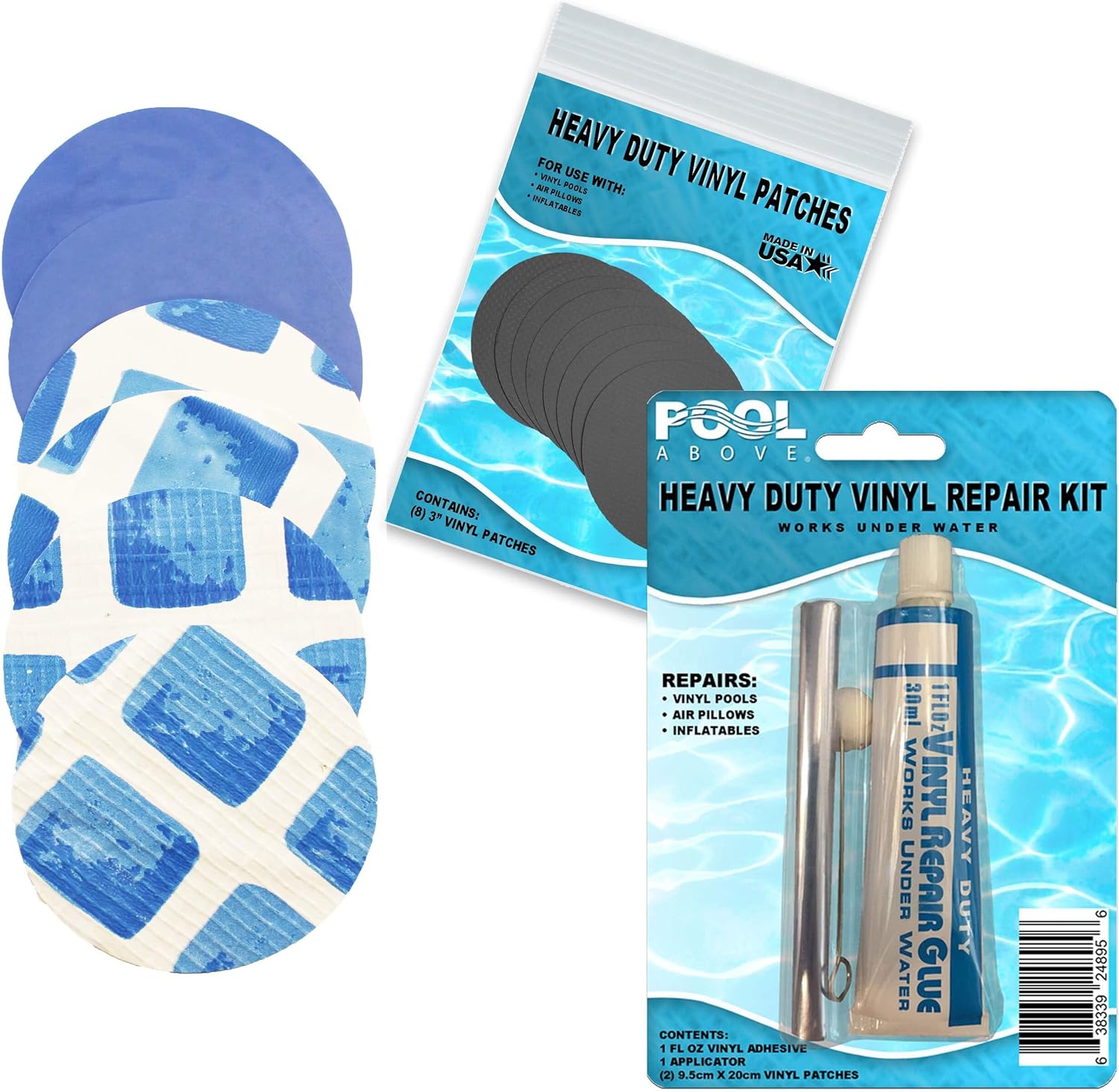
That said, they are not invincible. Leaks can happen, usually around the valve seals or pump connections rather than the liner itself. Fortunately, inflatable hot tub maintenance is straightforward, and most punctures are easily repairable with the included patch kits.

The Durability King: Intex PureSpa
Featuring Fiber-Tech construction for superior structural stability.
Check Price on Amazon2. Heating Performance: Can It Hold the Heat?
Here is where the difference between a $500 inflatable and a $5,000 acrylic tub becomes apparent. How good are inflatable hot tubs at heating? They are effective, but slow.
- Max Temperature: Almost all models top out at 104°F (40°C) due to safety regulations.
- Heating Rate: Expect a rise of 2–3°F per hour. If you fill it with cold hose water, you will be waiting 12 to 24 hours for your first dip.
- Heat Retention: Because they lack the thick foam insulation of permanent spas, they lose heat faster.
A crucial detail often overlooked is that on most 110V plug-and-play models, you cannot run the heater and the bubbles simultaneously. The moment you turn on the air jets, the heater cuts off to prevent overloading the circuit. This means that during a 30-minute soak with bubbles on, the water temperature might drop from 104°F to 100°F.
If you plan to use your tub in colder months, this becomes even more critical. We highly recommend checking out our list of the best inflatable hot tubs for winter which feature freeze-shield technology to prevent the pump from seizing.
3. The “Bubble” vs. “Jet” Experience
When asking “how good are inflatable hot tubs,” you must define what you want from the massage.
The AirJet Standard: 95% of inflatable tubs use “AirJets.” These are a ring of holes at the bottom of the tub that release air bubbles. It creates a pleasant, effervescent, all-over fizzing sensation. It is relaxing, but it is not a deep tissue massage.
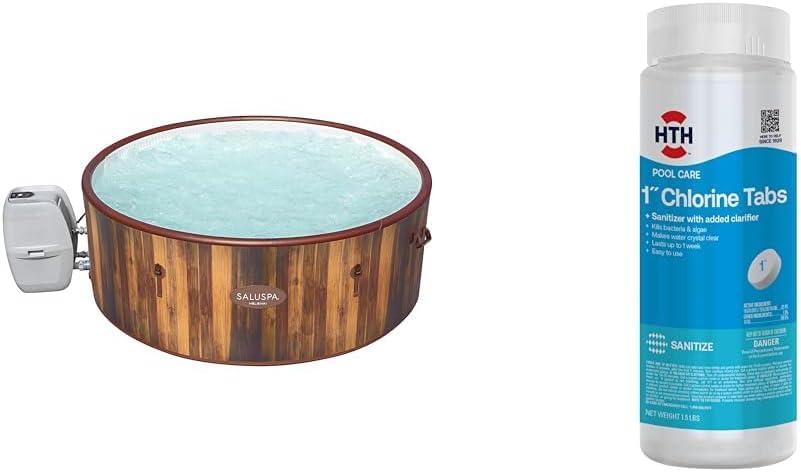
The HydroJet Upgrade: A few premium models (like high-end SaluSpas) offer water jets that actually shoot streams of water. These provide a true massage experience similar to a permanent tub, but they cost significantly more.
For a detailed breakdown of the mechanics, read our article on how does an inflatable hot tub work.

Best Bubble Experience: Coleman SaluSpa
140+ AirJets surround the bottom for a soothing soak.
Check Price on Amazon4. Comfort and Ergonomics
One area where inflatable tubs actually beat traditional ones is the flooring. In a hard-shell tub, you are sitting on hard acrylic. In an inflatable tub, the floor is padded and air-cushioned. It is surprisingly comfortable to sit cross-legged on the bottom.
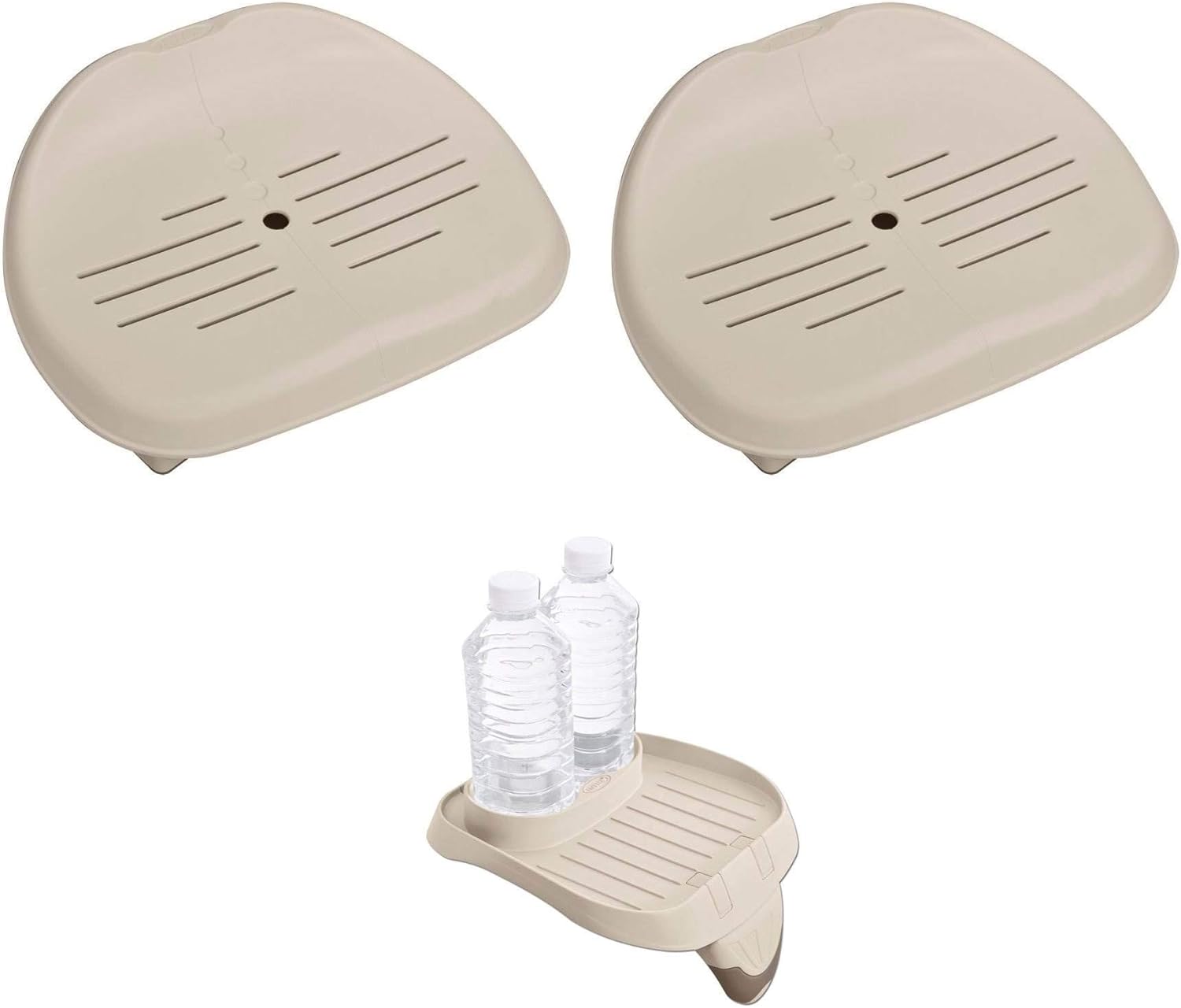
However, they lack molded seats. You are essentially sitting on the floor of the tub. For shorter people or children, the water might be too deep, while taller adults might find it harder to recline. To fix this, many owners invest in the best hot tub booster seat to get the perfect elevation.
Additionally, if you are setting up on a hard surface like concrete, placing the tub on hot tub pads is essential for both comfort and insulation.
5. The Financial Verdict: Are They Worth It?
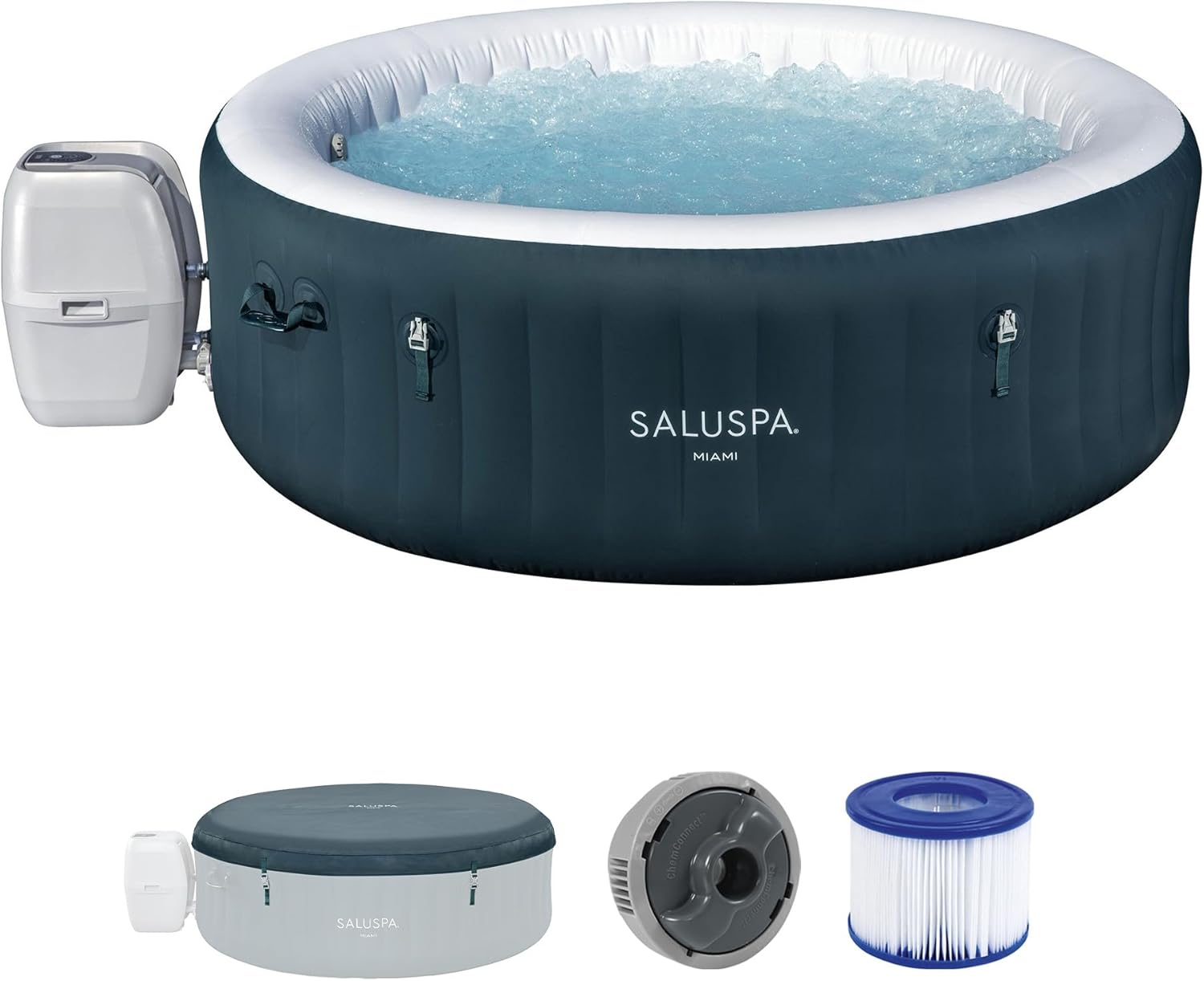
Let’s talk money. You can pick up a reliable model like the Bestway SaluSpa Miami for under $500. A permanent tub starts at $4,000 and goes up to $15,000.
But the upfront cost isn’t the only factor. You need to consider running costs.
Electricity Usage
Inflatable hot tubs are less energy-efficient than hard-shell tubs. Depending on your local climate and electricity rates, you can expect your monthly bill to increase by $50 to $100 during peak usage. We break down the math in our guide: Do inflatable hot tubs use a lot of electricity?
Chemicals and Maintenance
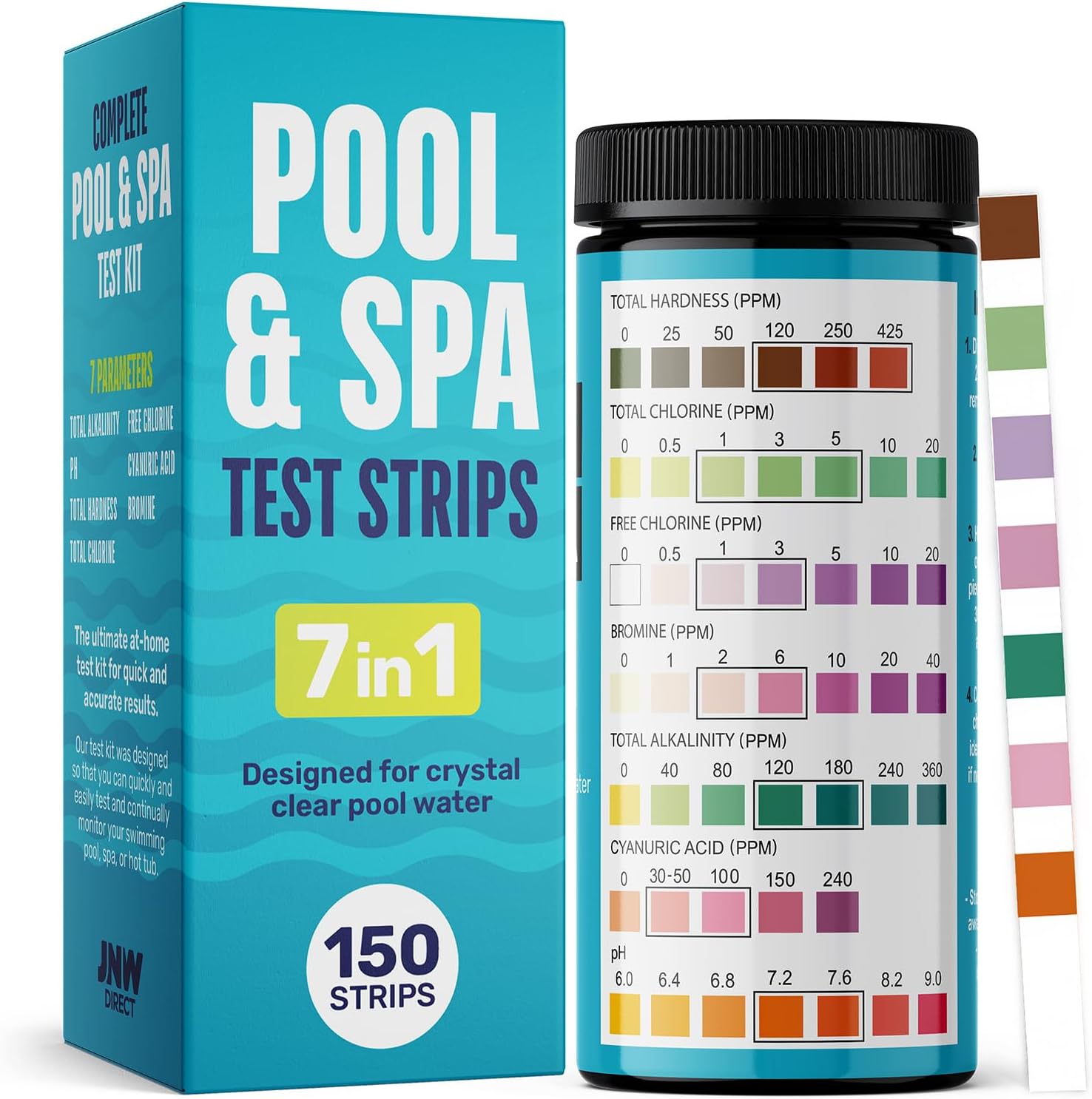
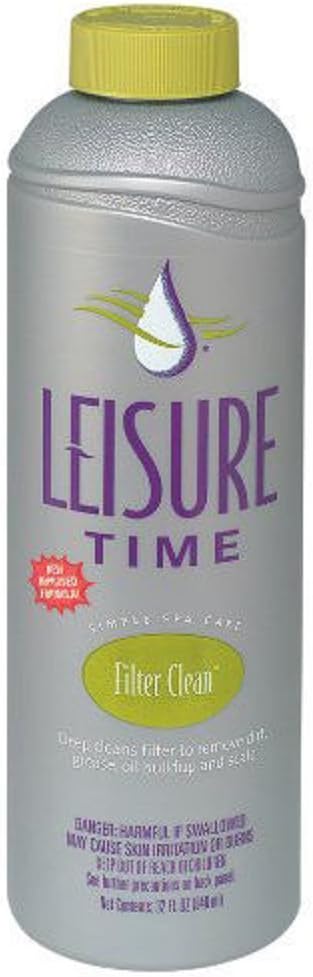
Just because it’s inflatable doesn’t mean you can skip the chemistry. You still need to balance pH, alkalinity, and sanitizer. If you neglect this, you will be dealing with biofilm and cloudy water very quickly. You’ll need:
- A reliable hot tub water tester.
- Sanitizers (Chlorine or Bromine).
- Replacement filters (See: how often to replace hot tub filters).
Even with these running costs, the inflatable tub remains the undisputed champion of value for entry-level buyers.
Head-to-Head: Inflatable vs. Permanent Hot Tubs
To help you visualize “how good” they are, here is a direct comparison.
| Feature | Inflatable Hot Tub | Permanent Hard-Shell Tub |
|---|---|---|
| Price | $400 – $1,000 | $4,000 – $15,000+ |
| Setup | DIY (Plug & Play) | Professional Installation |
| Portability | High (Move it anywhere) | Zero (It stays where it is) |
| Jets | Air Bubbles (Gentle) | Hydro Jets (Massage) |
| Lifespan | 3 – 5 Years | 15 – 20 Years |
| Seating | Open Padded Floor | Molded Ergonomic Seats |
Expert Insights: Getting the Most Out of It
If you decide to take the plunge, there are ways to make your inflatable tub perform significantly better.
1. The Setup Matters
Don’t just throw it on the grass. A proper setup on a level, insulated surface will double the life of your tub and reduce heating costs.
2. Don’t Skimp on the Cover
Heat rises. The cover provided in the box is decent, but upgrading to a thermal blanket or one of the best hot tub covers can save you money every single month.
3. Keep it Clean
The filter is the heart of your tub. If it gets clogged, the heater will shut down (an E02 error on many models). Learn how to clean your inflatable hot tub properly and invest in a hot tub vacuum to keep the floor grit-free.

Essential Maintenance Kit
Keep your water crystal clear and safe for the whole family.
Check Price on Amazon6. Brand Showdown: Intex vs. Bestway vs. Coleman vs. MSPA
Once you’ve decided that an inflatable spa is the right category for your backyard, the next question is which manufacturer actually deserves your money. The market is dominated by a handful of names, and each has carved out a distinct reputation among owners who have logged real soak hours rather than just skimmed a spec sheet. Understanding the philosophy behind each brand will save you from buyer’s remorse.
Intex is the volume leader, and for good reason. The PureSpa line uses the Fiber-Tech construction mentioned earlier, and Intex tends to release the widest variety of shapes, including octagonal and square models that fit corners better than a standard round tub. Intex also has the most robust third-party accessory ecosystem, meaning replacement liners, filters, and pumps are almost always in stock at big-box retailers rather than back-ordered for months.
Bestway, which owns the Coleman and SaluSpa brands under license, tends to focus on jet count and “wellness” marketing. Their tubs often ship with more air jets than comparable Intex models, and the SaluSpa Miami and Hawaii lines have become the default recommendation for first-time buyers because they balance price and performance so well. Bestway also innovated the hard-top rigid lid accessory, which converts a standard inflatable into something that resembles a permanent tub when not in use.
Coleman, technically a licensed sub-brand under the Bestway umbrella, differentiates itself with a slightly thicker liner and a reputation for outdoor durability, borrowing credibility from the camping gear brand. If you already trust Coleman coolers and tents, the SaluSpa line will feel like a natural extension.
MSPA is the newer, premium-leaning entrant that has gained traction by offering hydro-jet massage in a segment historically dominated by air bubbles alone. MSPA tubs frequently include UV-C sanitation add-ons and app-based Bluetooth control panels, appealing to buyers who want smart-home integration without the smart-home price tag of a permanent spa. The tradeoff is a smaller repair-parts network if something breaks two years down the line.
When you compare warranty terms across these brands, Intex and Bestway typically offer a standard one-year limited warranty on the pump and heater assembly, while the inflatable liner itself is often excluded from coverage for punctures caused by normal wear. MSPA occasionally extends coverage to eighteen months as a differentiator, but replacement parts can take longer to ship internationally. Whichever brand you choose, register your product immediately after purchase; manufacturers frequently run promotional extended-warranty campaigns that are only available within the first thirty days of ownership.
7. Sizing Guide: How Many People Should It Really Fit?
Every inflatable spa on the market is advertised by a headline capacity number, but that number rarely reflects a comfortable soak. Manufacturers calculate capacity based on people sitting shoulder-to-shoulder with knees touching, which is fine for a five-minute product photo but unrealistic for a thirty-minute unwind session.
- 2-Person Tubs: Ideal for balconies, small patios, and couples. These typically hold 210–260 gallons and heat fastest due to lower water volume.
- 4-Person Tubs: The most popular category, striking a balance between footprint and social capacity. Expect 290–320 gallons of water and a diameter around 71–77 inches.
- 6-Person Tubs: Marketed as family-sized, but realistically comfortable for four adults plus two kids. Water capacity climbs to 320–400 gallons, meaning longer fill times and higher electricity draw.
A rule of thumb we recommend to readers: subtract one person from the advertised capacity to estimate genuine comfort. A “6-person” tub soaks best with four adults who actually want to stretch their legs. If you frequently host guests, sizing up also gives you buffer room for the inevitable water-level drop from splashing and evaporation between top-offs.
Diameter matters as much as advertised capacity. Two tubs both labeled “4-person” can differ by six or more inches in interior diameter depending on wall thickness and seating design, so always check the interior measurement rather than relying on the headline capacity claim alone before you commit to a deck or patio footprint.
8. Water Usage: Fill Time, Drain Frequency, and Hose Math
Water logistics are one of the most underappreciated aspects of inflatable spa ownership. A standard garden hose delivers roughly 9–17 gallons per minute depending on your home’s water pressure and hose diameter. For a 4-person tub holding 300 gallons, that means somewhere between 18 and 35 minutes of continuous hose-filling before you can even switch on the heater.
Once filled, most manufacturers recommend draining and refilling the tub every 3 to 4 weeks for light residential use, or as frequently as every 1 to 2 weeks if you’re using it daily with multiple bathers, since bather load accelerates the breakdown of sanitizer and the buildup of organic contaminants like body oils and lotion residue.
Draining is usually handled through a garden-hose-compatible drain valve at the base of the unit, letting gravity do the work rather than requiring a pump-out service. Before draining, it’s worth checking your local municipal guidelines, since some regions restrict draining chlorinated water directly onto grass or into storm drains. Many owners let the tub sit uncovered for 24–48 hours after their last chemical dose to allow chlorine to dissipate naturally (a process called off-gassing) before draining onto a lawn.
Refilling is also the perfect opportunity to inspect the liner for any sand, grit, or debris that has settled at the bottom, and to hose down the padded flooring before water goes back in. Skipping this step is one of the most common reasons owners report cloudy water within days of a fresh fill.
9. Noise Levels: Are They Loud?
A frequently searched but rarely answered question is simply: how loud is the pump? Inflatable hot tub pumps combine a water circulation motor, an air blower for the bubble jets, and a heating element, all housed in a plastic control box that sits just outside the tub wall.
In practice, most units register between 45 and 60 decibels at a distance of three feet, comparable to a running dishwasher or a window air-conditioning unit. The air-jet blower is typically the loudest component, producing a low hum that some owners describe as soothing white noise and others find mildly annoying during a late-night soak when the rest of the yard is silent.
Noise tends to increase with age as internal bearings wear down, so a two-year-old unit will often run louder than it did on day one. Placing the tub on a solid, level pad rather than directly on grass or gravel can meaningfully reduce vibration-transmitted noise, since a wobbly or uneven base causes the pump housing to rattle against the tub wall. If noise is a major concern for apartment or townhouse living, look specifically for models advertised with “quiet pump technology,” a marketing term that generally indicates a redesigned blower housing with additional insulation foam.
10. Health Considerations: Who Should Think Twice
Warm water immersion is broadly beneficial, but it isn’t universally risk-free, and this is a topic worth taking seriously before you invite the whole family in for a soak.
Cardiovascular conditions: Hot water causes blood vessels to dilate, which can lower blood pressure. For most healthy adults this is a pleasant, relaxing sensation, but individuals with hypotension, arrhythmia, or those on blood-pressure medication should consult a physician before regular use and should never soak alone the first few times.
Diabetes: Elevated water temperature can affect blood sugar regulation and, in some cases, reduce sensation in the extremities, making it harder to notice burns from water that’s hotter than it feels. Testing water temperature with a separate thermometer rather than trusting the display is a smart habit for diabetic soakers.
Alcohol consumption: The combination of heat, dehydration, and alcohol is one of the leading causes of hot-tub-related medical incidents nationally. Alcohol impairs the body’s ability to judge overheating, and combined with a 104°F soak, it significantly raises the risk of fainting or heat exhaustion.
Children: Pediatric guidance generally suggests limiting children’s exposure to a maximum of 10 minutes at reduced temperatures (100°F or lower), since kids overheat faster than adults due to a higher surface-area-to-body-mass ratio.
Skin conditions and infections: Because inflatable tubs are shared, communal water, they can transmit folliculitis (commonly called “hot tub rash”) if sanitizer levels aren’t properly maintained. This is entirely preventable with consistent water testing but is worth mentioning to anyone considering skipping the chemical routine to save money.
None of this is meant to discourage ownership; it’s meant to encourage informed, moderate use, which is exactly how the vast majority of owners already enjoy their tubs without incident.
11. Chlorine vs. Bromine vs. Saltwater: Choosing a Sanitizer System
Sanitizer choice is one of the biggest long-term satisfaction factors for inflatable spa owners, and yet it’s rarely explained clearly at the point of sale.
Chlorine is the cheapest and most widely available option, effective at killing bacteria quickly, but it produces a stronger chemical odor and can be harsher on sensitive skin and swimwear fabric over time. It also degrades faster in direct sunlight, meaning covered or shaded tubs retain sanitizer levels longer between doses.
Bromine is gentler on skin and holds up better at the higher temperatures typical of hot tub use (chlorine loses effectiveness faster above 95°F). Bromine tablets dissolve more slowly through a floating dispenser, which many owners find more convenient than daily granular dosing, though bromine itself costs noticeably more per gallon treated.
Saltwater systems, which use a small electronic chlorine generator to convert dissolved salt into chlorine automatically, have become increasingly available as bolt-on accessories for inflatable spas. These systems reduce the “swimming pool smell” many people associate with manual chlorine dosing and largely automate sanitizer maintenance, but they require the tub’s electrical system to support an additional in-line unit, and not every model is compatible out of the box.
Mineral cartridges (often containing silver and copper ions) are a supplementary option that reduces, but does not eliminate, the need for chlorine or bromine. They’re best thought of as a way to stretch time between full sanitizer doses rather than a standalone solution.
For most casual owners, a bromine floater system offers the best balance of low odor, ease of dosing, and stability at hot-tub temperatures, while budget-conscious owners who don’t mind a slightly stronger smell often stick with granular chlorine for its low cost and wide availability at any pool supply store.
12. Understanding Filter Cartridges
The filter cartridge is arguably the single most important consumable in your entire ownership experience, since a clogged filter is the number one cause of the dreaded E02 heater shutdown error.
Most Intex models use the proprietary “Type S1” cartridge, while Bestway and Coleman units typically use their own “Type VI” or “Type IV” cartridges depending on the model year. These are not universally interchangeable, so always confirm the exact filter type before stocking up, since an incorrectly sized cartridge won’t seal properly against the pump housing and will allow unfiltered water to bypass entirely.
A standard cartridge should be rinsed every 3–5 days under running water to knock loose visible debris, and fully replaced every 2 weeks under moderate use, or weekly if the tub sees heavy daily bather traffic. Letting a filter go beyond its replacement window doesn’t just risk an error code; it also allows fine particulate to recirculate through the heating element, which can shorten the lifespan of the internal heater coil over time.
Buying filters in bulk multi-packs is significantly more economical than one-off purchases, and keeping a spare cartridge already rinsed and ready to swap in means you’re never stuck waiting on a shipment while your filter sits clogged.
13. Troubleshooting Common Error Codes
Almost every inflatable spa owner eventually encounters a flashing error code on the control panel, and understanding what each one means can save an unnecessary service call.
- E02 / E2: Water flow error, almost always caused by a clogged filter or an air lock in the pump intake. Rinse or replace the filter and ensure the water level is above the minimum fill line.
- E90 / E9: A communication error between the control panel and the pump circuit board, often resolved by fully unplugging the unit for 10 minutes to reset the system.
- HC / High Temperature Cutoff: The unit has detected water above the safe threshold and has shut the heater off automatically. This can happen in direct summer sun with the cover closed and the heater left running unnecessarily.
- HL / Water Level Low: A safety sensor preventing the heater from firing dry. Simply top off the water above the fill line printed inside the tub wall.
- SF / System Failure: A more serious internal fault that usually requires contacting the manufacturer, though sometimes a full power cycle resolves it.
- Fl1: Related to inadequate flow through the heater assembly, frequently caused by a partially closed drain valve that wasn’t fully sealed after the last drain-and-refill cycle.
Keeping the original manual (or a bookmarked PDF from the manufacturer’s site) handy is genuinely useful, since error code meanings occasionally shift between model years even within the same brand.
14. Winterizing and Off-Season Storage
If your tub doesn’t have freeze-shield technology, or if you simply prefer to store it during the coldest months, proper winterization is critical to avoiding cracked pump housings and burst internal tubing come spring.
The process starts with a full drain, followed by running the pump briefly with the drain valve open to purge remaining water from the internal plumbing lines using either gravity or a wet-dry shop vacuum on the intake side. Any residual water left inside the pump housing can freeze and expand, cracking plastic components that are expensive or impossible to replace individually.
Once drained, allow the liner to air dry completely, ideally indoors or under cover, since UV exposure during prolonged off-season storage accelerates vinyl degradation even when the tub isn’t in use. Fold the liner loosely rather than creasing it sharply in the same spots repeatedly, as repeated sharp folds are a common cause of slow pinhole leaks developing along fold lines over successive seasons.
Store the folded liner and pump assembly in a climate-controlled space if at all possible: a garage that stays above freezing is acceptable, but an unheated shed in a region with hard freezes will shorten the lifespan of both the vinyl and the internal pump seals. Many owners use the tub’s original shipping box for exactly this purpose, which conveniently doubles as organized off-season storage.
15. Apartment, Balcony, and Renter Considerations
Inflatable spas are marketed heavily toward apartment dwellers and renters precisely because they don’t require permanent installation, but there are a few structural and logistical realities worth understanding before setting one up on a balcony or shared patio.
A filled 4-person tub can weigh well over 2,500 pounds once you account for water weight, occupants, and the tub structure itself. Most residential balconies are engineered for a distributed live load of 40–60 pounds per square foot, and a filled spa concentrates significantly more weight than that over a relatively small footprint. Before setting one up above ground level, it’s worth checking your building’s structural load capacity or consulting your property manager, since this is as much a safety issue as a lease-compliance one.
Beyond weight, renters should also consider drainage. Balconies rarely have a floor drain, meaning a full 300-gallon drain-and-refill cycle has to be routed carefully to avoid flooding a downstairs neighbor’s unit or damaging balcony flooring over repeated cycles. A simple garden hose extension routed to a proper drain or ground-level disposal point solves this, but it’s a step first-time apartment owners frequently overlook.
Many leases also have specific clauses about exterior modifications, water features, or “pools,” and property managers may classify an inflatable spa under the same restrictions as a permanent pool installation. It’s worth a quick conversation with your landlord before purchasing rather than after, since some communities require liability insurance riders for any standing water feature regardless of how temporary it’s marketed to be.
16. Total Cost of Ownership Over 5 Years
The sticker price of $400–$1,000 tells only part of the financial story. To really answer “how good” the value proposition is, it helps to model out a realistic five-year cost of ownership.
| Cost Category | Estimated 5-Year Total |
|---|---|
| Initial Unit Purchase | $400 – $1,000 |
| Electricity (seasonal use) | $1,200 – $2,500 |
| Chemicals & Sanitizer | $300 – $600 |
| Replacement Filters | $150 – $300 |
| Repairs / Patch Kits | $50 – $150 |
| Full Unit Replacement (year 4-5) | $400 – $1,000 |
| Estimated 5-Year Total | $2,500 – $5,550 |
Even at the high end of this range, five years of inflatable ownership (including a full unit replacement partway through) still lands well under the entry price of a single permanent hard-shell spa, which reinforces the value case for anyone who isn’t ready to commit to a five-figure backyard installation.
17. Environmental Impact and Sustainability
An often-overlooked angle in the “how good” conversation is environmental footprint. Inflatable spas use significantly less water per fill than permanent tubs of comparable size, and their shorter lifespan means the PVC liner is eventually discarded, which is a legitimate sustainability tradeoff worth acknowledging rather than glossing over.
On the electricity side, inflatable heaters are generally less efficient at maintaining temperature than the insulated, foam-wrapped shells of permanent spas, meaning a comparable soak schedule can actually consume more electricity per gallon of water heated over a season. Owners who care about minimizing energy use can offset this by using a well-fitted thermal cover, running the tub during off-peak utility hours where time-of-use billing applies, and avoiding unnecessary reheating cycles by keeping the cover closed between uses rather than leaving the tub open to ambient air loss.
Some owners extend the liner’s usable life meaningfully beyond the typical 3–5 year window through careful winterization and UV protection, which is the single best lever available for reducing the long-term environmental footprint of ownership, since it directly reduces how often a full replacement unit needs to be manufactured and shipped.
18. Inflatable Hot Tub vs. Sauna vs. Cold Plunge vs. Swim Spa
Inflatable spas increasingly compete for backyard space and budget against other wellness categories that have also seen a boom in home installations.
Traditional or infrared saunas offer dry heat therapy rather than water immersion, with proponents citing benefits for cardiovascular conditioning and detoxification through sweating. Saunas require no water chemistry management at all, but entry-level home saunas start at a similar price point to a mid-range inflatable spa while delivering a fundamentally different sensory experience.
Cold plunge tubs have surged in popularity alongside the broader recovery and contrast-therapy trend. Many cold plunge units share similar inflatable or portable construction to hot tubs, but obviously skip the heating element entirely in favor of a chiller, and some enthusiasts now own both a hot tub and a cold plunge to alternate between for contrast therapy sessions.
Swim spas occupy the premium end of the portable water-feature market, combining a resistance current for swimming laps in place with a heated soaking section. They cost dramatically more than an inflatable spa (often $10,000+) but eliminate the tradeoff between exercise space and relaxation space in smaller yards.
For most buyers comparing these categories, the inflatable hot tub remains the lowest-commitment entry point into home wellness infrastructure, offering a way to test whether a regular soaking habit sticks before investing in a more permanent or specialized setup.
19. Accessories Worth Buying
A handful of inexpensive accessories meaningfully improve the day-to-day experience of owning an inflatable spa.
- Inflatable headrests: Add lumbar and neck support that the flat tub wall doesn’t provide on its own.
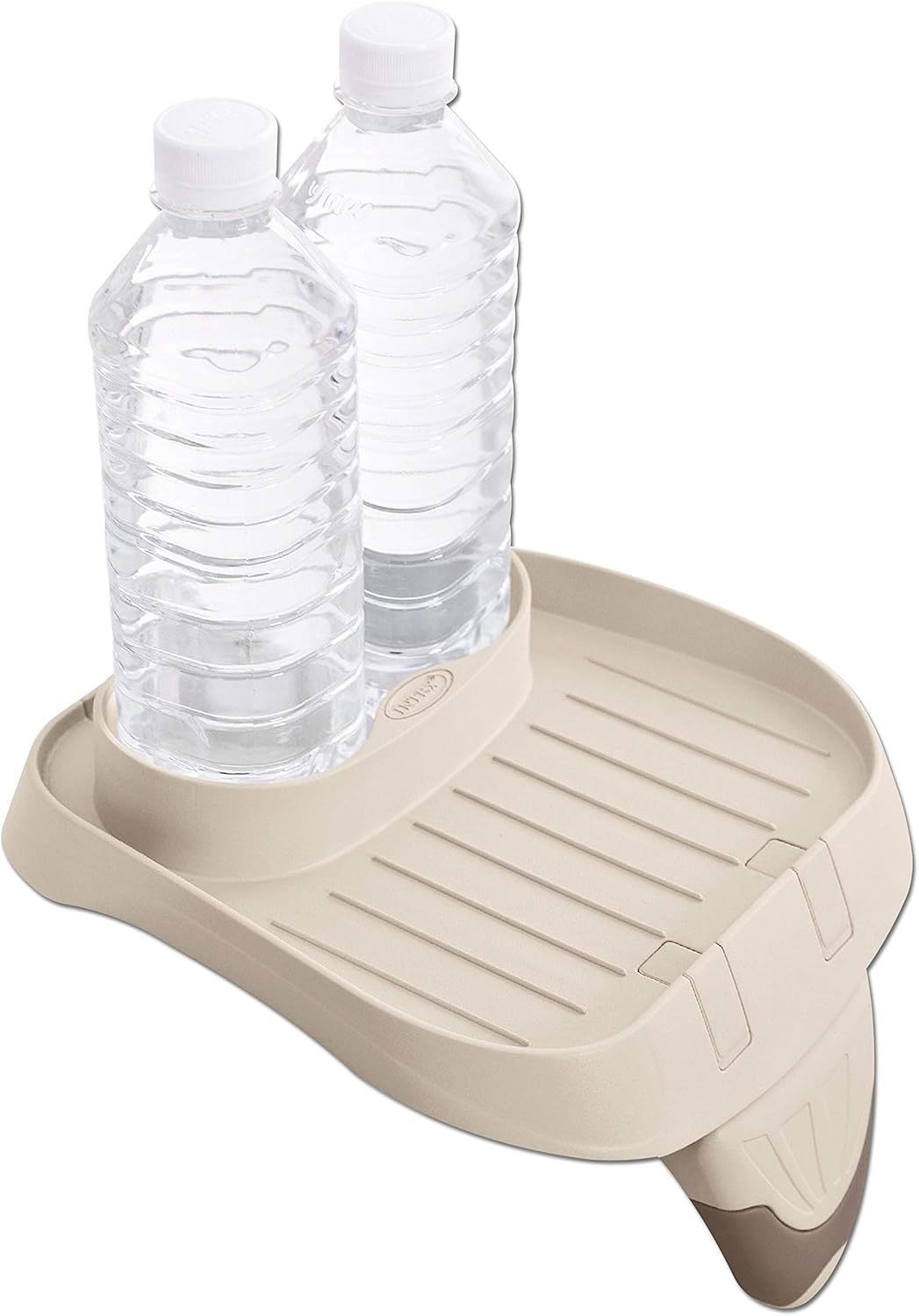
- Floating side tables: Keep drinks, phones, and reading material off the ground and within arm’s reach without cluttering the tub interior.
- LED floating lights: Low-cost, battery-powered lighting that transforms the ambiance for evening soaks without requiring any electrical modification.
- Insulated ground pads: Reduce heat loss through the floor and protect the tub base from sharp debris on grass or gravel.
- Chemical floaters: Automate slow-release sanitizer dosing so you’re not manually adding chlorine or bromine every single day.
None of these are strictly necessary, but collectively they close much of the comfort gap between an entry-level inflatable and a premium hard-shell spa, often for less than $150 combined.
20. Quick Buying Guide by Lifestyle
If you’re still narrowing down which model fits your household, matching the tub to your actual lifestyle pattern is more useful than chasing the highest jet count on the box.
Couples in apartments or condos: Prioritize a compact 2-person model with a lower total water weight, keeping balcony load limits and drainage logistics in mind above all else.
Families with young kids: Look for a 6-person round model with a low step-over height and a lockable cover, since a lockable cover doubles as a basic child-safety measure when the tub isn’t in active use.
Cold-climate owners: Freeze-shield technology and a thicker insulated liner should be non-negotiable, even if it means paying a premium over a base model without winter-rated components.
Renters and frequent movers: Weight and setup speed matter more than jet count; a simpler, lighter model that two people can drain, fold, and relocate in under an hour will get far more actual use than a heavier premium unit that becomes a hassle to move.
Wellness-focused soakers: Consider a model with hydro-jets rather than air-only bubbles, and budget for a saltwater sanitizer add-on to minimize the chemical smell and manual dosing routine over time.
21. Electrical Draw: Watts, Amps, and Circuit Requirements
Most 110V plug-and-play inflatable spas draw between 1,300 and 1,500 watts while the heater is actively running, translating to roughly 12–13 amps on a standard household circuit. This sits close to the ceiling of what a typical 15-amp breaker can handle safely once you account for any other devices sharing that same circuit, which is why manufacturers universally recommend a dedicated outlet rather than a shared extension cord running to a garage or shed.
Running the tub on an extension cord is one of the most common causes of premature pump failure and, in worse cases, a genuine fire hazard. Voltage drop over a long, thin extension cord forces the pump motor to work harder to draw the same power, generating excess heat inside the cord insulation itself. If you must extend the reach to an outlet, use a heavy-gauge (12 AWG or lower) outdoor-rated cord no longer than 25 feet, and never coil the excess cord while it’s under load, since a coiled cord traps heat far more than one laid flat.
Ground Fault Circuit Interrupter (GFCI) protection is a non-negotiable safety requirement for any water-adjacent electrical device, and every reputable inflatable spa ships with a built-in GFCI plug. If that GFCI trips repeatedly, it’s usually signaling a genuine ground fault somewhere in the pump assembly rather than a nuisance trip, and the unit should be inspected before continued use rather than simply reset and ignored.
22. Round vs. Square vs. Octagon: Does Shape Matter?
Shape is often treated as a purely aesthetic choice, but it actually has real functional implications worth understanding before you buy.
Round tubs distribute internal water pressure most evenly across the tub wall, which is one reason they tend to hold pressure and shape slightly better over years of use compared to angular designs. They’re also generally the easiest and fastest to inflate and deflate.
Square and rectangular tubs maximize interior seating space relative to their footprint, letting more people stretch their legs out flat rather than curling them toward a center point. The tradeoff is that corners experience more structural stress, and reinforced corner seams are worth checking for on any square model you’re considering.
Octagonal tubs attempt to split the difference, offering some of the pressure-distribution benefits of a round design with more usable interior space than a true circle. They also tend to look more intentional in a landscaped backyard setting, fitting more naturally against a corner or wall than a perfectly round tub does.
For fitting into a tight corner of a small patio, a square or octagonal model is usually the more space-efficient choice, while round remains the safer bet for long-term structural longevity and simplicity.
23. Safety Around Children and Pets
Beyond the temperature and duration guidance already covered, physical access control is a major safety consideration that’s easy to overlook once the novelty of a new tub wears off.
A locking cover clip is the single most important accessory for households with young children or curious pets, since it prevents the cover from being pushed aside by a toddler or a determined dog. Without a locked cover, a filled tub represents the same drowning risk as any unsupervised body of standing water, regardless of how “inflatable” and casual it might feel compared to a permanent pool.
Pets present a slightly different risk profile: dog claws in particular are a leading cause of liner punctures, since even well-trimmed nails can catch and tear vinyl if a dog attempts to climb in or out unsupervised. Many owners with dogs choose to fence off the tub area entirely or use a rigid hard-top accessory specifically to keep pets from accessing the water when it’s not actively supervised.
Chemical safety also matters here: sanitizer tablets and testing strips should be stored well out of reach of both children and pets, since concentrated chlorine or bromine tablets are genuinely hazardous if ingested, and their appearance can resemble candy or treats to a small child.
24. DIY Repair Guide: Patching a Leak Step by Step
Discovering a leak doesn’t have to mean the end of your tub’s lifespan. Most included patch kits use the same basic vinyl-repair chemistry as pool and air-mattress patch kits, and the process is straightforward once you know the steps.
- Locate the leak: With the tub inflated (but drained of water), mix a few drops of dish soap into a spray bottle of water and mist the suspected area. Bubbles will form at the exact puncture point.
- Dry and clean the area: The vinyl surface must be completely dry and free of any soap residue, dirt, or oils before a patch will properly adhere.
- Cut the patch with rounded corners: Sharp square corners on a patch are more prone to peeling up over time; rounding them extends the repair’s lifespan significantly.
- Apply adhesive evenly: Most kits use a vinyl cement rather than a sticker-style patch alone, which creates a more permanent chemical bond with the liner material.
- Apply firm, even pressure: Use a flat, hard object (like the back of a spoon) to press out air bubbles from the center of the patch outward, and let it cure fully (typically 12–24 hours) before refilling with water.
For leaks located directly on a seam or near the pump intake fitting, a standard patch may not hold reliably, and contacting the manufacturer for a seam-specific repair kit or professional assessment is the safer route rather than risking a bigger failure under water pressure.
25. Best Time of Year to Buy
Timing your purchase can meaningfully affect the price you pay. Counterintuitively, the best deals on inflatable spas tend to appear in early fall (September through October) as retailers clear summer inventory ahead of holiday season floor-space needs, and again briefly around major holiday sales events in November.
Late spring, right as warm weather arrives and demand spikes, is consistently the most expensive time to buy, since retailers know seasonal urgency reduces price sensitivity. If you can plan ahead and purchase in the off-season, storing a boxed, uninflated unit takes up dramatically less space than a fully set-up tub, making an off-season purchase a practical strategy even for buyers without much storage room.
Watch specifically for clearance pricing on the previous year’s color and accessory bundle once a manufacturer announces updated models, since the underlying pump and heater technology rarely changes dramatically year over year, meaning last year’s model is often functionally identical at a meaningfully lower price.
26. Resale Value: Can You Sell It Later?
Unlike permanent spas, which are effectively immovable and rarely resold, inflatable tubs have a genuine secondary market, particularly on local marketplace platforms. A well-maintained unit in its second year of ownership can typically resell for 30–45% of its original purchase price, assuming the pump, heater, and liner are all in good working order with no unresolved error codes or visible patch repairs.
Buyers browsing secondhand listings should always ask for a demonstration with water actually running and heating, since a tub that “just needs a new filter” can sometimes be hiding a more serious pump issue that only becomes apparent under a full thermal cycle. Sellers, meanwhile, can maximize resale value by including the original box, all accessories (cover, pump, chemical floater, patch kit), and a printed copy of any recent maintenance records.
Because these units are heavy and awkward to ship, resale almost exclusively happens locally, which is worth factoring in if you’re purchasing with resale value as part of your overall cost calculation.
27. Entry-Level vs. Premium Models: What More Money Actually Buys
The price gap between a $400 entry-level tub and a $1,200 premium inflatable spa isn’t just marketing markup; there are genuine engineering differences worth understanding.
Premium models typically feature thicker liner gauge (measured in millimeters of PVC thickness), which directly correlates to puncture resistance and how rigid the walls feel when leaned against. They also tend to include hydro-jets rather than air-only bubbles, a stronger and quieter pump assembly, and more sophisticated digital control panels with programmable heating schedules that let you set the tub to reach temperature by a specific time rather than manually monitoring it.
Premium tiers also more commonly include a rigid hard-top cover as standard rather than an optional accessory, better insulation in the base pad, and sometimes an integrated water-filtration upgrade beyond the standard single cartridge. For buyers who plan to use their tub multiple times per week year-round, these upgrades compound meaningfully over time, both in comfort and in reduced electricity costs from better insulation. For occasional summer-only users, the entry-level tier remains a perfectly reasonable choice that delivers most of the core experience at a fraction of the cost.
28. What Real Owners Say: Common Praise and Complaints
Across owner reviews and forum discussions, a consistent pattern of feedback emerges that’s worth summarizing honestly rather than only highlighting the positives.
Common praise: Owners consistently highlight the low barrier to entry, the genuine relaxation value for the price, and how much more the family actually uses the tub compared to how much they expected to use it when they were still deciding whether to buy. Many specifically mention being pleasantly surprised by how sturdy the walls feel once fully inflated, contradicting their pre-purchase assumption that it would feel like a pool toy.
Common complaints: The most frequent complaint is slower-than-expected heating time, particularly among buyers who didn’t realize the heater and air jets can’t run simultaneously on base models. The second most common complaint involves filter maintenance being more frequent than anticipated, especially among owners who use the tub heavily with multiple bathers. A smaller but recurring complaint involves noise, particularly for anyone placing the tub close to a bedroom window.
Reading through this pattern of feedback, the throughline is that satisfaction correlates strongly with expectation-setting. Owners who understood the heating limitations, maintenance cadence, and noise profile before purchasing report substantially higher satisfaction than those who expected permanent-spa performance at an inflatable-spa price point.
29. Delivery, Unboxing, and First Setup Timeline
Knowing what to expect from the moment the box arrives can save a frustrating first afternoon. Most inflatable spas ship in a single large box weighing 45–70 pounds, which is manageable for one person to carry but awkward enough that two people make the process considerably easier, particularly getting it up stairs or through a narrow gate.
Inside the box, you’ll typically find the folded liner, the pump/heater unit, a ground cloth, an inflation hose adapter, a basic cover, a repair patch kit, and printed setup instructions. Before inflating, unfold the liner on the ground cloth in direct sunlight if possible; slightly warming the vinyl makes it more pliable and easier to fully unfold without stress on the seams, especially if the tub has been stored in a cold warehouse.
A realistic first-day timeline looks like this: 15–20 minutes to unfold and inflate the liner, 20–35 minutes to fill with a garden hose depending on tub size, and then anywhere from 4 to 24 hours of heating before the water reaches a comfortable soaking temperature, depending on your starting water temperature and ambient outdoor conditions. Setting realistic expectations here prevents the common first-day disappointment of assembling everything and expecting an immediate soak.
It’s also worth inflating the tub fully and running the pump for a short test cycle before adding water, confirming there are no obvious defects or shipping damage while the unit is still easy to return or exchange.
30. Insurance and Liability Considerations
Most homeowners’ insurance policies treat an inflatable spa similarly to an above-ground pool for liability purposes, meaning it’s worth a quick call to your insurance provider before setup rather than assuming you’re automatically covered. Some policies require notification of any “attractive nuisance” on the property, a legal term referring to features (like standing water) that could draw in a neighborhood child even without invitation.
Renters carrying their own renter’s insurance policy should specifically ask whether personal liability coverage extends to injuries related to a temporary water feature, since some policies explicitly exclude pool-like structures regardless of how portable they’re marketed to be. This is a five-minute phone call that can prevent a much larger headache if an accident were ever to occur.
Beyond liability, some policies also offer optional coverage riders for the equipment itself against weather damage or theft, which is worth considering given that a mid-range unit represents a meaningful replacement cost if a storm or a break-in were to damage or take it.
31. Climate-Specific Considerations: Desert, Humid, and Coastal Use
Where you live meaningfully changes the day-to-day ownership experience, and it’s worth tailoring your expectations and accessory choices to your specific climate.
Desert and arid climates: Intense daytime UV exposure accelerates vinyl degradation faster than in milder climates, making a UV-resistant cover and, ideally, some form of shade structure over the tub a near-necessity rather than a luxury. On the plus side, low humidity means less mold or mildew risk on the underside of the cover between uses.
Humid and coastal climates: Higher ambient humidity slows evaporative cooling, meaning the tub retains heat somewhat more efficiently between uses, but it also creates more favorable conditions for mildew growth on the cover’s underside and around fold seams if the liner isn’t allowed to dry periodically. Salt air in coastal areas can also accelerate corrosion on any exposed metal fittings, so rinsing external hardware with fresh water periodically is a good habit for anyone within a mile or two of the coastline.
Cold and northern climates: Beyond the freeze-shield and winterization guidance already covered, cold-climate owners should also pay attention to how quickly the tub loses heat on especially windy days, since wind chill affects surface heat loss from the water and cover far more than owners typically expect, sometimes doubling the effective heating time needed to maintain a stable soak temperature.
Regardless of climate, positioning the tub to take advantage of natural windbreaks (a fence line, a row of shrubs, or the side of the house) meaningfully reduces both heat loss and the amount of debris blown into an uncovered tub between uses.
32. Glossary: Terms You’ll See on Every Spec Sheet
Shopping for an inflatable spa means wading through a fair amount of manufacturer jargon. Here’s a plain-language breakdown of the terms you’ll encounter most often, so you can compare listings accurately instead of relying on marketing buzzwords alone.
Fiber-Tech / TriTech construction: Proprietary names for the woven-polyester-reinforced PVC wall structure that gives modern inflatable tubs their rigidity, discussed in detail earlier in this guide.
AirJet vs. HydroJet: AirJets release bubbles of air from the tub floor for a gentle, effervescent sensation; HydroJets propel actual streams of water for a firmer, more targeted massage similar to a permanent spa.
Freeze Shield: A protective feature that automatically activates the heater and pump for short cycles when ambient temperature drops near freezing, preventing internal water from freezing and cracking components, even while the tub is otherwise powered off.
Plug and Play: Shorthand for a unit that runs on a standard 110V household outlet without requiring an electrician or dedicated 220V/240V line, as some premium and swim-spa-adjacent products do.
Bather load: Industry terminology for how many people are actively using the water at once, and for how long, which directly affects how quickly sanitizer depletes and how often filters need attention.
Total Alkalinity (TA) and pH: Two related but distinct water chemistry measurements. TA acts as a buffer that keeps pH stable; if TA drifts too low, pH becomes erratic and hard to correct even with careful sanitizer dosing, which is why test strips typically measure both values together rather than pH alone.
Off-gassing: The natural process by which dissolved chlorine evaporates out of standing water over time, referenced earlier regarding safe draining practices.
Hard-top / rigid lid: An optional or included rigid cover accessory, distinct from the soft vinyl cover that ships standard, offering better insulation, security, and a more finished aesthetic when the tub isn’t in active use.
GFCI (Ground Fault Circuit Interrupter): A safety device built into the plug of every reputable unit that instantly cuts power if it detects current leaking to ground, a critical safeguard for any electrical device used near water.
Gallons vs. Liters capacity: Since many inflatable spa manufacturers are based overseas, spec sheets sometimes list capacity in liters alongside (or instead of) gallons; a quick mental conversion (1 gallon ≈ 3.785 liters) helps when comparing an international listing to a domestic one.
Understanding these terms turns a confusing wall of spec-sheet bullet points into a genuinely useful comparison tool, and it’s the same vocabulary you’ll see repeated across every review, manual, and troubleshooting guide referenced throughout this article.
33. Where to Buy: Comparing Retailers
Once you’ve settled on a model, where you actually purchase it can affect price, return flexibility, and how quickly you can get replacement parts down the line.
Amazon typically offers the widest selection and the most competitive pricing during off-peak season, along with the convenience of Prime shipping for a bulky item that would otherwise require a dedicated delivery arrangement. Amazon’s return window is also generally more generous than big-box in-store policies, which matters given how common minor shipping damage is for a heavy, boxed item passing through multiple freight handoffs.
Big-box retailers (home improvement and general merchandise chains) offer the advantage of in-person inspection before purchase and often price-match against online listings if you ask, though in-store inventory for larger tub sizes can be inconsistent, especially outside of peak spring and early-summer shopping windows.
Manufacturer direct websites sometimes carry exclusive bundle deals (extra filters, upgraded covers) not available through third-party retailers, but shipping times can run longer, and return logistics are typically handled entirely through the manufacturer rather than a familiar retail return desk.
Regardless of where you buy, always confirm the specific model number matches what you researched, since retailers occasionally list slightly different regional variants under the same product name with different jet counts or liner thickness specifications.
Frequently Asked Questions
Final Verdict: Are They Good Enough for You?
So, how good are inflatable hot tubs?
If you are looking for a deep-tissue hydro-massage to cure chronic back pain, an inflatable tub might disappoint you. You need the power of a hard-shell spa for that.
However, if you are looking for:
- A place to unwind and de-stress after work.
- A fun activity for the kids or a romantic evening for two.
- The therapeutic benefits of hot water soaking without spending $10,000.
- A portable solution for a rental property.
Then, yes, inflatable hot tubs are exceptional. They deliver 90% of the hot tub experience for 10% of the price. That is a value proposition that is hard to beat.
Ready to find the perfect model? Check out our curated list of the Best Inflatable Hot Tubs of 2025 to start your relaxation journey.