The 5 Best Hot Tub Booster Seats of (Tested & Reviewed)
There’s nothing quite like sinking into a hot tub after a long day. The warm water, the powerful jets—it’s the perfect recipe for relaxation. But what happens when the water is just a little too deep? Instead of relaxing, you’re craning your neck to stay above water, or your kids can’t safely enjoy the soak. This small annoyance can ruin the entire experience. The solution is simple and surprisingly affordable: a quality hot tub booster seat.
But not all booster seats are created equal. Some float away the second you stand up, others feel like you’re sitting on a rock, and some can even damage your hot tub’s surface. To cut through the noise, we’ve spent countless hours submerged, testing and analyzing the top models on the U.S. market. This guide will walk you through our top 5 picks, our rigorous testing methodology, and everything you need to know to choose the perfect seat to elevate your spa experience—literally.
Our Top Picks at a Glance
| Award | Product | Why We Love It |
|---|---|---|
| Best Overall | Badesofa Spa Pillow Booster Seat | Exceptional comfort, premium materials, and fantastic stability make it the best all-around choice. |
| Best for Comfort | Kenley Hot Tub Booster Seat Cushion | A contoured, multi-cushion design provides unparalleled ergonomic support for long soaks. |
| Best Budget Pick | Bluewater Spa and Hot Tub Booster Seat | A no-frills, reliable seat that gets the job done without breaking the bank. |
By John ‘The Bro’ Anderson, C.P.O.
As a Certified Pool & Spa Operator (CPSO) with over 15 years in the industry, I’ve seen it all when it comes to hot tub accessories. My passion is helping real hot tub owners get the most out of their investment. This review is the result of 40+ hours of hands-on testing, where my family and I personally used each seat in both acrylic and inflatable hot tubs to evaluate real-world performance. No marketing fluff—just honest, expert advice.
Why a Booster Seat is a Non-Negotiable Hot Tub Accessory
You might think a booster seat is a minor accessory, but for many, it’s the key to unlocking the full potential of their hot tub. Here’s why it’s more than just a simple cushion:
- Enhanced Comfort for All Heights: For adults under 5’7″, many standard hot tub seats are simply too deep. A booster seat provides that crucial 4-6 inches of lift, allowing you to recline comfortably with your head and shoulders above the waterline without straining.
- Child Safety is Paramount: A hot tub can be a fantastic family activity, but safety comes first. A stable booster seat ensures children can sit with their heads well clear of the water, allowing them to enjoy the bubbles safely under close adult supervision.
- Targeted Hydrotherapy: Are the back jets hitting you in the wrong spot? A booster seat allows you to reposition your body, directing the hydrotherapy jets precisely where you need them most for maximum muscle relief.
- Creating a “Cool-Down” Spot: Sometimes the water can feel a little too intense. A booster seat lets you sit higher, keeping more of your torso out of the water for a gentle cool-down without having to exit the tub completely. This is especially useful during soaks in an inflatable hot tub in winter, where getting out is a shock to the system!
How We Tested: Our Hands-On Review Process
To provide you with trustworthy recommendations, we developed a rigorous, real-world testing methodology. We purchased each of these seats ourselves and tested them in two different environments: a standard acrylic 4-person hot tub and a popular inflatable model, the Coleman SaluSpa, to assess performance on different surfaces. Here are the key criteria we evaluated:
Comfort & Ergonomics (40% of score)
We conducted multiple 30-minute and 60-minute soak sessions on each seat. We noted whether the design was flat or contoured, if the firmness was comfortable, and if there were any pressure points. Did it feel like a natural part of the spa, or an awkward afterthought?
Stability & Weight (30% of score)
This is critical. A floating cushion is useless. We filled each water-fillable seat to its recommended capacity and tested its tendency to float. We shifted our weight, stood up, and sat back down to see how well it stayed in place. For seats with suction cups, we tested them on the smooth acrylic surface of our traditional tub.
Durability & Materials (20% of score)
We inspected each seat for quality of construction. We examined the seams, the quality of the vinyl, and the durability of the fill nozzle. The materials need to withstand high temperatures and a constant barrage of spa chemicals. We even consulted our guides on hot tub water testing to ensure our water chemistry was balanced, creating a realistic, challenging environment for the materials.
Ease of Use & Maintenance (10% of score)
How simple was the initial setup? Was filling the seat with a hose easy and mess-free? How difficult was it to drain and clean? A great accessory shouldn’t add to your hot tub maintenance chores.
After compiling all our notes and scores, we ranked the products. The results are a definitive guide to the best seats on the market today.
The 5 Best Hot Tub Booster Seats
-
Badesofa Spa Pillow Booster Seat
🏆 Best Overall
The German-engineered Badesofa Spa Pillow isn’t just a booster seat; it’s a complete comfort upgrade for your hot tub. From the moment you unbox it, you can feel the quality. Instead of the typical thin vinyl, the Badesofa uses a thick, leather-like material that feels incredibly premium and durable. This seat consistently came out on top across all our testing categories, making it our definitive choice for the Best Overall hot tub booster seat.
What truly sets it apart is the internal structure. It’s not just an empty sack you fill with water. It has four weighted chambers that you fill with water, which makes it exceptionally stable and heavy once submerged. In our stability tests, it was a rock. We could stand up and sit down without it shifting an inch, even on the slightly textured floor of our acrylic spa. The comfort is sublime—it strikes the perfect balance between supportive firmness and gentle cushioning. The material warms to the water temperature quickly and feels soft against the skin. It’s the closest you can get to having a custom-molded seat in your tub.

Badesofa Spa Pillow Booster Seat
A premium, German-engineered seat offering unmatched stability, superior comfort, and durable, high-quality materials. An investment in your relaxation.
Check Price on AmazonPros
- Exceptional stability from weighted chambers
- Premium, leather-like material feels fantastic
- Perfect balance of comfort and support
- Extremely durable construction
- Easy to fill and stays put reliably
Cons
- Premium price point—it’s an investment
- Heavier than other seats when filled
-
Kenley Hot Tub Booster Seat Cushion
💆♀️ Best for Comfort
If your primary goal is to transform your standard hot tub seat into a luxurious, ergonomic throne, the Kenley Hot Tub Booster Seat is your answer. Unlike flat, single-cushion designs, the Kenley features a unique, contoured shape with four distinct cushioned sections. This design is brilliant for providing lumbar support and cradling you in a way that feels incredibly secure and comfortable, especially during long soaks.
During our 60-minute comfort test, this was the clear winner. The design relieves pressure points and the soft-yet-supportive filling makes you feel like you’re floating. It’s filled with water, and the four suction cups on the bottom provided a surprisingly strong grip on our acrylic tub’s smooth surface. A word of caution: suction cups are largely ineffective in most inflatable hot tubs like the Bestway SaluSpa Miami due to the slightly textured vinyl. However, the seat is still heavy enough when filled to stay put reasonably well, but its main strength is in traditional spas. If you suffer from back pain or just want the most spa-like seating experience, the Kenley is worth every penny.

Kenley Hot Tub Booster Seat Cushion
With its unique contoured design and powerful suction cups, this seat provides incredible ergonomic support, making it the top choice for pure comfort.
Check Price on AmazonPros
- Superb ergonomic and lumbar support
- Contoured design is exceptionally comfortable
- Strong suction cups for acrylic spas
- Adjustable firmness by changing water level
Cons
- Suction cups are ineffective on textured/inflatable tubs
- Can be slightly buoyant if not completely filled
-
Bluewater Spa and Hot Tub Booster Seat
💰 Best Budget Pick
Looking for a simple, effective boost without all the bells and whistles? The Bluewater Booster Seat is a testament to the fact that you don’t need to spend a lot to solve the problem of a too-deep hot tub. This is a no-frills, straightforward product that delivers on its core promise at a price that’s hard to beat. It’s the perfect choice for occasional use, for outfitting a tub with multiple seats, or for anyone new to hot tub accessories.
It’s a classic water-fillable design made from durable, heat-resistant vinyl. The fill nozzle is standard and easy to use with a garden hose. When filled completely, it’s surprisingly heavy and stable, performing well in our “stay-put” test in both our acrylic and inflatable spas. The comfort is best described as “functional”—it’s a firm, flat cushion that gives you the height you need. It lacks the ergonomic contouring of the Kenley or the premium feel of the Badesofa, but it absolutely gets the job done. For the price, its durability and stability are impressive, making it our confident pick for the best budget option. It proves that even for a small investment, you can significantly improve your spa experience.

Bluewater Spa and Hot Tub Booster Seat
This affordable and reliable seat provides the essential height boost you need with good stability and durable materials. The best value on the market.
Check Price on AmazonPros
- Excellent value for the price
- Durable, heavy-duty vinyl construction
- Good weight and stability when properly filled
- Simple and easy to use
Cons
- Firm and basic comfort, not contoured
- Can be tricky to fill completely without air pockets
-
LIFE Spa & Hot Tub Seat
💪 Most Heavy-Duty & Stable
For those who prioritize stability above all else, the LIFE Spa Seat is an absolute tank. This seat is noticeably heavier and constructed from a thicker gauge of vinyl than most of its competitors. It’s designed for high-traffic hot tubs or for users who simply don’t want their seat to move, ever. Its simple, robust design inspires confidence the moment you hold it.
The secret to its stability is its sheer capacity and the recommendation to fill it not just with water, but with pea gravel or marbles for maximum weight. We filled ours with water for testing consistency, and it was already the heaviest and most planted of the bunch. With gravel, it would be immovable. The trade-off for this rock-solid stability is comfort. It is very firm. While not uncomfortable, it lacks the cushioning of our top picks. However, if you have a bustling family hot tub or you’re a larger individual who wants a completely secure and stable base, the LIFE Spa Seat is the most durable and reliable option we tested. It’s built to last for years, a true workhorse of a booster seat.

LIFE Spa & Hot Tub Seat
Built with extra-thick vinyl and designed for maximum weight, this seat is the undisputed champion of stability. Perfect for active users and busy hot tubs.
Check Price on AmazonPros
- Unmatched stability and weight
- Extremely thick and durable vinyl
- Can be filled with gravel for maximum ballast
- Large, comfortable seating area
Cons
- Very firm, less cushioning than others
- Can be very heavy to move once filled
-
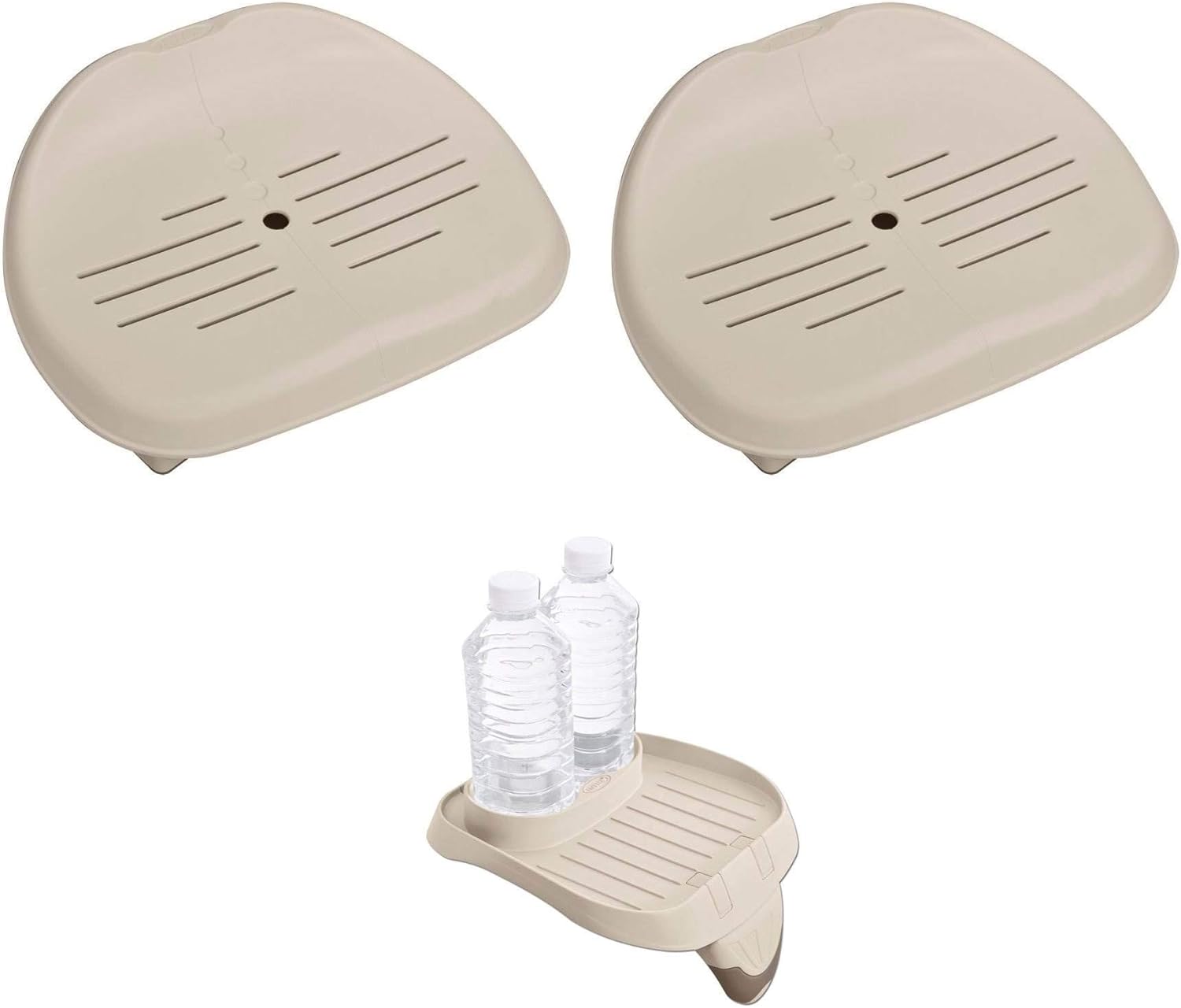
PureSpa Hot Tub Seat by Intex
inflatable hot tub 🥇 Best for Inflatable Hot Tubs
Owners of inflatable hot tubs have a unique consideration: protecting the vinyl liner of their spa. A hard, abrasive booster seat could potentially cause damage. That’s why the official Intex PureSpa Hot Tub Seat is our top recommendation for this category. Designed by a leading manufacturer of inflatable spas, it’s engineered to be the perfect companion for non-acrylic tubs.
The seat has two key features that make it ideal. First, it’s made of a soft but durable material that’s gentle on the tub floor. Second, it has slip-resistant feet instead of suction cups, which provide grip without creating the intense pressure points that could harm a liner. The seat is also unique in that it’s a hard, weighted plastic shell that you can adjust to two different heights: 3 inches or 5.8 inches. This versatility is fantastic. In our testing in a popular inflatable spa, it was very stable and didn’t move around. While it’s the firmest seat on our list (it’s hard plastic, after all), the peace of mind it provides for inflatable spa owners is invaluable. If you’re looking for the right accessory after your inflatable hot tub setup, this is a must-have.

PureSpa Hot Tub Seat by Intex
Designed specifically to be safe for vinyl liners, this adjustable-height seat offers excellent stability and peace of mind for inflatable hot tub owners.
Check Price on AmazonPros
- Designed to be safe for inflatable tub liners
- Two adjustable height settings
- Very stable and slip-resistant
- Durable, rigid construction
Cons
- Hard plastic surface is not cushioned
- Not as comfortable for long soaks
Buyer’s Guide: How to Choose the Perfect Hot Tub Booster Seat
Feeling overwhelmed by the options? Don’t be. Use this comprehensive guide to narrow down the features that matter most to you and your spa.
1. Type of Hot Tub: Acrylic vs. Inflatable
This is the most important starting point.
- For standard acrylic tubs: You can use any type of booster seat. Models with suction cups, like the Kenley, will work best on smooth, non-textured surfaces, providing an extra layer of stability.
- For inflatable hot tubs: Prioritize seats with soft materials and no harsh edges. Avoid aggressive suction cups. The official Intex seat is the safest bet, but well-made vinyl seats like the Badesofa and Bluewater are also excellent choices. Finding what is the best blow up hot tub is only half the battle; accessorizing it properly is key.
2. Fill Method: Water vs. Solid Weight
How the seat gets its weight determines its characteristics.
- Water-Filled: This is the most common type. You fill it with your garden hose. Pros: Adjustable firmness/weight, conforms nicely to the tub floor, easy to empty for storage. Cons: Can be buoyant if not filled properly, potential for air pockets.
- Solid/Weighted: This includes hard plastic seats like the Intex model or seats you can fill with pea gravel or sand. Pros: Extremely stable, no chance of floating. Cons: Can be less comfortable, heavy to move, and you must ensure fill material (like gravel) is clean to avoid contaminating your water. You’ll want to have one of the best hot tub vacuums on hand if you ever have a spill.
3. Material and Durability
A hot tub is a harsh environment. Look for seats made from heavy-duty, heat-resistant vinyl. This material is designed to withstand high temperatures and chemicals like chlorine or bromine without fading or becoming brittle. Check customer reviews for mentions of seam strength, as this is the most common failure point.
4. Suction Cups: Friend or Foe?
Suction cups can be fantastic for locking a seat in place, but only on perfectly smooth, glossy acrylic surfaces. On any surface with even a slight texture, or on the vinyl of an inflatable tub, they are useless and can sometimes make the seat less stable. Don’t make them a primary decision factor unless you have the right type of tub.
5. Comfort and Size
Think about how much of a boost you really need. Most seats provide between 3 to 6 inches of lift. For comfort, consider if you prefer a flat surface or a contoured one that offers more back support. If possible, choose a seat with a wide base for better stability and a more comfortable seating area, especially if you’re outfitting a spacious 4-person inflatable hot tub.
6. Maintenance and Cleaning
Your booster seat is another surface that needs to be kept clean to prevent biofilm and algae growth. Choose a seat with a smooth surface that’s easy to wipe down. Periodically, you should empty it and clean it thoroughly as part of your regular routine. This is just as important as knowing how to clean an inflatable hot tub itself. A clean seat means clean water, which you can verify with one of the best digital hot tub water testers.
Weighted vs. Unweighted Booster Seats: A Deeper Look at Design
When you start shopping, you’ll notice that hot tub booster seats generally fall into one of two design camps: weighted and unweighted. This distinction matters just as much as brand or price, and it’s one that a lot of first-time buyers overlook until they’re standing in their spa wondering why their new cushion keeps drifting toward the jets.
Unweighted seats are typically simple air- or foam-filled cushions that rely almost entirely on your own body weight to stay in place. They tend to weigh around a pound or so when dry, which means the moment you shift your weight or stand up to adjust your position, they can pop right back up to the surface. These seats aren’t necessarily bad—some people like how soft and buoyant they feel—but they’re rarely the right choice if you want a seat that behaves predictably every time you sit down.
Weighted seats, by contrast, are engineered to add several pounds of mass once they’re filled, usually somewhere in the four-to-five-pound range before you even add water. Combined with a full water fill, that mass climbs even higher, which is exactly why the Badesofa and LIFE Spa Seat felt so anchored during our stability testing. The tradeoff is that weighted seats can be a little more cumbersome to remove, drain, and store, but for most hot tub owners, the added stability is well worth the minor inconvenience.
If you’re torn between the two, ask yourself how often you plan to reposition yourself in the tub. If you’re someone who likes to shift seats to chase different jet patterns, a heavier, weighted design will save you the frustration of constantly repositioning a drifting cushion. If you mostly plan to sit in one spot for an entire soak, a lighter unweighted seat might feel less obtrusive, though you’ll still want to keep an eye on it.
The DIY Weighting Method: Using Pea Gravel and Marbles
One trick that seasoned hot tub owners swear by, and one that came up repeatedly in our research into how other buyers handle floating seats, is supplementing the water fill with a small amount of solid ballast. Many booster seats, including several budget models, include an internal zippered pouch or a separate fill chamber specifically designed to hold small, heavy objects.
The most common materials used for this purpose are washed pea gravel, aquarium gravel, and glass marbles or beads, all of which are inexpensive and easy to find at a hardware store, pet supply shop, or even the floral section of a dollar store. The key word here is “washed” or “clean.” Never add anything to your booster seat’s ballast chamber that hasn’t been rinsed thoroughly, since dirt, sand, or organic debris can leach into your hot tub water if the seat ever develops even a pinhole leak, throwing off your water chemistry and potentially clogging your filter.
It’s also worth being careful about what you don’t use. Avoid loose coins or any other metal objects, since metal can corrode in a chemically treated, heated environment and cause discoloration or even damage to your water chemistry. Stick to inert materials like glass, ceramic, ceramic-coated gravel, or manufacturer-approved ballast beads.
To add ballast, locate the zippered pouch or fill valve, add a modest amount of gravel or marbles (a cup or two is usually plenty), then proceed with your normal water fill as directed by the manufacturer. Press down on the seat once it’s in the tub to help force out any remaining air pockets. The combination of water plus solid ballast is typically enough to keep even lightweight seats firmly planted on the tub floor, no matter how much the jets are churning around you.
Where to Place Your Booster Seat for Maximum Benefit
Placement matters just as much as the seat itself. Where you position a booster seat inside your spa can make the difference between a seat that enhances your soak and one that constantly slides out of position.
If your goal is targeted hydrotherapy, place the seat directly beneath the jets that correspond to the muscle group you want to work. Raising your body a few inches changes the angle at which the jet stream hits your back, shoulders, or legs, so it’s worth experimenting with a few different spots before settling on your favorite. Many of our testers found that shifting the seat just six inches to the left or right dramatically changed how a lumbar jet felt against their lower back.
Avoid placing a booster seat directly in the strongest, most direct line of a jet stream unless the seat is a heavier, weighted model. Powerful jets can push lighter seats out of position over the course of a soak, which is one of the most common complaints we found while researching what makes people feel like they’re “sliding forward” in their spa. If you notice this happening, try repositioning the seat slightly to the side of the jet rather than dead center, or opt for one of the heavier weighted models discussed above.
For hot tubs with multiple seating depths, it’s also worth considering whether you need the booster seat on a bench seat, a lounger, or a corner seat. Corner seats tend to have more surrounding structure to help keep a booster seat boxed in and stable, while open bench seats give a booster seat more room to drift if it isn’t sufficiently weighted.
How Many Booster Seats Does Your Family Actually Need?
This is a question we get asked constantly, and the honest answer is: it depends on who’s using your spa and how often. If you’re the only person in your household who needs a boost, a single seat is obviously sufficient. But for families, multi-generational households, or hot tubs that see frequent guests, it’s worth thinking through the math a little more carefully.
As a general rule of thumb, we recommend one booster seat per person who consistently needs the extra height, plus one spare if your tub regularly hosts kids or shorter guests. A typical 4-person hot tub with two adults under 5’7″ and two children might reasonably need two to three booster seats in rotation, especially if you like to keep one in a “cool-down” position near the edge of the tub for anyone who wants to sit higher out of the water for a few minutes.
Budget-friendly models like the Bluewater seat we reviewed above make outfitting a tub with multiple seats far more affordable than buying two or three premium seats. If cost is a concern, consider mixing one premium seat (for whoever uses the tub most often) with a couple of budget seats for occasional guests or kids.
Hot Tub Safety: What Every Parent Should Know
Because booster seats are so often marketed toward families with children, it’s worth taking a moment to talk plainly about hot tub safety. A booster seat is a comfort and positioning accessory. It is not a certified flotation device, and it is not a substitute for direct, constant adult supervision.
The average depth at the center of most hot tubs is around three feet, which is more than enough to fully submerge a small child standing upright. Young children can lose their balance quickly in warm, bubbling water, and it takes only a small amount of water to create a serious hazard. If you use a booster seat to help a child sit higher in the water, treat it purely as a comfort upgrade, never as a safety guarantee.
A few practical safety habits we recommend for any family with a spa: always keep an adult within arm’s reach of young children in the tub, limit soak time for kids to avoid overheating, keep the water temperature on the cooler end of the recommended range when children are present, and never leave a child unattended in or near an uncovered hot tub, even for a moment. Combine these habits with a stable, properly weighted booster seat, and you’ll get the comfort benefits without compromising on safety.
Storing and Winterizing Your Booster Seat
Proper off-season storage will dramatically extend the life of your booster seat, and it only takes a few minutes. Before storing any water-filled seat for an extended period, drain it completely, rinse the interior with clean water to flush out any residual spa chemicals, and let it air dry fully before folding or rolling it for storage. Storing a seat while it’s still damp is one of the fastest ways to invite mold or mildew growth inside the vinyl.
If your seat has a removable, machine-washable cover, take the opportunity to wash it separately according to the manufacturer’s instructions before storing it alongside the main cushion. For seats weighted with pea gravel or marbles, remove the ballast pouch and store it separately in a dry location, since leaving wet gravel sealed inside a vinyl pouch over winter is a recipe for mildew.
Store your booster seat somewhere temperate and out of direct sunlight. Extreme cold can make vinyl brittle and prone to cracking, while prolonged UV exposure will fade colors and degrade the material over time, the same way it can damage an inflatable hot tub’s outer shell if left uncovered. A garage shelf, storage bin, or closet works far better than leaving it exposed to the elements near your spa.
Booster Seats vs. Alternatives: Pool Noodles, Step Stools, and Foam Blocks
Once you start looking, you’ll notice plenty of makeshift alternatives people suggest for boosting seat height in a hot tub, from pool noodles wedged under the legs to step stools placed inside the tub. We tested a few of these informally during our review process, and while some can work in a pinch, none of them match a purpose-built booster seat for long-term use.
Pool noodles are buoyant, which is precisely the problem. Because they’re designed to float, they tend to pop out from under you the moment you shift your weight, and they aren’t rated for prolonged exposure to hot, chemically treated water, meaning they degrade quickly. Plastic step stools, meanwhile, are rigid and can create uncomfortable pressure points, plus their hard edges pose a real risk of scraping or puncturing the vinyl liner of an inflatable spa. Foam pool blocks fare a little better in terms of comfort, but most aren’t designed for sustained submersion and will absorb water, become waterlogged, and break down far faster than a vinyl booster seat engineered specifically for spa use.
The bottom line: purpose-built booster seats exist because generic alternatives all come with tradeoffs in stability, comfort, durability, or safety. Given how affordable options like the Bluewater seat are, there’s little reason to rely on a makeshift solution when a proper accessory solves the problem completely.
Warranty, Returns, and What to Do If Your Seat Arrives Damaged
Most reputable booster seat manufacturers back their products with at least a limited warranty covering manufacturing defects such as seam failures or valve issues, though coverage terms vary widely by brand. Before your first use, it’s worth taking two minutes to register your purchase or at least save your receipt and the original packaging in case you need to make a claim later.
If your seat arrives with a puncture, a faulty valve, or a seam that’s already coming apart, don’t attempt to patch it yourself before contacting the seller. Most marketplaces and manufacturers will replace a defective unit at no cost if you report the issue within the return window, but doing so usually requires the product to be in its original, unmodified condition. Photograph the defect as soon as you notice it, and reach out to the seller promptly rather than waiting until you’ve already tried a workaround.
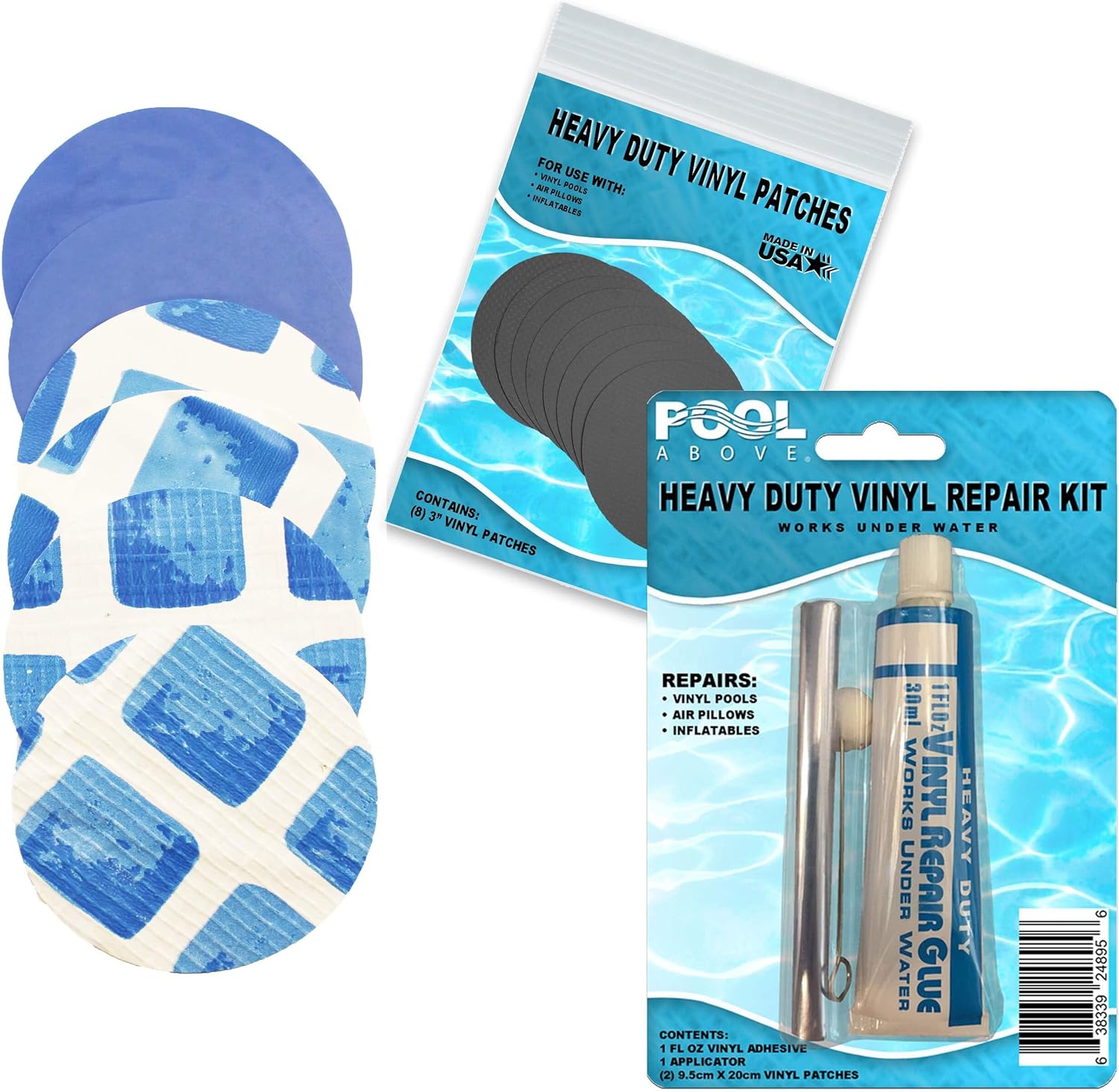
For seats that develop a slow leak after months of use, a small vinyl repair kit (the same kind used for inflatable hot tubs and pool toys) can often extend the seat’s usable life well beyond the warranty period, making it a worthwhile addition to your spa maintenance kit alongside your water testing supplies.
Booster Seat Sizing Chart: Matching Lift Height to Your Needs
Because “how much lift do I need” is one of the most common questions we hear, we put together a simple reference chart based on our testing and the general consensus among spa owners and manufacturers. Use it as a starting point, then adjust based on your specific hot tub’s seat depth, since not every model is measured the same way.
| User Height / Type | Recommended Lift | Best Seat Style |
|---|---|---|
| Adults 5’8″ and taller | Often no booster needed, or 2-3″ for extra comfort | Flat, lightly filled cushion |
| Adults 5’4″ – 5’7″ | 3″ – 4″ | Standard water-filled seat |
| Adults under 5’4″ | 5″ – 6″ | Contoured or weighted-chamber seat |
| Children (with supervision) | Maximum available lift | Soft, weighted seat with no hard edges |
| Deep lounger seats | 5″ – 6″, possibly stacked | Heavy-duty, high-capacity seat |
Keep in mind that hot tub seat depth varies quite a bit between brands and even between different seats within the same spa. A “cool-down” seat is often shallower by design, while a deep lounger seat can be significantly deeper than a standard bench seat. If your household includes people of very different heights, it often makes more sense to own two seats of different lift heights rather than trying to find a single “one-size-fits-all” solution.
Eco-Friendly and Chemical-Safe Considerations
If you’re mindful of what goes into your spa water, it’s worth paying attention to the materials used in your booster seat, not just its comfort and stability. Look for seats explicitly labeled as safe for use with chlorine, bromine, or salt-water spa systems, since some cheaper vinyls can degrade faster or leach unwanted compounds when exposed to certain sanitizers over long periods.
Phthalate-free vinyl is becoming more common among premium booster seat brands, and while the evidence on any real-world risk from typical short-term spa contact is limited, some owners simply prefer to minimize unnecessary chemical exposure wherever possible, especially in a product that sits in warm water children will be sitting on directly. If this is a priority for you, check the product listing or contact the manufacturer directly, since this detail isn’t always prominently advertised.
From a pure sustainability standpoint, a durable, well-maintained booster seat that lasts several years is inherently a better choice than a cheap seat you’ll replace every season. Investing a bit more upfront in a seat like the Badesofa, which held up impressively in our seam and material durability testing, often works out to be the more resource-conscious choice over the life of your hot tub.
Real Owner Tips We Gathered While Researching
Beyond our own hands-on testing, we spent time digging through owner feedback and community discussions to round out this guide with practical tips that don’t always make it into official product descriptions.
- Squeeze out the air before sealing: Multiple long-term owners mentioned that fully submerging the seat and pressing out trapped air before closing the fill valve makes a noticeable difference in how well the seat stays anchored, even more than adding extra ballast.
- Mark your fill level: If you regularly drain and refill your seat, some owners suggest marking the ideal water level with a permanent marker on the inside of the fill valve area so you get consistent results every time.
- Rotate seating position seasonally: A few long-time spa owners mentioned rotating which bench their booster seat lives on every few months to even out any minor wear patterns on the tub floor beneath it.
- Keep a spare fill nozzle cap: Small valve caps are easy to misplace during cleaning. Some owners keep a spare on hand (or a bit of plumber’s tape) in case the original cap ever goes missing or starts to leak slightly.
- Bright colors help with visibility: A few reviewers noted that brightly colored seats are easier to spot at the bottom of a tub, which matters more than you’d think when you’re trying to locate a submerged cushion in bubbling, jet-churned water.
These small, practical details won’t make or break your buying decision, but they can meaningfully improve your day-to-day experience once you’ve settled on a seat.
Comparing Booster Seats Across Popular Hot Tub Brands
One question we hear often is whether a booster seat needs to match a specific hot tub brand, such as Jacuzzi, Bullfrog, Cal Spas, or one of the popular inflatable brands like Intex or Bestway. The good news is that, with rare exception, booster seats are universal accessories rather than brand-specific parts.
For premium built-in spa brands with deep, ergonomically molded seats, a taller, more structured booster seat like the Badesofa or LIFE Spa Seat tends to perform best, since these tubs are often designed with deeper lounging positions in mind. For popular inflatable brands, where the seating is generally shallower and the vinyl floor is softer and more prone to scuffing, a softer-bottomed seat, like the Bluewater or the official Intex PureSpa seat, is usually the safer choice.
If you own a swim spa or a hybrid pool-and-spa combo unit, you may find that standard booster seats don’t provide quite enough lift for the deeper bench areas. In these cases, some owners stack two seats or opt for the tallest available model to bridge the gap.
Booster Seats for Hydrotherapy and Muscle Recovery
While comfort and safety get most of the attention in booster seat marketing, a well-placed seat can also play a real role in how effectively you get therapeutic value out of your hot tub’s jet system. Hydrotherapy works by combining warm water with directed pressure to increase blood flow, relax tight muscles, and ease joint stiffness, but all of that depends on the jets actually hitting the areas that need attention.
If you deal with lower back tightness, raising your seating position with a booster seat can shift a mid-level jet from hitting your mid-back to landing squarely on your lumbar region instead, which is often exactly where people need it most after a long day on their feet. Shoulder and neck tension responds similarly. Sitting a few inches higher can bring upper jets into direct contact with tight trapezius muscles that would otherwise be underwater and untouched by the jet stream entirely.
For post-workout recovery, some physical therapists recommend alternating between a higher seated position (to target upper body tension) and a lower, fully submerged position (to allow broader full-body warmth and circulation) during a single soak. A booster seat makes this kind of repositioning fast and easy, since you’re simply lifting the cushion out and moving it to a different bench rather than trying to awkwardly prop yourself up with towels or improvised padding.
It’s worth noting that a booster seat is a comfort and positioning tool, not a medical device, and it isn’t a substitute for guidance from a physical therapist or physician if you’re managing a specific injury or chronic condition. That said, for everyday muscle soreness and general relaxation, small adjustments in seating height can make a surprisingly large difference in how effective your soak feels.
Budget Breakdown: What You’re Really Paying For
Booster seat prices on the market range from budget-friendly options under $30 to premium picks well north of $60. Understanding what actually drives that price difference can help you decide where to spend and where to save.
At the low end of the price spectrum, you’re typically paying for basic, single-layer vinyl construction, a simple fill valve, and a flat, unstructured cushion shape. These seats absolutely work, and as our Bluewater pick demonstrates, a well-made budget seat can still perform admirably on stability and durability, even if it lacks the ergonomic contouring or premium materials of pricier options.
The mid-range typically introduces features like contoured, multi-chamber designs (as seen in the Kenley), suction cup attachment points, or slightly thicker vinyl gauge. You’re paying for improved comfort and a more secure fit on smooth surfaces, though the fundamental materials aren’t dramatically different from budget options.
At the premium end, you start seeing genuinely different construction methods, like the Badesofa’s internally structured weighted chambers, thicker leather-like vinyl that resists cracking and fading, and tighter seam tolerances that reduce the risk of slow leaks over time. If you use your hot tub frequently, year-round, the cost-per-use math often favors spending more upfront on a seat that will last several soaking seasons without needing replacement, rather than replacing a budget seat every year or two.
Ultimately, the “right” amount to spend depends on how often you use your spa and how much you value features like ergonomic contouring versus simple functionality. Occasional users or those outfitting a tub with multiple seats for guests are usually well served by budget options, while daily or near-daily users tend to get the most value from investing in a premium, long-lasting seat.
Frequently Asked Questions (FAQ)
How do I keep my hot tub booster seat from floating?
The number one cause of a floating seat is not filling it completely with water. When filling, submerge the seat and squeeze it to force all the air out of the fill nozzle before sealing it. This ensures it’s as heavy as possible. If it still floats, it’s underfilled or has a leak. For maximum weight, you can fill some models with clean pea gravel or glass beads instead of water.
Can I just use a regular boat cushion or stadium seat in my hot tub?
Absolutely not! Regular cushions are not designed for submersion in hot, chemically treated water. The chemicals will destroy the fabric and foam, releasing harmful particles into your water that can clog your filter and damage your equipment. They will also quickly become breeding grounds for mold and mildew. Only use products specifically designed for hot tub and spa use.
Are hot tub booster seats safe for kids?
Yes, when used correctly, they are a great safety tool. A stable, properly weighted booster seat can help a child sit comfortably with their head and shoulders well above the water. However, a booster seat is NOT a safety device or a substitute for constant, direct adult supervision.
How do I clean my booster seat?
For regular cleaning, simply wipe the seat down with a soft cloth when you are cleaning your hot tub. For a deeper clean, remove the seat from the tub, drain it, and wash it with a mild soap and water solution. Rinse it thoroughly to remove any soap residue before refilling and placing it back in the spa. Avoid abrasive cleaners that
What size booster seat do I need for my height?
Most booster seats add somewhere between 3 and 6 inches of lift, and the right choice depends on both your height and the depth of your specific hot tub seat. As a rough guideline, adults between 5’4″ and 5’7″ typically do well with a 3-to-4-inch seat, while anyone under 5’4″, or anyone using an unusually deep lounger-style seat, often prefers a model in the 5-to-6-inch range. Children generally need the maximum lift available, since even a “shallow” hot tub seat is often too deep for a young child to sit comfortably with their shoulders above the waterline. If you’re between sizes, it’s usually safer to size up slightly, since most water-filled seats can be under-filled to reduce height if six inches ends up feeling like too much.
Will a booster seat fit in any hot tub brand or model?
Almost universally, yes. Booster seats are designed as freestanding accessories rather than built-in fixtures, so they aren’t tied to a specific hot tub brand the way, say, a replacement filter or cover might be. That said, very compact or unusually shaped seating areas (common in some smaller two-person spas) can occasionally make a large, wide-based booster seat feel cramped. If your hot tub has narrow, deeply contoured seats, look for a booster model with a smaller footprint rather than the largest cushion available.
Can a booster seat damage my hot tub’s liner or acrylic shell?
A well-made, soft-vinyl booster seat is very unlikely to damage an acrylic shell. The bigger concern is with inflatable hot tubs, where any accessory with hard edges, rough textures, or aggressive suction cups can potentially abrade the vinyl liner over time. This is why we specifically recommend soft, smooth-bottomed seats, or the purpose-built Intex PureSpa seat, for anyone with an inflatable spa. Avoid dragging any booster seat across the floor of your tub; instead, lift and place it directly where you want it.
How long do hot tub booster seats typically last?
With reasonable care, a quality vinyl booster seat should last anywhere from two to five years of regular use. Longevity depends heavily on water chemistry (poorly balanced water accelerates vinyl breakdown), UV exposure if your spa is uncovered, and how carefully the seat is drained and stored during any off-season. Seams and fill valves are typically the first points of failure, so inspecting these periodically and addressing small leaks early with a vinyl repair kit can meaningfully extend the seat’s lifespan.
Can I leave my booster seat in the hot tub all the time?
Yes, most water-filled booster seats are designed to be left in place continuously, and doing so is actually more convenient than removing and refilling one before every soak. That said, we still recommend pulling it out periodically, at least every few weeks, to wipe down the seat itself and check the area underneath for any biofilm buildup, since standing water and warmth can create a favorable environment for bacterial growth on surfaces that aren’t regularly agitated by jets.
Do booster seats work in swim spas or larger therapy pools?
Booster seats can absolutely be used in swim spas and larger therapy-style spas, particularly around designated seating or bench areas rather than the open swim lane. Because these vessels are often deeper than standard hot tubs, a taller booster seat, or stacking a seat on top of a secondary weighted base, may be necessary to achieve a comfortable seating height. If you’re outfitting a swim spa, look for the largest available lift height and consider a heavily weighted or gravel-filled model, since these tend to have deeper benches than a typical 4- or 6-person hot tub.
Is it safe to use pea gravel or marbles inside a booster seat?
Yes, as long as the material is clean, inert, and appropriately sized for the seat’s internal ballast pouch. Washed pea gravel, aquarium gravel, and glass marbles or beads are all commonly used and considered safe. Avoid metal objects like coins, which can corrode and affect your water chemistry, and avoid anything with sharp edges that could puncture the seat’s internal lining from the inside. Rinse any gravel or marbles thoroughly before adding them to remove dust, dirt, or organic debris.