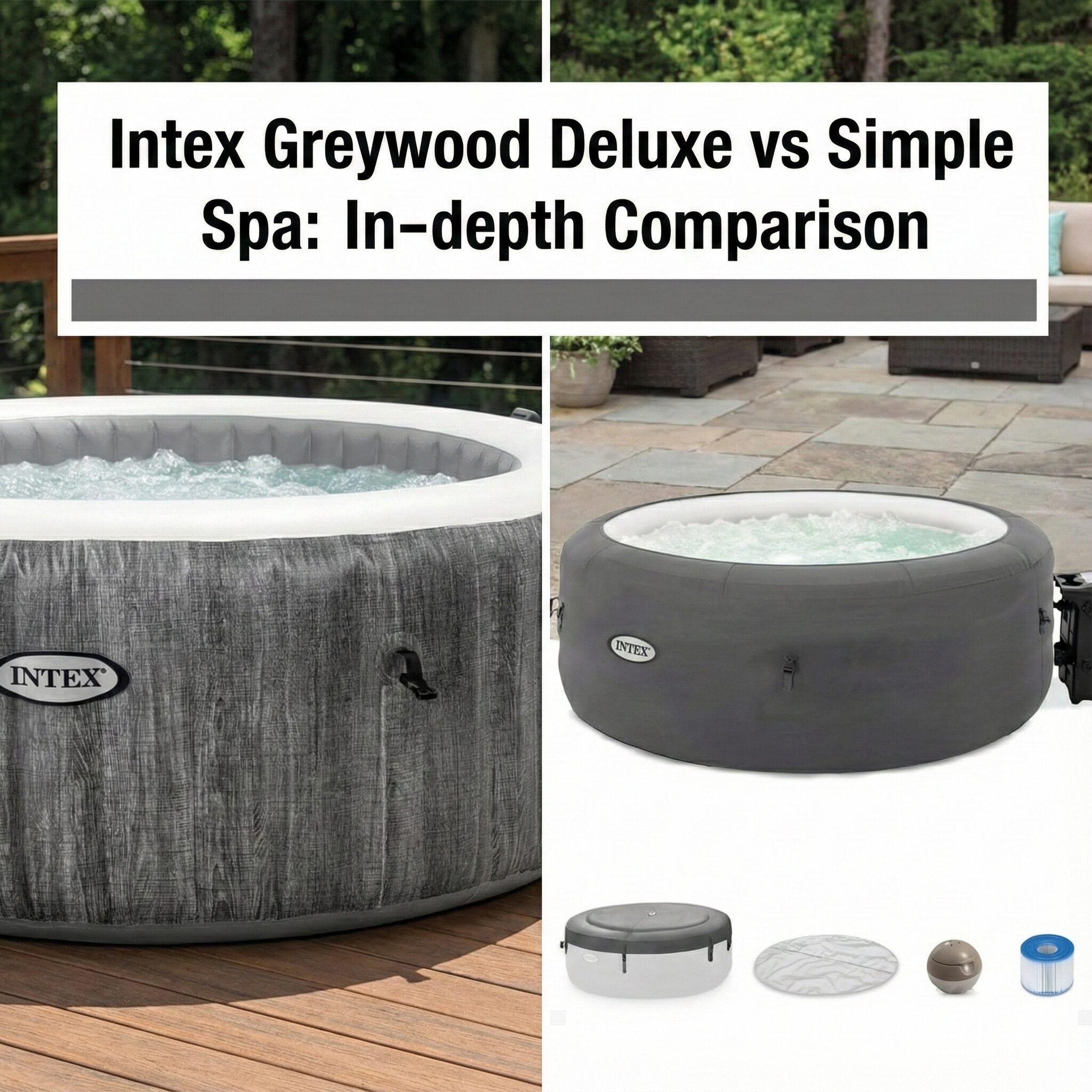
Intex Greywood Deluxe vs Simple Spa: The Ultimate Head-to-Head Comparison
The quest for the perfect backyard sanctuary often leads to one inevitable question: Which inflatable hot tub offers the best bang for your buck? In the blue corner, we have the Intex Greywood Deluxe, a model that screams sophistication with its wood-grain aesthetic and wireless tech. In the red corner, we have the Intex Simple Spa, a rugged, value-driven contender designed for those who prioritize durability and simplicity over flashy extras.
If you’ve been wondering are inflatable hot tubs worth it, the answer usually lies in the specific model you choose. A high-end model can feel like a permanent installation, while a budget model serves as the perfect entry point. In this exhaustive comparison, we’re peeling back the vinyl to see which of these two Intex titans deserves a spot on your patio.
Before we get into jet counts and control panels, it helps to understand exactly what you’re comparing. Both of these tubs come from the same manufacturer and share a surprising number of internal components, yet they’re marketed to completely different buyers. One is aimed at the homeowner who wants their spa to double as a design statement; the other is aimed at the practical buyer who just wants reliable heat and bubbles without paying for extras they’ll never use. Understanding that split in philosophy is the key to picking the right one, and it’s a theme we’ll return to throughout this guide as we dig into model numbers, dimensions, water capacity, running costs, noise levels, and the long-term ownership experience that review sites rarely cover in enough detail.
Quick Comparison Table: At a Glance
Before we dive into the nitty-grey-wood-gritty, let’s look at how these two models stack up on paper. While they both hail from the same manufacturer, their target audiences are worlds apart.
| Feature | Intex Greywood Deluxe | Intex Simple Spa |
|---|---|---|
| Construction | Fiber-Tech Interior Construction | Reinforced Exterior Mesh Liner |
| Jet Count | 140+ High-Powered Bubble Jets | 100+ Bubble Jets |
| Control Panel | Wireless Touch Display | Standard Wired Digital Panel |
| Water Treatment | Built-in Hard Water System | External Chemical Dispenser |
| Accessories Included | LED Light, 2 Premium Headrests | Basic Ground Cloth, Cover |
| Aesthetic | Grey Wood Grain Print | Black/Grey Utilitarian Mesh |
| Typical Seating Capacity | 4-Person and 6-Person versions | 4-Person only |
| Heater Wattage | 1300W (4-Person), similar on 6-Person | 1300W |
| Approx. Empty Weight | Roughly 100+ lbs (6-Person version) | Noticeably lighter, easier to store |
| Indoor/Outdoor Use | Rated for both | Rated for both |
It’s worth pausing on that seating capacity row for a moment, because it’s one of the most common points of confusion for shoppers comparing these two spas. The Greywood Deluxe line is sold in more than one footprint, meaning you can choose the size that matches how many people typically use your tub at once, whereas the Simple Spa is generally offered as a single, compact configuration. If you regularly host friends or have a larger family, that alone might tip the scale before you even look at jets or lighting.

Model Numbers, Sizing, and Water Capacity Explained
One of the most frequently searched questions among shoppers is simply “which Intex model am I actually looking at?” Intex reuses very similar branding across several SKUs, which makes it easy to accidentally compare the wrong two tubs. The Greywood Deluxe nameplate typically covers both a 4-person round spa and a larger 6-person round spa, and the two are not identical twins—the bigger version holds significantly more water, weighs more when empty, and takes noticeably longer to fill and heat. The Simple Spa, on the other hand, is marketed primarily as a 4-person model, positioning it as a direct size-for-size rival to the smaller Greywood Deluxe rather than the 6-person flagship.
Water capacity matters more than most first-time buyers realize. A larger tub doesn’t just mean more room to stretch your legs; it means more gallons to heat from tap temperature, more gallons to treat with chemicals, and more gallons to eventually drain and refill during routine maintenance. Buyers coming from a traditional plunge pool or a small kiddie pool are often surprised at just how much water a 6-person spa holds compared to a 4-person unit—it’s not a linear jump, since the volume scales with the square of the radius for a round tub, so a modest increase in diameter translates into a much larger jump in gallons.
Quick sizing tip: If your patio, deck, or balcony has a hard weight limit (common in apartment buildings or elevated wooden decks), always check the full water weight of the spa you’re considering, not just the empty weight. A filled 6-person spa can weigh well over a ton once you add the water, occupants, and accessories, so it’s worth confirming your surface can handle that load before committing to the larger Greywood Deluxe.
Buyers who are torn between the two sizes of Greywood Deluxe—and by extension deciding whether the Simple Spa’s smaller footprint is the smarter move—should think honestly about how many people will actually be in the tub at once on a typical Tuesday night, not just during a big weekend get-together. Most owners report that the 4-person capacity is more than adequate for couples or small families, and that the extra room in a 6-person spa is rarely used to its full rated capacity except during parties.
Deep Dive: Aesthetics and Design Philosophy
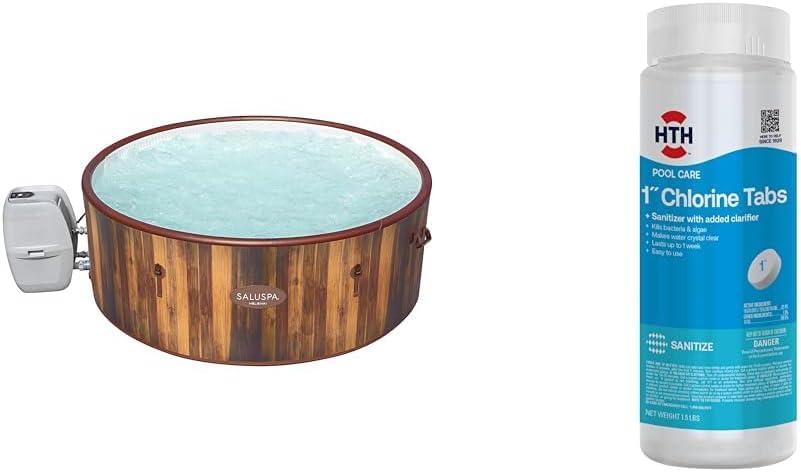
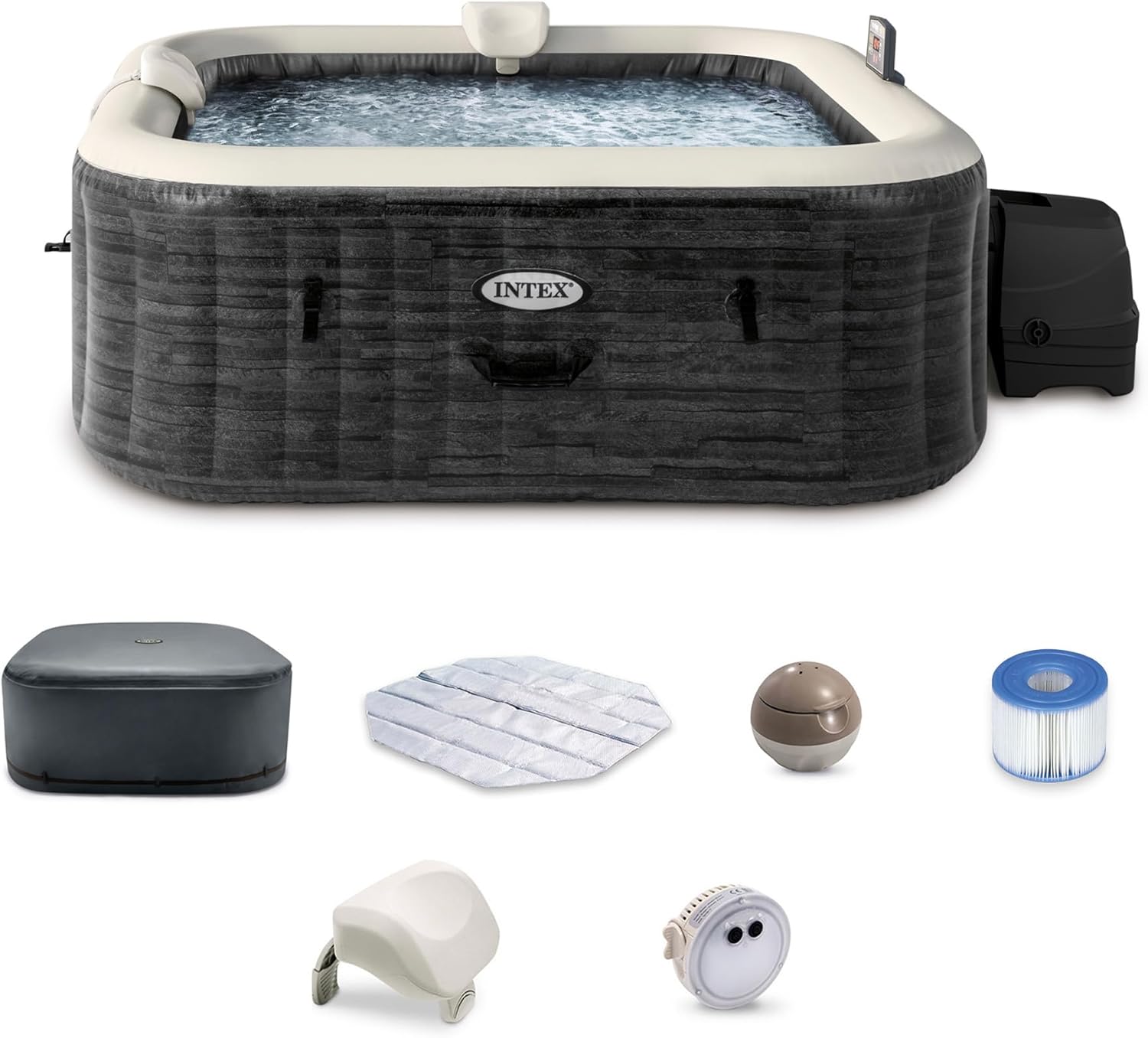
When you choose a hot tub, you aren’t just buying a vessel of hot water; you’re buying a centerpiece for your garden. The Intex Greywood Deluxe is widely considered one of the best blow up hot tubs for visual appeal. Its printed grey wood grain mimics the look of a premium Scandinavian spa, similar in vibe to the Lay-Z-Spa Helsinki. It’s designed to blend into modern decking and outdoor furniture seamlessly.
The Simple Spa, conversely, takes a “no-nonsense” approach. It features a visible mesh exterior. While it doesn’t have the high-definition print of the Greywood, that mesh serves a functional purpose: it provides an extra layer of protection against scratches and punctures. It’s the “off-road vehicle” of the hot tub world—it might not be the prettiest at the gala, but it’s built to survive the elements.
It’s also worth thinking about how each design ages over time. Printed wood-grain finishes, like the one on the Greywood Deluxe, are applied to the outer laminate layer, and while they’re durable under normal conditions, years of direct UV exposure can gradually soften the vibrancy of any printed pattern—something to keep in mind if your patio gets full sun for most of the day. A simple, monochrome mesh exterior like the one on the Simple Spa has less printed detail to fade in the first place, which is part of why some buyers who prioritize long-term looks over initial “wow factor” lean toward the more utilitarian design.
There’s also a practical side to how each tub reads visually from a distance. The Greywood Deluxe’s wood-look pattern tends to photograph well for social media and blends convincingly with composite decking, stone pavers, and outdoor rugs, which is one reason it shows up so often in staged backyard photography and rental property listings. The Simple Spa’s plainer look is less likely to be mistaken for built-in decking, but its neutral grey and black tones still coordinate reasonably well with most outdoor furniture sets, so it’s not going to look out of place—it simply won’t be the visual focal point the way the Greywood can be.
The Lighting and Atmosphere
The Greywood Deluxe pulls ahead significantly in the “vibe” department. It comes standard with a multi-colored LED light that illuminates the water from within. When combined with the best hot tub scum absorbers to keep the surface clear, the night-time aesthetic is hard to beat. The Simple Spa does not include an LED light, meaning you’ll have to purchase one separately if you want that evening glow.
For buyers who entertain frequently or simply enjoy a relaxing evening soak after sunset, this single feature can be a deciding factor. The included LED unit on the Greywood Deluxe typically offers several preset colors along with a slow color-cycling mode, turning an ordinary soak into something closer to a mini spa-resort experience. Simple Spa owners aren’t locked out of this experience entirely—floating LED lights and submersible puck-style lights designed for pools and hot tubs are inexpensive and widely available—but it is an extra purchase and one more accessory to keep charged or battery-stocked.
Structural Integrity: Fiber-Tech vs. Reinforced Mesh
One of the most common questions we see is how good are inflatable hot tubs when it comes to sitting on the edge? The Greywood Deluxe uses Intex’s patented Fiber-Tech construction. This involves thousands of high-strength polyester fibers that don’t stretch over time. You can literally sit on the side of a Greywood Deluxe without it buckling.
The Simple Spa uses a different strategy. While it still features sturdy internal ribbing, its main selling point is the reinforced mesh exterior. This makes the outer wall feel slightly more “industrial.” If you have pets or live in an area with sharp debris, the Simple Spa’s exterior might actually offer more peace of mind, even if it lacks the rigid “luxury” feel of the Fiber-Tech interior found in the Greywood.
Both tubs rely on multiple layers of laminated PVC rather than a single sheet of material, which is what gives inflatable spas their surprising resistance to punctures compared to a basic pool toy. The difference lies mostly in how each brand chooses to reinforce the outer layer. Fiber-Tech beams run internally through the wall structure like tiny support columns, distributing the pressure of the water evenly and preventing the classic “bulging” look you see on cheaper inflatable spas after a few weeks of use. The Simple Spa’s mesh takes a more traditional external-reinforcement approach, similar to how a tarp or heavy-duty tent fabric is woven, which is excellent at resisting abrasion and tearing from the outside but relies more on internal air pressure and a snug liner fit for its rigidity.
In everyday use, both approaches hold up well under normal household conditions—regular sitting, leaning, and getting in and out of the tub. Where you’ll notice a difference is at the extremes: a Fiber-Tech wall tends to keep its shape better over a period of years, especially around the rim where people rest their arms or perch to dangle their feet, while a mesh-reinforced wall is somewhat more forgiving if a pet’s claws or a dropped tool brush against the exterior. Neither is “fragile” by any reasonable definition, but the two do have genuinely different failure modes, and it’s fair to say the Greywood Deluxe is built with rigidity as the priority while the Simple Spa is built with abrasion resistance as the priority.

Technology and User Experience: Control at Your Fingertips
The Greywood Deluxe is a technological marvel in the inflatable world. It features a removable, wireless charging control panel. You can take the panel into the water with you, change the temperature, or activate the jets without having to stand up and reach over the side. This is a massive “quality of life” improvement that many users don’t realize they need until they have it.
The Simple Spa keeps it traditional. The control panel is built into the pump unit. It’s digital and easy to use, but you will have to reach out of the tub to adjust your settings. For those who want to “set it and forget it,” this isn’t a dealbreaker. However, if you’re comparing Intex PureSpa vs Coleman SaluSpa, you’ll notice that the Greywood’s wireless panel is a standout feature across the entire industry.
Some higher-tier Greywood Deluxe packages also extend this convenience further with smartphone app connectivity through a home WiFi network, letting you start the heater remotely before you even walk outside, so the water is closer to temperature by the time you’re ready to soak. This kind of remote scheduling is particularly handy in colder months when you know heating will take longer, since you can kick off the cycle from inside the house well ahead of time rather than standing outside in the cold to press a button. The Simple Spa does not offer this level of remote or app-based control; every adjustment happens at the physical panel on the pump housing.
It’s also worth noting how each panel handles day-to-day durability. Because the Greywood Deluxe’s control panel is designed to be removable and handled with wet hands, it’s built with a water-resistant housing and a locking mechanism that prevents accidental button presses when it’s clipped to the side of the tub. The Simple Spa’s fixed panel is protected by a hinged plastic cover, which does an adequate job of shielding the buttons from splashes but isn’t designed to be submerged or carried around the way the Greywood’s panel is.
Hard Water Treatment
The Greywood Deluxe includes a built-in hard water treatment system. This system generates an electromagnetic field that agitates calcium and other minerals, preventing them from creating scale buildup in the heater and pipes. If you live in an area with hard water, this feature alone could save you from frequent Intex PureSpa troubleshooting sessions later on. The Simple Spa lacks this internal system, requiring more diligent chemical management.
Hard water is one of the most common—and most overlooked—causes of premature heater failure in inflatable spas. Mineral scale builds up gradually on heating elements, reducing efficiency and eventually causing error codes or outright pump failure. Owners in regions with notably hard tap water often report that the Greywood Deluxe’s built-in treatment noticeably reduces the “cloudy water” and scale-ring problems that Simple Spa owners sometimes have to manage manually with additional water-softening or scale-prevention products. If your municipal water supply is on the harder end of the spectrum, this single feature can meaningfully change your maintenance routine and potentially extend the working life of your spa’s internal components.
Amperage, Voltage, and Household Compatibility
Both spas are designed to run on a standard household 110-120V circuit, which is one of the more attractive aspects of the inflatable spa category compared to hardwired 240V permanent hot tubs that require an electrician to install a dedicated line. In practice, most Intex spas—including both models covered here—draw somewhere in the neighborhood of 12 to 13 amps during heating and jet operation, which is well within the capacity of a standard 15 or 20 amp household outlet as long as it isn’t already shared with several other high-draw appliances on the same circuit. If you’re running your spa off an extension cord or a shared outdoor outlet, it’s worth double-checking that nothing else heavy—like a window air conditioner or an electric lawn tool charging station—is pulling from the same breaker at the same time.
Setup Process: From Box to Bubbles
Unboxing day is where a lot of buyers form their first real impression of an inflatable spa, and both of these Intex models are designed to be assembled without special tools. That said, the process has a few distinct phases worth understanding before your delivery arrives, especially if you’re setting one up for the first time.
First comes site preparation. Both tubs need a flat, debris-free, and ideally insulated surface—concrete patios, wooden decks rated for the load, and dedicated foam spa pads are the most common choices. Skipping this step is one of the most frequent causes of early liner damage, since small stones or uneven ground concentrate pressure on specific points of the base once the tub is filled with water.
Next is inflation. The integrated pump on both models handles the outer wall inflation in roughly five to ten minutes, and you’ll want to check the firmness of the walls against the manufacturer’s guidance—an underinflated wall won’t provide proper structural support, while overinflation can put unnecessary stress on the seams. After the walls are firm, the cover (on the Greywood Deluxe) or ground cloth and basic cover (on the Simple Spa) go on to help retain heat while the tub fills.
Filling is the step that catches most first-time owners off guard on timing. Depending on your garden hose’s flow rate and your home’s water pressure, filling either spa to its operating line can take anywhere from thirty minutes to a couple of hours. Heating then adds substantially more time on top of that, since both spas warm water gradually rather than instantly—expect the initial heat-up from cold tap water to a comfortable soaking temperature to take the better part of a day, sometimes stretching into a second day for the larger 6-person Greywood Deluxe during colder weather. This is exactly why many owners choose to fill and start heating the evening before they actually plan to use the spa, rather than expecting a same-day soak straight out of the box.
Do You Need Extra Tools or Adapters?
Neither spa requires specialized tools for setup. You will, however, want a standard garden hose, a nearby grounded outdoor-rated electrical outlet, and ideally a ground fault circuit interrupter (GFCI) protected circuit, which is standard practice for any electrical appliance used near water. Both models include their pump/heater unit, a filter cartridge or two to get started, and the inflation hose adapter needed to connect the pump to the wall valves.
Performance Evaluation: Heat, Jets, and Bubbles
Both tubs operate on a standard 110-120V outlet. If you’re wondering are 110V hot tubs any good, the answer is yes, but they require patience. Both models will heat the water at a rate of about 2-3°F per hour.
- The Greywood Experience: With 140+ bubble jets, the massage is surprisingly vigorous. The bubbles are released from the bottom ring, creating a “cauldron” of relaxation that covers the entire floor area.
- The Simple Spa Experience: With 100 bubble jets, it’s slightly less intense, but still very effective for muscle relaxation. It’s perfect for a hot tub soak after a workout.
Regarding electricity, both will impact your utility bill. We recommend reading our guide on do inflatable hot tubs use a lot of electricity to understand how to optimize your heating cycles. Using the best hot tub covers and hot tub pads is essential for both models to retain heat and lower costs.
Noise Levels During Operation
Noise is another practical consideration that rarely gets enough attention in spec sheets. During the heating and filtration cycle, both the Greywood Deluxe and the Simple Spa run at a fairly modest, low hum comparable to a window air conditioner on a low setting—easy to ignore from more than a few feet away. Once the bubble jets kick in, however, the noise level increases noticeably on both models, closer to the sound of a running vacuum cleaner or a pool pump at full throttle. This is a normal characteristic of air-jet inflatable spas in general, not a defect unique to either model, but it’s worth factoring in if your spa will sit close to a bedroom window, a shared property line, or a neighbor’s patio. Running the jets during reasonable daytime or early evening hours, rather than late at night, tends to keep the peace with anyone nearby.
Jet Type: Air Bubbles vs. Directed Water Jets
It’s worth clarifying an important distinction that trips up a lot of first-time hot tub shoppers: both the Greywood Deluxe and the Simple Spa use air-injected bubble jets rather than directed hydro-massage water jets found in some hardwired, permanent hot tubs. Air jets create a broad, full-body “boiling cauldron” style of massage that covers a wide surface area rather than a focused, targeted stream aimed at a specific muscle group like a shoulder or lower back. Some higher-end Greywood Deluxe configurations also add a small number of adjustable directional jets in addition to the standard bubble jets, giving a slightly more customizable massage experience, but the core sensation on both spas remains the gentle, all-over bubbling most people associate with inflatable hot tubs rather than the more intense, pinpoint jets of a built-in acrylic spa.
Cost of Ownership: Electricity, Chemicals, and Replacement Parts
The sticker price of the spa itself is only part of the financial picture. Ongoing running costs are one of the most searched-for topics among people comparing inflatable hot tubs, and it’s an area where the differences between these two models are smaller than you might expect, but not negligible.
Electricity usage is driven primarily by the heater, which cycles on and off to maintain your set temperature rather than running continuously. Owners in mild climates who keep their spa covered when not in use typically report a modest increase in their monthly electric bill, while owners in colder regions running their spa through winter months can see a considerably larger jump, since the heater has to work much harder to overcome heat loss to cold air. Because both spas use a similarly rated heater, the electricity cost difference between the Greywood Deluxe and the Simple Spa is minimal on its own—the bigger cost driver is tub size (the 6-person Greywood holds more water to heat) and how well insulated your cover and pad setup is, rather than which specific model you choose.
Chemical costs are where ongoing philosophy diverges slightly. The Greywood Deluxe’s built-in hard water treatment system can modestly reduce how often you need certain scale-preventing chemicals, particularly in hard water regions, while the Simple Spa relies more heavily on its external chemical dispenser and a more traditional sanitizer routine. Over a full season, this difference is usually measured in a small number of dollars rather than a dramatic gap, but it can add up over several years of ownership.
Replacement filters are a recurring cost for both models. Filter cartridges are generally inexpensive and widely available, and most owners rinse and reuse them several times before a full replacement is needed, stretching the cost of ownership further. Budgeting for periodic filter replacement, along with occasional patch kits for minor punctures, is a sensible part of planning for either spa’s total cost over its lifespan.
Resale Value and Depreciation
Unlike a permanent hardwired hot tub, which can retain meaningful resale value for years due to its substantial installation cost, inflatable spas depreciate more quickly on the secondhand market, largely because buyers of used inflatable products are naturally cautious about hidden punctures or wear on the liner that isn’t visible until the tub is filled. That said, the Greywood Deluxe’s more premium feature set and stronger brand recognition for its distinctive wood-grain look tend to help it hold a somewhat higher resale price relative to its original cost compared to the more basic-looking Simple Spa, when both are sold in similarly good condition. Neither model should be purchased with resale value as a primary consideration, though, since both are best thought of as a multi-year consumable purchase rather than a long-term appreciating asset.
Health and Wellness Benefits of Regular Hot Tub Use
Beyond the relaxation factor, many buyers are drawn to inflatable spas for genuine wellness reasons, and it’s worth addressing a few of the most common questions in this category. Warm water immersion combined with buoyancy can ease pressure on joints and support gentle muscle relaxation, which is part of why hot tubs are frequently recommended as a complementary comfort measure for people managing everyday stiffness, and why so many buyers specifically search out options that are good for post-exercise recovery, like a hot tub soak after a workout.
The gentle, broad-coverage bubble massage produced by both the Greywood Deluxe and the Simple Spa can also contribute to a general sense of relaxation at the end of a long day, supporting better wind-down routines before bed for some users. It’s important to be sensible about water temperature and soak duration, though, and to be mindful of any personal health conditions—very high temperatures aren’t appropriate for everyone, and certain groups, including pregnant women, are generally advised to be cautious with hot tub use and to check with a healthcare provider first.
Neither model is a medical device, and neither should be treated as a substitute for professional healthcare guidance, but as a source of everyday relaxation and gentle hydrotherapy-style comfort, both spas deliver a broadly similar experience, with the Greywood Deluxe’s higher jet count offering a slightly more intense overall sensation thanks to its greater surface coverage.
Maintenance and Longevity: Keeping the Water Crystal Clear
Maintenance is the same for both, but the Greywood’s hard water system gives it a slight edge in component longevity. Regardless of the model, you must master inflatable hot tub maintenance to avoid common pitfalls like slime and cloudy water.
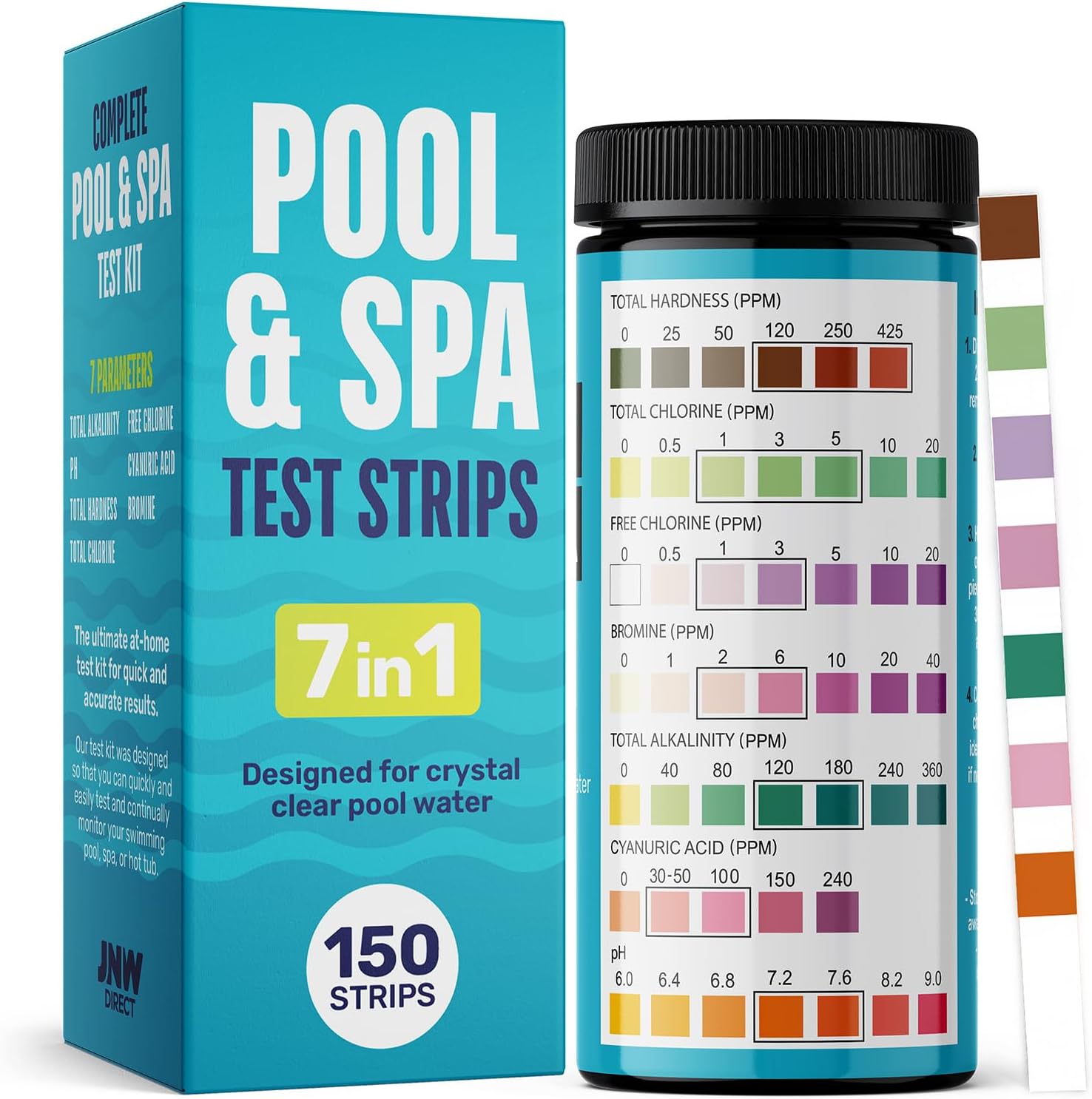
You will need a reliable hot tub water tester to check pH and chlorine levels daily. If you find yourself asking why does hot tub water get cloudy, it’s usually a sign that you need to learn how often should you shock a hot tub. Generally, a weekly shock is necessary to kill off biofilm in hot tubs.
Don’t forget the filters! You should know how often to replace hot tub filters—usually every 2 weeks with regular use. To keep the bottom of your tub free from grit and sand, investing in the best hot tub vacuums is a game-changer for both the Greywood and the Simple Spa.
A Simple Weekly Maintenance Routine
Most long-term owners of either spa settle into a predictable weekly rhythm rather than treating maintenance as a mysterious chore. A quick daily glance at the water clarity and a chemical test strip reading takes only a minute or two. Rinsing or swapping the filter cartridge every one to two weeks keeps the filtration system working efficiently and prevents the kind of clogging that leads to error codes on the control panel. A weekly shock treatment addresses the organic contaminants—body oils, lotions, sweat—that accumulate from regular use and that a standard sanitizer alone won’t fully break down. On a monthly or seasonal basis, a full drain-and-refill resets the water chemistry entirely and is the single most effective way to prevent the buildup of dissolved solids that no amount of chemical dosing can fully correct.
Cleaning the Exterior and Liner
Both the wood-grain print on the Greywood Deluxe and the mesh exterior of the Simple Spa can be cleaned with a soft brush, mild soap, and a rinse from the garden hose. Avoid abrasive scouring pads or harsh solvent-based cleaners, which can degrade the outer laminate or dull the printed finish over time. Paying attention to the waterline—the area most prone to a visible “scum ring” from oils and lotions—with a dedicated scum-line cleaner or absorbent sponge will keep either tub looking presentable between full drain cycles.

Footprint, Portability, and Where to Place Your Spa
Choosing a location for either spa involves more than just finding a flat patch of patio. Both models need reasonably close proximity to a grounded, GFCI-protected outdoor outlet, since running an extension cord any significant distance can introduce voltage drop that affects heater performance, and running cords across walkways creates an obvious trip hazard. A nearby garden hose connection also makes both initial filling and periodic top-offs far more convenient than hauling buckets of water across the yard.
Because the Simple Spa has a smaller overall footprint and lighter empty weight, it tends to be the more forgiving option for tighter spaces—compact balconies, smaller patios, or side yards where a larger 6-person Greywood Deluxe simply wouldn’t fit comfortably. The Greywood Deluxe, particularly in its larger configuration, benefits from a more generous surrounding clearance, both for practical reasons like accessing the control panel and cover, and for aesthetic ones, since its wood-grain design tends to look most striking with a bit of open space around it rather than crammed against a fence line.
Portability once filled is essentially a non-issue for either model—neither should be moved with water inside, as the weight and shifting water can strain seams and fittings. If you anticipate needing to relocate your spa seasonally (for example, moving it to a covered porch for winter), the Simple Spa’s lighter empty weight makes that a noticeably easier one- or two-person task compared to maneuvering the bulkier Greywood Deluxe, especially the 6-person version.
Chemical and Sanitizing Systems Compared
Both spas support the standard sanitizing approaches used across the inflatable hot tub category: traditional chlorine, bromine as a lower-odor alternative, and in some cases a saltwater chlorination system for owners who prefer to generate their own chlorine rather than dosing it manually. The core difference between the two models isn’t which sanitizers they support—both are broadly compatible with the same options—but rather how much supporting infrastructure each one includes out of the box.
The Greywood Deluxe’s built-in hard water treatment system works alongside whichever sanitizer you choose, reducing the mineral scale that can interfere with sanitizer effectiveness over time. The Simple Spa’s external chemical dispenser is a simple floating unit that gradually releases chlorine or bromine tablets into the water as it circulates, which is a tried-and-true approach used across the inflatable spa industry but requires slightly more manual attention to dispenser refills and dosing compared to a system with additional built-in water treatment.
For owners who prefer to minimize handling chemicals directly, a saltwater system is worth considering for either spa, since it reduces the frequency of manually adding sanitizer, though it does typically require a specific compatible salt cell accessory and a bit more research into compatibility with your specific spa model before purchasing.
Using Your Spa for Gatherings and Parties
Both models can absolutely handle the occasional gathering with friends, but there are a few practical considerations worth planning around if you intend to use your spa as a social hub rather than a solo relaxation spot. Water chemistry shifts more quickly with more bodies in the tub at once, since body oils, lotions, and sweat all introduce additional organic load, so testing and potentially shocking the water after a larger gathering is a sensible habit rather than an overreaction.
The Greywood Deluxe’s larger 6-person configuration and included LED lighting make it the more natural choice for hosting, giving guests both the physical room and the ambient atmosphere that makes an evening gathering feel special. The Simple Spa’s smaller 4-person capacity is better suited to more intimate get-togethers—a couple of close friends or a small family group—rather than a larger party, and its lack of built-in lighting means you’ll want to supplement with portable outdoor lighting if you’re hosting after dark.
Storage and Winterizing: Protecting Your Investment in the Off-Season
Depending on your climate, you may not use your inflatable spa year-round, which raises the important question of how to store it safely between seasons. Both the Greywood Deluxe and the Simple Spa should be fully drained, thoroughly dried, and gently powdered with a small amount of talc-free cornstarch or a dedicated vinyl conditioner before folding, which prevents the interior liner surfaces from sticking together during long-term storage.
Fold lines matter more than people expect. Rather than repeatedly folding along the exact same creases every season, try to vary your fold pattern slightly each time you pack the spa away, which reduces the risk of the laminate weakening along a single repeated stress line over several years of storage. Store the folded tub, pump unit, and accessories in a dry area away from direct sunlight and temperature extremes—an attic that gets extremely hot in summer or a garage that dips well below freezing in winter isn’t ideal for the vinyl or the electronic control components.
For owners in colder climates who want to keep using their spa through winter, it’s worth noting that neither model is designed with the kind of advanced freeze-protection technology found in some competing brands’ cold-weather spas. Extra vigilance is required to prevent the pump, hoses, and heater from freezing during a hard freeze, including running the pump periodically overnight and never leaving the spa filled and unattended during an extended deep freeze without power.
Real-World Ownership: What to Expect in Year One
Spec sheets and marketing copy only tell part of the story. What actually matters to most buyers is how a spa performs after the novelty of the first week wears off and it becomes part of the weekly routine. Owners of both the Greywood Deluxe and the Simple Spa tend to report a similar arc: an initial adjustment period while they dial in their preferred water temperature, chemical routine, and cover habits, followed by several months of largely trouble-free use once that routine is established.
The most common early hiccup for new owners of either spa isn’t a hardware failure at all—it’s water chemistry. Buyers coming from a chlorinated pool background sometimes underestimate how quickly a smaller volume of warm water can become imbalanced, since heat accelerates both chemical reactions and biological growth. Establishing a consistent testing habit in the first few weeks tends to prevent the vast majority of “cloudy water” or “smelly water” complaints that would otherwise show up in owner reviews.
Mechanically, the pump and heater unit is the component most likely to need attention over a multi-year ownership period, simply because it’s the only part with moving components and electronics. Both models benefit from the same basic preventative habits: keeping the unit itself dry and covered when not connected, avoiding running it with a clogged filter, and unplugging it fully during storage rather than leaving it connected to power indefinitely. Owners who follow these basic habits tend to report years of reliable service from either spa, while those who neglect filter changes or chemical balance are more likely to encounter premature pump or heater issues regardless of which model they chose.
What Owner Reviews Tend to Agree On
Across independent review sites, a few themes come up again and again regardless of which specific Intex model is being discussed. Buyers consistently rate the ease of setup highly for both spas, generally praise the effectiveness of the bubble massage relative to the price point, and flag water chemistry management as the single biggest ongoing responsibility of ownership. Greywood Deluxe owners more specifically call out the wireless panel and hard water system as standout conveniences, while Simple Spa owners tend to emphasize value for money and the exterior’s resistance to everyday wear and tear.
Warranty Coverage and Customer Support
Both the Greywood Deluxe and the Simple Spa are typically backed by a standard manufacturer’s limited warranty covering the pump and liner against defects for a set period after purchase—commonly one year, which is in line with the broader inflatable spa category rather than an area where either model stands out significantly from the other. It’s worth registering your product promptly after purchase and retaining your proof of purchase, since most warranty claims require both.
Common warranty claims across the category tend to involve pump or heater malfunctions, control panel defects, and occasionally manufacturing seam issues on the liner itself—accidental punctures from external objects, on the other hand, are typically considered normal wear rather than a covered defect, which is why keeping a patch kit on hand is a sensible precaution regardless of which spa you choose. Manufacturer support channels for both models generally include phone and online support for troubleshooting error codes, ordering replacement parts like filter cartridges, pump hoses, or control panels, and clarifying warranty coverage on a case-by-case basis.
Environmental Footprint and Energy Efficiency Tips
Sustainability-minded buyers increasingly ask how inflatable spas compare to permanent hot tubs from an energy standpoint, and the honest answer is nuanced. On one hand, inflatable spas like the Greywood Deluxe and Simple Spa use considerably less material to manufacture than a rigid acrylic-and-wood permanent spa, and they don’t require the ongoing energy draw of a large water volume kept at temperature around the clock the way many permanent spas are used. On the other hand, an inflatable spa’s insulation is generally less effective than a hard-shell spa’s foam-and-cabinet construction, meaning heat loss can be more pronounced, especially in windy or cold conditions.
The single biggest lever either type of owner has for reducing energy use is minimizing standby heat loss. Using a well-fitted, insulated cover whenever the spa isn’t in use, positioning the tub in a location sheltered from direct wind, and using a foam or reflective ground pad underneath to reduce heat loss into the ground can meaningfully cut down on how hard the heater has to work to maintain your set temperature. Some owners also choose to lower their target temperature by a few degrees when the spa won’t be used for several days, then raise it again a few hours before their next planned soak, rather than maintaining peak temperature continuously.
Because both the Greywood Deluxe and Simple Spa use comparably sized heaters, neither model has an inherent, dramatic efficiency advantage over the other from a wattage standpoint. Where the Greywood Deluxe can indirectly help is through its hard water treatment system, which by reducing scale buildup on the heating element over time, can help the unit maintain its rated efficiency for longer compared to a heater that’s gradually accumulating mineral scale.
Common Setup Mistakes and How to Avoid Them
A large share of the negative reviews you’ll find for any inflatable spa—Intex models included—trace back to avoidable setup mistakes rather than genuine product defects. Being aware of the most common pitfalls ahead of time can save new owners a lot of frustration during their first few weeks with either the Greywood Deluxe or the Simple Spa.
Setting up on an uneven or unprotected surface is the most frequent culprit behind liner damage and premature wear. Even a seemingly smooth patio can have small stones, grit, or uneven high spots that concentrate pressure once the tub is filled with hundreds of gallons of water. A dedicated foam spa pad or a thick, protective ground cloth is inexpensive insurance against this risk.
Underestimating fill and heat time is the second most common frustration, particularly among buyers expecting a same-day soak straight out of the box. Planning your first use for the day after setup, rather than the same evening, avoids the disappointment of waiting around for water that’s still lukewarm.
Neglecting the filter during the first fill can also cause early cloudy water complaints, since a brand-new tub filled from a hose can carry sediment or minerals that the filtration system needs time to clear. Running the filtration cycle for a full day or two before your first soak, rather than jumping straight in, tends to result in noticeably clearer water from the start.
Ignoring the control panel’s lock feature is a smaller but common annoyance, particularly for buyers new to the wireless panel on the Greywood Deluxe—forgetting that the panel locks automatically after a period of inactivity can lead to a moment of confusion when buttons don’t seem to respond, before remembering to hold the lock button to unlock it again.
Accessories Worth Buying for Either Spa
While both the Greywood Deluxe and Simple Spa are functional straight out of the box, a handful of accessories tend to significantly improve the ownership experience for either model. An insulated, well-fitted cover is arguably the single most valuable add-on if your spa doesn’t already include a premium one, since it directly reduces both heat loss and evaporation between uses. A dedicated ground pad protects the base of the tub from puncture risks and adds a layer of thermal insulation from the ground below.
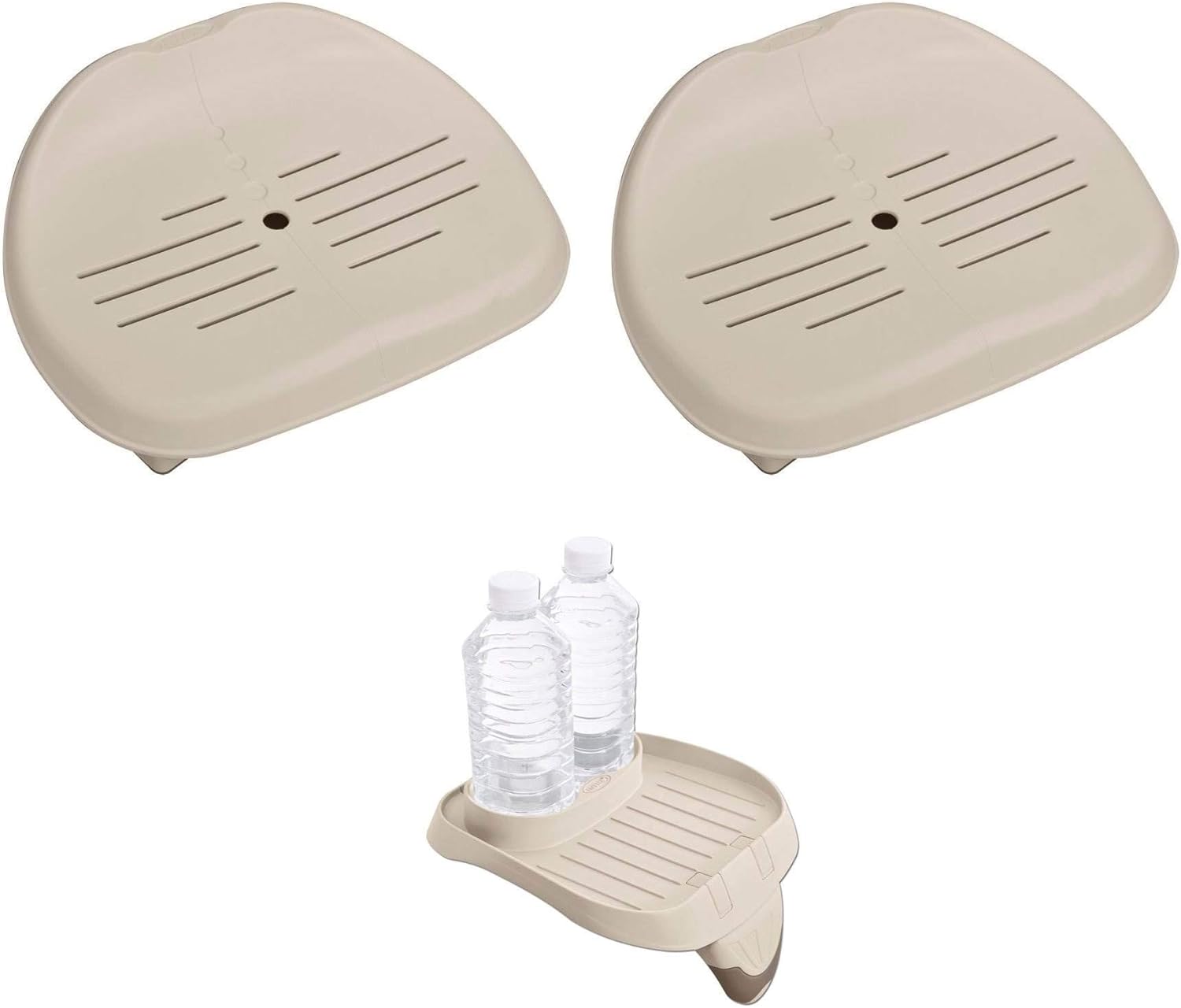
A reliable water testing kit or set of test strips is essential regardless of which model you own, since accurate chemistry readings are the foundation of safe, clear water. Many owners also find a soft interior seat or booster cushion useful, particularly in the Simple Spa, which doesn’t include the padded headrests that come standard with the Greywood Deluxe. A small floating thermometer, a skimmer net for leaves and debris, and a basic maintenance kit with a brush and scrubber round out the list of accessories most long-term owners consider close to essential rather than optional.
How These Compare to Other Popular Inflatable Hot Tubs
The Greywood Deluxe and Simple Spa don’t exist in a vacuum—they compete against a growing field of inflatable spas from other manufacturers, and it’s worth briefly placing them in that wider context. Coleman’s SaluSpa line, for example, is frequently cross-shopped against Intex models by budget-conscious buyers, and our dedicated Intex PureSpa vs Coleman SaluSpa comparison goes into more detail on how the two brands’ control panels and jet systems differ.
Newer entrants like Wave Spas have also gained a following by integrating the pump directly into the tub wall rather than using Intex’s external “egg” pump design, which saves floor space and reduces the number of hose connections that could potentially leak. For buyers curious about that approach, it’s a genuinely different engineering philosophy worth understanding before you commit to either Intex model.
Bestway, another major player in the category, differentiates itself in some models with dedicated Freeze Shield technology designed to automatically activate the heater and pump during near-freezing conditions to prevent damage—a feature neither the Greywood Deluxe nor the Simple Spa currently offers, which is worth keeping in mind if you live somewhere with harsh winters and plan to keep your spa running through the cold months rather than draining and storing it.
Ultimately, comparing across brands reinforces the core theme of this guide: within the Intex lineup itself, the Greywood Deluxe leans toward premium convenience features while the Simple Spa leans toward affordability and rugged simplicity, and that same trade-off tends to hold true when you widen the comparison to competing brands as well.
Inflatable vs. Permanent Hot Tubs: Is This Category Right for You?
Before committing to either the Greywood Deluxe or the Simple Spa, it’s worth briefly zooming out and asking whether an inflatable spa is the right category of product for your situation in the first place, since some buyers researching this comparison may ultimately be better served by a permanent, hardwired hot tub instead—and it’s a fair question to address honestly.
Permanent hot tubs typically run on a dedicated 240V circuit, offer stronger, more targeted hydro-massage jets, hold their temperature far more consistently thanks to superior insulation, and can represent a genuine long-term property investment. However, they also require professional electrical installation, a much larger upfront cost, a permanent dedicated space, and often professional help for any repairs. They are simply not a realistic option for renters, for buyers without a large upfront budget, or for anyone who wants the flexibility to move, store, or resell their spa without a major project.
This is exactly the gap that both the Greywood Deluxe and the Simple Spa are designed to fill. They plug into a standard household outlet, can be set up by one or two people in an afternoon, can be drained and packed away in the off-season, and cost a small fraction of a permanent installation. The trade-offs are real—less powerful directed jets, more modest insulation, and a shorter expected lifespan than a well-maintained permanent spa—but for the vast majority of buyers comparing these two specific Intex models, those trade-offs are a reasonable exchange for the dramatically lower cost of entry and the flexibility that comes with a portable, seasonal setup.
If, after reading this far, you find yourself more drawn to the idea of a permanent installation with stronger jets and better long-term insulation, that’s a meaningful signal worth listening to—but if the appeal of either the Greywood Deluxe or the Simple Spa is the low commitment, easy setup, and seasonal flexibility, you’re squarely in the right category, and the rest of this guide should help you land on the specific model that best fits your household.
Pros and Cons: Head-to-Head
Intex Greywood Deluxe Pros
- Stunning wood-grain aesthetic.
- Wireless, waterproof control panel.
- Includes LED lights and premium headrests.
- Built-in Hard Water Treatment system.
- Rigid Fiber-Tech walls for better support.
- Available in both 4-person and 6-person sizes.
- Some configurations support app-based remote control.
Intex Greywood Deluxe Cons
- Higher price point.
- Exterior print can fade if exposed to direct sun for years.
- Larger 6-person version takes noticeably longer to fill and heat.
- Heavier and bulkier to store when not in use.
Intex Simple Spa Pros
- Excellent value for money.
- Reinforced mesh exterior is very durable.
- Easy, no-fuss setup.
- Compact footprint for smaller patios.
- Lighter and easier to store off-season.
Intex Simple Spa Cons
- Lacks LED lights and headrests.
- Fewer bubble jets (100 vs 140).
- No hard water system.
- No wireless or app-based control.
- Only available in a single, smaller seating capacity.
Which One is Right for You?
Choose the Intex Greywood Deluxe If…
You want the best inflatable hot tub of 2025 in terms of style and tech. It’s for the user who wants to entertain guests, appreciates the luxury of a wireless remote, and lives in a hard-water area. It’s the closest you can get to a permanent spa experience in an inflatable format. If you need seating for a larger group, the availability of a 6-person configuration gives you flexibility the Simple Spa simply doesn’t offer, and if remote scheduling or app control appeals to you, it’s a meaningful convenience upgrade that’s hard to go back from once you’ve experienced it.
Choose the Intex Simple Spa If…
You are looking for a “workhorse” tub. If you have kids or dogs that might be rough on the exterior, the reinforced mesh is a winner. It’s also the perfect choice for budget-conscious buyers who want the health benefits of hydrotherapy without the premium price tag. It’s arguably the best 4-person inflatable hot tub for those prioritizing utility over vanity. Its smaller size and lighter weight also make it a smarter pick for renters, apartment-dwellers with limited storage, or anyone who plans to set the spa up and pack it away several times a year rather than leaving it installed permanently.
Both models can technically be used in cooler weather, but if you’re serious about year-round soaking, check our guide on the best inflatable hot tub for winter to see how they compare to specialized winter models like the Helsinki.
A Quick Decision Checklist
If you’re still on the fence, run through a short mental checklist: How many people will realistically use the spa on a normal week? Is your water supply known to be “hard,” with visible mineral buildup on faucets or in your kettle? Do you value the convenience of a wireless, waterproof control panel enough to pay a premium for it? Do you have pets or kids who might be tough on the exterior? And finally, how much storage space do you realistically have during the off-season? Answering these five questions honestly will point you toward the right model far more reliably than jet count alone.
Frequently Asked Questions (FAQ)
How long does it take to set up the Intex Greywood Deluxe?
The actual inflation takes about 5-10 minutes. However, filling it with water can take 1-2 hours depending on your water pressure. We have a full inflatable hot tub setup guide to help you.
Does the Simple Spa include a heater?
Yes, all Intex PureSpa models, including the Simple Spa, come with a built-in 1300W heater that can reach up to 104°F (40°C).
Can I use the Greywood Deluxe in the winter?
While you can, it doesn’t have the “Freeze Shield” technology found in Bestway models. Refer to can you use an inflatable hot tub in the winter for specific tips on preventing pipe damage in sub-zero temps.
What is the electricity cost difference between the two?
Negligible. Both use the same 110V heater and pump technology. The Greywood’s LED light and wireless panel use very little additional power.
How many amps does the Intex Greywood Deluxe use?
Most Intex spas pull about 12-13 amps. You can find more technical details in our post on how many amps does a hot tub use.
Is the Simple Spa’s mesh exterior hard to clean?
Not at all. A soft brush and mild soap are usually sufficient. See our guide on how to clean an inflatable hot tub for more details.
Are these tubs safe for pregnant women?
Generally, high temperatures are not recommended, but we have a detailed breakdown on can pregnant women use hot tubs for safety guidelines.
Do they come with a warranty?
Intex usually provides a 1-year limited warranty on the pump and liner, which is standard for the industry.
Can either of these spas be used indoors?
Yes, both the Greywood Deluxe and Simple Spa are rated for indoor or outdoor use, provided the indoor space has adequate ventilation, a nearby GFCI-protected outlet, and flooring that can safely handle the weight and any potential splashing.
How loud are the bubble jets during operation?
The heating and filtration cycle runs fairly quietly on both models, but the bubble jets are noticeably louder once activated, comparable to a vacuum cleaner. Consider this if your spa will sit near a bedroom window or shared property line.
Does the Greywood Deluxe come in more than one size?
Yes, the Greywood Deluxe is typically available in both 4-person and 6-person configurations, while the Simple Spa is generally offered only as a 4-person model.
How should I store either spa for the winter if I’m not using it?
Fully drain and dry the tub, lightly dust the interior with a vinyl-safe conditioner or cornstarch to prevent sticking, vary your fold pattern from season to season, and store everything in a dry area away from temperature extremes and direct sunlight.
Do the bubble jets on these spas feel the same as a hardwired hot tub’s water jets?
Not exactly. Both models use air-injected bubble jets that create a broad, full-body bubbling sensation rather than the focused, directed water streams found in some permanent hardwired hot tubs, though certain Greywood Deluxe configurations add a few adjustable directional jets as well.
Can I upgrade a Simple Spa with the features found on the Greywood Deluxe, like an LED light or hard water system?
Partially. You can add an aftermarket floating LED light and compatible water-softening accessories to a Simple Spa, but the built-in electromagnetic hard water treatment system and the wireless control panel are integrated hardware features that cannot be retrofitted after purchase.
Are replacement filter cartridges interchangeable between the Greywood Deluxe and the Simple Spa?
In many cases, Intex uses similar or identical filter cartridge sizing across several models in its PureSpa lineup, but it’s always worth double-checking your specific model’s filter specifications before purchasing replacements, since exact compatibility can vary by production year.
The Verdict: Greywood Deluxe Wins on Tech, Simple Spa Wins on Value
If you have the budget, the Intex Greywood Deluxe is the superior machine. Between the wireless panel, the hard water system, and the elegant wood-grain finish, it offers a more complete and luxurious experience. It’s an investment in your home’s relaxation potential, and the availability of a larger 6-person configuration makes it the more flexible choice for households that regularly entertain.
However, if you want a reliable, durable soaking experience without the “frills,” the Intex Simple Spa is a phenomenal entry-level choice. It provides the same core benefits—hot water, bubbles, and stress relief—at a price point that is hard to argue with, and its lighter, more compact build makes it an easy spa to set up, store, and move as your needs change.
Whichever you choose, remember that the secret to a long-lasting tub is maintenance. Keep your filters clean, your chemicals balanced, and your water tested. Your body (and your wallet) will thank you.
Ready to Relax?
Get the best deal on your new Intex Spa today and transform your backyard into a luxury resort.
Shop Intex Spas on Amazon