Bromine vs. Chlorine for Hot Tubs: The Definitive Guide to Sanitizers
It is the classic debate of the spa world: Bromine vs. Chlorine. If you have just bought your first spa, you might assume they are interchangeable. While they both kill bacteria and keep your water safe, they work in fundamentally different ways.
Choosing the wrong one can lead to itchy skin, ruined swimsuits, or a spa that smells like a public pool. Choosing the right one means crystal clear water with minimal effort.
In this guide, we are diving deep into the chemistry of these two sanitizers to help you decide which one belongs in your backyard.
Chlorine: The Fast-Acting Oxidizer
Chlorine is the most common sanitizer in the world for a reason. It is aggressive, fast-acting, and cheap. When you add chlorine to water, it oxidizes contaminants (burns them up) and kills bacteria instantly.
However, once chlorine attacks a contaminant, it “dies” and turns into a waste product called a chloramine. Chloramines are what cause that strong “pool smell” and red eyes. To get rid of chloramines, you have to add more chlorine (shocking the tub).
Pros of Chlorine
- Fast Kill Rate: Clears up cloudy water quickly.
- Cost: Generally 20-30% cheaper than bromine.
- UV Protection: Stabilized chlorine (Dichlor) lasts longer in outdoor tubs exposed to sunlight.

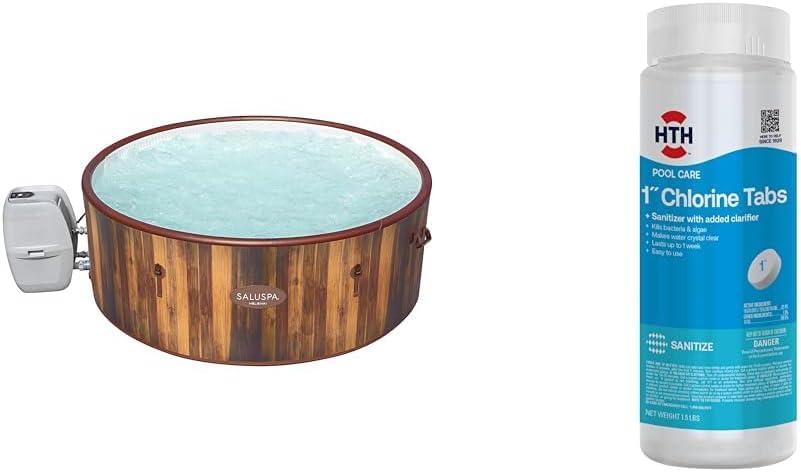
Fast-dissolving granules that act as both a sanitizer and a shock. Perfect for heavy-use tubs.
Check Price on AmazonBromine: The Stable Specialist
Bromine is chlorine’s heavier, slower cousin. Instead of just oxidizing, it ionizes contaminants. Here is the magic part: when bromine attacks bacteria, it produces bromamines. Unlike chloramines, bromamines are still active sanitizers and they don’t smell nearly as bad.
Because bromine is more stable at high temperatures, it is often considered the superior choice for hot tubs, whereas chlorine is king for swimming pools.
Pros of Bromine
- Heat Stability: Stays active longer in 100°F+ water.
- Reactivation: You can “reactivate” dormant bromine by shocking the tub, saving money long-term. Refer to our guide on how often to shock a hot tub for the right schedule.
- pH Forgiveness: Works effectively across a wider pH range (7.0–8.0) than chlorine.

Slow-dissolving tablets that fit in your floater. Provides a steady, low-maintenance release of sanitizer.
Check Price on AmazonComparison Matrix
| Feature | Chlorine | Bromine |
|---|---|---|
| Application Type | Granules (Manual Dosing) | Tablets (Floater) |
| Cost | $ (Cheaper) | $$ (More Expensive) |
| Smell | Strong (Chemical) | Medicinal / Musty |
| Skin Feel | Can be harsh/drying | Softer, gentler |
| UV Resistance | High (Stabilized) | Low (Burns off in sun) |
| Best For | Outdoor / Heavy Load | Indoor / Sensitive Skin |
Skin Sensitivity & Smell
If you or your family members have sensitive skin, Bromine is the winner. Chlorine is a harsh oxidizer that can strip natural oils from the skin, leading to “hot tub itch” or dry patches.
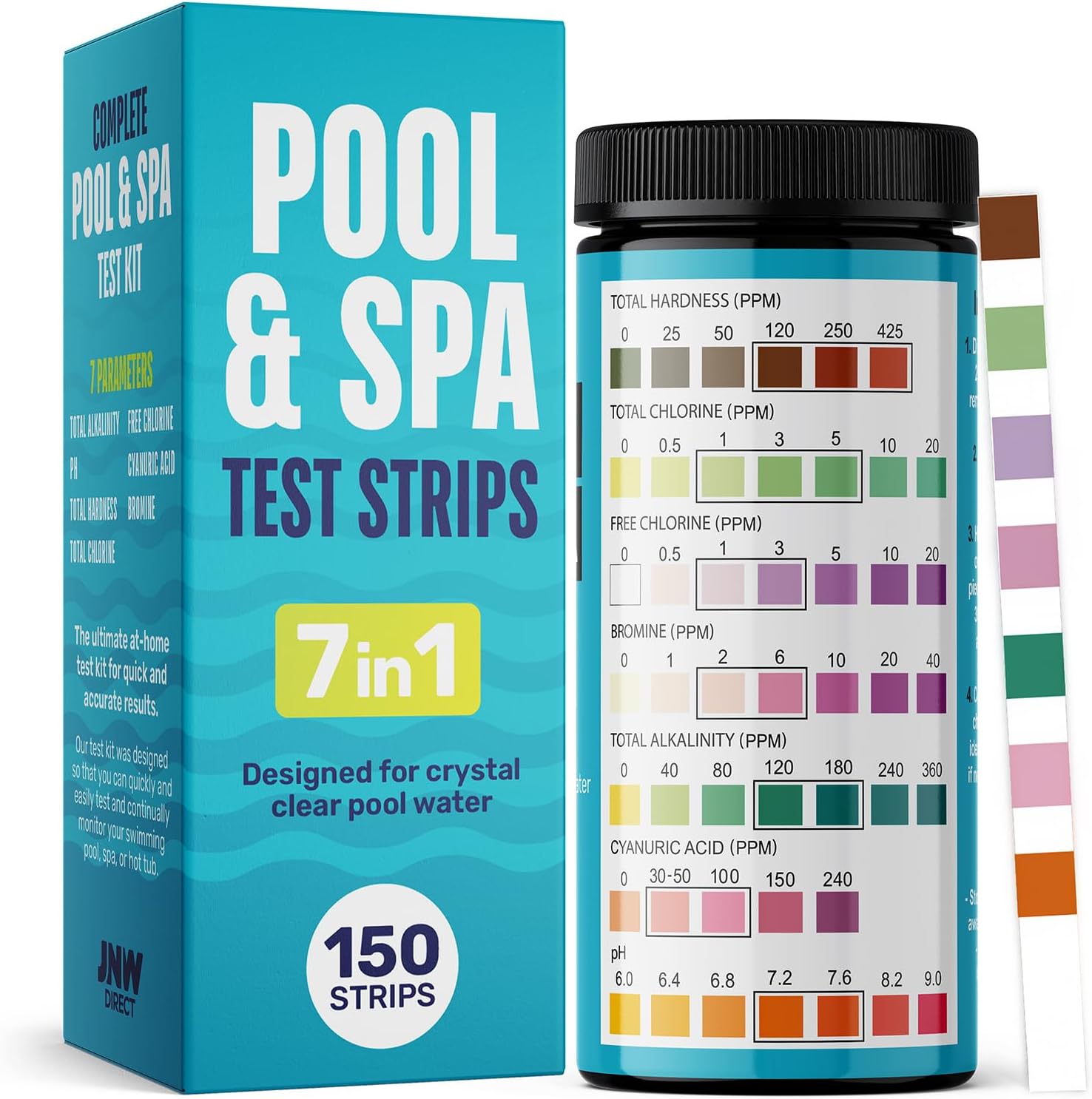
However, there is a trade-off. Bromine can be harder to wash off. Some users report a lingering chemical smell on their skin after a soak that requires a good shower to remove. Regular testing is vital to keep levels from getting too high—check our reviews of the best digital hot tub water testers to keep your levels precise.
Cost & Efficiency
Upfront, chlorine is cheaper. A bucket of granules costs less than a bucket of bromine tabs. However, because bromine can be reactivated and stays stable in hot water longer, you might end up using less of it over time if you maintain your tub perfectly.
For most casual users, chlorine will be the more budget-friendly option. For daily users who want a “set it and forget it” floater system, the extra cost of bromine is worth the convenience.
Final Verdict: Which Should You Buy?
Choose Chlorine If:
- Your hot tub is outdoors and uncovered often (UV sunlight protection needed).
- You have heavy bather loads (lots of parties/kids) and need fast sanitization.
- You are on a strict budget.
Choose Bromine If:
- You have sensitive skin or hate the smell of chlorine.
- Your hot tub is indoors (bromine has less odor).
- You prefer using a floater (tablets) rather than adding granules daily.
- You want to avoid biofilm buildup (bromine penetrates biofilm better than chlorine).
No matter which you choose, consistent inflatable hot tub maintenance is the real secret to clear water.
Frequently Asked Questions
Technically yes, but it’s risky. You can switch from chlorine to bromine because bromine “dominates” chlorine. However, you absolutely CANNOT switch from Bromine to Chlorine without draining and flushing the lines. Once a tub is a bromine tub, it stays a bromine tub until drained.
No. Chlorine has a sharp, bleach-like odor (especially when dirty). Bromine has a softer, more medicinal or “musty” smell. Most people find bromine less offensive to the nose.
Both work well, but chlorine granules are often preferred for inflatables because tablet floaters (bromine) can sometimes rest against the soft vinyl walls and cause bleaching or damage.
Neither chemical is “safe” for pets to drink or swim in. However, bromine is slightly harder for animals to metabolize if ingested. Keep pets out of the hot tub regardless of the sanitizer used.