Are Hot Tubs Heated by Gas or Electric? The Definitive Guide
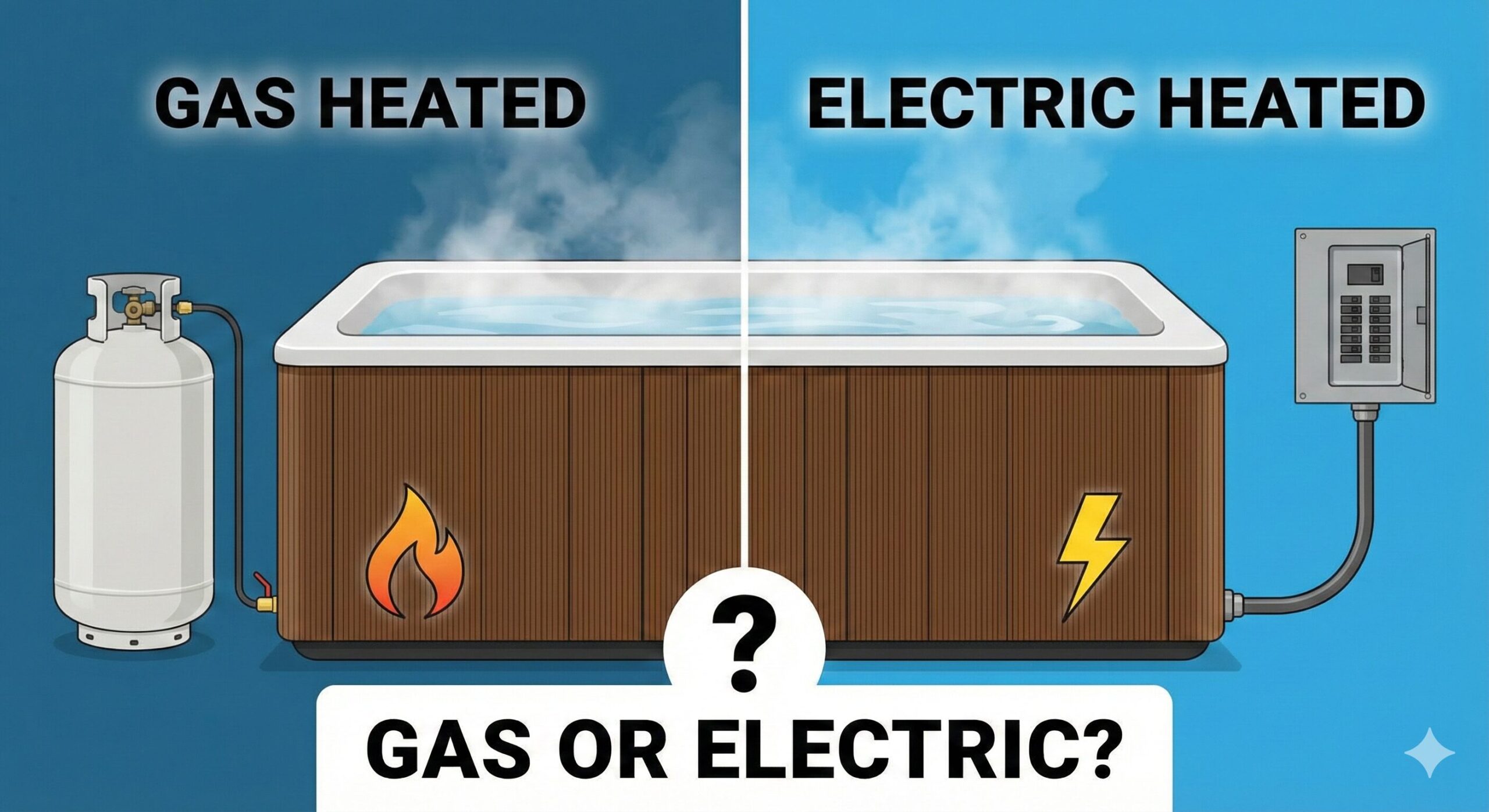
When you envision owning a hot tub, you likely picture the relaxation, the hydrotherapy, and the social gatherings. What you might not picture immediately is the utility bill or the mechanics behind the heat. A common question for prospective buyers is: Are hot tubs heated by gas or electric?
The short answer is both exist, but they serve very different purposes.
In the modern market, the vast majority of portable spas (including hard-shell and inflatable models) are electric. They are designed for “plug-and-play” convenience or straightforward hardwiring. Gas heaters (using natural gas or propane) are typically reserved for in-ground spas attached to swimming pools or custom permanent installations.
Choosing between the two involves balancing installation costs, heating speed, and monthly efficiency. In this guide, we will break down the mechanics of both systems, compare their running costs, and helping you decide which heating method fits your lifestyle.
Electric Hot Tubs: The Modern Standard
If you walk into a showroom or buy a spa online, you are almost certainly looking at an electric hot tub. These units use a resistance heater—similar to the element in your kettle or electric oven—to warm the water as it circulates through the pump system.
How Electric Heating Works
Water is drawn from the tub, pushed through a filter, passed over a metal heating element (usually 1kW to 5.5kW), and returned to the tub. This process is slow and steady. Because electricity powers the pumps, lights, and control panel, it makes sense for the heater to be electric as well.
There are two main categories of electric supply for these tubs:
- 110v (Plug-and-Play): These plug into a standard wall outlet. They are convenient but limited in power. We discuss this in depth in our article are 110v hot tubs any good?.
- 220v (Hardwired): These require an electrician to install a dedicated circuit. They heat faster and can run high-powered jets and the heater simultaneously.
The “Inflatable” Factor
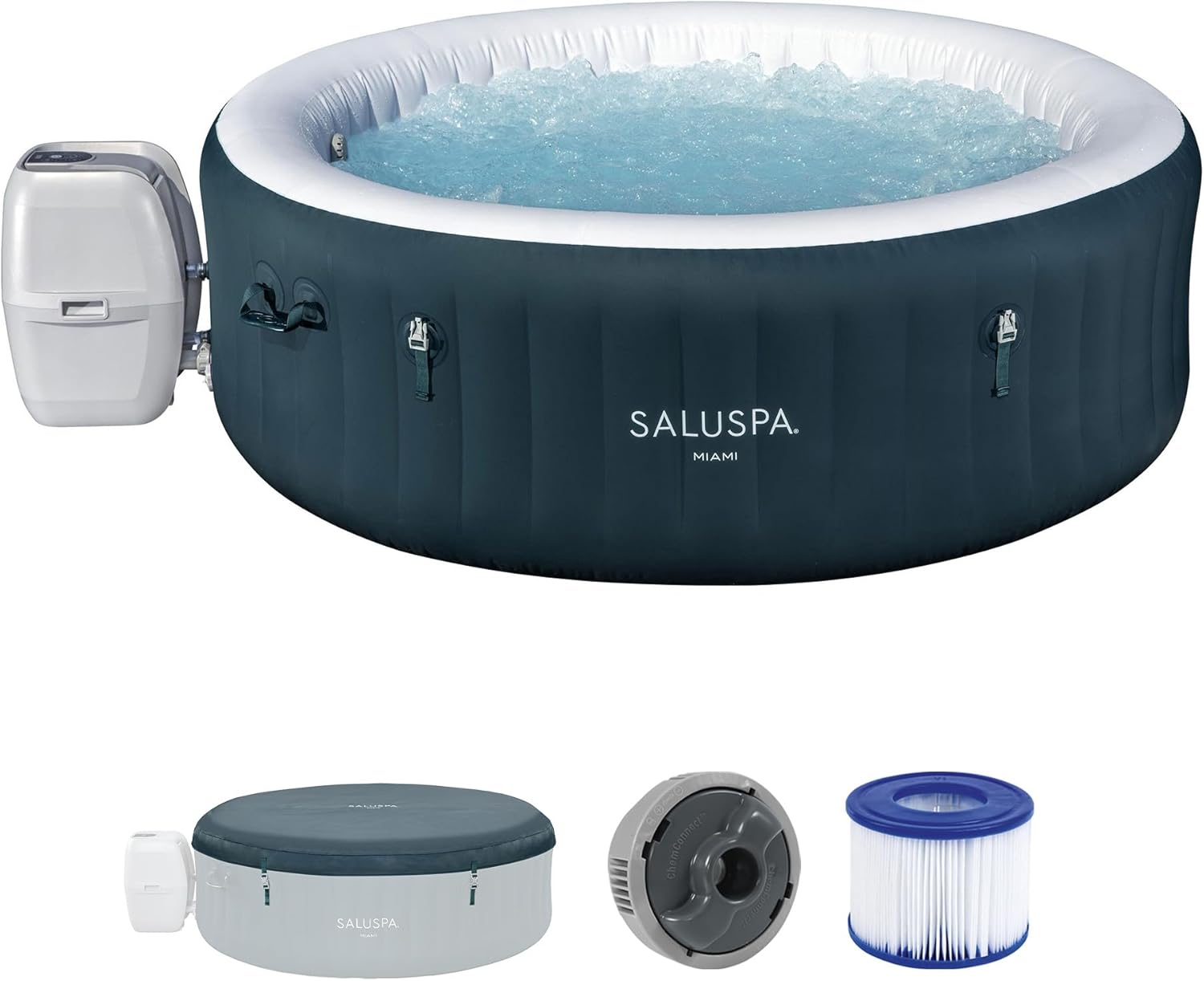
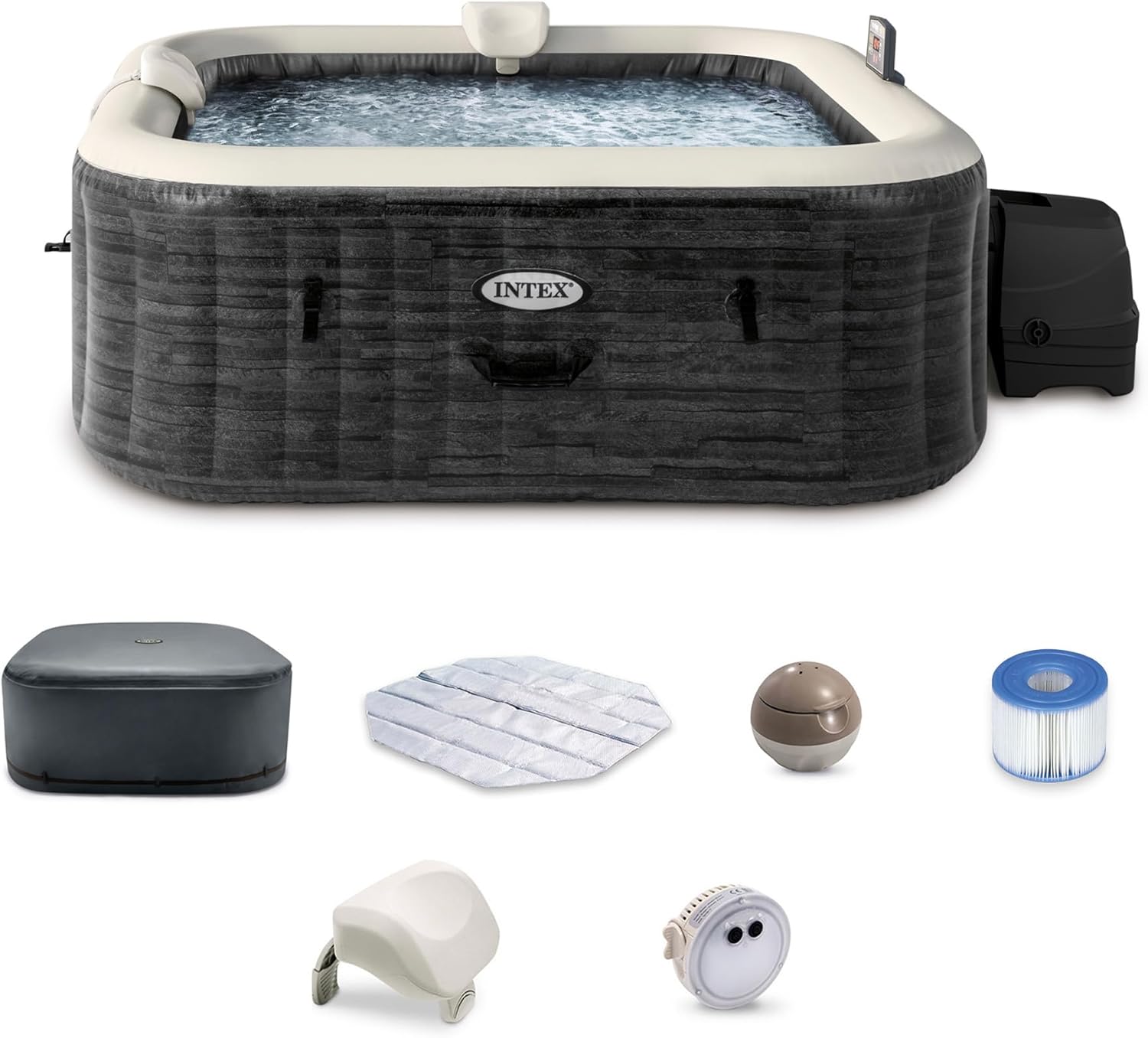
If you are looking at inflatable models, you do not have a choice. All inflatable hot tubs are electric. Whether you choose a Coleman or an Intex, they utilize a compact external pump unit that plugs into a standard outlet. For a deeper look at how these specific units function, read how does an inflatable hot tub work.

Top Rated Electric Inflatable: Intex PureSpa
Reliable electric heating with Fiber-Tech construction for durability.
Check Price on AmazonGas Hot Tubs: The Speed Demons
Gas hot tubs burn either natural gas (piped from your home) or liquid propane (from a tank) to heat a combustion chamber. Copper coils carrying the spa water wrap around this chamber, transferring heat rapidly.
When is Gas Used?
You will rarely find a portable gas hot tub. Gas heaters are bulky, require exhaust venting, and need gas lines. Therefore, they are almost exclusively found in:
- In-ground concrete spas (often connected to a pool system).
- Custom-built wooden hot tubs.
- Remote locations where electricity is scarce but propane tanks are available.
The Speed Advantage
The primary selling point of gas is speed. An electric heater might raise the temperature by 1–3°F per hour. A gas heater can raise it by 1-2°F per minute. This makes gas ideal for people who don’t want to keep their tub hot 24/7 but want to heat it up spontaneously for a Friday night soak.
Head-to-Head: Gas vs. Electric
Let’s compare the two methods across the most critical categories.
| Feature | Electric Heat | Gas Heat (Natural/Propane) |
|---|---|---|
| Upfront Cost | Low (Included in spa price) | High (Heater + Gas Lines + Venting) |
| Installation | Easy (Plug in or Wire) | Complex (Plumber required) |
| Heating Speed | Slow (1-5°F per hour) | Fast (15-30°F per hour) |
| Maintenance | Low (Heating element replacement) | Moderate (Burner cleaning/Ignition) |
| Efficiency | 100% efficient (energy to heat) | 80-95% efficient (some heat lost) |
| Best For | Maintaining constant temp | Occasional, rapid use |
Running Costs: Which is Cheaper?
This is where it gets tricky. The answer depends entirely on your local utility rates.
Electric Costs
Electric heaters are 100% efficient, meaning every kilowatt of electricity purchased turns into heat. However, electricity is generally more expensive per unit of energy than natural gas. If you keep your electric tub running 24/7 (which is recommended for efficiency), monthly costs can range from $20 to $100 depending on insulation and climate.
For a detailed breakdown of electric consumption, specifically for portable models, check our guide: Do inflatable hot tubs use a lot of electricity?
Gas Costs
Natural gas is often cheaper than electricity for the same amount of thermal energy. However, gas heaters are not 100% efficient; some heat escapes through the exhaust flue. Despite this, heating a large volume of water from cold to hot is usually cheaper with gas.
The Verdict on Cost:
- If you keep the tub hot all the time: Electric is usually more cost-effective because maintaining temperature requires low, steady energy input.
- If you use the tub once a week and heat it from cold: Gas is cheaper and significantly faster.
Pros and Cons Comparison
⚡ Electric: The Pros
- Standard for 99% of portable spas.
- No complex plumbing or gas lines needed.
- Silent operation.
- Maintains steady temperature efficiently.
- Cheaper upfront purchase price.
⚡ Electric: The Cons
- Very slow to heat up (can take 24 hours to fill and heat).
- Monthly bills can spike in winter.
- Depending on amps, heater may turn off when jets are on (see how many amps a hot tub uses).
🔥 Gas: The Pros
- Incredibly fast heating speed.
- Often lower operational cost per BTU.
- Heats effectively regardless of outside temperature.
- Great for large in-ground pools/spas.
🔥 Gas: The Cons
- Expensive and complex installation.
- Requires ventilation (cannot be indoors easily).
- More mechanical parts to fail (igniters, valves).
- Not portable.

Save Money Regardless of Fuel Type
Whether gas or electric, heat loss is the enemy. Use a thermal blanket to cut costs.
Check Price on AmazonThe Winter Factor: Why It Matters
If you live in a cold climate, the heating method becomes critical. In freezing temperatures, electric heaters (especially 110v plug-and-play models) can struggle to maintain temperature while the tub is in use. The cold air cools the water faster than the small electric element can heat it.
If you plan to do serious winter soaking, you need to ensure your electric tub is well-insulated. If you are using an inflatable, you must check out our list of the best inflatable hot tubs for winter which feature Freeze Shield technology.
Gas heaters have no such issue. Their immense power output can keep a tub boiling hot even in the middle of a blizzard. However, for most users, simply upgrading their electric tub’s insulation with high-quality covers and thermal hot tub pads is sufficient.
A Note on Inflatable Hot Tubs
Since many of our readers are interested in portable options like the Coleman SaluSpa or the Intex PureSpa, it is important to reiterate: You cannot convert these to gas.
The control units on inflatable tubs are integrated systems containing the pump, blower, and electric heater in one housing. They are designed for simplicity. Attempting to rig a propane heater to these vinyl tubs is dangerous and will melt the liner.
If you want the portability of an inflatable but are worried about the electric bill, your best strategy is maintenance efficiency:
- Clean your filters regularly (see guide).
- Keep the chemical balance in check to prevent scale buildup on the heater.
- Use scum absorbers to keep the lines clean.
Frequently Asked Questions
Generally, no. Portable hot tubs are engineered with internal plumbing and control systems specific to electric heating. You would need to bypass the internal system and plumb in an external gas heater, which voids warranties and requires professional modification.
Natural gas is usually cheaper and more convenient since it is piped directly to your house (no tanks to refill). Propane burns hotter but requires tank refills and is generally more expensive than natural gas.
Yes. Even though the heat comes from gas, you still need electricity to run the pumps, the control panel, the lights, and the ignition system for the gas burner.
Electric tubs are slow. A 110v tub heats at roughly 1-2°F per hour. A 220v tub heats at 3-6°F per hour. Gas heaters can exceed 20°F per hour.
Yes, modern electric tubs are equipped with GFCI (Ground Fault Circuit Interrupter) plugs that cut power instantly if a fault is detected. Read more on hot tub safety here.
Final Verdict: Which Should You Choose?
So, are hot tubs heated by gas or electric? The market has spoken, and for 95% of residential users, the answer is electric.
Choose Electric If:
- You want a portable or inflatable spa.
- You plan to use the hot tub regularly (3-4 times a week).
- You want a quiet, low-maintenance system.
- You want an easy, plug-and-play installation.
Choose Gas If:
- You are building a custom in-ground spa.
- You only plan to use the tub occasionally and want to heat it up fast.
- You have extremely cheap natural gas rates in your area.
- You live in a region with frequent power outages but want to keep the water warm (though pumps still need power).
For most of our readers looking for the best backyard experience with minimal construction headaches, a high-quality electric model is the way to go. Just make sure to insulate it well!
Ready to Relax?
Don’t overcomplicate it. Check out the best electric plug-and-play spas of the year.
See Our Top Picks for 2025