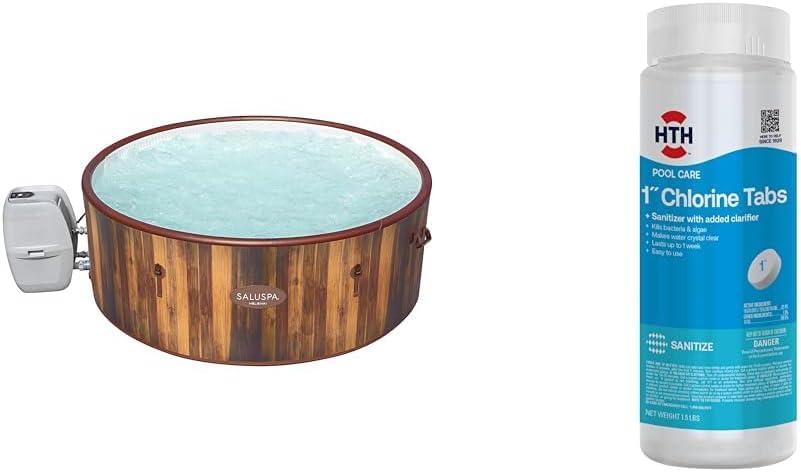
When is the Best Time to Buy a Hot Tub? (Inflatable & Acrylic Guide)

Buying a hot tub is a significant investment, whether you are dropping $500 on an inflatable Coleman SaluSpa or $10,000 on a permanent Jacuzzi. Like cars and winter coats, the hot tub industry revolves around a strict seasonal cycle.
Timing your purchase correctly can save you hundreds, if not thousands, of dollars. Conversely, buying at the peak of the season means paying full MSRP and waiting months for delivery.
The absolute best time to buy a hot tub is late Fall to early Winter (October – December). Dealers are desperate to clear current-year inventory before the new models arrive.
For Inflatable Hot Tubs on Amazon, the best prices are typically found during Prime Day (July) and Black Friday (November).
1. The Hot Tub Deal Heatmap
This visual guide breaks down the price trends month-by-month based on industry data.
High
High
High
Avg
Sale?
Peak
Peak
Avg
Good
Great
Best
Great
2. Why Winter is the “Golden Season” for Buyers
It seems counterintuitive, right? Hot tubs are made for winter usage. Why would they be cheaper?
According to Jacuzzi, dealerships operate on a calendar year. By November, they have “floor models” taking up space that they need for next year’s stock. They are willing to negotiate aggressively to move that inventory.
Additionally, most consumers are focused on holiday spending, not hot tub purchases. This creates a demand vacuum that savvy buyers can exploit. Dealerships still have to pay floorplan financing costs on inventory sitting on their lots. Every month a tub remains unsold costs them money in interest payments to their lenders. By late fall, they’re motivated to cut deals rather than carry that inventory through the slow winter months.
The new model year typically begins arriving in January, which means November and December represent the final opportunity to clear out the previous year’s models. These are not outdated products by any means—they are brand new, warrantied units that simply carry last year’s model designation. The differences between model years are often cosmetic, making these clearance units exceptional values.
2.1 Dealer Floorplan Financing Pressure
Understanding how dealerships finance their inventory is key to understanding why November is the magic month. Most dealers use what’s called “floorplan financing” where a lender provides a line of credit specifically for inventory. The dealer pays interest on each unit sitting on their floor. After 6-9 months, that interest can eat significantly into their profit margin. By November, units that arrived in spring have accumulated substantial carrying costs. The dealer’s choice becomes simple: sell at a discount or continue losing money on a unit that won’t move until next spring.
This financing pressure doesn’t exist in the same way for online retailers selling inflatable tubs, but warehouse storage costs create a similar dynamic. Amazon and other major retailers don’t want to store large, bulky boxes through the winter months. Storage space is at a premium during the holiday season when they need room for smaller, higher-volume gift items. This is why inflatable hot tub deals appear so consistently in November.
2.2 End-of-Year Manufacturer Incentives
Manufacturers like Jacuzzi, Hot Spring, Caldera, and Sundance offer dealers year-end rebates and incentives to boost their annual sales numbers. These manufacturer-to-dealer incentives often get passed along to consumers in the form of deeper discounts. A dealer might be willing to sell a tub at near-cost in December if hitting a certain volume target unlocks a substantial manufacturer bonus. This creates a win-win situation where the buyer gets an exceptional deal and the dealer achieves their annual goals.
3. The Inflatable Hot Tub Exception
If you are looking for a blow-up hot tub, the rules are slightly different. These are retail products, not dealership negotiations.
- Spring (April-May): Prices spike as people prep their backyards. Avoid buying now.
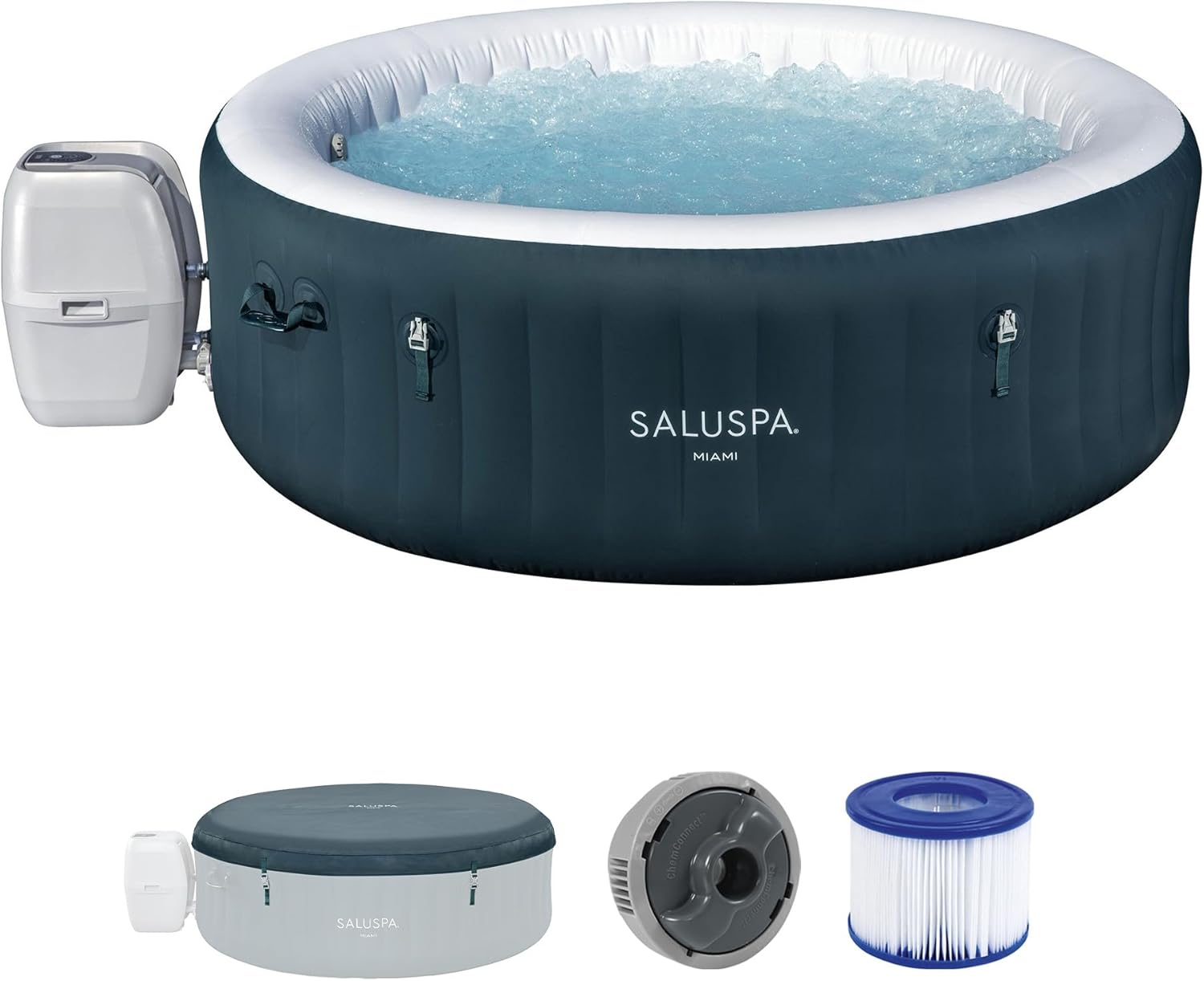
- Prime Day (July): Amazon often discounts older models like the Bestway SaluSpa Miami to make room for summer inventory.
- Black Friday (November): This is the absolute bottom dollar for inflatables. Retailers do not want to store big boxes in warehouses over the winter.
3.1 Understanding Inflatable Hot Tub Pricing Cycles
Inflatable hot tubs follow a predictable pricing pattern driven by retail inventory management rather than dealer negotiations. The typical price fluctuation for a popular model like the Coleman SaluSpa can range from $350 at its lowest to $600+ at peak season. That’s a potential savings of over 40% simply by waiting for the right moment.
Amazon’s algorithm also plays a role. When demand drops in late summer and early fall, the automated pricing system gradually reduces prices to stimulate sales. By monitoring price tracking tools like CamelCamelCamel or Keepa, you can set alerts for your target models and jump on deals the moment they appear. Historical data shows that the lowest prices consistently appear in the October-November window, with secondary dips during Amazon Prime Day in July.
3.2 Warehouse Storage Economics
The physical dimensions of an inflatable hot tub box are substantial—typically 24″ x 24″ x 28″ and weighing 60-80 pounds. In a warehouse where every cubic foot matters, these boxes represent significant space commitments. During the holiday shopping season, retailers prioritize smaller items that can be shipped efficiently and have higher turnover rates. The result is aggressive discounting on bulky items to clear warehouse space. This is why you’ll often see “Lightning Deals” on inflatable hot tubs in November—Amazon wants them gone.

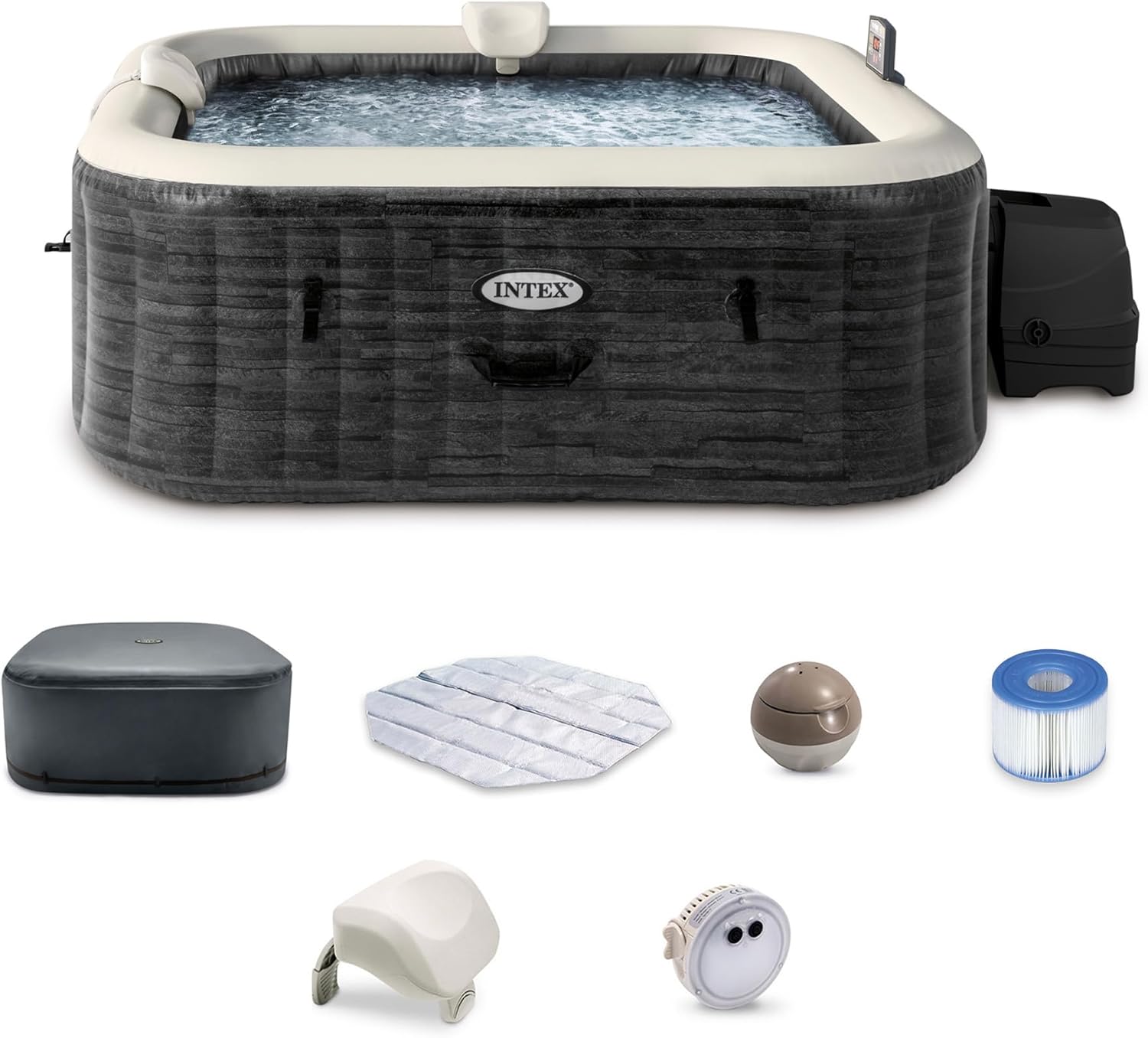
Intex PureSpa Greywood Deluxe (4 Person)
If you are waiting for a sale, keep an eye on this model. It offers the best balance of durability and features. Buying it in the “off-season” can save you up to 30%.
Check Price on AmazonCompare: Intex vs Coleman – Which is Better?
4. The Hidden Costs of Buying Used
In the Spring, you will see Craigslist flooded with used tubs. “Free hot tub, you haul it!” sounds great, but it is often a trap.
Moving a hard-shell tub costs $300-$500 in professional movers. Furthermore, used tubs often sit empty, leading to dry-rot in the seals and hidden biofilm issues in the pipes.
If you are on a budget, buying a new inflatable tub is often safer than a used hard-shell tub.
4.1 The True Cost of “Free” Hot Tubs
When someone offers a “free” hot tub, they’re essentially transferring their disposal problem to you. The costs you’ll face include professional moving services (typically $300-500 for a standard 7′ x 7′ tub), electrical work ($500-2,000 depending on your home’s electrical panel and distance to the installation site), a new cover ($300-700), and potential repairs that could range from $200 for a simple heater element to $2,000+ for a complete control system replacement.
Additionally, hot tub shells can develop hidden cracks or delamination when left empty and exposed to freeze-thaw cycles. What appears to be a minor cosmetic issue could be a structural problem requiring thousands in repairs. The plumbing lines can also harbor bacteria, mold, and biofilm that are extremely difficult to fully eradicate without professional-grade cleaning equipment.
- Has been empty for more than 2 weeks
- Visible cracks, blisters, or delamination on the shell
- Musty or foul odors from the jets
- Missing or damaged cover
- No maintenance records available
- Original owner can’t demonstrate it running
4.2 Questions to Ask When Buying Used
If you decide to pursue a used hot tub despite the risks, come prepared with specific questions. Ask about the age of the unit, whether it’s been drained and refilled regularly, if it has been winterized properly during periods of non-use, and request maintenance records. A well-maintained hot tub from a meticulous owner can be a genuine bargain. Ask to see it filled and running—never buy a used hot tub you cannot see in operation. Check the control panel for error codes, verify that all jets are functioning, and inspect the cover for water absorption (a heavy, waterlogged cover is inefficient and needs replacement).
5. Don’t Forget the “Setup” Costs
When budgeting for the best time to buy, remember that the sticker price is not the final price. You need to budget for accessories immediately.
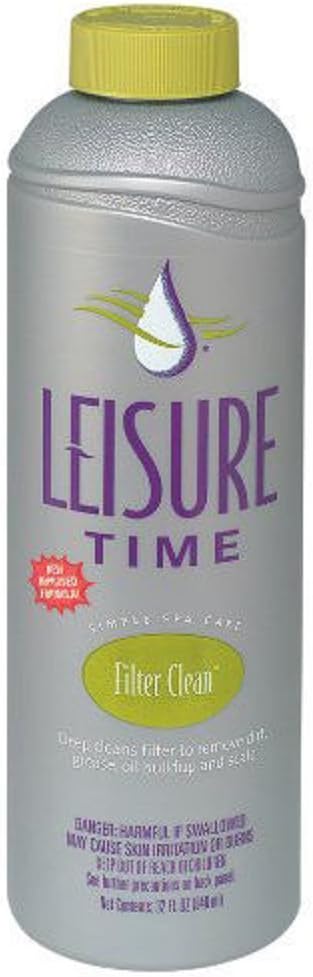
- Chemicals: You need a starter kit immediately. Read our cleaning guide here.
- Energy: Winter usage costs more. Check electricity costs here.
- Filtration: Filters need replacing monthly.
5.1 Complete Setup Cost Breakdown
Let’s break down every cost you’ll encounter when setting up a hot tub, whether inflatable or permanent. This comprehensive breakdown will help you budget accurately and avoid unpleasant surprises.
| Cost Category | Inflatable Hot Tub | Acrylic Hard-Shell | Notes |
|---|---|---|---|
| Base Unit | $350 – $800 | $4,000 – $18,000+ | Varies by size, brand, features |
| Delivery/Shipping | Usually free (Prime) | $300 – $800 | May require crane for tight access |
| Foundation/Base | $50 – $200 | $500 – $3,000 | Concrete pad, deck reinforcement, or spa pad |
| Electrical Work | $0 – $200 | $800 – $2,500 | Standard outlet vs. dedicated 240V circuit |
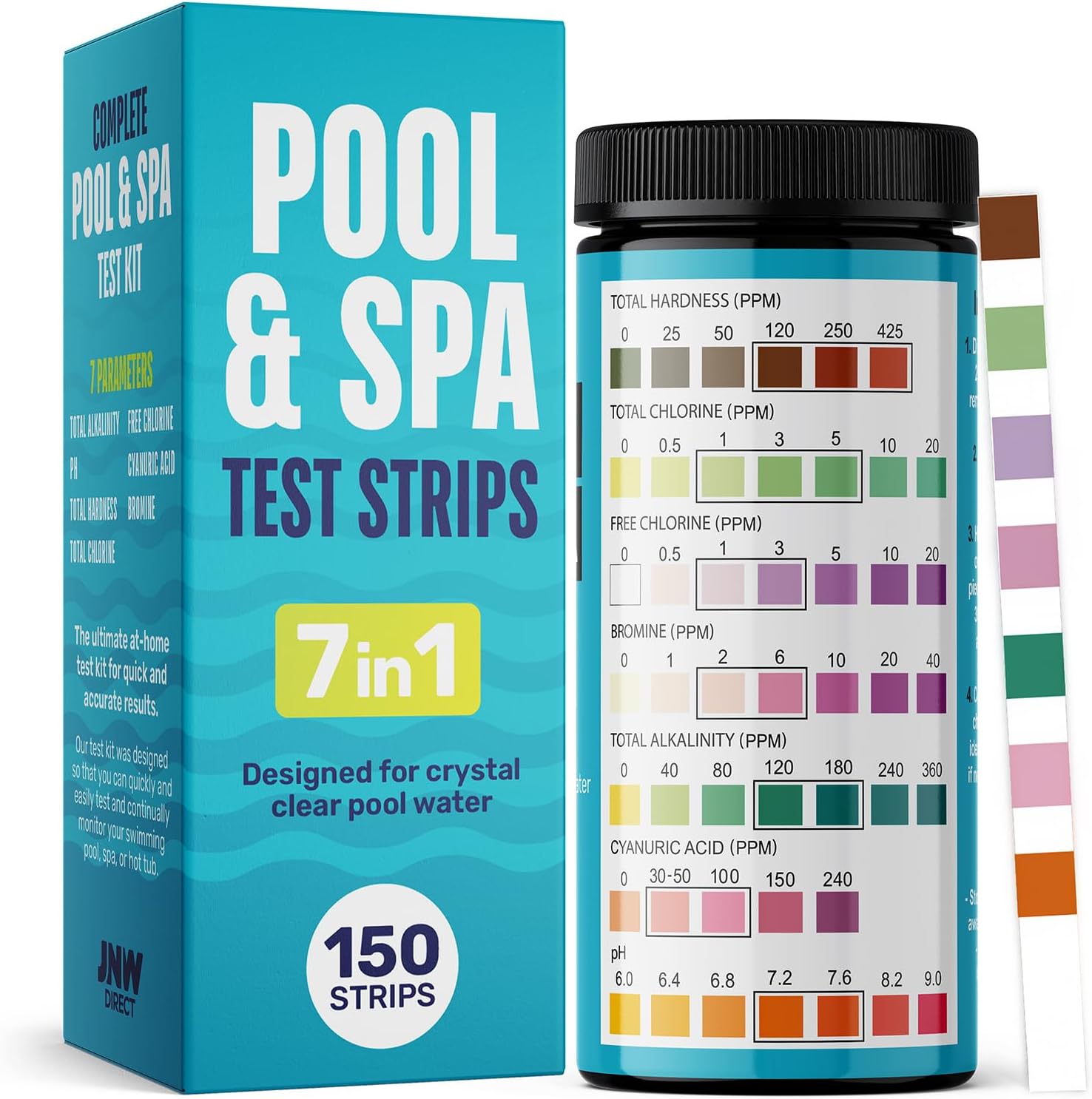
| Chemical Starter Kit | $50 – $100 | $100 – $200 | Chlorine/bromine, pH balancers, test strips |
| Cover | Usually included | $300 – $700 | Often included but check before purchase |
| Steps | $30 – $80 | $100 – $400 | Safety essential for entry/exit |
| Filters (1 year supply) | $60 – $120 | $100 – $250 | Replace every 4-8 weeks |
| Total Estimated Setup | $540 – $1,500 | $6,200 – $25,950 | Plan for the upper range |
5.2 Foundation Requirements: What Goes Under Your Hot Tub
The foundation is arguably the most overlooked aspect of hot tub installation. A standard 6-person acrylic hot tub filled with water weighs approximately 4,500-5,500 pounds. That’s the weight of a mid-size car concentrated in a 7′ x 7′ area. Your foundation must be able to support this weight consistently and remain level.
A reinforced concrete pad is the gold standard. It should be at least 4 inches thick, poured on level, compacted ground, and should extend at least 6 inches beyond the dimensions of your hot tub on all sides. Expect to pay $500-1,200 for a professionally poured pad, depending on your location and the pad size.
For inflatable hot tubs, the requirements are less stringent but still important. A level surface is critical—even a slight incline can cause uneven water distribution, stressing the inflatable walls and creating an uncomfortable seating experience. Interlocking foam gym mats provide insulation from cold ground and a smooth surface, costing around $30-50 for a 6′ x 6′ area. Dedicated spa pads made from recycled plastic are also an excellent, permeable option at $100-200.
Place a standard marble or ball bearing on your intended hot tub location. If it rolls, your surface isn’t level enough. A hot tub should be level within 1/4 inch over the entire footprint. Use a 4-foot carpenter’s level to verify.
6. Electrical Requirements: What You Must Know Before Buying
Electrical considerations often catch first-time buyers off guard. The difference between plug-and-play convenience and hardwired permanence significantly impacts both your purchase decision and total cost.
6.1 110V vs. 240V: The Critical Distinction
Most inflatable hot tubs and some smaller acrylic “plug-and-play” models operate on standard 110V household current. This means you can plug them into a regular outdoor GFCI outlet and start heating immediately. However, 110V systems cannot heat the water and run the jets simultaneously at full power. When you turn on the jets, the heater typically shuts off, causing the water temperature to drop gradually during extended use, particularly in cold weather.
Full-size acrylic hot tubs require a dedicated 240V circuit with a GFCI disconnect box installed within sight of the tub (typically 5-15 feet away, but not closer than 5 feet). This electrical work must be performed by a licensed electrician and requires a permit in most jurisdictions. The cost ranges from $800 to $2,500 depending on the distance from your electrical panel to the hot tub location, the difficulty of running the conduit (through finished walls, underground, etc.), and local labor rates.
| Feature | 110V Plug-and-Play | 240V Hardwired |
|---|---|---|
| Heating Speed | 1-2°F per hour | 4-8°F per hour |
| Heat + Jets Simultaneously | Usually no | Yes |
| Monthly Operating Cost | $20-$50 | $30-$80 |
| Cold Weather Performance | Struggles below 40°F | Reliable in all temperatures |
| Installation Complexity | Minimal (existing outlet) | Requires licensed electrician |
6.2 GFCI Safety Requirements
Ground Fault Circuit Interrupter (GFCI) protection is non-negotiable for hot tub safety. These devices monitor the electrical current flowing through the circuit and shut off power within milliseconds if they detect a ground fault—a situation where electricity is escaping to ground, potentially through a person in the water. The National Electrical Code requires GFCI protection for all hot tub installations, whether 110V or 240V. For 110V inflatable tubs, ensure your outdoor outlet is GFCI-protected. For 240V installations, your electrician will install a dedicated GFCI disconnect box, typically a 50-amp or 60-amp model depending on your tub’s specifications.
7. Types of Hot Tubs: A Comprehensive Comparison
The hot tub market has expanded dramatically, offering options across the full spectrum of budget, permanence, and features. Understanding the distinct categories helps you choose the right type for your needs before focusing on timing your purchase.
Inflatable Hot Tubs
- Lifespan: 2-5 years
- Setup: 1-2 hours, DIY
- Portability: Excellent
- Jet Quality: Bubble jets only
- Seating: Floor seating, no contoured seats
- Best For: Renters, budget buyers, first-time owners
Roto-Molded Plug-and-Play
- Lifespan: 8-12 years
- Setup: Plug into 110V outlet
- Portability: Possible with effort
- Jet Quality: Good hydrotherapy jets
- Seating: Contoured seats
- Best For: DIY homeowners, small spaces
Acrylic Premium Spas
- Lifespan: 15-20+ years
- Setup: Professional installation required
- Portability: Permanent installation
- Jet Quality: Premium hydrotherapy, adjustable
- Seating: Ergonomic loungers and seats
- Best For: Long-term homeowners, luxury buyers
7.1 Material Deep-Dive: What Your Hot Tub Is Made Of
The material composition of your hot tub directly affects durability, insulation, comfort, and maintenance requirements. Acrylic shells are formed by heating and vacuum-forming a sheet of acrylic over a mold, then reinforced with fiberglass for structural strength. This creates a non-porous surface that resists staining, scratching, and chemical damage. The color goes all the way through the acrylic layer, meaning minor scratches are less visible and can be buffed out.
Roto-molded (rotational molding) tubs are made from polyethylene—essentially high-grade plastic—formed by rotating a mold filled with plastic powder in an oven until it melts and coats the interior evenly. The result is a durable, weather-resistant shell at a fraction of the cost of acrylic. However, the surface is more prone to scratching, and color options are limited.
Inflatable hot tubs use laminated PVC or triple-ply reinforced vinyl. The best models feature a drop-stitch construction similar to inflatable stand-up paddleboards, where thousands of threads connect the inner and outer layers, creating exceptional rigidity when inflated. The walls are typically 2-3 inches thick when inflated, providing decent insulation but nothing compared to the full foam insulation of premium acrylic spas.
8. The Dealer Negotiation Playbook: How to Get the Best Price on an Acrylic Hot Tub
Walking into a hot tub dealership without a strategy is like going to a car dealership without researching the invoice price. You will pay more than necessary. Use these proven negotiation tactics to secure the best possible deal.
8.1 Timing Your Visit Strategically
Visit the dealership on the last day of the month, preferably in October, November, or December. Salespeople and dealerships have monthly, quarterly, and annual sales targets. Showing up when they are most motivated to close a deal gives you significant leverage. Similarly, visiting during inclement weather—rain, snow, extreme cold—works in your favor. Fewer customers means more attention and motivation to make a sale.
8.2 The Floor Model Advantage
Floor models represent the best opportunity for deep discounts. These tubs have been sat in, touched, and demonstrated countless times but have never held water. They have minor cosmetic wear at worst and carry the full manufacturer warranty. Ask specifically: “Do you have any floor models or last year’s inventory you’re looking to move?” Dealers are often eager to sell floor models before new inventory arrives, and the discounts can range from 15-30% off MSRP.
8.3 What to Negotiate Beyond the Price Tag
If the dealer won’t budge on the sticker price—and sometimes manufacturer agreements restrict advertised discounts—shift your negotiation to value-added items that cost the dealer little but provide significant value to you:
- Delivery and installation: Save $300-800 by getting this included
- Chemical starter kit: A $100-200 value that costs the dealer much less
- Upgraded cover: Negotiate a thicker, higher-R-value cover
- Steps: Often thrown in to close a deal
- Extended warranty: The most valuable add-on you can negotiate
- Free first service call: Ensures your tub is properly set up
8.4 The Multi-Dealer Quote Strategy
Get quotes from at least three dealerships for the same or comparable models. Let each dealer know you’re shopping around, but don’t reveal the other dealers’ prices until you’ve received an initial quote. Once you have written quotes, politely share them with competing dealers and ask if they can beat the price. Be transparent and respectful—dealers understand this is how informed consumers shop, and most will engage competitively rather than dismissively.
“Is that really the best you can do? I’m ready to buy today if the numbers work.”
This phrase signals you’re a serious, qualified buyer—not a tire-kicker—and gives the salesperson a reason to go to their manager for final approval on a better deal.
9. Financing Options: Making Your Hot Tub Affordable
Hot tub dealers often offer financing through partnerships with lenders specializing in home improvement and leisure products. These options can make a premium acrylic spa attainable through monthly payments, but they require careful evaluation.
9.1 Dealer Financing: Promotional Rates and Pitfalls
Many dealers advertise “0% APR for 12-60 months” financing. These offers can be legitimate and valuable if you qualify and pay off the balance within the promotional period. However, read the fine print carefully. These are typically “deferred interest” loans—if any balance remains after the promotional period ends, you’ll be charged retroactive interest from the original purchase date at a much higher rate, often 25-30% APR. Set up automatic payments to ensure the balance is cleared well before the deadline.
9.2 Alternative Financing Sources
A home equity line of credit (HELOC) often offers lower interest rates than dealer financing, and the interest may be tax-deductible (consult your tax advisor). Personal loans from credit unions frequently beat dealer financing rates for borrowers with good credit. Some buyers use 0% APR credit card introductory offers, though these typically have shorter promotional periods of 12-18 months.
| Financing Option | Typical APR | Term Length | Best For |
|---|---|---|---|
| Dealer Promotional | 0% (promo) / 25-30% (standard) | 12-60 months | Disciplined payers who will clear the balance |
| HELOC | 7-12% | 5-15 years | Homeowners with equity, longer terms |
| Credit Union Personal Loan | 8-14% | 2-7 years | Good credit borrowers |
| 0% Credit Card Intro | 0% (promo) / 16-28% (standard) | 12-18 months | Short-term financing only |
| Cash/Check | N/A | Immediate | Best deal leverage, no interest cost |
10. Warranty Deep-Dive: What’s Actually Covered?
Hot tub warranties vary dramatically between manufacturers, models, and even between structural and component coverage. Understanding the fine print before purchase prevents expensive surprises down the road.
10.1 Typical Warranty Structure
Most premium acrylic hot tub manufacturers offer tiered warranties covering different components for different durations:
- Shell Structure: 7-10 years to lifetime (manufacturing defects, cracking, leaking from shell)
- Shell Surface: 1-5 years (blistering, delamination, fading)
- Equipment/Plumbing: 2-5 years (pumps, heaters, control systems, plumbing)
- Components/Electronics: 1-3 years (control panels, LED lights, stereos)
- Labor: Typically 1-2 years, sometimes not included at all
10.2 Warranty Red Flags
A lifetime warranty on the shell sounds impressive, but read carefully. Many “lifetime” warranties are prorated after a certain number of years, meaning you pay an increasing percentage of the replacement cost as time passes. Some warranties are voided if the hot tub is used commercially (including short-term rental properties like Airbnb), if non-OEM parts are used for repairs, or if water chemistry wasn’t properly maintained. Some manufacturers require that a dealer perform all maintenance and repairs, which can be problematic if you live far from an authorized service center or if the dealer goes out of business.
- Operating the tub without water (dry firing the heater)
- Using extension cords with 110V models
- Improper winterization leading to freeze damage
- Using unapproved chemicals or salt systems not designed for your model
- DIY electrical work not performed by a licensed electrician
- Moving the tub without professional assistance (for acrylic models)
11. Energy Efficiency: What It Costs to Run Your Hot Tub
The purchase price is just the beginning. Monthly operating costs vary significantly based on your tub’s insulation quality, your climate, electricity rates, and usage patterns. Understanding these costs prevents budget shock after your first full month of ownership.
11.1 Insulation Types and Their Impact
The insulation system is the single biggest factor in operating cost. Full-foam insulation surrounds the shell and plumbing with dense polyurethane foam, similar to a high-end refrigerator. This provides the best heat retention and lowest operating cost but makes repairs more difficult and expensive because the foam must be removed to access plumbing. Perimeter insulation insulates only the cabinet walls, leaving an air cavity around the shell. This approach is less effective but easier to service. Some manufacturers use a hybrid approach with multi-layer reflective barriers and targeted foam applications.
Inflatable hot tubs offer minimal insulation—typically just the air in the walls and a thin thermal cover. Expect higher operating costs with inflatables, particularly in cold weather. A floating thermal blanket (sold separately for most inflatables) can reduce heat loss by 40-60% and pay for itself within a few months of winter operation.
11.2 Estimated Monthly Operating Costs by Type and Climate
| Hot Tub Type | Mild Climate (40-60°F) | Cold Climate (20-40°F) | Very Cold (<20°F) |
|---|---|---|---|
| Inflatable (110V) | $20-$40/month | $50-$80/month | $80-$130/month |
| Roto-Molded (110V) | $25-$45/month | $40-$70/month | $60-$100/month |
| Acrylic – Full Foam (240V) | $15-$30/month | $25-$50/month | $40-$75/month |
| Acrylic – Perimeter (240V) | $25-$50/month | $45-$80/month | $70-$120/month |
Estimates based on average U.S. electricity rate of $0.14/kWh. Adjust for your local rates. Assumes 30 minutes of daily use with cover on when not in use.

Floating Thermal Blanket
If you buy your tub in the winter (the best time for prices), you will pay more in electricity. Offset that cost immediately by buying a thermal blanket to float on the water surface.
Check Price on AmazonRelated: Best Covers for Heat Retention
12. Water Care Chemistry: The Essential Primer
Proper water chemistry is the difference between a relaxing soak and a skin-irritating, equipment-damaging nightmare. Mastering the basics before your tub arrives ensures you start on the right foot.
12.1 The Core Parameters
Four primary factors must be balanced for safe, clear water. pH measures acidity/alkalinity and should be maintained between 7.2-7.8, with 7.4-7.6 being ideal. When pH drifts too high, chlorine becomes less effective and scale forms on surfaces and equipment. When pH drops too low, the water becomes corrosive, damaging metal components and causing eye and skin irritation.
Total Alkalinity acts as a pH buffer, preventing rapid pH swings. The target range is 80-120 ppm. Low alkalinity causes pH to bounce unpredictably; high alkalinity makes pH difficult to adjust. Calcium Hardness should be 150-250 ppm for acrylic tubs and 100-200 ppm for inflatables. Low calcium causes the water to leach minerals from your equipment (corrosive water). High calcium causes scale buildup on heaters and surfaces.
Sanitizer levels—whether chlorine (3-5 ppm) or bromine (3-5 ppm)—must be maintained consistently. Low sanitizer allows bacteria and algae to thrive. High sanitizer irritates skin and eyes, and can damage equipment and covers over time.
12.2 Chlorine vs. Bromine: Choosing Your Sanitizer
Chlorine is the most common hot tub sanitizer. It’s effective, affordable, and familiar to most pool owners. It works quickly to kill bacteria and oxidize contaminants but dissipates faster at hot tub temperatures (over 100°F), requiring more frequent testing and adjustment. The ideal form for hot tubs is dichlor granules, not the trichlor tablets used in pools, which are too acidic and dissolve too slowly.
Bromine is an alternative that many hot tub owners prefer. It remains stable at higher temperatures, is less affected by pH fluctuations, and produces fewer harsh odors than chlorine. However, it’s more expensive, degrades in direct sunlight (making it better suited for covered tubs), and requires a bromine starter or “bank” to establish initial levels. Some people with sensitive skin find bromine less irritating, though this varies by individual.
12.3 The Weekly Maintenance Routine
Consistent, simple maintenance prevents problems before they start. Test your water 2-3 times per week using test strips or a liquid test kit. Check pH, alkalinity, and sanitizer levels, adjusting as needed. Shock the water weekly—even if sanitizer levels appear adequate—to oxidize accumulated contaminants that sanitizer alone can’t handle. Non-chlorine shock (potassium monopersulfate) is ideal because it oxidizes contaminants without raising chlorine to uncomfortable levels, allowing you to soak sooner after treatment.
Clean or replace filters every 4-8 weeks depending on usage. Rinse filters with a garden hose between replacements to extend their life. Drain and refill your tub every 3-4 months for inflatables and every 4-6 months for acrylic spas. Water becomes saturated with dissolved solids over time, making chemistry increasingly difficult to balance regardless of how much you test and adjust.
13. Health Benefits and Safety Considerations
Beyond relaxation, hot tubs offer documented health benefits. Understanding these helps justify the investment and ensures you use your tub safely.
13.1 Documented Health Benefits
Hydrotherapy—the therapeutic use of water—has been studied extensively. Warm water immersion (100-104°F) increases blood circulation, which delivers oxygen and nutrients to tissues while removing metabolic waste products. This accelerated circulation can reduce muscle soreness after exercise, alleviate arthritis pain, and improve joint mobility. The buoyancy of water reduces body weight by approximately 90%, relieving pressure on joints and the spine. This makes hot tubs particularly beneficial for people with chronic back pain, fibromyalgia, or recovering from injuries.
The psychological benefits are equally significant. Regular hot tub use before bedtime has been shown to improve sleep quality. The body’s natural temperature drop after exiting warm water mimics the temperature decrease that occurs as part of the sleep cycle, helping you fall asleep faster and achieve deeper sleep. Stress reduction is another major benefit—the combination of warm water, massage jets, and quiet relaxation lowers cortisol levels and promotes a sense of well-being.
13.2 Safety Guidelines Everyone Should Follow
Hot tubs are safe when used responsibly, but certain precautions are essential. Limit soak time to 15-30 minutes at temperatures above 100°F. Prolonged exposure can lead to hyperthermia—dangerous elevation of core body temperature—with symptoms including dizziness, nausea, and confusion. Keep the temperature at or below 104°F, which is the maximum safe temperature established by the Consumer Product Safety Commission.
Pregnant women should consult their healthcare provider before using a hot tub, particularly during the first trimester when elevated body temperature can pose risks to fetal development. People with heart conditions, high blood pressure, or those taking medications that affect heart rate or blood pressure should also seek medical advice before use. Avoid alcohol consumption before or during hot tub use—the combination of alcohol and heat can cause drowsiness, impaired judgment, and increased risk of drowning or injury.
Never leave children unattended in or near a hot tub, even for a moment. Hot tubs are not swimming pools—the combination of heat, jets, and depth can be dangerous for small children. Always use a locking cover when the tub is not in use, and consider installing a fence or barrier if young children are present in your household or neighborhood.
Safety Locking Cover Straps
A locking cover is essential for child safety. If your current cover doesn’t have locking straps or they’ve worn out, replace them immediately. These inexpensive safety devices can prevent tragic accidents.
Check Price on AmazonRelated: Are Inflatable Hot Tubs Safe?
14. Winterization: Protecting Your Investment in Cold Weather
If you live in a climate where temperatures drop below freezing, winterization is critical knowledge. Improper winterization is the leading cause of catastrophic hot tub damage, as freezing water expands and can crack pipes, pumps, heaters, and even the shell itself.
14.1 To Winterize or Keep Running?
Most hot tub owners in cold climates choose to keep their tubs running through the winter. Hot tubs are designed for year-round use, and winter soaking is arguably the most enjoyable time to use them. Keeping the tub running maintains consistent temperature, ensuring water never approaches freezing. The heater and circulation pump work together to prevent freezing in all plumbing lines. However, this approach means paying for electricity through the coldest months—budget for higher utility bills from November through March.
If you plan to be away for an extended period during winter or want to avoid winter operating costs, proper winterization is essential. This involves completely draining all water from the shell and plumbing lines, removing residual water with a shop vacuum, adding RV antifreeze (propylene glycol—never use automotive antifreeze, which is toxic) to plumbing lines, and securing the cover to prevent water and debris entry.
14.2 Winterization Step-by-Step
- Turn off power at the breaker before beginning any work.
- Drain completely using the tub’s drain valve or a submersible pump.
- Remove filter cartridges and store them indoors. Clean and dry them first.
- Remove drain plugs from pumps and heaters—there are typically 2-4 drain plugs to remove.
- Use a shop vacuum to blow out each jet and plumbing line. Work systematically around the tub, covering every jet.
- Add RV antifreeze (propylene glycol) to each jet and plumbing line—about 1-2 gallons total.
- Wipe down the shell thoroughly to remove any remaining water.
- Secure the cover tightly with locking straps to prevent wind from lifting it.
- Place a cover cap or tarp over the covered tub for additional protection if desired.
Never use automotive antifreeze (ethylene glycol) in your hot tub. It is highly toxic and can be fatal if ingested. Only use propylene glycol-based RV/marine antifreeze, which is non-toxic and safe for plumbing systems. Even small amounts of automotive antifreeze residue can render your hot tub unsafe for future use.
15. Delivery and Installation: What to Expect
The moment your hot tub arrives is exciting, but proper preparation ensures it goes smoothly rather than becoming a logistical nightmare.
15.1 Site Preparation Checklist
Before delivery day, complete this checklist to avoid delays, additional charges, or damage:
- Foundation ready: Concrete pad cured (minimum 7 days after pouring), spa pad installed, or deck professionally evaluated for load capacity.
- Electrical work complete: Dedicated circuit installed, GFCI disconnect mounted, outlet or disconnect box within proper distance of tub location.
- Delivery path clear: Measure gates, doorways, and corners. Standard acrylic tubs are 7′ x 7′ x 36″ and require clearance of at least 8′ width and height along the entire path. Remove gates if necessary.
- Overhead clearance: Check for tree branches, eaves, power lines, and other obstacles along the delivery path.
- Permits obtained: Many municipalities require permits for hot tub installation—check with your local building department.
15.2 Crane Delivery: When and Why
If your backyard has limited access—narrow gates, steep terrain, stairs, or tight corners—you may need crane delivery. A crane can lift the tub over your house or obstacles and place it directly on your prepared foundation. Crane service typically costs $300-800 and must be arranged in advance through your dealer or a third-party crane company. This is not an unexpected cost but a standard solution for challenging access situations. Your dealer will assess your site during a pre-delivery inspection and advise whether a crane is necessary.
16. Accessories Worth Buying Immediately
While your hot tub comes with the basics, certain accessories dramatically improve the ownership experience from day one. Budget for these items when planning your purchase.
16.1 Essential First-Day Accessories
- Chemical starter kit: Test strips, pH increaser/decreaser, alkalinity adjuster, sanitizer (chlorine or bromine), shock treatment.
- Steps with handrail: Safety essential for entering and exiting, especially on wet surfaces.
- Towel hooks or rack: Keeps towels dry and accessible. Wall-mounted options work well if your tub is near a structure.
- Waterproof thermometer: Don’t rely solely on the tub’s built-in display—a backup thermometer verifies accuracy.
- Filter cleaning tool: A hose attachment designed for cleaning pleated filter cartridges extends filter life significantly.
16.2 Quality-of-Life Upgrades
- Floating thermal blanket: Reduces heat loss and evaporation. Pays for itself in energy savings, particularly in winter.
- Waterproof Bluetooth speaker: Enjoy music without bringing your phone near the water.
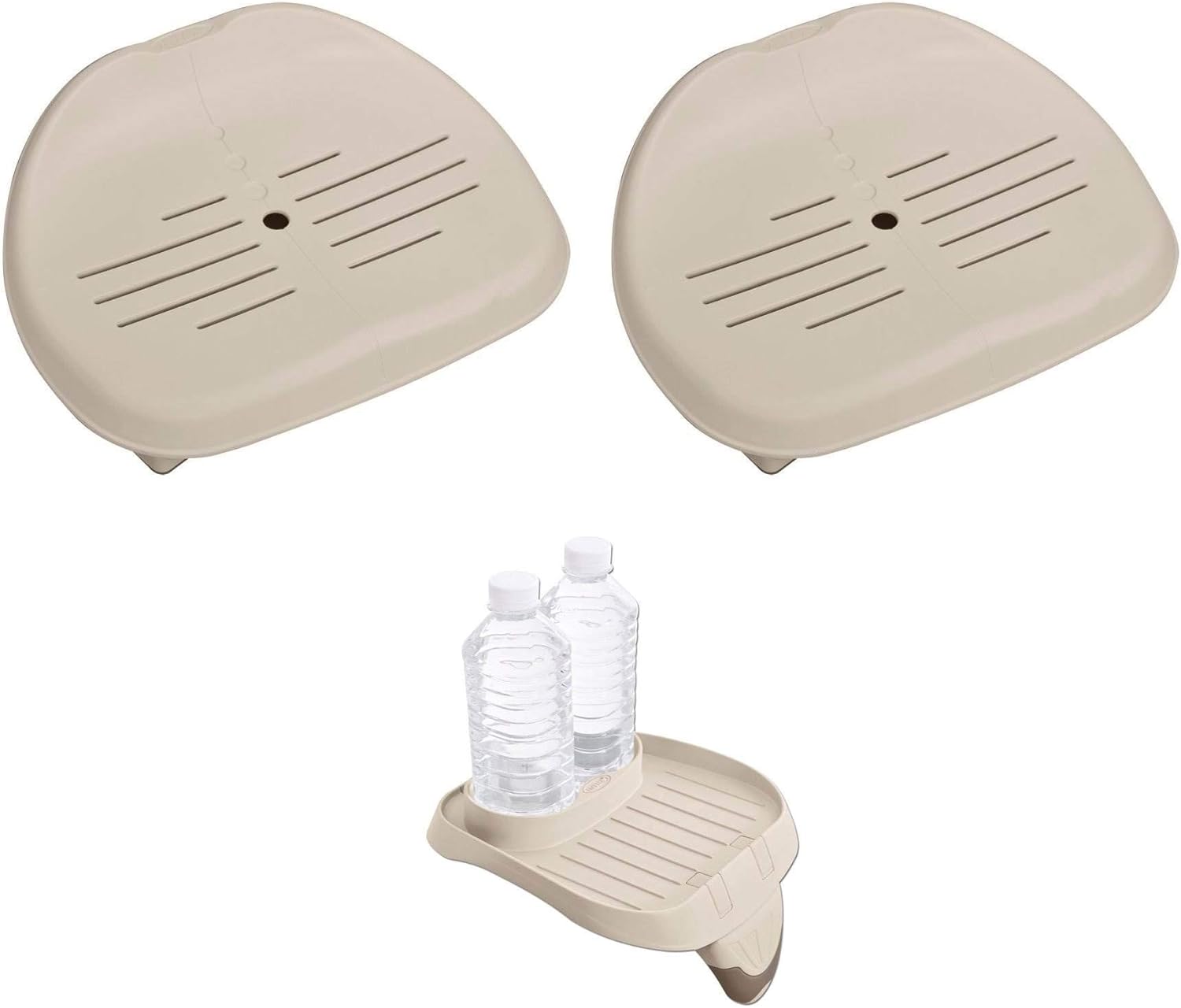
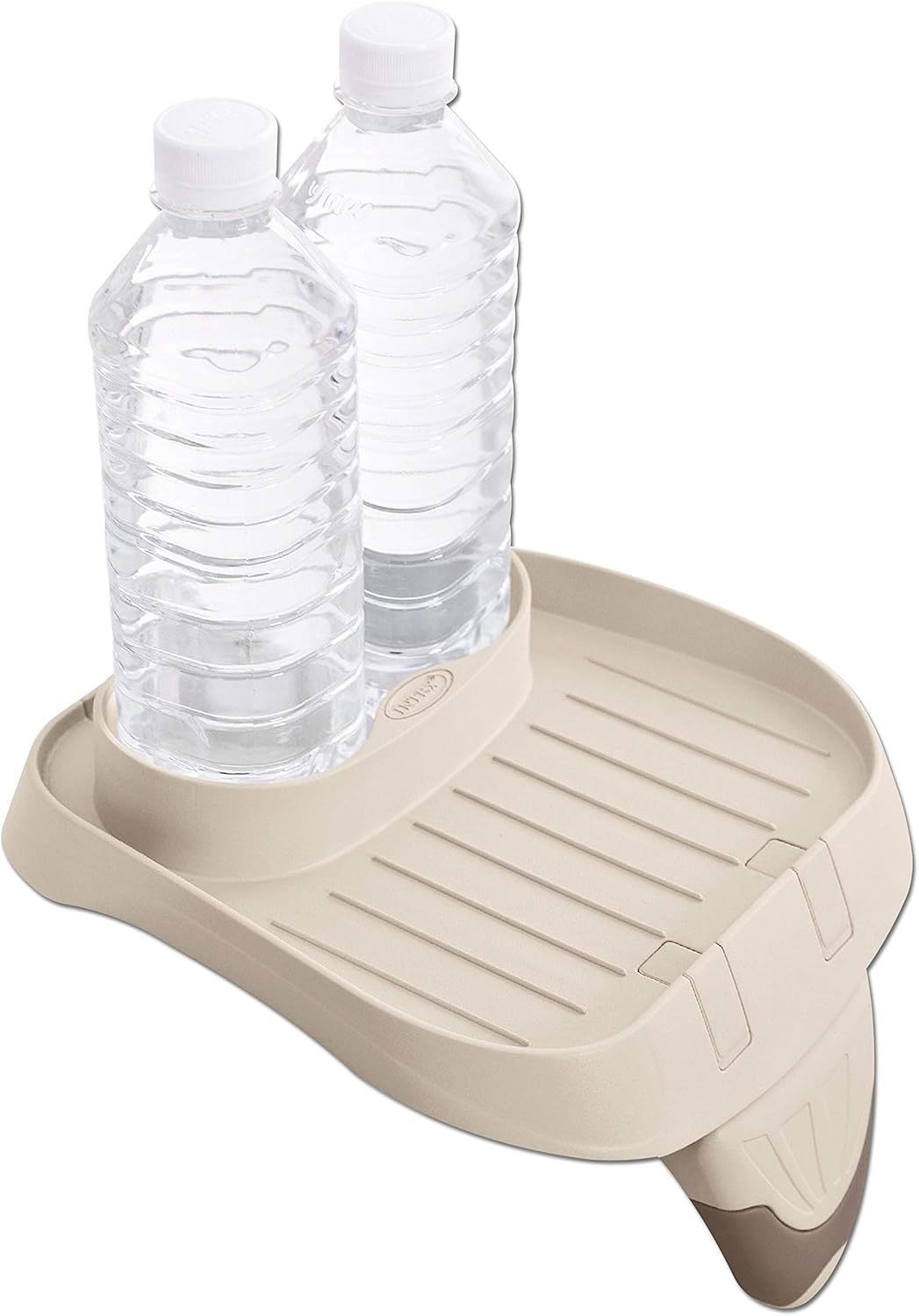
- Drink holders/tray: Floating or side-mounted options keep beverages stable and accessible.
- Headrests: Many tubs come with them, but upgraded cushioned headrests improve comfort dramatically.
- Submersible pump: Speeds up draining from hours to minutes. Essential if you plan to drain your tub regularly.
- Spa vacuum: Removes debris from the bottom of the tub between full cleanings.
17. Regional Considerations: Where You Live Matters
Your geographic location affects everything from operating costs to maintenance frequency to the types of hot tubs that make sense for you.
17.1 Cold Climate Owners (USDA Zones 1-5)
If you experience regular freezing temperatures, invest in the best insulation available. Full-foam insulated acrylic tubs cost more upfront but save significantly on winter operating costs. Inflatable tubs can work in cold climates but expect higher electricity bills and longer heat-up times. A 240V system is strongly recommended—110V models struggle to maintain temperature when ambient temperatures drop below freezing, especially during use when the heater cycles off with the jets.
17.2 Hot Climate Owners (USDA Zones 8-11)
In warm climates, insulation is less critical, and operating costs are naturally lower. However, UV exposure becomes a concern. Acrylic shells can fade over years of direct sun exposure, though this is primarily cosmetic. Covers degrade faster in intense sun—consider a cover cap or shade structure to extend cover life. Inflatable tubs work exceptionally well in warm climates, as the minimal insulation is less of a disadvantage, and the ability to drain and store the tub during the hottest months can be convenient.
17.3 Humid Climate Considerations
High humidity environments require extra vigilance with water chemistry and cover maintenance. Covers are more susceptible to mold and mildew. Remove the cover periodically to allow the underside to dry. Ensure your cover has adequate ventilation. Run your circulation pump on a schedule that keeps water moving to prevent stagnant conditions that promote algae and bacteria growth.
18. Common Mistakes First-Time Buyers Make
Learning from others’ mistakes saves you money and frustration. Here are the most common errors we see from first-time hot tub buyers.
18.1 Buying Too Small
A 2-3 person tub seems adequate until you want to invite another couple over or stretch out fully. The stated capacity is optimistic at best—a “4-person” tub comfortably fits 2-3 adults. If you have any doubt about size, go one size up. The price difference is relatively small compared to the regret of owning a tub that feels cramped every time you use it. Visit dealerships and actually sit in the tubs you’re considering, ideally with the people you’ll be soaking with most often.
18.2 Ignoring the View
Consider what you’ll be looking at from your hot tub. Are you staring at your neighbor’s garbage cans? A blank wall? Position your tub to take advantage of the best view from your property. Consider privacy as well—do you want to be visible to neighbors? Strategically placed privacy screens, fencing, or landscaping can create a secluded oasis even in dense neighborhoods.
18.3 Underestimating Maintenance Commitment
Hot tubs require consistent attention. Weekly testing and chemical adjustments take 10-15 minutes. Filter cleaning takes another 15-20 minutes every few weeks. Draining and refilling takes 1-3 hours every 3-4 months. If this level of commitment seems burdensome, reconsider whether a hot tub fits your lifestyle. Neglecting maintenance leads to water quality issues, equipment damage, and ultimately an abandoned, unused investment.
If you’re uncertain about the maintenance commitment, start with an inflatable hot tub. The lower price point ($350-800) lets you “test drive” hot tub ownership for a year or two. If you find that you use it regularly and don’t mind the maintenance, you can confidently upgrade to a permanent acrylic model. If you discover hot tub ownership isn’t for you, you’re out a few hundred dollars rather than several thousand.
19. The Environmental Impact: Eco-Friendly Hot Tub Ownership
Hot tubs consume energy and water, but responsible ownership can minimize your environmental footprint while still enjoying the benefits.
19.1 Water Conservation Strategies
The average hot tub holds 300-500 gallons of water, and draining every 3-4 months means using 1,200-2,000 gallons annually. Extend your water life by maintaining proper chemistry, showering before use (reduces oils, lotions, and contaminants), and using enzyme products that break down organic waste. When you do drain, consider using the water for irrigation if your chemical levels are low and you’re not using high levels of salt or other plant-damaging additives. Chlorine dissipates quickly when exposed to air and sunlight, making drained water suitable for lawns and non-edible plants after 24-48 hours of sitting.
19.2 Energy-Saving Habits
- Lower the temperature when you won’t be using the tub for several days. Dropping from 104°F to 95°F can reduce energy consumption by 20-30%.
- Use a high-quality, well-fitting cover and replace it when it becomes waterlogged or damaged. A cover is your primary energy-saving device.
- Set filtration cycles to run during off-peak electricity hours if your utility offers time-of-use pricing.
- Install a windbreak—fencing, landscaping, or privacy screens—to reduce wind chill on the tub surface, which accelerates heat loss.
- Keep the cover clean and free of snow and debris that compress the insulating foam and reduce its effectiveness.
20. Final Decision Matrix: Which Hot Tub Is Right for You?
Use this decision matrix to match your circumstances with the right hot tub category.
| Your Situation | Recommended Type | Why |
|---|---|---|
| Renter, may move within 3 years | Inflatable | Portable, minimal installation, no permanent modifications |
| First-time owner, unsure about commitment | Inflatable or Roto-Molded | Lower financial risk, easier to sell or store |
| Budget under $1,000 all-in | Inflatable | Only option that fits this budget range |
| Budget $1,000-$5,000 | Roto-Molded Plug-and-Play | Better durability, real jets, 110V convenience |
| Budget $5,000-$10,000 | Entry-Level Acrylic | Premium experience, excellent insulation, long lifespan |
| Budget $10,000+ | Premium Acrylic | Best hydrotherapy, features, efficiency, and longevity |
| Cold climate, year-round use planned | Acrylic with Full-Foam Insulation | Only type that performs efficiently in deep cold |
| Limited access to backyard | Inflatable or Small Roto-Molded | Fits through standard doorways, no crane needed |
| Long-term home, permanent installation | Acrylic Premium Spa | Worth the investment for 15-20+ years of use |
Conclusion: Patience Pays Off
If you can wait until November, you will find the best deals of the year for both inflatable and permanent spas. The urgency to clear inventory for the coming year puts the power in your hands.
But timing is just one piece of the puzzle. By understanding the total cost of ownership—from electrical requirements and foundation preparation to ongoing maintenance and energy consumption—you can make a fully informed decision that matches your budget, lifestyle, and long-term plans. Whether you choose a $400 inflatable for weekend relaxation or a $12,000 premium spa for daily hydrotherapy, the key is entering the purchase with clear expectations and a complete understanding of what hot tub ownership truly entails.
Ready to see what’s on the market? Check our flagship review of the Best Inflatable Hot Tubs of 2025 to start your research now.