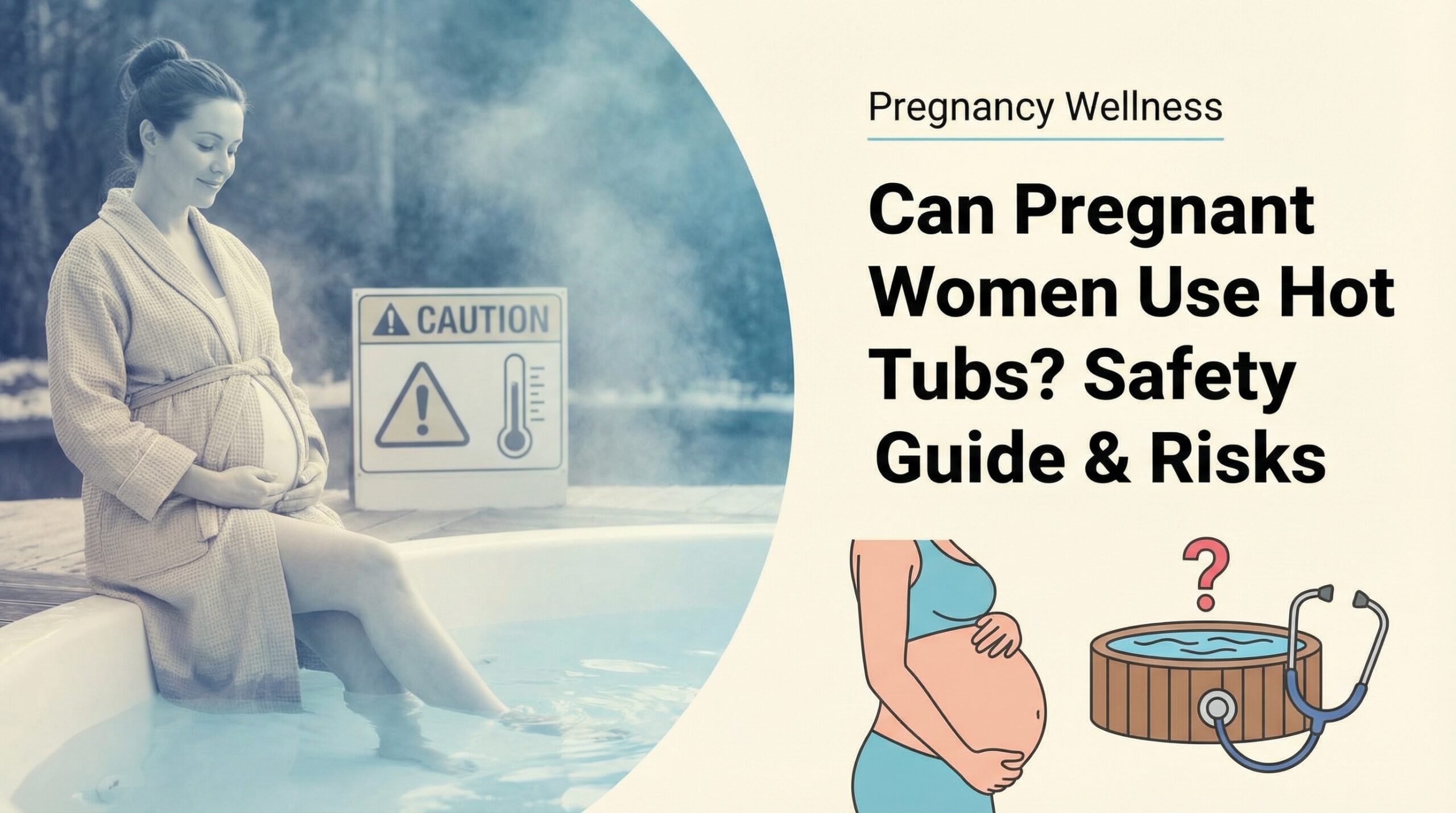
Can Pregnant Women Use Hot Tubs? A Complete Medical, Scientific & Practical Guide
Hot tubs are relaxing, soothing, and incredibly tempting when you’re pregnant — especially if you’re dealing with back pain, muscle soreness, swollen feet, or stress. But are hot tubs actually safe for expecting mothers? This complete guide explores the science, risks, alternatives, and medical guidelines so you can make an informed, safe decision.
Table of Contents
- Is It Safe to Use Hot Tubs During Pregnancy?
- Why Hot Tubs Are Risky for Pregnant Women
- Hot Tubs in the First Trimester
- How Hot Tubs Affect Body Temperature
- Medical Guidelines & Expert Opinions
- Second & Third Trimester Considerations
- Sauna vs. Hot Tub: Which Is Riskier?
- Hot Tub Chemicals & Pregnancy Safety
- Postpartum Hot Tub Use: When Is It Safe?
- Common Myths About Pregnancy & Hot Tubs
- Special Considerations for High-Risk Pregnancies
- Recognizing Signs of Overheating
- Questions to Ask Your Doctor
- Can My Partner Use a Hot Tub During My Pregnancy?
- Cultural Practices & Warm Water Immersion
- Key Research Studies on Heat Exposure
- Safe Alternatives for Pregnant Women
- Recommended Pregnancy-Safe Products
- Helpful Internal Guides
Is It Safe to Use Hot Tubs During Pregnancy?
The short answer: Most doctors recommend avoiding hot tubs during pregnancy.
Hot tubs usually maintain water temperatures between 100°F–104°F (37°C–40°C). When you sit in hot water, your core body temperature rises — often within minutes. For pregnant women, this overheating can increase the risk of several complications, including:
- Neural tube defects
- Miscarriage (higher risk in early pregnancy)
- Excessive body heat (hyperthermia)
- Fainting or dizziness
- Dehydration
- Reduced blood flow to the baby
Both Healthline and the Cleveland Clinic advise expecting mothers to avoid hot tubs, especially during the first trimester.
Understanding Temperature Safety Thresholds During Pregnancy
The critical threshold for pregnant women is a core body temperature of 102.2°F (39°C). Research has consistently shown that exceeding this temperature, even for relatively brief periods, can create a teratogenic environment for the developing fetus. But what does this mean in practical terms? Your baseline core temperature during pregnancy is already slightly elevated, typically ranging from 98.6°F to 99.5°F due to increased progesterone levels and metabolic activity. This means you have less thermal headroom before reaching the danger zone compared to a non-pregnant adult.
A standard hot tub maintained at 104°F creates a thermal environment where your body gains heat faster than it can dissipate it. Unlike air, water is an excellent conductor of thermal energy—it transfers heat to your body approximately 25 times more efficiently than air at the same temperature. When you submerge yourself up to your neck, you eliminate nearly all avenues for evaporative cooling, which is your body’s primary mechanism for temperature regulation. Sweat cannot evaporate underwater, and the water surrounding your skin prevents radiant heat loss. The result is a rapid, sustained rise in core temperature that can catch many pregnant women off guard.
What about lower temperatures? Some hot tub owners wonder if turning the thermostat down to 98-99°F makes it safe. While this significantly reduces the risk of dangerous hyperthermia, several concerns remain. First, most residential hot tub thermostats are not precision instruments and can fluctuate by 2-3 degrees. Second, the water temperature near the heater jets can be considerably warmer than the overall tub temperature. Third, even at “body temperature” water, prolonged immersion can still elevate core temperature because you’re eliminating your body’s ability to cool itself. If the water feels warm to the touch, it’s likely above your skin temperature, meaning heat transfer is occurring.
Why Pregnant Bodies React Differently to Heat
Pregnancy fundamentally alters your body’s thermoregulatory system in ways that make hot tub use particularly risky. During gestation, your blood volume increases by approximately 45-50%, and your heart works harder, pumping 30-50% more blood per minute. This increased circulation means that any heat absorbed through your skin is distributed throughout your body—and to your baby—more rapidly. Additionally, the metabolic furnace of pregnancy generates more internal heat. The growing fetus, placenta, and increased maternal tissue all contribute to a higher basal metabolic rate, meaning you’re producing more heat even at rest.
Your body’s cooling mechanisms are also compromised during pregnancy. While blood flow to the skin increases to help dissipate heat, the hormone progesterone raises your body’s temperature set point slightly and can make you feel warmer at lower environmental temperatures. The physical changes of pregnancy—including increased body fat insulation and the growing uterus pressing against the diaphragm—can make it harder to breathe deeply and cool through respiration. Pregnant women also experience a delayed sweating response in some studies, meaning you may not start sweating until your core temperature has already risen more than it would in a non-pregnant state.
The fetus has no ability to independently regulate its temperature. The amniotic fluid and maternal circulation determine the thermal environment for your developing baby. When your core temperature rises, the fetal temperature rises in parallel, typically about 1°F higher than the maternal core temperature. The fetus cannot sweat, pant, or move to a cooler location—it is entirely dependent on your body’s ability to maintain thermal homeostasis. This vulnerability is why hyperthermia is considered a developmental hazard during pregnancy, classified alongside alcohol, certain medications, and radiation as a known teratogen.
Why Hot Tubs Are Risky During Pregnancy
Hot tubs raise internal body temperature quickly. During pregnancy, the body is already under thermal stress, meaning it heats faster and cools slower. Here are the main risks:
1. Increased Core Body Temperature
A pregnant woman’s core temperature should not exceed 102°F (38.9°C). Hot tubs at 104°F can exceed this limit within 10–15 minutes. The maternal thermoregulatory system undergoes significant changes during gestation. Progesterone elevates the basal body temperature set point slightly, while increased metabolic rate generates additional internal heat. When external heat from a hot tub is added, the body’s ability to dissipate heat through sweating and increased skin blood flow may be overwhelmed, leading to a rapid, dangerous spike in core temperature. This hyperthermia can cross the placental barrier, directly exposing the fetus to temperatures it cannot regulate against.
The Physics of Heat Transfer During Hot Tub Immersion
Understanding the science of heat transfer helps explain why hot tubs are uniquely dangerous during pregnancy. Thermal conduction—the direct transfer of heat between substances in contact—occurs far more rapidly in water than in air. Water has a thermal conductivity approximately 25 times greater than air, meaning your body absorbs heat from hot water exponentially faster than it would from air at the same temperature. This is why a 104°F hot tub feels unbearably hot within minutes, while a 104°F sauna can be tolerated for much longer periods. The water molecules surrounding your body create a thermal blanket that continuously transfers heat energy into your tissues.
Convection currents generated by hot tub jets further accelerate heat transfer. The moving water constantly replaces the thin layer of cooler water that forms against your skin, exposing you to fresh heated water continuously. This forced convection can increase heat transfer rates by 50-100% compared to still water. The jetted water also penetrates clothing more effectively, eliminating any insulating air pockets that might provide minimal protection. Additionally, the hydrostatic pressure of water immersion shifts blood from your extremities to your core, bringing more blood into contact with the heated abdominal and thoracic regions where heat transfer is most efficient.
2. Reduced Blood Circulation & Hypotension
Hot water immersion causes peripheral vasodilation — blood vessels near the skin surface widen to release heat. While this is a normal cooling mechanism, during pregnancy it can lead to a significant drop in blood pressure (hypotension). This can cause dizziness, lightheadedness, and syncope (fainting), which poses a fall risk. Furthermore, blood may be shunted away from the uterus and placenta to the skin, temporarily reducing oxygen and nutrient delivery to the developing baby. This effect is particularly pronounced in the second and third trimesters when the vascular system is already maximally dilated.
Understanding Placental Blood Flow During Heat Stress
The placenta functions as a highly efficient exchange organ, delivering oxygen and nutrients while removing waste products from the fetal circulation. However, this delicate system can be disrupted by maternal hyperthermia. When your body redirects blood flow to the skin for cooling purposes, the uterine arteries may constrict, reducing perfusion to the placenta. Research using Doppler ultrasound has demonstrated that maternal heat stress can decrease uterine artery blood flow by 15-30%, effectively reducing the oxygen supply to your developing baby. This reduction may be transient in healthy pregnancies, but in pregnancies already compromised by conditions like intrauterine growth restriction (IUGR) or preeclampsia, even temporary reductions in placental perfusion could have significant consequences.
The fetal compensatory mechanisms for reduced oxygen delivery are limited. While a fetus can redistribute blood flow to prioritize the brain, heart, and adrenal glands—a response known as brain-sparing—this adaptation comes at a cost to other developing organs. Chronic or repeated episodes of reduced placental blood flow have been associated with lower birth weights and altered fetal programming that may influence cardiovascular health later in life. The combination of hyperthermia and reduced placental perfusion creates a double stressor that the developing fetus is poorly equipped to handle.
3. Risks to the Baby: Teratogenicity
Overheating in early pregnancy is a known teratogen (an agent that can disturb the development of the embryo). The neural tube, which forms the brain and spinal cord, closes during the fourth week of pregnancy, often before a woman knows she is pregnant. Elevated maternal core temperature during this critical window may increase the risk of neural tube defects such as:
- Spina bifida: Incomplete closing of the backbone and membranes around the spinal cord.
- Anencephaly: Absence of a major portion of the brain, skull, and scalp.
- Encephalocele: A sac-like protrusion of the brain through an opening in the skull.
Beyond neural tube defects, some studies suggest a possible link between prolonged hyperthermia and other developmental issues, including cardiac abnormalities and oral clefts, though the evidence is strongest for neural tube defects.
How Heat Damages Developing Cells: Molecular Mechanisms
At the cellular level, hyperthermia triggers a cascade of damaging events within developing embryonic tissues. Heat shock proteins (HSPs) are produced by cells under thermal stress as a protective mechanism, but excessive HSP production during critical developmental windows can interfere with normal protein folding and cell signaling pathways. The embryonic cells undergoing rapid division are particularly vulnerable because heat can disrupt the mitotic spindle apparatus, leading to chromosomal abnormalities and cell death. This is especially concerning during the period of organogenesis (weeks 3-8) when the basic body plan is being established through precisely timed cell proliferation, migration, and differentiation.
Hyperthermia also induces oxidative stress through the production of reactive oxygen species (ROS), which can damage DNA, proteins, and cellular membranes. The developing embryo has limited antioxidant defenses compared to adult tissues, making it more susceptible to oxidative damage. Additionally, hyperthermia can trigger apoptosis (programmed cell death) in specific cell populations that are critical for normal development. For example, the neural crest cells that migrate to form facial structures, cardiac outflow tracts, and parts of the nervous system are exquisitely sensitive to temperature elevation. Cell culture studies have demonstrated that temperatures of just 102-104°F maintained for 30-60 minutes can significantly increase apoptosis rates in neural crest cell populations.
The timing of heat exposure is as critical as the temperature reached. Animal studies have demonstrated that identical hyperthermic exposures produce different patterns of birth defects depending on the exact gestational day of exposure. This reflects the precise timing of developmental events—the neural tube closes from the middle outward in both directions, and the specific region closing at the time of exposure will be most affected. This explains why hyperthermia has been associated with a spectrum of neural tube defects affecting different levels of the spinal cord and brain.
4. Dehydration and Electrolyte Imbalance
The perception of sweating is diminished in water, but the body loses significant fluids and electrolytes. Dehydration during pregnancy can reduce amniotic fluid volume (oligohydramnios), trigger Braxton-Hicks contractions, and increase the risk of urinary tract infections. Pregnant women require higher fluid intake, and the additional loss from hot tub use can quickly lead to a deficit, causing headaches, nausea, and muscle cramps.
Recognizing Dehydration: Pregnancy-Specific Warning Signs
Dehydration during pregnancy presents with symptoms that can be mistaken for normal pregnancy discomforts, making it dangerously easy to overlook. Beyond the typical signs of thirst, dark urine, and dry mouth, pregnant women should watch for reduced fetal movement, which can be an early indicator of decreased amniotic fluid volume. Braxton-Hicks contractions that become more frequent or intense may signal dehydration-induced uterine irritability. A headache that persists despite rest, dizziness upon standing, and a racing heart rate are all red flags that warrant immediate rehydration and possibly medical evaluation.
The consequences of dehydration extend beyond maternal discomfort. Amniotic fluid is not static—it is constantly being produced and reabsorbed, with complete turnover occurring approximately every three hours. Maternal dehydration can rapidly reduce amniotic fluid volume, potentially compromising the cushioning protection for the fetus and the space needed for normal movement and lung development. In the third trimester, oligohydramnios can lead to cord compression during contractions and may necessitate early delivery in severe cases. The hot tub environment masks the sweating that would normally alert you to fluid loss, making proactive hydration essential if you choose to use any warm water therapy during pregnancy.
5. Infection Risk: Hot Tub Folliculitis
Pseudomonas aeruginosa bacteria thrive in warm, inadequately chlorinated water. This can cause “hot tub folliculitis,” an itchy, red skin rash. While generally not dangerous, during pregnancy the immune system is modulated, potentially leading to more severe skin reactions or secondary infections requiring treatment that may be limited due to pregnancy-safe medication constraints.
Beyond Folliculitis: Other Hot Tub-Related Infections
Pseudomonas aeruginosa is not the only pathogen of concern in hot tubs. Legionella pneumophila, the bacterium responsible for Legionnaires’ disease, thrives in warm water systems including hot tubs and can cause severe pneumonia when aerosolized water droplets are inhaled. Pregnant women experience physiological changes that increase susceptibility to respiratory infections, including decreased lung capacity and altered immune function. While Legionnaires’ disease is rare, the consequences during pregnancy can be severe, potentially requiring hospitalization and intensive antibiotic therapy.
Urinary tract infections (UTIs) are already more common during pregnancy due to hormonal changes and mechanical compression of the urinary tract. Sitting in a hot tub, particularly a public or poorly maintained one, introduces bacteria to the perineal area that can ascend the urethra. Hot tub water that is inadequately sanitized may contain E. coli and other enteric bacteria from multiple users. Pregnant women with asymptomatic bacteriuria are at higher risk of developing pyelonephritis, a serious kidney infection that can lead to preterm labor and sepsis. The warm, moist environment of a bathing suit after hot tub use further promotes bacterial growth if you remain in damp swimwear.
Fungal infections, particularly Candida species, also flourish in warm, moist environments. While not typically acquired directly from hot tub water, the prolonged wearing of a wet bathing suit after hot tub use creates ideal conditions for yeast overgrowth. Pregnancy already predisposes women to vaginal yeast infections due to elevated estrogen levels and changes in vaginal pH. Adding the hot tub risk factor can lead to recurrent, difficult-to-treat infections that cause significant discomfort during an already challenging time.
Hot Tubs in the First Trimester
The first trimester is the most sensitive period for fetal development. Because overheating can disrupt early organ development, experts recommend:
❌ No hot tubs during the first trimester
Organogenesis, the formation of vital organs, occurs primarily between weeks 3 and 8. During this period, the embryo is exquisitely sensitive to environmental insults. Hyperthermia can induce cell death, disrupt protein synthesis, and cause vascular disruptions in the developing placenta. The risk is dose-dependent: higher temperatures and longer durations confer greater risk. Even a single, prolonged exposure to temperatures above 102°F has been associated with adverse outcomes in epidemiological studies. If you used a hot tub before knowing you were pregnant, don’t panic — the absolute risk remains relatively low, but mention it to your doctor for detailed counseling and potential high-resolution ultrasound screening.
Week-by-Week Guide to Developmental Vulnerabilities
Understanding exactly what is developing each week of early pregnancy underscores why temperature avoidance is so critical. During weeks 3-4, the neural plate forms and begins to fold into the neural tube. This structure will become the brain and spinal cord, and disruption at this stage can result in the most severe neural tube defects. The heart begins as a simple tube during week 4 and starts beating by the end of week 5. Hyperthermia during this window has been associated with cardiac defects including ventricular septal defects and tetralogy of Fallot.
Weeks 5-6 see the formation of limb buds that will become arms and legs, along with the early structures of the eyes and ears. The developing face begins to fuse during week 7, and disruption of this process can lead to cleft lip and palate. By week 8, all major organ systems have been established, though they continue to mature throughout pregnancy. This is why the first trimester prohibition on hot tubs is so emphatic—the stakes are highest during these early weeks when the foundation of every organ system is being laid down. After week 12, the risk of major structural birth defects from hyperthermia decreases, but the risks of dehydration, hypotension, and preterm labor remain.
How Hot Tubs Affect Your Body Temperature
Your natural body temperature is around 98.6°F. Hot tubs maintain a temperature of 100–104°F, which can raise your internal temperature quickly.
- 10 minutes in a 104°F hot tub can raise core temperature above 102°F
- Pregnant women heat faster and cool slower due to increased metabolic heat production and altered skin blood flow
- Hot tubs are more intense than hot showers or baths because immersion covers a larger body surface area, preventing evaporative cooling
- The thermal gradient (difference between water temp and body temp) dictates heat transfer rate; hotter water transfers heat exponentially faster
How to Accurately Monitor Your Temperature During Warm Water Exposure
If you decide to use a warm bath during pregnancy (at a safe, monitored temperature), knowing how to accurately assess your body temperature is essential. Oral thermometers are convenient but can be affected by recent food or drink consumption and may underestimate core temperature by 0.5-1.0°F. Tympanic (ear) thermometers provide rapid readings that approximate core temperature but can be technique-dependent and less reliable if there is earwax or if the ear canal is not properly aligned. The most accurate method for home use is a temporal artery thermometer, which scans the forehead and provides a reading that closely correlates with core temperature.
Rectal temperature measurement remains the gold standard for core temperature but is impractical for routine monitoring. Regardless of the method you choose, take a baseline reading before entering any warm water so you can track changes. If your temperature rises more than 1.5-2.0°F above your pre-immersion baseline, it’s time to get out. Remember that the temperature sensation on your skin is not a reliable indicator of your internal temperature—you may feel comfortable while your core temperature is climbing to unsafe levels. Using a timer is equally important; limit warm water sessions to 15-20 minutes maximum, even at “safe” temperatures, to prevent gradual heat accumulation.
After exiting the water, continue to monitor your temperature for 10-15 minutes. Some research suggests that core temperature can continue to rise slightly after leaving hot water due to the redistribution of heated blood from the skin back to the body’s core—a phenomenon known as the “after-rise” effect. This makes it crucial to cool down actively after any warm water immersion by drinking cool water, sitting in a cool room, and using a fan or cool compresses if needed.
Second & Third Trimester Considerations
While the risk of neural tube defects decreases after the first trimester, hot tub use in later pregnancy introduces different hazards. As the uterus enlarges, it compresses major blood vessels like the inferior vena cava when lying back. Combined with hot water vasodilation, this can cause supine hypotensive syndrome, severely dropping blood pressure and compromising placental perfusion. The increased maternal blood volume and heart rate in the third trimester mean that thermal stress can push cardiovascular demands to unsafe levels. Additionally, the risk of slipping on wet surfaces increases as the center of gravity shifts and joint ligaments relax due to the hormone relaxin.
Why the Third Trimester Demands Extra Caution
The third trimester introduces unique physiological challenges that make hot tub use increasingly hazardous. Your total blood volume has expanded by nearly 50%, placing significant demands on your cardiovascular system. Your resting heart rate is elevated by 15-20 beats per minute, and your heart is working harder to pump the increased blood volume through your body and the placental circuit. Adding the cardiovascular stress of heat exposure—which further elevates heart rate and dilates blood vessels—can overwhelm a system already operating near its maximum capacity. Some women experience palpitations, shortness of breath, or pre-syncope (near-fainting) even during normal activities in the third trimester; hot tub immersion amplifies these risks.
The physical logistics of hot tub use also become more challenging as pregnancy progresses. The significant shift in your center of gravity makes entering and exiting a hot tub hazardous. Hot tub steps can be slippery, and the combination of pregnancy-related joint laxity (caused by the hormone relaxin) and the disorienting effects of hot water on blood pressure creates a perfect storm for falls. A fall during the third trimester can have serious consequences, including placental abruption, preterm labor, or direct fetal injury. The buoyancy of water may feel relieving for your joints temporarily, but the process of getting in and out negates this benefit with substantial risk.
Preterm labor is another concern specific to later pregnancy. While dehydration from heat exposure can trigger uterine irritability, there is also some evidence that significant maternal hyperthermia may stimulate the release of prostaglandins and oxytocin, hormones involved in initiating labor. For women with a history of preterm birth, cervical insufficiency, or multiple gestations, this theoretical risk becomes clinically significant. Even if labor is not triggered, the uterine contractions induced by dehydration and heat stress can be extremely uncomfortable and anxiety-provoking, often leading to unnecessary hospital visits for monitoring.
Sauna vs. Hot Tub: Which Is Riskier for Pregnancy?
Both saunas and hot tubs elevate core temperature, but they do so through different mechanisms. A dry sauna (typically 150°F–195°F) heats the body through air convection, but sweating provides some evaporative cooling. A hot tub (100°F–104°F) uses water conduction, which transfers heat 25 times faster than air. This means a hot tub can raise core temperature more rapidly than a sauna, making it arguably riskier for pregnant women. However, both should be avoided or used with extreme caution. Infrared saunas, which operate at lower ambient temperatures (120°F–140°F), penetrate tissue differently, but safety data in pregnancy is insufficient to recommend their use.
Comprehensive Comparison: Hot Tubs, Saunas, Steam Rooms, and Heated Pools
To make an informed decision during pregnancy, it’s helpful to understand how different heat exposure modalities compare in terms of risk. Hot tubs (100-104°F): As discussed extensively, these pose the highest risk due to rapid core temperature elevation through water conduction and the elimination of evaporative cooling. The jetted water increases convective heat transfer, and full-body immersion ensures maximum heat absorption. Risk level: Very High.
Traditional Finnish saunas (150-195°F, low humidity): Despite the extreme air temperature, the body can tolerate dry saunas longer than hot tubs because sweat evaporation provides significant cooling. However, prolonged exposure still raises core temperature, and the high ambient temperature means that once sweating becomes maximal, further heat loss is limited. Most studies on sauna use during pregnancy are from Scandinavian countries where sauna culture is prevalent, and they suggest that occasional, brief sauna use may not significantly increase neural tube defect risk, but regular or prolonged use is discouraged. Risk level: High.
Steam rooms (110-120°F, 100% humidity): Steam rooms present a unique combination of risks. The high humidity prevents sweat evaporation entirely, similar to a hot tub, but the air temperature is typically lower than a sauna. However, the inability to evaporate sweat means that core temperature can rise steadily and insidiously. The high humidity can also make breathing feel more labored, which may be uncomfortable for pregnant women already experiencing shortness of breath from diaphragmatic elevation. Risk level: High.
Heated swimming pools (82-88°F): These are generally considered safe during pregnancy. The water temperature is significantly below body temperature, so heat transfer is minimal or even negative (you lose heat to the water). Swimming provides excellent low-impact exercise with joint support from buoyancy. Many hospitals and birthing centers use warm water pools (95-98°F) for labor and delivery, but these temperatures are carefully monitored and exposure is limited. Risk level: Low (for standard pools) to Moderate (for hydrotherapy pools, with monitoring).
Hot yoga studios (95-105°F): Hot yoga combines environmental heat with physical exertion, creating a double thermal load. The internal heat production from exercise combined with high ambient temperature and humidity can rapidly elevate core temperature. Most obstetric guidelines recommend that pregnant women avoid hot yoga entirely or switch to non-heated prenatal yoga classes. The risk of dehydration is compounded by sweating during exercise. Risk level: Very High.
Hot Tub Chemicals & Pregnancy Safety
Beyond temperature, the chemical soup in hot tubs warrants attention. Chlorine and bromine are used to sanitize water, but they react with organic matter (sweat, urine, skin cells) to form disinfection byproducts (DBPs) like trihalomethanes (THMs) and chloramines. Inhalation of these volatile compounds in the steamy mist above the water surface is a potential respiratory irritant. While occasional exposure is unlikely to cause harm, regular, prolonged inhalation in poorly ventilated areas may theoretically pose risks. Pregnant women with asthma or chemical sensitivities should be particularly cautious. The distinctive “chlorine smell” is actually chloramines, indicating inadequate water maintenance.
Understanding Hot Tub Disinfection Byproducts and Their Health Effects
The chemistry of hot tub water is far more complex than most users realize. When chlorine or bromine is added to water, they react with organic compounds introduced by bathers—including urea from sweat and urine, amino acids from skin cells, and personal care products like lotions and sunscreen—to form a wide array of disinfection byproducts. Trihalomethanes (THMs), particularly chloroform, are volatile compounds that are readily inhaled from the water surface. Studies have measured THM concentrations in the air above hot tubs that exceed typical indoor air quality standards. These compounds have been associated with respiratory irritation and, in some occupational exposure studies, with adverse pregnancy outcomes including small-for-gestational-age infants.
Chloramines, which produce the characteristic “pool smell” often mistaken for chlorine, are particularly irritating to the respiratory tract. These compounds can trigger asthma symptoms in sensitive individuals and cause eye and throat irritation even at low concentrations. Pregnant women with pre-existing asthma may find their symptoms exacerbated by chloramine exposure, and poorly controlled asthma during pregnancy is associated with complications including preeclampsia and low birth weight. The warm water temperature of hot tubs accelerates the formation of these byproducts and increases their volatility, making inhalation exposure more significant than in cooler swimming pools.
Bromine, often marketed as a gentler alternative to chlorine, produces its own set of disinfection byproducts including bromate and brominated trihalomethanes. While bromine is less likely to cause skin and eye irritation than chlorine, the long-term health effects of its byproducts are less well-studied. Some research suggests that brominated compounds may be more toxic than their chlorinated counterparts. The key to minimizing chemical exposure—whether in your own hot tub or a public facility—is proper water maintenance. A well-maintained hot tub with appropriate sanitizer levels, regular shocking to break down chloramines, and adequate ventilation will have significantly lower levels of irritating byproducts.
For pregnant women who own hot tubs and are considering their options, there are alternative sanitization systems that may produce fewer irritating byproducts. Ozone generators and UV-C light systems can reduce the amount of chemical sanitizer needed by destroying organic contaminants and microorganisms. Saltwater chlorine generators produce chlorine on-site from dissolved salt, potentially reducing the handling of concentrated chemicals. However, it’s important to understand that no system eliminates the need for some residual sanitizer in the water, and the primary risk—temperature—remains unchanged regardless of the sanitization method.
Postpartum Hot Tub Use: When Is It Safe?
After delivery, many new mothers are eager to relax in a hot tub. However, it’s critical to wait until vaginal bleeding (lochia) has completely stopped and any perineal tears, episiotomies, or C-section incisions are fully healed. Immersion in hot water with an open wound or healing cervix introduces a high risk of serious uterine infection (endometritis). Most healthcare providers recommend waiting until the 6-week postpartum check-up to get clearance. For C-section mothers, external incision healing may appear complete earlier, but deeper tissue layers need time; soaking too soon can increase infection risk and slow healing.
A Detailed Timeline for Postpartum Water Immersion
The postpartum period involves significant physiological healing that occurs on a predictable timeline, though individual variation is substantial. Understanding this timeline helps explain why patience with hot tub use is medically important. Days 1-10: The most intense healing period. Lochia (postpartum bleeding) is typically heavy and red (lochia rubra). The placental site on the uterine wall is essentially an open wound approximately the size of a dinner plate, gradually contracting as the uterus involutes. Any water immersion during this period could introduce bacteria directly into the uterine cavity through the still-dilated cervix. Absolutely no hot tub use during this phase.
Days 10-21: Lochia transitions to a lighter, pinkish-brown flow (lochia serosa). The cervix is beginning to close but is not yet fully sealed. For women who delivered vaginally, perineal healing is progressing. Small tears or episiotomy incisions may still have microscopic openings in the skin surface. The risk of infection remains significant. While some women feel physically recovered, internal healing lags behind external appearances. Hot tub use is still not recommended during this phase.
Weeks 3-6: Lochia becomes yellowish-white (lochia alba) and diminishes. The cervix has usually closed by week 3-4. Vaginal tissue is healing, though it may not yet have returned to its pre-pregnancy state. For C-section mothers, the external incision typically appears well-healed by week 3, but the deeper fascial and uterine incisions require a full 6 weeks for adequate strength. This is the phase where many women feel ready to resume normal activities, but hot tub use should still wait for medical clearance at the 6-week visit.
After Week 6 (with medical clearance): Once your healthcare provider confirms that your cervix is closed, all bleeding has stopped, and any incisions are fully healed, hot tub use can generally resume. However, there are additional considerations for breastfeeding mothers. The warmth of a hot tub can trigger the let-down reflex, causing milk leakage. Hot water immersion can also cause vasodilation that may affect milk supply in some women. If you’re breastfeeding, consider wearing nursing pads and limiting hot tub sessions to avoid dehydration, which can temporarily reduce milk production. Always shower after hot tub use to remove chemical residues before nursing.
Common Myths About Pregnancy & Hot Tubs
Myth 1: “If I only put my feet in, it’s safe.” While a foot soak is generally safer, sitting on the edge with legs submerged still exposes the body to significant heat, and the ambient steam raises overall body temperature. A dedicated, temperature-controlled foot spa is a better option.
Myth 2: “I can just lower the temperature to 98°F.” A tepid hot tub is technically less risky, but maintaining a precise, safe temperature is difficult without a calibrated thermometer. Most residential hot tubs fluctuate. If the water feels warm, it’s likely above body temperature.
Myth 3: “Natural hot springs are safer.” Geothermal springs can be unpredictably hot and may harbor dangerous bacteria like Naegleria fowleri or high mineral concentrations (lithium, sulfur) that are contraindicated in pregnancy.
More Myths Debunked: What You Need to Know
Myth 4: “My mother used hot tubs during her pregnancies and I turned out fine.” This is perhaps the most common justification heard by obstetricians, and while it’s understandable, it reflects a misunderstanding of risk. Hyperthermia increases the statistical probability of adverse outcomes; it does not guarantee them. Just as not everyone who smokes during pregnancy has a low birth weight baby, not every hot tub exposure results in a birth defect. The risk is dose-dependent and modified by individual factors including genetics, timing, and overall health. Anecdotal evidence from a single pregnancy cannot establish safety, which is why population-level studies guide medical recommendations.
Myth 5: “The baby is protected by amniotic fluid, which acts as insulation.” Amniotic fluid does not insulate the fetus from maternal temperature changes—in fact, it does the opposite. Because the fetus is immersed in amniotic fluid, which is in thermal equilibrium with maternal tissues, fetal temperature tracks maternal core temperature very closely. Some studies suggest fetal temperature may actually be slightly higher than maternal core temperature due to fetal metabolic heat production. The amniotic fluid cannot dissipate heat independently; it can only change temperature as maternal temperature changes.
Myth 6: “As long as I don’t stay in for more than 5-10 minutes, I’m safe.” While duration is certainly a factor, the time to reach a dangerous core temperature depends on multiple variables including water temperature, depth of immersion, individual metabolism, and hydration status. At 104°F, significant core temperature elevation can occur within 5-10 minutes for some individuals. The “safe” duration also depends on whether the head and upper chest are submerged or above water. The problem with relying on a time limit is that the signs of overheating can be subtle, and once you feel uncomfortable, your core temperature may already be elevated to concerning levels.
Myth 7: “Hot tubs are fine after the first trimester when organ development is complete.” While it’s true that the risk of structural birth defects decreases after organogenesis, significant risks remain in the second and third trimesters. These include dehydration-induced preterm contractions, hypotension and reduced placental perfusion, and the risk of falls or injury when entering and exiting. The neurological development of the fetal brain continues throughout pregnancy, and some research suggests that hyperthermia may affect neuronal migration and synapse formation even in later gestation. The complete prohibition on hot tubs extends throughout pregnancy for good reason.
Myth 8: “If I stay hydrated and only use the hot tub briefly, the benefits outweigh the risks.” This myth speaks to the genuine discomfort many pregnant women experience and the real desire for relief. Back pain, sciatica, pelvic girdle pain, and general fatigue are common and can be debilitating. However, there are numerous evidence-based alternatives for managing these symptoms that do not carry the risks of hyperthermia. Physical therapy, prenatal massage, supportive pillows, pregnancy belts, aquatic therapy in a cool pool, and appropriate exercise have all been shown to provide significant relief. The “benefits” of hot tub use during pregnancy are primarily subjective relaxation, which can be achieved through safer means.
Special Considerations for High-Risk Pregnancies
For pregnancies complicated by hypertension, preeclampsia, gestational diabetes, intrauterine growth restriction (IUGR), or a history of preterm labor, hot tub use is unequivocally contraindicated. The cardiovascular stress of heat exposure can exacerbate hypertension and destabilize blood sugar levels. Any woman placed on pelvic rest or with a cerclage should avoid any immersion activity. The theoretical benefits of warm-water relaxation are dramatically outweighed by the potential for acute complications requiring emergency intervention.
Condition-by-Condition Analysis: Why Hot Tubs Are Particularly Dangerous
Preeclampsia and Gestational Hypertension: Women with hypertensive disorders of pregnancy have blood vessels that are already under significant stress. The vasodilation caused by hot water immersion can cause rapid, unpredictable drops in blood pressure, potentially reducing placental perfusion at a time when it is already compromised. When the body attempts to compensate by constricting blood vessels upon exiting the hot water, blood pressure can spike dramatically. This fluctuation between vasodilation and vasoconstriction is dangerous for women whose blood pressure regulation is already impaired. Additionally, many women with preeclampsia are on magnesium sulfate or antihypertensive medications that can interact with the cardiovascular effects of heat exposure.
Gestational Diabetes: Heat exposure affects glucose metabolism in ways that can be problematic for women with gestational diabetes. Vasodilation increases insulin absorption from subcutaneous injection sites, potentially causing hypoglycemia. Conversely, the stress response triggered by significant heat exposure can increase cortisol and catecholamine levels, which raise blood glucose. The unpredictability of these effects makes blood sugar management during and after hot tub use challenging. Furthermore, women with diabetes may have reduced sensation in their extremities due to neuropathy, making it harder to recognize when water is dangerously hot.
Multiple Gestations (Twins, Triplets): The physiological demands of carrying multiples are significantly greater than a singleton pregnancy. Blood volume increases even more, cardiac output is higher, and the risk of preterm labor is substantially elevated. The additional cardiovascular stress of heat exposure in a system already working at maximum capacity is particularly dangerous. Women carrying multiples also have a higher baseline risk of dehydration due to increased fluid requirements, and the uterine overdistention makes them more susceptible to contractions triggered by any physiological stressor.
Placenta Previa or Vasa Previa: These conditions involve the placenta or fetal blood vessels covering or near the cervix. Any activity that could trigger uterine contractions—including the dehydration associated with hot tub use—can cause bleeding in these conditions. Even minor bleeding can be life-threatening for both mother and baby. Women with these diagnoses are typically on pelvic rest, which includes avoiding anything that could introduce bacteria or cause cervical stimulation. Hot tub immersion violates this restriction due to the potential for water to enter the vagina and the effect of heat on uterine tone.
History of Preterm Birth or Cervical Insufficiency: For women with a prior preterm birth, cervical insufficiency, or a cerclage in place, the goal is to minimize all potential triggers of preterm labor. Dehydration is a well-established cause of uterine irritability, and the fluid loss from hot tub use can be sufficient to trigger contractions in a susceptible uterus. The hydrostatic pressure of water immersion combined with the hormonal effects of heat on uterine muscle may also contribute to premature cervical changes. Women in this category should be particularly cautious and should discuss any warm water exposure with their maternal-fetal medicine specialist.
Recognizing Signs of Overheating
Pregnant women should be vigilant for symptoms of hyperthermia and heat exhaustion, which can develop subtly. Warning signs include: profuse sweating or, paradoxically, hot dry skin if severely dehydrated; nausea or vomiting; headache; muscle cramps; rapid heartbeat; feeling faint or dizzy; and extreme fatigue. If any of these occur, exit the hot environment immediately, move to a cool area, sip cool water, and apply damp cloths to the neck and wrists. If symptoms do not resolve rapidly or if there is confusion or loss of consciousness, seek emergency medical attention. The baby’s activity level may change; decreased fetal movement is a red flag requiring immediate evaluation.
Step-by-Step Emergency Response: What to Do If You Overheat
Knowing exactly what to do if you or a pregnant companion shows signs of overheating can prevent a serious situation from becoming an emergency. Step 1: Immediate Extraction. Get out of the hot water immediately, moving slowly to avoid fainting from postural hypotension. If you feel dizzy, call for assistance rather than attempting to stand independently. Sit on the edge of the tub with your feet in the water briefly before attempting to stand, allowing your blood pressure to adjust.
Step 2: Active Cooling. Move to a cool, shaded, or air-conditioned space. Remove any heavy clothing or wrap in a light, dry towel. Apply cool, damp washcloths to pulse points—the wrists, neck, behind the knees, and the inner elbows and ankles. These areas have blood vessels close to the skin surface and can facilitate rapid cooling. A fan directed at the skin can accelerate evaporative cooling. If available, a cool (not ice-cold) shower can help bring core temperature down gradually. Avoid extremely cold water, which can cause shivering—shivering generates heat and can actually raise core temperature further.
Step 3: Hydration. Sip cool water slowly rather than gulping, which can cause stomach cramps or vomiting. If available, an oral rehydration solution or sports drink can help replace lost electrolytes, but plain water is the priority. Avoid caffeine, which can increase heart rate and act as a diuretic. The goal is to replace fluids lost through sweating, which can be substantial even if you weren’t aware of sweating while in the water.
Step 4: Monitor and Assess. Take your temperature if a thermometer is available. Continue cooling measures until your temperature returns to normal (below 99°F). Monitor for continued symptoms including headache, nausea, confusion, or rapid heart rate. Pay attention to fetal movement—if you haven’t felt the baby move, lie on your left side in a cool room and focus on counting kicks. Most babies will move at least 10 times in two hours. If movement is decreased or absent, proceed to Step 5.
Step 5: Know When to Seek Emergency Care. Call emergency services or go to the nearest emergency department immediately if: your temperature remains above 102°F after 30 minutes of cooling measures; you experience confusion, disorientation, or loss of consciousness (even briefly); you have severe headache that doesn’t improve; you notice vaginal bleeding or fluid leakage; you’re having regular contractions; fetal movement remains decreased after an hour of monitoring; or you simply feel that something is seriously wrong. Trust your instincts—pregnant women are often aware of subtle changes that signal a problem, and it’s always better to be evaluated unnecessarily than to delay care for a genuine emergency.
Questions to Ask Your Doctor
Before considering any warm-water immersion, have an open conversation with your obstetric provider. Key questions include: “Based on my specific medical history, what is my absolute risk from a single short exposure?” “Are there any warning signs I should monitor for after getting out?” “At what gestational age did the neural tube finish closing in my pregnancy?” “Can you review my anatomy scan with a focus on neural tube defects for reassurance?” “What safe alternatives do you recommend for my back pain that are evidence-based?” A personalized risk assessment from your doctor is invaluable.
The Ultimate Question List for Your Prenatal Appointment
Bringing a prepared list of questions to your prenatal appointment ensures you don’t forget important concerns in the moment. Here is a comprehensive set of questions related to heat exposure, hydrotherapy, and pregnancy comfort:
Questions About Past Exposure: “I used a hot tub at 104°F for approximately 15 minutes at 5 weeks pregnant before I knew I was pregnant. What specific risks should I be aware of, and what additional screening would you recommend?” “My anatomy scan was normal—does this mean the hot tub exposure didn’t cause any harm, or are there effects that wouldn’t show up on ultrasound?” “Is there any benefit to doing a detailed fetal echocardiogram given my history of first-trimester heat exposure?”
Questions About Current Pain Management: “My lower back pain is severe enough that I’m having trouble sleeping. Besides warm baths at a controlled temperature, what pain management strategies are considered safest during pregnancy?” “Is it safe to use a heating pad on my lower back for extended periods, and are there any specific placement guidelines I should follow?” “Would you recommend physical therapy or chiropractic care for pregnancy-related back pain, and can you provide a referral?” “Are there any topical pain relief products that are safe during pregnancy?”
Questions About Exercise and Activity: “Is swimming in a standard-temperature pool (82°F) safe throughout pregnancy, or are there restrictions I should be aware of?” “What about water aerobics classes designed for pregnant women—are these generally safe?” “At what point in pregnancy should I stop activities that involve immersion in water?” “If I’m experiencing pubic symphysis pain, is water exercise likely to help or aggravate the condition?”
Questions About Labor and Delivery: “Does your hospital or birthing center offer water birth or laboring in a tub? If so, what temperature is the water maintained at, and how is it monitored?” “Is there a difference between the safety profile of laboring in water versus using a hot tub recreationally?” “If I’ve been advised to avoid hot tubs during pregnancy, does that mean I shouldn’t consider a water birth?”
Questions About Postpartum Recovery: “At my 6-week postpartum visit, what specific criteria will you use to determine if it’s safe for me to resume hot tub use?” “I had a C-section—does this change the timeline for when I can safely use a hot tub or take a bath?” “Are there any special precautions I should take with hot tub use while breastfeeding?”
Can My Partner Use a Hot Tub During My Pregnancy?
A partner’s hot tub use does not directly harm the fetus. However, there is a theoretical, indirect concern regarding male fertility and sperm quality if you are trying to conceive. Frequent hot tub use in men can temporarily reduce sperm count and motility by raising scrotal temperature. This effect is reversible over several months of avoidance. For a pregnant woman, the main concern is ensuring her partner does not inadvertently overheat her by keeping the bathroom ambient temperature very high or tracking hot water into a shared bed.
The Science of Male Fertility and Heat Exposure
The relationship between heat exposure and male fertility is well-established in reproductive medicine. The testes are located outside the body in the scrotum because optimal sperm production (spermatogenesis) requires a temperature approximately 2-4°F below core body temperature. The cremaster and dartos muscles regulate scrotal position and surface area to maintain this temperature differential. When a man sits in a hot tub at 104°F, scrotal temperature rises rapidly, often reaching or exceeding core body temperature within 10-15 minutes. This temperature elevation disrupts the delicate process of sperm maturation.
The effects on sperm quality are both immediate and prolonged. Sperm production is a continuous process that takes approximately 64-72 days from the division of spermatogonial stem cells to the release of mature spermatozoa. Heat exposure affects multiple stages of this process. Spermatocytes and spermatids (developing sperm cells) are particularly sensitive to temperature elevation and can undergo apoptosis when exposed to temperatures above normal scrotal temperature. The sperm that survive may have DNA fragmentation, reduced motility, and abnormal morphology.
For couples trying to conceive, the practical implications are significant. A single prolonged hot tub session can reduce sperm count and motility for weeks. Regular hot tub use (multiple times per week) can depress sperm parameters for the entire duration of use plus the 2-3 months required for a complete spermatogenic cycle after cessation. Studies have documented sperm count reductions of 30-50% in men who use hot tubs regularly. However, the effect is reversible—once heat exposure stops, sperm parameters typically return to baseline over 3-6 months. Men concerned about fertility should be advised to avoid hot tubs, saunas, and even prolonged hot baths, as well as tight-fitting underwear and laptop computer use directly on the lap, all of which can elevate scrotal temperature.
For a woman who is already pregnant, her partner’s hot tub use does not directly affect the pregnancy. However, there are practical considerations worth discussing. After hot tub use, a partner’s body temperature may remain elevated for 30-60 minutes, and sharing a bed with someone radiating excess heat can be uncomfortable for a pregnant woman already struggling with temperature regulation. Additionally, the chemical smell of chlorine or bromine on skin and hair can trigger nausea in women experiencing pregnancy-related hyperosmia (increased sensitivity to smells). Partners can mitigate these effects by showering thoroughly after hot tub use, cooling down before close contact, and using unscented soaps to remove chemical residues.
Cultural Practices & Warm Water Immersion
Many cultures have traditions of warm-water bathing during pregnancy, such as Japanese onsen or Turkish hammams. It’s crucial to distinguish between these practices and sustained immersion in a modern hot tub set to a high temperature. Traditional baths often involve shorter durations, lower temperatures, and different hygiene practices. Pregnant travelers should research specific venue temperatures and consult their doctor before participating. The key variable remains water temperature and duration of exposure, regardless of cultural context. A quick, tepid traditional bath is physiologically very different from a prolonged soak in a 104°F jetted tub.
A Cross-Cultural Examination of Water Immersion During Pregnancy
Japanese Onsen Culture: Natural hot springs (onsen) have been used for centuries in Japan for health, relaxation, and social connection. The water temperatures vary widely from spring to spring, ranging from tepid 86°F to scalding 122°F. Pregnant Japanese women traditionally continue to use onsen but with specific adaptations. Many onsen facilities have signs recommending that pregnant women avoid the hottest baths, keep immersion brief, and stay well-hydrated. Some facilities offer yugawara, which are cooler bathing areas adjacent to the main hot spring. The Japanese Ministry of Health, Labour and Welfare advises pregnant women to consult their doctor and avoid overheating, reflecting a pragmatic approach that acknowledges cultural practice while emphasizing safety.
Turkish Hammam Tradition: The hammam experience differs significantly from a modern hot tub. The process typically involves moving through rooms of progressively increasing temperature, with steam rather than immersion being the primary heat source. The actual bathing involves pouring water over the body rather than prolonged soaking. The marble platform (göbek taşı) where bathers lie is heated from below but allows for evaporative cooling. Pregnant women in Turkey often continue hammam visits but typically avoid the hottest rooms, shorten their sessions, and skip the aggressive scrubbing and massage that are part of the full hammam experience. The social and hygienic aspects of hammam culture are often prioritized over the thermal experience during pregnancy.
Korean Jjimjilbang: Korean bathhouses feature hot tubs of varying temperatures, steam rooms, and heated floors. They are popular social gathering places used by people of all ages and health statuses. Pregnant Korean women may continue to visit jjimjilbang but are advised to use the warm (not hot) pools, limit time in heated rooms, and pay careful attention to hydration. Many jjimjilbang have cool rooms and resting areas where pregnant women can enjoy the social aspects of the experience without significant heat exposure.
Scandinavian Sauna Culture: In Finland, where sauna use is nearly universal, the relationship between pregnancy and sauna bathing has been extensively studied. Finnish women traditionally continue moderate sauna use during pregnancy, but epidemiological studies from Finland have contributed significantly to understanding hyperthermia risks. Current Finnish guidelines recommend that pregnant women limit sauna sessions to 10 minutes or less, avoid the highest benches where temperatures are hottest, and exit immediately if feeling uncomfortable. Importantly, Finnish saunas are typically well-ventilated with lower humidity than American gym saunas, which affects heat tolerance.
Russian Banya: The traditional Russian banya involves alternating between intense dry heat and cold plunges or snow rolls. This extreme thermal contrast is strongly discouraged during pregnancy. The rapid vasodilation followed by vasoconstriction places enormous stress on the cardiovascular system. Pregnant women in Russia are generally advised to avoid banya entirely during the first trimester and to use extreme caution thereafter, avoiding the hottest rooms and the cold plunges entirely.
The cross-cultural perspective reveals an important nuance: the universal concern across all traditional bathing cultures is temperature and duration, not water immersion per se. The medical advice to avoid hot tubs is specifically about the combination of high temperature (above body temperature) and sustained full-body immersion that characterizes modern hot tub use. Women interested in continuing cultural bathing practices during pregnancy should discuss the specific parameters (temperature, duration, humidity, and post-bath cooling) with their healthcare provider and adapt traditions as needed for safety.
Key Research Studies on Heat Exposure
Landmark epidemiological studies, including those by Milunsky et al. (1992) and Moretti et al. (2005), have established the association between maternal hyperthermia and neural tube defects. A meta-analysis demonstrated a roughly two-fold increased risk of NTDs with early pregnancy hot tub use. Animal models consistently show that hyperthermia is teratogenic in mammals. The biological mechanism involves heat-shock proteins and embryonic cell apoptosis during critical developmental windows. While these studies form the basis for clinical guidelines, they mostly rely on retrospective recall, which has limitations. Nevertheless, the precautionary principle strongly guides current medical advice: given the severity of potential outcomes and the availability of safe alternatives, avoidance is the standard of care.
A Closer Look at the Evidence: Major Studies Analyzed
Milunsky et al. (1992) – JAMA: This prospective study examined 23,491 women undergoing prenatal screening and found that women who reported using hot tubs during early pregnancy had a relative risk of 2.8 for neural tube defects compared to non-users. The risk increased with frequency and duration of hot tub use. Women who used hot tubs more than once during early pregnancy had a risk ratio of 3.5, and those whose hot tub sessions exceeded 15 minutes had the highest risk. This study was significant for its large sample size and prospective design, though it relied on self-reported exposure data.
Moretti et al. (2005) – Epidemiology: This meta-analysis pooled data from 15 studies examining the relationship between maternal hyperthermia and neural tube defects. The overall odds ratio was 1.9 (95% CI: 1.3-2.7), indicating nearly doubled risk. The analysis found a dose-response relationship: longer exposure and higher temperatures conferred greater risk. Importantly, the study also examined fever during pregnancy as a source of hyperthermia and found similar risk elevations, suggesting that it is the temperature elevation itself, rather than the source, that is teratogenic.
Li et al. (2006) – American Journal of Epidemiology: This case-control study specifically examined hot tub use and risk of neural tube defects, controlling for folic acid intake and other confounders. The study found that hot tub use in early pregnancy was associated with an adjusted odds ratio of 2.4 for spina bifida. The authors noted that the risk was primarily associated with hot tub use during the first month of pregnancy, corresponding to the period of neural tube closure.
Edwards et al. (2003) – Birth Defects Research: This review article synthesized evidence from human epidemiological studies and animal experiments. The authors concluded that hyperthermia is a recognized teratogen in all species studied, including humans. They identified a core temperature of 2°C (3.6°F) above normal as the threshold for teratogenic effects and noted that this can be reached within 15-20 minutes of hot tub exposure at standard temperatures.
Chambers et al. (1998) – Teratology: This study examined the effects of maternal fever and external heat exposure on pregnancy outcomes. The authors found that women who experienced fevers of 102°F or higher during the first trimester had an increased risk of neural tube defects, supporting the concept that it is the temperature elevation, not the infectious process, that causes harm.
Graham et al. (1998) – Teratology: This comprehensive review of heat shock and embryonic development explained the cellular mechanisms by which hyperthermia causes damage. Heat shock proteins, while protective in the short term, can interfere with normal protein synthesis and cell cycle progression when sustained. The developing nervous system is particularly vulnerable because neural cells have a limited capacity to compensate for heat-induced death.
Kline et al. (1989) – American Journal of Epidemiology: This study examined the association between hot tub and sauna use and spontaneous abortion. While the findings were not statistically significant for the overall cohort, there was a trend toward increased risk with frequent and prolonged exposure. The study highlighted the difficulty of studying early pregnancy loss, as many women miscarry before recognizing pregnancy and therefore would not be included in retrospective studies.
Suarez et al. (2004) – Birth Defects Research: This Texas-based study examined the interaction between maternal hyperthermia and genetic susceptibility to neural tube defects. The authors found that certain genetic variants in folate metabolism pathways increased the risk associated with heat exposure, suggesting that some women may be more vulnerable to hyperthermic teratogenesis than others.
Smith et al. (1997) – JAMA: This study specifically addressed the question of whether hot tub use increases the risk of miscarriage. The authors found a modest but statistically significant association between first-trimester hot tub use and early pregnancy loss, with the risk concentrated among women who used hot tubs frequently and for extended sessions.
Update from Moretti et al. (2010) – Teratology: An updated review confirmed the earlier findings and added evidence regarding the risks of hyperthermia from external sources during the first trimester. The authors emphasized that the neural tube closure is complete by day 28 post-conception (approximately 6 weeks gestational age), making this the critical window for neural tube defect prevention. They recommended that women planning pregnancy or in early pregnancy avoid activities that could raise core body temperature above 38.9°C (102°F).
Medical Guidelines & Expert Opinions
Leading health organizations recommend avoiding hot tubs during pregnancy:
- ACOG (American College of Obstetricians and Gynecologists): Avoid hot tubs due to overheating risk; core temperature should not exceed 102.2°F.
- Cleveland Clinic: Hot tubs are unsafe for expecting mothers at any gestational stage due to teratogenic risk.
- CDC: Overheating increases pregnancy risks; recommends avoiding saunas and hot tubs.
- Healthline: Even short exposure can raise core temperature too high, recommending tepid baths instead.
- Mayo Clinic: Advises that raising body temperature above 102°F can harm the fetus, especially in early pregnancy.
- Royal College of Obstetricians and Gynaecologists (RCOG): Cautions against immersion in water above 35°C (95°F) during pregnancy.
Detailed Breakdown of Official Recommendations
The American College of Obstetricians and Gynecologists (ACOG): ACOG’s official position is clear and unambiguous: pregnant women should avoid hot tubs and saunas. Their patient education materials state that raising core body temperature above 102.2°F can increase the risk of birth defects, particularly during the first trimester. ACOG recommends that pregnant women limit warm bath temperatures to below 100°F and use a bath thermometer to verify. They also caution that hot tubs and saunas should be avoided entirely throughout pregnancy, not just in the first trimester, due to the risks of dehydration, fainting, and reduced blood flow to the uterus.
The Society of Obstetricians and Gynaecologists of Canada (SOGC): SOGC guidelines mirror those of ACOG, recommending that pregnant women avoid hot tubs and saunas, especially during the first trimester. They emphasize that the risk of neural tube defects is highest between weeks 3 and 8 of pregnancy and that hot tub use during this period can increase the risk of birth defects. The SOGC also notes that the risk of overheating from a hot bath is lower than from a hot tub because bath water cools over time, while hot tub water maintains a constant high temperature.
The Royal Australian and New Zealand College of Obstetricians and Gynaecologists (RANZCOG): RANZCOG advises pregnant women to avoid saunas, spas, and hot tubs due to the risk of overheating. They specifically note that water temperature in spas and hot tubs should not exceed 35°C (95°F) for pregnant women and that the duration of any warm water immersion should be limited.
The World Health Organization (WHO): While WHO does not have specific guidelines on hot tub use during pregnancy, their broader guidance on antenatal care emphasizes the importance of avoiding known teratogens during the first trimester. Hyperthermia is recognized as a potential teratogen, and the WHO recommends that pregnant women avoid activities that significantly elevate core body temperature.
Safe Alternatives to Hot Tubs
You can still enjoy relaxing warm-water therapy without overheating. The key is to keep water temperature below 100°F (ideally 98-99°F) and limit time to under 20 minutes. Always use a bath thermometer.
- Warm Baths: Maintain water between 95-98°F. A thermometer is essential, not guesswork. Add Epsom salts for muscle relief.
- Warm Foot Soaks: Excellent for localized swelling and plantar fasciitis without systemic heat absorption.
- Pregnancy-Safe Heating Pads: Applied to specific areas like the lower back or hips for 15-20 minutes. Never fall asleep with one.
- Prenatal Massage Tools: Massage guns with soft attachments, foam rollers, and tennis balls provide myofascial release without heat.
- Relaxation Loungers: Zero-gravity chairs reduce spinal pressure and improve circulation.
- Prenatal Yoga & Stretching: Cat-cow pose, child’s pose, and pelvic tilts can dramatically reduce back pain and stress. Look for certified prenatal yoga instructors.
- Swimming: The buoyancy of cool pool water supports joints, reduces swelling, and provides gentle resistance exercise. The water temperature in most pools (78-84°F) is ideal.
- Cool Compresses: A washcloth dipped in cool water and applied to the forehead, neck, or ankles provides immediate relief from heat and discomfort.
- Hydration Therapy: Infusing water with cucumber, mint, or lemon and increasing fluid intake can combat swelling and fatigue naturally.
- Meditation and Guided Imagery: Mental relaxation techniques activate the parasympathetic nervous system, reducing stress hormones without any physical risk.
Beyond Heat: Evidence-Based Alternatives for Pregnancy Discomfort
Aquatic Physical Therapy: Unlike recreational hot tub use, aquatic physical therapy is conducted in temperature-controlled pools (typically 88-94°F) under the supervision of trained professionals. The water provides buoyancy that reduces joint loading by up to 75%, making it an ideal environment for pregnant women with back pain, pelvic girdle pain, or lower extremity swelling. Aquatic therapy can include gentle stretching, resistance exercises using water’s natural resistance, and relaxation techniques. Many physical therapy clinics offer pregnancy-specific aquatic programs. The key distinction from hot tub use is the controlled, lower temperature and the therapeutic purpose supervised by a professional.
Prenatal Massage Therapy: Professional prenatal massage, performed by a therapist certified in pregnancy massage, can address back pain, sciatica, hip discomfort, and general muscle tension. Prenatal massage uses specialized positioning—typically side-lying with supportive pillows—to ensure safety and comfort. The massage table may have a cutout for the belly in early pregnancy, but side-lying is preferred as pregnancy progresses. Therapeutic massage has been shown to reduce anxiety, improve sleep, and decrease back and leg pain in pregnant women. Always ensure your massage therapist is specifically trained in prenatal techniques.
Acupuncture and Acupressure: Both have been studied for pregnancy-related conditions including nausea, back pain, and even breech presentation. Licensed acupuncturists with experience treating pregnant women use specific points considered safe during pregnancy and avoid points traditionally associated with uterine stimulation. The evidence for acupuncture in pregnancy-related low back pain is particularly strong, with multiple randomized controlled trials showing significant benefit over usual care.
Chiropractic Care: Chiropractors trained in prenatal care use gentle techniques and specialized tables to accommodate the pregnant belly. The Webster Technique is a specific chiropractic analysis and adjustment that aims to reduce nervous system stress and improve pelvic alignment. While chiropractic care during pregnancy is generally considered safe when performed by a qualified practitioner, it’s important to discuss any complementary therapies with your obstetric provider, particularly if you have conditions like placenta previa or preeclampsia.
Prenatal Yoga: Numerous studies have demonstrated the benefits of prenatal yoga for reducing back pain, improving sleep quality, and decreasing anxiety and depression during pregnancy. The gentle stretching, strengthening, and breathing exercises are ideally suited to the pregnant body. Prenatal yoga classes modify poses to accommodate the growing belly and avoid positions that could compromise blood flow or cause strain. The emphasis on mind-body connection and breathing techniques also provides valuable preparation for labor and delivery.
Support Garments and Belly Bands: Pelvic support belts and maternity support bands can significantly reduce back pain and pelvic girdle pain by redistributing the weight of the growing uterus. These devices work by stabilizing the sacroiliac joints and providing gentle compression that supports weakened abdominal muscles. They are particularly helpful for women who are on their feet for extended periods or who experience round ligament pain. Fitting should be done by a professional such as a physical therapist to ensure proper placement and appropriate tension.
Transcutaneous Electrical Nerve Stimulation (TENS): TENS units deliver low-level electrical impulses that can modulate pain signals. When used appropriately, TENS is considered safe during pregnancy for back pain and has the advantage of being drug-free. The electrodes should not be placed on the abdomen or lower back in a way that directs current near the uterus, and TENS should not be used during labor until medically approved. Many physical therapists can provide instruction on proper TENS placement and settings for pregnancy-related pain.
Recommended Pregnancy-Safe Relaxation Products

Pure Enrichment XL Heating Pad
Perfect for pregnancy back pain, cramps, and muscle tension. Provides gentle heat without raising core temperature. Features an automatic shut-off for safety during naps. The extra-large size covers the entire lower back or can wrap around the belly for ligament pain.
View on Amazon
Homedics Bubble Bliss Foot Spa
Great for swelling, sore feet, and pregnancy relaxation without full-body overheating. The heated water maintains a safe, warm temperature that won’t dangerously elevate your core body heat. Includes massage nodes for reflexology relief.
View on Amazon
Dreambaby Room & Bath Thermometer
An absolute essential if you plan to take warm baths. This floating thermometer provides an accurate temperature reading so you can ensure the water never exceeds 98°F. Also useful for checking nursery room temperature for baby’s safe sleep environment.
View on Amazon
PharMeDoc Full Body Pregnancy Pillow
For ultimate relaxation without water, this U-shaped pillow provides full-body support. It aligns the spine, reduces pressure on hips, and can be configured for sleeping, nursing, or simply lounging with a good book. A drug-free way to manage pregnancy discomfort.
View on Amazon
AZMED Maternity Belt for Pregnancy Back Support
Doctor-recommended support belt that alleviates back pain, pelvic pressure, and round ligament discomfort. Breathable, adjustable design grows with your pregnancy. Provides immediate relief for women who stand for long periods or experience SPD/pelvic girdle pain.
View on Amazon
Dr Teal’s Pure Epsom Salt Soaking Solution
Pregnancy-safe Epsom salt for warm (not hot) baths. Magnesium sulfate helps ease muscle aches, reduce swelling, and promote relaxation. Fragrance-free option available for women with pregnancy-related scent sensitivities. Always use with a bath thermometer.
View on AmazonHelpful Internal Guides
Explore our comprehensive resource library for more hot tub safety, maintenance, and buying advice:
Final Thoughts: Prioritizing Baby’s Health
Hot tubs may feel relaxing, but the medical evidence is clear:
Pregnant women should avoid hot tubs — especially during the first trimester.
The risk of overheating, dehydration, and reduced blood flow to the baby outweighs the benefits. Hyperthermia is a known teratogen, and the developing neural tube is exceptionally vulnerable in the earliest weeks of pregnancy, often before a woman even confirms she’s expecting. The physiological changes of pregnancy — increased blood volume, higher cardiac output, and altered thermoregulation — make hot tubs a uniquely perilous environment.
Choose safer alternatives like warm baths (confirmed with a thermometer), foot spas, or heating pads and consult your doctor if you have questions or medical concerns. Remember that pregnancy is a temporary but transformative time. The sacrifices made now, including skipping the hot tub, are investments in a healthy start for your child. If you have already used a hot tub during pregnancy, be honest with your healthcare provider. They can offer appropriate screening and reassurance. The vast majority of pregnancies where brief, incidental exposure occurred have normal outcomes. Focus on what you can control moving forward: hydration, nutrition, gentle exercise, and stress reduction through medically approved methods.
For partners, family members, and friends: supporting a pregnant woman’s health means understanding and respecting these guidelines. Offer to lower the hot tub temperature if you’re hosting a pregnant guest, or better yet, plan activities that don’t center around hot water immersion. The collective support of loved ones makes it easier to navigate the temporary restrictions of pregnancy.
Remember that the hot tub will still be there after your baby arrives—and the postpartum soak, once you’re medically cleared, will be all the more satisfying knowing you protected your developing baby during this critical time. The wait is worth it for the peace of mind and the healthy outcome.
Disclaimer: This article is for informational purposes only and does not constitute medical advice. Always consult your OB/GYN or midwife before making decisions about your pregnancy health. Individual circumstances vary, and only your healthcare provider can offer personalized recommendations based on your medical history and current pregnancy status.