How to Lower Alkalinity in Your Hot Tub (And Why It Keeps Rising)
You have tested your water, and the pH seems fine—maybe a little high—but your Total Alkalinity (TA) is off the charts. You add pH decreaser, but the levels bounce right back up the next day. The water is looking hazy, and your jets feel a little chalky.
This is the “Alkalinity Trap.” When your Total Alkalinity is too high, it acts as an over-protective bodyguard for your pH, making it impossible to balance the water.
In this guide, we are going to walk you through the precise chemistry of lowering alkalinity safely without crashing your pH levels, so you can get back to soaking in crystal-clear water.
What is Total Alkalinity (TA)?
Think of pH as the “boss” of water balance, and Total Alkalinity as the “bodyguard.”
- pH measures how acidic or basic the water is.
- Total Alkalinity measures the water’s ability to resist changes in pH.
When TA is perfect (80–120 ppm), it stabilizes pH. But when TA gets too high (above 150 ppm), it creates a phenomenon called “pH Lock.” The water becomes so resistant to change that your sanitizer stops working effectively, often leading to issues discussed in our guide on why hot tub water gets cloudy.
Is Your Alkalinity Too High?
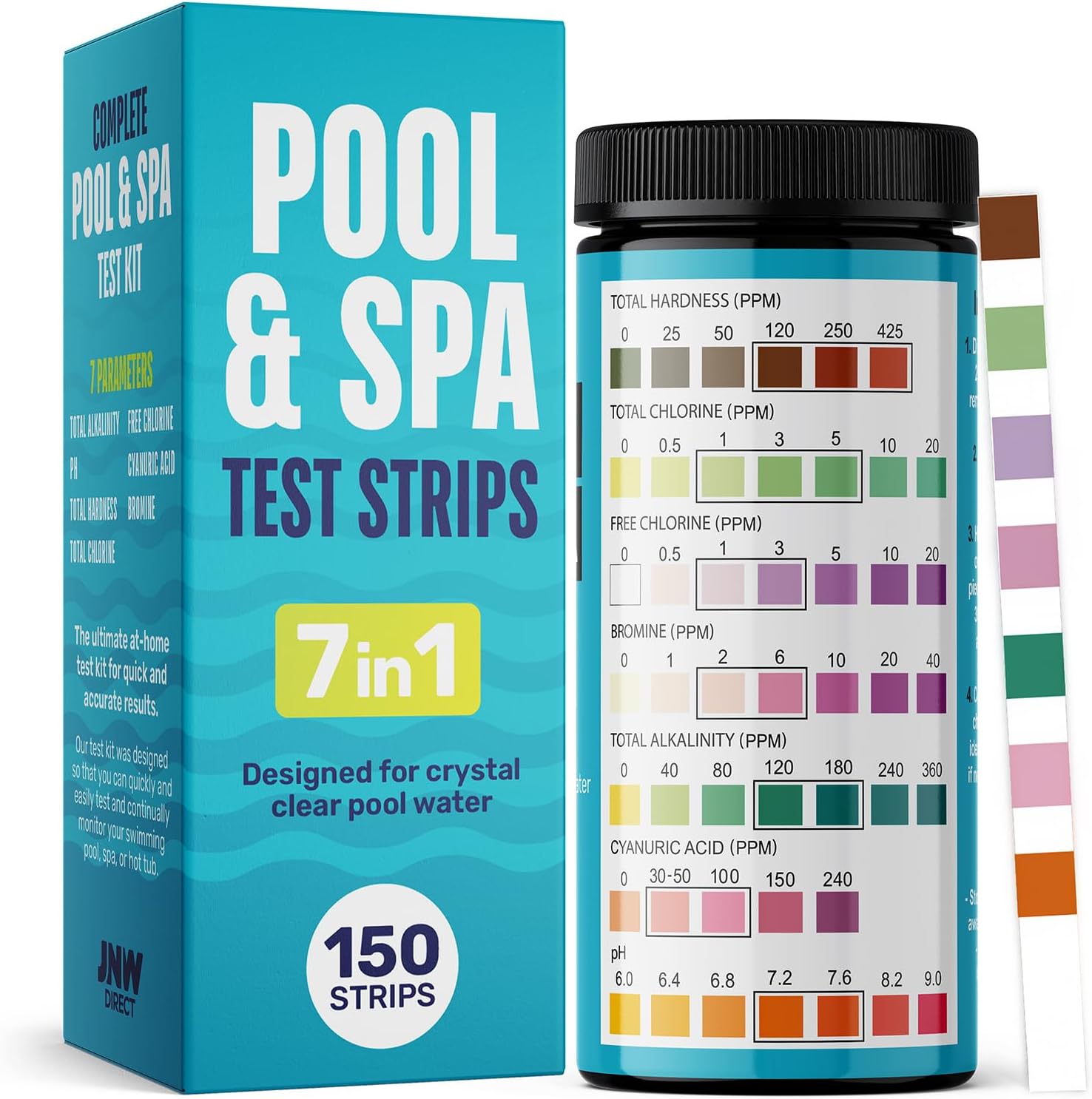
Before you start pouring acid into your tub, confirm the symptoms using the table below. Ideally, you should confirm this with a high-quality test kit—check our reviews of the best hot tub water testers for accuracy.
| Symptom | High Alkalinity (>150 ppm) | Low Alkalinity (<80 ppm) |
|---|---|---|
| pH Behavior | pH Lock: Difficult to lower; keeps drifting up. | pH Bounce: Swings wildly with small chemical additions. |
| Water Clarity | Cloudy, hazy water. | Clear, but aggressive. |
| Physical Feel | Scale formation (sandpaper feel) on shell. | Eye and skin irritation; equipment corrosion. |

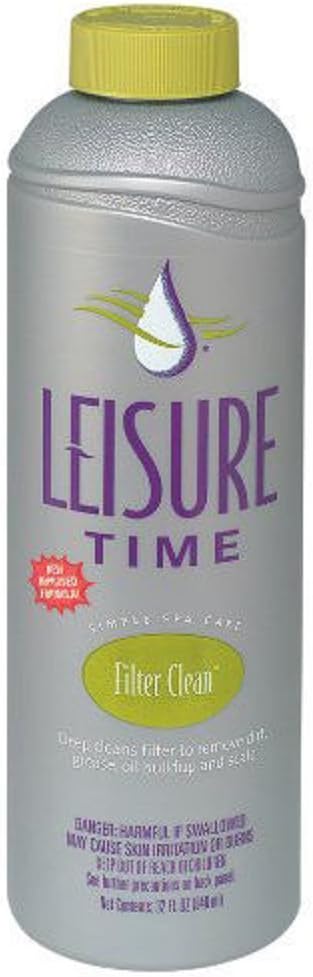
This granular sodium bisulfate is the safest and most effective way to lower alkalinity in both acrylic and inflatable hot tubs.
Check Price on AmazonHow to Lower Alkalinity: The “Acid-Aeration” Method
The tricky part about lowering alkalinity is that anything that lowers alkalinity will also lower pH. To fix this, we use a process called “Aeration” to bring the pH back up without raising the alkalinity.
Step 1: Add pH Decreaser (Sodium Bisulfate)
Turn off your jets. Measure out the recommended amount of pH Decreaser (Sodium Bisulfate) or Muriatic Acid. Pour it into the center of the tub. This will drop both your TA and your pH.
Step 2: Allow Water to Circulate
Run the circulation pump (not the air jets) for 30 minutes to mix the acid.
Step 3: The “Aeration” Trick
At this point, your TA might be lower, but your pH is probably dangerously low. Do not add pH Up! Adding pH Up (Sodium Bicarbonate) will just raise your Alkalinity back up, undoing your work.
Instead, turn on all your air jets, bubbles, and waterfalls. Aerating the water introduces carbon dioxide, which naturally raises the pH without affecting alkalinity. Leave the jets on until the pH rises to 7.2–7.4.
Step 4: Retest and Repeat
This process is slow. You may need to repeat the “Add Acid -> Aerate” cycle over several days to bring TA down from 200+ ppm to the sweet spot of 100 ppm.
Can I Use Vinegar to Lower Alkalinity?
Many owners ask if they can use household white vinegar. While vinegar is an acid (acetic acid) and technically can lower alkalinity, it is not recommended.
Vinegar introduces organic waste into the water, which consumes your sanitizer (chlorine or bromine). This often leads to bacterial growth and foul odors. Stick to Sodium Bisulfate (Dry Acid) or Muriatic Acid for clean results.
Prevention: Why Does It Keep Rising?
If you feel like you are fighting a losing battle, check your source water. Many municipal water sources have high alkalinity. If your fill water is high, use a hose filter when refilling.
Regular maintenance is key. As part of your weekly routine outlined in our inflatable hot tub maintenance guide, check TA first before adjusting pH. Also, ensure you know how often to shock a hot tub, as non-chlorine shock can sometimes help oxidize contaminants that mess with readings.

Test strips are notoriously hard to read for alkalinity. A digital meter gives you the exact number so you calculate the right chemical dose.
Check Price on AmazonFrequently Asked Questions
No. Baking soda (Sodium Bicarbonate) actually raises alkalinity. It is the main ingredient in products labeled “Alkalinity Increaser.” Never use it if your levels are already high.
Generally, yes, it is not immediately dangerous. However, high alkalinity often leads to high pH, which can cause skin rashes, dry eyes, and reduce the effectiveness of chlorine, putting you at risk of bacterial infections.
It can take anywhere from 24 to 48 hours depending on how high the levels are. Because you have to lower it in stages (acid then aeration), it is not an instant fix.
They are usually the exact same chemical: Sodium Bisulfate. The difference lies in how you apply it. To lower alkalinity, you add it to the deep end with the pump off. To lower pH, you usually add it while the water is circulating.