Navigating Hot Tub Installation: The Ultimate Guide to Permits and Zoning Laws
Bringing a hot tub into your backyard is one of the most exciting upgrades you can make to your home. It promises endless nights of relaxation, hydrotherapy, and a perfect spot to entertain guests. However, before the warm water flows and the jets turn on, there is a crucial bureaucratic hurdle to clear. If you are asking yourself, “Do I need a permit to install a hot tub?” you are asking the right question at exactly the right time.
The short, universal answer is: Yes, in almost all cases, you will need some form of permit to install a permanent hot tub. Because a hot tub merges massive amounts of water with high-voltage electricity, local governments are highly invested in ensuring it is installed safely. Attempting to bypass the permitting process can lead to disastrous consequences, from safety hazards to voided insurance policies and hefty municipal fines.
In this comprehensive guide, we will break down exactly what types of permits you need, how structural and zoning laws affect your installation, and the step-by-step process for ensuring your backyard oasis is 100% legal and safe.
1. The Short Answer: Do I Need a Permit to Install a Hot Tub?
To put it simply, if you are installing a hardwired, permanent hot tub, the local building authority wants to know about it. The primary concern of any local municipality is safety. According to the National Electrical Code (NEC) Article 680, bodies of water and electricity are a naturally dangerous combination that requires strict oversight.
The exact permit requirements vary heavily based on your city, county, and state. However, they generally fall into four distinct categories:
- Electrical Permits: Required for the high-voltage wiring needed to run the spa.
- Building/Structural Permits: Required if you are building a deck to support the tub or pouring a new concrete foundation.
- Zoning Permits: Required to ensure the hot tub sits an appropriate distance from property lines.
- Plumbing Permits: Rarely required for standard above-ground tubs, but mandatory for custom in-ground installations.
Even if you live in a rural area with relaxed building codes, installing a hot tub without checking local regulations is a massive gamble. A single call to your local zoning or building department can save you thousands of dollars in retroactive fines.

Protect Your Investment
Ensure your new hot tub stays clean and insulated. Discover top-rated hot tub covers that meet local safety standards.
View Covers on Amazon2. Electrical Permits: The Most Critical Requirement
If there is one permit you cannot avoid, it is the electrical permit. Standard household outlets run on 110V/120V power, which is sufficient for lamps, televisions, and small appliances. However, a full-sized, hardwired hot tub requires a dedicated 220V/240V circuit. This is a massive draw of power, which makes understanding how many amps a hot tub uses incredibly important for your home’s electrical panel.
Because of this high power demand, your local government will mandate an electrical permit and a subsequent inspection by a licensed city inspector. Here is what the inspector will be looking for:
- GFCI Protection: A Ground Fault Circuit Interrupter (GFCI) breaker is non-negotiable. It instantly cuts power if it detects an imbalance, preventing electrocution.
- Manual Disconnect Box: The NEC requires a manual electrical disconnect box to be installed at least 5 feet away from the tub’s water edge, but no more than 15 feet away (and within line of sight). This ensures that if someone is being shocked, a bystander can easily cut the power without getting too close to the water.
- Proper Conduit and Burial Depth: If the wires are run underground, they must be buried in specific PVC conduits at a depth dictated by local code (usually 18 inches).
- Bonding: All metal parts within 5 feet of the hot tub must be bonded to the hot tub’s grounding system to prevent stray voltage.
Never attempt to DIY a 240V hot tub installation unless you are a licensed electrician. The risk of fire or electrocution is simply too high, and no inspector will pass an amateur electrical job.

Code-Compliant Spa Disconnects
Get ready for your electrical inspection with a high-quality GFCI manual disconnect box required by the NEC.
Check Price on Amazon3. Building and Structural Permits: Decks, Foundations, and Weight Limits
Water is exceptionally heavy. A standard 4-person hot tub holds roughly 300 to 400 gallons of water. When you combine the weight of the dry tub, the water (at 8.34 lbs per gallon), and the weight of four adults, your hot tub can easily weigh between 4,000 and 6,000 pounds.
Because of this immense load, placing a hot tub on an existing deck or pouring a new concrete pad often triggers the need for a structural or building permit.
Deck Installations
If you are installing a hot tub on a wooden deck, a building inspector will almost certainly need to review the structural plans. Standard decks are built to support 40 to 60 pounds per square foot (PSF). A filled hot tub requires a deck that can support at least 100 to 120 PSF. You will likely need to hire a structural engineer to draw up plans showing reinforced joists, closer joist spacing, and additional support posts before the city grants a building permit.
Concrete Foundations
If you are placing the hot tub on the ground, you need a perfectly level, solid foundation. Pouring a 4-inch concrete pad is the industry standard. While pouring a small pad might not require a permit in some rural areas, many cities require a building permit for any permanent concrete structure over a certain square footage to ensure it doesn’t interfere with drainage or utility lines.

No-Concrete Spa Foundations
Skip the concrete permit with heavy-duty, interlocking hot tub base pads designed for optimal weight distribution.
View Spa Pads on Amazon4. Zoning Laws, Setbacks, and Property Line Regulations
Zoning laws dictate where you can place structures on your property. Even if your electrical and structural plans are flawless, your project will be halted if you violate local setback regulations.
A “setback” is the minimum distance required between a structure (your hot tub) and a specific boundary (your property line, your house, or a utility easement).
| Zoning Requirement | General Distance/Rule | Why It Exists |
|---|---|---|
| Property Line Setback | 5 to 10 feet | Privacy for neighbors, noise reduction, and access for emergency services or maintenance. |
| Overhead Power Lines | 10 to 22+ feet (horizontal/vertical) | Prevents electrocution risks if someone uses a pool skimmer or if a wire falls. |
| Underground Utilities | Varies by utility | Ensures the heavy hot tub does not crush buried gas, water, or sewer lines. |
| Septic Systems | 10 to 15 feet | Prevents the weight of the tub from crushing the septic tank or drain field. |
Before buying a hot tub, you must obtain a plot plan of your property and sketch exactly where the tub will go. Submit this to your local zoning office. They will verify that your placement doesn’t encroach on easements or violate setback rules. If you install a hot tub 2 feet from a property line in a city that requires a 5-foot setback, they can legally force you to drain and move it.

Enhance Your Privacy
Keep your backyard oasis secluded from neighbors with elegant, freestanding outdoor privacy screens.
Check Price on Amazon5. Plumbing Permits: When Water Lines Require Official Approval
For the vast majority of residential hot tub installations, you will not need a plumbing permit. This is because modern, portable, above-ground hot tubs are entirely self-contained systems. You fill them with a standard garden hose, the internal pumps circulate the water, and you drain them periodically using a built-in spigot.
Because they are not hard-plumbed into your home’s municipal water supply or sewer system, plumbing inspectors generally do not care about them.
However, there are exceptions:
- In-Ground Spas: If you are building a custom gunite spa that shares plumbing with a swimming pool, you will need a plumbing permit.
- Auto-Fill Valves: If you run a permanent, dedicated underground water line directly to the hot tub for automatic refilling, a plumbing permit is required to ensure backflow preventers are installed. This stops contaminated hot tub water from siphoning back into your home’s drinking water.
- Drainage Regulations: While not strictly a plumbing permit, environmental zoning laws dictate where you can drain your hot tub. Draining chemically treated water into a storm sewer or a neighbor’s yard is strictly prohibited in many municipalities.

Drain Your Spa in Minutes
Don’t rely on slow gravity drains. Use a high-powered submersible pump to empty your hot tub quickly and direct water safely away from foundations.
View Pumps on Amazon6. Gas vs. Electric Hot Tubs: How the Heating Method Affects Permitting
The type of heater your hot tub utilizes will drastically alter the permitting landscape. Most standard above-ground hot tubs use electric heaters. As discussed, these require robust electrical permits. However, some custom installations, particularly in-ground spas, utilize natural gas or propane heaters.
If you are deciding between heating methods, it is essential to understand whether hot tubs are heated by gas or electric in your specific scenario, as this dictates the contractor you hire.
Electric Heaters
- Standard for 95% of portable hot tubs.
- Requires only an electrical permit.
- Easier to install; no trenching for gas lines.
- Slower heating times compared to gas.
Gas Heaters
- Incredibly fast heating times (great for custom spas).
- Requires a Gas Permit: A licensed plumber/gas fitter must run and inspect the gas line.
- Ventilation Code: Strict codes govern the exhaust venting to prevent carbon monoxide buildup.
- More expensive upfront installation costs.
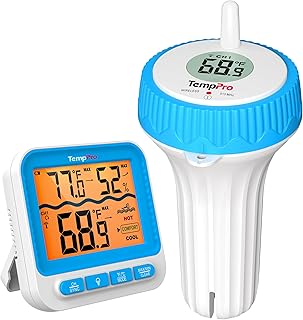
Monitor Your Heat Efficiency
Keep precise track of your water temperature with a floating digital spa thermometer to ensure your heater is running optimally.
Check Price on Amazon7. Indoor vs. Outdoor Hot Tub Installations: Navigating Different Codes
Bringing a hot tub indoors completely rewrites the rulebook. While an outdoor installation deals primarily with property lines and ground foundations, an indoor installation forces building inspectors to look at moisture control, structural flooring limits, and chemical off-gassing.
If you are wondering if you can put a hot tub in a basement or sunroom, the answer is yes, but the permit requirements are intense.
- Ventilation Requirements: Hot tubs generate massive amounts of humidity. Building codes require strict mechanical ventilation (like high-CFM exhaust fans) to prevent black mold and dry rot from destroying your home’s framing.
- Vapor Barriers: You may need permits to alter the room’s walls, adding commercial-grade vapor barriers and moisture-resistant drywall (green board).
- Floor Drains: Indoor spas require floor drains. A plumbing permit will be necessary to tie this drain into the home’s sewer system, preventing catastrophic flooding if the tub leaks.
- Structural Engineering: If placing a hot tub on the first or second floor, an engineer must verify the joists can handle the 5,000+ pound concentrated load.

Essential for Indoor Spas
Protect your home from moisture damage and mold with a commercial-grade dehumidifier designed for indoor pool and spa rooms.
View Dehumidifiers on Amazon8. Above-Ground vs. In-Ground Spas: Installation Type and Permit Variances
The physical nature of the hot tub dictates the level of municipal scrutiny you will face.
Portable Above-Ground Hot Tubs: These are the standard acrylic tubs you buy from a dealer. Because they are classified as “portable” appliances (even though they weigh thousands of pounds), they generally only trigger electrical and zoning permits. They are not considered permanent structures, which makes the bureaucratic process much simpler.
In-Ground Spas: If you are excavating dirt to install a concrete, gunite, or prefabricated spa into the earth, your project is essentially classified as a swimming pool. You will need:
- Excavation permits.
- Structural and building permits for the shell.
- Plumbing and gas/electrical permits.
- Barrier Permits: Most cities require an in-ground spa to have a 48-inch fence with a self-closing, self-latching gate around it to prevent accidental drownings, unless an ASTM-approved motorized safety cover is installed.

Safe Entry for Above-Ground Spas
Make getting in and out of your portable hot tub safe and easy with heavy-duty, slip-resistant spa steps.
Check Price on Amazon9. Inflatable Hot Tubs: Do The Same Strict Rules Apply?
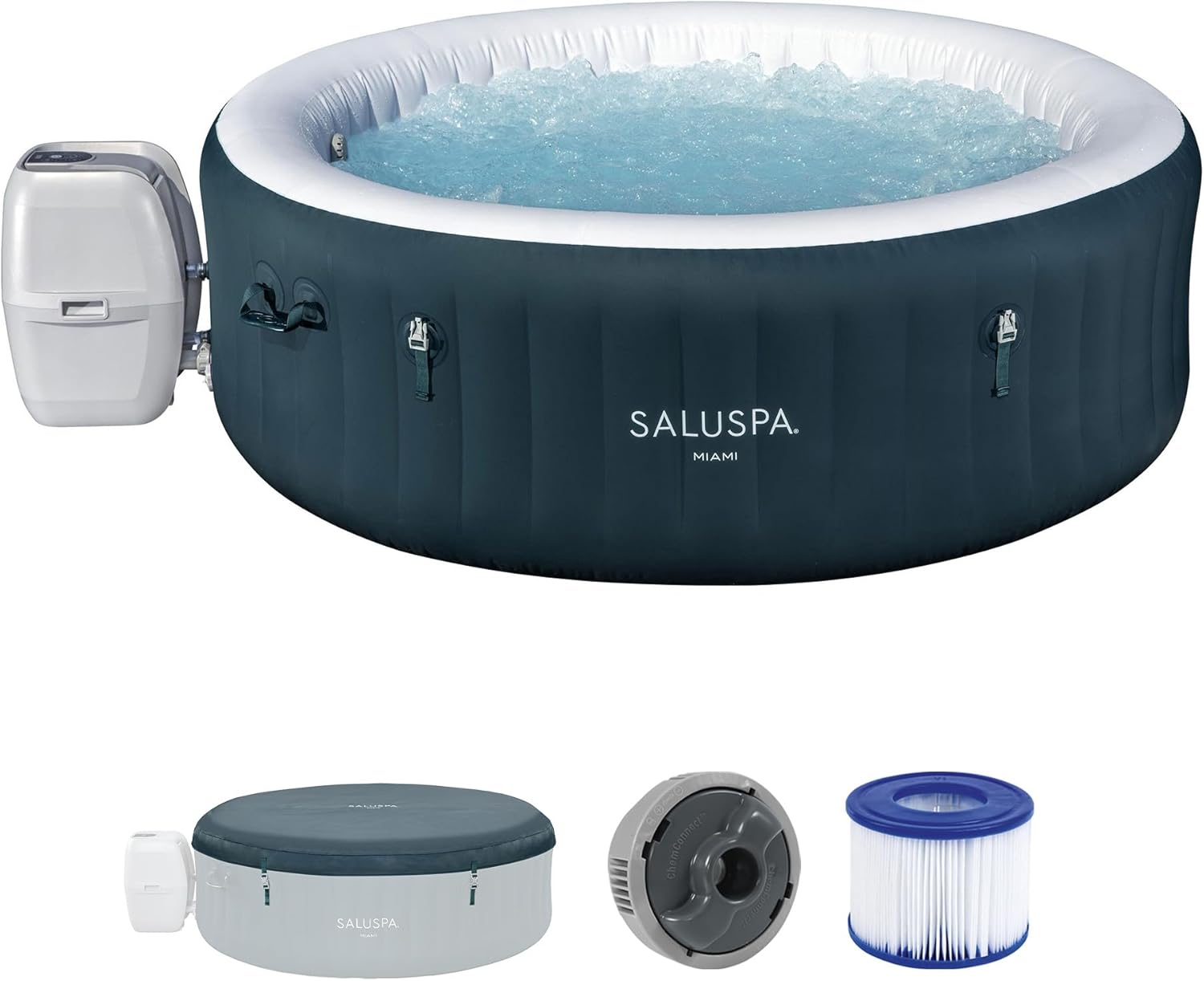
Inflatable hot tubs have exploded in popularity due to their low cost and ease of use. But does a temporary, blow-up spa require a visit to the city planning office?
Generally, no. Inflatable hot tubs plug directly into a standard 110V household outlet. Because they do not require a dedicated 240V hardwired circuit, they bypass the need for an electrical permit. Furthermore, because they are temporary and easily moved, they do not trigger building or structural permits.
However, before following an inflatable hot tub setup step by step installation guide, you must adhere to basic safety rules. The 110V outlet you plug into must be GFCI-protected. Furthermore, you cannot use extension cords, as they pose a massive fire risk. Finally, zoning laws regarding property line setbacks still technically apply to temporary water features, though enforcement is rare unless a neighbor complains.

Inflatable Spa Maintenance Kit
Keep your plug-and-play hot tub water crystal clear with a beginner-friendly chemical and cleaning kit.
View Care Kits on Amazon10. HOA Approvals vs. City Permits: Managing Dual Requirements
If you live in a neighborhood governed by a Homeowners Association (HOA), getting a city permit is only half the battle. In many cases, the HOA is actually stricter than the local government.
While the city cares primarily about electrical safety and property lines, the HOA cares about aesthetics, noise, and property values. Before you purchase a tub, you must submit an Architectural Review Request to your HOA. Common HOA hot tub restrictions include:
- Visibility: The tub must be hidden from the street or shielded by a privacy fence or landscaping.
- Noise: The pump and jets cannot exceed a certain decibel level, and hours of operation might be restricted.
- Color and Design: The exterior cabinet of the hot tub must match the color palette of the neighborhood.
- Inflatable Bans: Many HOAs strictly prohibit inflatable hot tubs, viewing them as unsightly.
Always secure your HOA approval before applying for city permits, as the city will not care if your HOA forces you to remove a perfectly permitted hot tub.

Pass the HOA Aesthetic Test
Blend your hot tub seamlessly into your backyard landscape with beautiful, weather-resistant planter boxes.
Check Price on Amazon11. The Real Consequences of Skipping the Permit Process
It is tempting to skip the permitting process to save time and a few hundred dollars. Many homeowners hire unlicensed handymen or DIY the wiring over the weekend. This is a massive mistake that carries severe long-term consequences.
1. Municipal Fines and Forced Removal
Code enforcement officers frequently drive through neighborhoods, and neighbors are quick to report construction noise. If you are caught installing a tub without a permit, the city will issue a “Stop Work” order, levy hefty fines (often double or triple the original permit cost), and require you to tear out the work so an inspector can see the bare wiring.
2. Voided Homeowner’s Insurance
If your unpermitted, DIY electrical work arcs and burns your house down, or if a guest is electrocuted, the insurance company will investigate. When they discover the hot tub was illegally installed, they will deny your claim entirely, leaving you financially ruined.
3. Real Estate Disasters
When you go to sell your home, the buyer’s home inspector will notice the hot tub and ask for the permit records. Unpermitted work is a massive red flag that can derail a home sale, forcing you to hire an electrician to secure retroactive permits at the last minute.
12. Step-by-Step Guide to Applying for Your Hot Tub Permit
While dealing with the city bureaucracy can be tedious, following a structured process makes it painless. Here is the step-by-step path to getting your hot tub fully permitted:
- Gather Manufacturer Specs: Your local building department will want to see the exact make, model, and electrical specifications (amperage, voltage) of the tub you intend to buy.
- Draw a Plot Plan: Create a top-down drawing of your property. Mark the property lines, your house, overhead power lines, and exactly where the hot tub will sit. Note the distances (setbacks) between the tub and these boundaries.
- Consult a Licensed Electrician: Have your electrician draft the electrical plan, detailing the wire gauge, conduit type, breaker size, and disconnect box location.
- Submit to the Building Department: Take your plot plan, electrical plan, and manufacturer specs to the local building department (many cities now accept these online). Pay the permit fee.
- First Inspection (Rough-in): Once the trench is dug and conduit is laid (but before it is buried), the inspector will check the work.
- Final Inspection: After the hot tub is delivered, wired, and filled with water, the inspector will return to test the GFCI breakers and sign off on the permit.
Once you have that final signature, you can finally turn on the jets, crack open a beverage, and soak with absolute peace of mind.

Ready to Soak?
Complete your legal, safe backyard oasis with the ultimate spa accessories, from waterproof speakers to aromatherapy crystals.
Shop Spa Accessories on AmazonFrequently Asked Questions (FAQs)
Do I need a permit to install a hot tub in my backyard?
Yes, in most municipalities, you will need at least an electrical permit to install a hardwired hot tub. Depending on your location, you may also need a building or zoning permit, especially if you are pouring a new concrete pad, building a deck, or installing an in-ground spa.
Can I install a 110V plug-and-play hot tub without a permit?
Plug-and-play models that run on a standard 110V outlet often bypass the need for a dedicated electrical permit because they don’t require hardwiring. However, you must still ensure the outlet is GFCI-protected, and you may still need a zoning permit depending on your local setbacks.
What happens if I install a hot tub without a permit?
Skipping the permit process can lead to severe consequences, including hefty fines from your city, forced removal of the hot tub, voided manufacturer warranties, and denied homeowner’s insurance claims if a fire or electrical issue occurs.
How close to the property line can I put my hot tub?
This is determined by local zoning laws. Most cities require a setback of 5 to 10 feet from the property line. You must check with your local zoning office to find the exact setback requirements for your specific property.
Do I need an electrician to install a hot tub?
For any 220V/240V hot tub that requires hardwiring, you should absolutely hire a licensed electrician. They will ensure the installation meets National Electrical Code (NEC) standards, including proper GFCI breakers and bonding.
How much does a hot tub permit cost?
Permit costs vary wildly by location. An electrical permit might cost anywhere from $50 to $150, while combined building, structural, and electrical permits for a complex in-ground installation can range from $200 to $500 or more.
Do I need a fence around my hot tub?
Many municipalities require a barrier, such as a fence that is at least 48 inches high, around any body of water, including hot tubs. However, if your hot tub has an ASTM-approved lockable safety cover, many cities will waive the fence requirement.
Does an inflatable hot tub require a permit?
Generally, no. Because inflatable hot tubs are temporary structures that plug into standard 110V GFCI outlets, they rarely trigger building or electrical permit requirements. However, HOA rules might still restrict them.
Will an unpermitted hot tub affect my home sale?
Yes. When you go to sell your home, the buyer’s inspector will likely ask for the permit records for the hot tub’s electrical work. Unpermitted work can delay the sale, force you to get a retroactive permit, or require you to remove the spa entirely.
How long does it take to get a hot tub permit?
Simple electrical permits can sometimes be issued over the counter or online within 24 to 48 hours. If your project involves decking, zoning reviews, or structural engineering, the process can take anywhere from 2 to 6 weeks.
Ready to Start Your Hot Tub Project The Right Way?
Dealing with permits, zoning laws, and electrical codes might seem like a daunting task, but it is the ultimate foundation for a safe, stress-free backyard oasis. By understanding the requirements—from 240V electrical runs to structural deck supports—you protect your home, your family, and your investment.
Don’t let the paperwork hold you back from the hydrotherapy you deserve. Contact a licensed local electrician today to get your electrical plan drafted, submit your plot plan to the city, and prepare for delivery day!
Shop Top-Rated Hot Tubs on Amazon