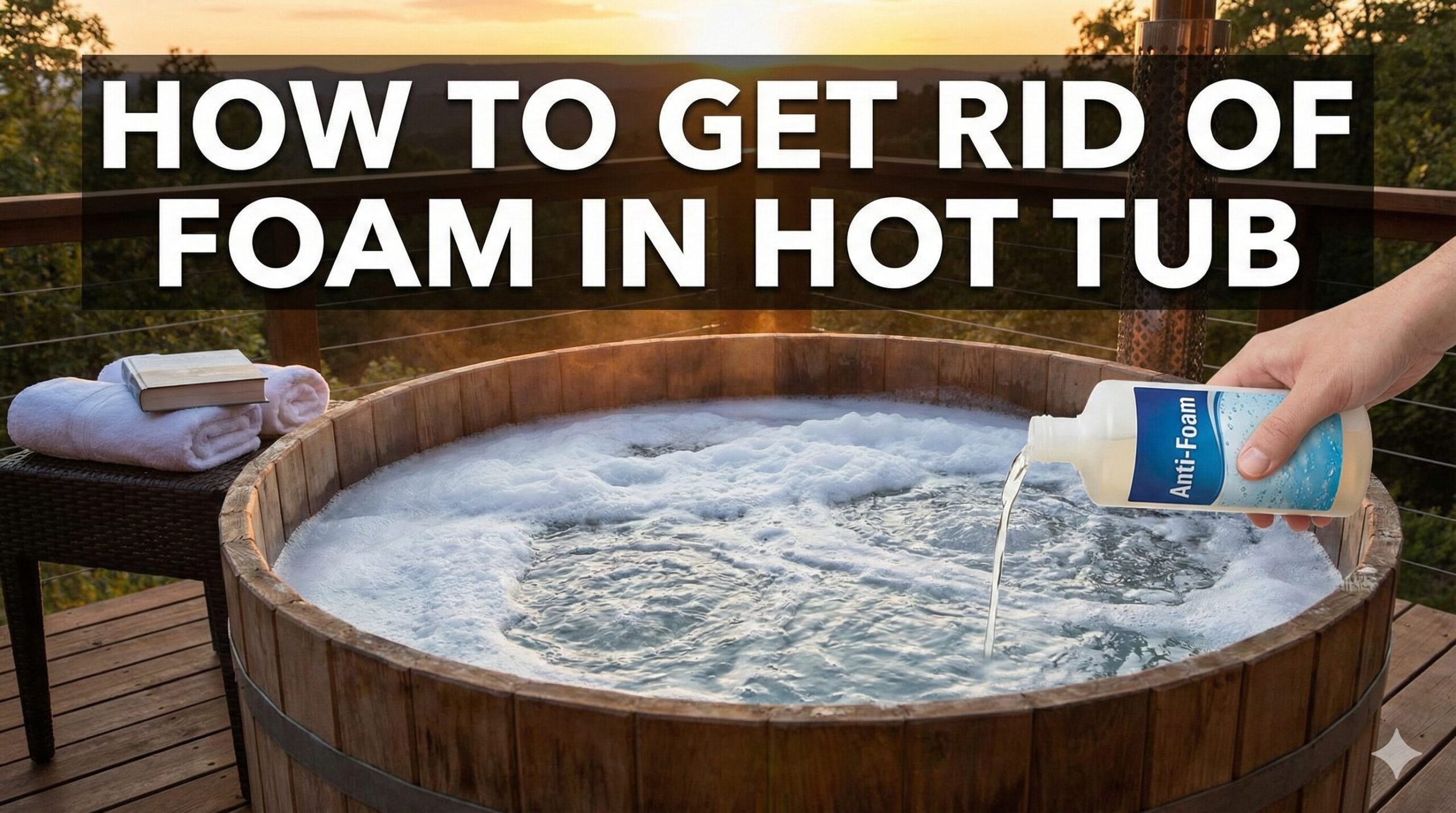
How to Get Rid of Foam in a Hot Tub: The Immediate Fix and Long-Term Cure
You opened the cover, turned on the jets, and expected a relaxing soak. Instead, you were greeted by a mountain of white suds that looks more like a 1990s bubble bath than a therapeutic spa experience. While it might look fun, foam in a hot tub is a clear sign that your water chemistry is off balance.
Foam prevents the water from breathing properly and can trap bacteria against your skin. The good news? It is one of the most common hot tub problems and is relatively easy to fix.
In this guide, we will cover the instant “party saver” fix if you have guests coming over in an hour, and the deep-cleaning method to ensure the foam never comes back.
We’ll also go a layer deeper than most quick-fix articles. Rather than just telling you to “add defoamer,” we’ll walk through the actual chemistry behind why bubbles refuse to pop, how to measure whether your water has simply reached the end of its useful life, and how sanitizer type, calcium hardness, and even the season can all quietly influence how foam-prone your spa is. By the end of this guide, you should be able to look at your own foam — its color, timing, and persistence — and immediately know which of the fixes below applies to your situation, rather than guessing and hoping a random product solves it.
Why Is My Hot Tub Foamy?
Foam is created when the surface tension of the water is lowered by surfactants. In plain English: “sticky” substances are coating the water bubbles, preventing them from popping.
| Foam Appearance | Likely Cause | Safety Level |
|---|---|---|
| White, Light & Airy | Lotions, Soap Residue, Makeup | Safe (but annoying) |
| Yellow/Brown Scum | Low Calcium, Body Oils | Unsanitary |
| Greenish Tint | Algae or Biofilm | Do Not Enter |
The number one culprit? Laundry detergent. If you wash your swimsuits in a washing machine, the residual soap trapped in the fabric is released the moment you turn on the jets. This is often why hot tub water gets cloudy alongside the foam.
Foam vs. Cloudy Water: What Is the Difference?
Owners often use “foamy” and “cloudy” interchangeably, but they describe two different problems that sometimes overlap. Cloudy water is a haze suspended throughout the entire body of water — you can’t see the bottom of the footwell, and the whole tub looks like it has a thin veil of milk stirred into it. Foam, on the other hand, sits specifically on the surface. It’s a layer of bubbles that doesn’t dissipate the way normal jet-agitation bubbles do.
The two are related because they share a root cause: contaminants. Cloudiness is usually caused by extremely fine particles (oils, minerals, or dead skin) that scatter light as they float throughout the water column. Foam is caused by surfactants specifically collecting at the air-water interface, where the jets are constantly injecting bubbles. It’s entirely possible to have cloudy water with no foam, foam with perfectly clear water underneath, or both at once when contamination is severe. If your water is cloudy without any foam on top, the fix is usually different — filtration and clarifier — rather than a defoamer.
The Science of Surfactants: Why Bubbles Won’t Pop
To really solve a foam problem instead of just masking it, it helps to understand the chemistry at play. Water molecules are naturally attracted to each other, a property called surface tension. That tension is what allows a bubble to form and then quickly collapse — the water molecules on the surface pull together and squeeze the air out. Surfactants are molecules that have a water-loving end and an oil-loving end. When they line up at the surface of a bubble, they get in the way of that natural pull, essentially acting like tiny scaffolding that holds the bubble wall open.
The more surfactant molecules present in the water, the sturdier the scaffolding becomes, and the longer the bubbles survive. That’s why a hot tub with heavy bather load, lots of lotion, or old water can go from a few harmless bubbles near the jets to a wall of foam that spills over the edge of the cabinet. Anything that introduces oil-and-water-loving molecules into your spa — shampoo, body wash, cosmetics, fabric softener, sunscreen, and even some low-quality spa chemicals — can act as a surfactant.
Total Dissolved Solids (TDS): The Hidden Foam Trigger
Total Dissolved Solids, or TDS, is a measurement of every mineral, salt, metal, and organic particle dissolved in your spa water — essentially everything left behind once you filter out anything visible. Every time you or a guest gets in the tub, you add to the TDS count: skin cells, sweat, oils, cosmetic residue, and the byproducts created when your sanitizer breaks those contaminants down.
Fresh tap water typically starts with a TDS reading somewhere between 50 and 400 parts per million (ppm), depending on your local water supply. As the water ages, that number climbs. Once TDS crosses roughly 1,500 ppm, most spa manufacturers consider the water “saturated” — it has absorbed about as much contamination as it can hold, and your sanitizer has to work much harder to keep up. Saturated water is also water that foams more readily, because the surfactant load is that much higher.
You can measure TDS directly with an inexpensive digital TDS meter (the same style used for aquariums and reverse-osmosis systems), or estimate it indirectly by tracking how long it’s been since your last drain and fill combined with how frequently the tub is used. As a rule of thumb, a two-person household soaking three or four times a week should expect to drain and refill every 3 to 4 months. A family of four using the tub daily may need to refresh the water monthly. If you’ve been chasing foam with shock and defoamer for more than a week with no lasting improvement, high TDS is almost always the underlying reason, and no amount of additional chemical will permanently fix it — the water itself needs to be replaced.
pH, Alkalinity, and Calcium Hardness: The Ranges That Matter
Water balance doesn’t just protect your equipment — it directly affects how easily foam forms. Each of the three core measurements plays a slightly different role:
- pH (ideal range 7.2–7.8): When pH drifts too high, sanitizer becomes less effective and organic waste builds up faster, feeding foam. When it swings too low, the water becomes aggressive and can strip oils from vinyl and gaskets, adding even more surfactant material to the water.
- Total Alkalinity (ideal range 80–120 ppm): Alkalinity acts as a buffer that keeps pH from bouncing around. Low alkalinity makes pH unstable, which in turn makes foam control unpredictable — you might dose a defoamer only to see pH swing and undo the benefit within a day.
- Calcium Hardness (ideal range 150–250 ppm): Counterintuitively, water that is too soft (low calcium) foams more easily than hard water, because calcium ions help stabilize surface tension. If your test strips show calcium below 100 ppm, that softness alone can be enough to keep a tub foamy even with clean filters and fresh water.
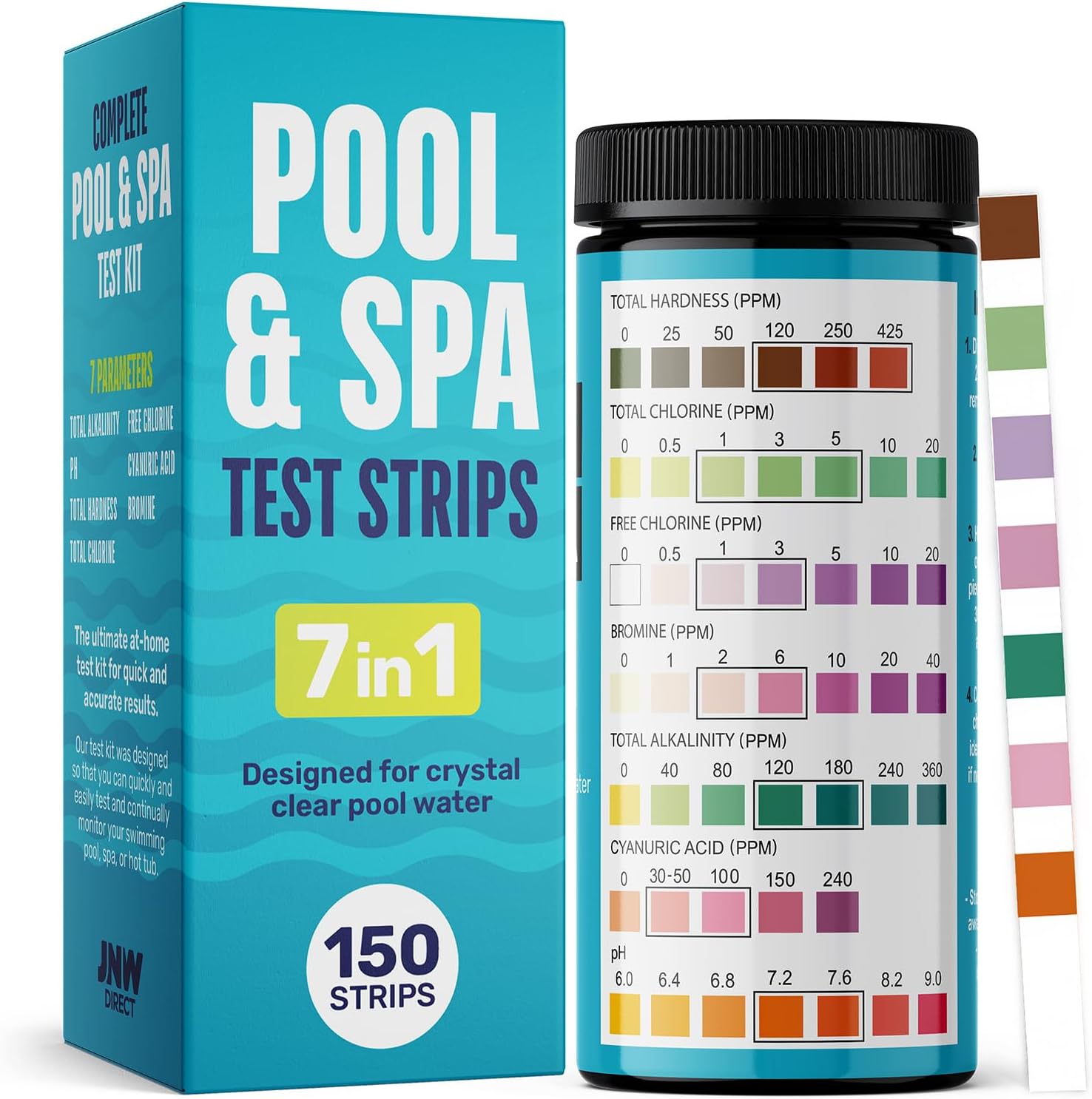
Testing all three at once with a five-way or six-way test strip, rather than just checking sanitizer level, will usually reveal which of these is out of range and driving your foam problem.
Does Sanitizer Type Matter? Bromine vs. Chlorine Foam
Both bromine and chlorine spas can foam, and the underlying cause — surfactants from bathers and personal care products — is identical regardless of sanitizer. That said, there are a couple of sanitizer-specific wrinkles worth knowing. Bromine tends to be gentler on skin and is popular in spas that run warmer, but it also breaks down more slowly than chlorine, meaning organic waste can linger a bit longer before it’s fully oxidized, which some owners find increases foam between shock treatments. Chlorine oxidizes contaminants faster but can also react with certain lower-quality defoamer formulas, occasionally reducing how long the product lasts before you need to reapply.
If you use a bromine feeder or floating dispenser, make sure it isn’t overdosing the water — bromine levels that are consistently too high can irritate skin and, combined with heavy bather load, contribute to the kind of skin-oil overload that produces foam. Whichever sanitizer you use, an oxidizing shock (potassium peroxymonosulfate, sometimes labeled “non-chlorine shock”) remains the best weekly tool for burning off the organic waste that both chlorine and bromine can otherwise struggle to keep pace with.
Salt Water Hot Tubs and Foam
Salt water systems generate chlorine on-site using a salt cell, but the water itself is still, at its core, a chlorinated spa — the same foam-causing culprits (lotions, detergent, oils, low calcium) apply. Where salt systems differ is that they’re more sensitive to calcium hardness and TDS creep, since the salt itself adds to the overall dissolved-solids count. If you own a salt water hot tub and notice foam, check your salt cell’s calcium and TDS guidance in the owner’s manual before assuming the salt is to blame — in most cases, it’s the same surfactant sources as any other tub, just measured against a slightly different baseline TDS reading.
Why Does a Brand-New Hot Tub Foam?
It’s a surprisingly common experience: you just filled your hot tub for the very first time, added chemicals for the first time, and within a day or two it’s already foaming — before anyone has even taken a soak. This usually comes down to one of three things. First, fill water itself can carry surfactant-like minerals or residues from municipal treatment, especially if you filled with a garden hose that had detergent residue from previous washing use. Second, new plumbing and shells sometimes carry manufacturing lubricants or protective coatings that need to be flushed out; running the jets on high with the air valves open for the first 24–48 hours and then shocking heavily helps clear this. Third, new owners sometimes over-treat the water with multiple products at once (algaecide, clarifier, balancer) before the water has had a chance to circulate, and interactions between products can cause temporary foaming. If a new tub foams, a fresh shock treatment followed by a filter rinse typically clears it within one or two days.
Hair, Beverages, and Other Overlooked Foam Sources
Beyond the usual suspects of soap and lotion, a handful of less obvious contributors show up again and again in hot tub forums and service calls:
- Hair care products: Shampoo, conditioner, mousse, and hair spray residue rinse off in the water, especially with long hair. Tying hair up or wearing a cap reduces this significantly.
- Drinks and snacks: Spilled soda, beer, wine, or juice introduce sugars and surfactant-like compounds directly into the water. Keeping beverages on a side table rather than the tub edge prevents accidental spills.
- Swimwear fabric softener: Even without visible detergent, fabric softener sheets used in the dryer leave a waxy, surfactant-rich residue that releases in warm water.
- Pets: While uncommon, pet hair and oils can occasionally end up in outdoor spas and contribute to both foam and filter clogging.
Do Air Blowers and Bubbler Jets Make Foam Worse?
Many spas have a separate air blower — sometimes marketed as a “bubbler” system — distinct from the water-circulation pump and jets. This blower forces raw air through small nozzles along the floor or seats purely for a champagne-bubble effect. Because it introduces a much higher volume of air relative to water flow than the main jets do, it’s often the single biggest foam amplifier in a spa that already has surfactants present. If you notice foam gets dramatically worse specifically when you switch the bubbler on, rather than the main jets, that’s a strong clue your water already has a surfactant load that the bubbler is simply making visible faster. Running the bubbler briefly as a “foam test” after cleaning your filters and shocking the water is actually a reasonably reliable way to confirm whether your foam problem has been resolved, since it exaggerates any remaining contamination far more than the primary jets alone would.
Hot Tub Foam vs. Swimming Pool Foam: Why Spas Foam More Easily
If you’ve ever wondered why your pool rarely foams but your hot tub foams within days of a fresh fill, the answer comes down to three factors working together. First, hot tubs hold vastly less water — typically 300 to 500 gallons compared to a pool’s 15,000-plus gallons — so the same amount of lotion or detergent gets concentrated into a much smaller volume, dramatically raising the surfactant-to-water ratio. Second, spa jets aerate water far more aggressively than a pool’s return jets, injecting far more air per gallon and giving surfactants more opportunities to stabilize bubbles. Third, hot water itself lowers surface tension slightly compared to cool water, which is part of why the same swimsuit that behaves fine in a cool pool can trigger noticeable foam in a 100°F spa. All three factors combine to make foam a distinctly “hot tub” problem, even though the underlying surfactant chemistry is identical to a foamy pool.
The Immediate Fix: Anti-Foam Chemicals
If you are planning to use the tub tonight, you don’t have time to drain and refill. You need a “Defoamer.”
Hot tub defoamers are silicone-based additives that instantly break the surface tension of the water. When you spray or pour it onto the foam, the bubbles pop immediately. It is incredibly satisfying to watch.
How Much Defoamer Should You Use?
Most concentrated defoamers only require a capful (roughly 5–10 ml) per 300–500 gallons of water. Because these products are silicone-based, more is not better — overdosing can leave an oily sheen on the water surface that is just as unappealing as the foam itself, and can also coat your filter media, making it harder to rinse clean later. Add a small amount, wait 10–15 minutes with the jets running, and only add more if foam is still present. It’s also worth noting that defoamer works instantly on existing foam but does nothing to stop new foam from forming if surfactants keep entering the water, which is why it should always be paired with the deep-clean steps further down this guide.
Is It Safe to Use Defoamer With Bromine or Salt Systems?
Yes — silicone-based defoamers are compatible with chlorine, bromine, and salt water spas. They work by physically disrupting bubble surface tension rather than reacting chemically with your sanitizer, so they won’t neutralize bromine or interfere with a salt cell’s chlorine generation. The one exception is if a product label specifically warns against use with a particular sanitizer or ionizer system — always check the bottle, since formulations vary between brands.
Foam That Appears Right After Adding Chemicals
If your tub only foams up shortly after you add a pH increaser, alkalinity increaser, or fresh sanitizer, you’re likely dealing with a temporary chemical reaction rather than a contamination issue. Granular chemicals that aren’t fully dissolved before the jets are turned on can whip up a short-lived layer of bubbles as they mix into the water. This kind of foam typically settles on its own within an hour once the product has fully dispersed. To avoid it going forward, always dissolve granular chemicals in a bucket of warm water before adding them to the spa, and wait at least 15–20 minutes with the jets running before testing or adding anything else. If the foam reappears every single time you rebalance the water and doesn’t dissipate, it’s worth switching to a different brand of balancer, since some cheaper formulations contain more filler ingredients that act as surfactants.

This powerful concentrated formula destroys foam on contact. A must-have for emergency fixes before guests arrive.
Check Price on AmazonThe Deep Clean: Getting Rid of Foam Forever
To truly solve the problem, you need to remove the surfactants from the water. Here is the step-by-step process.
1. Shock the Water
You need to oxidize the organic compounds (body oils, dead skin) that are feeding the foam. Use a non-chlorine shock (oxidizer) and run the jets with the air valves open for 20 minutes. Not sure about the dosage? Read our guide on how often you should shock a hot tub.
2. Clean Your Filters
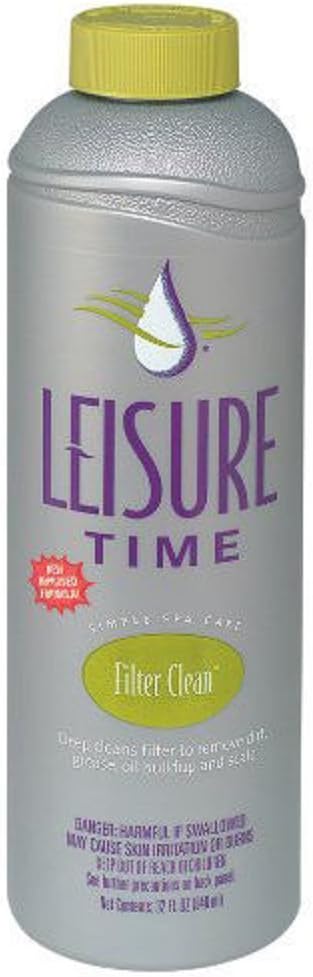
Your filters trap the oils that cause foam. If they are saturated, they can’t hold any more grease, and it cycles back into the tub. Soak your filters in a chemical cleaner overnight.
3. Use Scum Absorbers
These are floating sponges (often shaped like turtles or stars) that soak up oils from the water surface. They are one of the cheapest and most effective ways to prevent foam buildup. Check out our list of the best hot tub scum absorbers to keep your water pristine.
4. The “Drain and Fill” Option
If the foam is persistent despite shocking and defoaming, the Total Dissolved Solids (TDS) in your water are likely too high. The water is “old” and can no longer be chemically balanced. It’s time to drain, clean the shell, and refill.
5. Test Your TDS Before You Decide
Rather than guessing whether it’s time to drain, dip a digital TDS meter into the water for a hard number. Readings under 1,000 ppm usually mean the water is still salvageable with a strong shock and fresh filter. Readings between 1,000 and 1,500 ppm suggest you’re approaching the point of diminishing returns — a shock might buy you another week, but foam will likely return quickly. Anything above 1,500 ppm means the water has absorbed as much waste as it reasonably can, and no amount of shock, defoamer, or balancing chemical will produce a lasting fix. At that point, draining is faster, cheaper, and more effective than continuing to dose chemicals into water that can’t hold any more.
5b. Don’t Forget the Plumbing Lines
Shocking and cleaning the visible water and filters addresses what you can see, but a meaningful amount of organic residue and biofilm precursor can hide inside the pipes, jets, and heater manifold, where sanitizer concentration is often lower than in the open tub. A pipe-and-plumbing flush product, poured in before you drain, circulates through every line and dissolves grease and residue that would otherwise get stirred back into your fresh fill water the moment you restart the pump. This step is inexpensive, takes about 30 minutes, and is especially worth doing if your foam has ever had a greenish tint, an odor, or if it’s been longer than 6 months since your last drain.
6. Consider a Flocculant for Cloudy-and-Foamy Water
If your foam is accompanied by cloudy water that clarifier alone hasn’t fixed, a flocculant can help. Unlike a clarifier, which coagulates tiny particles so your filter can catch them, a flocculant clumps particles together so they sink to the floor of the tub, where you can vacuum them out directly. This is a faster way to clear heavily contaminated water without a full drain, though it does require the pump to be switched off for several hours while the clumped particles settle, and a hand-held spa vacuum to remove the sediment afterward.
| Method | Speed | Fixes Root Cause? | Best For |
|---|---|---|---|
| Defoamer | Instant (minutes) | No | Guests arriving soon, one-time events |
| Oxidizer Shock | 20–30 minutes | Partially | Weekly maintenance, mild-to-moderate foam |
| Flocculant | A few hours (pump off) | Partially | Foam combined with cloudy, particle-heavy water |
| Drain & Refill | Half a day | Yes | High TDS, foam that keeps returning within a day or two |
Prevention Tips: Keeping Foam From Coming Back
Fixing foam once is easy. Keeping it from returning is what separates hot tub owners who enjoy crystal-clear water year-round from those stuck in a constant cycle of shocking and defoaming. The good news is that prevention costs almost nothing and takes just a few minutes here and there.
Shower Before You Soak
This is, by a wide margin, the single most effective foam-prevention habit available. A 60-second rinse in a regular shower — no soap required, just plain water — removes the majority of the lotion, deodorant, sunscreen, and body oil that would otherwise end up in your spa. Many commercial spas and public pools require a pre-soak shower for exactly this reason. Keep a towel and a quick reminder sign near the tub if you tend to forget.
Rinse Swimwear Without Detergent
Since laundry detergent is the number one foam trigger, avoid machine-washing swimsuits with regular detergent. Instead, rinse suits in plain water after each use, or use a detergent-free suit cleanser designed for swimwear. If suits must be machine washed, run an extra rinse cycle afterward to clear out residual soap before the suit goes anywhere near your spa water.
Keep Hair Up or Wear a Cap
Long hair carries a surprising amount of shampoo and conditioner residue even days after washing. Tying hair back, or wearing a swim cap for guests with longer hair, reduces one of the more overlooked sources of surfactant contamination.
Use Oil Absorbers Between Soaks
Floating oil absorbers — whether purpose-built spa sponges or the classic DIY trick of tossing in a couple of clean tennis balls — soak up the thin layer of body oil that collects on the surface after every use. Tennis balls work because their felt covering is naturally absorbent to oils, and they’re a low-cost option if you want to test the concept before buying a dedicated product. Purpose-made scum absorbers (see our best hot tub scum absorbers roundup) tend to hold more oil before needing to be rinsed and generally look tidier floating in the water, but the underlying mechanism is the same. Either option, left in the tub between soaks, meaningfully reduces how quickly surfactants build up.
Address Hard or Soft Water With a Softener or Hardness Increaser
If you live in an area with very soft tap water, low calcium hardness can make your tub foam-prone no matter how clean the water otherwise is. A calcium hardness increaser added at fill time brings levels into the 150–250 ppm sweet spot. Conversely, if your water is extremely hard, a small amount of scale/stain control product prevents calcium from precipitating out and clouding the water, which can indirectly worsen foam by adding particulate surfactant-trapping material to the mix.
Keep the Cover On When Not in Use
A well-fitted, floating hot tub cover does more than retain heat — it keeps leaves, pollen, dust, and airborne debris from settling into the water and slowly decomposing into organic surfactant material. Make sure your cover seals tightly and doesn’t sag in the middle, where rainwater can pool and eventually seep in around the edges.
Choosing a Water Care System That Resists Foam
Not all sanitizer systems handle organic waste — the root cause of most foam — equally well, and the system you choose can make prevention meaningfully easier or harder over time.
- Traditional chlorine or bromine granules: Effective and inexpensive, but require the most hands-on attention to alkalinity and shock frequency to keep organic waste from accumulating between doses.
- Mineral sanitizer systems (silver/zinc cartridges): These reduce how much chlorine or bromine you need day-to-day, but you still need a weekly oxidizer shock to burn off body oils and lotion — minerals alone don’t oxidize organic waste.
- Enzyme-based water conditioners: Added alongside your regular sanitizer, these products specifically target and break down non-living organic contaminants like oils and lotions before they can act as surfactants, often reducing both foam and filter workload noticeably.
- Ozone or UV secondary sanitation: These systems oxidize organic waste continuously as water passes through the equipment pad, which can meaningfully extend the interval between foam-related drains, though they’re typically a built-in feature rather than something retrofitted onto an older tub.
If you find yourself fighting foam constantly despite doing everything else right, adding a weekly enzyme-based conditioner to your existing routine is often the single highest-leverage change you can make, since it directly targets the oils and lotions that granular sanitizer alone struggles to fully oxidize between shock treatments.
A Simple Weekly and Monthly Maintenance Schedule
- Every soak: Shower first, keep food and drink off the tub edge, and remove oil absorbers only when swapping them out.
- Weekly: Test pH, alkalinity, and sanitizer with a test strip; rinse filters with a garden hose; add an oxidizer shock after heavy use.
- Monthly: Test calcium hardness and TDS; deep-soak filters in a chemical filter cleaner overnight; inspect the cover for sagging or water intrusion.
- Every 3–4 months (or sooner with heavy use): Drain, wipe down the shell with a non-foaming spa surface cleaner, replace or deep-clean filters, and refill with freshly balanced water.
A Warning on Biofilm
Sometimes, foam is caused by bacteria protecting themselves. This is called biofilm—a slimy layer that forms inside your plumbing. If your foam has a greenish tint or smells “swampy,” you are dealing with a biological issue, not just soap.
Standard chlorine won’t kill biofilm easily because of its protective shell. You will need a specialized line flush product. For a deeper understanding of this gross but common issue, read our article on what is biofilm in hot tubs.
Is Foamy Hot Tub Water Dangerous to Soak In?
In most cases, plain white foam caused by soap, lotion, or low calcium is unsightly rather than hazardous — it won’t make you sick on its own. That said, foam is a visual signal that your water balance and sanitizer level are compromised, and unbalanced or under-sanitized water is more hospitable to bacteria. People with sensitive skin, eczema, or open cuts may experience irritation from soaking in water with a heavy surfactant load, since those same compounds can strip natural oils from skin. Greenish or grey-tinted foam, or foam accompanied by a musty or “swampy” smell, is a different story: that combination points to biofilm or algae, and the water should not be used until it has been shocked, filtered, and — if the smell persists — treated with a dedicated line flush and refilled.
How to Tell If Your Filter Is the Problem
A saturated filter is one of the most common hidden causes of recurring foam, because it can no longer trap the oils and debris responsible for surfactant buildup — those particles simply recirculate through the jets instead. A quick way to check: pull the filter cartridge and look at the pleats. If they’re matted flat, greasy to the touch, or have a persistent odor even after rinsing, it’s overdue for a deep soak in a chemical filter cleaner (or full replacement if it’s more than a year or two old). As a general guideline, rinse filters weekly, deep-clean them monthly, and replace cartridge-style filters every 12–18 months depending on use.
Foam Troubleshooting Guide: Match Your Symptom to the Fix
If you’re not sure where to start, use this quick diagnostic guide to narrow down the cause before reaching for any product.
Foam Appears Only After the Jets Have Been Running a While
This points to a surfactant issue rather than a chemical one — most likely lotion, soap, or body oil. Start with a defoamer for the immediate soak, then follow the deep-clean steps (shock, clean filters, add an oil absorber) to stop it from recurring.
Foam Appears Immediately After Adding Chemicals
This is usually a temporary reaction from granular product that hasn’t fully dissolved. Let the jets run for 15–20 minutes and retest; if it clears, no further action is needed. If it happens every time you dose the same product, consider switching brands.
Foam Keeps Returning Within 24 Hours Despite Shock and Defoamer
This is the classic sign of high TDS. Test with a TDS meter — if you’re above 1,500 ppm, or you haven’t drained the tub in 3+ months with regular use, a drain and refill will solve the problem far more reliably than additional chemicals.
Foam Has a Greenish Tint or Musty Smell
Stop using the tub. This points to biofilm or algae rather than simple surfactant foam. Shock heavily, run a line flush product through the plumbing, clean or replace filters, and drain and refill before soaking again.
Only One Specific Person’s Use Triggers Foam
This usually traces back to a specific personal care product — a particular lotion, hair product, or lack of a pre-soak shower. Politely asking that guest to rinse off beforehand typically resolves it without any change to your water chemistry.
Foam Appeared Right After Filling a Brand-New Tub
Run the jets with air valves open for 24–48 hours to flush any manufacturing residue, then shock heavily and rinse the filters. This is usually a one-time issue that clears within a day or two.
When to Call a Professional
Most foam problems are solvable with the steps in this guide, but a few situations warrant a call to a spa technician rather than continued DIY troubleshooting. If foam persists for more than two full drain-and-refill cycles despite balanced water, clean filters, and a plumbing flush, there may be a hidden reservoir of residue in an area you can’t reach yourself, such as inside the heater or behind a jet manifold. Similarly, if you notice foam alongside unusual pump noise, reduced jet pressure, or a persistent chemical odor that doesn’t clear with fresh water, it’s worth having a technician inspect the plumbing and equipment pad rather than continuing to add chemicals to a system that may have an underlying mechanical issue.
Seasonal Foam Issues: Opening, Closing, and Weather Changes
Foam problems aren’t evenly distributed throughout the year — certain seasonal patterns show up again and again for hot tub owners.
Spring Opening After Winter Storage
If your tub sat drained or in low-use “winter mode” for several months, stagnant residue and any leftover organic matter in the plumbing lines can produce a rush of foam the moment you refill and restart circulation. Before your first spring soak, run a plumbing line flush product through the empty shell, then refill, balance the water fully, and run the jets for a few hours before shocking once more.
Heavy Rain and Outdoor Debris
A poorly sealed cover during a rainy stretch allows organic debris — pollen, leaves, dirt — to seep into the water. This organic material breaks down and acts as a surfactant, often producing a thin layer of brownish foam after a storm. Skimming debris promptly and inspecting your cover’s seal after heavy weather prevents this from compounding.
Increased Bather Load During Holidays and Parties
Foam problems spike predictably around holidays and gatherings, simply because more bodies means more oil, lotion, and detergent residue entering the water in a short window. If you know a busier-than-usual weekend is coming, shock the water the day before, make sure filters are freshly cleaned, and keep a bottle of defoamer on hand as a just-in-case measure — while asking guests to shower beforehand whenever possible.
Cold Weather and Slower Chemical Reactions
In very cold climates, chemical reactions (including sanitizer breakdown of organic waste) slow down slightly, meaning contaminants can linger a bit longer before being neutralized. Testing water slightly more often in the depths of winter, and being a little more generous with shock dosing after use, helps offset this.
Foam in Inflatable and Portable Hot Tubs
Inflatable and portable spas — the popular round vinyl models with a simple pump-and-filter cartridge system — are especially prone to foam, and owners of these units often assume something is wrong with their specific tub when, in reality, the physics simply work against them more than a hardwired built-in spa.
Why Inflatable Spas Foam So Easily
Portable spas typically hold far less water than a hardwired unit — often 200 to 350 gallons — which concentrates any surfactant introduced into the water even more than a standard built-in tub. Their air-injection blowers are also usually simpler and less adjustable, often running at a single fixed intensity that aggressively aerates the water every time it’s switched on. Combine a smaller volume with strong, constant aeration, and even a small amount of lotion or detergent residue can produce a dramatic wall of foam within minutes.
Filtration Limits in Portable Units
Most inflatable spas rely on small cartridge filters with far less surface area than the filters in a built-in spa, meaning they saturate with oils much faster relative to how often the tub is used. If you own a portable spa and notice foam creeping back within a day or two of cleaning, check your filter first — cartridge-style filters in these units often need rinsing every few days rather than weekly, especially with regular use by more than one or two people.
Practical Foam Prevention for Inflatable Spas
- Shower before every use, without exception. Because the water volume is so small, even a quick rinse makes a proportionally bigger difference than in a larger built-in spa.
- Keep a spare filter cartridge on hand. Swapping a saturated cartridge for a clean one while the dirty one soaks in cleaner keeps the tub running without a filtration gap.
- Drain more frequently than you would a built-in spa. Because of the smaller water volume, TDS climbs faster — many portable spa manufacturers recommend draining every 2–4 weeks with regular use, rather than the 3–4 month interval typical of larger built-in tubs.
- Use a lower-foaming, portable-spa-specific sanitizer system where available, since some inflatable spa kits are bundled with simplified chemical sets that are more prone to foam than a full water-care lineup.
Common Mistakes That Make Hot Tub Foam Worse
Many owners inadvertently prolong their foam problem through a handful of well-intentioned but counterproductive habits. Recognizing these mistakes is often the fastest way to finally break the cycle.
Mistake #1: Relying on Defoamer as a Permanent Solution
It’s tempting to keep a bottle of defoamer on hand and simply dose it every time foam appears, treating it like a recurring chore rather than a symptom. Over time, this approach allows TDS to climb unchecked in the background, since the underlying contaminants are never actually removed — only visually suppressed. Owners who do this often find that they need larger and larger doses of defoamer to get the same effect, which is a strong sign that a drain and refill is overdue.
Mistake #2: Adding Multiple Chemicals at Once
When foam and cloudy water show up together, it’s common to reach for a clarifier, a shock, a pH adjuster, and a defoamer all in the same afternoon. Adding several products in quick succession makes it very difficult to tell which one is actually working, and some combinations can interact in ways that make water temporarily hazier or foamier before it improves. It’s better to add one product, wait several hours (or run the jets for at least 20–30 minutes), retest, and only then decide on the next step.
Mistake #3: Ignoring the Filter
Because filters are out of sight, they’re easy to forget. A filter that hasn’t been rinsed in a month is often working at a fraction of its intended capacity, meaning oils and debris that should be captured are instead recirculating straight back into the water. If you’ve addressed water balance and are still seeing foam, a saturated filter is one of the first things to rule out.
Mistake #4: Overdosing Sanitizer to “Force” a Fix
Doubling up on chlorine or bromine in response to foam can backfire. Excess sanitizer can react with residual surfactants and organic waste in ways that create additional bubbles rather than eliminating them, and it also raises the risk of skin and eye irritation for anyone who gets in shortly afterward. Stick to labeled dosing and let an oxidizer shock — rather than extra sanitizer — do the heavy lifting on organic waste.
Mistake #5: Washing Swimsuits With Regular Detergent
This bears repeating because it’s so often overlooked: a “clean” swimsuit fresh out of the washing machine is frequently the single biggest source of foam in an otherwise well-maintained spa. Detergent molecules cling to fabric fibers and aren’t fully removed by a standard wash-and-rinse cycle, especially with high-efficiency machines that use less water. Switching to a plain-water rinse for suits solves this permanently.
Mistake #6: Delaying a Drain Because It “Just Refilled Recently”
Water age should be measured in bather-hours, not calendar time. A tub used daily by a family of four accumulates contamination far faster than one used occasionally by a couple, even if both were filled on the same date. Basing your drain schedule purely on the calendar, rather than on actual usage and a TDS reading, is a common reason foam keeps returning despite “recently changing the water.”
Mistake #7: Not Rinsing Bathing Suits Between Different Products
Owners who switch between different sunscreens, lotions, or hair products from one soak to the next sometimes assume that because no single product caused a problem before, none of them are contributing now. In reality, foam is often the cumulative result of several low-level sources rather than one dramatic culprit. Rinsing swimwear and showering before every soak — regardless of which specific product was used that day — removes this variable entirely rather than requiring you to track down which product is currently to blame.
Mistake #8: Treating the Symptom Instead of Testing First
It’s tempting to reach immediately for a defoamer the moment bubbles appear, without first testing pH, alkalinity, calcium, and TDS. Skipping this step means you’re guessing rather than diagnosing, and you may spend weeks cycling through products that don’t address your specific root cause. A five-way test strip takes under a minute and should always be the first move before adding any chemical, since it tells you immediately whether you’re dealing with a balance issue, a saturation issue, or simple surfactant contamination that a defoamer will handle just fine.
Real-World Foam Scenarios: See Yourself in These Examples
Sometimes it helps to see how a real diagnostic process plays out. Here are four common scenarios pulled from patterns owners frequently describe, along with how each was resolved.
Scenario 1: “It Only Foams After Pool Parties”
A family hosts guests every couple of weekends, and the tub reliably foams within an hour of a full house using it, even though it looks perfectly clear the rest of the time. This is a textbook bather-load spike: more people means more lotion, oil, and detergent residue entering the water in a short window, overwhelming the sanitizer’s ability to keep pace in real time. The fix here isn’t a permanent chemistry change — it’s proactive prep. Shocking the water the afternoon before guests arrive, asking everyone to rinse off beforehand, and keeping defoamer on hand for that specific evening solves the problem without any change to the everyday routine.
Scenario 2: “Foam Keeps Coming Back No Matter What I Do”
An owner shocks weekly, uses defoamer every few days, and cleans filters monthly, yet foam returns within a day or two each time. When this cycle repeats despite consistent maintenance, the water itself is almost always the culprit — TDS has quietly climbed past the point where any additional chemical can help. A TDS test typically confirms a reading well above 1,500 ppm in these cases. The only lasting fix is a full drain, shell wipe-down, and refill, after which the same maintenance routine that previously felt ineffective usually keeps the water foam-free for months.
Scenario 3: “Foam Appeared the Same Day I Balanced the Water”
An owner tests the water, finds low alkalinity, adds a granular alkalinity increaser, and within the hour notices a layer of foam that wasn’t there before. This is a classic case of undissolved granular chemical whipping up temporarily as it mixes into moving water. Running the jets for 15–20 minutes and retesting usually shows the foam has settled on its own, with no lasting change needed.
Scenario 4: “We Just Filled a New Tub and It’s Already Foaming”
A brand-new spa is filled, balanced, and started up for the first time, and foam appears within 24 hours despite nobody having used it yet. This points to either fill water quality or manufacturing residue in new plumbing. Running the jets with air valves open for a day or two to flush the system, then shocking heavily, typically clears this within 48 hours without needing to drain the brand-new fill.
Scenario 5: “Foam Shows Up No Matter How Often We Drain, and Our Tap Water Is Notoriously Soft”
An owner in an area known for very soft municipal water drains and refills regularly, keeps filters clean, and still sees foam within days of every fresh fill. Testing reveals calcium hardness consistently below 50 ppm straight out of the tap. Because low calcium reduces surface tension on its own, no amount of shocking or filter cleaning fully resolves foam if the fill water itself starts out that soft. Adding a calcium hardness increaser immediately after every fresh fill, to bring the reading into the 150–250 ppm range before the first soak, finally breaks the cycle — the fix isn’t more cleaning, it’s correcting a water-source characteristic from day one.
Glossary of Hot Tub Water Chemistry Terms
If some of the terminology in this guide is new to you, this quick-reference glossary explains the key terms in plain language.
- Surfactant: A molecule with both a water-loving and an oil-loving end that lowers surface tension, allowing bubbles to persist instead of popping. Found in soap, lotion, sunscreen, and detergent residue.
- Total Dissolved Solids (TDS): A measurement, in parts per million, of every mineral, salt, and organic particle dissolved in the water. High TDS means the water is “saturated” and harder to sanitize or balance.
- Total Alkalinity: A measure of the water’s ability to resist pH swings, ideally kept between 80 and 120 ppm.
- Calcium Hardness: The concentration of dissolved calcium in the water, ideally between 150 and 250 ppm. Too low, and water becomes “soft” and prone to foaming; too high, and scale can form on surfaces.
- Oxidizer / Non-Chlorine Shock: A chemical treatment (commonly potassium peroxymonosulfate) that burns off organic waste like body oils and dead skin without adding extra sanitizer residual.
- Defoamer: A silicone-based product that physically breaks bubble surface tension on contact, providing an instant but temporary visual fix.
- Flocculant: A chemical that clumps fine suspended particles together so they sink and can be vacuumed out, typically used for cloudy water alongside foam.
- Clarifier: A chemical that coagulates very fine suspended particles into larger clusters your filter can catch, used for general haziness rather than heavy contamination.
- Biofilm: A protective, slimy layer of bacteria that can form inside spa plumbing, resistant to standard sanitizer levels and requiring a specialized line flush to remove.
- Scum Absorber: A floating sponge (or DIY substitute like a tennis ball) that soaks up surface oils before they can contribute to foam.
- Bather Load: The number of people using the spa within a given time period, a key factor in how quickly contaminants and surfactants accumulate.
- Line Flush: A chemical product circulated through empty or draining plumbing to dissolve grease, biofilm precursor, and residue hidden inside pipes and jets.
- Water Saturation: The point at which spa water has absorbed as much dissolved contamination as it reasonably can, typically corresponding to a TDS reading above roughly 1,500 ppm.
A Quick Way to Estimate Your Own Bather Load Math
If you want a rough sense of how quickly your own tub is accumulating contamination, a simple rule many service technicians use is to multiply the number of soaks per week by the number of people per soak, then compare that to your tub’s total gallon capacity. A 400-gallon spa used by two people four times a week (eight person-soaks weekly) is a relatively light load and can often go 3–4 months between drains with good maintenance. The same 400-gallon spa hosting six guests twice a week (twelve person-soaks weekly) is a meaningfully heavier load, and a 6–8 week drain interval is more realistic if foam and cloudiness are to be kept under control. This isn’t a precise scientific formula, but it’s a useful gut-check for deciding whether your maintenance schedule matches your actual usage pattern, rather than an arbitrary calendar date.

These floating absorbers drink up body oils and lotions before they can turn into foam. Just toss them in and let them work.
Check Price on AmazonFrequently Asked Questions
No. Baking soda (Sodium Bicarbonate) is used to raise alkalinity and pH. It has no effect on foam. In fact, if your pH is already high, adding baking soda might make calcium scaling worse, which complicates water balance.
Vinegar can help clean the shell of the tub when it is empty, but pouring vinegar into filled hot tub water is not recommended. It will drastically lower your pH, making the water acidic and potentially damaging your heater seals.
The jets inject air into the water. If there are surfactants (soap, oil) in the water, this air gets trapped inside bubbles, creating foam. Without the air from the jets, the “sticky” water would just look cloudy.
Use a shop vac to suck the foam off the top of the water while the jets are running. Then, clean your filters and use a defoamer. Repeat this process until the foam stops appearing.
A TDS reading above roughly 1,500 ppm is generally considered saturated. At that point, shock and defoamer will only offer temporary relief, and draining and refilling is the more reliable, longer-lasting fix.
Not inherently. Both sanitizers can foam if surfactants are present. Bromine breaks down organic waste a bit more slowly than chlorine, which can occasionally let contaminants linger slightly longer, but regular oxidizer shocking largely offsets this difference.
Yes. The felt covering on a tennis ball absorbs body oils floating on the water’s surface, similar to a purpose-made scum absorber. It’s a low-cost stopgap, though dedicated oil absorbers typically hold more oil before needing to be rinsed.
New tubs sometimes foam due to manufacturing residue in the plumbing or fill water quality. Running the jets with the air valves open for 24–48 hours, then shocking the water heavily, usually clears it within a day or two.
Yes. Water that is too soft, meaning calcium hardness below roughly 100 ppm, has lower surface tension and foams more easily. Adding a calcium hardness increaser to bring levels into the 150–250 ppm range often resolves foam that persists despite clean filters and fresh water.
Plain white foam from soap or lotion isn’t typically dangerous, though it can irritate sensitive skin. Greenish or grey foam with a musty smell signals biofilm or algae, and the tub should not be used until it’s been shocked, flushed, and rebalanced.
Rinse filters weekly with a garden hose, deep-soak them in a chemical filter cleaner monthly, and replace cartridge filters every 12–18 months. A saturated filter can no longer trap the oils that cause foam, letting them recirculate through the jets.
Yes. Salt systems still generate chlorine and are subject to the same soap, lotion, and low-calcium foam triggers as any chlorinated spa. Salt water tubs are somewhat more sensitive to TDS creep, so keep an eye on calcium hardness and dissolved solids specifically.
Cold weather slows the chemical reactions that break down organic waste, allowing surfactants to linger slightly longer before being neutralized. Testing water more frequently and shocking a bit more generously during winter months helps offset this.
Yes. A tight-fitting, well-sealed cover keeps leaves, pollen, and other organic debris out of the water. That debris breaks down into surfactant-like material over time, so a good cover indirectly reduces how quickly foam-causing contaminants build up.
Overdosing chlorine or bromine in an attempt to “force” a fix can sometimes make foam worse by reacting with residual surfactants. Stick to labeled dosing and rely on an oxidizer shock, rather than extra sanitizer, to break down organic waste.
A clarifier coagulates tiny particles so your filter can trap them, working alongside normal circulation. A flocculant clumps particles together so they sink to the bottom, requiring the pump to be switched off so you can vacuum the sediment out directly. Flocculant works faster but needs more manual cleanup.
Foam from a temporary chemical reaction, like undissolved granular balancer, often settles within an hour once the jets have circulated it fully. Foam from ongoing surfactant contamination will not go away on its own and requires shocking, filter cleaning, and a defoamer or drain and refill depending on severity.
Inflatable spas hold much less water and often run a fixed, aggressive air-injection blower, which concentrates surfactants and aerates the water more intensely than a hardwired spa. Smaller cartridge filters also saturate faster, so foam tends to appear more quickly and return sooner between cleanings.
Because of their smaller water volume, most portable spa manufacturers recommend draining every 2 to 4 weeks with regular use, compared to the 3 to 4 month interval typical of larger built-in spas.