The Negative Effects of Hot Tubs: Risks You Can’t Ignore
Hot tubs are synonymous with relaxation, luxury, and hydrotherapy. But behind the bubbling jets and soothing steam lies a darker reality. If not maintained with surgical precision, a hot tub can transform from a wellness tool into a biological hazard.
This isn’t fear-mongering; it’s science. From bacterial infections to cardiovascular strain, understanding the negative effects is the only way to protect yourself and your family.
Hot Tub Safety Concerns for Vulnerable Populations
When discussing the negative effects of hot tubs, we must address the most vulnerable users first. Children, elderly individuals, and those with compromised immune systems face exponentially higher risks from improper hot tub use. The U.S. Consumer Product Safety Commission reports that hot tub-related injuries send thousands to emergency rooms annually, with children under five accounting for a disproportionate number of these incidents.
Children and Hot Tubs: A Dangerous Combination
Children’s bodies regulate temperature differently than adults. Their surface-area-to-body-mass ratio is higher, meaning they absorb heat faster and overheat more quickly. The American Academy of Pediatrics strongly advises against allowing children under five to use hot tubs at all. Even older children should limit exposure to 10-15 minutes at temperatures no higher than 98°F. The danger of drowning remains paramount—children can slip beneath the water silently, and suction from drains can trap hair or limbs with devastating consequences. Modern hot tubs must comply with the Virginia Graeme Baker Pool and Spa Safety Act, requiring anti-entrapment drain covers, but older models may still pose a lethal hazard.
Elderly Hot Tub Users and Medication Interactions
Seniors frequently take medications that interact dangerously with heat exposure. Blood pressure medications, diuretics, beta-blockers, and sedatives can amplify the vasodilation effects of hot water, leading to severe hypotension, dizziness, and loss of consciousness. Antihistamines and certain antidepressants impair the body’s natural cooling mechanisms through reduced sweating. If an elderly family member uses blood thinners, even minor slips entering or exiting the hot tub can result in significant bruising or internal bleeding. The combination of neuropathy (reduced sensation in extremities) common in diabetic seniors means they may not feel scalding water until burns have already occurred.
1. The “Hot Tub Rash” (Pseudomonas Aeruginosa)
The most common negative effect of hot tub use is dermatological. MedicineNet identifies Pseudomonas folliculitis as a primary risk. This bacteria thrives in warm water and infects hair follicles.
The problem isn’t that you didn’t add chlorine. The problem is Biofilm. Bacteria create a slimy shield inside your pipes that standard chlorine levels cannot penetrate. They wait there, protected, until you turn the jets on and blast them into the water.
Deep Dive: What is Biofilm and Why is it Dangerous?
Symptoms of Infection:
🔴 Red, Itchy Bumps
Often appearing 48 hours after exposure, resembling chickenpox or bug bites, usually concentrated in areas covered by a swimsuit.
🤢 Nausea & Fatigue
In severe cases, inhaling the mist (aerosolized bacteria) can lead to “Hot Tub Lung,” causing flu-like symptoms.
Beyond Pseudomonas: Legionella and Other Waterborne Pathogens
While Pseudomonas causes the most visible hot tub infections, Legionella pneumophila presents a far more lethal threat. This bacterium thrives in water temperatures between 77°F and 113°F—precisely the range of most residential hot tubs. When contaminated water becomes aerosolized through jets and bubbles, inhalation can lead to Legionnaires’ disease, a severe form of pneumonia with a fatality rate of approximately 10%. The Centers for Disease Control and Prevention identifies hot tubs as a significant source of Legionella outbreaks, particularly in rental properties and hotels where maintenance schedules may be inconsistent. Symptoms include high fever, chills, cough, muscle aches, and headache appearing 2-10 days after exposure. Unlike hot tub rash, which resolves on its own, Legionnaires’ disease requires immediate antibiotic treatment and hospitalization in most cases.
Urinary Tract Infections and Hot Tub Use
Women are particularly susceptible to urinary tract infections following hot tub use. The warm, moist environment promotes bacterial growth, and sitting in contaminated water allows bacteria to ascend the urethra. E. coli and Pseudomonas are common culprits. Wearing a wet swimsuit after exiting the hot tub extends exposure time and increases infection risk. Symptoms of a hot tub-related UTI include burning during urination, frequent urge to urinate, cloudy or strong-smelling urine, and pelvic pain. If you’re prone to UTIs, consider showering immediately after hot tub use and changing into dry clothing promptly.

Ahh-Some Hot Tub Plumbing & Jet Cleaner
To prevent rashes, you must kill the bacteria where it breeds: in the pipes. Use this “Line Flush” cleaner before every water change to strip the biofilm.
Check Price on AmazonRelated: How to Clean Your Tub Properly
Eye Infections: Chemical Conjunctivitis and Bacterial Keratitis
Hot tub water irritates eyes through two mechanisms: chemical exposure and bacterial contamination. Chloramines—the byproduct of chlorine reacting with organic matter—cause chemical conjunctivitis, characterized by redness, burning, and excessive tearing. More seriously, Acanthamoeba keratitis, though rare, represents a potentially blinding eye infection linked to hot tub use. This amoeba thrives in warm water and can infect the cornea, particularly in contact lens wearers who open their eyes underwater. The infection is notoriously difficult to treat and may require corneal transplantation. Never wear contact lenses in a hot tub, and if you experience persistent eye pain, light sensitivity, or blurred vision after hot tub exposure, seek ophthalmological care immediately.
Swimmer’s Ear and Hot Tub Otitis Externa
Otitis externa, commonly called swimmer’s ear, occurs when water trapped in the ear canal creates a breeding ground for bacteria. The warm, moist environment of hot tubs makes them a perfect vector for this painful infection. Pseudomonas aeruginosa, the same bacteria responsible for hot tub rash, is the primary pathogen in swimmer’s ear. Symptoms include ear pain that worsens when tugging the earlobe, itching inside the ear, drainage of clear fluid, and temporary hearing loss. Prevention requires thoroughly drying ears after hot tub use—a towel over the finger to gently dry the ear canal opening, or using a hair dryer on the lowest setting held at least a foot away. Alcohol-based ear drying drops can help evaporate trapped water.
2. Cardiovascular Strain & Heat Stress
While hot tubs are good for relaxation, they impose significant stress on the cardiovascular system. The heat causes vasodilation (widening of blood vessels), which drops your blood pressure. Your heart then has to beat faster to compensate.
According to AARP, older adults or those with pre-existing heart conditions should exercise extreme caution.
- Fainting (Syncope): Standing up too quickly after a soak can cause blood to pool in the legs, leading to fainting—a major drowning risk if it happens while exiting.
- Hyperthermia: The body cannot cool itself via sweating when submerged. Core temperature can rise to dangerous levels within 20 minutes at 104°F.
Heart Attack and Stroke Risk During Hot Tub Use
The combination of heat stress and immersion creates a perfect storm for cardiac events. When you enter hot water at 104°F, your heart rate can increase by 100% within minutes. For someone with underlying coronary artery disease, this increased cardiac workload can trigger myocardial infarction. Studies published in the New England Journal of Medicine have documented cases of acute myocardial infarction temporally associated with hot tub bathing. The risk increases exponentially when alcohol consumption precedes or accompanies hot tub use—a common scenario that dramatically compounds cardiovascular strain. Alcohol causes vasodilation independently, and the combined effect can cause blood pressure to plummet dangerously.
Blood Pressure Fluctuations and Hypertensive Crisis
Many people incorrectly assume hot tubs always lower blood pressure. While initial immersion causes vasodilation and a temporary blood pressure drop, the body’s compensatory mechanisms kick in rapidly. Heart rate increases, and some individuals experience a rebound hypertension effect upon exiting the hot tub as blood vessels constrict. For those with poorly controlled hypertension, this fluctuation can trigger a hypertensive crisis. If you take blood pressure medication, consult your physician about hot tub safety—timing your medication around hot tub use may be necessary to prevent dangerous hypotension during soaking.
3. Chemical Toxicity & Respiratory Issues
To keep water safe, we use harsh chemicals like Chlorine and Bromine. However, the byproduct of these chemicals working is called Chloramines.
That “pool smell” that burns your eyes? That is chloramine gas. In an enclosed space or under a cover, this gas builds up and can trigger asthma attacks or respiratory inflammation.
Chemical Burns from Improper Hot Tub Sanitization
Adding chemicals while the hot tub is occupied, or entering too soon after shocking, can cause chemical burns to skin, eyes, and mucous membranes. Granular chlorine that hasn’t fully dissolved can settle on the hot tub floor and cause localized burns when bathers sit on it. The delicate tissues of the genitals and anus are particularly vulnerable. Second-degree chemical burns have been documented from hot tubs where chlorine levels exceeded 10 ppm. Always test water before entering, and wait the full manufacturer-recommended interval after shocking before using the hot tub. Never add chemicals while bathers are present.
Chlorine Sensitivity and Allergic Reactions
True chlorine allergy is rare, but chlorine sensitivity affects a significant portion of the population. Symptoms include contact dermatitis (red, inflamed, itchy skin), respiratory irritation (coughing, wheezing, chest tightness), and in severe cases, asthma exacerbation. Bromine offers an alternative sanitizer that some sensitive individuals tolerate better, though bromine allergies exist as well. Mineral systems and ozone generators can reduce the required chemical load but cannot eliminate sanitizer needs entirely. If you experience persistent symptoms despite proper water chemistry, consider salt water hot tub systems which generate chlorine at lower, more consistent levels.

Apera Instruments AI209 pH Tester
Imbalanced pH makes chlorine more aggressive on your skin and lungs. Stop guessing with paper strips. A digital tester ensures you aren’t soaking in acid.
Check Price on AmazonReview: Best Digital Testers 2025
4. Reproductive Risks
Heat impacts reproductive health differently for men and women.
- For Pregnant Women: Raising core body temperature above 102°F in the first trimester is linked to neural tube defects. Read our full Pregnancy Guide here.
- For Men: Studies have shown that wet heat (like hot tubs) can temporarily lower sperm count and motility because the testes require cooler temperatures for optimal function.
Male Fertility and Sperm Quality: The Three-Month Effect
The male reproductive system locates testicles outside the body for a reason: optimal sperm production requires temperatures 4-7°F below core body temperature. Regular hot tub use—defined as two or more 30-minute sessions per week at 104°F—can reduce sperm count by up to 50%. More importantly, the sperm that are produced show increased DNA fragmentation and reduced motility. Critically, the spermatogenesis cycle takes approximately 74 days, meaning fertility effects from hot tub use persist for nearly three months after cessation. Couples attempting to conceive should eliminate hot tub use for at least three months prior to attempting pregnancy. One 2007 study from the University of California demonstrated that men who stopped hot tub exposure experienced a 491% increase in sperm count after three months.
First Trimester Risks: Neural Tube Defects and Miscarriage
The teratogenic effects of hyperthermia during early pregnancy are well-established in medical literature. During the first trimester, specifically weeks 3-7 of gestation when the neural tube closes, maternal core temperature elevation above 102°F significantly increases risk of neural tube defects including spina bifida and anencephaly. Multiple large-scale epidemiological studies have confirmed this association. Hot tubs set to 104°F can raise core temperature to dangerous levels within 10-15 minutes. Even hot tubs set to 100°F may elevate core temperature sufficiently during extended soaks. Beyond neural tube defects, heat exposure increases miscarriage risk through direct thermal damage to the developing embryo and through cardiovascular stress on the mother. The American College of Obstetricians and Gynecologists recommends pregnant women limit hot tub use to no more than 10 minutes at temperatures under 100°F, though many obstetricians advise complete avoidance during the first trimester.
5. The “Cloudy Water” Mystery
If you cannot see the bottom of your tub, do not get in. Cloudy water is a visual indicator of suspended solids—usually dead skin, fecal matter, and bacteria.
The Hidden Danger of Fecal Matter in Hot Tubs
The Centers for Disease Control and Prevention estimates that the average bather introduces approximately 0.14 grams of fecal material into water during each use. In a hot tub with 400 gallons of water, four bathers introduce over half a gram of fecal matter. This contamination carries pathogens including Cryptosporidium, Giardia, Shigella, norovirus, and pathogenic E. coli. Cryptosporidium deserves special attention because it is highly chlorine-resistant—it can survive in properly chlorinated hot tub water for more than seven days. A single diarrheal incident in a hot tub contaminates the entire water volume with millions of infectious organisms. The CDC documents hundreds of recreational water illness outbreaks annually, with hot tubs frequently implicated. If anyone in your household has had diarrhea within the past two weeks, they absolutely should not enter the hot tub. Period.
What Those White Flakes in Your Hot Tub Really Are
White or gray flakes floating in hot tub water are almost always biofilm fragments—colonies of bacteria that have grown inside plumbing lines and sloughed off into the water. These flakes may also contain calcium deposits from hard water and skin cells. The presence of white flakes indicates a plumbing biofilm problem that no amount of chemical sanitizer will solve alone. Biofilm forms a protective matrix that shields bacteria from chlorine and bromine. When you see flakes, the pipe interiors are likely coated with a thick layer of this bacterial slime. Physical removal via plumbing line flush products (like the Ahh-Some cleaner recommended above) is the only effective solution. After flushing, you will likely see brown, green, or gray foam at the water line—this is the biofilm releasing from your pipes.
6. Hot Tub Lung: A Serious Respiratory Condition
Hot tub lung, medically termed non-tuberculous mycobacterial (NTM) hypersensitivity pneumonitis, represents one of the most serious and frequently overlooked negative effects of hot tub use. First described in medical literature in 1997, this condition results from inhaling aerosolized water droplets containing Mycobacterium avium complex (MAC) and other non-tuberculous mycobacteria. Unlike Pseudomonas or Legionella, these organisms thrive despite adequate chlorine levels—they are naturally chlorine-resistant and proliferate in the warm, organic-rich environment of hot tub water.
Symptoms and Diagnosis of Hot Tub Lung
Hot tub lung presents insidiously, often misdiagnosed as asthma, bronchitis, or even psychosomatic illness. Symptoms develop gradually over weeks to months of regular hot tub use and include persistent dry cough, progressive shortness of breath, fatigue, low-grade fever, and weight loss. The hallmark symptom is dyspnea on exertion—finding yourself winded after activities that previously caused no difficulty. Chest X-rays and CT scans typically show diffuse ground-glass opacities and centrilobular nodules. Definitive diagnosis requires bronchoscopy with lung biopsy and culture for acid-fast bacilli. Treatment involves complete cessation of hot tub exposure, which often leads to gradual improvement, and in severe cases, prolonged courses of multiple antibiotics including rifampin, ethambutol, and azithromycin lasting 12-18 months. Some patients experience permanent lung scarring and reduced pulmonary function.
Seek medical attention if you experience any of these symptoms after regular hot tub use: persistent cough lasting more than three weeks, unexplained shortness of breath when climbing stairs or walking, fever or night sweats without obvious cause, and significant unintentional weight loss. Early diagnosis of hot tub lung improves outcomes dramatically and may prevent permanent lung damage.
7. Dermatological Effects Beyond Infection
While bacterial infections receive the most attention, hot tubs cause skin damage through mechanisms that affect every user, regardless of water quality. Chronic hot water exposure strips the skin’s natural protective barrier, leading to transepidermal water loss and compromised barrier function. The combination of heat, chlorine, and prolonged moisture creates dermatological effects that extend far beyond the obvious.
Accelerated Skin Aging from Chronic Hot Tub Use
Hot water and chlorine work synergistically to accelerate skin aging. Hot water strips natural oils (sebum) from the skin surface, disrupting the acid mantle that maintains pH balance and protects against environmental damage. Chlorine generates free radicals upon contact with skin, causing oxidative stress that degrades collagen and elastin—the proteins responsible for skin firmness and elasticity. Chronic hot tub users may notice increased fine lines, particularly around the eyes and mouth, after months of regular use. The effect is similar to, though less severe than, chronic sun exposure. The face, which remains above water and receives aerosolized chemical exposure, often shows the most pronounced effects. Protecting facial skin by avoiding submersion of the face and applying a barrier cream before entering can mitigate some damage.
Hot Tub Wrinkling and Maceration
That prune-like wrinkling after a long soak isn’t just cosmetic—it indicates significant maceration of the stratum corneum (the outermost skin layer). Macerated skin is more permeable to irritants and bacteria, more susceptible to friction damage, and takes hours to return to normal function. The wrinkling occurs because the keratinocytes in the skin absorb water and swell, creating the characteristic puckered appearance. In individuals with diabetes or peripheral vascular disease, macerated skin between toes creates an entry point for fungal infections and can progress to serious wounds that heal poorly. Limiting soak time to 15-20 minutes and thoroughly drying skin, especially between toes and in skin folds, reduces maceration-related complications.
Acne Mechanica and Follicular Occlusion
While hot tub folliculitis (Pseudomonas infection) produces inflamed pustules, a separate condition called acne mechanica occurs when the combination of heat, moisture, and pressure triggers non-infectious follicular occlusion. The back and chest—areas in contact with hot tub seats and backrests—develop crops of small, uniform papules that resemble acne but lack the bacterial component of true acne. Wearing occlusive swimwear exacerbates the condition by trapping heat and moisture against the skin. This condition resolves with cessation of hot tub use but recurs rapidly upon return. Showering immediately after use with a gentle exfoliating cleanser and wearing loose cotton clothing afterward can reduce the severity.
8. Thermal Burns and Scalding Injuries
Hot tub thermostats are not medical devices, and temperature calibration errors are surprisingly common. A thermostat reading 104°F may actually be maintaining water at 108°F or higher—temperatures that can cause burns. The Consumer Product Safety Commission has documented numerous cases of scald burns from malfunctioning hot tub thermostats.
Temperature-Time Burn Thresholds
Burn severity depends on both temperature and exposure time. At 104°F (the maximum recommended hot tub temperature), it takes approximately 35 minutes to develop a burn. At 110°F, burns occur in 5-7 minutes. At 120°F, second-degree burns develop in only 2 minutes. At 130°F, full-thickness burns occur within 30 seconds. These figures assume adult skin; children and elderly individuals burn more quickly. Always verify water temperature with a separate thermometer before entering any hot tub, particularly at vacation rentals or hotels where maintenance history is unknown. Never rely solely on the hot tub’s digital display.
The Danger of Alcohol-Impaired Temperature Perception
Alcohol consumption dramatically impairs the ability to sense dangerous water temperatures. Alcohol causes cutaneous vasodilation, creating a sensation of warmth while simultaneously accelerating heat transfer from water to body. An intoxicated individual may not recognize burning water until significant damage has occurred, and alcohol-induced impairment increases the risk of losing consciousness in the hot tub—a scenario that too often ends in drowning. The combination of alcohol and hot tubs has been implicated in hundreds of deaths. If alcohol is being consumed, hot tub temperatures should be lowered to 98-100°F, and soak time should be limited to 10 minutes with a sober observer present.
9. Electrical Hazards and Electrocution Risk
The marriage of water and electricity creates inherent danger, and hot tubs concentrate both in close proximity. Faulty wiring, improper grounding, damaged pump seals, and submerged electrical components can electrify hot tub water, creating a lethal hazard that is completely invisible until someone enters the water.
Electric Shock Drowning
Electric shock drowning occurs when alternating current passes through water and into a swimmer’s body, causing paralysis and drowning. Even relatively low current (15-30 milliamps) can cause muscle tetany—involuntary muscle contraction that prevents the victim from moving or calling for help. Higher currents cause ventricular fibrillation and immediate cardiac arrest. The danger is particularly insidious because the water appears completely normal, and victims cannot signal distress. Hot tubs require ground fault circuit interrupter (GFCI) protection on all circuits. Test GFCI outlets monthly using the built-in test button. If you ever feel a tingling sensation while touching any part of the hot tub or water, exit immediately without touching metal grab rails or ladders, and shut off power at the main breaker before investigating.
Portable Hot Tub Electrical Requirements
Inflatable and plug-and-play hot tubs that operate on standard 120-volt outlets still carry electrical risk. These units draw significant current (typically 12-15 amps) and should always be connected to dedicated circuits to prevent overheating of household wiring. Extension cords should never be used with hot tubs—the National Electrical Code explicitly prohibits extension cord use for permanent appliances. Outdoor outlets must be weather-resistant GFCI receptacles with waterproof covers that maintain protection while the cord is plugged in. Any sign of cord damage, including cracks, kinks, or discoloration, necessitates immediate replacement of the entire cord assembly by a qualified technician.
10. Special Considerations for Pregnant Women
Pregnancy introduces unique and serious concerns regarding hot tub safety that extend beyond the first-trimester neural tube defect risk discussed earlier. Every trimester carries distinct concerns that pregnant women and their healthcare providers must weigh carefully.
Second and Third Trimester Risks
While neural tube closure occurs in the first trimester, hot tub use during the second and third trimesters presents different dangers. Maternal hyperthermia after 20 weeks can cause fetal tachycardia (abnormally fast fetal heart rate) and may reduce placental blood flow due to maternal vasodilation and blood pooling. Dehydration risk increases significantly in pregnancy due to increased metabolic demands, and the hot tub environment accelerates fluid loss through sweating (which is less noticeable when submerged). Orthostatic hypotension—dizziness upon standing—is already more common in pregnancy due to progesterone-mediated vasodilation, and hot tub use magnifies this effect, increasing fall risk. Some studies have suggested a possible association between third-trimester hyperthermia and preterm labor, likely mediated through dehydration and stress hormone release.
Safe Alternatives for Pregnant Women
Pregnant women seeking hydrotherapy benefits can consider several safer alternatives to traditional hot tub use. Warm baths at home, with water temperature verified at or below 100°F, provide relaxation without the concentrated heat and chemical exposure of hot tubs. Warm pools maintained at 84-88°F allow for gentle exercise and buoyancy benefits without hyperthermia risk. If hot tub use is unavoidable, strict precautions are essential: verify water temperature with a separate thermometer (never trust the display), limit exposure to 5-10 minutes, keep arms and chest above water to facilitate heat dissipation, hydrate aggressively before and after, and exit immediately if you begin sweating on your face or feel lightheaded. Always discuss hot tub use with your obstetrician at your prenatal visits.
11. Dehydration and Electrolyte Disturbances
The perception that soaking in water prevents dehydration is dangerously incorrect. Hot tub use accelerates fluid loss through multiple mechanisms that many users fail to recognize until symptoms develop.
How Hot Tubs Cause Dehydration
Submersion in hot water triggers profuse sweating—the body’s primary cooling mechanism—but immersion renders sweat invisible, creating a false sense of hydration status. A 20-minute soak at 104°F can produce up to 500ml of sweat, approaching the fluid loss of moderate exercise. Simultaneously, the hydrostatic pressure of water immersion stimulates natriuretic peptides, hormones that prompt the kidneys to increase urine production. This immersion diuresis effect means that even while losing fluid through sweat, the body is also producing more urine. The combined effect can produce significant dehydration within 30 minutes. Symptoms include headache, dry mouth, dizziness upon standing, dark urine, and in severe cases, confusion and rapid heart rate. Alcohol consumption multiplies these effects through direct diuretic action and impaired thirst perception.
Electrolyte Imbalance in Frequent Hot Tub Users
Daily hot tub users may develop chronic mild hyponatremia (low sodium) or hypokalemia (low potassium) if they fail to replace not just water but also electrolytes lost through sweat. Symptoms of electrolyte imbalance include muscle cramps (particularly calf and foot cramps), fatigue, irregular heartbeat, and cognitive fog. These symptoms often go unrecognized as hot-tub-related. Simple prevention includes drinking an electrolyte beverage before and after hot tub sessions, not just plain water, and consuming a small salty snack after soaking. Individuals taking diuretic medications (“water pills”) for hypertension face compounded electrolyte losses and should consult their physician about safe hot tub practices.
12. Slip and Fall Hazards Around Hot Tubs
The area surrounding a hot tub becomes extremely slippery when wet—a fact that seems obvious yet leads to thousands of emergency room visits annually. The combination of smooth surfaces, water splashing, and bare feet creates a high-risk environment that demands proactive safety measures.
Common Injury Patterns
Hot tub-related falls produce predictable injury patterns. Entry and exit account for the majority of incidents, as users step over the high tub wall while transitioning from a stable surface to a wet, curved floor. Common injuries include wrist fractures (from extending arms to break falls), ankle sprains and fractures (from twisting on uneven surfaces), head lacerations (from striking the tub edge or surrounding hardscape), and hip fractures in elderly users. The consequences of a fall near water extend beyond orthopedic injury—a stunned or unconscious victim can drown in very shallow water. Alcohol involvement is documented in more than half of hot tub injury incidents reported to emergency departments.
Essential Safety Modifications
Reducing fall risk requires both equipment and behavioral modifications. Non-slip surfaces on steps, entry points, and surrounding deck areas are non-negotiable—adhesive grip strips designed for marine use provide durable traction. Sturdy, properly installed handrails on both sides of entry steps give users stable support during the vulnerable transition in and out. Adequate lighting eliminates the hazard of navigating wet surfaces in darkness. Behavioral rules are equally important: no running on wet surfaces, single-person entry and exit (one person at a time on steps), and a firm prohibition on horseplay that involves pushing or jumping near the tub edge. If a hot tub lacks integrated steps with handrails, a freestanding step system with textured treads represents a minimal investment for injury prevention.
13. Consequences of Neglected Maintenance
Understanding the cascade of failures that follows neglected hot tub maintenance helps motivate consistent care routines. The negative effects described throughout this guide rarely result from a single maintenance lapse—they develop through progressive neglect over days or weeks.
The pH-Sanitizer-Contamination Vicious Cycle
When hot tub pH drifts outside the 7.2-7.8 range, chlorine effectiveness drops precipitously. At pH 8.0, only 20% of chlorine remains in the active hypochlorous acid form that kills bacteria. The remaining 80% exists as hypochlorite ion, which is 80-100 times less effective as a sanitizer. Users may test the water, see adequate chlorine levels on their test strip, and believe the water is safe—while bacteria multiply rapidly in the ineffective chemical environment. As bacteria proliferate, they consume more sanitizer, and the resulting chloramine byproducts further distort pH readings. Within days, the water can appear clear while harboring dangerous pathogen levels. This is why proper pH maintenance is absolutely foundational to hot tub safety—without correct pH, sanitizer levels are essentially meaningless.
The Biofilm-Bacteria Reservoir Cycle
Biofilm in plumbing lines acts as a protected bacterial reservoir that continuously reseeds the water with pathogens. Even if you shock the water aggressively, killing all free-floating bacteria, the biofilm colony survives chemical treatment and begins releasing bacteria back into the water within hours. This explains why some hot tub users experience recurrent infections despite meticulous water chemistry—they are treating the water but not the pipes. The biofilm problem worsens over time as the protective matrix thickens and diversifies, hosting multiple bacterial species in a complex microbial community. Complete water replacement without plumbing line cleaning is like changing the oil in a car with a filthy engine—it won’t stay clean for long. Biofilm removal must be performed with a specialized line cleaning product before every water change, which should occur every 3-4 months for regularly used hot tubs.
Filter Neglect and Water Quality Collapse
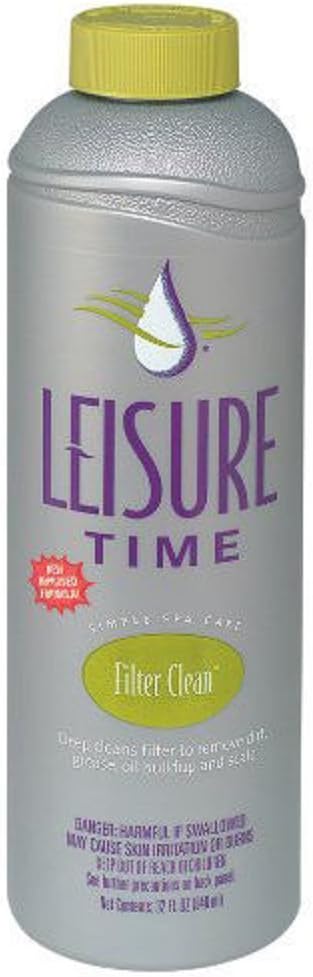
Hot tub filters trap organic debris, skin cells, oils, and larger bacteria. When filters become saturated, they cease to filter effectively and instead become a nutrient source for bacteria, releasing trapped organics back into the water as they decompose. A neglected filter also restricts water flow, reducing circulation and creating dead zones where sanitizer cannot reach. Filter cleaning or replacement intervals depend on usage but typically require attention every 2-4 weeks. Spraying filters with a garden hose removes only surface debris; deep cleaning requires chemical filter cleaner soak every 1-2 months to dissolve embedded oils and minerals. A spare filter set allows you to rotate filters, ensuring thorough drying between uses—bacteria cannot survive on a completely dry filter. Filters should be replaced entirely every 12 months at minimum, more frequently with heavy use.
14. The Financial Cost of Ignoring Hot Tub Maintenance
While this guide focuses primarily on health risks, the financial consequences of neglected maintenance deserve mention because they can be severe. A hot tub that develops chronic problems due to neglected maintenance rapidly becomes an expensive liability rather than a relaxing asset.
Equipment Damage from Poor Water Chemistry
Improperly balanced water chemistry damages every component it touches. Low pH (acidic water) corrodes heating elements, pump seals, jet fittings, and stainless steel components. A single heating element replacement costs $150-300 in parts alone, plus labor. High pH (basic water) causes calcium scaling that clogs jets, reduces heater efficiency, and eventually destroys circulation pumps. Scale buildup inside heater elements creates hot spots that cause element failure, and the reduced efficiency increases energy consumption—a hot tub with a scaled heater can cost 25-40% more to operate. Replacement circulation pumps run $200-500, and full pump replacements exceed $1,000. These failures are almost entirely preventable through consistent pH management.
Cover Replacement and Energy Loss
Hot tub covers exposed to chloramine gas without proper maintenance degrade rapidly. The foam core absorbs moisture, becoming heavy and losing insulating properties. The vinyl exterior becomes brittle from chemical exposure and UV radiation if not protected. A replacement cover costs $300-800 for a quality unit and should last 3-5 years with proper care—but neglect can reduce lifespan to 1-2 years. A waterlogged cover loses R-value, causing the heater to cycle more frequently and increasing monthly energy costs by $30-50. The cover also becomes dangerously heavy to lift, discouraging use or causing injury during opening. Regular cleaning with vinyl protectant, prompt repair of any tears, and ensuring the hot tub is not over-chlorinated (which accelerates cover degradation) extend cover life significantly.
15. Psychological Considerations and Hot Tub Dependency
While hot tubs provide genuine relaxation benefits, some users develop patterns of psychological dependency that warrant discussion. The line between healthy relaxation and problematic avoidance can blur when hot tubs become the primary stress management tool.
The Stress Relief-Behavioral Reliance Cycle
Hot water immersion triggers endorphin release and parasympathetic nervous system activation—the “rest and digest” response—providing genuine relief from anxiety and muscle tension. For individuals with chronic stress or anxiety disorders, this reliable relief can create a pattern where they struggle to relax without hot tub access. This isn’t chemical addiction in the traditional sense but rather a learned behavioral reliance that can interfere with developing diverse coping strategies. If you find yourself unable to sleep, manage stress, or relieve muscle tension without hot tub use, it may be valuable to deliberately develop alternative relaxation techniques including meditation, gentle stretching, walking, or breathing exercises that remain available regardless of hot tub access.
Social Isolation and the Solo Soaker
Hot tubs are often marketed as social spaces, but many users eventually develop solitary routines. While solitude itself isn’t problematic, hot tubs can facilitate social withdrawal when they become a replacement for other forms of recreation and social connection. The warm water cocoon becomes an escape from the discomfort of social situations, work stress, or family obligations. If hot tub time consistently takes precedence over relationships, responsibilities, or previously enjoyed activities, the relaxation benefit has crossed into avoidance behavior. Setting intentional limits on solo hot tub time and deliberately including friends or family in hot tub sessions can help maintain the social dimension of hot tub enjoyment.
Conclusion: Informed Enjoyment Through Diligent Maintenance
The negative effects of hot tubs are almost entirely preventable. They are rarely caused by the hot tub itself, but by improper usage and poor maintenance. Every risk described in this guide—from Pseudomonas folliculitis to hot tub lung, from chemical burns to Legionnaires’ disease—can be avoided through consistent attention to water chemistry, regular deep cleaning, and adherence to safety guidelines for vulnerable users.
A properly maintained hot tub provides genuine benefits: muscle relaxation, stress reduction, improved sleep quality, and a focal point for family connection. The key is respect for the technology and the risks. Treat your hot tub as you would any other piece of equipment that combines electricity, heat, water, and human bodies—with deliberate care and informed caution.
Don’t let the risks scare you away from the benefits. Equip yourself with the right knowledge. Start with our guide on Essential Maintenance to keep your water crystal clear and safe. Understand the chemistry, clean the plumbing, protect vulnerable bathers, and your hot tub will remain the sanctuary of relaxation it was designed to be.
Quick Reference: Hot Tub Safety Checklist
📋 Before Each Use
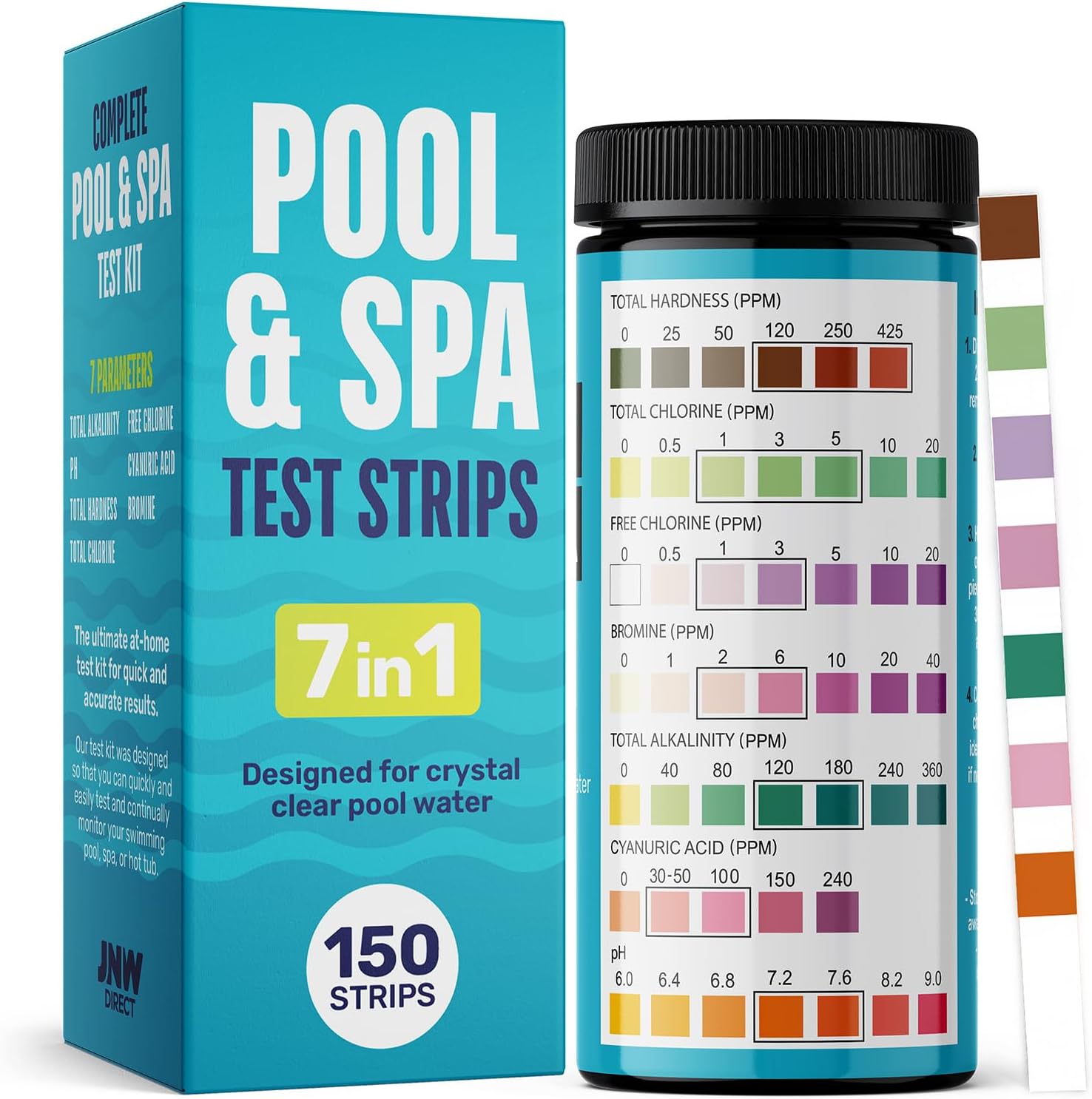
Test water with reliable test strips or digital meter. Verify free chlorine at 3-5 ppm or bromine at 4-6 ppm. Confirm pH between 7.2 and 7.8. Check water clarity—must see bottom clearly. Verify temperature with separate thermometer. Ensure GFCI outlet is functioning.
🔄 Weekly Maintenance
Shock the water with chlorine or non-chlorine shock. Clean waterline with sponge or enzyme product. Rinse filter with garden hose. Test and adjust pH and alkalinity. Check cover for damage or water absorption. Run jets on high for 15 minutes after chemical addition.
📅 Monthly Maintenance
Deep clean filter with chemical filter cleaner. Inspect all jets for proper function. Test GFCI breaker using test button. Check cabinet for leaks or damage. Clean cover with vinyl protectant. Verify water total dissolved solids below 1500 ppm.
🔄 Every 3-4 Months
Drain and refill hot tub completely. Use plumbing line flush product before draining. Clean shell with non-abrasive hot tub cleaner. Inspect and lubricate gaskets and O-rings. Replace filter if showing signs of wear. Reset water chemistry from scratch.
When to Seek Medical Attention After Hot Tub Use
- Rash with fever: Hot tub folliculitis should not cause systemic symptoms. Fever suggests more serious infection.
- Persistent cough: Cough lasting beyond 2-3 weeks after hot tub exposure warrants chest X-ray and possible pulmonology referral.
- Eye pain or vision changes: Redness alone may be chemical irritation, but pain, light sensitivity, or vision changes require immediate ophthalmological evaluation.
- Confusion or altered mental status: Any neurological symptoms after hot tub use are medical emergencies—consider both heat stroke and possible chemical toxicity.
- Open wounds or burns: Any skin breakdown that occurred during or after hot tub use requires professional wound care due to high infection risk from waterborne bacteria.