Are Hot Tubs Healthy? The Science of Hydrotherapy

For centuries, cultures from the Romans to the Japanese have sworn by the healing powers of warm water. But in the modern world, is a backyard hot tub actually a medical tool, or just a luxury item?
The answer lies in Hydrotherapy. When you immerse your body in warm water, a cascade of physiological changes occurs—from vasodilation (widening of blood vessels) to buoyancy-induced joint relief.
Long before the first inflatable spa rolled off a factory line, people were already chasing the same feeling a modern hot tub delivers. The Romans built elaborate bathing complexes with hot, warm, and cold pools designed to move blood, ease sore muscles after training, and give citizens a place to socialize away from the noise of daily life. In Japan, the onsen tradition treats hot mineral bathing as a form of preventative wellness rather than an occasional indulgence, with families visiting natural hot springs specifically to manage joint stiffness and support circulation. Scandinavian cultures paired heat exposure with cold plunges long before “contrast therapy” became a wellness buzzword. What all of these traditions share is a simple, testable idea: raising the temperature of the body in a controlled way changes how it feels, moves, and recovers. Modern research has spent the last few decades quantifying exactly why that ancient instinct was right, and a home hot tub is, in many ways, the most convenient way to access that same physiology on a Tuesday night after work.
This guide goes far beyond the basic “hot tubs are relaxing” claim. We will walk through the physical health benefits backed by clinical research, the mental health case for regular soaking, how a hot tub actually compares to a sauna, the lesser-discussed effects on skin, metabolism, and blood sugar, who should be cautious, and exactly how long and how hot you should be soaking for the best results. By the end, you should be able to answer the question in the title with real confidence, not just a hunch.
1. Physical Health Benefits
According to the Cleveland Clinic, the combination of heat and massage can significantly improve cardiovascular health and muscle recovery.
Arthritis & Joint Pain
Water buoyancy reduces body weight by 90%, taking the pressure off knees and hips. The heat increases flexibility and collagen elasticity.
Read our full Arthritis Guide →Improved Circulation
Heat causes blood vessels to dilate, lowering blood pressure and improving flow to extremities. It mimics the effects of light exercise.
Muscle Recovery
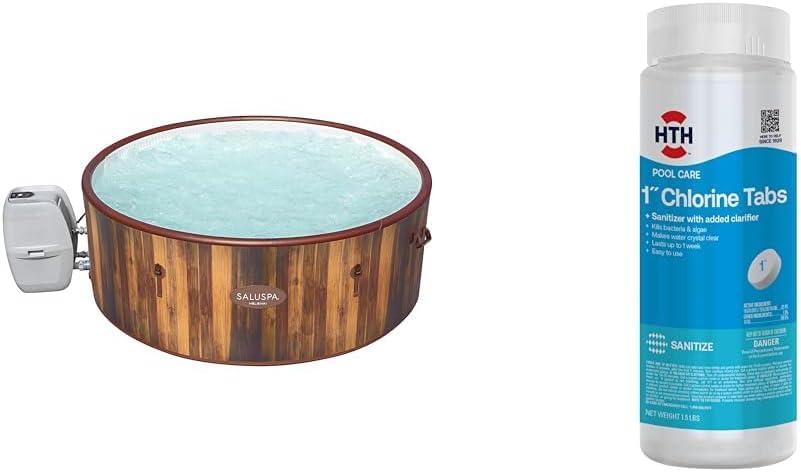
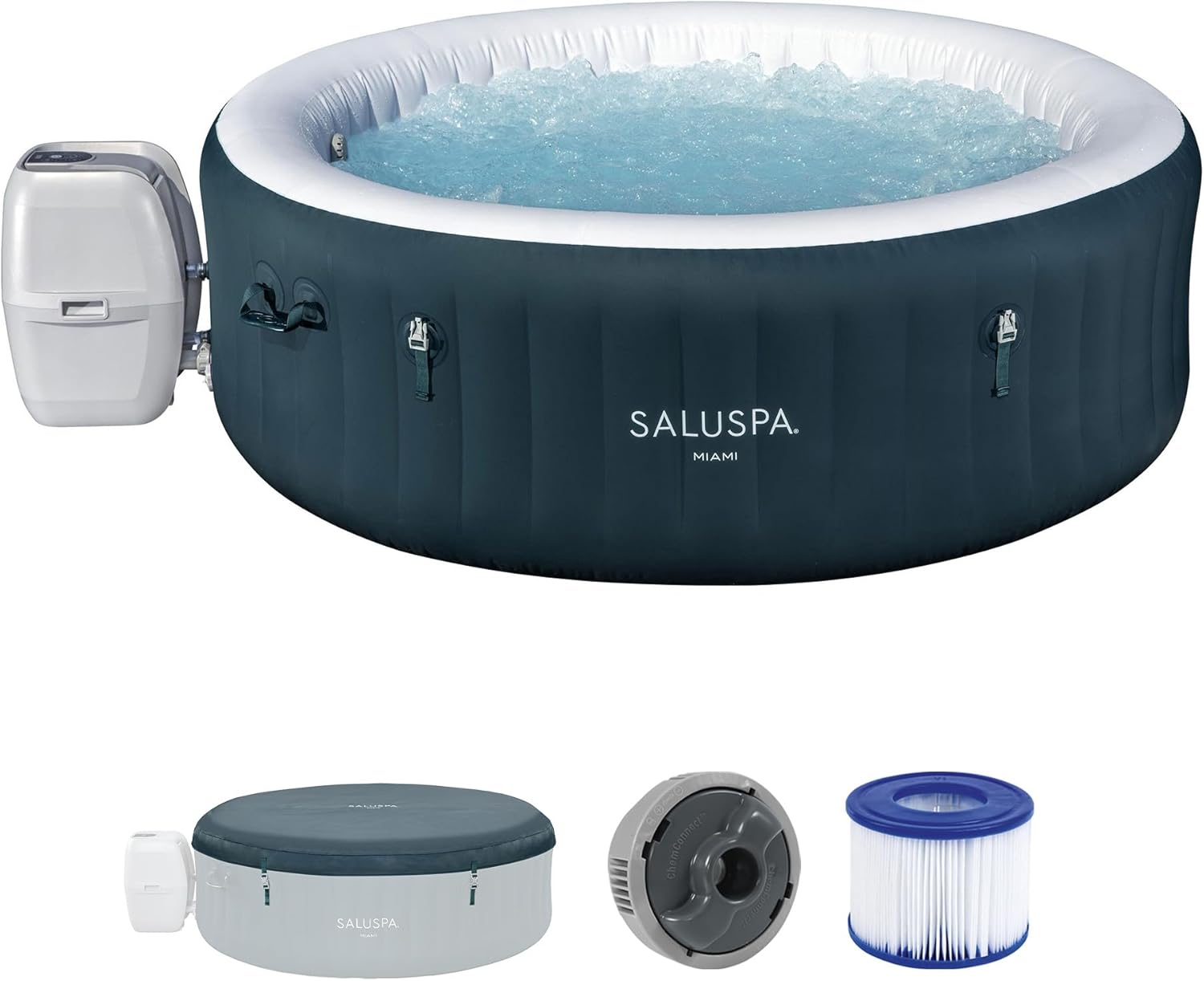
Athletes use hot tubs to flush out lactic acid. The jets in models like the Coleman SaluSpa provide targeted massage to sore tissues.
Better Sleep
Raising your body temperature 90 minutes before bed triggers a rapid cool-down when you exit, signaling your brain that it is time to sleep.
Why Water Outperforms Air-Based Heat
The reason a hot tub feels different from simply standing in a warm room comes down to two properties unique to water: hydrostatic pressure and buoyancy. Hydrostatic pressure is the gentle, even squeeze that water places on the entire submerged body, which helps push fluid out of swollen tissue and encourages venous blood back toward the heart. This is part of why joints that feel puffy and stiff on land often feel noticeably looser within minutes of submersion. Buoyancy, meanwhile, is what does the heavy lifting for anyone dealing with a bad back, a healing surgical site, or simply a body that does not tolerate high-impact movement well. Because water supports roughly 90 percent of body weight when you are submerged to shoulder height, joints that normally absorb the full force of gravity get a temporary reprieve, which is also why physical therapists so often use warm pools and hydrotherapy tanks for rehabilitation rather than dry-land-only programs.
Combine that mechanical support with heat, and you get a therapy that is simultaneously supportive and stimulating. The warmth widens blood vessels near the skin’s surface, and as that warmed blood circulates more efficiently, oxygen and nutrients reach fatigued or injured tissue faster than they would at rest. This is the same mechanism athletes are chasing when they use a hot tub session after a hard training block, and it is one reason recovery-focused hydrotherapy has become a standard part of professional sports facilities rather than a fringe wellness trend.
2. Mental Health & Stress Relief
Healthline reports that regular soaking can reduce cortisol levels (the stress hormone). In a world of constant digital connection, the hot tub provides a “device-free zone” that forces mental decompression.
The mental health case for a hot tub is less about any single chemical change and more about the environment it forces you into. Most people simply do not bring a phone into a spa, which means a 20-minute soak becomes one of the only reliably screen-free windows in an otherwise hyper-connected day. Surveys on phone habits suggest the average adult checks or touches their device thousands of times daily, and a meaningful share of younger adults report real concern about how that constant engagement affects their emotional wellbeing. A hot tub creates a natural, built-in boundary against that pattern: there is nowhere to put the phone, nothing to scroll, and nothing to do except let the warm water and the quiet do their work. For many people, that forced pause is more valuable than any specific physiological mechanism, because it interrupts a stress cycle that would otherwise continue uninterrupted from morning to night.
There is also a social dimension worth naming directly, because so much of modern stress reduction advice focuses on solo practices like meditation or journaling while ignoring the research on human connection. Decades of research summarized by institutions such as Harvard Medical School consistently link strong social ties to better mood, fewer health complaints, and longer lifespans. A hot tub happens to be one of the few pieces of home infrastructure explicitly designed around shared, unhurried conversation. Whether it is a nightly debrief with a partner, a weekend soak with the kids, or a small gathering with friends, the warm, low-distraction setting tends to encourage the kind of slower, more open conversation that is harder to have across a kitchen table or in front of a television.
3. Potential Risks: The “Fine Print”
While the benefits are vast, hot tubs are not for everyone. Understanding the risks is crucial to maintaining a healthy soaking routine.
Prolonged exposure to temperatures above 104°F (40°C) can cause hyperthermia (overheating). This is especially dangerous for pregnant women and those with heart conditions. Always check with a doctor first.
Read More: Can Pregnant Women Use Hot Tubs?
The Bacteria Factor
A hot tub is only healthy if it is clean. Warm water is the perfect breeding ground for bacteria like Pseudomonas (which causes “hot tub rash”) and Legionella.
To ensure your spa remains a health tool and not a hazard, you must understand Biofilm—the sticky layer where bacteria hide.
4. Hot Tubs vs. Saunas: What the Research Actually Shows
One of the most common questions people ask once they start researching hydrotherapy is how a hot tub stacks up against a traditional or infrared sauna. For years the two were treated as roughly interchangeable forms of “passive heat therapy,” but newer research suggests they are not equivalent, and the difference comes down to how each method raises core body temperature.
A study out of the Bowerman Sports Science Center at the University of Oregon directly compared hot-water immersion against both traditional dry saunas and modern far-infrared saunas. The researchers found that soaking in genuinely hot water raised core body temperature more effectively than either sauna type, and that stronger boost translated into more pronounced improvements in blood flow and immune system activity. Notably, hot-water immersion was the only one of the three heating methods in the study to produce measurable changes in inflammatory markers, and several of these effects persisted after the session ended rather than fading the moment participants dried off.
None of this means saunas are without value; both approaches trigger heat-shock proteins and cardiovascular adaptations that resemble a mild, passive form of exercise. But for anyone specifically weighing a hot tub purchase against a home sauna installation, the water-immersion advantage in core temperature and inflammatory response is a meaningful point in the hot tub’s favor, particularly for people who are unable or unwilling to exercise and are looking for a supplemental, non-pharmacological way to support cardiovascular and immune health.
| Factor | Hot Tub | Traditional / Infrared Sauna |
|---|---|---|
| Core temperature increase | Highest of the three methods studied | Moderate |
| Joint & muscle support | Buoyancy removes ~90% of body weight | No buoyancy support |
| Inflammatory marker changes | Measurable, sustained after session | Not consistently observed |
| Social / group use | Easy, common use case | Possible but less common |
| Home maintenance | Water chemistry & filtration required | Lower ongoing maintenance |
5. The Overlooked Benefits: Skin, Metabolism, and Blood Sugar
Most articles about hot tub health stop at pain relief and stress reduction. But three of the more interesting, lesser-discussed effects involve the skin, body weight, and blood sugar regulation—areas that deserve a closer look before you decide whether a hot tub earns a permanent spot in your wellness routine.
Skin Health and Circulation
Skin is the body’s largest organ, and it depends heavily on circulation to stay healthy. As warm water increases blood flow, more oxygen and nutrients are delivered to the surface layers of the skin, which can support a clearer, more even-toned complexion over time. The heat also encourages pores to open, which can help the skin release trapped debris and impurities more easily than it would at room temperature. This is not a replacement for an actual skincare routine, but it is a genuine complementary effect that consistent soakers often notice: skin that looks slightly more hydrated and refreshed after regular use, provided the water itself is properly sanitized. Rinsing off after each session and staying hydrated throughout the soak both help maximize this benefit while minimizing any dryness that can come from sanitizer exposure.
Weight Management and Calorie Burn
A hot tub is not a substitute for exercise, and no reputable source suggests otherwise. That said, there is a real, if modest, metabolic effect worth understanding. The body expends additional energy regulating its internal temperature while submerged in hot water, and some clinical observations have found that participants using regular hot water immersion lost a small amount of weight compared to control groups, even without any new diet or exercise program. The far more significant weight-related benefit is indirect: better sleep, lower stress, and reduced pain all make it easier to stick with healthier habits, including maintaining a balanced diet and finding the energy for regular movement. Chronic stress is a well-documented driver of emotional eating, so anything that reliably lowers stress in the evening can have a quiet, compounding effect on weight management over months rather than days.
Blood Sugar and Diabetes Considerations
This is an emerging area of research rather than settled science, but it is worth flagging because so many people search for it. Some studies have found that passive heat exposure, similar to hot tub immersion, may modestly increase blood flow and could plausibly support healthier blood glucose regulation over time, since improved circulation helps deliver insulin and glucose more efficiently throughout the body. This does not mean a hot tub can replace medication, diet, or a diabetes management plan prescribed by a physician. It also introduces a genuine safety consideration: people managing diabetes should monitor for symptoms of low blood sugar during and after a soak, since heat and elevated heart rate can mask or interact with hypoglycemia symptoms, and anyone with diabetes should talk to their doctor before adopting hot tub use as part of a regular routine.
6. Chronic Pain Conditions Beyond Arthritis
Arthritis gets most of the attention in hot tub health content, but it is far from the only chronic pain condition where hydrotherapy shows up in the research. Fibromyalgia, a condition marked by widespread pain, fatigue, and tenderness throughout the body, is one of the more frequently studied examples. Clinical observations of hydrotherapy sessions in fibromyalgia patients have reported reductions in pain intensity, fatigue, and stiffness, along with improvements in mood following sessions—likely a combination of the same buoyancy and warmth mechanisms that help arthritis sufferers, layered with the stress-reduction effects covered earlier in this guide.
People recovering from orthopedic procedures, including total knee replacement, have also been studied in hydrotherapy contexts, with some research finding that warm-water-based rehabilitation outperformed standard physiotherapy alone on measures of pain, stiffness, and muscle strength during recovery. For anyone dealing with tendinitis, general muscle tension, or the kind of diffuse soreness that comes from sitting at a desk all day, the same core mechanism applies: warm water relaxes contracted muscles, buoyancy removes the load that would otherwise compress irritated tissue, and improved circulation helps clear the metabolic byproducts that contribute to that “tight and achy” feeling.
None of this makes a hot tub a cure for any diagnosed condition. But for people already working with a physician or physical therapist on a chronic pain management plan, regular hydrotherapy is a well-supported complementary tool rather than an unproven fad.
7. The Social and Relationship Dividend
It is easy to file “spend time with people you love” under generic self-help advice, but the health research behind social connection is unusually strong, and a hot tub happens to be one of the few pieces of backyard equipment purpose-built around it. Unlike a television, which tends to reduce conversation, or a dinner table, which is often rushed on weeknights, a hot tub creates an environment where there is genuinely nothing else to do except talk, decompress, and be present with the people around you.
This matters for couples navigating busy schedules, for parents looking for a low-effort way to spend unhurried time with kids, and for anyone whose friendships have drifted into the occasional text message rather than actual time spent together. A weekly hot tub night can become a small, protected ritual that is hard to skip once it is established, precisely because it feels good enough on its own that it does not require willpower to maintain. Even something as simple as a 20-minute evening soak with a partner, phones left inside, can function as a recurring checkpoint for a relationship that might otherwise go days without real conversation.
8. Getting the Dose Right: Temperature, Duration, and Timing
Almost every risk associated with hot tubs comes down to overdoing one of three variables: temperature, session length, or timing relative to other activities like eating and exercise. Getting these right is what separates a therapeutic soak from an uncomfortable, or even dangerous, one.
| Variable | General Guideline |
|---|---|
| Water temperature | 100°F–104°F (37.8°C–40°C) for most healthy adults |
| Session length | 15–30 minutes per soak |
| Frequency | Daily use is generally considered safe for most healthy adults |
| Timing before bed | Roughly 90 minutes before sleep to support the post-soak cool-down effect |
| Timing around meals | Wait 30–60 minutes after eating before soaking |
| Pre-workout use | 10–20 minutes to loosen muscles and increase blood flow before activity |
Should You Soak Before or After a Workout?
Both have a place, and they serve different purposes. A short soak before exercise, in the 10-to-20-minute range, can help get blood flowing and loosen tight muscles, which some people find reduces the risk of strains during the first few minutes of activity. A soak after exercise is more commonly recommended for recovery: the increased circulation helps carry oxygen and nutrients to fatigued muscle tissue while assisting the body in clearing lactic acid buildup, which is part of why post-workout hot tub sessions are so common among athletes at every level, from weekend recreational lifters to professional teams.
Signs You Should Get Out
Regardless of how carefully you plan temperature and duration, your body will usually tell you when a session has gone on too long. Dizziness, a pounding headache, unusual fatigue, or a feeling of overheating are all signals to exit the water, cool down, and rehydrate. Drinking water before, during, and after a soak is a simple habit that meaningfully reduces the risk of dehydration-related symptoms, since the body loses fluid through sweating even while fully submerged in water.
9. Who Should Be Extra Cautious: A Deeper Look at Contraindications
The heat warning earlier in this guide covers the basics, but a genuinely thorough answer to “are hot tubs healthy” has to address the full list of situations where extra caution, or a conversation with a doctor, is warranted.
Generally Considered Lower-Risk
- Healthy adults without cardiovascular conditions
- People managing everyday muscle tension or mild joint stiffness
- Athletes using short sessions for recovery
- Adults using well-maintained, properly sanitized tubs
Talk to a Doctor First
- Pregnancy, especially in the first trimester
- Existing heart disease or uncontrolled high blood pressure
- Low blood pressure or a history of fainting/dizziness
- Open cuts, sores, or active skin infections
- Active urinary tract infection
- Diabetes, particularly if insulin-dependent
The Blood Pressure Paradox
Hot tubs are frequently recommended as a way to support healthy blood pressure, and for people with mild hypertension, the vasodilation effect can genuinely help. But the same mechanism becomes a risk in the opposite direction for people who already run on the lower end of normal blood pressure. Soaking for more than about 15 minutes can cause blood pressure to drop further, increasing the risk of dizziness or even fainting, an effect that becomes more pronounced with age but can happen at any adult age. Anyone being treated for either high or low blood pressure should discuss hot tub use with their healthcare provider rather than assuming the general guidelines apply to their specific situation.
Skin, Urinary, and Waterborne Risks
Beyond blood pressure, a few other categories of risk deserve a direct mention rather than a vague warning. Open cuts or unhealed sores should be given time to close before hot tub exposure, since warm, shared water increases the chance of irritation or infection at the wound site. Anyone currently dealing with a urinary tract infection should also avoid hot tub use temporarily, as heat exposure can worsen symptoms. And because warm water is an ideal environment for bacteria to multiply, a poorly maintained tub raises the risk of a skin infection sometimes called hot tub folliculitis, along with the Pseudomonas-related rash mentioned earlier in this guide. None of these risks are reasons to avoid hot tubs altogether; they are reasons to take water testing and filtration seriously, which is exactly what the tools in the next section are designed to help with.
Children and Supervision
Children face two distinct risks in hot tubs: drowning, if left unsupervised even briefly, and overheating, since smaller bodies heat up faster than adult bodies. Water temperature for children should be kept noticeably cooler than the adult range, session length should be shorter, and an adult should always have direct, uninterrupted eyes on any child in the water. These precautions do not need to make hot tub time feel stressful; they simply need to be treated as non-negotiable, the same way pool supervision would be.
10. Essential Tools for a Healthy Experience
To maximize the health benefits and minimize the risks, we recommend these specific tools available on Amazon.

Apera Instruments AI209 Value pH Meter
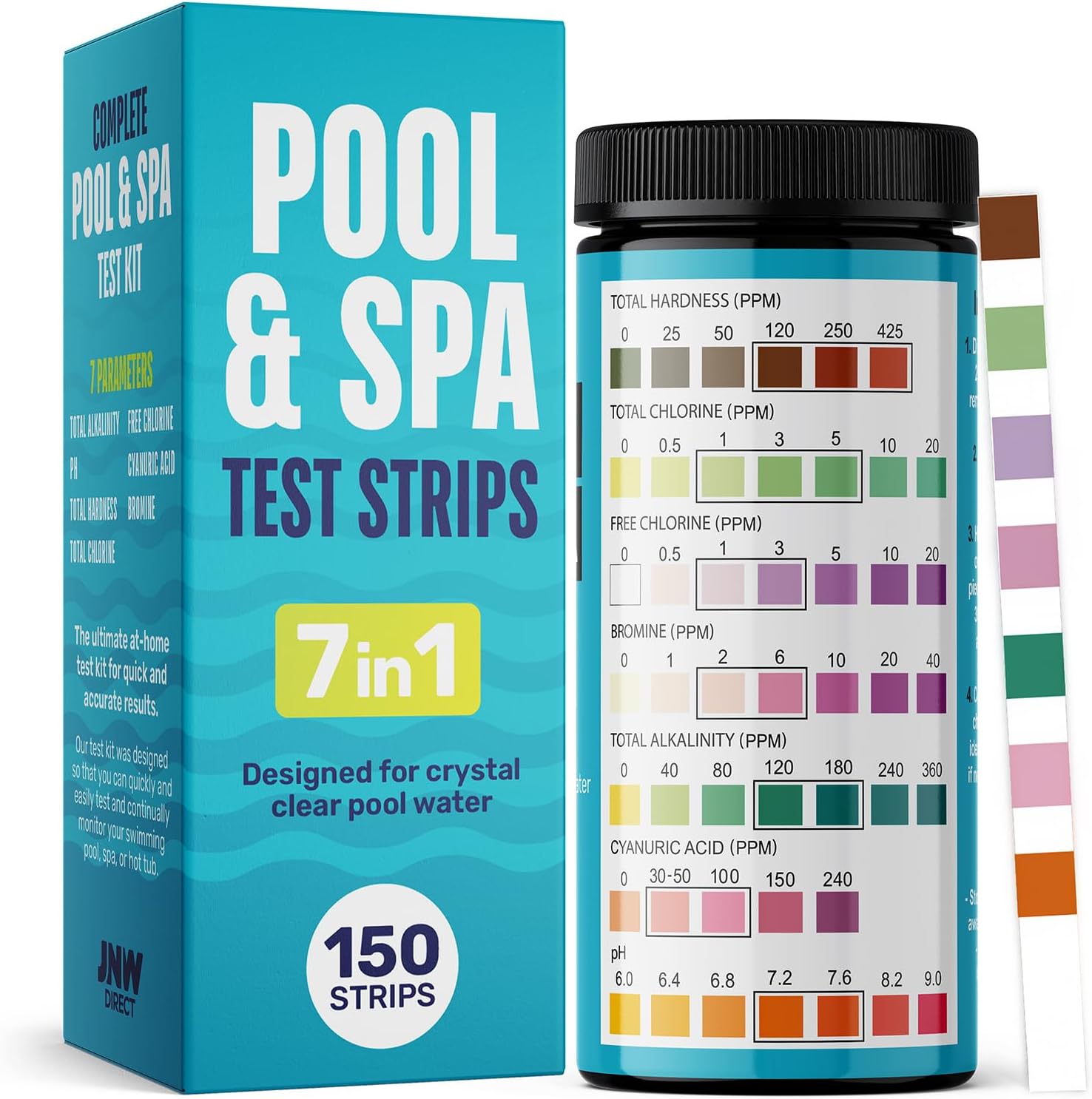
For Safety: Skin irritation and rashes often come from unbalanced pH, not just bacteria. Don’t guess with paper strips. This medical-grade tester ensures your water is perfectly balanced for your skin.
Check Price on AmazonRelated: Best Digital Water Testers Review

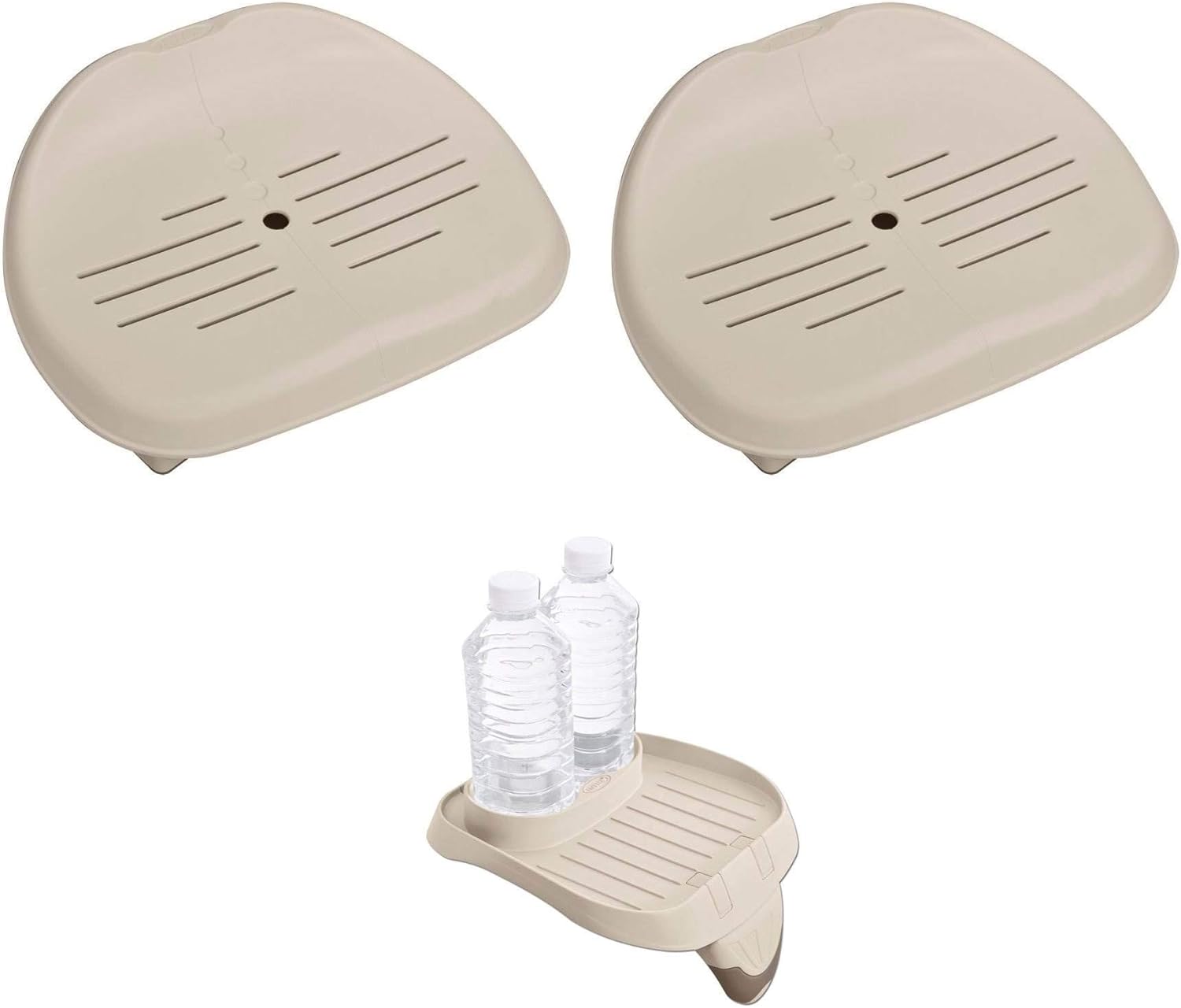
Kenley Hot Tub Booster Seat
For Posture: Slouching in a deep tub can strain your lower back. This weighted seat elevates you by 5 inches, improving posture and keeping your heart out of the water for better temperature regulation.
Check Price on AmazonComparison: Top Rated Booster Seats
11. Frequently Asked Questions
Is it healthy to use a hot tub every day?
For most healthy adults, daily use at a moderate temperature and a 15-to-30-minute session length is generally considered safe. People with cardiovascular conditions, low blood pressure, or who are pregnant should check with a doctor before making it a daily habit.
Can a hot tub actually help you lose weight?
Not directly in any significant way. There is a small metabolic effect from the body regulating its temperature in warm water, but the more meaningful weight-related benefit comes indirectly, through better sleep, lower stress, and reduced pain that make it easier to stick with healthy habits.
Are hot tubs safe for people with diabetes?
Many people with diabetes use hot tubs without issue, and improved circulation may offer some supportive benefit, but heat and elevated heart rate can mask symptoms of low blood sugar. Anyone managing diabetes, especially with insulin, should talk to their doctor first and monitor closely during use.
How is a hot tub different from a sauna for health benefits?
Research comparing the two found that hot-water immersion raises core body temperature more than traditional or infrared saunas, which translated into stronger changes in blood flow, immune activity, and inflammatory markers in that study. Saunas still offer real benefits, but hot tubs appear to have an edge for people specifically prioritizing these effects.
Can low blood pressure make hot tub use risky?
Yes. While hot tubs can help lower blood pressure for people with hypertension, the same effect can push blood pressure too low for people who already run on the lower end of normal, increasing the risk of dizziness or fainting, especially in sessions longer than about 15 minutes.
Should you use a hot tub before or after a workout?
Both are used for different reasons. A short 10-to-20-minute soak before exercise can loosen muscles and increase blood flow, while a soak after exercise is more commonly used for recovery, helping clear lactic acid and deliver nutrients to fatigued tissue.
Is it normal to feel dizzy after a hot tub?
Mild lightheadedness after a long or very hot soak usually points to dehydration or a temporary drop in blood pressure. Staying hydrated, keeping sessions to 15–30 minutes, and exiting immediately if you feel dizzy, overheated, or develop a headache are the best ways to prevent this.
How soon after eating can you get in a hot tub?
Most guidance suggests waiting 30 to 60 minutes after a meal, giving your body a chance to focus on digestion rather than competing with the demands of heat exposure, which can otherwise contribute to feeling lightheaded.
Can a hot tub help with fibromyalgia or chronic pain conditions other than arthritis?
Yes, hydrotherapy has been studied specifically in fibromyalgia patients, with reported reductions in pain intensity, fatigue, and stiffness after sessions. It is generally used as a complementary tool alongside a broader treatment plan rather than a standalone cure.
12. Conclusion: Is It Worth It?
For most people, the answer is a resounding yes. The ability to access hydrotherapy in your backyard provides a daily reset button for both body and mind.
Across every section of this guide, the same pattern shows up again and again: warm water plus buoyancy plus a few minutes of undistracted time produces measurable, physical effects on circulation, muscle tension, sleep quality, and stress hormones, alongside softer but real benefits for skin, relationships, and recovery from exercise. None of that makes a hot tub a substitute for medical care, a balanced diet, or regular movement. But used thoughtfully, at the right temperature, for the right amount of time, and with clean, well-maintained water, it is one of the few pieces of home wellness equipment with genuine research behind it rather than just marketing.
If you are ready to invest in your health, start by choosing the right model. We have compared the top options in our guide to the Best Inflatable Hot Tubs of 2025.
Remember: Clean water is healthy water. Don’t skimp on maintenance!