How to Raise Alkalinity in a Hot Tub: The Baking Soda Method
If you find that your hot tub’s pH level is swinging wildly—one day it’s low, the next day it’s high—you likely have a problem with your Total Alkalinity (TA).
When alkalinity is low, your water loses its ability to “buffer” acid. This leads to what we call “pH Bounce,” which can corrode your heater, ruin your pump seals, and irritate your skin. Fortunately, fixing it is one of the cheapest tasks in hot tub maintenance.
In this guide, we will show you exactly how to raise your alkalinity safely using common household baking soda.
What is Total Alkalinity?
Think of Total Alkalinity as the “anchor” for your pH.
- pH is the measure of how acidic or basic the water is.
- Alkalinity is the water’s ability to resist changes in pH.
When your anchor (alkalinity) is weak (low), the pH drifts away with the slightest breeze (bather load, rain, or sanitizer). You need to keep your TA between 80 ppm and 120 ppm to keep the water stable.
Signs of Low Alkalinity
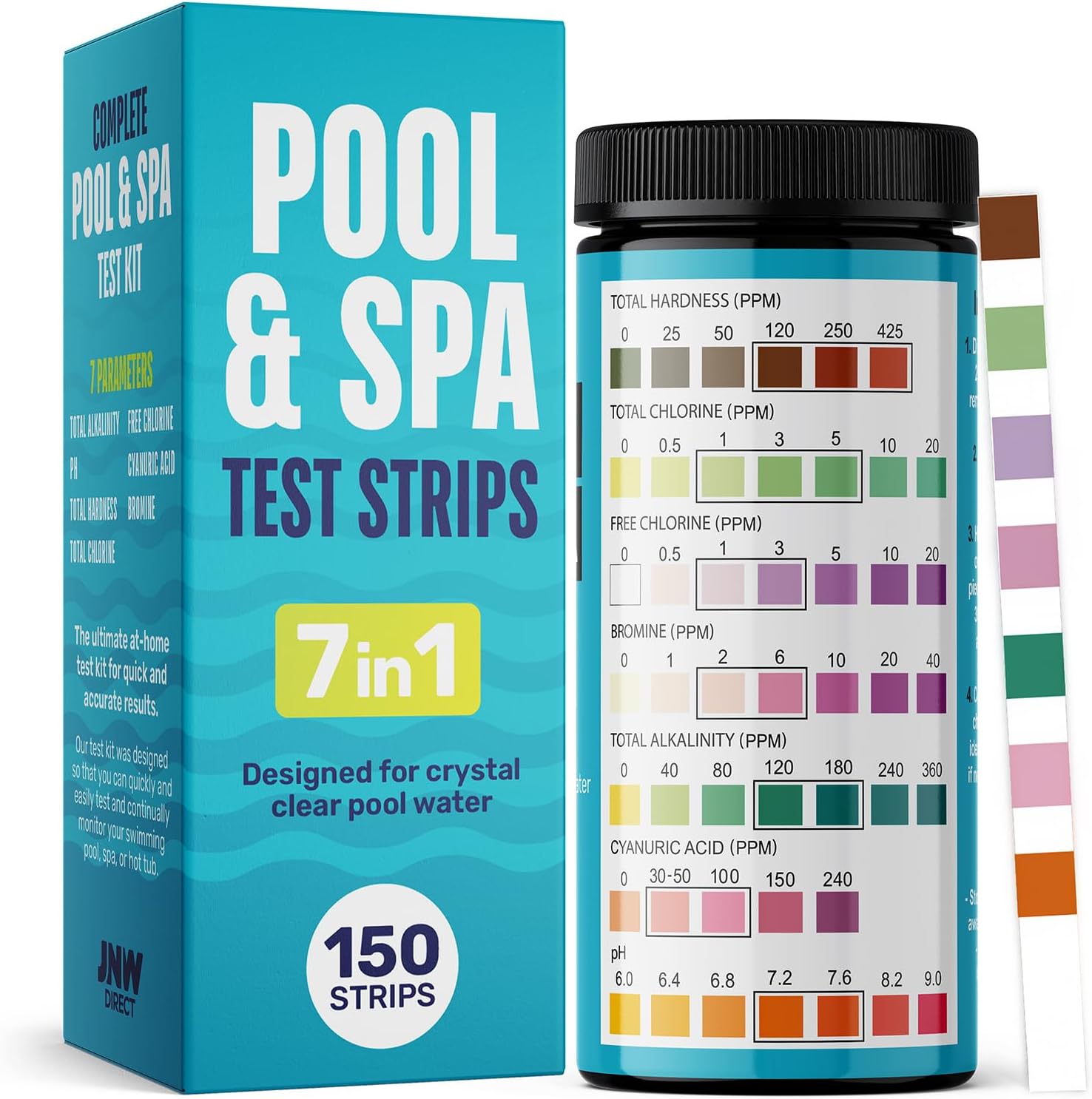
How do you know if you need to raise it? Aside from testing with a digital meter (see our reviews of the best hot tub water testers), look for these physical symptoms:
- Green Water: Low alkalinity is acidic, which eats away copper heating elements, turning the water green (even if it’s clear).
- Burning Eyes: Acidic water irritates mucous membranes instantly.
- Corrosion: If you see rust on your headrests or jets, your water is likely eating the metal.
- Cloudy Water: While high alkalinity usually causes scaling, severe instability can also lead to issues discussed in our guide on why hot tub water gets cloudy.

Don’t overpay for fancy branding. Pure Sodium Bicarbonate is the gold standard for raising alkalinity safely.
Check Price on AmazonHow to Raise Alkalinity with Baking Soda
Yes, you can use the same box of baking soda sitting in your fridge. The chemical name is Sodium Bicarbonate, which is exactly what “Alkalinity Increaser” is sold as in pool stores.
Step 1: Determine the Dose
Rule of Thumb: 1 tablespoon of baking soda will raise the alkalinity of 100 gallons of water by roughly 10 ppm.
- For a 300-gallon tub: Start with 3 tablespoons (approx 1.5 oz).
- For a 500-gallon tub: Start with 5 tablespoons (approx 2.5 oz).
Step 2: Dissolve and Pour
Dissolve the baking soda in a bucket of warm spa water first, then pour it evenly around the perimeter of the tub while the jets are running.
Step 3: Circulate and Test
Let the water circulate for 20 minutes. Test again. If it is still low, repeat the process. Never add too much at once, or you will lock your pH too high.
Chemistry Alert: Baking Soda vs. Soda Ash
Baking Soda (Sodium Bicarbonate): Raises Alkalinity drastically, but raises pH only slightly. Use this for low Alkalinity.
Soda Ash (Sodium Carbonate): Raises BOTH pH and Alkalinity drastically. Use this (pH Up) only if both numbers are dangerously low.
If your pH is fine (7.4) but your Alkalinity is low (40 ppm), using Soda Ash/pH Up will cause your pH to skyrocket to unsafe levels. Stick to Baking Soda.
Prevention and Maintenance
Alkalinity naturally drops over time as you add acid to balance high pH or as rain enters the tub. To keep it stable:
- Test Weekly: Make this a non-negotiable part of your inflatable hot tub maintenance routine.
- Shock Carefully: Using acidic shocks can lower alkalinity. Know how often to shock a hot tub to avoid over-dosing.
- Cover Up: Acid rain can destroy your alkalinity levels overnight. Always keep the cover locked when not in use.
Frequently Asked Questions
Yes, but it is better to dissolve it in a bucket of water first. Pouring dry powder directly can cause it to settle on the bottom and feel gritty or cloud the water temporarily.
Yes, but only slightly. Baking soda has a pH of 8.3, so it will gently nudge your pH up, but its primary function is to boost Alkalinity. This is why it is preferred over Soda Ash (pH 11.3) when you just need to fix TA.
You should wait at least 20–30 minutes to allow the chemical to fully dissolve and circulate. Always retest the water before jumping in to ensure the levels are safe.
The most common cause is the use of pH Decreaser (acid). Every time you lower your pH, you also lower your alkalinity. Heavy bather loads and rainwater can also drag the levels down.