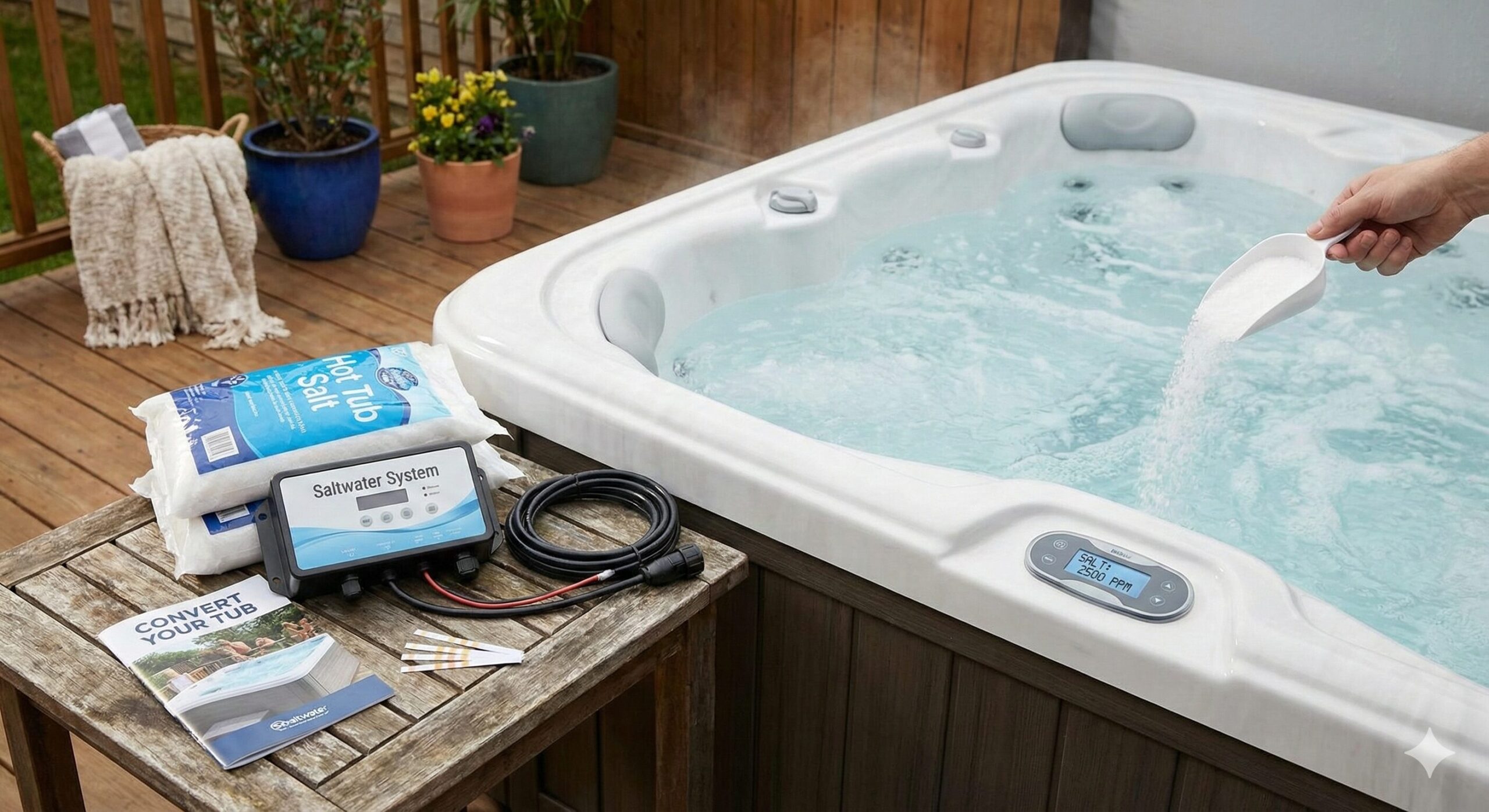
How to Convert a Hot Tub to Saltwater: A Step-by-Step DIY Guide
So, you want to join the saltwater revolution. You have heard about the silky smooth water, the lack of “bleach” smell, and the reduced maintenance. But your hot tub didn’t come with a salt system built-in.
The good news? You can convert almost any hot tub to saltwater in about an hour.
You don’t need to cut plumbing pipes or be a chemist. With a “drop-in” salt chlorine generator, you can upgrade your existing spa for a fraction of the cost of buying a new one. In this guide, we will walk you through the prep work, the installation, and the critical maintenance steps.
Myth Busting: What Actually Is a Salt Hot Tub?
Before we start, let’s clear up the biggest misconception: Saltwater hot tubs ARE chlorine hot tubs.
You aren’t bathing in ocean water. You are adding a small amount of salt (Sodium Chloride) to the water. A device called a chlorinator uses electrolysis to zap the salt molecules, splitting them apart and creating pure chlorine gas. This chlorine kills bacteria just like the granules you buy in a bucket, but it’s generated constantly and consistently.
Is Your Hot Tub Compatible? (Read This First!)
Most modern hot tubs use titanium or coated heater elements which are salt-safe. If you have an older model (10+ years), check with the manufacturer. You also need to be careful with inflatable tubs; always check the manual for your specific model.

This is a “drop-in” system. No plumbing required. Just plug it into a standard outlet, drop the electrode in the water, and it starts making chlorine.
Check Price on AmazonStep-by-Step Conversion Guide
Step 1: The Deep Clean (Critical)
You cannot simply add salt to old, dirty water. You must start fresh. More importantly, you need to remove any biofilm hiding in your pipes, as salt systems struggle to “catch up” if there is already a bacteria colony.
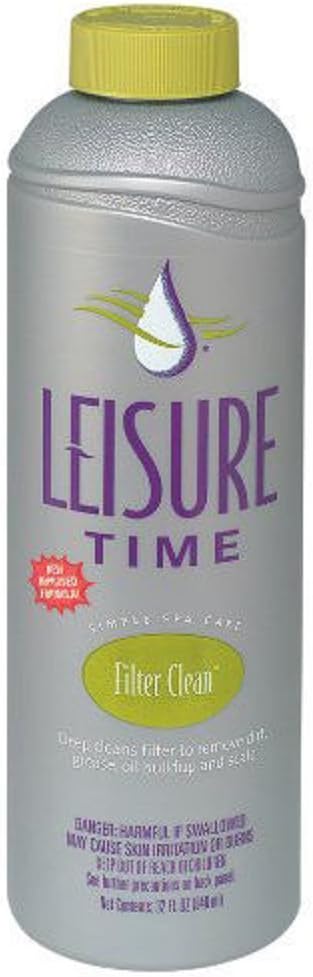
- Use a line flush product to purge the plumbing.
- Drain the tub completely.
- Clean the filters or buy new ones.
- Learn More: Read our guide on what biofilm is and how to remove it.
Step 2: Refill and Balance
Refill your hot tub with fresh water. Before adding salt, you must balance your Alkalinity (80-120 ppm) and pH (7.4-7.6). If the water isn’t balanced first, the salt generator won’t work efficiently.
Step 3: Add the Salt
You need “Pool Salt” (99.9% pure Sodium Chloride). Do not use table salt or Epsom salt.
- Check your chlorinator’s manual for the target salinity (usually 1500–2500 ppm).
- Pour the salt gradually while the jets are running.
- Allow it to circulate for 20 minutes to dissolve completely.
Step 4: Install the Chlorinator
Mount the control box on the side of your spa (or a nearby wall) near a GFCI outlet. Drop the cell (the electrode part) into the water, ensuring it hangs freely and isn’t sitting directly on the floor where it might get stepped on.
Saltwater Maintenance Differences
Just because you have a salt system doesn’t mean you can ignore the tub. The maintenance is different, not non-existent.
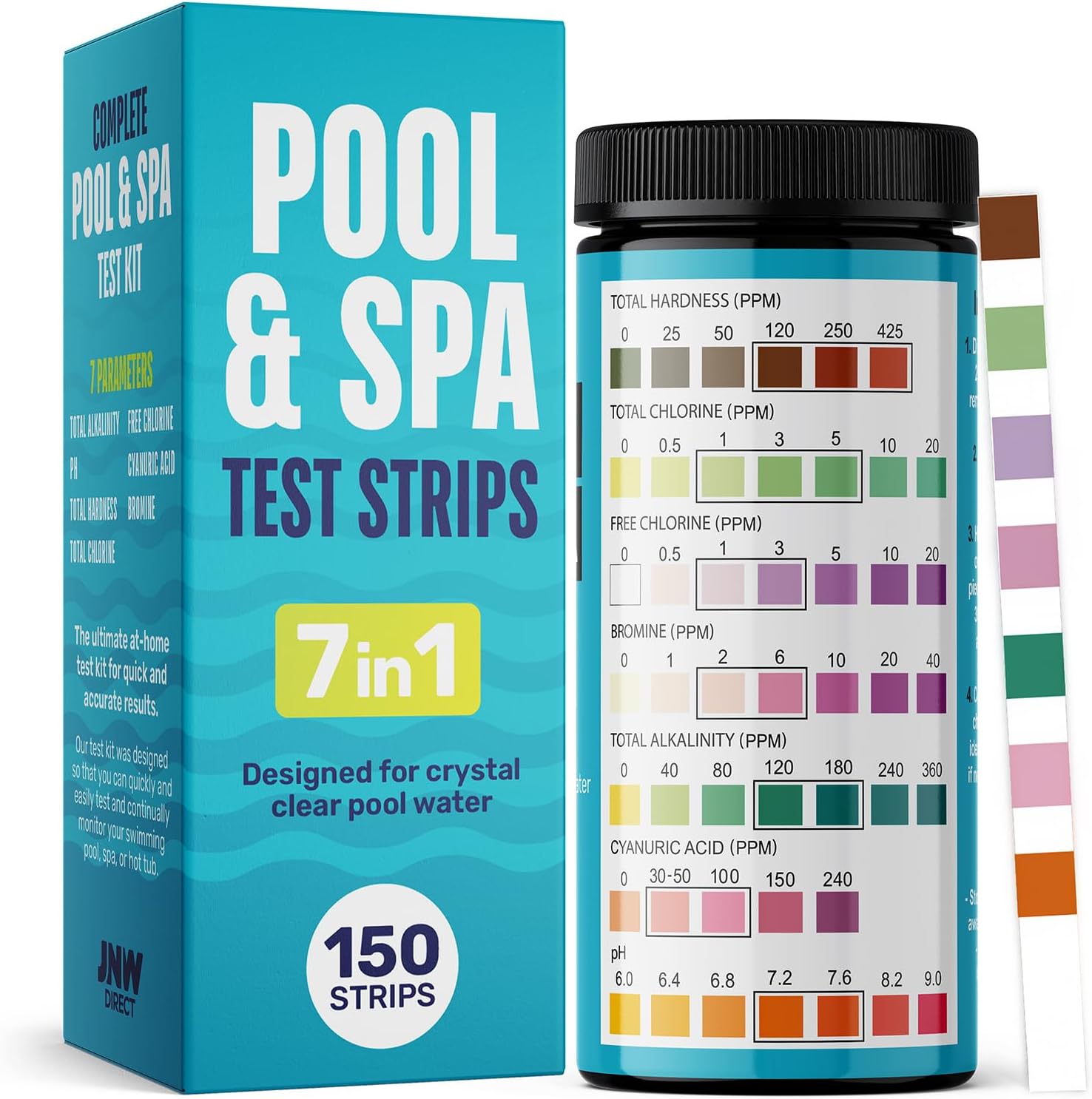
1. Testing Salinity: Standard strips won’t tell you salt levels. You need specific salt test strips or a digital meter. Check our list of best digital hot tub water testers.
2. Boost Mode: After a party or heavy use, the salt system might not generate chlorine fast enough. You may still need to add a small amount of granular shock. See how often to shock a hot tub.
3. Cleaning the Cell: Every few months, calcium scale will build up on the salt cell plates. You will need to soak the cell in vinegar or a mild acid solution to clean it, or it will stop producing chlorine.
Frequently Asked Questions
Barely. A hot tub usually requires around 2,000 ppm of salt. For comparison, the ocean is 35,000 ppm. It tastes more like a teardrop than sea water.
No. Epsom salt is Magnesium Sulfate. Salt chlorinators require Sodium Chloride. Putting magnesium in the generator can damage the plates and will not produce chlorine.
Day-to-day, yes, because salt is very cheap. However, the salt cell (the part in the water) acts like a lightbulb and burns out every 1-3 years. Replacement cells cost $150-$300, so the long-term cost is similar to traditional chlorine. For general cost tips, check our inflatable hot tub maintenance guide.
It can if you are careless. High salt levels or splashing salt water on metal components (like pumps or heater housings) without rinsing can lead to rust. Keep your water balanced to minimize corrosion risk.