Saltwater Hot Tub vs Chlorine: Which System Is Actually Worth It?
A head-to-head breakdown of cost, skin comfort, maintenance load, and long-term value — so you can stop guessing and start soaking.
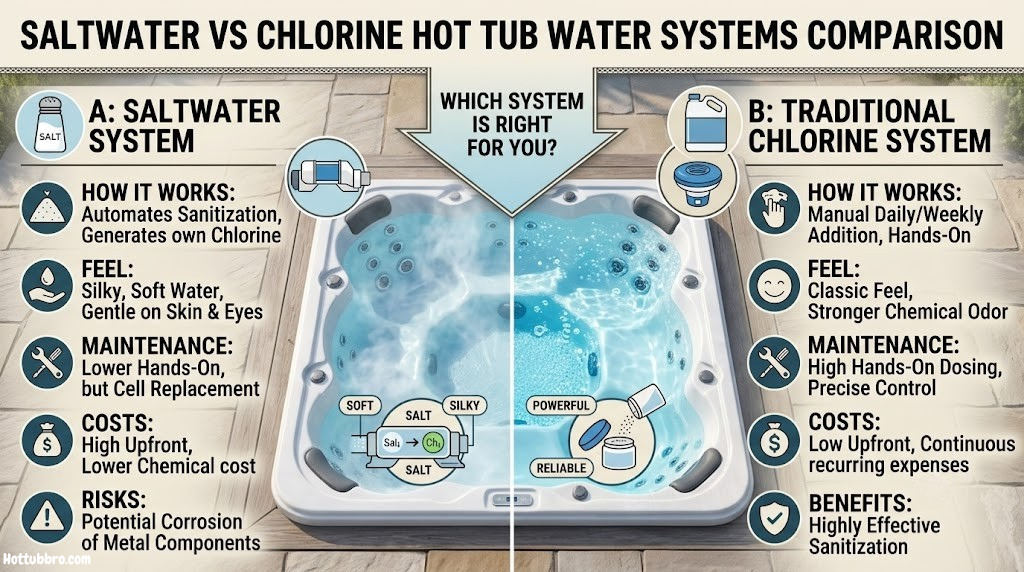
You’ve done the research. You’ve compared jets, shell materials, and energy costs. But when it comes to the water sitting inside your hot tub — the stuff you’re actually soaking in — most buyers either gloss over the chemistry or get overwhelmed by it.
The debate between saltwater vs chlorine hot tubs is one of the most misunderstood topics in the spa world, partly because both systems use chlorine (yes, even saltwater), and partly because the marketing around salt systems leans hard into “natural” language that isn’t entirely accurate.
This guide breaks it all down without the spin. You’ll learn exactly how each system works, what it costs over time, how much effort each demands, what your skin will feel like after a month of soaking, and which system makes sense for your specific situation — whether you’re running a budget inflatable spa or a permanent backyard installation.
Let’s get into it.
1. What Is a Saltwater Hot Tub, Really?
A “saltwater hot tub” is not a chlorine-free hot tub. This is the most important thing to understand before anything else. What it actually is: a tub equipped with a salt chlorinator (also called a salt chlorine generator or SCG), which converts dissolved sodium chloride — regular table-adjacent salt — into chlorine through a process called electrolysis.
Here’s how the cycle works: you dissolve pool-grade salt into your water (typically around 2,000–3,000 parts per million, or ppm), and as that water passes through the salt cell unit, a small electric charge splits the sodium chloride molecules into sodium hypochlorite — which is a form of chlorine. That chlorine sanitizes your water. As it does its job, it eventually converts back into salt, and the cycle repeats.
In other words: salt in → electricity → chlorine → sanitation → salt again. It’s an elegant closed loop.
The salt concentration in a hot tub saltwater system is dramatically lower than ocean water. The ocean sits around 35,000 ppm of salinity. Your hot tub saltwater system runs at roughly 2,000–3,500 ppm — closer in feel to a mild saline solution than a beach. You likely won’t taste the salt, but you may notice the water feels slightly silkier than standard tap.
Major Components of a Salt System
Salt Cell
The titanium electrode plates that convert salt to chlorine via electrolysis. Typically lasts 3–5 years.
Control Unit
Governs the output level of the chlorinator. Allows you to dial up or down based on bather load.
Salt Supply
Pool-grade or hot tub-specific salt. Added periodically as levels drop — far less often than adding chlorine manually.
Test Kit
Needed to monitor salt ppm, chlorine levels, pH, alkalinity, and calcium hardness — same parameters as chlorine systems.
Want to try converting your existing tub? We have a full walkthrough on how to convert a hot tub to saltwater step by step, covering the specific equipment, salt dosing, and timing you’ll need.

Salt Chlorine Generator for Hot Tubs
Top-rated salt system that fits most inflatable and hard-shell spas. Reduces manual dosing dramatically.
View on Amazon →2. How Traditional Chlorine Hot Tubs Work
In a traditional chlorine hot tub, you are the generator. Instead of an automatic salt cell producing chlorine on demand, you manually add chlorine compounds to your water — and you do this regularly. This is the system most hot tub owners start with, and it remains the dominant approach worldwide for good reason: it’s simple to understand, inexpensive to start, and requires no special equipment beyond a test kit and some chemical supplies.
The Two Forms of Chlorine You’ll Use
Chlorine for hot tubs comes in two main forms, each with different use cases. Understanding the difference matters more than most guides let on:
| Form | Type | Best Use | Stabilized? | Raises pH? |
|---|---|---|---|---|
| Granules (Dichlor) | Dichloroisocyanurate | Daily maintenance dosing | ✔ Yes (CYA) | Slightly |
| Trichlor Tablets | Trichloroisocyanurate | Slow-release in floater | ✔ Yes (CYA) | Lowers pH |
| Sodium Hypochlorite | Liquid chlorine/bleach | Shocking, supplemental dose | No | Raises slightly |
| Calcium Hypochlorite | Cal-hypo | Shocking only | No | Raises pH & hardness |
Most hot tub owners running a standard chlorine system will rely primarily on chlorine granules vs tablets — with granules being the more flexible, controllable choice for spas, since you can dial in precise doses rather than relying on slow tablet dissolution.
The Manual Maintenance Loop
With a traditional chlorine system, your weekly routine looks something like this: test the water for free chlorine, pH, total alkalinity, and calcium hardness. Add the appropriate amount of granules or use a tablet floater. Shock the tub weekly or after heavy use. Adjust pH and alkalinity as needed. Rinse and replace filters regularly. Proper inflatable hot tub maintenance covers all of these steps in detail if you want a full protocol.
The critical thing about manual chlorine dosing is the variability it introduces. Chlorine levels in a traditionally dosed tub can swing between 0.5 ppm (dangerously low) and 5+ ppm (harshly high) depending on how disciplined you are about testing and dosing. These swings are responsible for most of the negative experiences people associate with chlorinated spas — red eyes, dry skin, that distinctive “pool smell” that’s actually not chlorine at all, but chloramines formed when chlorine reacts with organic waste.
3. Saltwater vs Chlorine — The Full Head-to-Head
Now that you understand what each system is actually doing, here’s the direct comparison across every dimension that matters to real owners. No fluff, no manufacturer spin — just the honest tradeoffs.
| Category | Saltwater System | Chlorine System |
|---|---|---|
| Upfront cost | $400–$900 (generator unit) | $0–$50 (chemicals only) |
| Ongoing chemical cost | Low ($80–$150/yr salt + adjusters) | Moderate ($200–$400/yr in chemicals) |
| Maintenance frequency | Low — test weekly, add salt occasionally | High — dose 2–4x/week |
| Chlorine level stability | ✔ Very stable (auto-generated) | ✘ Variable (manual) |
| Skin & eye comfort | ✔ Generally softer, less irritating | ⚬ Varies with balance |
| Sanitization effectiveness | ✔ Equal or better (constant dose) | ✔ Excellent (when balanced) |
| Equipment wear | ✘ Salt is corrosive to some metals | ✔ No corrosion risk from salt |
| Water change frequency | Every 3–4 months | Every 2–3 months |
| Works with inflatable tubs? | ⚬ Only some models | ✔ Universal compatibility |
| Requires electricity for generator | ✘ Yes — small but continuous draw | ✔ No extra equipment |
| pH management | ✘ Salt systems raise pH over time | ⚬ Variable by product used |
| Shock still needed? | ⚬ Occasionally after heavy use | ✘ Yes, weekly minimum |
Looking at this side by side, neither system dominates across every category. Saltwater wins on comfort and automation; chlorine wins on upfront simplicity and compatibility. Everything else depends on how you use your tub and how much you value your time versus your money.
4. Water Quality and How It Actually Feels on Your Skin
Ask any long-term saltwater hot tub owner what surprised them most, and nearly all of them mention the same thing: the water feels different. Not dramatically different — not like jumping into the ocean — but noticeably smoother, silkier, and less likely to leave their skin feeling tight after a session.
This comes down to a few interconnected factors:
Stable, Lower Chlorine Levels
Salt systems produce chlorine continuously at a steady, low rate. The result is free chlorine levels that hover consistently between 1–3 ppm — the ideal range — rather than spiking to 5–8 ppm after a shock dose, then crashing to near-zero before the next manual addition. Skin and eyes are sensitive to high chlorine concentrations. The lower and more consistent the levels, the gentler the soaking experience.
Fewer Chloramines
Combined chloramines — those byproducts of chlorine reacting with organic contaminants — are the primary cause of redness, irritation, and that medicinal smell. Because salt systems continuously generate fresh free chlorine (which “overpowers” chloramines and breaks them down), chloramine buildup tends to be lower in well-maintained saltwater tubs. You may notice less eye sting and less of that chemical scent.
The Salt Factor
Mild saline water has a slightly different surface tension than plain fresh water. At the 2,000–3,500 ppm level used in spa systems, many users describe the water as feeling “softer” or “more slippery” in a good way — similar to the sensation of water softened with a residential water softener. Some dermatologists note that mild saline solutions can be less dehydrating than harsh chemical water, though the evidence is largely anecdotal at this concentration level.
If you’re already dealing with sensitive skin or chemical sensitivities, a saltwater system may be genuinely transformative. For most people, it’s a noticeable but not dramatic upgrade. For some — particularly those with no chlorine sensitivity — it may feel more or less the same.
Water feel: when salt wins clearly
- You have sensitive skin or eczema that flares after chlorine exposure
- Your household members have eye sensitivities or wear contacts
- You use the tub frequently (4+ times/week) and chloramine buildup is a real problem
- You want to eliminate that chemical smell that lingers on hair and skin

Digital Hot Tub Water Testing Kit
Accurate multi-parameter testing for chlorine, pH, alkalinity, salt, and more. Works with both system types.
Check Price on Amazon →5. Maintenance Reality: How Much Time Does Each System Take?
One of the biggest selling points for saltwater systems is reduced maintenance — and this is partially true, but it comes with some important caveats that most sales pitches skip over. Let’s be honest about what you’ll still need to do with either system, and where the real time savings materialize.
Traditional Chlorine Maintenance Schedule
A responsibly maintained chlorine hot tub demands consistent attention. Here’s a realistic breakdown:
| Task | Frequency | Time Per Session |
|---|---|---|
| Test water (chlorine, pH, TA) | 2–3x per week | 5–10 min |
| Add chlorine granules/tablets | 2–4x per week | 5 min |
| Adjust pH/alkalinity | Weekly or as needed | 5–15 min |
| Shock treatment | Weekly (or after each use) | 10 min + wait time |
| Rinse/clean filters | Weekly | 10–15 min |
| Replace filters | Every 3–6 months | 10 min |
| Full water change | Every 2–3 months | 2–4 hours |
Total active time estimate: roughly 30–60 minutes per week for active dosing and testing, plus a quarterly drain-and-refill. It doesn’t sound like much, but when you factor in restocking chemicals, waiting for shock cycles to complete before using the tub, and dealing with out-of-balance water that requires multiple correction steps — it adds up.
For people who love the maintenance ritual (yes, some of us do), this isn’t a problem. For busy households who just want to soak without the homework, it becomes a friction point that degrades how often the tub actually gets used.
Saltwater Maintenance Schedule
| Task | Frequency | Time Per Session |
|---|---|---|
| Test water (chlorine, pH, salt) | Weekly | 5–10 min |
| Add salt (when levels drop) | Monthly or less | 5 min |
| Adjust pH (tends to rise) | Weekly or bi-weekly | 5–10 min |
| Clean salt cell | Every 3 months | 15–30 min |
| Rinse/clean filters | Weekly | 10–15 min |
| Shock (occasionally) | After heavy use | 10 min + wait |
| Full water change | Every 3–4 months | 2–4 hours |
The savings with a salt system are real but specific: you largely eliminate the constant dosing of granules/tablets, and you reduce how often you need to shock. The tasks that remain — pH management, filter care, cell cleaning — still require your attention. pH management in particular can be more demanding with salt systems, as electrolysis tends to push pH upward over time, requiring regular acid additions.
If you’re running an inflatable tub and dealing with recurring water problems, our guide to cloudy hot tub water explains exactly what’s happening chemically and how to fix it fast, regardless of which sanitizer system you use.
6. The Real Cost Breakdown: First Year, 3 Years, 5 Years
The financial picture of saltwater vs chlorine is more nuanced than “salt costs more upfront.” Over time, the math shifts — but it doesn’t always shift in favor of salt, particularly if you factor in salt cell replacement and the additional equipment required.
First-Year Cost Comparison
| Expense | Saltwater System | Chlorine System |
|---|---|---|
| Generator/equipment | $400–$900 | $0 |
| Salt (initial fill + top-up) | $30–$60 | — |
| Chlorine chemicals | $50–$80 (adjuster only) | $200–$350 |
| pH/alkalinity adjusters | $60–$100 | $50–$80 |
| Test kit/strips | $20–$50 | $20–$50 |
| Filters (replacements) | $40–$80 | $40–$80 |
| Estimated Year 1 Total | $600–$1,270 | $310–$560 |
Ongoing Annual Cost (Years 2–5)
| Expense | Saltwater System | Chlorine System |
|---|---|---|
| Salt replenishment | $30–$60/yr | — |
| Chlorine products | $40–$70/yr | $200–$350/yr |
| pH/TA adjusters | $80–$120/yr (pH rises more) | $50–$80/yr |
| Salt cell replacement (yr 3–5) | $150–$400 (one-time) | — |
| Other maintenance | $40–$80/yr | $40–$80/yr |
| Avg Annual Ongoing | $190–$330/yr | $290–$510/yr |
Over a five-year window — assuming a mid-range salt system at $650 and a salt cell replacement at $250 by year four — the total cost of the salt system tends to come close to or match what you’d spend on chlorine chemicals alone. The breakeven point varies by usage and chemical pricing, but typically lands somewhere between years 3 and 5.
If you’re weighing whether the investment in any hot tub makes financial sense at all, our guide to whether inflatable hot tubs are worth it and our analysis of how much electricity hot tubs use may help you frame the broader picture before committing to a sanitizer system.

Pool Grade Hot Tub Salt (40 lb Bag)
Pure sodium chloride for salt chlorinator systems. No anti-caking additives that can cloud your water.
See Prices on Amazon →7. Health and Safety: What You Actually Need to Know
Hot tub water chemistry is a health issue, not just a comfort issue. Improperly sanitized spa water can harbor Pseudomonas aeruginosa (hot tub folliculitis), Legionella bacteria (Legionnaires’ disease), and other harmful pathogens. The warm, agitated water in hot tubs creates a particularly favorable environment for microbial growth — which is why the sanitizer conversation matters so much.
Sanitization Effectiveness: Salt vs Chlorine
Both systems, when properly maintained, provide equivalent antimicrobial protection. The active sanitizer in both cases is free chlorine — the same molecule doing the same job. The advantage of the salt system isn’t more effective sanitation; it’s more consistent sanitation, because the continuous generation of chlorine leaves less opportunity for levels to dip dangerously low between dosing sessions.
Research on pool and spa sanitation consistently shows that steady, low-level chlorination is at least as effective as intermittent high-dose chlorination for pathogen control. The fewer chlorine “valleys” in your water, the less exposure window for bacterial growth.
Chloramine Exposure
This is where salt systems have a genuine health edge. Combined chloramines — the irritants formed when free chlorine binds with nitrogen-containing compounds from bathers — are linked to respiratory irritation, skin rashes, and eye discomfort with repeated exposure. Because salt systems generate continuous fresh chlorine that more aggressively degrades chloramines, users typically experience less chloramine exposure in well-maintained saltwater tubs.
If you’re using your hot tub for therapeutic purposes — managing arthritis pain, post-workout recovery, or hypertension — the difference in skin and respiratory comfort may actually matter clinically. Our articles on hot tubs and arthritis relief and hot tub use for muscle recovery go deeper on the therapeutic side.
Important Safety Caveat: Biofilm
Neither salt nor chlorine eliminates the biofilm problem on its own. Biofilm — the slimy bacterial matrix that can develop on hot tub surfaces, inside plumbing, and on filter cartridges — is resistant to chlorine at normal levels. Both salt and chlorine systems require periodic biofilm treatment with enzyme-based products and thorough line flushes, especially before water changes. See our full breakdown of what biofilm is and how it affects your water quality.
Who Should Be Extra Cautious
Certain groups need additional thought before choosing a sanitizer system — and before using a hot tub at all:
- Pregnant individuals: Heat exposure is the primary concern here, not chlorine type. See our guide on pregnancy and hot tub use safety.
- People with heart conditions or hypertension: The heat and vasodilation effects require careful management regardless of water chemistry. Our piece on lowering blood pressure safely in a spa is relevant.
- Those with chlorine allergies: True chlorine allergy is rare, but sensitivity to chloramines is common. A saltwater system genuinely reduces (though doesn’t eliminate) chloramine exposure.
- Children: Kids are more susceptible to chemical irritation generally. Lower chloramine levels make salt systems more comfortable for young soakers.
8. Saltwater vs Chlorine for Inflatable Hot Tubs
The sanitizer debate takes on a different character when you’re talking about inflatable hot tubs — and this is a section that most saltwater guides skip entirely, because inflatable tubs present genuine compatibility challenges for salt systems.
The Compatibility Problem
Most inflatable hot tubs — from Coleman SaluSpa to Intex PureSpa — are manufactured with pump systems, valves, and fittings that are not rated for constant saltwater exposure. The corrosive nature of saline water — even at the relatively low 2,500 ppm concentration of a spa salt system — can accelerate the degradation of:
- Metal fittings and connectors in the pump housing
- PVC and TP material used in many inflatable shells (long-term)
- Electronic components in the control unit
- Ground fault circuit interrupter (GFCI) plugs if exposed to salt splash
Some manufacturers explicitly void warranties if salt systems are used. Others are silent on the issue, which doesn’t mean they’ve approved it. If you’re considering a salt system for an inflatable, check your specific model’s documentation carefully.
When Salt Works with Inflatable Tubs
A small number of inflatable hot tub models are specifically built or rated for low-level salt compatibility. Additionally, external salt chlorinators with their own pump (rather than inline units) can be used without interfacing directly with the tub’s pump system, reducing compatibility risks. The key requirements:
- Salt concentration at the absolute minimum (1,500–2,000 ppm rather than 3,000+)
- External salt system that doesn’t route through the tub’s own pump
- Frequent rinsing of metal components
- Proactive monitoring for any corrosion signs
For most inflatable hot tub owners, traditional chlorine remains the recommended approach — it’s simpler, safer for the equipment, and doesn’t risk voiding your warranty. Our roundup of the best inflatable hot tubs covers models worth considering, and our setup guide walks through the initial fill and chemical balancing process for new tub owners.
✅ Salt for Inflatables — When It Works
- Model is explicitly salt-compatible
- Using a low-level external system
- You’re willing to monitor corrosion closely
- Tub is used frequently (justifies extra effort)
❌ Salt for Inflatables — When to Avoid It
- Manufacturer warranty doesn’t approve salt
- Tub uses metal fittings or pump internals
- You’re using a budget entry-level model
- You don’t want to add monitoring complexity

Hot Tub Chlorine Granules — 5 lb
Fast-dissolving dichlor granules for precise manual dosing. Works with all inflatable and hard-shell spas.
Buy on Amazon →9. Switching Between Systems: What to Expect
If you’re currently running a chlorine system and considering a conversion to saltwater — or vice versa — there are important steps and considerations that will determine whether the transition goes smoothly or turns into a water chemistry nightmare.
Converting from Chlorine to Saltwater
The most important thing to understand about switching to a salt system is that you cannot simply add a salt generator to your existing water and call it done. The existing water may contain elevated levels of cyanuric acid (CYA, a stabilizer found in stabilized chlorine products like dichlor) which can interfere with salt system performance and make chlorine less effective. Here’s a responsible conversion process:
- Drain and refill completely. Fresh water gives you a clean slate with known zero CYA levels, which is critical when starting a salt system.
- Balance the water first. Get pH (7.2–7.6), total alkalinity (80–120 ppm), and calcium hardness (150–250 ppm) within range before adding anything else.
- Add salt to target ppm. Calculate based on your tub’s volume. Most systems target 2,000–3,000 ppm. Dissolve completely before starting the generator.
- Install and initialize the salt cell. Follow your specific unit’s instructions for flow rate and output settings.
- Monitor closely for the first two weeks. pH will likely rise — have pH decreaser (muriatic acid or dry acid) on hand.
We have a detailed step-by-step guide to the full saltwater hot tub conversion process if you want complete technical specifics.
Converting from Saltwater Back to Chlorine
Going in reverse is simpler. Drain the tub completely (salt can’t simply be “neutralized”), refill with fresh water, balance chemistry, and begin your standard chlorine dosing protocol. You don’t need to do anything special — fresh water contains negligible salt levels. The main consideration is rinsing down any surfaces that may have accumulated salt deposits before the refill.
The Cyanuric Acid Problem
One chemical nuance worth knowing: if you’ve been using stabilized chlorine (dichlor or trichlor) for years in a chlorine system, your water may have accumulated high CYA levels. High CYA (above 50 ppm) significantly reduces chlorine’s effectiveness — the so-called “chlorine lock” phenomenon. This can make sanitizing feel ineffective regardless of how much chlorine you add. A full drain and refill is the only reliable fix. Our hot tub chemicals guide explains CYA management in depth.
10. Alternatives to Both: Bromine, Mineral Systems, UV, and Ozone
The saltwater vs chlorine debate is real and worth having — but it’s not the only comparison on the table. Several alternative sanitization approaches are worth knowing about, because for some hot tub situations, one of these may be the better fit entirely.
Bromine
Bromine is the other major chemical sanitizer for hot tubs, and it has a genuine argument to be made for it in a spa context specifically. Unlike chlorine, bromine works well at higher pH levels (up to 8.0) and at the elevated temperatures of a hot tub. It produces fewer volatile byproducts at heat, meaning less of that chemical smell. The tradeoffs: it works more slowly, costs slightly more than chlorine, and can’t be used with a solar cover for long periods because UV light degrades it rapidly. Our in-depth bromine vs chlorine for hot tub comparison covers this matchup thoroughly.
FROG Ease / Mineral Sanitizers
Products like FROG Ease combine a mineral cartridge (containing silver and/or copper ions) with a reduced-chlorine approach. The minerals do a portion of the sanitizing work, allowing you to run chlorine levels as low as 0.5 ppm rather than the standard 1–3 ppm. Our FROG Ease vs chlorine comparison breaks down whether the system justifies the additional cost of the cartridges.
UV Sanitizers
UV (ultraviolet) systems expose water to UV-C light as it circulates through the filter loop, destroying bacteria and viruses at the DNA level without using chemicals. The catch: UV only treats water passing through the light chamber — it doesn’t provide residual sanitization in the bulk water. You still need a chemical backup (usually chlorine or bromine at reduced levels). UV works best as a supplemental system alongside a primary sanitizer.
Ozone Generators
Ozone (O₃) is a powerful oxidizer that destroys contaminants and breaks down organic waste. Built-in ozone generators are found in many premium hot tubs and dramatically reduce the chlorine demand — meaning you need far less manual dosing. Like UV, ozone doesn’t provide residual protection in the water, so a small amount of chlorine or bromine is still needed. Together, UV and ozone systems represent the most advanced approach to reducing chemical load in spa water.
| System | Residual Sanitation | Chemical Need | Cost | Best For |
|---|---|---|---|---|
| Salt (SCG) | ✔ Yes | Low | High upfront | Low maintenance, comfort |
| Chlorine (manual) | ✔ Yes | High | Low upfront | Universal use, budget |
| Bromine | ✔ Yes | Moderate | Moderate | High pH/temp environments |
| FROG Mineral | ⚬ Partial | Reduced | Moderate ongoing | Low chlorine preference |
| UV | ✘ No | Reduced | Moderate | Supplement system |
| Ozone | ✘ No | Reduced | High upfront | Chemical minimalists |
If your concern is chemical sensitivity, exploring a combination approach — ozone + bromine, or UV + saltwater — may give you the best of both worlds: powerful sanitation with the lowest possible chemical exposure.

Hot Tub Bromine Tablets
Slow-dissolving bromine for hot tubs — works better at high temperatures than chlorine tablets.
View Options on Amazon →11. Who Should Choose Which System?
After covering the full landscape — chemistry, cost, maintenance, compatibility, health factors, and alternatives — let’s get specific. Here’s a decision framework based on real-world scenarios:
Choose a Saltwater System If…
- You own a permanent hard-shell hot tub rated for salt compatibility
- You or household members have skin sensitivity or chlorine irritation
- You use the tub 4–7 times per week and want to minimize weekly chemical work
- You’re committed to long-term ownership (5+ years) and want cost efficiency over time
- You’ve been frustrated by chlorine “crashes” and water that’s constantly out of balance
- You want a smoother, silkier water feel as a genuine priority
Choose a Traditional Chlorine System If…
- You’re using an inflatable hot tub or a model without salt compatibility
- Your budget for initial equipment is under $200
- You use the tub occasionally (1–2 times per week) and prefer simple, direct dosing
- You already have experience with chlorine-based pool or spa care
- You plan to replace or upgrade your tub within 2–3 years
- You want universal compatibility with all chemical products on the market
Consider Bromine If…
- You have chlorine sensitivity but a salt system isn’t compatible with your tub
- Your tub’s pH tends to run high and chlorine feels less effective
- You want a system that performs well at hot tub temperatures without constant adjustment
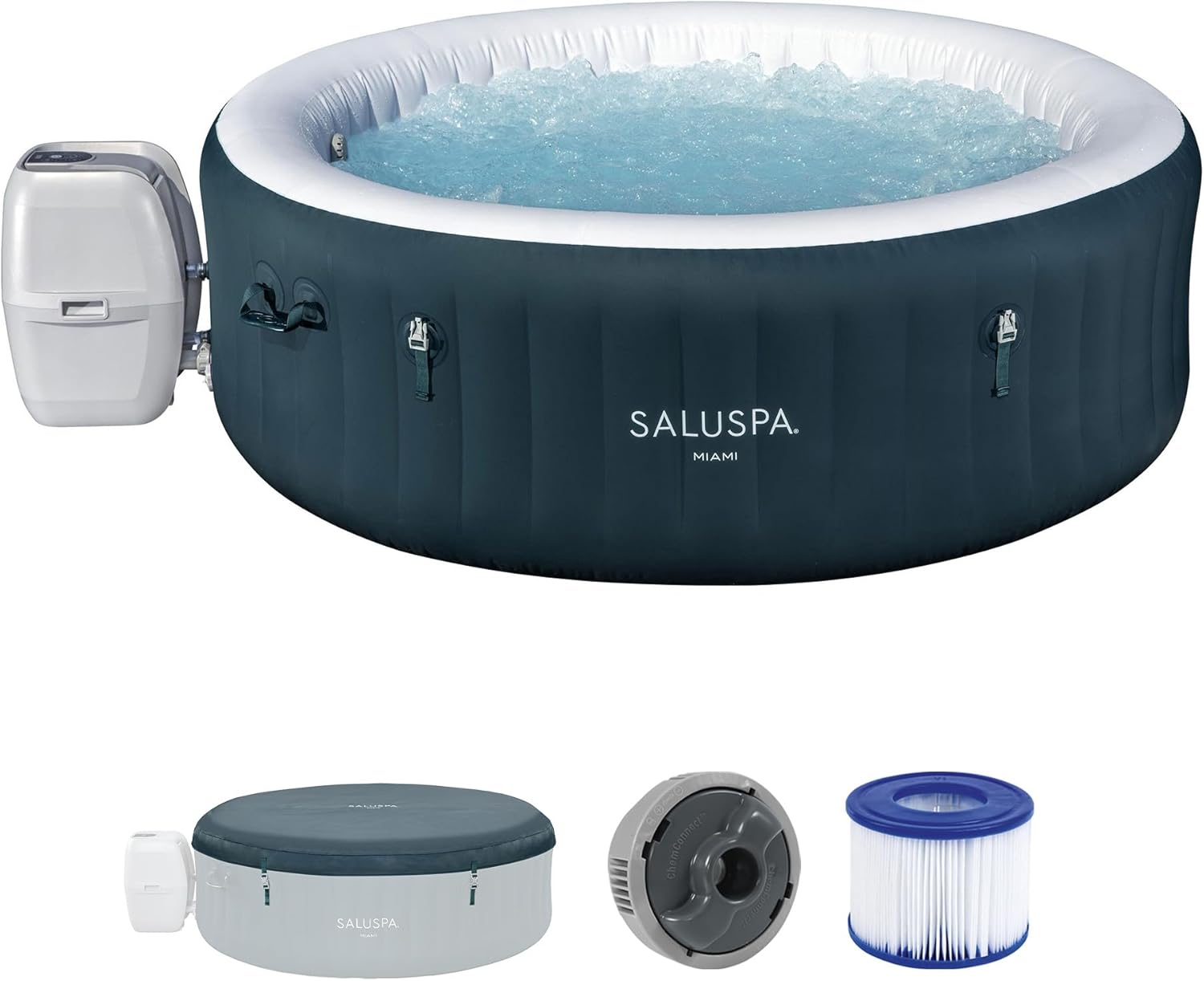
For those doing serious research on inflatable models before committing to a sanitizer path, our reviews of the Bestway SaluSpa Miami, Intex PureSpa vs Coleman SaluSpa, and Goplus 4-person inflatable include sanitizer compatibility notes for each model.
A Note on Long-Term Hot Tub Health Benefits
Whichever system you choose, the health benefits of regular hot tub use depend far more on consistent, balanced water chemistry than on which sanitizer type you use. Regular soaking is associated with improved sleep quality, reduced muscle tension, lower blood pressure, and joint pain relief — but only if the water you’re soaking in is clean and properly balanced. Our comprehensive look at whether hot tubs are healthy and the potential risks to be aware of covers both sides of the wellness equation in detail.
12. Advanced Tips for Getting the Most From Either System
Regardless of which path you choose, these overlooked practices consistently separate hot tub owners who enjoy effortless water quality from those who seem to fight constant problems.
Shower Before Every Soak
This is the single most impactful habit for reducing sanitizer demand in either system. Sweat, body oils, sunscreen, hair products, and cosmetics are all nitrogen-containing compounds that react with chlorine to form chloramines. A quick rinse before entering the tub dramatically reduces the organic load, extending your water’s life and reducing chemical consumption by 30–50% depending on bather count.
Cover Your Tub When Not in Use
A good cover does triple duty: it keeps debris out (reducing oxidant demand), slows evaporation (reducing chemical concentration changes), and retains heat (reducing heating costs). Investing in a quality cover pays back through reduced chemical use regardless of your sanitizer choice. Our picks for the best hot tub covers give you a starting point.
Shock After Every Heavy Use Session
Whether you’re running salt or chlorine, a heavy bather load — a party, multiple adults soaking for hours — generates more organic waste than your sanitizer can easily handle. Shocking after these sessions with non-chlorine oxidizer (for salt systems) or chlorine shock breaks down the accumulated chloramines and keeps your water clean. Our guide on how often to shock your hot tub gives you frequency guidance based on usage patterns.
Invest in a Quality Test Kit
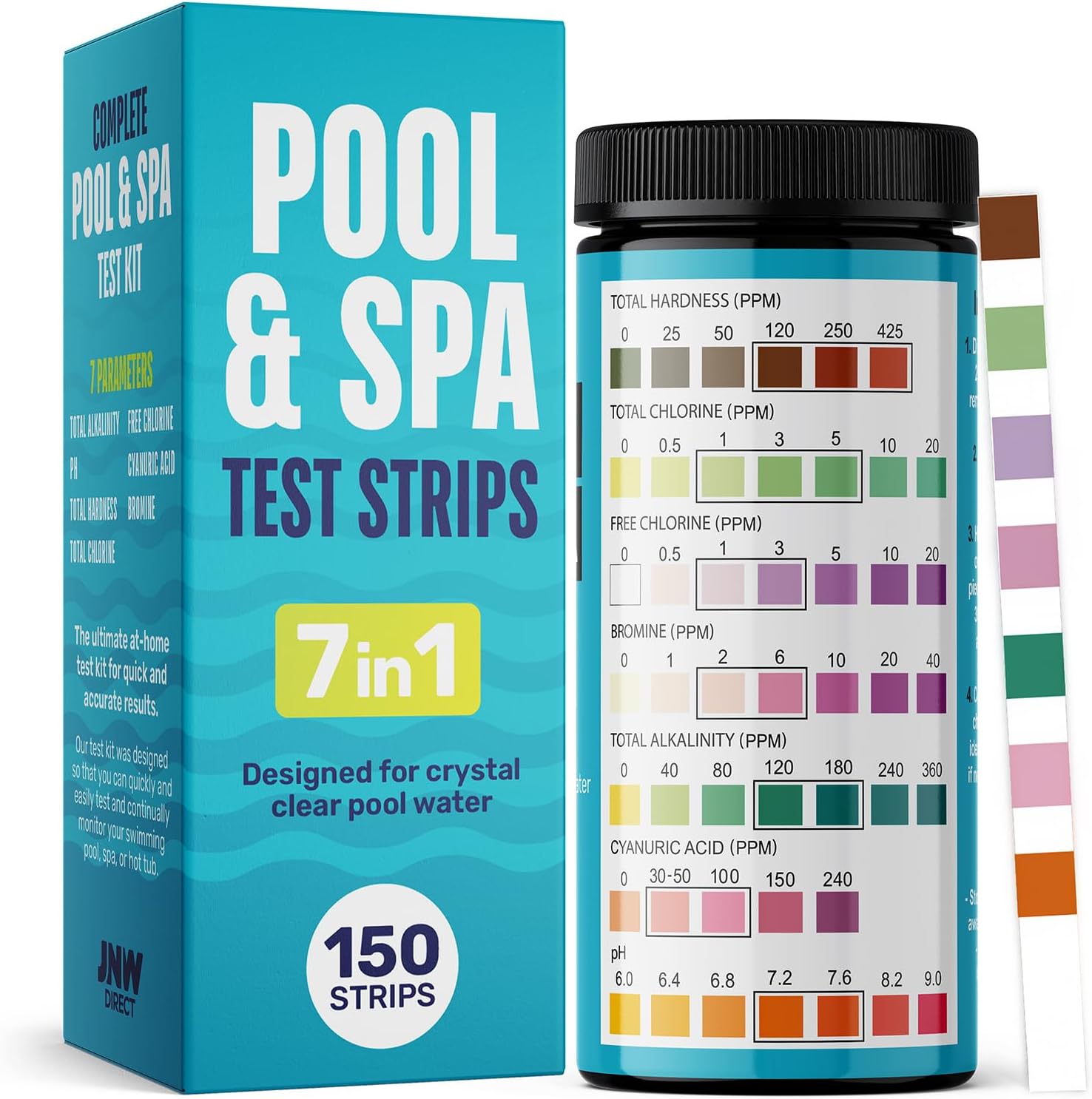
Strip tests are fine for a quick check, but liquid reagent kits and digital testers give you far more accurate readings — particularly for free vs combined chlorine (important for diagnosing chloramine problems) and salt ppm (critical for salt system optimization). The best options for hot tub water testers and digital water tester comparisons are worth checking if you’re taking water quality seriously.
Don’t Skip Filter Maintenance
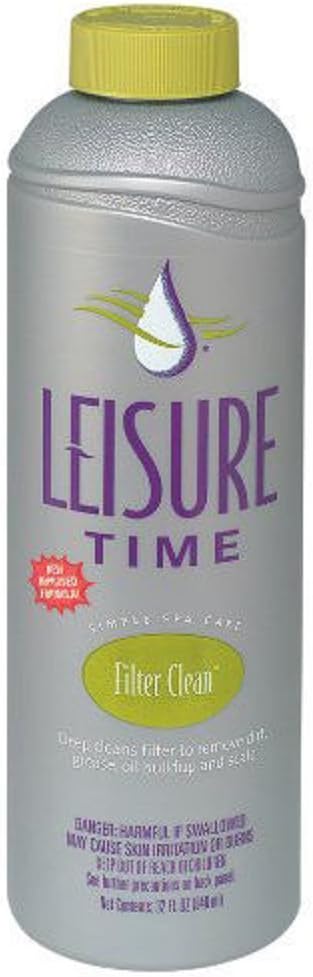
Your filter is doing a significant portion of the physical and some of the chemical work in your water. A clogged filter means reduced flow through your salt cell (causing under-chlorination), poor circulation, and accelerated chemical imbalance. Weekly rinse, monthly spray-down with filter cleaner, and replacement every 3–6 months depending on use. Check our guide on when to replace hot tub filters and how they actually work for the full picture.
Handle Foam and Slime Immediately
Foam indicates surfactants (from soaps, detergents, body products) or organic waste accumulation. Slime is early-stage biofilm. Both signal that your sanitizer is overwhelmed or imbalanced. Don’t mask these with quick fixes — diagnose the underlying cause. Resources on eliminating hot tub foam and whether hot tub slime is dangerous help you respond appropriately.
Track Your Alkalinity, Not Just pH
Total alkalinity is the “buffer” that stabilizes your pH and prevents it from swinging wildly. Salt systems in particular need alkalinity management because the electrolysis process tends to push pH upward over time. Keeping alkalinity in the 80–120 ppm range is the single most effective way to reduce how often you need to make pH corrections. If it’s too low, our guide to raising alkalinity with baking soda explains the exact process. If it’s too high, lowering alkalinity requires a different approach.
Complete Hot Tub Chemical Starter Kit
Includes chlorine, pH up/down, alkalinity adjuster, and test strips. Everything to start a chlorine system right.
Shop Starter Kits on Amazon →Frequently Asked Questions
Here are the most common questions we see from hot tub owners navigating the saltwater vs chlorine decision:
Yes — this is the most common misconception about saltwater systems. A salt chlorine generator converts dissolved salt (sodium chloride) into chlorine through electrolysis. The water still contains free chlorine at 1–3 ppm. The difference is that the chlorine is generated automatically and continuously, rather than added manually. You are still sanitizing with chlorine — just producing it differently.
For most people, yes — noticeably so. The steadier, lower chlorine levels in a well-maintained salt system result in fewer chloramines (the primary source of skin and eye irritation), and the mild saline water feels silkier than standard tap-filled water. People with chlorine sensitivity, eczema, or frequent hot tub use tend to see the biggest improvement. That said, anyone with sensitive skin will benefit from any well-balanced hot tub water, regardless of system type.
In most cases, this is not recommended. The majority of inflatable hot tubs are not manufactured to withstand continuous saltwater exposure, and doing so can corrode metal fittings, damage pump components, and void your warranty. A small number of external salt systems can be used without routing through the tub’s own pump, with lower risk — but you’ll need to check your specific model’s documentation and accept the monitoring responsibility. For most inflatable tub owners, traditional chlorine remains the safer, simpler choice.
A quality hot tub salt chlorine generator typically costs between $400 and $900, depending on your tub’s volume and the brand. Installation is usually DIY-friendly for hard-shell tubs. Add $30–$60 for the initial salt fill. You’ll then save on chlorine chemicals annually (roughly $100–$250/year) compared to a manual chlorine system, though pH adjusters may cost slightly more. The system typically pays for itself within 3–5 years depending on usage.
Occasionally, yes. While salt systems handle routine chlorination automatically, heavy bather loads, water imbalance, or extended periods of high organic contamination can overwhelm the system and lead to chloramine buildup. A non-chlorine oxidizing shock is typically recommended after parties, heavy use sessions, or any time you notice odor or cloudiness. This is less frequent than the weekly shocking typically needed in chlorine systems, but the practice doesn’t disappear entirely.
At the concentrations used in spa salt systems (2,000–3,500 ppm), saltwater is much less corrosive than ocean water, but it can still accelerate degradation of certain metals over time — particularly if the water’s pH or calcium hardness levels are poorly maintained. Stainless steel, certain plastics, and titanium handle saltwater well. Zinc, copper, and lower-grade aluminum alloys are more susceptible. Most hard-shell hot tubs manufactured for salt compatibility use appropriate materials; the concern is primarily with inflatable tubs and older hot tub designs not rated for salt use.
A salt cell (the titanium electrode that converts salt to chlorine) typically lasts 3–5 years, depending on usage frequency, operating levels, and how well you maintain water balance. High calcium hardness and persistently low or high pH accelerate cell degradation. Cells require periodic cleaning with a diluted acid solution to remove calcium scale. Replacement cells generally cost $150–$400 depending on the generator brand — a cost to factor into long-term ownership calculations.
Most hot tub salt systems are designed to operate optimally between 2,000 and 3,000 ppm of salt, though specific target ranges vary by manufacturer — always check your unit’s manual. Below the minimum (typically around 1,500 ppm), the cell won’t generate adequate chlorine. Above the maximum (typically around 4,000 ppm), some systems shut down automatically to protect the cell. Salt levels are measured with a dedicated salt test strip or a digital meter — not a standard chlorine or pH test.
No — at 2,000–3,500 ppm, the salt concentration is far too low to produce any detectable ocean-like smell. The water may feel slightly different on your skin, but your nose won’t notice any saltwater character. Well-maintained saltwater hot tubs are actually less likely to have any chemical smell than poorly balanced chlorine tubs, since lower chloramine levels mean less of that familiar “pool smell.”
Bromine has genuine advantages in the hot tub context specifically: it’s more stable at high temperatures, works effectively at higher pH levels, and produces fewer volatile byproducts (less smell) at spa temperatures. However, it works more slowly than chlorine, costs slightly more, and can’t be stabilized against UV degradation. It’s particularly well-suited for indoor tubs or situations where pH tends to run high. Our full bromine vs chlorine comparison covers the trade-offs in detail. For most outdoor hot tubs, either chlorine or salt is the better practical choice.
Conclusion: Making the Call That’s Right for You
The saltwater vs chlorine debate doesn’t have a single correct answer — but it does have a right answer for your specific situation, and the framework for finding it is now in your hands.
If you’re a frequent soaker who values water comfort, lower maintenance load, and plans to own your hot tub for years, a salt chlorine generator is a genuinely worthwhile investment. The softer water feel, reduced chloramine exposure, and automated sanitization add real quality to your ownership experience. You’ll still manage water chemistry — but you’ll spend less time doing it and more time enjoying the result.
If you’re running an inflatable hot tub, working with a limited budget, or simply want the most universal, straightforward approach to water care, traditional chlorine gives you everything you need. The results from a well-maintained chlorine system are excellent — “chlorine bad” is a marketing narrative, not a chemical reality. Keep it balanced, test regularly, and the water will serve you just as well.
Either way, the path to a great hot tub experience runs through consistent maintenance, quality testing, and understanding what’s actually happening in your water — not through any specific brand of chemical or generator. Master the fundamentals, and your system will handle the rest.
Ready to Optimize Your Hot Tub Water?
Explore our full library of water chemistry guides, product reviews, and maintenance walkthroughs to get the most from your spa — whatever system you choose.
Explore the Full Chemicals Guide →For ongoing care whichever path you choose: our complete maintenance walkthrough and water tester reviews will keep you in control of your water chemistry year-round. And if you’re still in the process of choosing a hot tub to put a sanitizer system in, our roundup of the top inflatable spa picks with heating and runtime comparisons is a great next step.