Hot Tub Usage for Insomnia: The Science-Backed Guide to a Perfect Night’s Sleep
In our modern, always-on world, sleep has become the ultimate luxury. Millions of people struggle with insomnia, tossing and turning as their minds race with the day’s stresses. While many reach for pharmaceutical aids or white noise machines, the most effective solution might be sitting right in your backyard. Hot tub usage for insomnia is not just a “feel-good” home remedy; it is rooted in biological science and circadian rhythm regulation.
By leveraging the therapeutic power of warm water immersion, you can essentially “hack” your body’s internal thermostat to signal that it is time for rest. But it isn’t as simple as just jumping into the tub before bed. There is a precise timing and temperature window required to achieve results. In this guide, we will explore why hot tubs are healthy for you and how they serve as a potent tool against sleep disorders.
This guide goes well beyond the basics. We’ll walk through the underlying sleep biology, compare hot water immersion to other popular recovery tools like saunas and cold plunges, break down protocols for shift workers and night owls, address special populations such as older adults, pregnant women, and people managing chronic pain, and help you build a full “sleep sanctuary” routine around your soak. Whether you’re a lifelong insomniac who has tried everything or someone who simply wants to sleep a little deeper, there’s a section here written for you.
What You’ll Learn in This Guide
- The Science of Heat and Sleep
- Physical & Psychological Benefits
- The Ideal Pre-Sleep Routine
- Timing for Different Chronotypes
- Hot Tub vs. Sauna vs. Cold Plunge
- Choosing the Right Hot Tub
- Special Populations & Conditions
- Building a Sleep Stack Around Your Soak
- Tracking Your Results
- Common Myths, Debunked
- Safety Precautions & Pitfalls
- Maintenance for Nightly Use
- Cost, Energy Use & Placement
- Frequently Asked Questions
The Science: How Heat Triggers Sleep
To understand why a hot tub helps with sleep, we must look at our body’s core temperature. Your body naturally follows a circadian rhythm where your temperature peaks in the late afternoon and drops to its lowest point in the middle of the night. This drop in temperature is a biological signal to the brain that it’s time to sleep.
When you soak in a hot tub, your core temperature rises. Once you exit the tub, your body begins a rapid cooling process. This accelerated drop in core temperature mimics the natural decline that happens before sleep, triggering the production of melatonin—the sleep hormone. This process, often called the “Power Down” effect, can significantly reduce “sleep latency,” which is the technical term for how long it takes you to fall asleep.
This mechanism is sometimes described by sleep researchers as the “distal-proximal skin temperature gradient.” In plain terms, warming the skin at the extremities—your hands and feet—helps blood vessels there dilate and release heat far more efficiently than skin elsewhere on the body. Because a hot tub submerges nearly your entire body, it accelerates this dilation everywhere at once, which is part of why the effect feels so much stronger than simply warming your feet with socks or a heating pad. The vasodilation response continues to work in your favor for up to two hours after you towel off, gradually easing your nervous system out of “alert” mode and into the parasympathetic state associated with drowsiness.
It also helps to understand what insomnia actually looks like on a biological level. Chronic insomnia is frequently associated with a state called “hyperarousal,” where the nervous system stays mildly activated well past the point where it should be winding down. Cortisol, adrenaline, and elevated core body temperature all tend to run higher in people who struggle to fall asleep, and higher nighttime body temperature in particular has been linked with poorer sleep efficiency. A hot tub session doesn’t just feel relaxing in the moment; it actively works against this hyperaroused state by forcing a temperature swing your body is primed to interpret as a “go to sleep” cue.
Some sleep scientists refer to this as “thermal manipulation” or “passive body heating,” and it has been studied as a complementary approach for people with primary insomnia, older adults with age-related sleep fragmentation, and even some populations with mild depression, where sleep and mood are closely intertwined. The takeaway is straightforward: your body doesn’t need convincing to feel sleepy after a hot soak—it’s simply responding to a very old, very reliable biological cue.
It’s worth noting why a shower doesn’t replicate this effect nearly as well. A shower only warms the skin surface you’re actively rinsing, and the water drains away instead of surrounding you, so the whole-body heat load never builds the way it does in a hot tub. A bath comes closer, but without jets and a maintained temperature, the water cools quickly and the immersion is usually shallower, missing the shoulders and upper chest. A well-maintained hot tub keeps the water at a constant, controlled temperature for the entire session, which is part of why the “cool-down cascade” afterward is so much more pronounced.

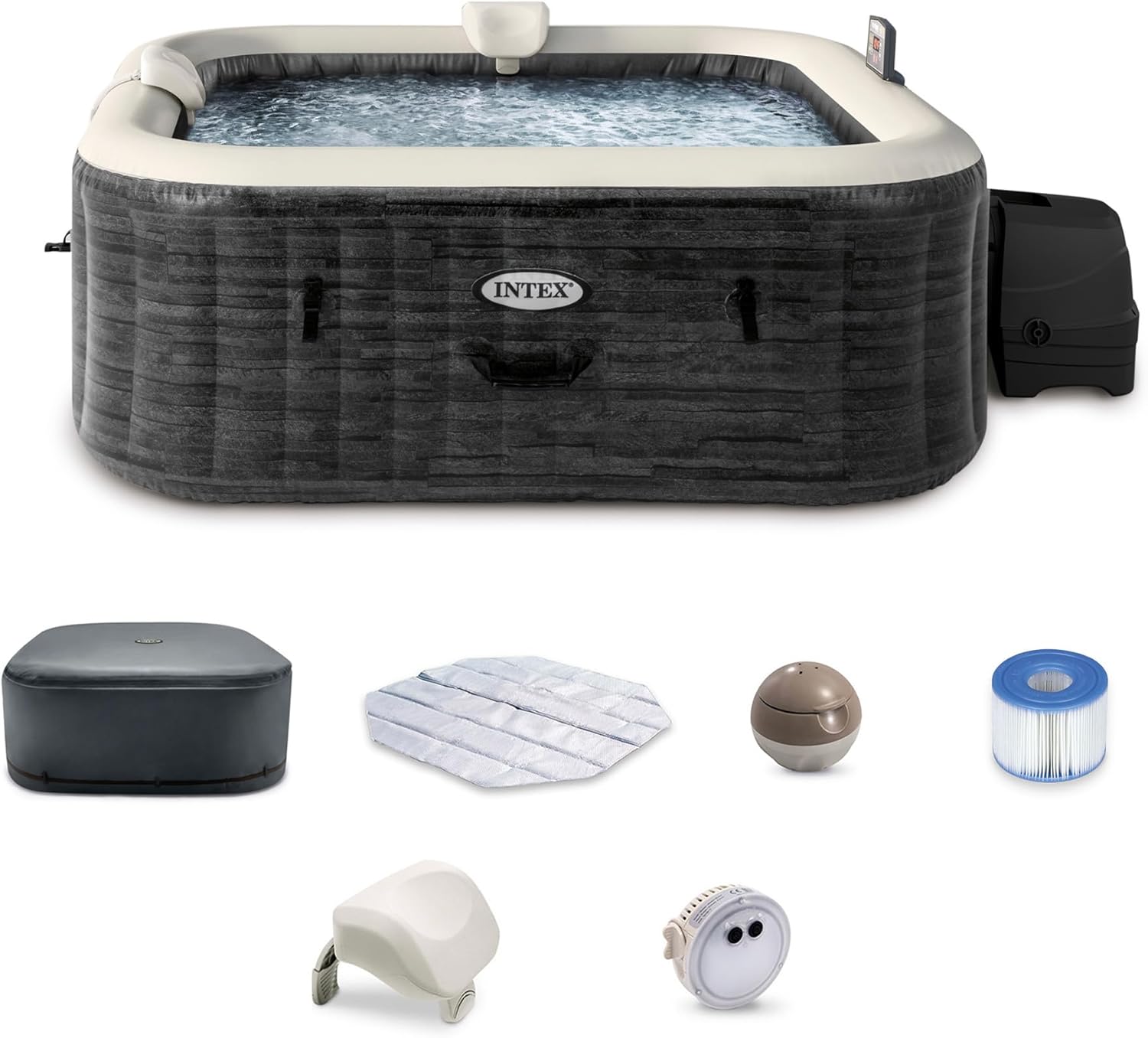
Ready to upgrade your sleep? The Intex Greywood Deluxe offers the perfect therapeutic environment.
Check Price on AmazonThe Physical & Psychological Benefits for Insomniacs
Insomnia is rarely just about the mind; it is often a combination of mental anxiety and physical tension. Using a hot tub addresses both sides of the coin. If you’ve been investigating are inflatable hot tubs worth it, their impact on chronic sleep debt is a major point in the “yes” column.
1. Cortisol Reduction
Cortisol is the body’s primary stress hormone. High levels of cortisol at night keep the brain in an “alert” state, making sleep impossible. The warm water and massaging jets of a spa stimulate the parasympathetic nervous system, which counteracts cortisol and promotes a state of calm. This is why many athletes find that a hot tub is good after workout sessions—it calms the central nervous system after the stress of exercise.
The hydrostatic pressure of the water itself plays a supporting role here too. As water surrounds your torso, it applies gentle, even pressure across your chest and abdomen, which many people describe as similar to the calming effect of a weighted blanket. That consistent pressure has been associated with a modest slowing of heart rate and a subjective sense of being “held,” both of which work against the racing, keyed-up feeling that so often accompanies bedtime anxiety.
2. Relief from Physical Pain
Many people can’t sleep because of chronic pain. Whether it’s lower back pain or the fact that hot tubs are good for arthritis, reducing physical discomfort allows the body to settle into a comfortable position more quickly. Hydrotherapy reduces the weight on joints by up to 90%, providing immediate relief that carries over into the bedroom.
This matters more than people realize, because pain and poor sleep tend to reinforce each other in a loop: pain disrupts sleep, and poor sleep lowers your pain threshold the following day, making discomfort feel more intense. Breaking that cycle even partway—by reducing evening pain enough to fall asleep faster—can compound over a week or two into meaningfully better rest. This is especially relevant for people managing fibromyalgia, osteoarthritis, or post-exercise muscle soreness, all of which are commonly cited reasons people search for hot tub therapy in the first place.
3. Sensory Deprivation
Stepping into a hot tub at night creates a natural “digital detox.” It is one of the few places where you cannot easily bring a smartphone or laptop. This break from blue light and constant notifications is essential for resetting the brain’s sleep-wake cycle.
Beyond simply removing screens, the enclosed, low-stimulation environment of a spa encourages a kind of passive mindfulness. The sound of jets, the warmth on your skin, and the absence of visual clutter give the mind fewer things to latch onto, which naturally slows down the looping, anxious thoughts that keep so many insomniacs awake. Some users pair this quiet window with light stretching or slow breathing exercises, effectively turning the soak into a mini wind-down meditation rather than just a passive warm bath.
4. Muscle Relaxation and Reduced Nighttime Tossing
Muscle tension is an underrated cause of restless sleep. Tight shoulders, a stiff neck, or a clenched jaw from daytime stress can all translate into frequent repositioning once you’re in bed, which fragments sleep even if you don’t fully wake up. The heat and buoyancy of a hot tub relax large muscle groups simultaneously, and the reduced gravitational load on the body—thanks to buoyancy—gives joints and connective tissue a genuine break they don’t get lying flat on a mattress. Many people report needing to shift position far less often on nights they’ve soaked beforehand.
5. A Psychological Anchor and Sleep Cue
Beyond the physiological effects, a nightly hot tub routine becomes what sleep specialists call a “sleep anchor”—a consistent behavioral cue that tells your brain a predictable sequence of events is about to unfold, ending in sleep. This is the same principle behind classic sleep hygiene advice like dimming the lights or reading before bed, except a hot tub soak is a far more powerful, multisensory version of that cue. Over a few weeks of consistent use, many people find that simply starting the routine begins to trigger drowsiness, independent of the temperature effect alone.
Timing Your Soak for Your Chronotype
Not everyone’s internal clock runs on the same schedule, and the “90 minutes before bed” rule of thumb works best as a starting point rather than a rigid law. Chronotype—your natural tendency toward being a morning lark, a night owl, or something in between—affects when your core temperature naturally peaks and dips, which in turn affects when a hot tub soak will be most effective.
Morning Larks
If you naturally wake early and feel sleepy by 9 or 10 p.m., your core temperature likely peaks in the early evening and begins dropping well before most people go to bed. For this chronotype, a soak in the early evening, around 6 to 7 p.m., often works better than waiting until just before a 10 p.m. bedtime, since it aligns the temperature spike with your body’s existing rhythm rather than fighting against it.
Night Owls
Night owls tend to have a core temperature peak that occurs later, sometimes not until 9 or 10 p.m., with sleep onset naturally happening closer to midnight or later. For this group, a hot tub session in the 9 to 10:30 p.m. window tends to align better, and pushing the soak too early in the evening may not produce the cooling cascade needed right before their actual bedtime.
Shift Workers
Shift workers face a uniquely difficult challenge because their “bedtime” might be at 8 a.m. rather than 10 p.m., and daylight exposure works against the body’s natural cooling signals. For people coming off overnight shifts, a hot tub soak combined with blackout curtains and an eye mask immediately afterward can help substitute for the missing evening darkness cue. Because natural light exposure in the morning tends to counteract sleep drive, minimizing sun exposure on the walk home and soaking as soon as possible after the shift ends tends to produce the best results.
Adjusting Around Travel and Jet Lag
Frequent travelers can also use timed soaks strategically. When adjusting to a new time zone, soaking at the target bedtime of your destination, rather than your home time zone, for the first few nights can help nudge your circadian rhythm forward or backward more quickly than light exposure alone. This isn’t an instant fix, but combined with strategic light avoidance or exposure, it can shave a day or two off the usual adjustment period for a significant time change.
The Ideal Pre-Sleep Hot Tub Routine
To maximize the benefits of hot tub usage for insomnia, you need a consistent protocol. Haphazardly soaking will yield haphazard results. Follow this step-by-step breakdown for the ultimate sleep-inducing soak:
| Step | Timing/Action | Why it works |
|---|---|---|
| 1. The Window | 90 Minutes before bed | Allows enough time for the core temperature to drop after exiting. |
| 2. The Temperature | 100°F – 102°F (38°C) | Warm enough to relax, but not so hot that it causes heart rate spikes. |
| 3. Duration | 15 – 20 Minutes | Sufficient time for the heat to penetrate muscles without over-dehydration. |
| 4. The Transition | Keep it dim | Use low-light or LED spa lights to keep melatonin levels rising. |
| 5. The Cool Down | Gentle drying | The evaporation of water on the skin assists the cooling process. |
Beyond these five steps, small adjustments to the surrounding routine can amplify results significantly. Consider the following additions as you build out your own version of this protocol.
Prepare the Room Before You Soak
Rather than soaking and then walking into a bright, warm bedroom, prepare your sleep environment beforehand. Set your thermostat to a cool 65 to 68°F, close blackout curtains, and turn off overhead lighting so that the only thing left to do when you return from the tub is climb into bed. This removes friction between the “wind down” state the soak creates and the act of actually falling asleep, since even a few minutes of bright light or bustling around can undo some of the drowsiness the soak produced.
Use the Water Time Intentionally
The 15 to 20 minutes in the water is a genuine opportunity for active relaxation, not just passive heating. Consider a simple box-breathing pattern: inhale for four counts, hold for four, exhale for four, hold for four, and repeat for several minutes. This combines the physiological cooling effect with a nervous-system-calming technique, compounding the drowsiness that follows.
Towel Off, Don’t Rush
Resist the urge to towel off aggressively and rush to bed. A slower, more gentle pat-dry allows a small amount of water to evaporate off the skin naturally, which assists the cooling process rather than short-circuiting it. Putting on light, breathable sleepwear rather than heavy pajamas also helps your body continue shedding heat efficiently during the crucial 20 to 30 minutes after your soak.
Avoid Stimulating Activities Immediately After
The half hour after a soak is a fragile window. Checking email, scrolling social media, or having a stimulating conversation can spike cortisol and alertness right when your body is trying to wind down. Treat this time as a continuation of the relaxation routine rather than a return to normal evening activity.

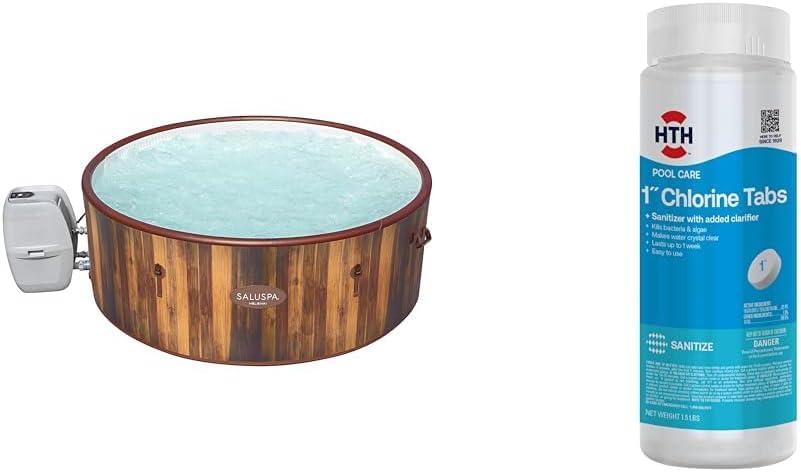
The Lay-Z-Spa Helsinki provides a Nordic-inspired calm that is perfect for late-night routines.
Check Price on AmazonHot Tub vs. Sauna vs. Cold Plunge for Sleep
Warm water immersion isn’t the only heat-based recovery tool people use in the evening. Saunas and, more recently, cold plunges have become popular additions to home wellness routines, and it’s worth understanding how they compare when the specific goal is better sleep.
Hot Tub
A hot tub offers full-body immersion at a moderate, sustained temperature, typically 100 to 104°F. Because the body is surrounded by water rather than air, heat transfer is faster and more even than a sauna, and the buoyancy adds a joint-relief benefit that dry heat doesn’t provide. For sleep purposes specifically, the controlled, consistent temperature makes the post-soak cooling curve predictable and repeatable night after night.
Sauna
Traditional and infrared saunas use dry or radiant heat rather than water, often at much higher temperatures, sometimes 150°F or more in a traditional sauna. This produces a strong sweat response and a similar post-heat cooling effect, but sessions are typically shorter, and the intensity can be too stimulating for some people close to bedtime, particularly those sensitive to heat stress or with cardiovascular concerns. Infrared saunas run cooler and may be gentler for evening use, but they still lack the joint-relief and hydrostatic pressure benefits of water immersion.
Cold Plunge
Cold plunges work through an entirely different mechanism: rather than raising core temperature and letting it fall, cold exposure spikes adrenaline and alertness, which is why cold plunges are almost universally recommended for mornings rather than evenings. Using a cold plunge right before bed can actively work against sleep onset for most people, since it triggers the opposite of the parasympathetic, wind-down response a hot tub produces. Some athletes do use contrast therapy, alternating hot and cold, but if sleep is the primary goal, ending on cold rather than heat is generally the wrong sequence.
Which Should You Choose?
If insomnia is your primary concern, a hot tub is generally the more direct tool, thanks to the combination of full-body heat, joint relief, and a highly predictable cooling curve. A sauna can serve a similar purpose but requires more caution around timing and intensity. A cold plunge is better reserved for mornings or post-workout recovery, not as part of a bedtime routine.
| Method | Best Time of Day | Primary Sleep Mechanism | Session Length |
|---|---|---|---|
| Hot Tub | 60-90 min before bed | Core temperature rise, then rapid post-soak drop | 15-20 minutes |
| Traditional Sauna | Early evening | Dry heat exposure, sweat response, cooldown | 10-15 minutes |
| Infrared Sauna | Early to mid evening | Gentle radiant heat, gradual cooldown | 20-30 minutes |
| Cold Plunge | Morning | Adrenaline spike, alertness (not suited for bedtime) | 1-3 minutes |
Choosing the Right Hot Tub for Sleep Therapy
If your primary goal is sleep therapy, you don’t necessarily need a $10,000 hard-shell tub. Many high-quality inflatable models provide excellent results. When searching for the best blow up hot tub for insomnia, look for models with quiet pumps and adjustable jet settings.
Inflatable vs. Hard-Shell: What Actually Matters for Sleep
For sleep-specific use, the meaningful differences between inflatable and hard-shell tubs come down to three things: temperature consistency, noise, and insulation. Hard-shell tubs generally hold heat more efficiently thanks to thicker foam or foil insulation layers, meaning they reach your target temperature faster and lose less heat overnight if you keep them running continuously. Inflatable tubs have improved significantly on this front, with newer models featuring multi-layer insulated liners, but they still typically take longer to heat from cold and may need a slightly longer lead time before a planned soak.
Pump Noise Matters More Than You’d Think
Since this routine happens in the evening, often near bedrooms or shared outdoor spaces, pump noise is worth paying close attention to. Look for published decibel ratings where available, and favor models advertised as “quiet” or “whisper” pumps. A loud pump doesn’t just annoy neighbors; it can also work against the very relaxation response you’re trying to create if the ambient noise feels jarring rather than soothing.
Jet Configuration and Placement
Jet count matters less than jet placement for a sleep-focused routine. Look for models with jets positioned around the lower back, shoulders, and calves, since these are common areas of tension that contribute to restless sleep. Adjustable jet intensity is also valuable, since a gentler setting is usually more conducive to winding down than an aggressive massage setting, which can feel more stimulating than relaxing.
Size and Capacity
Consider how many people will typically use the tub and at what time. A two-person tub is often plenty for a solo nightly sleep routine and heats up faster and cheaper than a larger four- to six-person model. If you’re sharing the routine with a partner, a slightly larger model with dedicated seating positions and headrests will make the nightly ritual more comfortable for both of you without excessively increasing water volume and heating costs.
Pros of Hot Tub Sleep Therapy
- Natural, non-drug-based solution.
- Improves both sleep quality and quantity.
- Reduces muscle tension and joint pain.
- Creates a dedicated relaxation space.
- Lowers blood pressure over time.
Potential Disadvantages
- Risk of dehydration if not careful.
- Initial cost of purchasing a spa.
- Requires diligent hot tub maintenance.
- Not recommended for people with certain heart conditions.
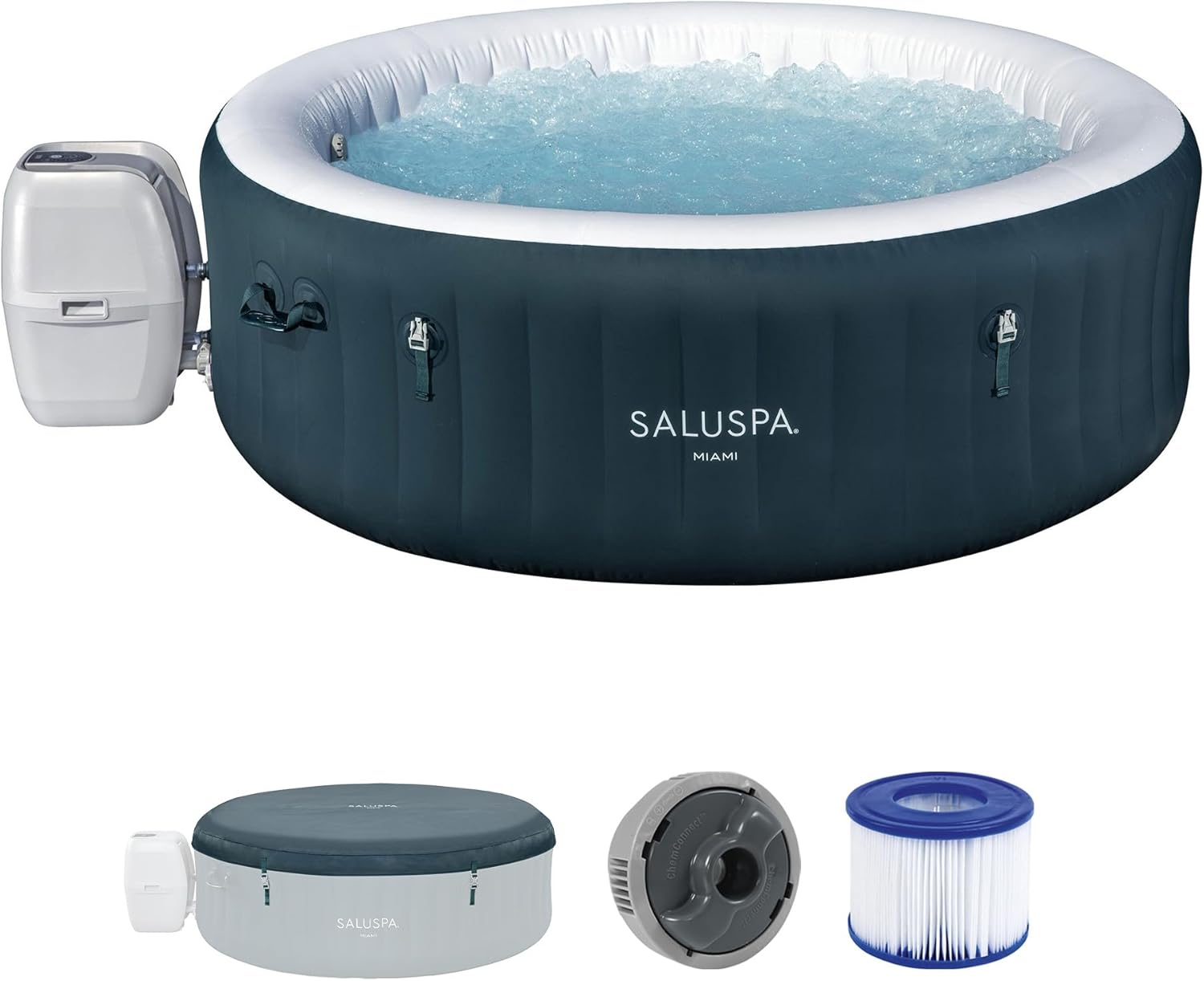
For those on a budget, the Bestway SaluSpa Miami is an excellent entry-level choice that provides all the heat and bubbles needed for a pre-bedtime soak without a massive footprint. If you’re looking for the absolute latest tech, our list of the best inflatable hot tubs for 2025 includes models with advanced filtration and ultra-quiet operation, ensuring your neighbors aren’t kept awake while you prepare for bed.
It’s also worth thinking ahead to how often should you use a hot tub before committing to a purchase, since a nightly routine puts more cumulative wear on filters, pumps, and covers than occasional weekend use. Choosing a model built for frequent cycling, rather than the cheapest option designed for occasional party use, will save on maintenance headaches down the line.
Special Populations and Conditions
Hot tub therapy for sleep isn’t one-size-fits-all. Certain groups need to approach the routine with additional care, adjusted protocols, or a conversation with a healthcare provider before starting.
Pregnant Women
Elevated core body temperature during early pregnancy has been associated with developmental risks, which is why medical guidance around can pregnant women use hot tubs generally recommends avoiding hot tub use, or limiting sessions to very short durations at lower temperatures, and only with a doctor’s approval. Pregnant individuals dealing with insomnia should look instead toward other elements of this guide, such as room temperature control, breathing exercises, and consistent bedtime routines, which don’t carry the same thermal risk.
Older Adults
Older adults often experience more fragmented sleep due to natural changes in circadian rhythm and a reduced ability to reach deep sleep stages. Hot tub therapy can be particularly beneficial for this group, both for the sleep-onset benefits and for joint pain relief from conditions like osteoarthritis. However, older adults should be more cautious with temperature (staying closer to 100°F rather than 102°F), should always have a way to exit the tub without slipping, and should check with a physician if they have any cardiovascular conditions, since heat can affect blood pressure and heart rate more noticeably with age.
People with Sleep Apnea
Sleep apnea is a different category of sleep disruption than typical insomnia, caused by physical airway obstruction rather than an inability to relax. While a hot tub soak won’t resolve apnea itself, some people with mild apnea report that reduced nasal and sinus congestion after a warm soak, combined with general muscle relaxation, modestly improves comfort. It should never be treated as a substitute for a CPAP machine or a proper sleep apnea diagnosis and treatment plan.
Menopause and Hot Flashes
This is a case where a hot tub can genuinely go either way. Some people navigating menopause find the deep relaxation and pain-relief benefits helpful for the anxiety and joint discomfort that often accompany this life stage. Others find that additional heat exposure close to bedtime can trigger or worsen hot flashes and night sweats. If you’re in this category, consider a cooler soak (99 to 100°F), a shorter session, and pay close attention to how your body responds over a few nights before committing to the routine long term.
Chronic Pain Conditions
Conditions such as fibromyalgia, chronic lower back pain, and rheumatoid arthritis frequently disrupt sleep through nighttime discomfort. The buoyancy and heat of a hot tub can meaningfully reduce this discomfort, and many pain management specialists already recommend warm water therapy as a complementary approach. As with any chronic condition, loop in your treating physician, especially if you’re on medications that affect blood pressure, circulation, or temperature regulation.
Anxiety, PTSD, and Racing Thoughts
For people whose insomnia is driven primarily by anxious or intrusive thoughts rather than physical tension, the sensory and parasympathetic benefits of a soak can be just as valuable as the temperature effect. Some people find that combining the soak with a simple grounding exercise, such as naming five things they can hear or feel in the water, helps interrupt racing thoughts more effectively than the heat alone.
Shift Workers and Irregular Schedules
As covered in the chronotype section above, shift workers face a uniquely disrupted circadian rhythm. A consistent hot tub routine, timed to whatever your personal “bedtime” happens to be rather than the clock on the wall, can help create a stable sleep cue even when your schedule itself isn’t stable.
Young Children
Young children regulate body temperature differently than adults and can overheat more quickly relative to their body size. Pediatric guidance generally recommends shorter soak times, lower temperatures, and constant supervision for children using a hot tub at all, and a nightly “sleep therapy” soak designed around adult protocols in this guide is not appropriate to apply directly to young kids. If you want to include children in a calming evening routine, a much shorter, cooler, closely supervised dip, or simply a warm bath instead, is the safer choice.
People Managing Blood Pressure or Cardiovascular Conditions
Heat exposure causes blood vessels to dilate, which can lower blood pressure temporarily, an effect that’s usually mild and harmless but worth being aware of if you already manage hypertension, hypotension, or a diagnosed heart condition. If you fall into this category, a shorter session at a lower temperature, a slow and careful exit from the tub, and a conversation with your cardiologist or primary care provider before starting a nightly routine are all sensible precautions rather than optional extras.
Building a Full Sleep Stack Around Your Soak
A hot tub is a powerful single tool, but it works best as part of a broader, consistent evening routine rather than an isolated fix. Consider layering in the following elements around your soak for compounding benefits.
Magnesium and Gentle Supplementation
Many people pair their soak with a cup of caffeine-free herbal tea, such as chamomile, or a magnesium supplement recommended by their healthcare provider, both of which are commonly associated with muscle relaxation and calm. As with any supplement, it’s worth discussing dosing and appropriateness with a doctor or pharmacist rather than guessing, particularly if you take other medications.
Light Management
Dimming household lights an hour before your soak, and using warm-toned rather than blue-toned bulbs in the bathroom and bedroom, reinforces the melatonin release the hot tub is already helping trigger. Spa-side LED lighting on a warm, low setting is preferable to bright white spa lights for this same reason.
Caffeine and Alcohol Cutoffs
Caffeine has a long half-life, and even an afternoon coffee can still be partially active in your system at bedtime for sensitive individuals. Pairing your hot tub routine with a firm caffeine cutoff of six to eight hours before bed maximizes the routine’s effectiveness. Alcohol deserves separate mention here, since a nightcap in the tub might feel relaxing but works directly against sleep architecture by disrupting REM cycles and increasing nighttime awakenings.
Consistent Wake Times
One of the most underrated levers in fixing insomnia isn’t bedtime at all, but wake time. Keeping a consistent wake-up time, even on weekends, stabilizes your circadian rhythm and makes the evening cooling cue from your hot tub soak far more effective, since your body’s internal clock has a predictable rhythm to synchronize with.
A Wind-Down Sequence
Consider structuring your last 90 minutes before bed as a repeatable sequence: dim the lights, soak for 15 to 20 minutes, towel off gently, apply a light moisturizer if desired, put on breathable sleepwear, and get into bed with no screens. Repetition is the key ingredient here; the more consistently you follow the same sequence, the more powerfully your brain will associate each step with the approach of sleep.
Tracking Your Progress with Wearables
If you want objective evidence that your routine is working, rather than relying purely on how you feel, a sleep-tracking wearable can be genuinely useful. Devices that track heart rate variability, resting heart rate, and sleep stages can show measurable shifts on nights you’ve soaked compared to nights you haven’t.
What to Look For
Pay attention to three metrics in particular: sleep latency (how long it takes you to fall asleep), time spent in deep and REM sleep, and overnight resting heart rate. Many users report a modest but consistent improvement in sleep latency and a small drop in resting heart rate on nights following a properly timed soak, though individual results vary and a wearable’s sleep-stage estimates are approximations rather than clinical-grade measurements.
Keeping a Simple Sleep Journal
Not everyone wants to invest in a wearable, and a simple paper or app-based journal works nearly as well for personal experimentation. Track your soak time, water temperature, how long it took you to fall asleep, and how you felt on waking. After two to three weeks, patterns tend to emerge, letting you fine-tune your personal ideal timing and temperature rather than relying purely on generic recommendations.
Give It Time
A single soak can help on any given night, but the more meaningful benefits tend to show up after a consistent routine of two to four weeks, once your brain has fully associated the sequence with sleep onset. Resist the temptation to judge the routine after just one or two nights; consistency is where the real payoff lives.
Common Myths About Hot Tubs and Sleep, Debunked
Myth: Hotter Is Always Better
Many people assume that a higher temperature setting will produce a stronger relaxation effect, but the opposite is often true for sleep purposes. Temperatures above 102 to 104°F can spike heart rate and feel more stimulating than calming, working against the very drowsiness you’re trying to create. Moderate, consistent heat produces a more reliable cooling cascade afterward than an intense, brief blast of maximum heat.
Myth: You Should Soak Right Before Bed
Soaking immediately before climbing into bed skips the crucial cooling window your body needs. Without that 60 to 90 minute gap, you may actually still feel overheated when you lie down, which can delay sleep onset rather than speed it up.
Myth: More Time in the Water Equals More Benefit
Beyond roughly 20 minutes, additional soak time doesn’t meaningfully add to the sleep benefit and increases the risk of dehydration or lightheadedness upon standing. A focused 15 to 20 minute session is generally more effective than an extended 45-minute soak.
Myth: A Hot Tub Can Replace Treating an Underlying Sleep Disorder
For people with diagnosable conditions such as sleep apnea, restless leg syndrome, or a circadian rhythm disorder, a hot tub soak is a helpful complementary tool, not a substitute for proper diagnosis and treatment. If insomnia persists despite a consistent routine, it’s worth bringing the pattern to a doctor or sleep specialist rather than assuming a lifestyle fix alone will resolve it.
Myth: Alcohol in the Tub Enhances Relaxation and Sleep
A drink might feel relaxing in the moment, but combining alcohol with hot water immersion increases the risk of dizziness, dehydration, and disrupted REM sleep later in the night. It’s one of the more common and most counterproductive habits people build into an otherwise beneficial routine.
Safety Precautions & Common Pitfalls
While hot tubs are a wonderful tool for many insomniacs, there are negative effects of hot tubs if used incorrectly. Overstaying your welcome in the water can lead to hyperthermia, which actually makes it harder to sleep because your body stays in a state of thermal stress.
- Hydration is Key: Always drink a glass of room-temperature water before and after your soak. Dehydration is a common cause of nighttime wakefulness.
- Avoid Alcohol: While a glass of wine in the tub sounds relaxing, alcohol disrupts the REM cycle and can lead to dizziness in hot water.
- Monitor Temperature: Don’t crank the heat to the maximum 104°F if your goal is sleep. Lower temperatures (around 100°F) are more conducive to relaxation.
- Special Cases: Always check can pregnant women use hot tubs before starting a new routine, as high temperatures can be risky during pregnancy.
- Exit Slowly: Standing up too quickly after a long soak can cause a temporary blood pressure drop, leading to dizziness or lightheadedness. Rise gradually and sit on the edge for a moment before standing fully.
- Cover Safety: If children are present in the household, always use a locking, load-rated hot tub cover when the spa is not in use, and never leave the tub uncovered and accessible unsupervised.
- Medication Interactions: Some medications, including certain blood pressure drugs and sedatives, can interact with heat exposure. If you take prescription medication, ask your doctor whether hot tub use is appropriate for you.
- Know the Warning Signs: Dizziness, nausea, an unusually rapid heartbeat, or confusion during a soak are signs to exit the water immediately and cool down. These are not “part of the process” and should never be pushed through.

Maintenance for a Nightly Sleep Routine
Using your hot tub every single night puts different demands on it than the occasional weekend soak, and maintenance becomes an even bigger part of keeping the routine sustainable and pleasant.
Water Chemistry for Frequent Use
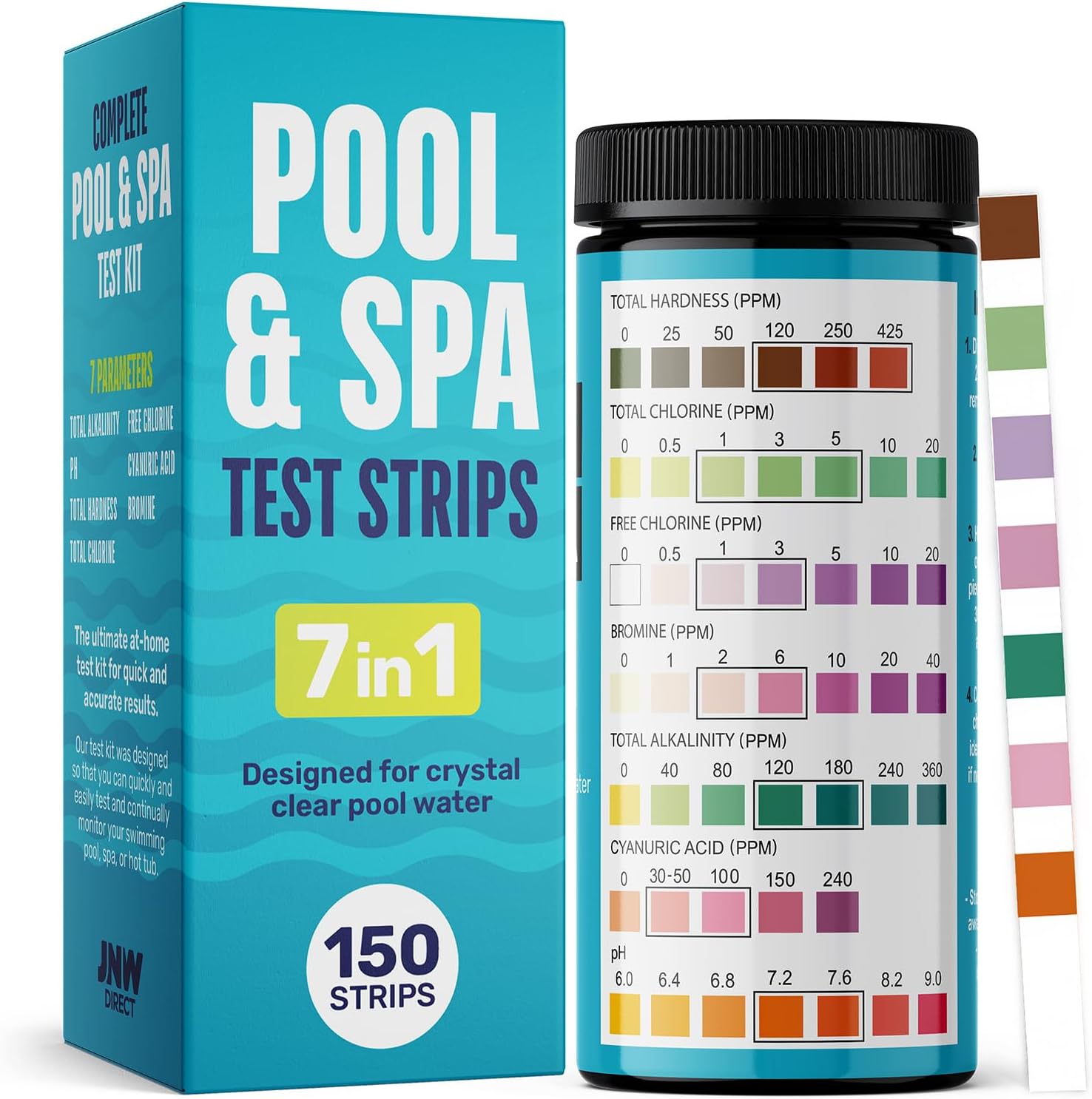
Frequent bathers means more body oils, lotions, and organic material entering the water each night, which increases the demand on sanitizer levels. Testing your water two to three times a week rather than once weekly helps you catch chemistry drift before it becomes a bigger problem, and helps avoid the strong chemical smell that can itself become a sleep disruptor if sanitizer levels swing too high in response.
Saltwater Systems vs. Traditional Chlorine or Bromine
Saltwater systems, which generate chlorine through electrolysis rather than requiring manually added chemicals, tend to produce gentler, less irritating water for the skin and eyes, and many nightly users find the reduced chemical odor more conducive to a relaxing pre-sleep atmosphere. They do require a somewhat higher upfront investment and different maintenance habits than traditional systems, so it’s worth weighing the tradeoffs based on how central this nightly routine will be to your life.
Filter Care
Nightly use means filters accumulate debris and body oils faster than occasional use. Rinsing filters weekly, and doing a deeper chemical soak monthly, keeps water clarity high and reduces strain on the pump, extending its lifespan given the increased duty cycle a nightly routine demands.
Cover Care and Heat Retention
A well-maintained, properly fitted cover is essential for anyone running their tub nightly, since it dramatically reduces the energy needed to bring the water back up to temperature between uses. Check the cover’s foam core periodically for water absorption, which adds weight and reduces insulating value over time, and replace it if it becomes noticeably heavy or saggy.
Cost, Energy Use, and Placement Considerations
A nightly hot tub habit is a long-term commitment, and it’s worth going in with realistic expectations about ongoing costs and the practical logistics of where the tub lives.
Energy Costs of Nightly Heating
Running a hot tub nightly costs more than occasional weekend use, though a well-insulated tub with a good cover kept at a steady temperature is generally more efficient than repeatedly heating from cold each time. Actual costs vary significantly based on local electricity rates, climate, tub size, and insulation quality, so it’s worth checking your specific model’s manufacturer specifications and your local utility rates rather than relying on a single generic number.
Seasonal Differences
Cold climates and winter months increase heating costs and heat-up time noticeably compared to summer use, since more energy is needed to overcome the temperature difference between the ambient air and your target water temperature. Some nightly users choose to keep their tub at a slightly lower standby temperature during the day and use a temperature boost setting an hour before their planned soak, rather than maintaining the full target temperature around the clock.
Placement for Noise and Privacy
Since this is an evening routine, placement near a bedroom window (yours or a neighbor’s) deserves extra thought. A location that balances easy nighttime access with enough distance from windows to minimize disturbing anyone trying to sleep tends to work best. Privacy screening, whether via fencing, plants, or a pergola, also makes the nightly ritual feel more like a private retreat, which can meaningfully affect how relaxing the routine feels psychologically.
Building a True “Sleep Sanctuary”
Some of the most successful nightly routines treat the hot tub as the anchor of a broader outdoor sleep sanctuary: warm, dimmable lighting rather than harsh floodlights; a small side table for a towel and water glass; and enough physical separation from daytime activity areas that the space feels dedicated to winding down rather than doing double duty as a party spot. The psychological association between a space and its purpose is a real and useful tool, and a dedicated evening-only spa area reinforces the sleep cue every time you approach it.
Frequently Asked Questions (FAQ)
The sweet spot is 90 minutes before you plan to sleep. This allows your core temperature to peak and then begin the rapid decline that signals sleepiness to your brain. Night owls may prefer closer to 60 minutes, while morning larks often do better soaking a bit earlier in the evening.
Between 100°F and 102°F is ideal. While 104°F is the maximum, it can sometimes be too stimulating for the heart, making it harder to settle down afterwards.
Consistency is key. Aim for 3-5 times a week to establish a routine. Check our guide on how often should you use a hot tub for more lifestyle tips.
Yes, the bubbles provide a light massage that helps relax muscles. However, the noise of the pump can be stimulating for some, so find what works for your personal calm.
For sleep therapy, both work equally well as long as they maintain consistent heat. Inflatables are a much more accessible way to start therapy immediately.
Only use spa-safe aromatherapy salts. Traditional essential oils can clog your filters and damage the liner. Lavender scents are particularly effective for sleep.
This is often due to a drop in blood pressure. Exit the tub slowly, sit on the edge for a minute, and ensure you are hydrated.
Many users find they can reduce their reliance on sleep aids, but you should always consult your doctor before changing any prescribed medical regimen.
A hot tub is generally the more direct tool for sleep onset thanks to full-body immersion and a predictable cooling curve. Cold plunges are better suited to mornings, since they increase alertness rather than promote drowsiness.
Pregnant individuals and people with certain cardiovascular conditions should consult a doctor before starting hot tub use, since elevated core temperature and heat exposure carry additional considerations for these groups.
Some people notice reduced sleep latency on the very first night, but the more consistent, compounding benefits typically appear after two to four weeks of a regular routine.
Nightly use costs more than occasional use, but a well-insulated tub with a good, well-maintained cover kept at a steady temperature is typically more efficient than repeatedly reheating from cold each time.
The Research Behind Warm Water Immersion and Sleep
The idea that heat can improve sleep isn’t new, and it isn’t purely anecdotal folklore either. Sleep researchers have spent decades studying thermoregulation and its role in sleep onset, and passive body heating through warm baths or hot tubs has repeatedly come up as a simple, low-risk intervention worth understanding.
Passive Body Heating Studies
Several small clinical studies have examined what researchers call “passive body heating” in the hour or two before bedtime, generally finding that participants who warmed their body through bathing fell asleep somewhat faster and reported subjectively deeper sleep than control groups who did not. The proposed mechanism lines up closely with what we’ve covered throughout this guide: an artificially accelerated temperature drop mimics and amplifies the natural nighttime dip that helps trigger sleep onset.
Populations Studied
Much of the existing research has focused on older adults, a population known to experience more fragmented sleep and a blunted natural temperature rhythm compared to younger adults. Findings in this group have generally been favorable toward warm bathing as a low-cost, non-pharmacological complement to standard sleep hygiene advice. Smaller studies have also looked at general insomnia populations and post-exercise recovery contexts, generally reporting similar directional benefits, though sample sizes in this area of research tend to be modest, and more large-scale trials would strengthen the evidence base further.
What the Research Doesn’t Claim
It’s worth being precise about what this body of research does and doesn’t support. No credible study positions a hot tub soak as a cure for clinical insomnia disorder, and none suggest it should replace evidence-based treatments like cognitive behavioral therapy for insomnia (CBT-I) for people with persistent, diagnosed sleep disorders. The honest, evidence-aligned claim is more modest: for many people, a well-timed warm soak is a legitimate, low-risk tool that can meaningfully shorten the time it takes to fall asleep and may improve subjective sleep quality, particularly when combined with consistent sleep hygiene practices.
Real-World Routines: How Different People Use This Protocol
Abstract advice is useful, but seeing how the protocol adapts to different lifestyles often makes it easier to apply to your own. Here are a few illustrative examples of how the core routine bends to fit different circumstances.
The Desk-Bound Professional
Someone who sits at a desk all day and struggles primarily with racing thoughts at bedtime, rather than physical discomfort, tends to benefit most from pairing the soak with a breathing exercise and a strict no-screens rule during the post-soak window. For this profile, the psychological wind-down cue matters as much as the physical temperature effect.
The Weekend Athlete
Someone who exercises heavily on evenings or weekends often carries physical tension and mild inflammation into bedtime. For this profile, a slightly longer soak toward the 20-minute mark, with jets focused on the lower back and legs, tends to produce the most noticeable improvement, since the physical relief compounds with the temperature-driven sleep benefit.
The New Parent
Parents of young children often deal with fragmented, unpredictable sleep windows rather than classic insomnia. For this group, the routine works best when treated flexibly: a shorter 10 to 12 minute soak whenever a consistent window is available, rather than rigidly insisting on a fixed 90-minute pre-bed schedule that unpredictable nights make difficult to maintain.
The Retiree with Joint Pain
Retirees managing arthritis or general joint stiffness often find the greatest overall benefit, since both the pain-relief and sleep-onset mechanisms are working in their favor simultaneously. For this group, a slightly lower temperature (closer to 100°F), a slower entry and exit from the tub, and a consistent early-evening schedule tend to work best.
The Night-Shift Nurse
For someone whose “bedtime” is actually mid-morning, the routine shifts entirely around the clock: a soak immediately after finishing a shift, combined with blackout curtains and minimizing morning sunlight exposure on the way home, substitutes for the natural darkness cue that would otherwise be missing.
A Practical Buying Checklist by Budget
If you’re shopping for a hot tub specifically with this sleep routine in mind, it helps to think in terms of budget tiers rather than trying to find a single “best” model for everyone.
Entry-Level (Inflatable, Budget-Conscious)
At this tier, prioritize a reliable heater, a well-fitting insulated cover, and reasonably quiet pump operation over jet count or extra features. A basic two-person inflatable with a dependable heating element will deliver the core sleep benefit just as effectively as a far more expensive model, since the sleep mechanism depends on temperature and consistency rather than luxury features.
Mid-Range (Inflatable or Entry Hard-Shell)
At this level, look for improved insulation, programmable heating schedules so the tub reaches temperature automatically before your usual soak time, and dedicated seating with lower-back jet placement. A programmable schedule in particular removes friction from a nightly routine, since you won’t need to remember to start heating the tub well in advance each evening.
Premium (Hard-Shell)
At the top tier, features like multi-zone jet control, app-based temperature scheduling, energy-efficient full-foam insulation, and quieter multi-speed pumps become available. These are genuine quality-of-life improvements for a nightly routine, though they represent diminishing returns purely from a sleep-benefit standpoint compared to the mid-range tier.
What Not to Prioritize
Avoid getting distracted by flashy features that don’t serve the sleep-specific goal, such as built-in speaker systems, elaborate lighting shows, or an oversized capacity built for parties rather than solo or couple’s nightly use. These add cost and complexity without meaningfully improving the core routine this guide is built around.
Pairing Your Evening Soak With a Morning Routine
Sleep quality is shaped as much by your morning habits as your evening ones, and a hot tub routine works best as part of a full 24-hour rhythm rather than an isolated evening event.
Morning Light Exposure
Getting bright light exposure, ideally natural sunlight, within the first hour of waking helps anchor your circadian rhythm and makes your body’s natural evening temperature drop more pronounced and predictable, which in turn makes your hot tub routine more effective later that same day.
Movement Early in the Day
Light morning exercise, even a short walk, has been associated with improved sleep quality that same night. Combining a morning movement habit with an evening soak addresses both ends of the circadian cycle rather than relying on the evening routine alone to do all the work.
Avoiding the Trap of a Late Cold Plunge
As covered earlier in the sauna and cold plunge comparison, if you enjoy cold exposure as part of your wellness routine, keep it in the morning. Using a cold plunge or even a cold shower in the evening works directly against the warm-to-cool sleep cascade this entire guide is built around.
Post-Soak Skin and Body Care
A nightly soak is generally very gentle on the body, but a few small habits help keep skin comfortable over months of frequent use.
Moisturizing
Frequent warm water exposure can be mildly drying for some skin types over time. A light, fragrance-free moisturizer applied after towel-drying helps counteract this without interfering with sleep, unlike heavier, more occlusive creams which can feel uncomfortably warm under blankets.
Hair Care for Nightly Bathers
If your hot tub uses a chlorine or bromine sanitizer system, consider a swim cap or simply keeping hair out of the water on nights you don’t plan to wash it, since repeated nightly exposure can be drying for some hair types. Saltwater systems are generally gentler in this respect for people who prefer to keep their hair in the water each night.
Listening to Your Body Over Time
As with any regular habit, pay attention to how your skin, joints, and overall energy respond over the first month. Most people find the routine entirely comfortable and sustainable indefinitely, but minor adjustments to temperature, duration, or frequency are common and completely normal as you dial in what works best for your individual body. If irritation, unusual fatigue, or any new symptom shows up after starting a nightly routine, it’s always reasonable to pause, reassess the temperature and duration you’re using, and check in with a healthcare provider if the issue persists rather than pushing through discomfort.
Hot Tub Soaks vs. Other Popular Sleep Aids
A hot tub routine doesn’t need to replace every other sleep tool you use, but it’s helpful to understand how it stacks up against some of the most common alternatives people reach for.
Weighted Blankets
Weighted blankets work through deep pressure stimulation, similar in concept to the hydrostatic pressure a hot tub provides, but without any temperature component. Many people find the two complementary rather than redundant: the hot tub handles the temperature-driven sleep-onset mechanism, while a weighted blanket provides ongoing pressure-based calm once you’re already in bed. Using both together is common and generally not counterproductive.
White Noise and Sound Machines
White noise addresses a different problem entirely, masking disruptive environmental sounds rather than working on your internal temperature or nervous system state. It pairs well with a hot tub routine, particularly if pump or filtration noise from the tub itself lingers in your mind after you’ve gone to bed, since a steady white noise track can help smooth over any residual auditory associations.
Melatonin Supplements
Melatonin supplements attempt to directly supply the hormone that a hot tub soak naturally encourages your body to produce on its own. Some people use both, though it’s worth discussing combined use with a doctor or pharmacist, since supplementing a hormone your body is already being cued to produce naturally may not add meaningful extra benefit for everyone, and appropriate dosing varies by individual.
Sleep Apps and Guided Meditations
Apps offering guided sleep meditations or breathing exercises target the psychological, racing-thoughts side of insomnia, which pairs naturally with the physiological cooling effect of a hot tub. Using a short guided breathing session either during the soak itself or immediately after, once you’re in bed, is a popular and generally effective combination.
Prescription and Over-the-Counter Sleep Medication
Unlike medication, a hot tub soak carries no risk of dependency and no morning grogginess for most users. That said, it also works through a gentler, less immediate mechanism, and it isn’t a substitute for medically necessary treatment in cases of severe or clinical insomnia. If you currently use a prescription sleep aid, talk to your doctor before making any changes to your regimen, even if you’re adding a complementary routine like this one.
Habit Formation: Why Consistency Beats Perfection
One of the most common reasons people abandon a promising sleep routine within the first week or two is expecting immediate, dramatic results and giving up when the first night or two doesn’t feel life-changing. Habit science tells a more patient story: new behavioral cues typically take several weeks of repetition before they become strongly associated with a particular outcome, in this case, sleepiness.
Start Smaller Than You Think You Need To
If a full 20-minute soak every single night feels daunting to commit to at first, starting with three nights a week and gradually increasing frequency is a perfectly reasonable approach. A consistent three-nights-a-week habit that you actually maintain for a month will outperform an ambitious nightly plan that gets abandoned after four days.
Track Small Wins
Rather than judging the routine purely on whether you feel like a completely new person, track smaller, more achievable signals: did you fall asleep a few minutes faster than usual, did you wake up feeling slightly less groggy, did you notice less tossing and turning. These smaller wins accumulate and are far more realistic markers of progress than expecting an overnight transformation.
Plan for Missed Nights
Travel, illness, or simply a busy evening will occasionally interrupt even the best routine. Treat a missed night as a non-event rather than a failure, and simply resume the routine the next available evening. Rigid all-or-nothing thinking is one of the most common reasons people quit otherwise effective habits prematurely.
Family Considerations: Teens and Shared Households
In households where a hot tub is shared among multiple family members, a few extra considerations help keep the sleep-focused routine effective and safe for everyone involved.
Teenagers and Sleep
Teenagers naturally trend toward a delayed circadian rhythm, often feeling most alert late in the evening and struggling with early mornings, particularly for school. A consistent, moderately timed soak in the evening can help teens wind down despite this natural tendency, though the same temperature and duration guidelines that apply to adults are appropriate here as well, and supervision remains important for younger teens.
Coordinating a Shared Schedule
When multiple household members want to use the routine for sleep, staggering usage times based on each person’s typical bedtime, rather than everyone soaking together at one fixed time, preserves the individual temperature-timing benefit for each person. A shared family soak can still be a valuable bonding ritual, but understand that the precise sleep-optimization benefits are most pronounced when timed to each individual’s own bedtime.
Setting Household Rules
In homes with children, clear rules around supervision, cover locking when the tub isn’t in use, and appropriate maximum soak durations for younger family members help keep the nightly routine both effective and safe for the whole household.
Quick-Reference Checklist
If you’d rather skip straight to the essentials, here’s a condensed version of the entire protocol covered throughout this guide, useful for printing out or keeping on your phone as a nightly reminder.
- Timing: Soak 60-90 minutes before your target bedtime, adjusted earlier for morning larks and later for night owls.
- Temperature: Keep the water between 100°F and 102°F rather than maxing out at 104°F.
- Duration: Aim for 15-20 minutes; more time doesn’t add meaningful extra benefit.
- Lighting: Dim household and spa lighting in the hour leading up to your soak.
- Hydration: Drink water before and after every session.
- Post-soak window: Avoid screens, stimulating conversation, or bright light for the 20-30 minutes after exiting the tub.
- Consistency: Aim for 3-5 sessions a week minimum, and give the routine two to four weeks before judging its effectiveness.
- Avoid: Alcohol in the tub, cold plunges right before bed, and rushing your exit from the water.
- Check with a doctor if: You’re pregnant, have a cardiovascular condition, or take medication that affects blood pressure or temperature regulation.
- Maintenance: Test water chemistry two to three times a week and rinse filters weekly if soaking nightly.
Keep this list somewhere visible for the first month while the routine is still becoming a habit. Once the sequence feels automatic, you likely won’t need to consciously reference it night to night, since the behavioral cue itself will start doing much of the work.
Conclusion: Reclaiming Your Sleep
Insomnia doesn’t have to be a permanent part of your life. By understanding the science of thermoregulation and committing to a nightly routine of hot tub usage for insomnia, you can create a natural, relaxing bridge between the chaos of the day and the peace of the night. Whether you choose a high-end model or a budget-friendly inflatable, the benefits for your mental health and physical well-being are undeniable.
The most important takeaway from this guide isn’t any single tip, but the idea that timing, temperature, and consistency matter more than the price tag of the tub itself. A modest inflatable spa used correctly, 90 minutes before bed, at a moderate 100 to 102°F, night after night, will do more for your sleep than an expensive hard-shell model used sporadically at the wrong time or temperature. Treat the routine itself as the real investment, and let the hardware simply be the vehicle for it.
It’s also worth remembering that this routine is one piece of a larger picture. Pairing your evening soak with morning light exposure, consistent wake times, sensible caffeine and alcohol habits, and a genuinely dark, cool bedroom will always outperform the hot tub used in isolation. Think of the soak as the anchor of your evening, not the entirety of your sleep strategy, and build the rest of your day’s habits to support it rather than undermine it.
Whether you’re a shift worker trying to carve out consistent rest around an irregular schedule, a retiree managing joint pain that keeps you up at night, or simply someone who wants to fall asleep a little faster and wake up a little more refreshed, the core protocol in this guide is flexible enough to adapt to your specific circumstances. Give it the two to four weeks it typically takes to become a genuine habit before judging the results, and adjust the details, temperature, timing, and duration, based on how your own body responds.
Stop counting sheep and start preparing your body for the deep, restorative rest it deserves. Invest in your health, improve your sleep hygiene, and transform your nights forever.
Take the First Step to Better Sleep
Don’t spend another night staring at the ceiling. Check out our top-rated inflatable spas and find the perfect therapeutic partner for your backyard.
View Best Hot Tubs of 2025