Is a Hot Tub Good After a Workout? The Truth About Recovery

You’ve just crushed a leg day or finished a 10K run. Your muscles are screaming, and the idea of sinking into bubbling, 104°F water sounds like heaven. But is it actually good for your recovery, or are you just boiling your already overheated body?
The debate between Ice Baths (Cold Therapy) and Hot Tubs (Heat Therapy) is common in the fitness world. The truth is, timing is everything.
Hot tubs are excellent for muscle relaxation and flushing out lactic acid if used correctly. However, you must wait until your heart rate returns to normal and you have rehydrated. Jumping into hot water immediately after intense cardio can lead to dangerous overheating and dehydration.
1. The Science: How Heat Helps Recovery
When you soak in a hot tub, your body experiences vasodilation—the widening of blood vessels. According to recovery experts at O-Care, this increased blood flow delivers more oxygen and nutrients to your tired muscles.
1.1 The Physiology of Heat Therapy and Muscle Repair
Understanding how heat therapy works at the cellular level is crucial for athletes and fitness enthusiasts. When you immerse yourself in water heated between 100°F and 104°F, several physiological cascades begin immediately. The primary mechanism is vasodilation, where the smooth muscles in your blood vessel walls relax, causing the vessels to widen significantly. This process, mediated by nitric oxide release in the endothelial cells lining your blood vessels, can increase blood flow to skeletal muscles by up to 40% compared to resting levels.
This enhanced circulation serves multiple purposes simultaneously. First, it accelerates the removal of metabolic byproducts that accumulate during intense exercise, including lactate, hydrogen ions, and inorganic phosphates. These compounds contribute to the burning sensation and fatigue you feel during and after strenuous activity. Research published in the Journal of Applied Physiology demonstrates that active recovery combined with heat therapy can reduce blood lactate levels by up to 50% faster than passive rest alone.
Second, the increased blood flow delivers critical rebuilding materials to damaged muscle fibers. Oxygen, amino acids, glucose, and various growth factors arrive at the injury site more rapidly when circulation is optimized. Heat shock proteins (HSPs), which your body produces in response to thermal stress, play a vital protective role. These proteins act as molecular chaperones, helping to refold damaged proteins and protect cells from further stress. Studies show that regular heat exposure can increase HSP70 expression by 300-500%, potentially accelerating recovery and providing protection against future muscle damage.
The parasympathetic nervous system activation that occurs during warm water immersion is equally important. Intense exercise triggers your sympathetic “fight or flight” response, elevating cortisol and adrenaline levels. The warmth and buoyancy of a hot tub environment stimulate the vagus nerve, shifting your body into “rest and digest” mode. This transition is essential for long-term recovery, as chronically elevated cortisol levels can impair muscle protein synthesis, reduce testosterone production, and compromise immune function.
1.2 Scientific Studies on Heat Therapy and Athletic Performance
The scientific community has increasingly recognized heat therapy as a legitimate recovery modality. A landmark study from the University of Oregon’s Department of Human Physiology examined the effects of post-exercise hot water immersion on endurance athletes. Over a six-week training period, athletes who used 40°C (104°F) water immersion for 30 minutes after workouts demonstrated a 4.5% improvement in time-trial performance compared to a control group that used passive recovery. The researchers attributed this improvement to enhanced plasma volume expansion and improved thermoregulatory adaptations.
Another significant study published in the Scandinavian Journal of Medicine & Science in Sports investigated the effects of heat therapy on strength recovery following eccentric exercise. Participants performed damaging eccentric contractions designed to induce delayed onset muscle soreness (DOMS), then underwent either heat therapy, cold therapy, or passive recovery. The heat therapy group showed significantly faster recovery of maximal voluntary contraction force at 24, 48, and 72 hours post-exercise. Muscle soreness ratings were also 30% lower in the heat group compared to controls.
Perhaps most compelling for regular gym-goers is research on heat therapy’s effects on muscle hypertrophy pathways. A 2020 study in the Journal of Applied Physiology found that local heat application to skeletal muscle increased the phosphorylation of key anabolic signaling proteins, including mTOR and p70S6K, by 25-35%. While this doesn’t mean hot tub use directly causes muscle growth, it suggests that heat therapy may enhance the anabolic environment when combined with proper nutrition and resistance training.
🔥 The Pros of Heat
- Increases Circulation: Flushes metabolic waste.
- Relaxes Tension: Loosens stiff fascia and joints.
- Mental Reset: Lowers cortisol (stress hormone).
- Heat Shock Proteins: Protects cells from future stress.
- Improved Flexibility: Warms connective tissues for better range of motion.
❄️ When to Choose Ice
- Acute Injuries: Use ice for sprains or swelling.
- Inflammation: Heat can make fresh swelling worse.
- Immediate Cooldown: Better for preventing heat stroke.
- Nerve Pain: Cold can numb sharp nerve sensations.
- Post-Surgery: Doctors often recommend cold therapy initially.
2. The Golden Rule: Wait, Drink, Then Soak
Your core body temperature is already elevated after exercise. Adding external heat immediately puts stress on your cardiovascular system.
2.1 The Complete Post-Workout Hot Tub Protocol
Developing a systematic approach to post-exercise hot tub use can maximize benefits while minimizing risks. The protocol we recommend is based on guidance from sports medicine physicians and exercise physiologists who specialize in thermoregulation and recovery science. This isn’t just about waiting an arbitrary amount of time—it’s about understanding your body’s signals and respecting the complex cardiovascular adjustments happening after exercise.
Optimal Post-Workout Timeline for Hot Tub Use
0-5 Minutes: Active Cool Down
Engage in light walking or gentle dynamic stretching. This maintains some blood flow while allowing your heart rate to gradually decline. Avoid stopping suddenly, as blood pooling in your extremities can cause dizziness. Your goal is to reduce your heart rate to below 100 beats per minute before proceeding.
5-15 Minutes: Rehydration Phase
Consume 16-24 ounces of cool water with electrolytes. Your body can lose 1-2 liters of fluid per hour during intense exercise through sweating. Rehydration before heat exposure is non-negotiable. Consider adding a small amount of sodium and potassium to your water to replace lost minerals. Avoid alcohol or excessive caffeine, as these are diuretics that compound dehydration risk.
15-25 Minutes: Cooling and Assessment
Use a cool, damp towel on your neck and forehead if you still feel overheated. Check your heart rate—it should be approaching your normal resting rate. If you’re still breathing heavily or feel excessively warm, extend this phase. Your skin should feel cool to the touch before you consider entering hot water.
25-30 Minutes: Pre-Soak Check
Assess how you feel. Are you lightheaded? Still sweating profusely? If yes, wait longer. If you feel recovered and your heart rate is normal, you can proceed. Some people may need 45-60 minutes after particularly intense sessions, especially in hot weather.
30+ Minutes: Hot Tub Session
Enter the hot tub slowly. Start with your feet and lower body, allowing your circulatory system to adjust gradually. Keep initial sessions to 10-15 minutes. With experience, you can extend to 20 minutes maximum. Never exceed 30 minutes in water above 100°F during a single session.
- Cool Down Phase: Wait at least 20-30 minutes post-workout.
- Rehydrate: Drink at least 16oz of water before entering. Hot water causes sweating, which compounds dehydration.
- Limit Time: Keep sessions to 15-20 minutes max.
- Temperature Selection: Choose 100-102°F for recovery; save 104°F for relaxation only.
- Exit Strategy: Stand up slowly and sit on the edge for a minute before fully exiting.
⚠️ Warning Signs: When to Exit Immediately
- Dizziness or Lightheadedness: This indicates your blood pressure may be dropping dangerously low. The combination of vasodilation from heat and potential dehydration can cause orthostatic hypotension.
- Nausea: Often a precursor to heat exhaustion. Your body is struggling to regulate its core temperature.
- Rapid or Irregular Heartbeat: If your heart feels like it’s racing or fluttering, your cardiovascular system is under excessive stress.
- Excessive Sweating Followed by Cessation: If you suddenly stop sweating while still feeling hot, this is a dangerous sign of heat stroke.
- Confusion or Disorientation: Any mental status change requires immediate exit and cooling.
- Muscle Cramps: While some tightness is normal, severe cramping indicates electrolyte imbalance and dehydration.
If you feel dizzy, lightheaded, or nauseous, get out immediately. These are signs of heat exhaustion. See our guide on Negative Effects of Hot Tubs to understand the risks.
2.2 Medical Conditions That Contraindicate Post-Workout Hot Tub Use
While hot tubs are generally safe for healthy individuals, certain medical conditions significantly increase the risks associated with post-exercise heat exposure. If you have any of the following conditions, consult your physician before incorporating hot tub use into your recovery routine.
Cardiovascular Conditions: Individuals with hypertension, coronary artery disease, history of heart attack, or congestive heart failure face increased risks. The vasodilation from hot water causes your heart to work harder to maintain blood pressure, potentially triggering angina or arrhythmias. If you take blood pressure medications, particularly beta-blockers or calcium channel blockers, your body’s ability to regulate temperature may be impaired. These medications can also affect heart rate response, making it difficult to gauge your exertion level.
Diabetes: Both Type 1 and Type 2 diabetes can affect your body’s thermoregulation and sensation. Peripheral neuropathy, common in long-standing diabetes, may prevent you from feeling if the water is too hot, increasing burn risk. Additionally, diabetes can impair your body’s ability to sweat effectively, reducing your natural cooling mechanism. Blood glucose levels can also fluctuate during heat exposure, potentially causing hypoglycemia, especially if you’ve just exercised.
Pregnancy: The American College of Obstetricians and Gynecologists advises pregnant women to avoid hot tubs entirely, particularly during the first trimester. Hyperthermia (core body temperature above 102°F) has been associated with neural tube defects and other developmental abnormalities. Even in later trimesters, the risk of fainting due to blood pressure changes makes hot tub use inadvisable.
Multiple Sclerosis and Neurological Conditions: Heat can temporarily worsen symptoms in many neurological conditions, a phenomenon known as Uhthoff’s phenomenon in MS. The increased body temperature can slow nerve conduction, potentially causing increased weakness, numbness, or vision changes that, while usually temporary, can be distressing and dangerous if they occur while in water.
Skin Conditions: Open wounds, rashes, or active skin infections should be completely healed before hot tub use. The warm, moist environment can promote bacterial growth and delay wound healing. Conditions like eczema and psoriasis may flare with heat exposure, though some individuals find relief—this varies significantly between people.
3. Maintenance for Athletes (The Sweat Factor)
Here is the unglamorous truth: Sweat kills hot tub water.
One person sweating in a hot tub consumes sanitizer faster than four people just relaxing. Sweat contains urea and ammonia, which react with chlorine to form chloramines (that “pool smell”). If you use your tub for recovery daily, you need a strict hygiene protocol.
3.1 Understanding Water Chemistry for Athletic Recovery Tubs
The water chemistry demands of a hot tub used for athletic recovery are fundamentally different from those of a leisure spa. When athletes enter a hot tub post-workout, they introduce significantly higher levels of organic contaminants than casual bathers. Understanding these differences is essential for maintaining safe, clean water that won’t cause skin irritation or respiratory issues.
The primary contaminants introduced by post-workout bathers include sweat (containing urea, ammonia, lactate, and various electrolytes), skin cells (exfoliated at higher rates after exercise due to increased skin temperature and friction), body oils and sebum (production increases during exercise), and residual personal care products (deodorants, sunscreens, and lotions). A single athlete can introduce as much organic load in 15 minutes as three casual bathers would in 30 minutes.
Chlorine demand increases proportionally with organic load. Standard maintenance dosing assumes approximately 1-2 ppm of chlorine consumption per bather per hour for casual use. Post-workout bathers can consume 3-5 ppm per person per hour. This means that if four athletes use a 350-gallon hot tub for 20 minutes each, you might need to add 4-6 times the standard chlorine dose to maintain safe sanitizer levels.
Chloramines, the compounds formed when chlorine combines with nitrogen-containing substances like urea and ammonia, are more than just the source of that distinctive “pool smell.” They are respiratory irritants that can cause coughing, wheezing, and eye irritation. In poorly ventilated indoor settings, chloramine accumulation has been linked to occupational asthma in lifeguards and competitive swimmers. For hot tub users, the warm water temperature increases the rate at which chloramines volatilize into the air directly above the water surface, where you’re breathing them in concentrated form.
3.2 Daily, Weekly, and Monthly Maintenance Schedule for High-Use Recovery Tubs
| Frequency | Task | Details |
|---|---|---|
| Before Every Soak | Shower with soap | Remove sweat, oils, and lotions. Pay special attention to areas where deodorant or sunscreen was applied. |
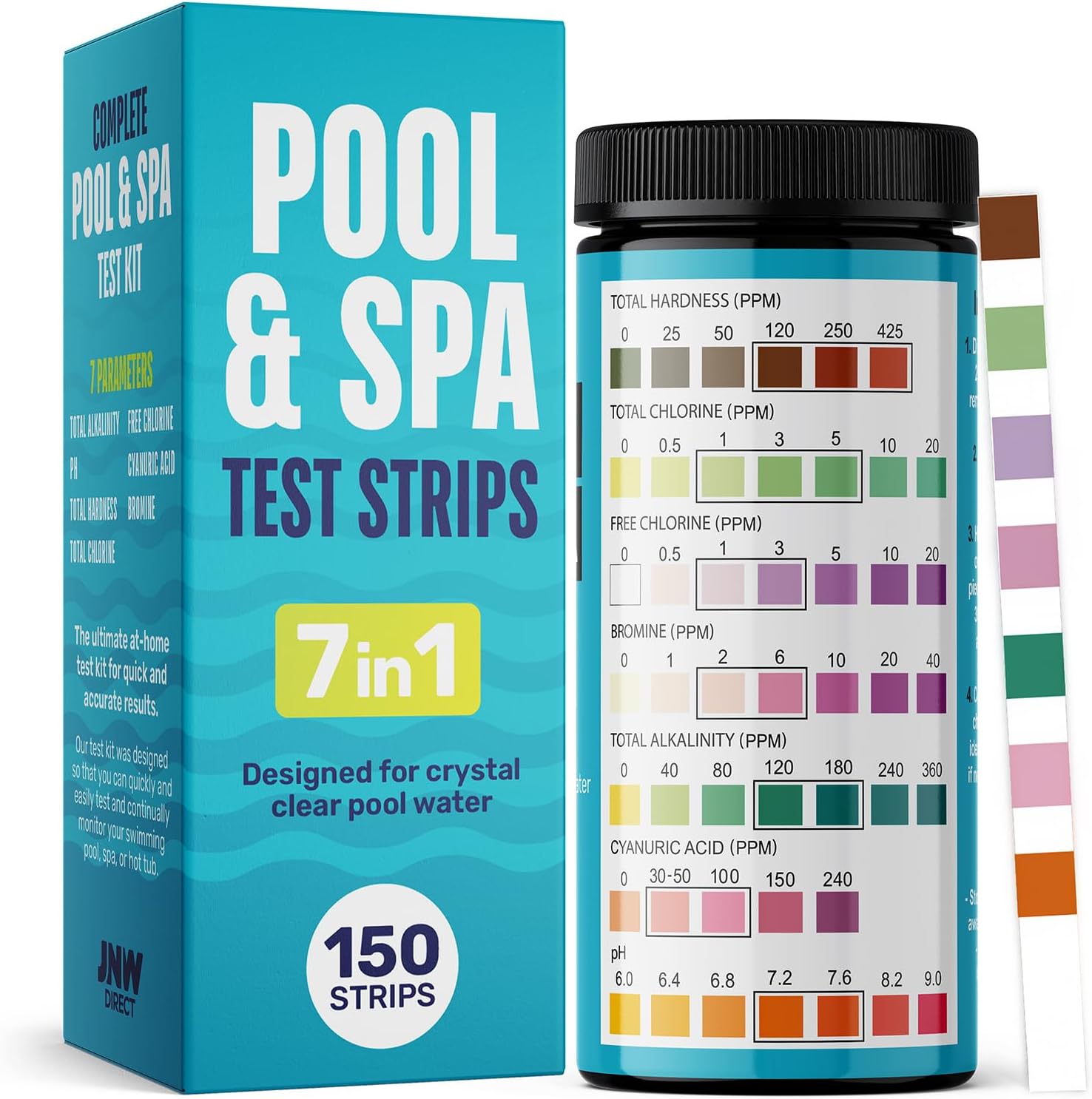
| After Every Soak | Test sanitizer levels | Use test strips or DPD test kit. Free chlorine should be 3-5 ppm for bromine systems, 4-6 ppm. Adjust immediately if low. |
| After Every Soak | Add oxidizer (shock) | Use non-chlorine shock (MPS) at 1 tablespoon per 250 gallons to oxidize chloramines. For chlorine systems, consider additional dichlor shock after heavy use. |
| Daily | Check and clean filter | Spray filter with garden hose. For high-use tubs, keep a second filter on hand for rotation. Replace filters every 3-4 months instead of the typical 6-12 months. |
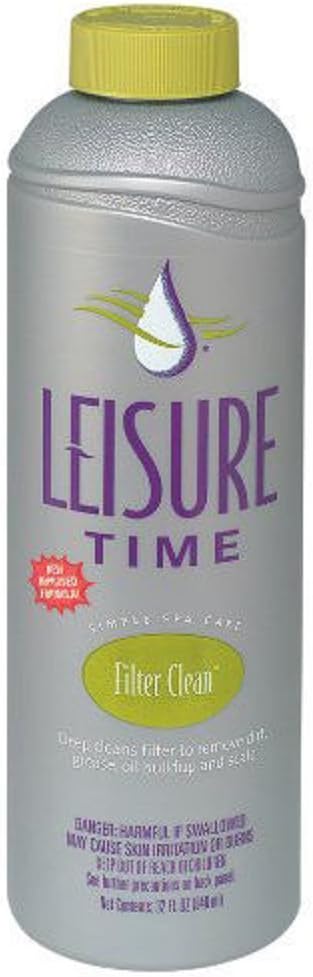
| Weekly | Deep clean filter | Soak filter in filter cleaner solution overnight. Rinse thoroughly before reinstalling. |
| Weekly | Test and adjust pH and alkalinity | pH should be 7.2-7.6. Total alkalinity 80-120 ppm. Sweat is acidic and will gradually lower pH. |
| Bi-weekly | Shock with chlorine | For bromine systems, add chlorine shock to reactivate bromide bank. For chlorine systems, raise to 10 ppm overnight. |
| Monthly | Scrub waterline | Use a soft sponge and hot tub surface cleaner. Body oils accumulate rapidly at the waterline in athlete-used tubs. |
| Quarterly | Drain and refill | Recovery tubs need draining every 2-3 months rather than the standard 3-4 months. Heavy organic loading reduces water quality faster. |
3.3 The Pre-Soak Shower: Non-Negotiable Hygiene
If there’s one habit that separates responsible athletic hot tub users from those who constantly battle water quality issues, it’s the pre-soak shower. This isn’t a quick rinse—it’s a thorough cleaning with soap and warm water. The goal is to remove as much sweat, oil, dead skin, and product residue as possible before you ever touch the hot tub water.
Many athletes resist this step because they’re eager to relax or because they plan to shower after the hot tub anyway. However, post-tub showering only addresses your personal hygiene; it does nothing for the water you’ve already contaminated. Think of your hot tub as a small, contained ecosystem. Everything you bring into it stays there until your filtration and sanitizing system processes it. With limited water volume (typically 200-400 gallons for inflatable spas), even small amounts of contamination have outsized effects.
If shower facilities aren’t available immediately adjacent to your hot tub (common for outdoor installations), consider installing an outdoor shower or keeping a basin of clean water and biodegradable soap nearby. The few minutes this takes will dramatically reduce your chlorine consumption, extend filter life, prevent skin irritation, and eliminate that unpleasant chloramine odor that often plagues athlete-used tubs.
Recommended Gear for Athletic Recovery
To get the most out of your soak without wrecking your water chemistry or your neck, consider these additions.
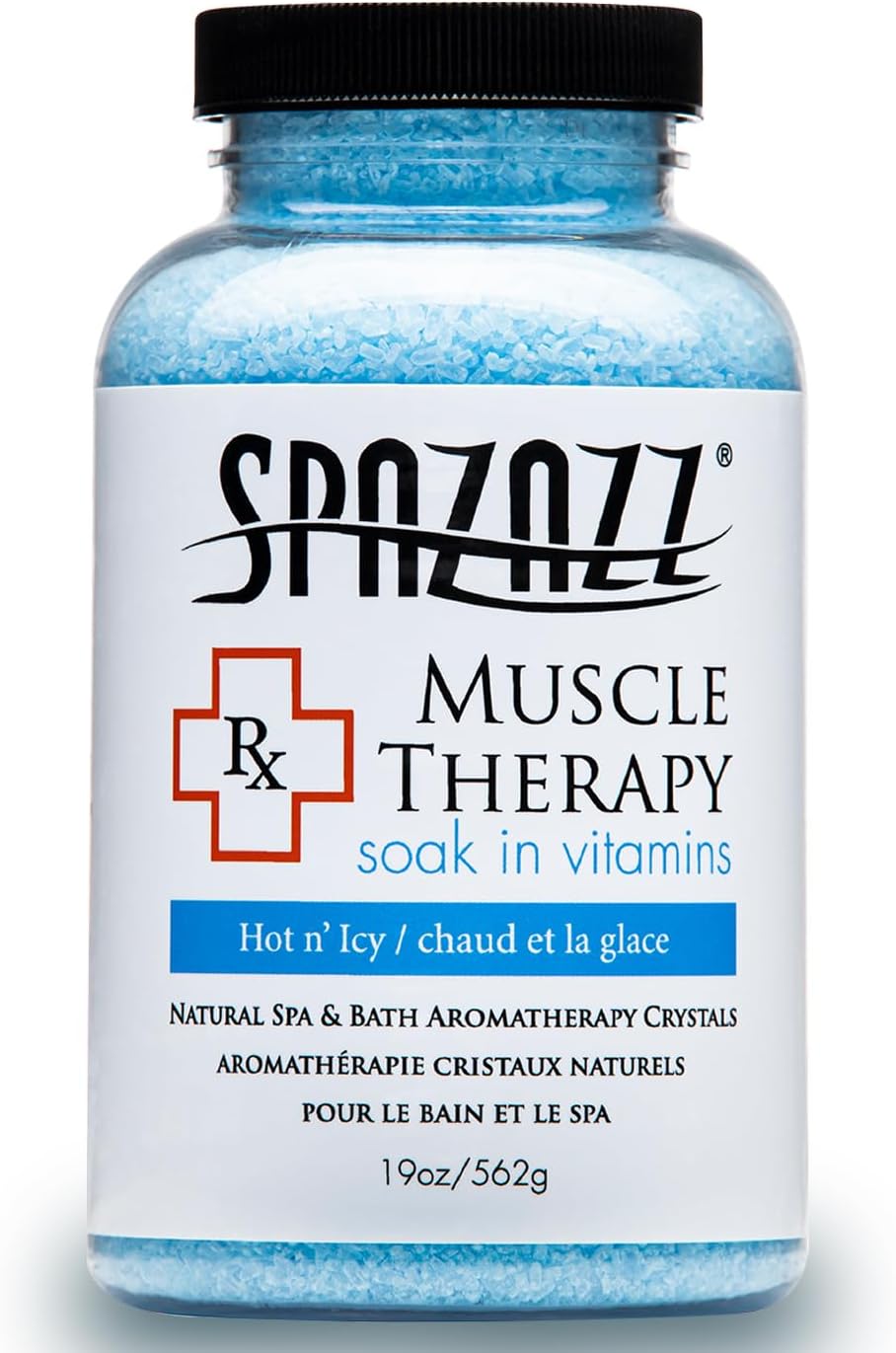
Spazazz Therapy Crystals – Muscle Aches
Do NOT put regular Epsom salts in your inflatable hot tub—they can corrode the heater. Use spa-safe crystals designed for jetted tubs. This blend uses magnesium sulfate specifically to reduce inflammation and ease muscle tension without damaging your equipment.
Check Price on Amazon
Scum Ray – Oil Absorbing Sponge
Since you are entering the tub with post-workout sweat and oils, these absorbers are mandatory. They float on the surface and soak up body oils before they clog your filter. Replace every 30 days for optimal performance in high-use recovery tubs.
Check Price on AmazonComparison: Best Scum Absorbers Reviewed
4. Hot Tubs vs. Other Recovery Modalities: A Comprehensive Comparison
Hot tub therapy is just one tool in the recovery arsenal. Understanding how it compares to other popular recovery methods helps you make informed decisions about when and how to incorporate it into your routine. Each modality has distinct physiological effects, ideal use cases, and limitations.
4.1 Hot Tub vs. Ice Bath: The Great Debate
The contrast between hot and cold therapy represents perhaps the most contentious debate in recovery science. For decades, ice baths dominated athletic recovery culture, with everyone from professional athletes to weekend warriors plunging into frigid water after training sessions. The rationale seemed sound: cold causes vasoconstriction, reducing inflammation and swelling while numbing pain.
However, recent research has complicated this picture significantly. A 2019 systematic review in the Journal of Physiology examined 27 studies on cold water immersion and found that while ice baths effectively reduce muscle soreness (by approximately 20% on pain scales), they may actually blunt long-term training adaptations. The vasoconstriction that reduces swelling also reduces blood flow that delivers nutrients and removes waste products. More importantly, cold therapy appears to attenuate the inflammatory signaling pathways that trigger muscle protein synthesis and mitochondrial biogenesis—essentially, the signals that tell your body to get stronger and more efficient.
Hot tub therapy, by contrast, enhances blood flow and may amplify some of these adaptive signals through heat shock protein activation. The choice between hot and cold should depend on your immediate goals. If you need to perform again quickly (such as during a tournament with multiple games in a day), cold therapy’s analgesic and anti-inflammatory effects might be beneficial. If your goal is long-term adaptation and you have adequate recovery time before your next session, heat therapy’s circulatory and cellular effects may be more advantageous.
✅ Hot Tub Advantages
- Enhances blood flow and nutrient delivery
- Activates heat shock proteins for cellular protection
- Promotes relaxation and parasympathetic activation
- Improves flexibility through tissue warming
- May enhance anabolic signaling pathways
- Psychologically rewarding and sustainable habit
❌ Hot Tub Disadvantages
- Risk of overheating and dehydration
- Can worsen acute inflammation if used too soon
- Requires careful timing and hydration protocol
- Contraindicated for certain medical conditions
- Water maintenance is more demanding
- May cause temporary blood pressure drops
4.2 Hot Tub vs. Sauna: Dry Heat vs. Wet Heat
Saunas and hot tubs both use heat therapy, but the experience and physiological effects differ in important ways. Traditional Finnish saunas use dry heat (typically 150-195°F with 10-20% humidity), while hot tubs use wet heat (100-104°F with 100% humidity at the water-air interface). These differences create distinct physiological responses.
In a sauna, the higher air temperature challenges your thermoregulatory system more intensely. Your heart rate increases more dramatically (often reaching 120-150 beats per minute), and you sweat profusely to maintain core temperature. This cardiovascular challenge may provide greater conditioning benefits for your heart and blood vessels. Studies on regular sauna users show reduced risks of cardiovascular disease, hypertension, and even dementia—effects that appear dose-dependent with frequency of use.
Hot tubs provide a gentler cardiovascular stimulus while adding the benefits of hydrostatic pressure and buoyancy. The water pressure on your body (approximately 0.43 psi per foot of depth) helps reduce swelling in your extremities and supports your joints. The buoyancy reduces effective body weight by up to 90%, unloading compressed joints and allowing muscle relaxation that’s difficult to achieve on land. For individuals with joint pain, arthritis, or injuries that make weight-bearing uncomfortable, hot tubs offer therapeutic benefits that saunas cannot match.
Many athletes find that alternating between modalities provides complementary benefits. A sauna session might be ideal on non-training days for cardiovascular conditioning, while a hot tub session after workouts addresses muscle-specific recovery needs. Some even practice contrast therapy, alternating between hot and cold exposures to create a “pumping” effect in blood vessels that dramatically increases circulation.
4.3 Hot Tub vs. Foam Rolling and Massage
Foam rolling (self-myofascial release) and massage therapy target muscle tension through mechanical pressure, while hot tubs address it through thermal and hydrostatic effects. These approaches are complementary rather than competitive. The ideal recovery routine often incorporates both mechanical and thermal interventions.
Foam rolling before hot tub use can be particularly effective. The mechanical pressure helps break up adhesions and trigger points in your fascia, the connective tissue that surrounds and interpenetrates your muscles. Following this with heat exposure allows the warmed, more pliable tissue to relax into a lengthened state. Many athletes report that foam rolling in a hot tub (using waterproof rollers or simply using the buoyancy to assist positioning) provides a uniquely effective combination of pressure and heat.
Professional massage therapy offers benefits that neither foam rolling nor hot tubs can replicate, particularly in terms of specific trigger point release and expert assessment of tissue quality. However, the combination of regular hot tub use and self-massage can extend the benefits of professional treatments and reduce the frequency with which you need them. The key is understanding that these are different tools for different aspects of recovery, and the most comprehensive approach uses all of them strategically.
5. Choosing the Right Tub for Massage
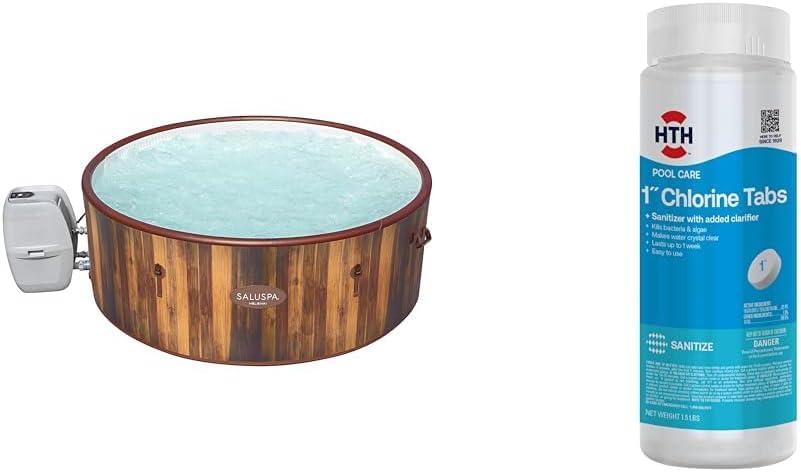
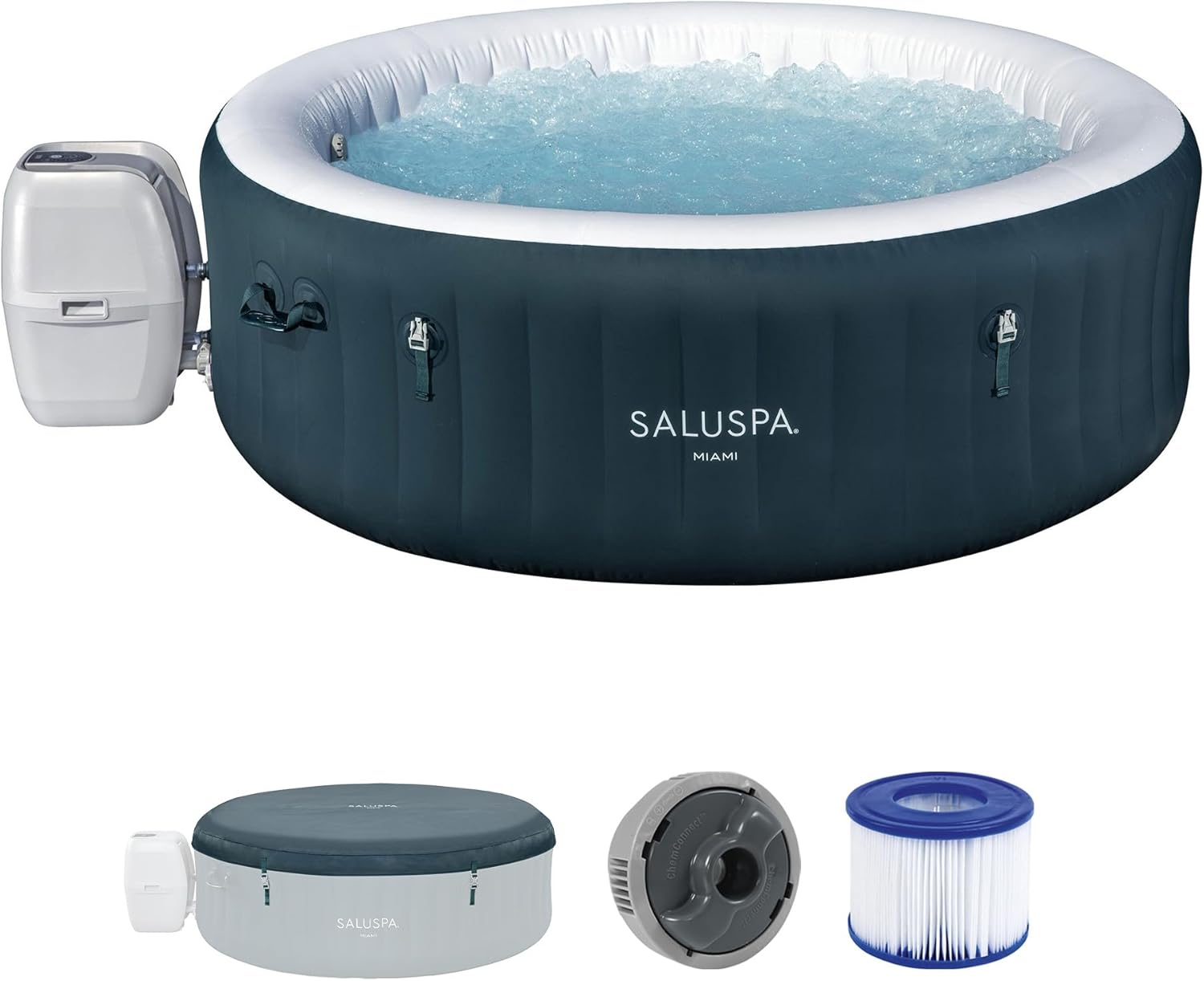
Not all hot tubs are built for therapy. Inflatable spas, like the Coleman SaluSpa, use “Air Jets” (bubblers) which provide a gentle, all-over massage. This is great for general relaxation.
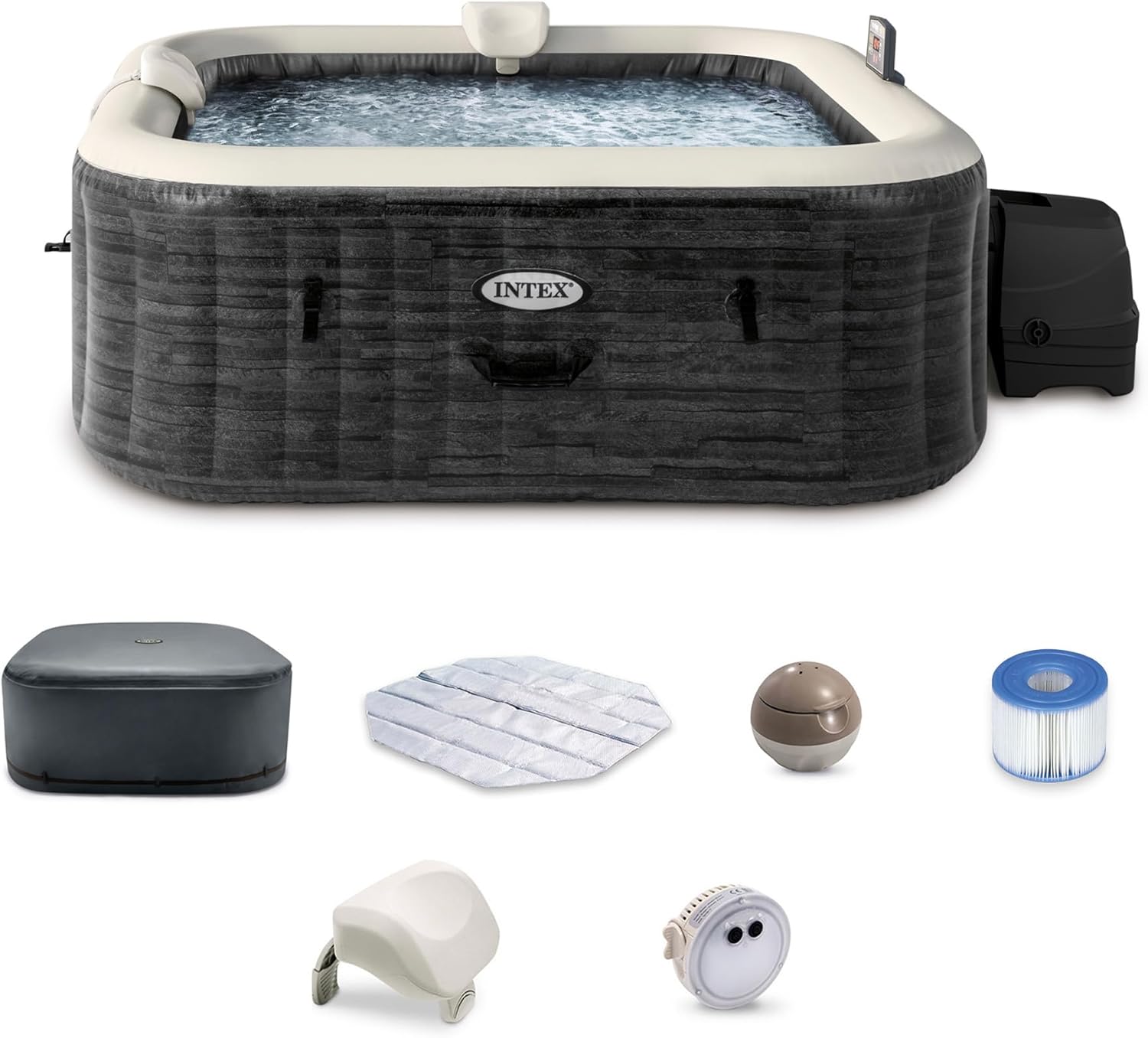
However, if you need deep tissue work for specific injuries, you might look at higher-end inflatable models with “HydroJets” (water streams), such as those found in top-tier Intex models.
5.1 Jet Types and Their Therapeutic Applications
Understanding the different jet technologies available in hot tubs is essential for choosing a spa that meets your recovery needs. The two primary categories are air jets and water jets, though many modern tubs incorporate both.
Air Jets (Bubblers): These systems use a blower to force air through small holes in the tub floor or walls, creating thousands of bubbles. The sensation is a gentle, effervescent massage that covers large areas of your body simultaneously. Air jets are excellent for general relaxation, improving circulation through mild skin stimulation, and creating a soothing sensory experience. However, they don’t provide the focused, deep pressure needed for specific muscle groups. Additionally, the air introduced into the water can cool it more quickly and may increase pH drift.
Hydro Jets (Water Jets): These use a pump to push water through adjustable nozzles at higher pressure. The water stream can be directed and focused on specific areas, providing deeper tissue massage. Higher-end systems allow you to adjust both the water flow rate and the air mixture (venturi effect) to customize the massage intensity. For athletic recovery, hydro jets that target the lumbar spine, hamstrings, calves, and shoulders are particularly valuable. The focused pressure can help release trigger points and reduce muscle spasms in ways that diffuse air bubbles cannot.
Combination Systems: Many premium inflatable and hard-shell tubs now offer hybrid systems that combine air and water jets. This allows you to enjoy the enveloping relaxation of bubbles while also targeting specific tight areas with focused water streams. For post-workout recovery, this versatility is ideal—you can start with a full-body bubble session to warm tissues and promote circulation, then switch to targeted hydro jets for stubborn knots and trigger points.
5.2 Ergonomic Considerations for Recovery-Focused Hot Tubs
The layout and design of seats, loungers, and jet placement significantly impact therapeutic effectiveness. When evaluating hot tubs for recovery purposes, consider the following ergonomic factors:
Seat Depth and Contour: Seats should support your natural spinal curvature while allowing your shoulders to remain submerged. If you’re tall, look for deeper seats or models with varied seating depths. Contoured seats with lumbar support prevent slouching, which can negate the relaxation benefits. Some tubs offer “captain’s chairs” with molded backrests and targeted jet arrays for the upper and lower back.
Lounger Design: Full-length loungers allow you to recline with your legs extended, which is excellent for hamstring and calf recovery. However, buoyancy in loungers can be problematic—you may find yourself floating off the seat, which prevents the jets from contacting your body properly. Look for loungers with textured surfaces, arm rests, or subtle contours that help hold you in position. Some premium designs include “wrist bumps” or foot holds to anchor your body.
Calf and Foot Jets: After running, jumping, or heavy leg training, targeted foot and calf jets provide immense relief. Some tubs feature dedicated foot wells with high-pressure jets specifically designed for plantar fascia and Achilles tendon massage. For athletes who spend significant time on their feet, this feature alone can justify a particular model choice.
Shoulder and Neck Jets: Tension commonly accumulates in the upper trapezius, levator scapulae, and cervical muscles after upper body workouts or prolonged sitting. Jets positioned at shoulder height that angle downward can address these areas effectively. Some tubs offer “neck collars” or elevated shoulder seats with dedicated jet clusters for this purpose.
Adjustable Jet Pressure: The ability to vary water pressure is crucial for recovery. Post-workout muscles may be sensitive, and high-pressure jets that feel therapeutic on a rest day could be painful immediately after training. Look for systems with individual jet controls or overall pressure adjustments that let you fine-tune the intensity.
6. Optimizing Your Post-Workout Hot Tub Routine by Exercise Type
Different types of exercise create different recovery demands. Tailoring your hot tub protocol to your specific workout can enhance results and reduce injury risk.
6.1 After Strength Training and Bodybuilding
Resistance training creates micro-tears in muscle fibers, particularly during eccentric (lengthening) contractions. The resulting inflammatory response, while necessary for hypertrophy and strength gains, produces the familiar sensation of delayed onset muscle soreness (DOMS) that peaks 24-48 hours after training.
For strength training recovery, timing is particularly nuanced. Some inflammation is necessary for adaptation—this is the principle behind concerns that aggressive anti-inflammatory interventions might blunt training adaptations. For this reason, immediately after strength training is the time to be most conservative with heat therapy. While waiting the standard 30 minutes and hydrating, consider whether your session was maintenance-level intensity or a novel, particularly damaging stimulus.
For moderate training sessions, hot tub use following the standard protocol is beneficial. The increased circulation helps clear metabolic waste and delivers nutrients to repairing tissues. Focus on gentle, diffuse heat rather than intense targeted jets on the trained muscles. If you trained legs, position yourself so that water jets provide broad, moderate stimulation to the quadriceps, hamstrings, and glutes rather than intense focal pressure.
For very intense sessions that you know will produce significant soreness, consider delaying hot tub use for 2-4 hours post-workout, or even until the next day. This allows the initial inflammatory signaling to occur unimpeded. When you do use the hot tub, focus on muscles that weren’t the primary target of your training, or use it primarily for the relaxation and cortisol-reduction benefits rather than direct muscle treatment.
Post-strength-training hydration deserves special emphasis. Heavy resistance training can increase muscle cell volume through fluid shifts, and adequate hydration is necessary for protein synthesis. Drink at least 20-24 ounces of water with electrolytes before entering the hot tub. Consider adding branched-chain amino acids (BCAAs) or a protein supplement to your hydration, as the increased blood flow from heat therapy may enhance nutrient delivery to muscles if timed appropriately.
6.2 After Endurance Training (Running, Cycling, Swimming)
Endurance exercise presents different recovery challenges than strength training. Rather than focal muscle damage, endurance activities produce systemic fatigue, glycogen depletion, significant fluid and electrolyte losses, and often elevated core temperature that persists after exercise ceases.
Core temperature management is the primary concern for endurance athletes considering hot tub use. After a long run or ride, particularly in warm conditions, your core temperature may remain elevated for 30-60 minutes or longer. Adding external heat during this period risks heat illness. The cool-down and rehydration protocol described earlier is even more critical for endurance athletes—extend your waiting period to at least 45 minutes after intense endurance sessions, and ensure your urine is light-colored before entering the hot tub (indicating adequate hydration).
For runners, the repetitive impact creates unique stress on joints, tendons, and the plantar fascia. Hot tub buoyancy provides welcome relief by reducing weight-bearing stress. Foot and ankle massage from jets can help reduce the swelling and discomfort that often follows long runs. Achilles tendon and calf stretches performed while in the hot tub (using the buoyancy to assist) can be particularly effective, as the warmed tissues are more pliable and responsive to stretching.
Cyclists often experience significant lower back and neck tension from prolonged riding positions. The combination of heat and targeted jet massage on the lumbar and cervical spine can provide substantial relief. Hip flexor tightness, another common cyclist complaint, responds well to gentle stretching in the warm water environment.
Swimmers present an interesting case—they’re often using hot tubs that are adjacent to pools, creating a convenient but potentially risky transition. The temptation to go directly from lap swimming to hot tub is strong, but swimmers should observe the same cool-down and hydration protocols as other athletes. Additionally, swimmers should shower thoroughly before entering the hot tub to remove chlorine or bromine from the pool, as mixing different sanitizer systems can create unwanted chemical reactions and irritate skin and respiratory tissues.
6.3 After High-Intensity Interval Training (HIIT) and CrossFit
HIIT and functional fitness workouts combine cardiovascular stress with resistance elements, often at extremely high intensities. These sessions produce substantial metabolic disturbance, including significant lactate accumulation, and place heavy demands on the nervous system. The sympathetic (“fight or flight”) activation from these workouts can persist for hours, interfering with recovery and sleep quality.
The hot tub’s parasympathetic activation effect is particularly valuable after HIIT sessions. The shift from sympathetic to parasympathetic dominance is one of the most important recovery processes, and warm water immersion can accelerate this transition. Studies measuring heart rate variability (HRV), a marker of autonomic nervous system balance, show that warm water immersion after intense exercise can restore HRV to resting levels more quickly than passive recovery.
However, the metabolic disturbance from HIIT means that core temperature and dehydration levels may be even higher than after steady-state endurance work. The “afterburn” effect (excess post-exercise oxygen consumption, or EPOC) can keep your metabolic rate elevated for hours, producing additional heat. Wait a full 45-60 minutes after HIIT before considering hot tub use, and be especially attentive to hydration status.
For CrossFit athletes who perform Olympic lifts and gymnastic movements, wrist, elbow, and shoulder joints often bear significant stress. The combination of heat and gentle range-of-motion exercises in the hot tub can help maintain joint mobility without adding stress. Consider performing gentle wrist circles, ankle alphabets, and shoulder pass-throughs (using a short length of PVC pipe or simply your arms) while soaking.
7. Advanced Recovery Techniques: Combining Hot Tub Use with Other Modalities
For athletes and fitness enthusiasts looking to maximize recovery, combining hot tub therapy with other evidence-based techniques can produce synergistic effects. These combinations require more planning and attention to timing, but the results can be substantial.
7.1 Contrast Therapy: Alternating Hot and Cold
Contrast water therapy (CWT) involves alternating between hot and cold water immersion, typically in cycles of 1-4 minutes in each temperature. The physiological rationale is that the alternating vasodilation (from heat) and vasoconstriction (from cold) creates a “pumping” action in blood vessels that enhances circulation more than either temperature alone. This vascular exercise may help reduce edema, clear metabolic waste, and improve oxygen delivery.
Research on CWT is promising but mixed. A systematic review in the Journal of Strength and Conditioning Research found that CWT was more effective than passive recovery for reducing muscle soreness and restoring strength, but was generally comparable to either hot or cold therapy alone for most outcomes. However, the subjective experience of CWT is often rated more positively by athletes, and the psychological benefits of feeling “invigorated” after contrast sessions may contribute to perceived recovery.
To practice CWT with a hot tub, you’ll need either a second tub for cold water, a nearby cold plunge, or even a bathtub filled with cold water and ice. A typical protocol involves:
- 3 minutes in hot water (100-104°F)
- 1 minute in cold water (50-59°F)
- Repeat for 3-4 cycles
- Always end on cold if the goal is to reduce inflammation and soreness
- End on hot if the goal is relaxation and flexibility
Note that contrast therapy is an advanced technique. Beginners should acclimate to each temperature separately before combining them, and anyone with cardiovascular conditions should consult their physician before attempting CWT.
7.2 Stretching and Mobility Work in the Hot Tub
The warm, buoyant environment of a hot tub creates ideal conditions for gentle stretching and mobility work. The combination of heat (which increases tissue extensibility) and buoyancy (which reduces joint loading) allows you to achieve ranges of motion that might be uncomfortable or inaccessible on land. This can be particularly valuable for athletes working to improve flexibility or recover from injuries.
Safe Hot Tub Stretching Guidelines:
- Move slowly and deliberately—the warm environment can mask pain signals, making it easy to overstretch
- Use the buoyancy to support limbs rather than fighting against it
- Avoid ballistic or bouncing movements
- Hold stretches for 15-30 seconds, breathing deeply
- Focus on muscles that are chronically tight rather than acutely sore muscles
- Use the tub walls or jets as gentle resistance for isometric holds
Specific stretches that work well in hot tubs include hip flexor stretches (using the buoyancy to support your torso while you extend one leg behind), hamstring stretches (placing your heel on the tub edge or a seat), spinal rotations (using the water’s resistance for gentle, controlled movement), and shoulder stretches (using the water’s viscosity as resistance for range-of-motion exercises). For swimmers and overhead athletes, shoulder mobility work in warm water can be particularly therapeutic.
7.3 Breathing Exercises and Meditation
The combination of warm water immersion and intentional breathing creates a powerful relaxation response. The hydrostatic pressure of water on your chest wall provides a mild resistance to inhalation, which can enhance respiratory muscle strength over time and naturally slows and deepens your breathing pattern. This effect, combined with the parasympathetic activation from warmth, makes hot tubs an excellent environment for breath work and meditation.
Box breathing (4 seconds inhale, 4 seconds hold, 4 seconds exhale, 4 seconds hold) is a simple technique that engages the parasympathetic nervous system and reduces anxiety. Practicing this in the hot tub adds the thermal and hydrostatic benefits to the breathing exercise. Some athletes use longer protocols, such as 5-10 minutes of focused breathing, as a transition ritual between intense training and rest.
For those who practice meditation, the sensory environment of a hot tub—the warmth, the sound of bubbles, the sensation of weightlessness—can serve as an excellent focus for mindfulness practice. The reduction in external stimuli and physical discomfort makes it easier to maintain attention on breath or body sensations. Regular practice can lower baseline stress levels, improve sleep quality, and enhance recovery between training sessions.
8. Frequently Asked Questions About Post-Workout Hot Tub Use
Q: Can I use a hot tub immediately after light exercise like yoga or walking?
For very light exercise that doesn’t significantly elevate your heart rate or core temperature, you can enter the hot tub sooner than after intense workouts. However, you should still rehydrate and ensure you’re not overheated. A brief cool-down period of 10-15 minutes is still advisable. If your “light” exercise was in hot conditions (outdoor walking in summer, hot yoga), treat it more cautiously and wait the full 20-30 minutes.
Q: Will hot tub use after workouts help with weight loss?
While hot tub use does increase heart rate and metabolic rate slightly (similar to walking at a slow pace), the calorie burn is modest—approximately 50-70 calories per 20-minute session. The primary weight management benefits are indirect: improved recovery allows for more consistent training, reduced stress can decrease stress-eating behaviors, and better sleep (facilitated by evening hot tub use) supports healthy metabolism. Hot tub use should complement, not replace, active exercise for weight management.
Q: Is it safe to use a hot tub if I have muscle strains or minor injuries?
For muscle strains (grade 1), wait at least 48-72 hours before applying heat. The initial injury response involves inflammation that’s necessary for healing, and heat can exacerbate this phase. Once the acute phase has passed (indicated by reduced pain and swelling), gentle heat therapy can promote blood flow and relaxation in the healing tissue. For any injury involving significant swelling, bruising, or functional impairment, consult a healthcare provider before using heat therapy. Never use a hot tub if you have open wounds or skin infections.
Q: What temperature is ideal for post-workout recovery versus general relaxation?
For active recovery after workouts, aim for 100-102°F (37.8-38.9°C). This provides therapeutic benefits without excessive cardiovascular strain. For general relaxation on non-training days, 102-104°F is comfortable for most people. Avoid temperatures above 104°F (40°C), as this exceeds the body’s ability to thermoregulate effectively and increases health risks. If you’re new to hot tub recovery, start at the lower end of the range and gradually increase as you learn how your body responds.
Q: How does hot tub use affect sleep quality after evening workouts?
This is one of the most well-documented benefits of post-exercise hot tub use. The body’s natural cooling after exiting the hot tub mimics the temperature drop that occurs during sleep onset, potentially helping you fall asleep faster. The parasympathetic activation and muscle relaxation also promote sleep quality. For evening workouts, time your hot tub session so you exit 60-90 minutes before bedtime, allowing your core temperature to decline naturally. Many athletes report significant improvements in sleep quality and next-day recovery when incorporating evening hot tub sessions.
Q: Can pregnant women use hot tubs for post-workout recovery?
No. The American College of Obstetricians and Gynecologists and most medical authorities recommend that pregnant women avoid hot tub use entirely. The risk of hyperthermia (elevated core body temperature) during early pregnancy is associated with neural tube defects. Throughout pregnancy, the cardiovascular changes and risk of fainting make hot tub use inadvisable. Postpartum, consult your healthcare provider about when it’s safe to resume hot tub use, typically after bleeding has stopped and any incisions have healed.
9. The Psychological and Habit-Formation Aspects of Hot Tub Recovery
The physiological benefits of hot tub recovery are substantial, but the psychological benefits may be equally important for long-term athletic consistency. Building sustainable fitness habits requires that recovery feels rewarding rather than punishing, and hot tub use provides the kind of immediate positive reinforcement that helps cement healthy routines.
Behavioral psychology research on habit formation emphasizes the importance of immediate rewards. Exercise itself can be difficult and uncomfortable in the short term, even though the long-term benefits are clear. When the post-workout experience includes something immediately pleasurable—like the warmth, buoyancy, and relaxation of a hot tub—your brain associates the workout with positive outcomes. This “reward coupling” can increase motivation and consistency over time.
For athletes who struggle with recovery compliance (skipping cool-downs, neglecting mobility work, pushing too hard too often), the hot tub can serve as an anchor habit. By linking recovery behaviors to the hot tub session—performing stretches while soaking, practicing breathing exercises, drinking your recovery shake—you create a comprehensive recovery ritual that’s sustainable because it feels good. This is the same principle that makes coffee shops effective workspaces: pairing a pleasurable activity with a productive one.
The social dimension of hot tub use shouldn’t be overlooked, either. Training partners, family members, or roommates can share the recovery experience, creating accountability and social connection. For athletes who train alone, the hot tub can become a meditative solo ritual that provides mental as well as physical restoration. Either way, the consistency that comes from enjoying your recovery routine may be the most significant long-term benefit of all.
10. Environmental and Practical Considerations for Home Recovery Setups
Creating an effective home recovery setup involves more than just purchasing a hot tub. The environment around your spa significantly impacts how often and how effectively you use it. Consider these practical factors when designing your recovery space.
Location and Accessibility: The best hot tub for recovery is one you’ll actually use. If your tub requires a trek across a cold, muddy yard or navigating stairs that feel daunting after a hard workout, your compliance will suffer. Position your tub as close to your workout space as practical, with a clear, safe path. Consider overhead coverage (pergola, awning, or umbrella) for weather protection, and adequate lighting for evening use. The easier it is to transition from workout to recovery soak, the more consistently you’ll do it.
Hygiene Station: As emphasized throughout this guide, pre-soak showering is essential. If you can’t run plumbing to your hot tub location, install a simple outdoor shower using a garden hose and a shower head attachment. Keep biodegradable soap, towels, and a robe nearby. A small bench or chair for changing and a waterproof container for wet items will make the routine smoother.
Hydration Station: Keep water bottles or a water cooler within arm’s reach of the tub. You should be sipping water during your soak, especially after workouts. Some athletes prepare electrolyte drinks in advance and keep them in a small cooler beside the tub. Having hydration readily available removes another barrier to proper recovery practices.
Entertainment and Ambiance: While some prefer quiet meditation during recovery soaks, others enjoy music, podcasts, or audiobooks. Bluetooth speakers designed for outdoor use can enhance the experience, but ensure all electronics are safely positioned away from water. Some hot tubs come with integrated audio systems, though these add cost and complexity. Simple, waterproof solutions are usually sufficient.
11. Understanding the Risks: When Hot Tubs Harm Rather Than Help
Throughout this guide, we’ve emphasized the benefits of post-workout hot tub use while noting important cautions. This section consolidates and expands on those warnings to provide a clear picture of when to avoid or modify hot tub recovery.
11.1 Heat Illness and Dehydration
Heat illness exists on a spectrum from mild heat cramps to life-threatening heat stroke. Post-exercise hot tub use can push susceptible individuals along this spectrum if proper precautions aren’t observed. The risk factors include high environmental temperature and humidity (outdoor tubs in summer), inadequate hydration before and during use, prolonged soaking sessions exceeding 20 minutes, water temperatures above 104°F, alcohol consumption before or during use, and certain medications that affect thermoregulation.
Heat stroke is a medical emergency characterized by core body temperature above 104°F, altered mental status, and potential organ damage. It can develop rapidly in hot tubs because the warm water prevents normal evaporative cooling through sweating. This is why the warning signs listed earlier—dizziness, nausea, confusion—must be taken seriously. If someone shows signs of heat stroke, call emergency services immediately and begin cooling measures while waiting for help.
11.2 Cardiovascular Stress
The combination of exercise (which already stresses the cardiovascular system) and hot water immersion creates additive demands. Your heart must work harder to circulate blood for both exercise recovery and thermoregulation simultaneously. For healthy individuals, this stress is manageable and may even provide beneficial conditioning over time. For those with undiagnosed or known cardiovascular conditions, it can be dangerous.
Anyone over 50, particularly those with risk factors for heart disease (hypertension, high cholesterol, diabetes, smoking history, family history), should consult their physician before incorporating hot tub recovery into their routine. Even younger athletes with family histories of cardiac issues or those using supplements that affect heart rate or blood pressure should exercise caution.
11.3 Skin and Infection Risks
Hot tub folliculitis, caused by Pseudomonas aeruginosa bacteria, is an uncomfortable rash that can develop after exposure to inadequately sanitized water. The risk is higher for post-workout users because the combination of warm water, organic contaminants from sweat, and potentially compromised skin barrier (micro-abrasions from exercise) creates favorable conditions for bacterial growth.
Proper water maintenance, as detailed in Section 3, is your primary defense. Additionally, shower before and after hot tub use, avoid shaving immediately before soaking (which creates micro-cuts), and never use a hot tub if you have open wounds, active skin infections, or communicable illnesses. If you notice any unusual skin symptoms after hot tub use, seek medical evaluation.
12. Conclusion: Integrating Hot Tub Recovery Into a Balanced Training Program
Using a hot tub after a workout can be a game-changer for your fitness goals, provided you respect the heat. Hydrate, wait for your heart rate to drop, and keep your water clean. The evidence supports heat therapy as a valuable recovery tool that complements, rather than replaces, other essential recovery practices like adequate sleep, proper nutrition, and active recovery.
The most effective approach is individualized and periodized. Pay attention to how your body responds to different protocols, and adjust based on your training intensity, environmental conditions, and overall recovery status. Some athletes find that daily post-workout hot tub use is sustainable and beneficial; others prefer to reserve it for particularly hard training days or for evening relaxation on rest days.
Remember that recovery is not passive—it’s an active process that requires intention and consistency. The hot tub is a powerful tool in your recovery arsenal, but it works best as part of a comprehensive approach that includes sleep optimization, nutrition timing, stress management, and appropriate training periodization. When used wisely, those 15-20 minutes of warmth and buoyancy can help you train harder, recover faster, and sustain your athletic pursuits for years to come.
Ready to build your home recovery center? Check out our updated list of the Best Inflatable Hot Tubs of 2025.
Key Takeaways: Quick Reference
- Wait 20-45 minutes after exercise before entering the hot tub, depending on workout intensity
- Hydrate thoroughly before, during, and after your soak
- Limit sessions to 15-20 minutes at 100-104°F
- Shower with soap before entering to protect water quality
- Monitor for warning signs and exit immediately if you feel unwell
- Maintain rigorous water chemistry with frequent testing and shocking
- Consult your physician if you have any medical conditions or concerns
- Combine with other recovery modalities for optimal results