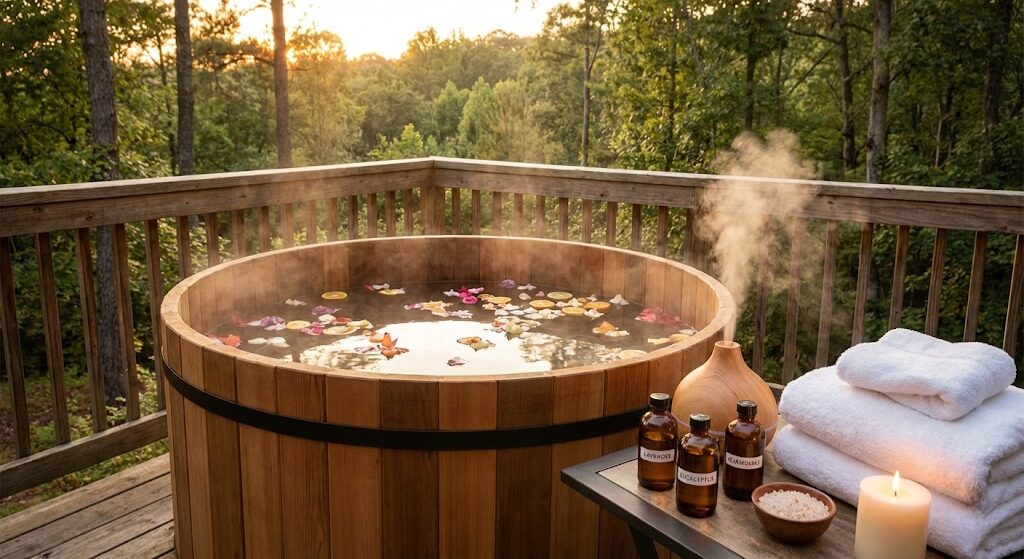
Transforming Your Spa Experience: Everything You Need to Know About Aromatherapy for Hot Tubs
Stepping into a hot tub is already a luxurious experience. The warm water envelopes your body, the hydrotherapy jets massage tired muscles, and the buoyancy relieves the pressure of gravity on your joints. But what if you could elevate this experience even further? By engaging your sense of smell, you can transform a simple soak into a multi-sensory, holistic healing session. Welcome to the world of hot tub aromatherapy.
Aromatherapy for hot tubs is the art and science of infusing your spa water with therapeutic fragrances designed to relax the mind, invigorate the body, and clear the senses. However, bridging the gap between standard aromatherapy and hot tub maintenance requires a careful approach. Dropping the wrong kind of oil into your tub can lead to clogged filters, degraded acrylic shells, and severely unbalanced water chemistry.
In this comprehensive guide, we will dive deep into everything you need to know about hot tub scents. From choosing the right water-soluble elixirs to understanding the therapeutic benefits of different botanical extracts, we will ensure your backyard oasis smells divine without compromising your equipment.
1. Introduction to Hot Tub Aromatherapy
For centuries, ancient civilizations from the Romans to the Japanese have utilized the combination of hot water and aromatic botanicals to heal the body and spirit. Today, modern hot tub owners are rediscovering this ancient practice, integrating specialized spa fragrances into their daily soaking routines.
Hot tub aromatherapy involves adding specially formulated liquids, crystals, or scent pods to your spa. Unlike traditional bath bombs or pure essential oils used in indoor bathtubs, spa-specific aromatherapy is engineered to be 100% water-soluble. This means it dissolves completely into the water without leaving behind a greasy slick, creating foam, or interfering with sanitizers like chlorine or bromine.
Whether you are looking to clear a congested chest with eucalyptus during a winter soak, or want to drift off to sleep wrapped in the scent of French lavender, the right aromatherapy product acts as a powerful catalyst for your wellness goals.

Start Your Aromatherapy Journey
Discover your favorite scents with a premium, spa-safe aromatherapy starter kit featuring lavender, eucalyptus, and citrus blends.
Shop Starter Kits on Amazon2. The Science Behind Scent and Relaxation
Why does a simple scent have such a profound impact on how we feel? The answer lies in human neuroanatomy. Our olfactory system (the bodily structures that serve the sense of smell) is directly connected to the limbic system, which is the brain’s emotional and memory center.
When you inhale an aromatic compound from your hot tub’s steam, the scent molecules travel up your nasal cavity and bind to olfactory receptors. These receptors send immediate signals to the amygdala and hippocampus. This bypasses the conscious, logical parts of the brain, triggering an immediate emotional and physiological response.
Furthermore, the environment of a hot tub enhances this effect. The heat of the water causes your blood vessels to dilate and deepens your breathing. The hydrotherapy jets agitate the water, accelerating the evaporation of the scent and surrounding you in a dense, aromatic vapor. This creates an immersive environment where the psychological benefits of the scent perfectly complement the physical benefits of the hot water.

Enhance Your Sensory Experience
Elevate your limbic system response with therapeutic, hot-tub safe magnesium crystals infused with natural botanical extracts.
View Spa Crystals on Amazon3. Spa-Safe vs. Dangerous Scents (What NOT to Use)
The biggest mistake new hot tub owners make is raiding their bathroom cabinet and treating their expensive spa like a standard bathtub. Understanding what NOT to put in your hot tub is just as important as knowing what to use.
Safe to Use (Spa-Formulated)
- Water-soluble aromatherapy liquids.
- Hot tub specific mineral salts (magnesium/Epsom variants designed for spas).
- Dry scent pods for built-in air blower systems.
Dangerous to Use (Do NOT Add)
- Pure Essential Oils: They are oil-based, meaning they float, create a greasy scum line, and rapidly degrade acrylic and rubber seals.
- Bath Bombs & Bubble Bath: These contain dyes, oils, and foaming agents that will overwhelm your filtration system immediately.
- Standard Epsom Salts: Pure magnesium sulfate can alter the water’s total dissolved solids (TDS) and pH balance if not specifically formulated for hot tub use.
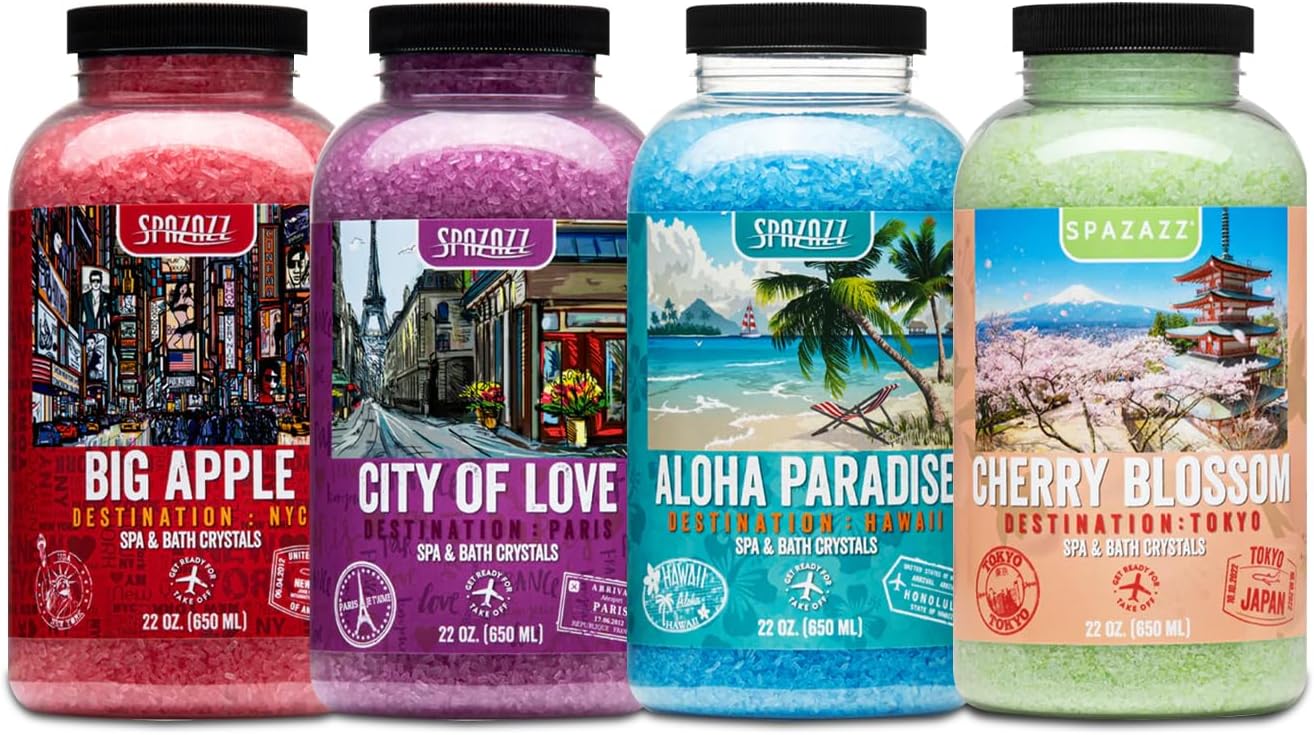
Protect Your Acrylic Shell
Don’t risk your plumbing. Use 100% oil-free, water-soluble Spazazz liquid elixirs designed specifically for hot tubs.
Check Price on Amazon4. Types of Hot Tub Aromatherapy Products
When shopping for spa-safe scents, you will encounter three primary delivery methods. Each has its own unique benefits depending on your desired experience.
| Aromatherapy Type | Description | Best For |
|---|---|---|
| Liquid Elixirs | Highly concentrated, water-soluble liquids poured directly into the water. | Immediate scent dispersion and leaving the water feeling silky. No residue. |
| Spa Crystals/Salts | Granular salts infused with fragrance and skin-softening minerals. | Muscle relaxation, skin hydration, and masking chemical odors. |
| Scent Pods/Beads | Dry cartridges that fit into specialized built-in hot tub air systems. | Keeping water completely pure. The scent is carried via the air bubbles, not the water itself. |

Dry Aromatherapy Pods
Have a built-in aromatherapy canister? Stock up on dry scent beads for a water-free fragrance experience.
Shop Scent Beads on Amazon5. Top Essential Oils & Their Therapeutic Benefits
While you cannot use raw essential oils, spa-safe products utilize the aromatic extracts of these plants. Choosing the right scent is about matching the botanical properties to your current physical or mental needs.
- Eucalyptus: The ultimate respiratory aid. The sharp, cooling scent opens nasal passages, making it incredible for cold winter nights or allergy season.
- Lavender: The king of relaxation. Lavender lowers cortisol levels and promotes tranquility, making it the perfect choice for a late-night soak before bed.
- Peppermint: Invigorating and cooling. Peppermint is fantastic for post-workout muscle recovery, as it provides a stimulating tingle to the skin and helps alleviate mental fatigue.
- Citrus (Orange, Lemon, Grapefruit): Bright, uplifting, and energizing. Citrus scents are excellent for morning soaks, helping to boost your mood and combat seasonal affective disorder (SAD).
- Chamomile: Gentle and soothing. Often paired with lavender, chamomile is brilliant for calming anxiety and soothing irritated skin.

Clear Your Sinuses
Breathe easier and soothe aching muscles with deep-penetrating Eucalyptus spa crystals.
View Eucalyptus Scents on Amazon6. How Aromatherapy Interacts with Water Chemistry
A common fear among spa owners is that adding foreign substances will ruin their perfectly balanced water. If you have ever struggled with why hot tub water gets cloudy and chemistry filtration causes, you know how frustrating it can be to fix.
Fortunately, high-quality, spa-specific aromatherapy is engineered to be pH neutral. This means it will not raise or lower your alkalinity or pH levels. Furthermore, these products do not consume your sanitizer. Whether you use chlorine, bromine, or a saltwater generator, the active sanitizing agents will ignore the water-soluble scents.
However, cheaper brands may use fillers or artificial colorants that *can* cause slight foaming. If you notice foam after adding a scent, you may need a small dose of anti-foam chemical. Always adhere strictly to the dosage instructions on the bottle—more is not always better. Overdosing your tub can lead to a sticky residue on the water line.

Keep Your Chemistry Perfect
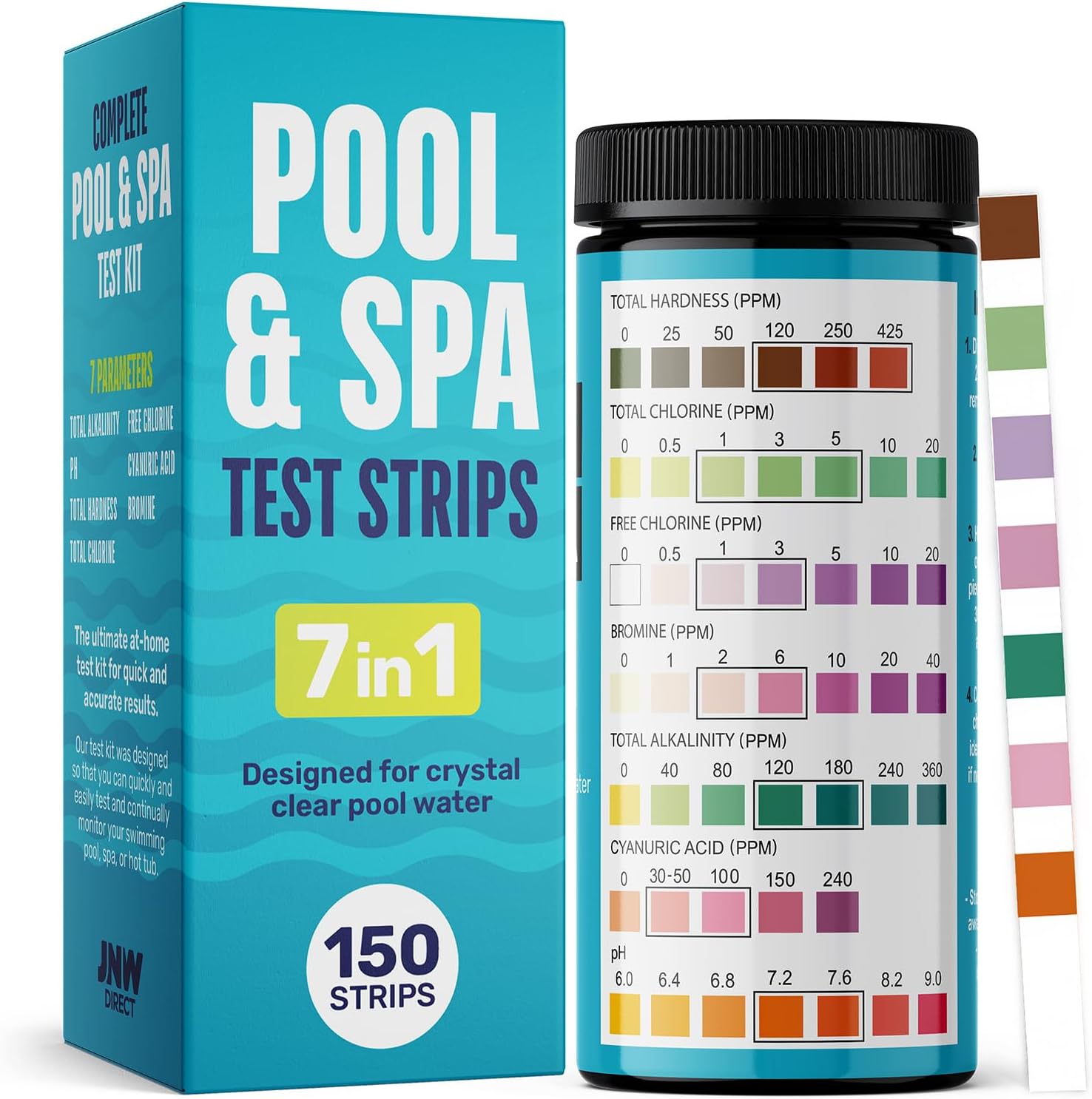
Always double-check your pH and sanitizer levels after introducing new products with highly accurate 5-way test strips.
Check Price on Amazon7. Aromatherapy Systems: Built-in vs. Add-ons
How you introduce the scent to your hot tub depends heavily on the hardware you own.
Built-in Systems: Many high-end modern hot tubs come with an integrated aromatherapy canister located on the top lip of the spa. This canister is plumbed directly into the air blower lines. You simply uncap the canister, drop in a dry mesh bag of scent beads, and turn on the air blowers. The air passes through the beads, pushing the fragrance into the bubbles that rise to the surface. This is the cleanest method, as nothing actually enters the water.
Add-on (Direct Addition): If your hot tub does not have a built-in canister (which is the case for almost all inflatable and entry-level models), you must use liquid elixirs or spa crystals. These are added directly to the water while the jets are running to ensure rapid, even dispersion.
8. Step-by-Step Guide to Adding Aromatherapy to Your Spa
Adding scent to your hot tub is easy, but following the correct procedure ensures maximum longevity of the fragrance without shocking your system.
- Check Your Chemistry: Ensure your pH (7.2 – 7.8) and sanitizer levels are balanced. You do not want heavy chlorine off-gassing to compete with your aromatherapy.
- Turn on the Jets: Activate your primary therapy pumps to get the water moving vigorously.
- Measure the Dose: For liquids, generally 1-2 capfuls are sufficient for a 400-gallon tub. For crystals, usually a half-cup scattered across the surface is ideal. Read the label.
- Add to the Filter Area: Pour the liquid or crystals near the filter intake. This allows the scent to be sucked into the plumbing and distributed evenly out of all the jets simultaneously.
- Wait 5 Minutes: Let the jets run for a few minutes before entering to ensure the product is fully dissolved and integrated.

Premium Liquid Extracts
Get instant, even dispersion with PharmaSpa’s line of highly concentrated, water-soluble liquid elixirs.
View PharmaSpa on Amazon9. Cleaning & Maintaining an Aromatherapy Hot Tub
If you use high-quality, spa-safe products, maintenance will not be drastically different from a standard tub. However, frequent use of crystals and liquids can incrementally increase the Total Dissolved Solids (TDS) in your water over time.
It is vital to monitor your filtration system. Even water-soluble products pass through your pleated filters. This makes understanding how often to replace hot tub filters crucial for heavy aromatherapy users. You should rinse your filters weekly with a garden hose to remove any micro-residues, and perform a deep chemical soak of the filters once a month.
If you begin to notice a “scum line” forming at the water’s edge—a sign of product buildup combined with body oils—wipe it down immediately with a specialized spa surface cleaner or a diluted white vinegar solution. Never use household soaps or detergents.

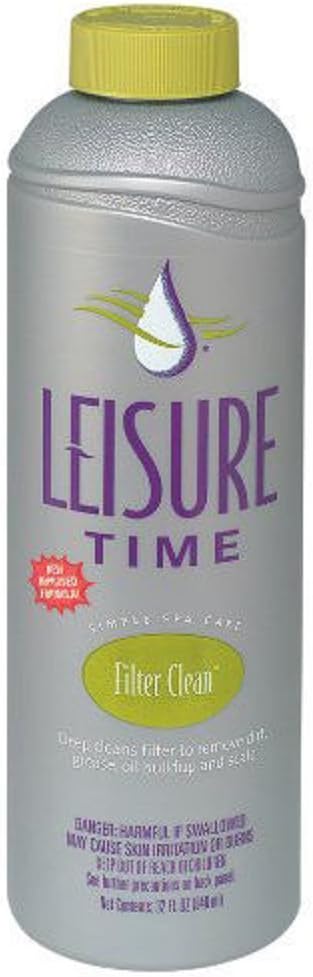
Keep Your Filters Pristine
Ensure your filters don’t get bogged down. Use a deep-cleaning filter spray to dissolve residues and maintain water clarity.
Check Price on Amazon10. Aromatherapy for Specific Ailments
One of the greatest benefits of hot tub aromatherapy is the ability to tailor your soak to treat specific physical or mental ailments.
For Joint Pain and Arthritis: The heat of the water is already doing heavy lifting here, but you can augment the benefits of hot tubs for arthritis and joint pain relief by using aromatherapy crystals infused with magnesium and Arnica. Arnica is a botanical renowned for its anti-inflammatory properties, while magnesium helps relax spasming muscles surrounding stiff joints.
For Insomnia and Sleep Issues: If you are exploring hot tub use for insomnia and sleep timing, your go-to scents should be Lavender, Sandalwood, or Bergamot. Taking a 20-minute soak at 100°F with lavender about 90 minutes before bed causes a subsequent drop in core body temperature that signals to your brain it is time to sleep.

Target Muscle Aches
Soothe deep joint pain and muscle fatigue with specialized Arnica and Magnesium spa salt blends.
Shop Arnica Scents on Amazon11. Creating DIY Spa-Safe Aromatherapy Blends
If you are a purist who prefers absolute control over what goes into your water, you can create DIY spa scents, but you must do it safely to avoid the “oil and water” problem.
To safely introduce pure essential oils into your hot tub, you must first bind the oils to an emulsifier or a carrier salt. A safe DIY recipe involves taking two cups of plain, unscented Dead Sea salts (or pure magnesium chloride) and adding 5-10 drops of your preferred high-quality essential oil (like pure Peppermint or Eucalyptus) to the dry salt. Mix it thoroughly in a glass jar and let it sit for 24 hours.
The salt acts as a carrier, absorbing the oil. When you add the salt to the hot tub, it disperses the tiny amounts of oil much more safely than dropping oil directly onto the water’s surface. *Note: Use this method sparingly, as continuous use of essential oils will eventually tax your filters.*

Craft Your Own Blends
Start your DIY aromatherapy journey with pure, unscented Dead Sea bath salts as your perfect carrier base.
View Dead Sea Salts on Amazon12. Common Mistakes to Avoid with Hot Tub Scents
To wrap up our deep dive, let’s review the most common pitfalls that can ruin your hot tub aromatherapy experience:
- Ignoring the Over-Scenting Rule: It is easy to become “nose blind” after sitting in the tub for 10 minutes. Resist the urge to add more scent. The next time you open the cover, the smell will be overwhelmingly potent.
- Mixing Incompatible Scents: Stick to one scent profile per soak. Mixing a heavy floral like Rose with a sharp scent like Peppermint can create an unpleasant, muddy aroma. If you want to change scents, wait a day or two for the previous scent to evaporate.
- Using Scents to Mask Bad Water: Aromatherapy is not a substitute for proper sanitation. If your hot tub smells musty, sour, or overly chemical, adding lavender will just make it smell like “musty lavender.” Fix your water chemistry first; scent should only be added to clean, clear water.

Don’t Mask Bad Odors—Destroy Them
If your water smells off, use a non-chlorine oxidizing shock to destroy organic contaminants before adding fresh aromatherapy.
Shop Spa Shock on AmazonFrequently Asked Questions (FAQs)
Can I put regular essential oils in my hot tub?
No, you should never put regular, pure essential oils directly into a hot tub. They are oil-based, meaning they will not mix with water. They will float on the surface, clog your filters, damage your acrylic shell, and mess up your water chemistry.
What kind of aromatherapy is safe for a hot tub?
Only use aromatherapy products specifically manufactured for spas and hot tubs. These are formulated to be water-soluble, meaning they dissolve completely without leaving oily residue, foaming, or altering your pH levels.
How much aromatherapy liquid should I add to my spa?
Dosage varies by brand, but a general rule of thumb is one to two capfuls of liquid elixir for a standard 400-gallon hot tub. Always start with a smaller amount to test the scent strength before adding more.
Will hot tub scents make my water cloudy?
Spa-safe scents will not make your water cloudy. However, if you use bath bombs, regular essential oils, or cheap Epsom salts not designed for spas, you will introduce binders and oils that cause immediate cloudiness and foaming.
Do aromatherapy crystals alter hot tub pH?
High-quality spa crystals are pH neutral and will not affect your water chemistry. Always check your levels after using a new product, but reputable brands ensure their salts are compatible with chlorine, bromine, and salt systems.
How long does the scent last in a hot tub?
Depending on the type of product (liquid, crystal, or pod) and the temperature of your water, the scent typically lasts for the duration of one soaking session (20 to 40 minutes). The high heat causes the fragrance to evaporate quickly.
Can I use Epsom salts in my hot tub?
Plain grocery-store Epsom salts are not recommended for hot tubs. The magnesium sulfate can react with spa chemicals and cause total dissolved solids (TDS) to spike. Only use spa-specific magnesium crystals.
What is the best hot tub scent for sleep?
Lavender and chamomile are the best scents for promoting sleep. When combined with the heat of the water, these aromas trigger the parasympathetic nervous system, lowering heart rate and preparing the body for deep rest.
How do built-in hot tub aromatherapy systems work?
Built-in systems use a small canister plumbed into the air lines of the hot tub. You place a dry scent pod or bead pouch into the canister, and when the air blowers are turned on, they push the fragrance directly into the bubbles.
Do hot tub scents clog filters?
Water-soluble, spa-safe scents will not clog your filters. Non-approved oils, lotions, and bath bombs will coat the pleated fabric of your filter in a greasy film, requiring immediate replacement or deep cleaning.
Elevate Your Soak to a Spa-Level Experience
Hot tub aromatherapy is the easiest and most effective way to turn a simple backyard soak into a luxurious, multi-sensory wellness retreat. By utilizing high-quality, water-soluble liquids and crystals, you can harness the respiratory benefits of eucalyptus, the calming power of lavender, or the invigorating rush of citrus—all without risking the health of your spa’s plumbing or water chemistry.
Don’t settle for plain water. Explore the world of spa-safe scents today and discover how engaging your sense of smell can profoundly impact your physical relaxation and mental clarity.
Shop Top-Rated Spa Aromatherapy on Amazon