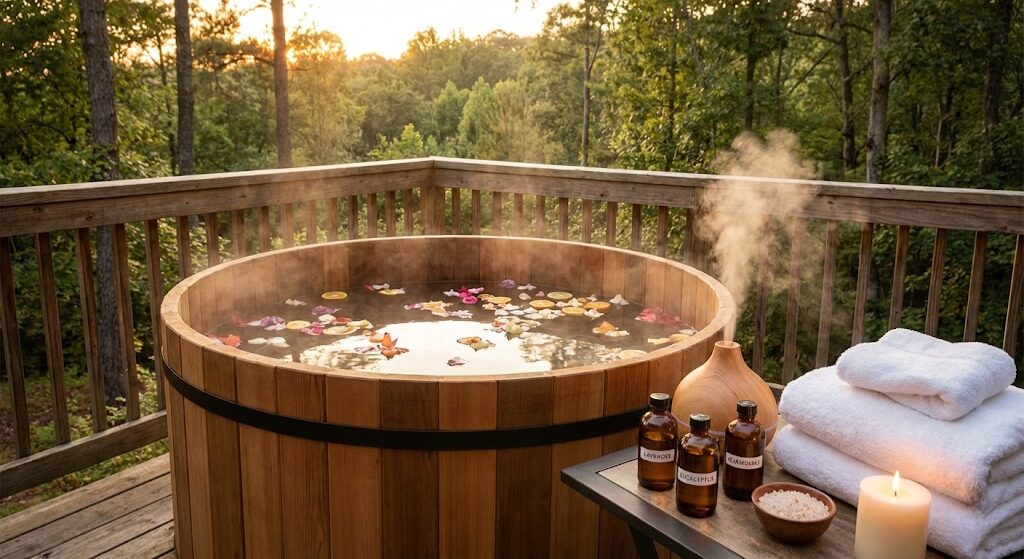
Transforming Your Spa Experience: Everything You Need to Know About Aromatherapy for Hot Tubs
Stepping into a hot tub is already a luxurious experience. The warm water envelopes your body, the hydrotherapy jets massage tired muscles, and the buoyancy relieves the pressure of gravity on your joints. But what if you could elevate this experience even further? By engaging your sense of smell, you can transform a simple soak into a multi-sensory, holistic healing session. Welcome to the world of hot tub aromatherapy.
Aromatherapy for hot tubs is the art and science of infusing your spa water with therapeutic fragrances designed to relax the mind, invigorate the body, and clear the senses. However, bridging the gap between standard aromatherapy and hot tub maintenance requires a careful approach. Dropping the wrong kind of oil into your tub can lead to clogged filters, degraded acrylic shells, and severely unbalanced water chemistry.
In this comprehensive guide, we will dive deep into everything you need to know about hot tub scents. From choosing the right water-soluble elixirs to understanding the therapeutic benefits of different botanical extracts, we will ensure your backyard oasis smells divine without compromising your equipment. Whether you want to learn how to make your hot tub smell good with lavender, find the best aromatherapy for hot tub congestion relief, or simply understand which products are safe for your specific spa model, this guide covers it all.
We will also address some of the most common questions hot tub owners have about aromatherapy: Can you use essential oils in a hot tub? How do you fix a bad-smelling hot tub? Are aromatherapy products safe for kids? What scents are best for sleep, anxiety, or muscle pain? By the end of this guide, you will have all the knowledge you need to create a personalized aromatherapy experience that transforms your daily soak into a therapeutic ritual.
1. Introduction to Hot Tub Aromatherapy
For centuries, ancient civilizations from the Romans to the Japanese have utilized the combination of hot water and aromatic botanicals to heal the body and spirit. Today, modern hot tub owners are rediscovering this ancient practice, integrating specialized spa fragrances into their daily soaking routines.
Hot tub aromatherapy involves adding specially formulated liquids, crystals, or scent pods to your spa. Unlike traditional bath bombs or pure essential oils used in indoor bathtubs, spa-specific aromatherapy is engineered to be 100% water-soluble. This means it dissolves completely into the water without leaving behind a greasy slick, creating foam, or interfering with sanitizers like chlorine or bromine.
Whether you are looking to clear a congested chest with eucalyptus during a winter soak, or want to drift off to sleep wrapped in the scent of French lavender, the right aromatherapy product acts as a powerful catalyst for your wellness goals. The global hot tub aromatherapy market has grown significantly as spa owners realize that the sensory dimension of their soaking experience is just as important as the physical benefits of hydrotherapy.
The Growing Popularity of Hot Tub Aromatherapy
According to the Pool and Hot Tub Alliance, aromatherapy has become one of the most requested features in new hot tub purchases. Spa manufacturers have responded by integrating built-in aromatherapy systems into their mid-range and premium models, making it easier than ever to enjoy scented soaks. For owners of older or entry-level tubs, the market offers dozens of affordable add-on products that deliver the same aromatic experience without any hardware modifications.
The appeal of hot tub aromatherapy extends beyond simple pleasant fragrance. Research published in the International Journal of Neuroscience has demonstrated that specific aromatic compounds can measurably reduce cortisol levels, lower blood pressure, and improve sleep quality. When combined with the already well-documented benefits of hot water immersion—improved circulation, reduced muscle tension, and joint pain relief—aromatherapy creates a synergistic effect that enhances every dimension of your soak.

Start Your Aromatherapy Journey
Discover your favorite scents with a premium, spa-safe aromatherapy starter kit featuring lavender, eucalyptus, and citrus blends.
Shop Starter Kits on Amazon2. The Science Behind Scent and Relaxation
Why does a simple scent have such a profound impact on how we feel? The answer lies in human neuroanatomy. Our olfactory system (the bodily structures that serve the sense of smell) is directly connected to the limbic system, which is the brain’s emotional and memory center.
When you inhale an aromatic compound from your hot tub’s steam, the scent molecules travel up your nasal cavity and bind to olfactory receptors. These receptors send immediate signals to the amygdala and hippocampus. This bypasses the conscious, logical parts of the brain, triggering an immediate emotional and physiological response.
Furthermore, the environment of a hot tub enhances this effect. The heat of the water causes your blood vessels to dilate and deepens your breathing. The hydrotherapy jets agitate the water, accelerating the evaporation of the scent and surrounding you in a dense, aromatic vapor. This creates an immersive environment where the psychological benefits of the scent perfectly complement the physical benefits of the hot water.
How Hot Water Amplifies Aromatherapy Effects
The combination of heat and aromatherapy is far more powerful than either element alone. When you immerse yourself in hot water at 100-102°F, your body undergoes several physiological changes that enhance the absorption and impact of aromatic compounds. Your pores open, increasing dermal absorption of any dissolved compounds. Your breathing rate increases, drawing more aromatic molecules into your lungs. Your blood vessels dilate, allowing faster transport of absorbed compounds throughout your body.
This is why hot tub aromatherapy produces more intense effects than room-temperature aromatherapy. The steam rising from the hot water creates a concentrated vapor cloud of aromatic molecules at the water surface—exactly where your face is positioned while soaking. Studies have shown that inhaling essential oil vapors in a warm, humid environment can reduce perceived stress levels by up to 40% more than inhaling the same compounds at room temperature.
The Olfactory-Limbic Connection Explained
Unlike the other four senses (sight, hearing, taste, and touch), the sense of smell does not pass through the thalamus—the brain’s relay station—before reaching its processing centers. Instead, olfactory signals travel directly to the limbic system, which includes the amygdala (emotional processing) and the hippocampus (memory formation). This unique neural pathway is why a specific scent can instantly trigger a vivid memory or an intense emotional response.
In the context of hot tub aromatherapy, this means that the right scent can immediately shift your mental state. Lavender signals your brain to begin winding down, peppermint tells your body to feel alert and energized, and eucalyptus triggers a sense of clear-breathed vitality. When these signals are delivered in the already-relaxing environment of a hot tub, the combined effect is a powerful relaxation response that addresses both the physical and psychological dimensions of stress.

Enhance Your Sensory Experience
Elevate your limbic system response with therapeutic, hot-tub safe magnesium crystals infused with natural botanical extracts.
View Spa Crystals on Amazon3. Spa-Safe vs. Dangerous Scents (What NOT to Use)
The biggest mistake new hot tub owners make is raiding their bathroom cabinet and treating their expensive spa like a standard bathtub. Understanding what NOT to put in your hot tub is just as important as knowing what to use.
Safe to Use (Spa-Formulated)
- Water-soluble aromatherapy liquids.
- Hot tub specific mineral salts (magnesium/Epsom variants designed for spas).
- Dry scent pods for built-in air blower systems.
- Spa-safe aromatherapy sprays for cover misting.
Dangerous to Use (Do NOT Add)
- Pure Essential Oils: They are oil-based, meaning they float, create a greasy scum line, and rapidly degrade acrylic and rubber seals.
- Bath Bombs & Bubble Bath: These contain dyes, oils, and foaming agents that will overwhelm your filtration system immediately.
- Standard Epsom Salts: Pure magnesium sulfate can alter the water’s total dissolved solids (TDS) and pH balance.
- Fresh Herbs and Flowers: They decompose in hot water, introducing organic matter that feeds bacteria.
- Cooking Extracts: Vanilla extract and other kitchen concentrates contain alcohol and sugars that cause foaming.
- Perfume and Body Spray: Alcohol-based fragrances are not water-soluble and contain synthetic compounds harmful to spa components.
Why Pure Essential Oils Are Dangerous for Hot Tubs
Pure essential oils pose multiple risks to your hot tub. First, they are hydrophobic—they repel water and float on the surface in concentrated droplets. These oil droplets coat the acrylic surface of your tub, creating a slippery scum that traps bacteria and body oils. Over time, the essential oil can degrade the acrylic finish, causing discoloration and dulling the surface.
Second, essential oil droplets are drawn into the filter intake and coat the pleated filter media in a greasy film. This severely reduces the filter’s ability to trap debris and bacteria, potentially causing your water to become unsanitary. A single application of pure essential oil can ruin a $50 filter.
Third, essential oils are highly concentrated botanical extracts. When heated to 100°F+, they release volatile organic compounds (VOCs) that can irritate the eyes, respiratory system, and skin of sensitive individuals. Spa-safe aromatherapy products use diluted, water-soluble formulations that release fragrance gently and evenly without these concentrated VOCs.
Protect Your Acrylic Shell
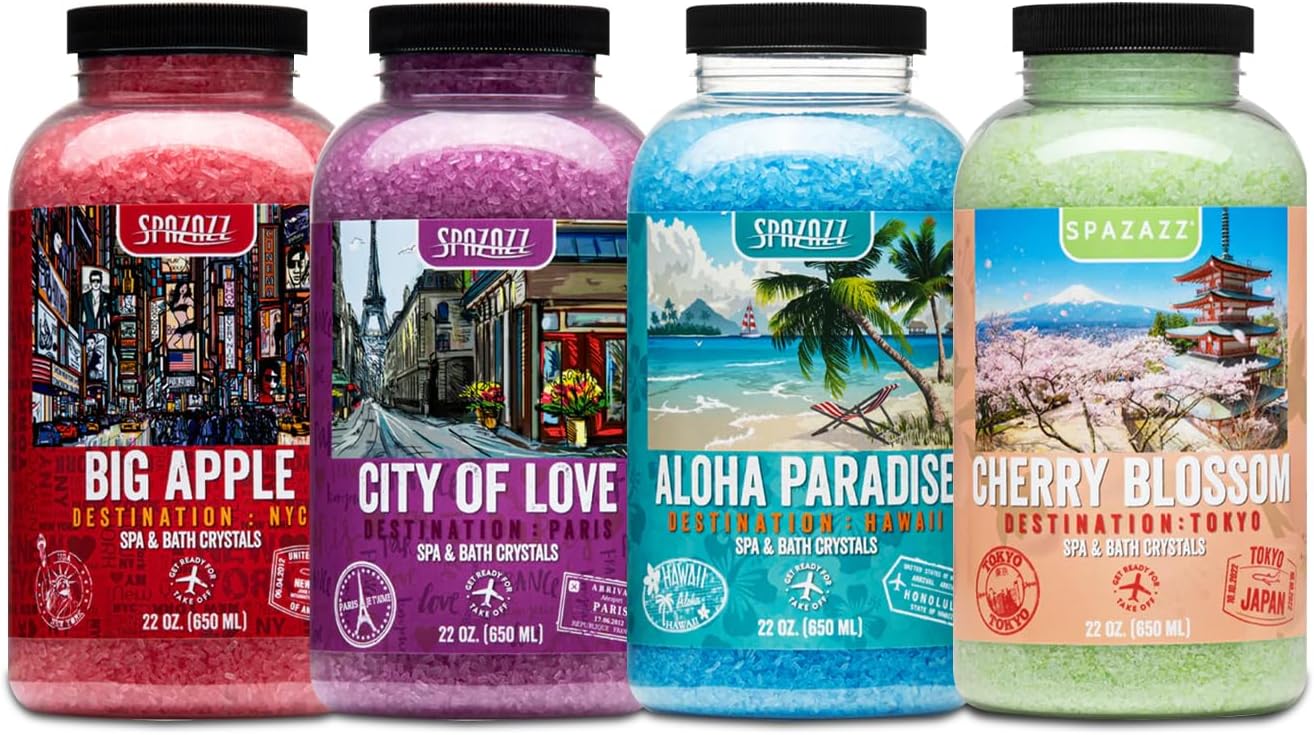
Don’t risk your plumbing. Use 100% oil-free, water-soluble Spazazz liquid elixirs designed specifically for hot tubs.
Check Price on Amazon4. Types of Hot Tub Aromatherapy Products
When shopping for spa-safe scents, you will encounter three primary delivery methods. Each has its own unique benefits depending on your desired experience.
| Aromatherapy Type | Description | Best For | Price Range |
|---|---|---|---|
| Liquid Elixirs | Highly concentrated, water-soluble liquids poured directly into the water. | Immediate scent dispersion, silky water feel, no residue. | $12-25 |
| Spa Crystals/Salts | Granular salts infused with fragrance and skin-softening minerals. | Muscle relaxation, skin hydration, masking chemical odors. | $10-20 |
| Scent Pods/Beads | Dry cartridges that fit into specialized built-in hot tub air systems. | Keeping water completely pure. Scent carried via air bubbles. | $8-15 |
| Aromatherapy Sprays | Mist sprays for the hot tub cover or surrounding area. | Pre-soak ambiance, cover freshening between uses. | $8-18 |
Liquid Elixirs: The Most Popular Choice
Liquid aromatherapy elixirs dominate the hot tub scent market for good reason. They dissolve instantly in water, distribute evenly through the jet system, and leave no residue behind. Brands like Spazazz and PharmaSpa have perfected water-soluble formulations that deliver consistent fragrance strength throughout a 20-40 minute soak.
The key advantage of liquid elixirs is control. You can add a half capful for a subtle scent or a full capful for a more intense experience. If you want to change scents between soaks, the previous scent will have largely dissipated by the next day. This flexibility makes liquid elixirs ideal for hot tub owners who like to match their aromatherapy to their current mood or physical needs.
Spa Crystals: The Muscle Recovery Favorite
Spa crystals offer a dual benefit: fragrance plus mineral therapy. Most spa crystals are formulated with magnesium chloride or Dead Sea salt as the base, which provides the muscle-relaxing benefits of magnesium absorption through the skin. The fragrance is infused into the crystal structure and released gradually as the crystals dissolve in hot water.
For hot tub owners focused on therapeutic benefits, crystals are often the preferred choice because they deliver both aromatherapy and mineral therapy simultaneously. Brands like Spazazz offer crystals infused with specific botanicals—arnica for inflammation, lavender for relaxation, eucalyptus for respiratory relief—allowing you to target specific health concerns while enjoying a fragrant soak.
Scent Pods: The Purest Experience
If your hot tub has a built-in aromatherapy system (common in brands like Jacuzzi, Hot Spring, and Bullfrog), scent pods offer the purest aromatherapy experience. Because the fragrance is delivered through the air blower system rather than directly into the water, the scent never contacts the water, filters, or plumbing. This means zero impact on water chemistry and zero filter contamination.
The tradeoff is that scent pod aromatherapy is generally milder than direct-addition methods. The fragrance is diffused through air bubbles rather than dissolved in water, so the intensity depends on how long you run the air blower and how close your face is to the bubbling surface. For owners who prefer a subtle, ambient fragrance rather than an intense aromatic experience, pods are the perfect choice.

Dry Aromatherapy Pods
Have a built-in aromatherapy canister? Stock up on dry scent beads for a water-free fragrance experience.
Shop Scent Beads on Amazon5. Top Essential Oils & Their Therapeutic Benefits
While you cannot use raw essential oils, spa-safe products utilize the aromatic extracts of these plants. Choosing the right scent is about matching the botanical properties to your current physical or mental needs.
Lavender
The king of relaxation. Lavender lowers cortisol levels, reduces heart rate, and promotes tranquility. It is the perfect choice for a late-night soak before bed or for anyone dealing with chronic stress and anxiety.
Eucalyptus
The ultimate respiratory aid. The sharp, cooling scent opens nasal passages and loosens chest congestion, making it incredible for cold winter nights, allergy season, or sinus relief.
Peppermint
Invigorating and cooling. Peppermint is fantastic for post-workout muscle recovery, as it provides a stimulating tingle to the skin and helps alleviate mental fatigue and headaches.
Citrus (Orange, Lemon, Grapefruit)
Bright, uplifting, and energizing. Citrus scents are excellent for morning soaks, helping to boost your mood, combat seasonal affective disorder (SAD), and start your day with optimism.
Chamomile
Gentle and soothing. Often paired with lavender, chamomile is brilliant for calming anxiety, soothing irritated skin, and promoting a sense of peace and well-being.
Rosemary
Stimulating and clarifying. Rosemary enhances mental focus, improves circulation, and has been traditionally used to relieve muscle pain and headaches. Great for an afternoon soak.
Lavender: The Science Behind the Calm
Lavender (Lavandula angustifolia) is the most extensively studied aromatic plant in the world. Research has consistently shown that inhaling linalool and linalyl acetate—the primary compounds in lavender—activates GABA receptors in the brain, producing a calming effect similar to mild sedatives. A 2019 study in the Journal of Alternative and Complementary Medicine found that participants who soaked in lavender-scented warm water for 20 minutes reported 35% lower anxiety scores compared to those who soaked in unscented water.
For hot tub use, lavender is the most versatile scent. It works equally well as a morning relaxant for people with anxiety, an afternoon stress reliever for workers with high-pressure jobs, and an evening sleep aid. The key is using spa-safe lavender products rather than pure lavender essential oil—the water-soluble formulation ensures even distribution without the oily residue that pure lavender oil would create.
Eucalyptus: The Respiratory Powerhouse
Eucalyptus (Eucalyptus globulus) contains 1,8-cineole (eucalyptol), a compound with well-documented mucolytic and anti-inflammatory properties. When you inhale eucalyptus vapor in a hot tub, the warm, humid air carries the cineole deep into your respiratory tract, where it helps thin mucus, reduce inflammation in the bronchial passages, and promote easier breathing.
For hot tub owners who suffer from seasonal allergies, chronic sinusitis, or frequent winter colds, eucalyptus aromatherapy can be genuinely therapeutic. A 20-minute soak with eucalyptus-scented spa crystals or liquid elixir can provide relief from nasal congestion that lasts for several hours after the soak ends. Many users report that regular eucalyptus aromatherapy soaks during cold and flu season reduce the frequency and severity of upper respiratory symptoms.
Peppermint: The Muscle Recovery Champion
Peppermint (Mentha piperita) contains menthol, which creates a cooling sensation on the skin by activating cold-sensitive nerve receptors. When used in a hot tub, peppermint provides a unique dual experience: the hot water relaxes muscles and increases blood flow, while the menthol creates a refreshing tingling sensation that counteracts the heaviness of heat.
This makes peppermint the ideal choice for post-exercise soaks. The combination of hydrotherapy jets targeting sore muscles and peppermint aromatherapy addressing mental fatigue creates a recovery experience that addresses both physical and mental exhaustion. Peppermint is also excellent for afternoon soaks when you need a mental boost—the stimulating aroma combats drowsiness and improves alertness.

Clear Your Sinuses
Breathe easier and soothe aching muscles with deep-penetrating Eucalyptus spa crystals.
View Eucalyptus Scents on Amazon6. How Aromatherapy Interacts with Water Chemistry
A common fear among spa owners is that adding foreign substances will ruin their perfectly balanced water. If you have ever struggled with why hot tub water gets cloudy and chemistry filtration causes, you know how frustrating it can be to fix.
Fortunately, high-quality, spa-specific aromatherapy is engineered to be pH neutral. This means it will not raise or lower your alkalinity or pH levels. Furthermore, these products do not consume your sanitizer. Whether you use chlorine, bromine, or a saltwater generator, the active sanitizing agents will ignore the water-soluble scents.
However, cheaper brands may use fillers or artificial colorants that can cause slight foaming. If you notice foam after adding a scent, you may need a small dose of anti-foam chemical. Always adhere strictly to the dosage instructions on the bottle—more is not always better. Overdosing your tub can lead to a sticky residue on the water line.
Understanding Total Dissolved Solids (TDS) and Aromatherapy
Total Dissolved Solids (TDS) is a measure of all dissolved minerals, chemicals, and organic compounds in your hot tub water. Every product you add to your tub—sanitizers, pH balancers, and aromatherapy—increases the TDS level. While aromatherapy products contribute minimally to TDS compared to sanitizers, regular use of crystals and liquid elixirs can incrementally raise TDS over time.
When TDS levels exceed 1,500 ppm, the water becomes increasingly difficult to balance and may develop an unpleasant taste or odor. This is one reason why hot tub owners who use aromatherapy daily should test their TDS monthly and consider draining and refilling the tub more frequently—perhaps every 3-4 months instead of the standard 4-6 months.
The good news is that high-quality spa aromatherapy products contribute very little to TDS. A capful of water-soluble liquid elixir adds only a few parts per million to a 400-gallon tub. It is the cumulative effect of daily use over months that eventually requires attention, not any single application.
Will Aromatherapy Affect My Chlorine or Bromine Levels?
One of the most common concerns is whether aromatherapy products will consume or deactivate the sanitizer in your hot tub. The answer, for properly formulated spa aromatherapy, is no. Water-soluble aromatherapy does not react with chlorine, bromine, or the output of a salt water chlorinator.
This is because spa-safe aromatherapy products are designed without organic compounds that would react with oxidizing sanitizers. Pure essential oils, on the other hand, contain terpenes and other organic molecules that can react with chlorine, reducing its effectiveness and potentially creating chloramines (the compounds responsible for “pool smell”). This is yet another reason why pure essential oils should never be used directly in a hot tub.
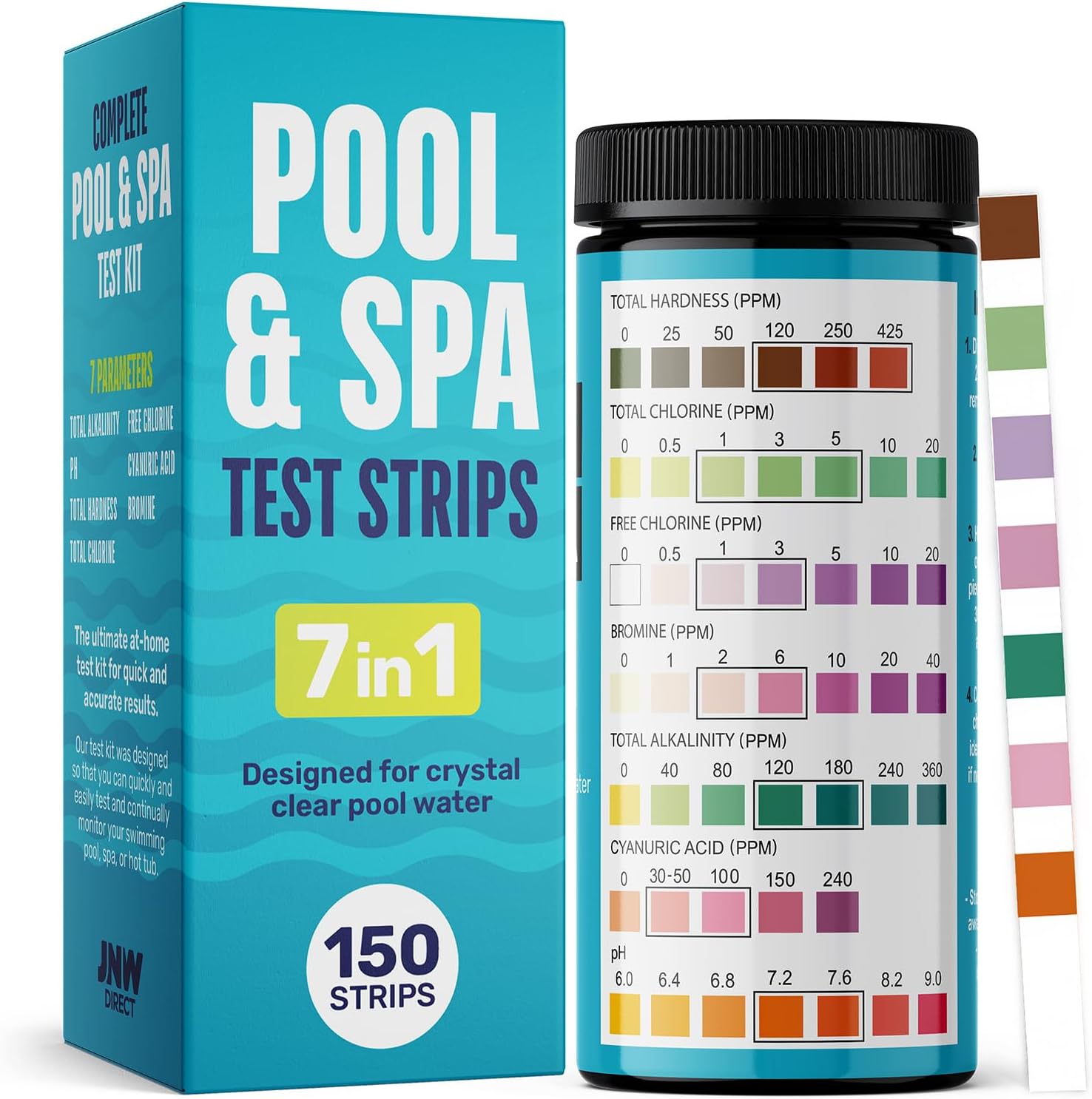
Despite this compatibility, it is still good practice to test your sanitizer levels after adding aromatherapy, especially if you are using a new product for the first time. A quick test strip check takes 30 seconds and provides peace of mind that your water chemistry remains balanced.

Keep Your Chemistry Perfect
Always double-check your pH and sanitizer levels after introducing new products with highly accurate 5-way test strips.
Check Price on Amazon7. Aromatherapy Systems: Built-in vs. Add-ons
How you introduce the scent to your hot tub depends heavily on the hardware you own.
Built-in Systems: Many high-end modern hot tubs come with an integrated aromatherapy canister located on the top lip of the spa. This canister is plumbed directly into the air blower lines. You simply uncap the canister, drop in a dry mesh bag of scent beads, and turn on the air blowers. The air passes through the beads, pushing the fragrance into the bubbles that rise to the surface. This is the cleanest method, as nothing actually enters the water.
Add-on (Direct Addition): If your hot tub does not have a built-in canister (which is the case for almost all inflatable and entry-level models), you must use liquid elixirs or spa crystals. These are added directly to the water while the jets are running to ensure rapid, even dispersion.
Hot Tub Brands with Built-in Aromatherapy Systems
Several major hot tub manufacturers include aromatherapy systems as standard or optional features. Understanding which brands offer this feature can help you choose compatible scent products:
- Jacuzzi: Many Jacuzzi models feature the AquaSauna system, which uses a mesh basket that drops into a dedicated canister. Compatible with most dry scent pods and beads.
- Hot Spring: Hot Spring spas offer the FreshWater Aromatherapy system, using proprietary scent pods that snap into a dedicated housing on the spa’s top rail.
- Bullfrog Spas: Bullfrog’s JetPak system includes an optional Aromatherapy JetPak module that infuses air-blown fragrance directly into the jet stream.
- Sundance Spas: Sundance offers an optional aromatherapy system that uses dry scent beads in a canister plumbed into the air line system.
For hot tubs without built-in systems (Intex, Coleman, Bestway, and many older models), the direct-addition method using liquid elixirs or crystals is your best option. These products are universally compatible with any hot tub, regardless of brand or age.
8. Step-by-Step Guide to Adding Aromatherapy to Your Spa
Adding scent to your hot tub is easy, but following the correct procedure ensures maximum longevity of the fragrance without shocking your system.
Check Your Chemistry
Ensure your pH (7.2 – 7.8) and sanitizer levels are balanced. You do not want heavy chlorine off-gassing to compete with your aromatherapy. Test your water and make any necessary adjustments before adding scent.
Turn on the Jets
Activate your primary therapy pumps to get the water moving vigorously. The circulation ensures that the aromatherapy product is distributed evenly throughout the entire tub, rather than concentrating in one area.
Measure the Dose Carefully
For liquids, generally 1-2 capfuls are sufficient for a standard 400-gallon tub. For crystals, usually a half-cup scattered across the surface is ideal. Always read the label and start with less—you can always add more, but you cannot remove excess.
Add Near the Filter Intake
Pour the liquid or crystals near the filter intake. This allows the scent to be sucked into the plumbing and distributed evenly out of all the jets simultaneously, rather than sitting in one spot on the water surface.
Wait 5 Minutes Before Entering
Let the jets run for a few minutes before entering to ensure the product is fully dissolved and integrated. This waiting period prevents you from entering water that has concentrated pockets of undissolved product.
Optimal Water Temperature for Aromatherapy
Water temperature significantly affects how aromatherapy products perform. At 100-102°F (the recommended soaking range), fragrance molecules evaporate at an optimal rate—fast enough to create an aromatic vapor cloud, but slow enough to last for the entire 20-40 minute soak. At higher temperatures (103-104°F), the fragrance may dissipate more quickly, requiring a slightly larger dose. At lower temperatures (below 100°F), the scent may be less intense because fewer molecules are evaporating from the water surface.
For the best aromatherapy experience, maintain your water at 100-102°F and add the scent just before entering. This timing ensures maximum fragrance intensity when you first step in, with a gradual, pleasant fade as the session progresses.
When to Add Aromatherapy: Before or After Covering?
If you want the strongest possible fragrance experience, add the aromatherapy product after removing the cover but before entering the tub. The steam that escapes when you open the cover carries the initial burst of fragrance, and the enclosed space between the water surface and the lifted cover creates a concentrated aromatic environment.
If you prefer a milder, more ambient scent, add the aromatherapy with the cover off and the jets running for 5-10 minutes before entering. This allows some of the initial fragrance intensity to dissipate, leaving a gentler scent that builds gradually as you soak. Experiment with both approaches to find your preference.

Premium Liquid Extracts
Get instant, even dispersion with PharmaSpa’s line of highly concentrated, water-soluble liquid elixirs.
View PharmaSpa on Amazon9. Cleaning & Maintaining an Aromatherapy Hot Tub
If you use high-quality, spa-safe products, maintenance will not be drastically different from a standard tub. However, frequent use of crystals and liquids can incrementally increase the Total Dissolved Solids (TDS) in your water over time.
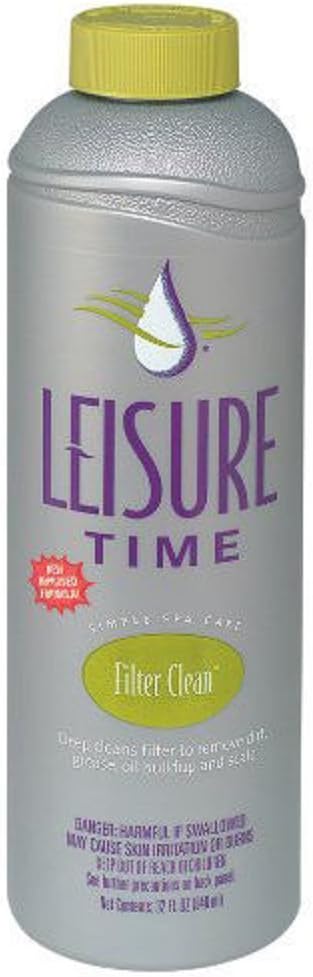
It is vital to monitor your filtration system. Even water-soluble products pass through your pleated filters. This makes understanding how often to replace hot tub filters crucial for heavy aromatherapy users. You should rinse your filters weekly with a garden hose to remove any micro-residues, and perform a deep chemical soak of the filters once a month.
If you begin to notice a “scum line” forming at the water’s edge—a sign of product buildup combined with body oils—wipe it down immediately with a specialized spa surface cleaner or a diluted white vinegar solution. Never use household soaps or detergents.
Weekly Maintenance Routine for Aromatherapy Users
Hot tub owners who use aromatherapy regularly should adopt a slightly more proactive maintenance routine than those who do not. Here is a recommended weekly maintenance schedule:
- Monday: Test pH, alkalinity, and sanitizer levels. Adjust as needed.
- Wednesday: Rinse filters with a garden hose to remove any product residue.
- Friday: Wipe down the water line with a spa surface cleaner to prevent scum buildup.
- Sunday: Test TDS levels monthly (not weekly) to track gradual increases.
Monthly maintenance for aromatherapy users should include a deep soak of the filters in a dedicated filter cleaning solution. This dissolves any accumulated residue that weekly rinsing cannot remove. If you notice that your filters are developing a waxy coating or an unusual odor despite regular rinsing, soak them overnight in a solution of one part white vinegar to four parts warm water.
How to Remove Aromatherapy Buildup from Your Hot Tub
Over months of regular aromatherapy use, a thin film of fragrance compounds can accumulate on the waterline, the steps, and the underside of the cover. This buildup is usually not visible until it becomes significant, manifesting as a slightly sticky texture or a lingering fragrance that persists even in freshly filled water.
To remove aromatherapy buildup, drain your hot tub and wipe all surfaces with a solution of equal parts white vinegar and warm water. The acetic acid in vinegar dissolves the residue without damaging acrylic or vinyl surfaces. For stubborn buildup on the waterline, apply a paste of baking soda and water, let it sit for 15 minutes, then scrub gently with a non-abrasive pad. Rinse thoroughly before refilling.
To prevent buildup from recurring, wipe down the waterline after every 3-4 uses with a damp microfiber cloth. This quick 30-second task removes fresh residue before it has a chance to accumulate and bond to the surface.

Keep Your Filters Pristine
Ensure your filters don’t get bogged down. Use a deep-cleaning filter spray to dissolve residues and maintain water clarity.
Check Price on Amazon10. Aromatherapy for Specific Ailments
One of the greatest benefits of hot tub aromatherapy is the ability to tailor your soak to treat specific physical or mental ailments.
For Joint Pain and Arthritis: The heat of the water is already doing heavy lifting here, but you can augment the benefits of hot tubs for arthritis and joint pain relief by using aromatherapy crystals infused with magnesium and Arnica. Arnica is a botanical renowned for its anti-inflammatory properties, while magnesium helps relax spasming muscles surrounding stiff joints.
For Insomnia and Sleep Issues: If you are exploring hot tub use for insomnia and sleep timing, your go-to scents should be Lavender, Sandalwood, or Bergamot. Taking a 20-minute soak at 100°F with lavender about 90 minutes before bed causes a subsequent drop in core body temperature that signals to your brain it is time to sleep.
For Muscle Recovery After Exercise: Post-workout soaks benefit from peppermint or eucalyptus aromatherapy. Peppermint’s cooling menthol sensation counteracts the heaviness of heat-exhausted muscles, while eucalyptus promotes deep breathing that delivers more oxygen to recovering tissues.
For Respiratory Congestion: Eucalyptus and tea tree (melaleuca) are the gold standards for respiratory relief. The combination of hot water steam carrying these aromatic compounds deep into your lungs provides genuine therapeutic benefit for cold, flu, and allergy symptoms.
For Headaches and Migraines: Peppermint and lavender together create a powerful headache-relief combination. Peppermint’s menthol provides a cooling sensation that counteracts the throbbing of a headache, while lavender’s calming properties address the tension and stress that often accompany headaches.

Target Muscle Aches
Soothe deep joint pain and muscle fatigue with specialized Arnica and Magnesium spa salt blends.
Shop Arnica Scents on Amazon11. Creating DIY Spa-Safe Aromatherapy Blends
If you are a purist who prefers absolute control over what goes into your water, you can create DIY spa scents, but you must do it safely to avoid the “oil and water” problem.
To safely introduce pure essential oils into your hot tub, you must first bind the oils to an emulsifier or a carrier salt. A safe DIY recipe involves taking two cups of plain, unscented Dead Sea salts (or pure magnesium chloride) and adding 5-10 drops of your preferred high-quality essential oil (like pure Peppermint or Eucalyptus) to the dry salt. Mix it thoroughly in a glass jar and let it sit for 24 hours.
The salt acts as a carrier, absorbing the oil. When you add the salt to the hot tub, it disperses the tiny amounts of oil much more safely than dropping oil directly onto the water’s surface. Note: Use this method sparingly, as continuous use of essential oils will eventually tax your filters.
Five Safe DIY Hot Tub Aromatherapy Recipes
Recipe 1: Sleep-Inducing Lavender Blend. Mix two cups of Dead Sea salt with 8 drops of pure lavender essential oil and 4 drops of chamomile essential oil. Let the mixture cure in a sealed glass jar for 48 hours. Use 1/4 cup per soak, added to running jets about 20 minutes before bed.
Recipe 2: Sinus-Clearing Eucalyptus Blend. Combine two cups of magnesium chloride flakes with 10 drops of eucalyptus essential oil and 5 drops of peppermint essential oil. Cure for 24 hours. Use 1/3 cup per soak for maximum respiratory benefit.
Recipe 3: Post-Workout Recovery Blend. Mix two cups of Dead Sea salt with 6 drops of peppermint essential oil, 4 drops of rosemary essential oil, and 4 drops of lavender essential oil. This blend addresses both the physical muscle recovery (peppermint and rosemary) and the mental wind-down (lavender) that athletes need.
Recipe 4: Morning Energy Boost Blend. Combine two cups of Epsom salt (magnesium sulfate) with 8 drops of sweet orange essential oil and 5 drops of grapefruit essential oil. The citrus aromas trigger an immediate mood boost and energy increase, perfect for morning soaks.
Recipe 5: Stress Relief Blend. Mix two cups of Dead Sea salt with 6 drops of lavender essential oil, 4 drops of bergamot essential oil, and 3 drops of ylang-ylang essential oil. This sophisticated blend targets multiple pathways of stress response—lavender calms the nervous system, bergamot elevates mood, and ylang-ylang reduces blood pressure.
Important DIY Safety Notes
Always use 100% pure essential oils from reputable brands—synthetic fragrance oils may contain compounds that are harmful when heated and inhaled. Store your DIY blends in dark glass jars away from direct sunlight, as UV light degrades essential oils. Never use more than the recommended drops per two cups of carrier salt, as excessive essential oil concentration can irritate skin and eyes. Finally, if you notice any foaming, cloudiness, or unusual residue after using a DIY blend, discontinue use and switch to a commercial spa-safe product.

Craft Your Own Blends
Start your DIY aromatherapy journey with pure, unscented Dead Sea bath salts as your perfect carrier base.
View Dead Sea Salts on Amazon12. Common Mistakes to Avoid with Hot Tub Scents
To wrap up our foundational guide, let’s review the most common pitfalls that can ruin your hot tub aromatherapy experience:
- Ignoring the Over-Scenting Rule: It is easy to become “nose blind” after sitting in the tub for 10 minutes. Resist the urge to add more scent. The next time you open the cover, the smell will be overwhelmingly potent.
- Mixing Incompatible Scents: Stick to one scent profile per soak. Mixing a heavy floral like Rose with a sharp scent like Peppermint can create an unpleasant, muddy aroma. If you want to change scents, wait a day or two for the previous scent to evaporate.
- Using Scents to Mask Bad Water: Aromatherapy is not a substitute for proper sanitation. If your hot tub smells musty, sour, or overly chemical, adding lavender will just make it smell like “musty lavender.” Fix your water chemistry first.
- Adding Scent Before Testing Water: Always verify your pH and sanitizer levels are balanced before adding aromatherapy. Off-balance water can interact with even spa-safe products in unpredictable ways.
- Using Products Not Designed for Hot Tubs: Products designed for standard bathtubs are formulated for 5-10 minutes of exposure at 98-100°F. Hot tubs expose these products to 20-40 minutes at 100-104°F with continuous jet action—a completely different environment.

Don’t Mask Bad Odors—Destroy Them
If your water smells off, use a non-chlorine oxidizing shock to destroy organic contaminants before adding fresh aromatherapy.
Shop Spa Shock on Amazon13. Best Hot Tub Scents for Every Season
Just as you adjust your wardrobe and home decor with the changing seasons, your hot tub aromatherapy can—and should—evolve throughout the year. Seasonal scent selection not only matches your mood but also addresses the specific physical challenges that each season brings.
Winter Hot Tub Aromatherapy
Winter is the peak season for hot tub use, and it is also when aromatherapy provides the most therapeutic value. Cold weather brings respiratory challenges (dry air, colds, flu, sinus congestion) and emotional challenges (seasonal affective disorder, holiday stress, cabin fever).
Top Winter Scents: Eucalyptus for respiratory relief, cinnamon and clove for warmth and holiday ambiance, peppermint for invigoration on dark mornings, and pine or cedarwood for a connection to nature during the dormant season. Winter is also the ideal time for heavy, grounding scents like sandalwood and frankincense that feel luxurious and warming.
Pro tip: During winter, your hot tub cover traps aromatic vapor between the water surface and the underside of the cover. When you open the cover after it has been sealed for a few hours, you will be greeted with a concentrated burst of last session’s lingering fragrance. Adding fresh aromatherapy on top of this residual scent can create an overwhelming combination. Consider adding a fresh scent only after the residual fragrance has dissipated (usually 10-15 minutes after opening the cover).
Summer Hot Tub Aromatherapy
Summer hot tub use typically involves evening soaks after outdoor activities, pool parties, and relaxation sessions. The warm ambient air means the water does not feel as intensely hot, so lighter, fresher scents are generally preferred.
Top Summer Scents: Citrus blends (lemon, grapefruit, orange) for energy and mood elevation, cucumber and mint for a cooling, spa-fresh sensation, coconut and tropical fruit for vacation vibes, and light floral scents like jasmine and neroli for evening relaxation. Avoid heavy, warming scents like cinnamon, clove, or vanilla in summer—they can feel oppressive in warm weather.
Summer also presents a unique aromatherapy challenge: bugs. While aromatherapy does not directly repel insects, some scents (citronella, lemongrass, peppermint) are less attractive to mosquitoes than unscented water. If you enjoy evening soaks in buggy areas, a citrus or peppermint aromatherapy product may provide a mild deterrent effect while you enjoy your soak.
Spring and Fall: Transition Season Scents
Spring is the season of renewal, making it the perfect time for fresh, green scents like rosemary, basil, and lemongrass. These scents feel cleansing and energizing, matching the natural world’s reawakening. Spring is also allergy season, so eucalyptus and tea tree are valuable for their respiratory benefits.
Fall brings cooler temperatures and the anticipation of winter. This is the season for warm, comforting scents like apple cinnamon, pumpkin spice (spa-safe versions), vanilla, and warm amber. These scents create a cozy, hygge-inspired atmosphere that complements the cooling weather and the ritual of returning to more frequent hot tub use after the lighter summer months.
14. Aromatherapy Brands Compared: Spazazz vs PharmaSpa vs Others
Not all spa aromatherapy brands are created equal. Understanding the differences between leading manufacturers helps you choose the product line that best fits your needs, budget, and preferences.
Spazazz Aromatherapy Review
Spazazz is one of the most recognized names in hot tub aromatherapy. Their product line includes liquid elixirs, spa crystals, and aromatherapy bombs (a solid form that dissolves in water). Spazazz products are pH neutral, water-soluble, and compatible with all sanitizer systems including salt water chlorinators.
The strength of the Spazazz line is variety. They offer over 20 different scent options, from classic lavender and eucalyptus to exotic blends like “Tahitian Sunset” and “Zen Garden.” Their crystal line also includes therapeutic variants infused with magnesium, aloe vera, and vitamin E for added skin benefits. Price-wise, Spazazz sits in the mid-range, with liquid elixirs around $15-20 and crystals around $12-18.
PharmaSpa Aromatherapy Review
PharmaSpa takes a more clinical approach to hot tub aromatherapy, focusing on therapeutic-grade formulations. Their liquid elixirs are among the most concentrated on the market, meaning you use less per soak and the bottle lasts longer. PharmaSpa products are specifically formulated for hydrotherapy environments and are backed by detailed ingredient transparency.
PharmaSpa’s strength is potency and purity. Their products contain no artificial dyes, no parabens, and no sulfates. For hot tub owners with sensitive skin or chemical sensitivities, PharmaSpa’s clean formulation is a significant advantage. Their price point is slightly higher than Spazazz (around $18-25 per bottle), but the concentrated formula means each bottle provides more soaks.
Other Notable Brands
Inspa: Specializes in dry scent beads for built-in aromatherapy systems. Their bead pods are compatible with most major hot tub brands and offer a water-free aromatherapy experience.
Aquarium Pharmaceuticals (API): Known primarily for aquarium products, API also produces a line of hot tub aromatherapy that is popular for its affordability and wide availability at pool supply stores.
Spa Selections: A budget-friendly brand that offers basic aromatherapy liquids and crystals. Good for hot tub owners who want to try aromatherapy without a significant financial commitment.
15. How to Fix Bad Hot Tub Smells
Before you can enjoy aromatherapy, your hot tub water needs to smell neutral or faintly of chlorine. A bad-smelling hot tub is not just unpleasant—it is often a sign of underlying water chemistry problems that need to be addressed before adding any fragrance.
Common Hot Tub Odors and Their Causes
“Swimming pool” or chemical smell: This is actually a sign of inadequate sanitation, not excessive chlorine. The smell comes from chloramines—compounds formed when chlorine reacts with organic contaminants (body oils, sweat, urine). The fix is to shock your tub with a non-chlorine oxidizer and improve your filtration schedule.
Sour or musty smell: This indicates bacterial growth, usually caused by low sanitizer levels or a dirty filter. Shock the tub, clean or replace the filter, and test your water. If the smell persists after shocking, drain and refill the tub.
Musty, damp smell: This is typically caused by mold or mildew on the underside of the cover or in the filter compartment. Clean the cover with a mildew-resistant cleaner and inspect the filter housing for standing water.
Rotten egg smell: This sulfur odor usually indicates hydrogen sulfide gas from bacteria in the water supply, not a problem with the hot tub itself. A pre-filter on your fill hose can remove sulfur compounds from the incoming water.
The Step-by-Step Hot Tub Odor Elimination Process
Test All Water Parameters
Check pH, free sanitizer, total alkalinity, calcium hardness, and TDS. Write down all readings so you can track your progress.
Balance pH and Alkalinity
Before shocking, ensure your pH is between 7.2-7.8. If pH is too high, sanitizer effectiveness is reduced. Adjust pH first, then retest.
Shock the Tub
Add a non-chlorine oxidizing shock at the recommended dose. Run the jets for 20 minutes with the cover off to allow off-gassing.
Clean or Replace the Filter
A dirty filter harbors bacteria and organic residue. Deep-soak or replace the filter before resuming use.
Test Again After 24 Hours
If the smell persists after shocking, a second shock or a complete drain and refill may be necessary.
Once your water is clean and odor-free, you can add aromatherapy with confidence. Remember: aromatherapy enhances clean water, it does not fix dirty water.
16. Aromatherapy for Anxiety and Stress Relief
Anxiety and stress are among the most common reasons people invest in a hot tub, and aromatherapy can significantly amplify the stress-relieving benefits of hydrotherapy. The combination of warm water immersion, jet massage, and targeted aromatherapy creates a multi-modal relaxation response that addresses stress from multiple angles simultaneously.
The Best Aromatherapy Scents for Anxiety
Lavender: The most studied anti-anxiety aromatic compound. Multiple clinical trials have demonstrated that inhaling lavender vapor reduces cortisol levels, lowers heart rate, and decreases self-reported anxiety. For hot tub use, lavender is the safest and most reliable choice for anxiety relief.
Bergamot: A citrus scent with unique anxiolytic (anti-anxiety) properties. Unlike most citrus scents that are stimulating, bergamot has a calming effect. Studies have shown that bergamot inhalation reduces cortisol levels and increases serotonin production, making it ideal for evening anxiety.
Ylang-Ylang: A sweet floral scent traditionally used in aromatherapy for its calming and euphoric effects. Ylang-ylang has been shown to reduce blood pressure and heart rate, making it particularly useful for anxiety that manifests as physical tension.
Sandalwood: A warm, woody scent with grounding properties. Sandalwood is traditionally used in meditation practices to promote mental clarity and emotional stability. For hot tub users who practice mindfulness or meditation while soaking, sandalwood creates an ideal aromatic backdrop.
Creating an Anti-Anxiety Hot Tub Routine
For maximum anxiety relief, combine aromatherapy with a structured hot tub routine:
- Set the mood: Dim the outdoor lights, play soft instrumental music, and ensure the water is at 100-102°F.
- Add aromatherapy: Use 1-2 capfuls of lavender or bergamot liquid elixir. Let the jets run for 5 minutes.
- Practice deep breathing: During the first 5 minutes, focus on slow, deep breaths. Inhale through the nose for 4 counts, hold for 4, exhale through the mouth for 6. The aromatic steam enhances each breath.
- Progressive muscle relaxation: Starting from your toes, tense each muscle group for 5 seconds, then release. The jet massage accelerates the relaxation response.
- Silence period: Spend the last 10 minutes in silence, allowing the combination of warm water, aromatherapy, and jet massage to produce a deep relaxation response.
Practicing this routine 3-4 times per week has been shown to significantly reduce generalized anxiety symptoms over time. The consistency of the routine creates a conditioned relaxation response—your brain begins to associate the scent of lavender with the physical sensation of warm water, making it easier to enter a relaxed state with each session.
17. Hot Tub Aromatherapy for Beginners
If you are new to hot tub aromatherapy, the wealth of products and information can feel overwhelming. Here is a simplified guide to getting started without overcomplicating things.
What You Need to Get Started
You need exactly three things: a spa-safe aromatherapy product, a basic understanding of your water chemistry, and the willingness to experiment with different scents. That is it.
Start with one product type: We recommend liquid elixirs for beginners because they are the easiest to use, the most forgiving with dosage, and the easiest to clean up if you add too much. Spazazz or PharmaSpa liquid elixirs in lavender or eucalyptus are ideal starting choices.
Start with one scent: Do not buy a sampler pack with 10 different scents right away. Choose one scent (lavender is the most universally appealing) and use it for 5-10 soaks to establish a baseline experience. Once you are comfortable with how aromatherapy feels and behaves in your tub, then branch out to other scents.
Start with half dose: The number one beginner mistake is using too much product. Start with half the recommended dose for your first use. If the scent is too faint, you can add more. If you start with a full dose and find it too strong, you have wasted product and may need to wait for the scent to dissipate.
Your First Aromatherapy Soak: What to Expect
Your first aromatherapy soak will be subtly different from your regular soak. When you add the liquid elixir to running jets, you will notice an immediate fragrance bloom as the product disperses. The scent will intensify over the first 2-3 minutes as the jets circulate the product throughout the tub.
Once you enter the water, you will notice that the fragrance is more present than you expected. This is because the steam rising from the hot water carries the aromatic molecules directly to your nose. The scent will remain consistent for about 15-20 minutes before gradually fading as the volatile compounds evaporate. By the end of a 30-minute soak, the fragrance will be subtle but still detectable.
After you exit the tub and replace the cover, the trapped vapor will create a concentrated aromatic environment inside the tub. The next time you open the cover (whether 20 minutes or 24 hours later), you will experience a brief burst of the previous session’s fragrance. This residual scent typically dissipates within 5-10 minutes of the cover being open.
18. Aromatherapy Safety for Kids and Pets
Hot tub aromatherapy requires additional safety considerations when children or pets are in the household. While spa-safe aromatherapy products are generally non-toxic and safe for use around children over 5 and household pets, there are important precautions to follow.
Aromatherapy Safety for Children
Children under 5 should not use hot tubs at all, so aromatherapy safety for this age group is not applicable. For children ages 5-12 who are cleared for hot tub use at reduced temperatures (98-99°F), aromatherapy can be used with these guidelines:
- Use half the recommended adult dose for any aromatherapy product.
- Choose mild, gentle scents like lavender or chamomile. Avoid stimulating scents like peppermint or eucalyptus for children under 12.
- Limit soak time to 10-15 minutes with aromatherapy, regardless of the product’s safety.
- Ensure the room or area is well-ventilated to prevent concentrated vapor buildup.
- Never leave children unattended in an aromatherapy-equipped hot tub.
Aromatherapy Safety for Pets
Dogs and cats have significantly more sensitive olfactory systems than humans. What smells pleasant to you may be overwhelming to a pet. If your hot tub is outdoors and your pet spends time in the backyard, consider these precautions:
- Keep pets out of the hot tub area during and immediately after aromatherapy use.
- Ensure that aromatherapy products are stored securely out of pet reach—many essential oil compounds are toxic to cats and dogs if ingested.
- Allow the initial aromatic vapor burst to dissipate (5-10 minutes with the cover off) before allowing pets into the immediate hot tub area.
- If your pet shows signs of respiratory irritation (sneezing, coughing, watery eyes) near the hot tub during aromatherapy use, move them to a well-ventilated area away from the vapor.
Pets and Essential Oil Toxicity
While spa-safe aromatherapy products are diluted and water-soluble (significantly reducing risk), pure essential oils are highly concentrated and toxic to pets if ingested or applied to skin. Tea tree, pennyroyal, wintergreen, and cinnamon oils are particularly dangerous to cats and dogs. Always store essential oils—whether used for DIY blends or kept for general household use—securely out of pet reach.
19. Aromatherapy and Salt Water Hot Tubs
Salt water hot tubs have grown in popularity due to their softer feel on the skin and reduced need for manual chlorine additions. However, salt water systems require special consideration when adding aromatherapy products.
How Salt Water Systems Work
Salt water hot tubs use a salt chlorine generator (also called a salt cell) to convert dissolved salt into chlorine through electrolysis. The salt cell is a precision instrument that relies on electrical current passing through brine to produce sanitizer. Anything that interferes with this process can reduce chlorine production and compromise water safety.
Are Aromatherapy Products Compatible with Salt Systems?
Most high-quality spa aromatherapy products are fully compatible with salt water systems. The water-soluble formulations do not interfere with the electrolysis process or coat the salt cell with residue. Brands like Spazazz, PharmaSpa, and Inspa specifically test their products for salt system compatibility and clearly state this on their labels.
However, mineral-based spa crystals and some budget products may contain compounds that can coat the salt cell or alter the brine chemistry. If you own a salt water hot tub, always check the product label for explicit salt system compatibility before use. When in doubt, contact the product manufacturer directly to confirm compatibility.
Tips for Aromatherapy in Salt Water Tubs
Because salt water systems maintain a consistent chlorine level through automatic generation, you may notice that aromatherapy scents seem to interact differently with the water compared to manually chlorinated tubs. The consistent chlorine level can create a slightly different olfactory experience—some users report that scents seem “cleaner” in salt water tubs because there are fewer competing chloramine odors.
Also, because salt water is gentler on the skin, the moisturizing properties of some aromatherapy crystals (magnesium, aloe vera) may be more noticeable and beneficial. Salt water hot tub owners who use aromatherapy regularly often report better skin hydration compared to manually chlorinated tub users.
20. Creating a Complete Hot Tub Wellness Routine
Aromatherapy is most powerful when it is part of a structured wellness routine rather than an occasional indulgence. By combining aromatherapy with consistent hot tub use, you create a ritual that addresses your physical health, mental well-being, and emotional balance on a regular basis.
Morning Soak: Energize and Prepare
A 15-20 minute morning soak with citrus or peppermint aromatherapy sets a positive tone for the day. The warm water awakens your muscles, the jets stimulate circulation, and the invigorating scent triggers an alertness response in your brain. Pair your morning soak with a glass of water and a few minutes of intentional breathing to create a powerful morning ritual.
Evening Soak: Decompress and Sleep
A 20-30 minute evening soak with lavender or chamomile aromatherapy 90 minutes before bed triggers the thermoregulatory sleep response. The warm water raises your core temperature, and when you exit the tub, the subsequent temperature drop signals to your brain that it is time to sleep. The calming aromatherapy enhances this response, creating a powerful natural sleep aid.
Post-Workout Soak: Recover and Restore
After exercise, a 15-20 minute soak with peppermint or eucalyptus aromatherapy accelerates recovery by increasing blood flow to damaged muscles, reducing inflammation, and providing a mental cooldown period. The jet massage targets specific muscle groups while the aromatherapy addresses the mental fatigue that often accompanies intense exercise.
Weekly Therapeutic Soak: Address Chronic Issues
Once a week, dedicate a longer soak (30-45 minutes) to addressing specific chronic issues. For joint pain, use arnica-infused crystals. For chronic stress, use the anti-anxiety routine described in Section 16. For respiratory issues, use eucalyptus in a steam-enhanced session (keep the cover partially open to trap more vapor).
21. Aromatherapy for Headaches and Migraines
Hot tub aromatherapy can be a surprisingly effective tool for managing headaches and migraines, but the approach requires care. Heat therapy is beneficial for tension headaches (the most common type) but can exacerbate migraines in some individuals. Understanding which type of headache you have is essential before combining heat and aromatherapy.
Best Scents for Tension Headaches
Tension headaches are caused by muscle tightness in the neck, shoulders, and scalp. The combination of hot water, jet massage, and peppermint aromatherapy is highly effective for this type of headache. Peppermint’s menthol provides a cooling sensation that counteracts the throbbing, while the heat and massage address the underlying muscle tension. Lavender is an excellent complement, as it reduces the stress and anxiety that often trigger tension headaches.
Caution with Migraines and Heat
Migraines are a different neurological condition, and heat therapy can sometimes make them worse. If you are prone to heat-triggered migraines, use lukewarm water (95-98°F) instead of the standard 100-102°F. Choose cooling scents like peppermint and eucalyptus rather than warming scents like cinnamon or clove. Keep the soak brief (10-15 minutes) and exit immediately if you feel the migraine intensifying.
For migraines that are not heat-sensitive, the combination of warm water and lavender aromatherapy can provide relief by reducing muscle tension, lowering stress hormones, and promoting relaxation. The key is starting with a lower temperature and shorter duration than your normal soak, then gradually increasing as you learn how your body responds.
22. Aromatherapy for Circulation and Inflammation
Hot water immersion already significantly improves circulation by causing vasodilation (the widening of blood vessels). Aromatherapy can enhance this effect through specific botanical compounds that promote circulatory health and reduce inflammation.
Circulation-Boosting Scents
Ginger: A warming scent that promotes circulation and reduces nausea. Ginger aromatherapy combined with hot water immersion creates a powerful circulatory boost, making it ideal for cold extremities and poor circulation.
Black pepper: Similar to ginger, black pepper has warming and circulatory-stimulating properties. It is particularly useful for people who suffer from cold hands and feet, as it promotes blood flow to the extremities.
Rosemary: Rosemary has been traditionally used to improve circulation and reduce muscle pain. Modern research has confirmed that rosemary extract contains compounds that promote vasodilation and reduce inflammation.
Anti-Inflammatory Aromatherapy Blends
For individuals dealing with chronic inflammation from conditions like arthritis, fibromyalgia, or general aging, combining anti-inflammatory aromatherapy with hot tub hydrotherapy creates a synergistic effect. Use spa crystals infused with arnica, turmeric, or boswellia (frankincense) for maximum anti-inflammatory benefit.
The heat of the water increases the absorption rate of anti-inflammatory compounds through the skin, while the aromatherapy vapor addresses inflammation in the respiratory system. This dual-route delivery (dermal absorption + respiratory inhalation) provides more comprehensive anti-inflammatory coverage than either approach alone.
23. Budget-Friendly Aromatherapy Options
You do not need to spend a fortune to enjoy hot tub aromatherapy. Several affordable options deliver pleasant fragrances and basic therapeutic benefits without the premium price tag of top-tier brands.
Affordable Aromatherapy Products Under $15
Spa Selections Liquid Scents: Available at most pool supply stores for $8-12, these basic liquid elixirs offer a range of standard scents (lavender, eucalyptus, citrus). They are not as concentrated as Spazazz or PharmaSpa, but they are perfectly functional for occasional use.
Generic Spa Crystals: Store-brand spa crystals can be found for $6-10 at big-box retailers. Look for products that explicitly state “spa-safe” or “hot tub compatible” and avoid anything with artificial dyes, which can stain acrylic surfaces.
DIY Blends: As described in Section 11, making your own aromatherapy salts from Dead Sea salt and pure essential oils is the most cost-effective approach. The initial investment in a bottle of quality essential oil ($10-15) yields dozens of aromatic soaks when combined with an inexpensive carrier salt.
Maximizing Value from Premium Products
If you prefer premium brands but want to minimize cost, there are several strategies. First, always start with the minimum recommended dose and increase only if needed—you may find that half a capful provides sufficient fragrance, effectively doubling the life of each bottle. Second, use aromatherapy for special occasions or targeted therapy rather than every soak, reserving the premium experience for when it matters most. Third, buy in bulk during sales or subscribe for regular delivery discounts from Amazon or the manufacturer’s website.
24. Aromatherapy Product Formats Explained
Understanding the different product formats helps you choose the right aromatherapy delivery method for your specific situation.
Liquid Elixirs vs Crystals vs Pods vs Sprays
| Format | How It Works | Lifespan | Best For |
|---|---|---|---|
| Liquid Elixirs | Poured into water; dissolves instantly via jet circulation | 15-30 minutes per dose | Immediate scent, precise dosage control |
| Spa Crystals | Scattered on water surface; dissolves gradually over 10-20 minutes | 20-40 minutes per dose | Extended scent, mineral therapy, muscle relief |
| Scent Pods | Placed in air blower canister; fragrance delivered through air bubbles | 1-3 uses per pod | Purest experience, zero water contamination |
| Aromatherapy Sprays | Misted on cover or surrounding area; fragrance enters when cover is opened | 5-15 minutes (cover area) | Pre-soak ambiance, cover freshening |
Which Format Should You Choose?
For most hot tub owners, liquid elixirs offer the best balance of convenience, effectiveness, and value. They are easy to dose, dissolve completely, and leave no residue. If you prioritize muscle relaxation and mineral benefits, upgrade to spa crystals. If your hot tub has a built-in aromatherapy system, scent pods provide the purest experience. Sprays are best used as a complement to other formats, not as a primary aromatherapy method.
25. Aromatherapy Myths Debunked
There is a lot of misinformation about hot tub aromatherapy. Let us separate fact from fiction.
Myth #1: Essential Oils Are Safe Because They Are Natural
False. “Natural” does not mean safe for all applications. Pure essential oils are extremely concentrated plant extracts that can damage acrylic surfaces, clog filters, and cause skin irritation when used in a hot tub environment. The “natural” label has no bearing on whether a product is compatible with your spa’s materials and water chemistry.
Myth #2: More Scent = Better Results
False. Olfactory fatigue (nose blindness) means that increasing the dose does not increase the perceived benefit after the first few minutes. Using more product wastes money, may cause foaming, and can leave residue on the waterline. Start with the minimum effective dose and adjust only if needed.
Myth #3: Aromatherapy Replaces Proper Sanitation
False. Aromatherapy is a wellness enhancement, not a water treatment. If your water is cloudy, smelly, or poorly sanitized, aromatherapy will not fix it. Maintain your water chemistry first, then add aromatherapy for pleasure and therapy.
Myth #4: All Hot Tub Brands Are Compatible with Aromatherapy
Mostly true, but with caveats. While spa-safe aromatherapy products are universally compatible with all hot tub brands, some manufacturers warn that using non-approved products may void certain aspects of the warranty. Always check your hot tub’s warranty documentation regarding third-party product use.
Myth #5: You Should Use Aromatherapy Every Single Soak
Not necessarily. Aromatherapy is most effective when used intentionally—when you have a specific goal (sleep, muscle recovery, stress relief) or when you want to enhance a special soak. Using it every time can lead to olfactory fatigue and reduce the impact of the experience.
Frequently Asked Questions (FAQs)
Can I put regular essential oils in my hot tub?
No, you should never put regular, pure essential oils directly into a hot tub. They are oil-based, meaning they will not mix with water. They will float on the surface, clog your filters, damage your acrylic shell, and mess up your water chemistry.
What kind of aromatherapy is safe for a hot tub?
Only use aromatherapy products specifically manufactured for spas and hot tubs. These are formulated to be water-soluble, meaning they dissolve completely without leaving oily residue, foaming, or altering your pH levels.
How much aromatherapy liquid should I add to my spa?
Dosage varies by brand, but a general rule of thumb is one to two capfuls of liquid elixir for a standard 400-gallon hot tub. Always start with a smaller amount to test the scent strength before adding more.
Will hot tub scents make my water cloudy?
Spa-safe scents will not make your water cloudy. However, if you use bath bombs, regular essential oils, or cheap Epsom salts not designed for spas, you will introduce binders and oils that cause immediate cloudiness and foaming.
Do aromatherapy crystals alter hot tub pH?
High-quality spa crystals are pH neutral and will not affect your water chemistry. Always check your levels after using a new product, but reputable brands ensure their salts are compatible with chlorine, bromine, and salt systems.
How long does the scent last in a hot tub?
Depending on the type of product (liquid, crystal, or pod) and the temperature of your water, the scent typically lasts for the duration of one soaking session (20 to 40 minutes). The high heat causes the fragrance to evaporate quickly.
Can I use Epsom salts in my hot tub?
Plain grocery-store Epsom salts are not recommended for hot tubs. The magnesium sulfate can react with spa chemicals and cause total dissolved solids (TDS) to spike. Only use spa-specific magnesium crystals formulated for hot tub use.
What is the best hot tub scent for sleep?
Lavender and chamomile are the best scents for promoting sleep. When combined with the heat of the water, these aromas trigger the parasympathetic nervous system, lowering heart rate and preparing the body for deep rest.
How do built-in hot tub aromatherapy systems work?
Built-in systems use a small canister plumbed into the air lines of the hot tub. You place a dry scent pod or bead pouch into the canister, and when the air blowers are turned on, they push the fragrance directly into the bubbles.
Do hot tub scents clog filters?
Water-soluble, spa-safe scents will not clog your filters. Non-approved oils, lotions, and bath bombs will coat the pleated fabric of your filter in a greasy film, requiring immediate replacement or deep cleaning.
How do I get rid of the chemical smell in my hot tub?
A strong chlorine or chemical smell usually indicates chloramine buildup from organic contaminants. Shock your tub with a non-chlorine oxidizer, run the jets for 20 minutes with the cover off, then test and rebalance your water. Never try to mask chemical odors with aromatherapy.
Can I use aromatherapy in my hot tub every day?
Yes, using spa-safe aromatherapy products daily is perfectly fine as long as you follow dosage instructions and monitor your water chemistry. Daily use may require more frequent filter cleanings and slightly more attention to TDS levels.
Are hot tub aromatherapy products safe for kids?
Spa-safe aromatherapy products are generally safe for children over 5 who are cleared for hot tub use. However, use a milder scent at half the recommended dosage for children, and avoid stimulating scents like peppermint or eucalyptus for kids under 12.
Can aromatherapy damage my hot tub?
Properly formulated, water-soluble spa aromatherapy will not damage your hot tub. However, pure essential oils, bath bombs, and non-spa products can degrade acrylic surfaces, clog plumbing, and void your manufacturer warranty.
What is the best aromatherapy for hot tub congestion relief?
Eucalyptus is the gold standard for respiratory relief. The combination of hot water steam and eucalyptus vapor opens nasal passages and loosens chest congestion. Peppermint and tea tree (melaleuca) are also excellent for sinus relief when used in spa-safe formulations.
Do hot tub aromatherapy products work with salt water systems?
Most high-quality spa aromatherapy products are compatible with salt water chlorination systems. However, always check the product label for salt system compatibility, as some mineral-based crystals may interfere with the salt cell’s ability to generate chlorine.
How do I make my hot tub smell good without chemicals?
The best way to make your hot tub smell fresh is to maintain clean water through proper sanitization, regular shocking, and filter maintenance. Once your water is clean, add a spa-safe aromatherapy product to introduce a pleasant fragrance.
Can I use fresh herbs or flowers in my hot tub?
Fresh herbs and flowers are not recommended for hot tubs. They decompose quickly in hot water, introducing organic matter that feeds bacteria and clogs filters. Use spa-safe aromatherapy products instead for a similar botanical experience without the mess.
What is the best hot tub scent for muscle pain?
Peppermint and arnica-infused spa crystals are the best choices for muscle pain. Peppermint provides a cooling, tingling sensation that counteracts muscle soreness, while arnica is a botanical with well-documented anti-inflammatory properties. For deeper muscle pain, combine with magnesium-rich crystals.
How do I create a spa-like aromatherapy experience at home?
Combine several sensory elements: set the water to 100-102°F, add a spa-safe aromatherapy product (lavender or eucalyptus are universally spa-like), dim the lights or use LED color lighting, play soft instrumental music, and keep a towel and water nearby. The combination of warm water, pleasant fragrance, soft lighting, and gentle music creates a full sensory spa experience.
Elevate Your Soak to a Spa-Level Experience
Hot tub aromatherapy is the easiest and most effective way to turn a simple backyard soak into a luxurious, multi-sensory wellness retreat. By utilizing high-quality, water-soluble liquids and crystals, you can harness the respiratory benefits of eucalyptus, the calming power of lavender, or the invigorating rush of citrus—all without risking the health of your spa’s plumbing or water chemistry.
Don’t settle for plain water. Explore the world of spa-safe scents today and discover how engaging your sense of smell can profoundly impact your physical relaxation and mental clarity. Whether you are seeking relief from chronic pain, struggling with insomnia, managing anxiety, or simply want your daily soak to feel more luxurious, the right aromatherapy product transforms your hot tub from a simple water heater into a complete wellness tool.
Shop Top-Rated Spa Aromatherapy on Amazon